
How to choose the right flexo printer machine for packaging?
This guide provides essential insights into selecting the ideal flexo printing machine for packaging, covering key considerations, features, maintenance, and evaluating total cost of ownership.
- How to Choose the Right Flexo Printing Machine for Packaging: A Comprehensive Guide
- 1. What Are the Key Considerations When Selecting a Flexo Printing Machine?
- 2. How Do I Assess My Production Needs?
- 3. What Features Should I Prioritize in a Flexo Printing Machine?
- 4. What Are the Maintenance Requirements for Flexo Printing Machines?
- 5. How Do I Evaluate the Total Cost of Ownership?
- 6. What Are the Different Types of Flexo Printing Machines?
- 7. How Do I Choose Between Local Representatives and Overseas Manufacturers?
- 8. What Are the Common Mistakes to Avoid When Buying a Flexo Printing Machine?
- Conclusion: Advantages of Keshenglong & Shinko Flexo Printing Machines
How to Choose the Right Flexo Printing Machine for Packaging: A Comprehensive Guide
Selecting the appropriate flexo printing machine is crucial for achieving high-quality packaging and optimizing production efficiency. This guide addresses common questions and provides expert insights to assist in making an informed decision.
1. What Are the Key Considerations When Selecting a Flexo Printing Machine?
When choosing a flexo printing machine, consider the following factors:
Substrate Compatibility: Ensure the machine can handle the materials you plan to print on, such as paper, plastics, films, or metallic foils.
Production Volume: Assess the scale of your operations. High-volume printing jobs may necessitate a press capable of maintaining consistent quality at increased speeds.
Print Quality Expectations: Define the quality standards required for your products. Machines with advanced registration and ink control systems can achieve higher print quality.
Automation and Computerized Controls: Features like automatic register control and quick changeovers can save time and reduce downtime.
Drying Systems and Ink Compatibility: Efficient drying systems (hot air, IR, or UV where applicable) and compatibility with water-based or alcohol-based inks help maintain print quality and reduce run defects.
Web Handling, Tension Control, and Sheet Transfer: Consistent tension control and precise web handling reduce print defects and misregisters, especially at higher speeds or with wide web formats.
2. How Do I Assess My Production Needs?
Evaluating your production requirements involves considering:
Substrate Compatibility: Determine the materials you plan to print on, such as paper, plastics, films, or metallic foils. Ensure the machine can handle these substrates effectively.
Production Volume: Assess the scale of your operations. High-volume printing jobs may necessitate a press capable of maintaining consistent quality at increased speeds.
Print Quality Expectations: Define the quality standards required for your products. Machines with advanced registration and ink control systems can achieve higher print quality.
3. What Features Should I Prioritize in a Flexo Printing Machine?
Key features to prioritize include:
Automation and Computerized Controls: Features like automatic register control and quick changeovers can save time and reduce downtime.
Drying Systems and Ink Compatibility: Efficient drying systems (hot air, IR, or UV where applicable) and compatibility with water-based or alcohol-based inks help maintain print quality and reduce run defects.
Web Handling, Tension Control, and Sheet Transfer: Consistent tension control and precise web handling reduce print defects and misregisters, especially at higher speeds or with wide web formats.
4. What Are the Maintenance Requirements for Flexo Printing Machines?
Regular maintenance extends machine life and ensures consistent output:
Anilox Roll Cleaning: Clean anilox rolls weekly using ultrasonic baths to prevent ink buildup.
Doctor Blade Replacement: Replace doctor blades every 6–12 months depending on run frequency.
Ventilation Systems: Install proper ventilation when using volatile organic compound (VOC)-emitting inks to comply with OSHA standards in the U.S.
5. How Do I Evaluate the Total Cost of Ownership?
When evaluating the total cost of ownership, consider:
Energy Consumption: Assess energy consumption metrics (kW/m²) for infrared, hot air, or UV curing systems.
Plate Replacement Frequency: Calculate 5-year expenses including plate replacement frequency.
Downtime Hours/Year: Assess expected downtime hours per year.
6. What Are the Different Types of Flexo Printing Machines?
Common types for corrugated packaging include:
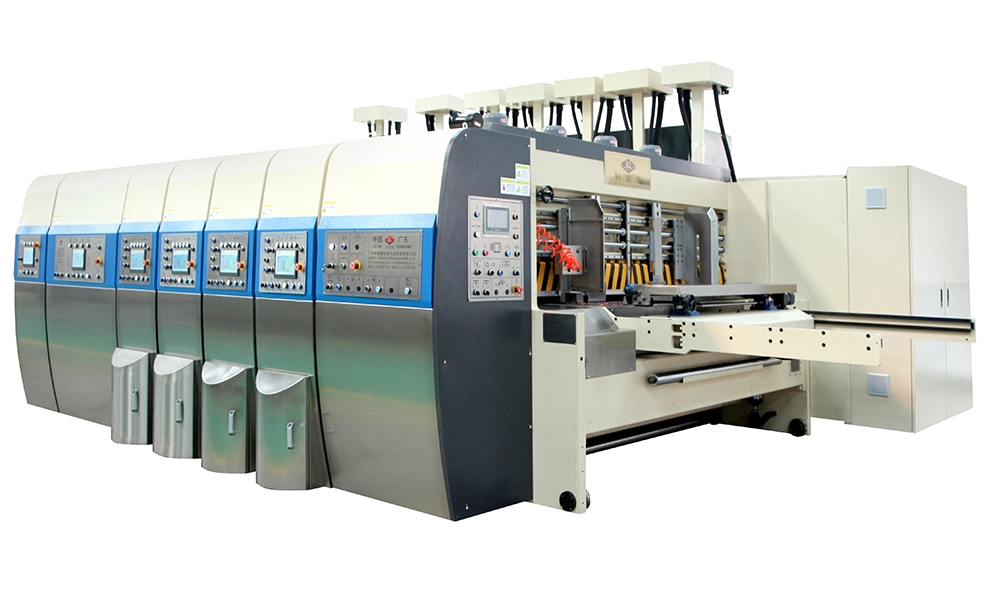
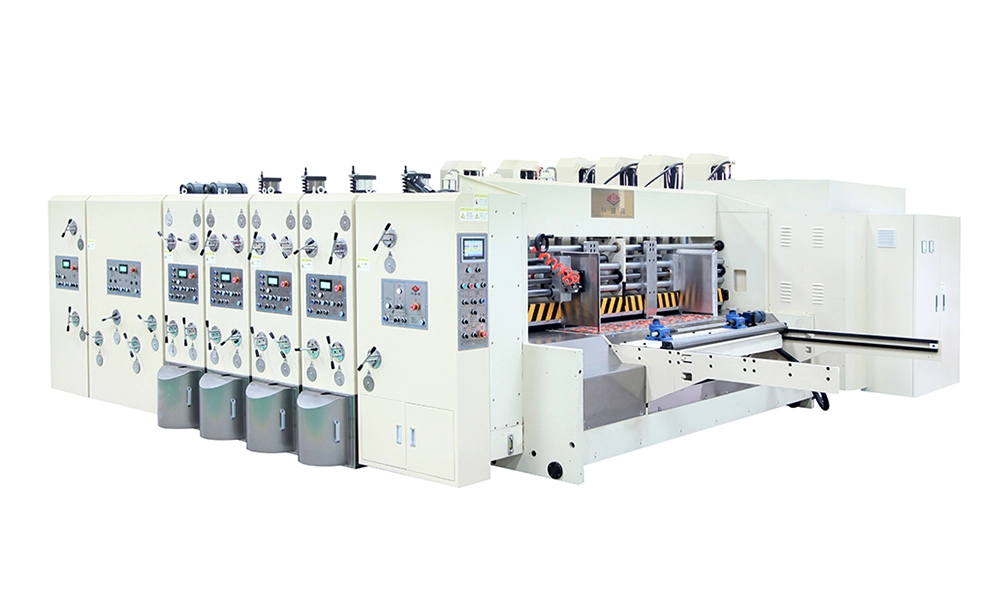
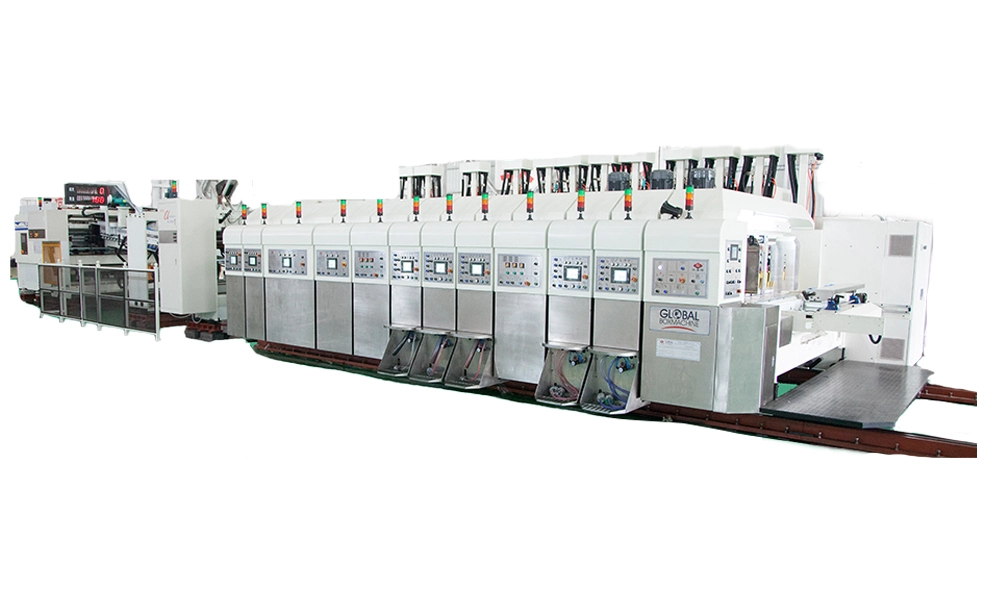
Inline Flexo Printing Presses: Multi-color presses integrated with slotter die-cutters for direct printing and finishing in one pass.
Top & Bottom Printing Presses: Designed for two-sided printing on corrugated board, suitable for retail packaging with high-quality graphics on both sides.
“6+1” Precision Printing Slotting Die-Cutting Machines: High-precision presses with multiple colors, ideal for high-fidelity graphics and special varnishes.
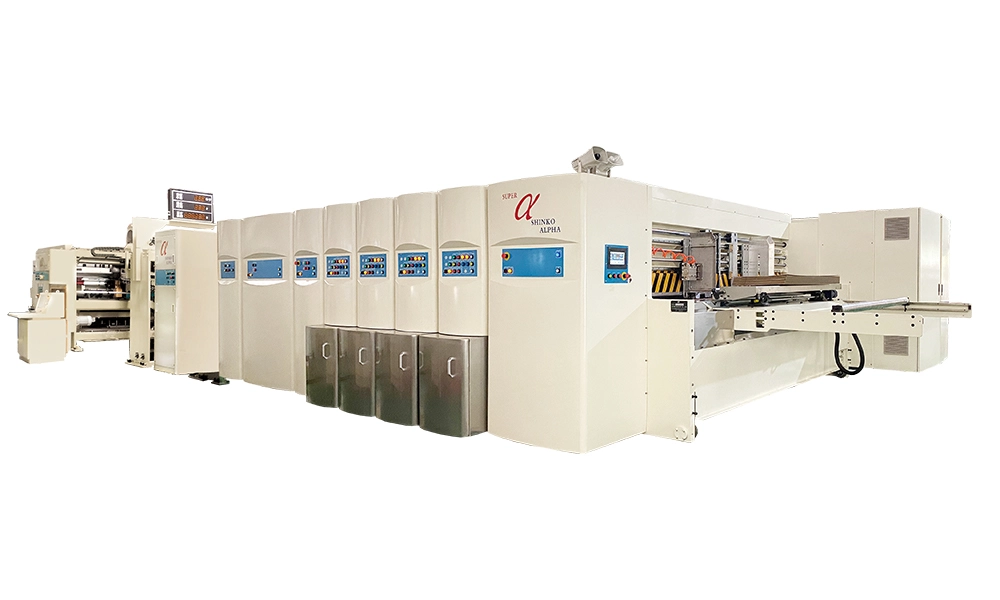
Jumbo-Size Flexo Printing Slotting Die-Cutting Machines: Capable of handling very large carton formats and wide web, suitable for large-format packaging.
7. How Do I Choose Between Local Representatives and Overseas Manufacturers?
When sourcing a flexographic printer:
Local Reseller Benefits: Faster spare parts, trained on-site technicians, financing options, and easier negotiations on service contracts.
Overseas Manufacturer Benefits: Lower purchase price, broader customization, and direct access to R&D. Consider logistics, warranty terms, and customs/import support.
Balance price savings with risk: longer lead times for parts and technicians can negate initial savings. Always require a clear Service Level Agreement (SLA) and defined acceptance testing.
8. What Are the Common Mistakes to Avoid When Buying a Flexo Printing Machine?
Common mistakes include:
Choosing the Cheapest Option: Opting for the first cheapest machine without considering long-term needs and quality.
Overlooking Total Cost of Ownership: Focusing solely on initial purchase price without accounting for maintenance, energy consumption, and potential downtime.
Neglecting Substrate Compatibility: Failing to ensure the machine can handle the specific materials you plan to print on.
Ignoring Automation Features: Overlooking the importance of automation and computerized controls that can enhance efficiency and reduce errors.
Underestimating Maintenance Needs: Not planning for regular maintenance, which can lead to increased downtime and reduced machine lifespan.
Conclusion: Advantages of Keshenglong & Shinko Flexo Printing Machines
Keshenglong & Shinko offer advanced flexo printing machines designed to meet diverse packaging needs. Their machines feature:
High-Speed Performance: Capable of running at speeds exceeding 2,000 feet per minute, enhancing production efficiency.
Versatility: Suitable for printing on a wide range of substrates, including corrugated cardboard, flexible plastics, metallic films, and labels.
Integrated Solutions: Many models integrate printing with finishing processes like slotting, folding, and gluing, streamlining production workflows.
Advanced Automation: Equipped with features like automatic register control and quick changeovers to minimize downtime and improve consistency.
By considering these factors and leveraging the strengths of Keshenglong & Shinko machines, you can make an informed decision that aligns with your packaging requirements and business objectives.
References:
((https://www.shinkomachinery.com/guides/flexo-printer-buying-guide.html))
((https://www.shinkomachinery.com/article/flexo-printing-machine-buying-guide.html))
((https://www.shinkomachinery.com/article/choose-flexo-printer.html))
((https://www.shinkomachinery.com/guides/flexographic-printer-guide.html))
((https://www.shinkomachinery.com/blog/flexo-printing-guide-2026.html))
((https://www.shinkomachinery.com/b2b-buyer-s-guide-flexo-printing-machines-for-packaging.html))
Recommended for you
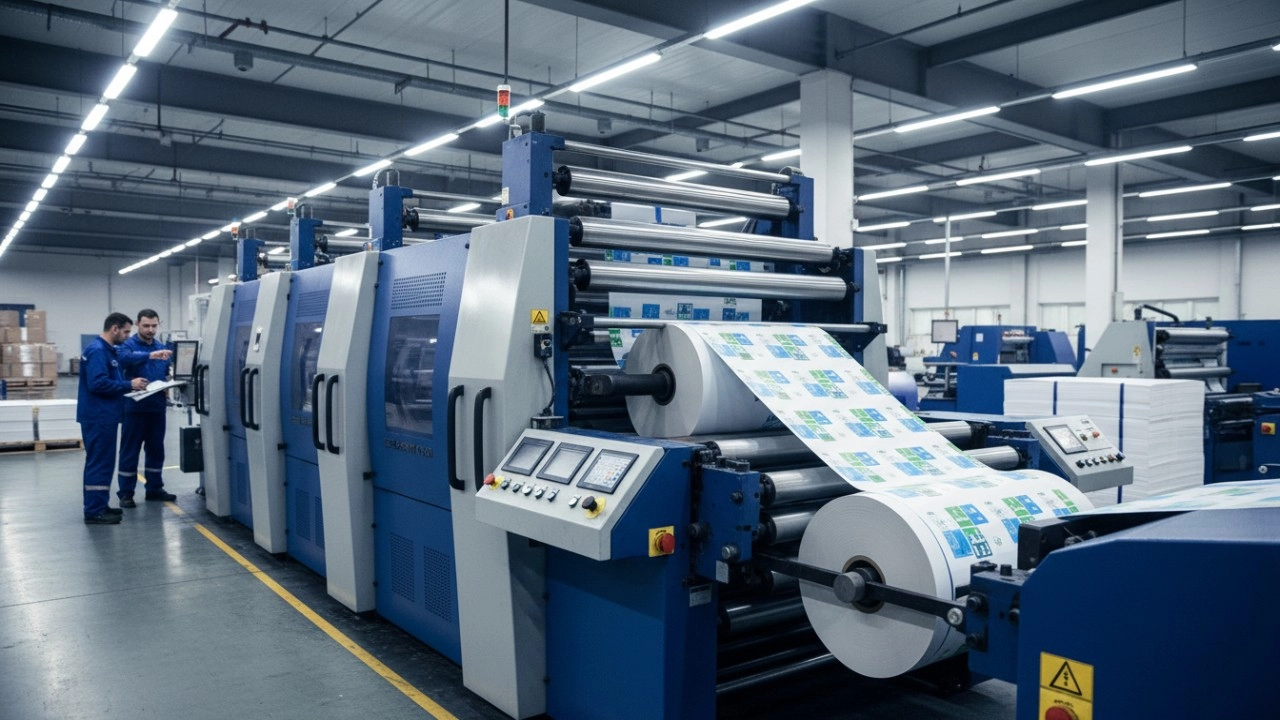
How to Optimize Your Flexo Printing Machine for Maximum Speed and Zero Defects
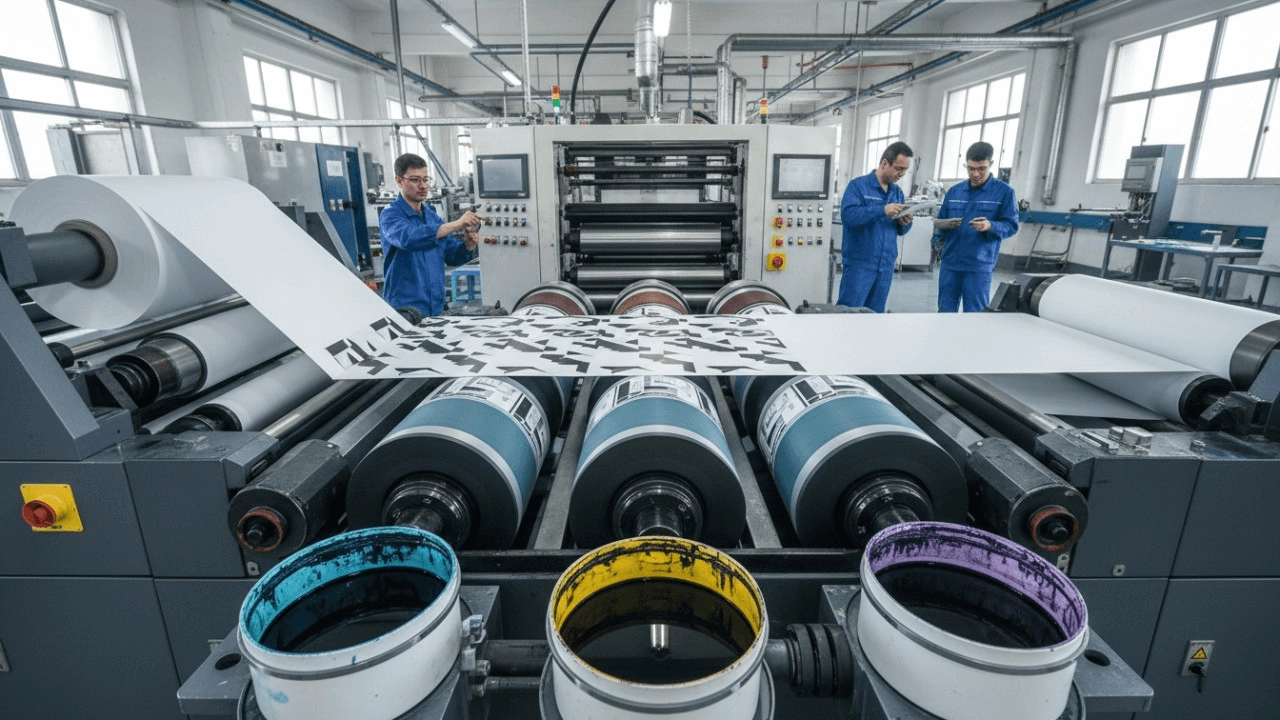
What is Flexographic Printing? The Ultimate Technical Guide & Process Breakdown (2025)
Top 10 Best Flexo Printer Manufacturers (2026): Reviews & Buying Guide
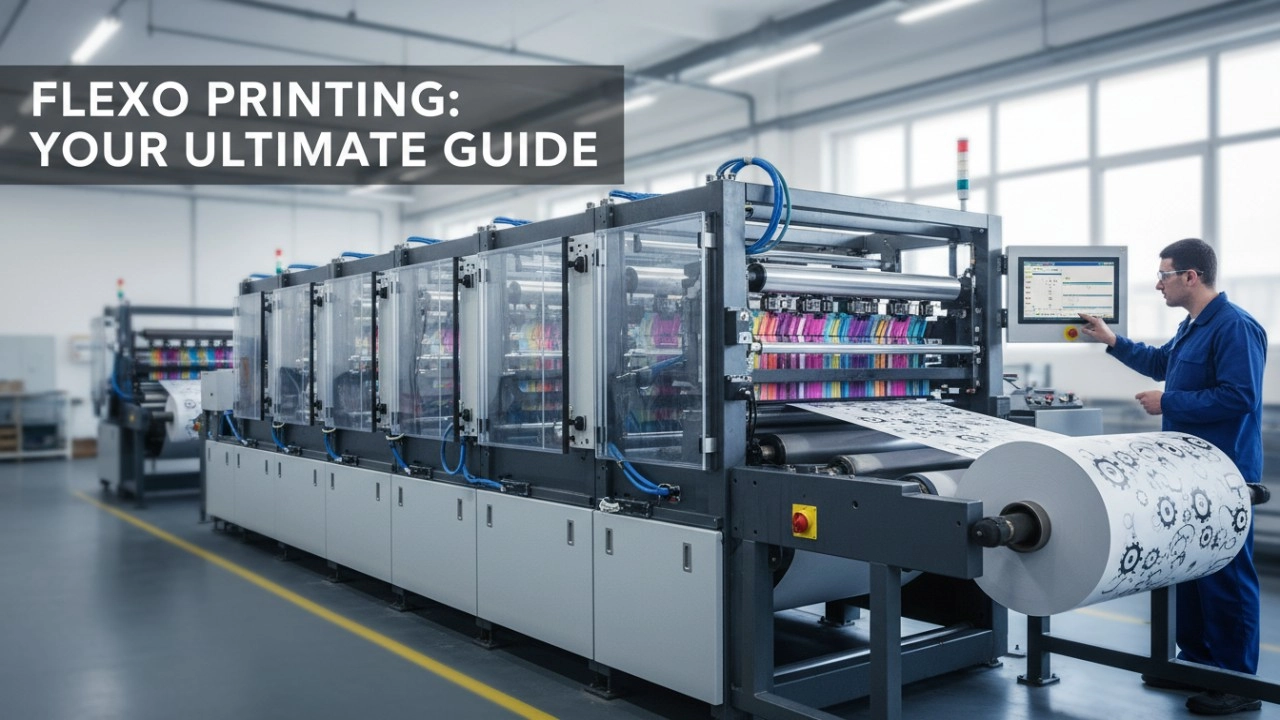
How to Select the Best Flexo Printing Press Manufacturer: A Data-Driven Checklist (2026 Edition)
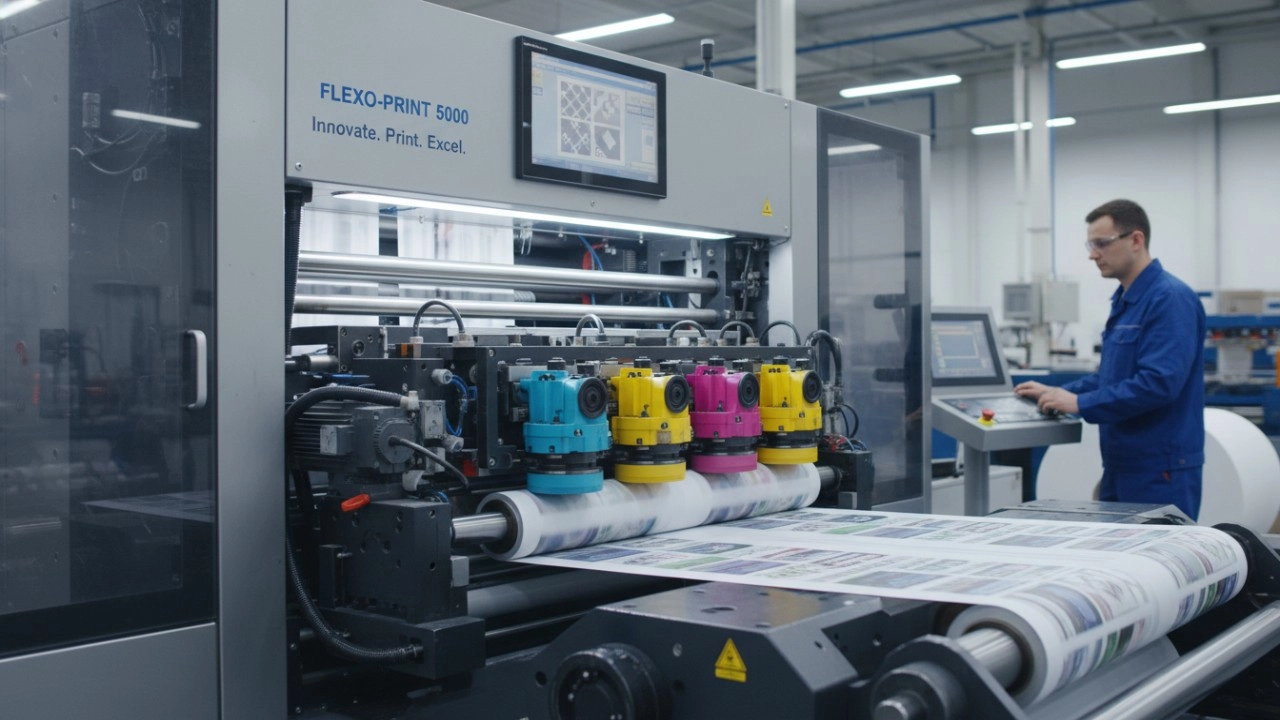
High-Efficiency Flexo Press Solutions: A Complete Guide to Optimizing Your Packaging Production
Product
What should I do if the machine jams during operation?
In case of a jam, immediately stop the machine, remove any obstructions, and check for any damage before restarting.
How do I adjust the machine settings for different carton sizes?
Machine settings can be adjusted using the intuitive control panel, which allows for quick changes to accommodate different carton sizes.
How can I integrate your machines into my existing production line?
Our technical team can assist with integrating our machines into your current production setup, ensuring a seamless operation.
Shipping
What should I do if my machine arrives damaged?
If your machine arrives damaged, please contact our customer service immediately to arrange for repairs or replacement.
Do you offer international shipping for your machines?
Yes, we offer international shipping and can handle all necessary customs documentation.
Leave a message
Have any questions or queries about our products? Please leave us a message here and our team will get back to you promptly.
* Rest assured that your privacy is important to us, and all information provided will be handled with the utmost confidentiality.


© 2025 Keshenglong & SHINKO All Rights Reserved.
Keshenglong Carton Packing Machine
Keshenglong Carton Packing Machine
Keshenglong Carton Packing Machine
Keshenglong Carton Packing Machine
Keshenglong Carton Packing Machine