
How to troubleshoot common flexo printer issues?
This guide provides essential insights into selecting the right flexographic printer, addressing common issues, and highlights the advantages of Keshenglong & Shinko brands.
- Comprehensive Guide to Purchasing and Troubleshooting Flexographic Printers
- 1. What Are the Different Types of Flexographic Printing Machines?
- 2. How Do I Assess My Production Needs?
- 3. What Features Should I Prioritize in a Flexo Printing Machine?
- 4. How Do I Evaluate the Total Cost of Ownership?
- 5. What Are the Maintenance Requirements for Flexo Printing Machines?
- 6. How Do I Choose the Right Manufacturer?
- 7. What Are Common Troubleshooting Techniques for Flexo Printers?
- Conclusion: Advantages of Keshenglong & Shinko
Comprehensive Guide to Purchasing and Troubleshooting Flexographic Printers
Flexographic printing is a versatile and efficient method widely used in packaging and labeling industries. Selecting the right flexographic printer and understanding common troubleshooting techniques are crucial for maintaining high-quality production. This guide addresses key considerations for purchasing a flexographic printer and offers solutions to common issues encountered during operation.
1. What Are the Different Types of Flexographic Printing Machines?
Flexographic printing machines come in three primary configurations:
Central Impression (CI) Presses: These presses feature a central drum that holds all substrates in place, ensuring perfect registration and consistent print quality. CI flexo presses are ideal for flexible packaging and high-quality film printing. ((https://www.shinkomachinery.com/how-to-choose-best-flexo-printing-machine-startups.html))
Stack Type Flexographic Presses: With individual print stations stacked vertically, this configuration offers flexibility in printing both sides of the substrate and is commonly used for labels and paperboard packaging. ((https://www.shinkomachinery.com/how-to-choose-best-flexo-printing-machine-startups.html))
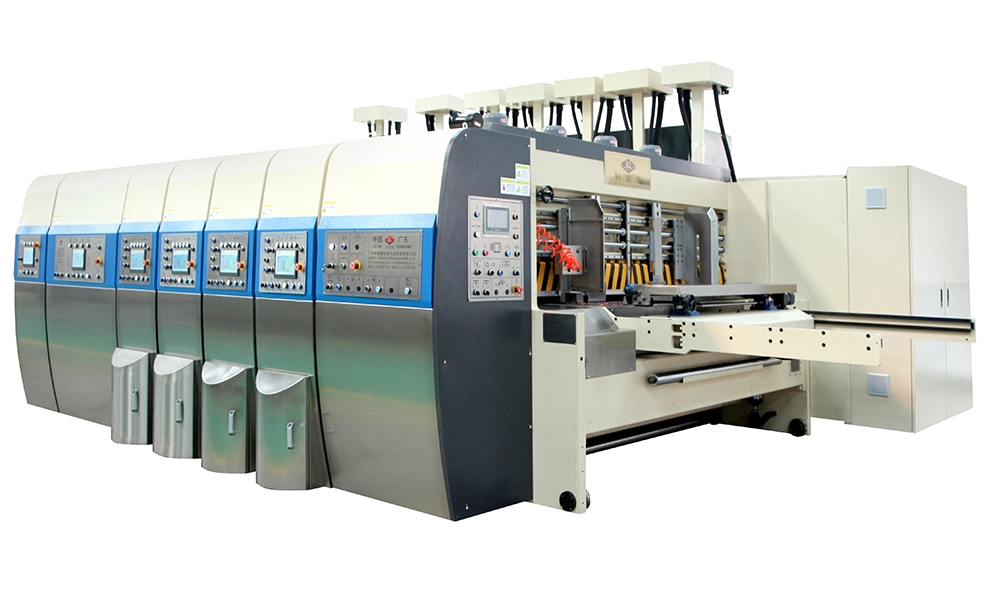
In-Line Flexo Presses: Designed for thicker substrates like corrugated cardboard, in-line flexo presses allow for the integration of additional processes such as die-cutting, laminating, and coating, streamlining production for folding cartons and corrugated boxes. ((https://www.shinkomachinery.com/how-to-choose-best-flexo-printing-machine-startups.html))
2. How Do I Assess My Production Needs?
Evaluating your production requirements involves considering:
Substrate Compatibility: Determine the materials you plan to print on, such as paper, plastics, films, or metallic foils. Ensure the machine can handle these substrates effectively. ((https://www.shinkomachinery.com/how-to-choose-best-flexo-printing-machine-startups.html))
Production Volume: Assess the scale of your operations. High-volume printing jobs may necessitate a press capable of maintaining consistent quality at increased speeds. ((https://www.shinkomachinery.com/how-to-choose-best-flexo-printing-machine-startups.html))
Print Quality Expectations: Define the quality standards required for your products. Machines with advanced registration and ink control systems can achieve higher print quality. ((https://www.shinkomachinery.com/how-to-choose-best-flexo-printing-machine-startups.html))
3. What Features Should I Prioritize in a Flexo Printing Machine?
When selecting a flexo printing machine, consider the following features:
Number of Colors and Color Registration: The number of print stations determines how many colors you can print in a single pass. For brand-accurate packaging, choose machines with precise register control and easy plate-change systems to reduce setup time and waste. ((https://www.shinkomachinery.com/b2b-buyer-s-guide-to-flexographic-printing-equipment-keshenglong.html))
Automation and Computerized Controls: Computerized controls, recipe management, quick job recall, and PLC-based automation shorten changeover and reduce operator dependency. These are critical for multi-shift operations and contract packaging work. ((https://www.shinkomachinery.com/b2b-buyer-s-guide-to-flexographic-printing-equipment-keshenglong.html))
Drying Systems and Ink Compatibility: Efficient drying systems (hot air, IR, or UV where applicable) and compatibility with water-based or alcohol-based inks help maintain print quality and reduce run defects. Verify that the supplier supports the ink types you plan to use and can advise on drying capacity. ((https://www.shinkomachinery.com/b2b-buyer-s-guide-to-flexographic-printing-equipment-keshenglong.html))
Web Handling, Tension Control, and Sheet Transfer: Consistent tension control and precise web handling reduce print defects and misregisters, especially at higher speeds or with wide web formats. Check for features such as servo-driven tension systems and automatic edge guides. ((https://www.shinkomachinery.com/b2b-buyer-s-guide-to-flexographic-printing-equipment-keshenglong.html))
4. How Do I Evaluate the Total Cost of Ownership?
When budgeting for a flexo printing machine, consider the initial purchase price, ongoing operational costs, maintenance expenses, and the potential ROI from increased efficiency, faster production times, and reduced waste.
5. What Are the Maintenance Requirements for Flexo Printing Machines?
Regular maintenance extends machine life and ensures consistent output:
Clean anilox rolls weekly using ultrasonic baths to prevent ink buildup.
Replace doctor blades every 6–12 months depending on run frequency.
Install proper ventilation when using volatile organic compound (VOC)-emitting inks to comply with OSHA standards in the U.S.
Ensure electrical systems meet local codes (e.g., NEC Article 670 in the U.S.).
Dispose of spent ink containers according to EPA regulations or regional equivalents.
6. How Do I Choose the Right Manufacturer?
Selecting a reputable manufacturer is crucial for ensuring quality and support. Brands like Keshenglong and Shinko are known for their reliable flexographic printing machines. Keshenglong offers a range of machines suitable for various production needs, while Shinko provides advanced technology and integration options. ((https://www.shinkomachinery.com/b2b-buyer-s-guide-to-flexographic-printing-equipment-keshenglong.html))
7. What Are Common Troubleshooting Techniques for Flexo Printers?
Common issues and their solutions include:
Ink Smearing: Ensure proper drying settings and check for correct ink viscosity.
Misregistration: Calibrate the registration system and inspect mechanical components for wear.
Uneven Ink Distribution: Clean anilox rolls and verify doctor blade settings.
Substrate Wrinkling: Adjust tension controls and ensure proper web handling.
Conclusion: Advantages of Keshenglong & Shinko
Keshenglong and Shinko offer advanced flexographic printing machines that combine reliability, efficiency, and innovative features. Their equipment is designed to meet diverse production requirements, ensuring high-quality output and operational excellence.
((https://www.shinkomachinery.com/how-to-choose-best-flexo-printing-machine-startups.html))
Recommended for you
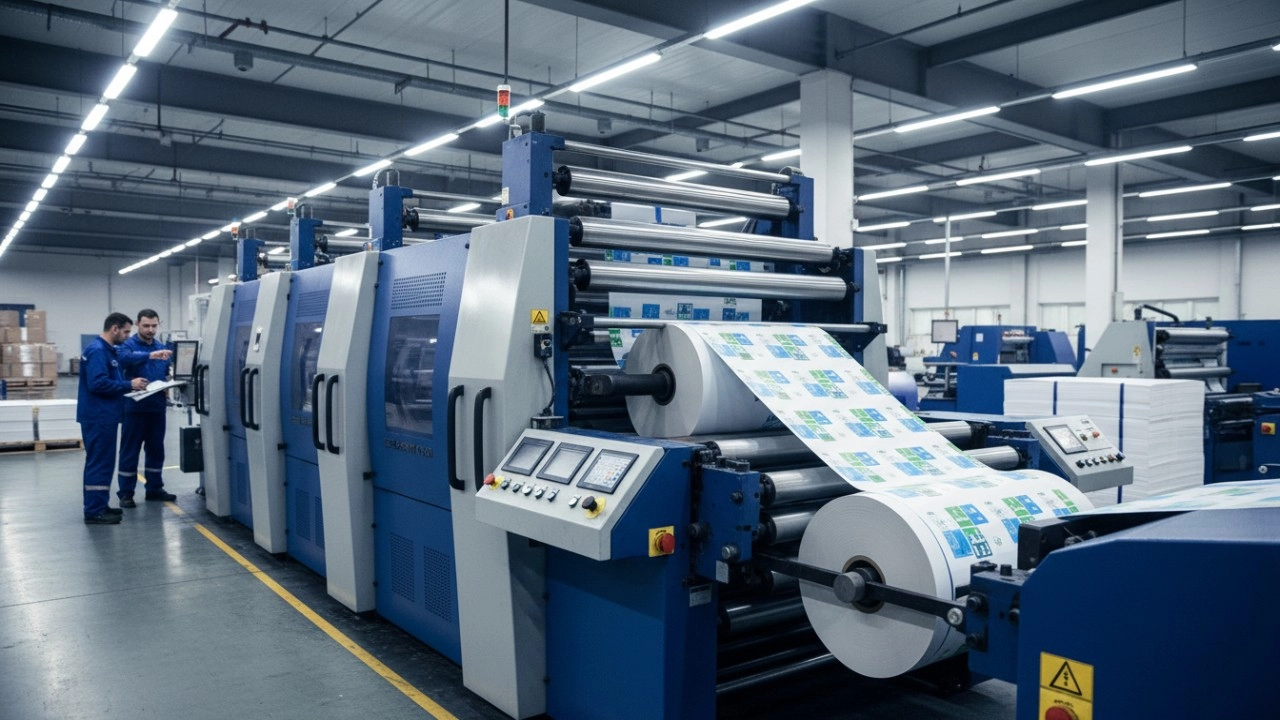
How to Optimize Your Flexo Printing Machine for Maximum Speed and Zero Defects
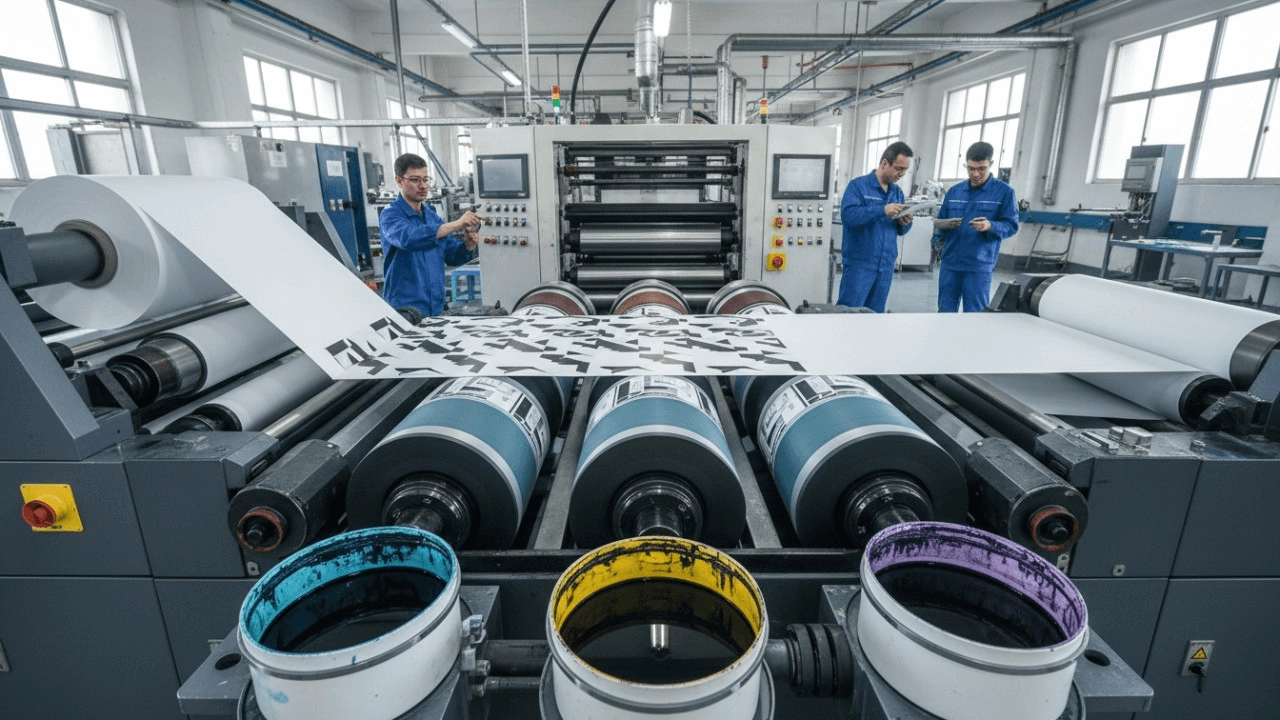
What is Flexographic Printing? The Ultimate Technical Guide & Process Breakdown (2025)
Top 10 Best Flexo Printer Manufacturers (2026): Reviews & Buying Guide
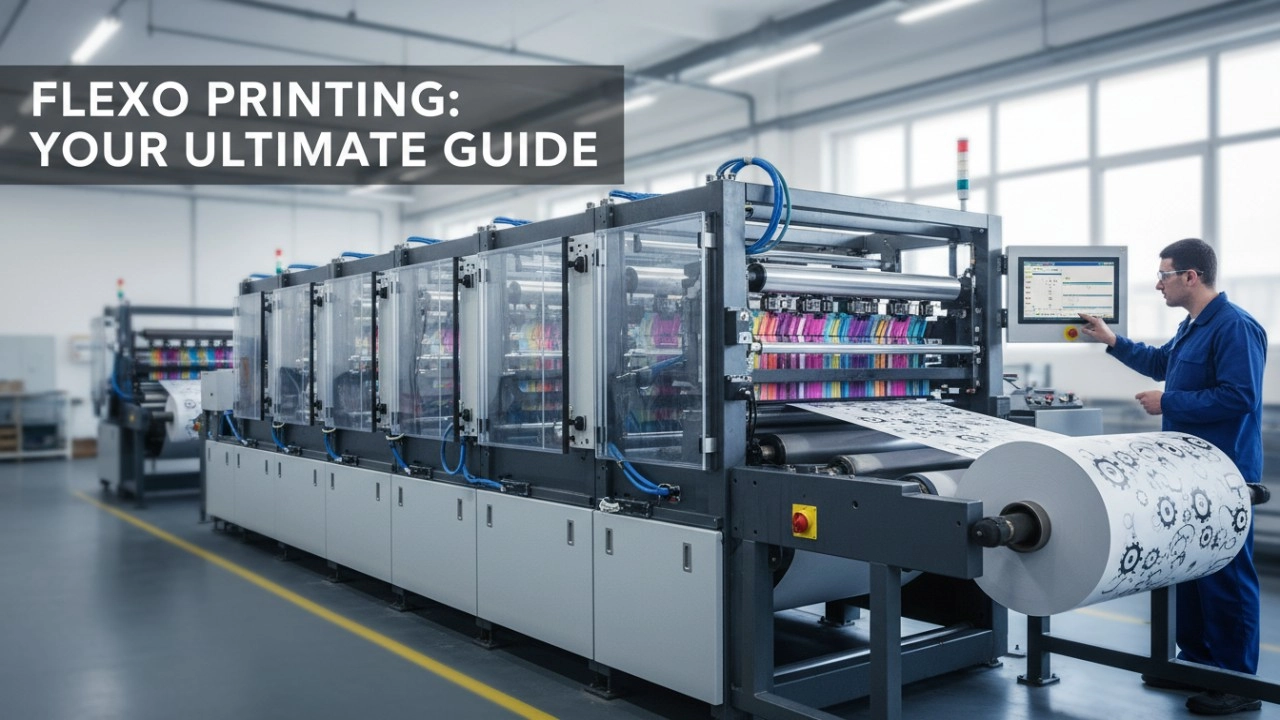
How to Select the Best Flexo Printing Press Manufacturer: A Data-Driven Checklist (2026 Edition)
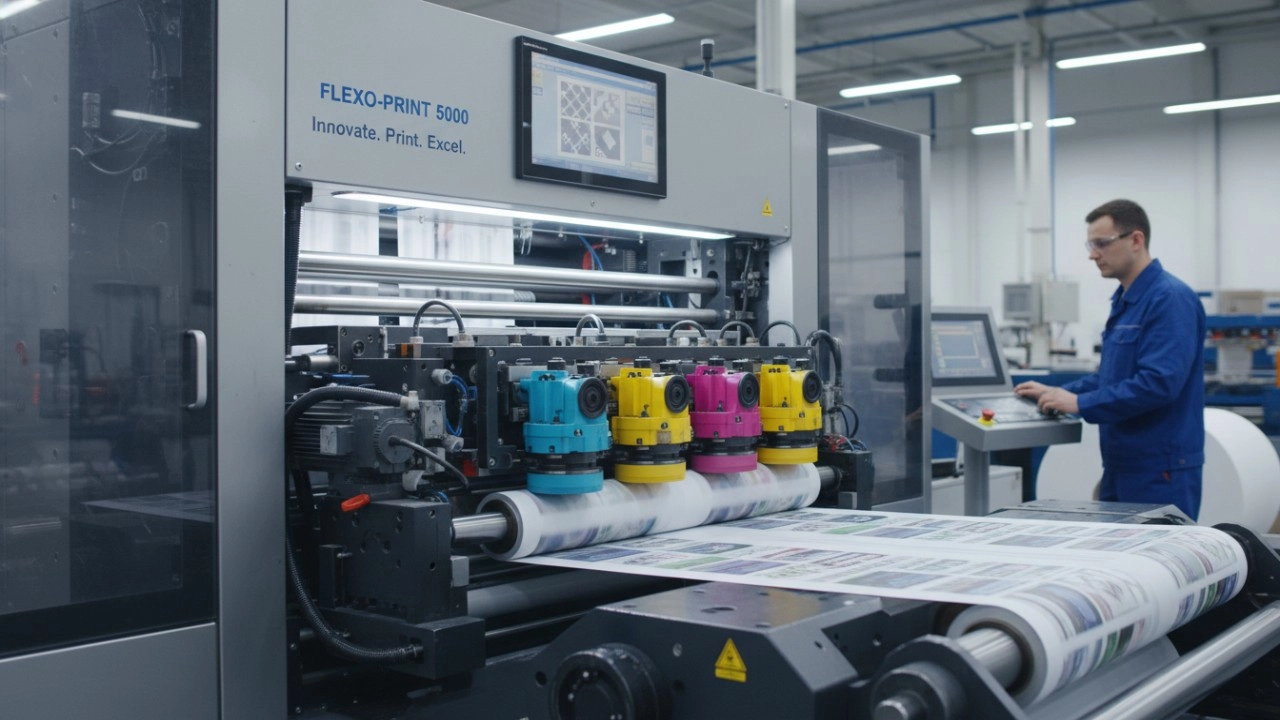
High-Efficiency Flexo Press Solutions: A Complete Guide to Optimizing Your Packaging Production
Industry Solutions
Do you offer customized solutions for unique production needs?
Yes, we work closely with clients to develop customized solutions that meet their specific production requirements.
How can your machines improve my production workflow?
By automating carton production, our machines streamline your workflow, increase output, and reduce downtime.
What kind of technical support do you offer for industry applications?
We provide comprehensive technical support, including installation, maintenance, and troubleshooting services.
Shipping
Do you provide installation services upon delivery?
Yes, we offer on-site installation and training services to ensure your machine is set up correctly.
What is the estimated delivery time for your machines?
Delivery times vary based on location and order size, but we typically estimate 4-6 weeks for delivery.
Leave a message
Have any questions or queries about our products? Please leave us a message here and our team will get back to you promptly.
* Rest assured that your privacy is important to us, and all information provided will be handled with the utmost confidentiality.
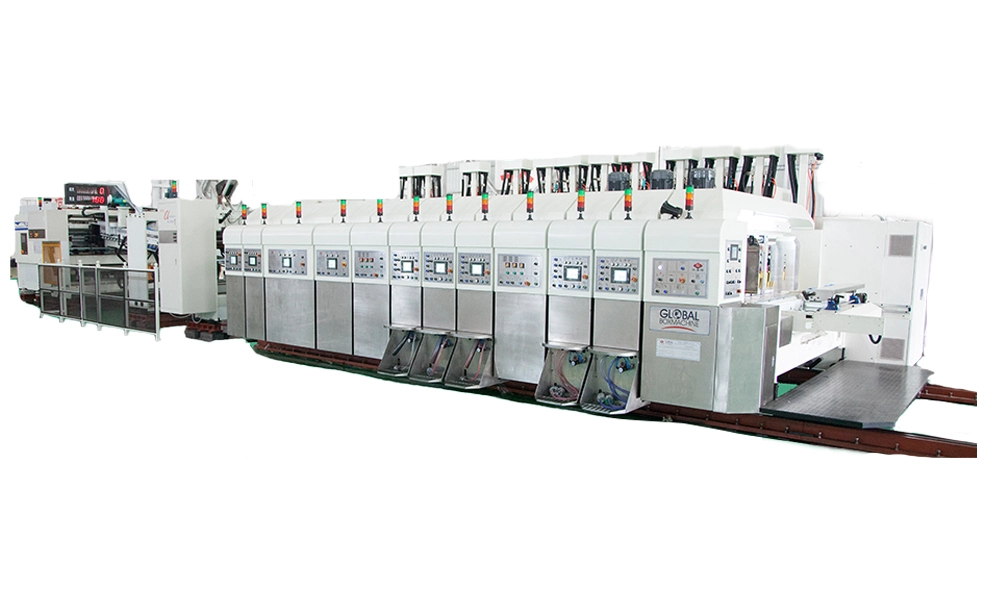
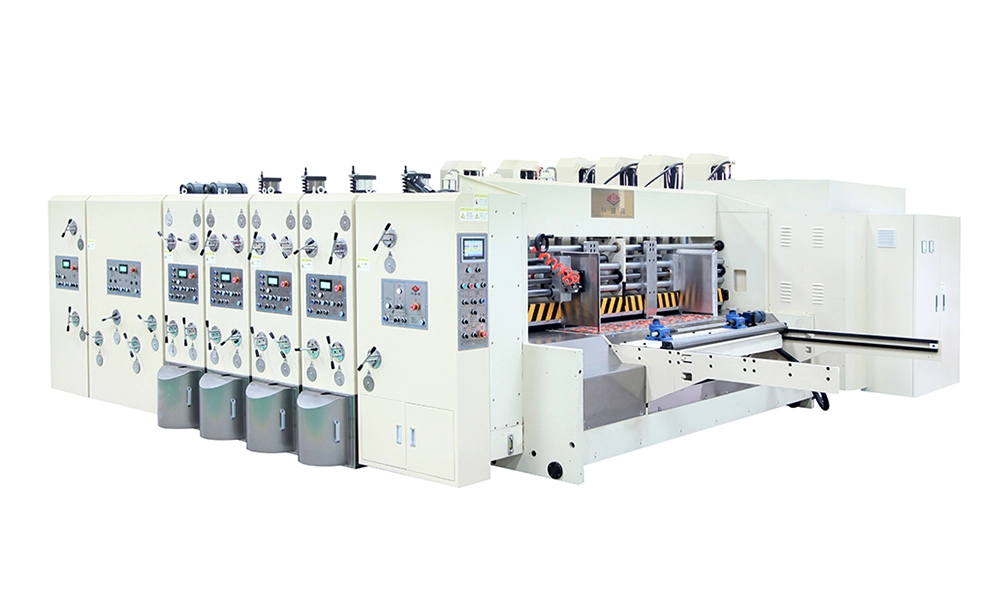
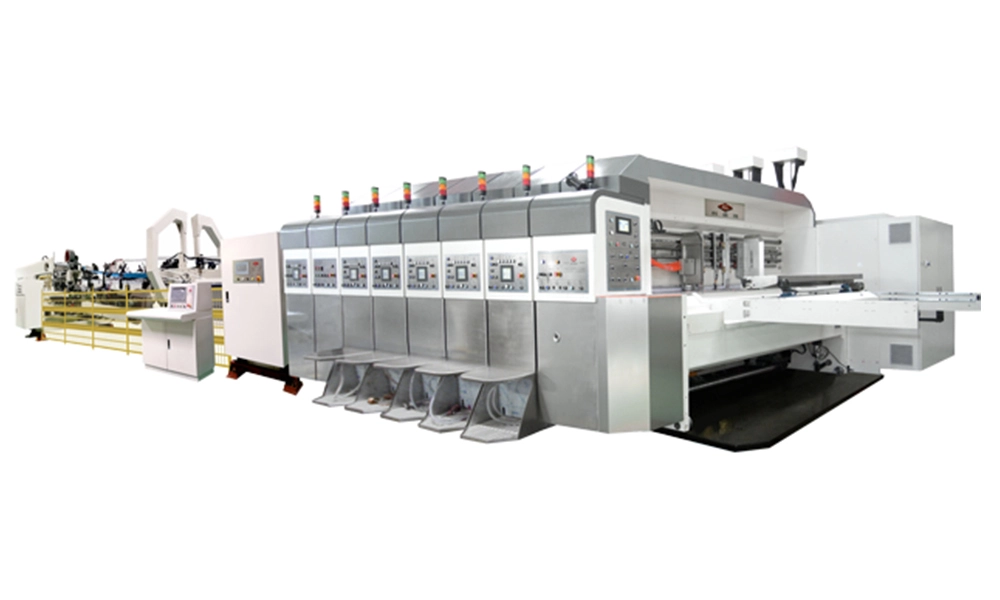


© 2025 Keshenglong & SHINKO All Rights Reserved.
Keshenglong Carton Packing Machine
Keshenglong Carton Packing Machine
Keshenglong Carton Packing Machine
Keshenglong Carton Packing Machine
Keshenglong Carton Packing Machine