
How do corrugated box printer machine software and automation compare?
This guide addresses key considerations for purchasing corrugated box printing machines, including software and automation comparisons, to assist flexo printer industry users in making informed decisions.
- Key Considerations for Purchasing a Corrugated Box Printing Machine
- 1. What are the primary differences between flexographic and digital printing technologies for corrugated boxes?
- 2. How do software and automation features impact the efficiency of corrugated box printing machines?
- 3. What are the key technical specifications to consider when selecting a flexographic printing machine?
- 4. How does the integration of slotting and die-cutting with printing processes benefit corrugated box production?
- 5. What role does sustainability play in the selection of corrugated box printing machines?
- 6. How do maintenance requirements and support services affect the total cost of ownership of a printing machine?
- 7. What are the advantages of investing in a flexographic printing machine with advanced automation and software integration?
- 8. How do Keshenglong and Shinko's flexographic printing machines stand out in the market?
When considering the purchase of a corrugated box printing machine, it's essential to address several key questions to ensure the equipment aligns with your production needs and business objectives.
Key Considerations for Purchasing a Corrugated Box Printing Machine
1. What are the primary differences between flexographic and digital printing technologies for corrugated boxes?
Flexographic printing utilizes flexible relief plates to transfer ink onto substrates like corrugated board, offering high-speed production and cost-effectiveness for large volumes. Digital printing, on the other hand, employs digital files to directly print images onto substrates, providing flexibility for short runs and complex designs without the need for physical plates. The choice between the two depends on factors such as order volume, design complexity, and turnaround time requirements.
2. How do software and automation features impact the efficiency of corrugated box printing machines?
Advanced software and automation in printing machines enhance efficiency by streamlining processes like color management, job setup, and maintenance. Features such as computerized controls, recipe management, and quick job recall reduce setup times and human error, leading to consistent print quality and reduced waste. Additionally, automation can monitor ink usage and detect issues in real-time, further optimizing production.
3. What are the key technical specifications to consider when selecting a flexographic printing machine?
When evaluating flexographic printing machines, consider the following technical specifications:
Number of Color Stations: Machines with 1-6 color units accommodate different packaging needs, from simple single-color branding to complex full-color graphics.
Print Speed and Throughput: Assess the machine's speed (measured in meters per minute) and throughput to ensure it meets your production demands.
Registration Accuracy: Precise registration is crucial for multi-color and die-cut registration, impacting the overall print quality.
Substrate Compatibility: Ensure the machine can handle the specific types of corrugated board and other substrates used in your production.
Automation and Control Systems: Look for features like servo-driven registration and tension control, job memory, and integration with management information systems (MIS) for streamlined operations.
These specifications directly influence production capability, print consistency, and overall operational efficiency.
4. How does the integration of slotting and die-cutting with printing processes benefit corrugated box production?
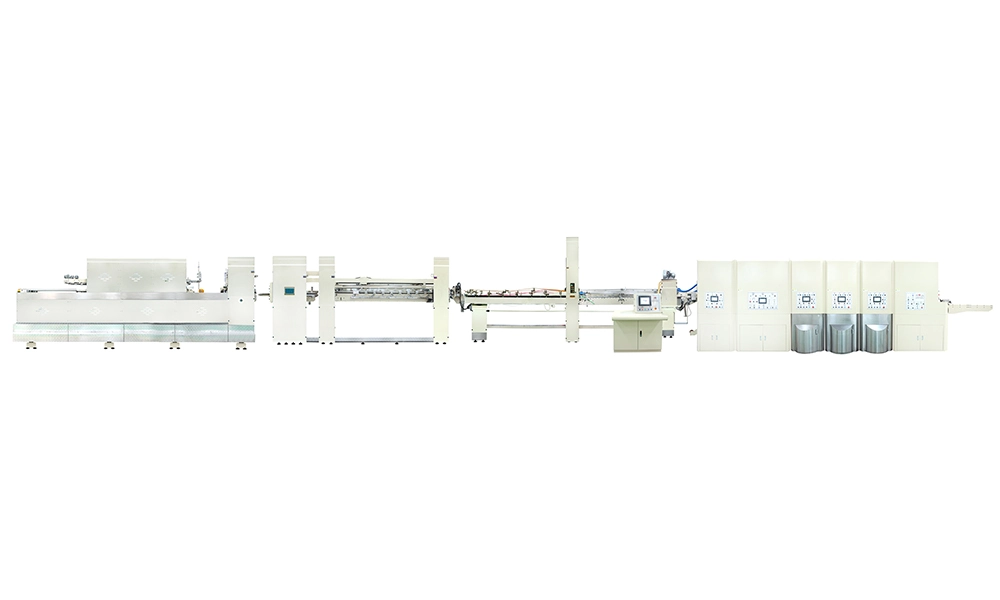
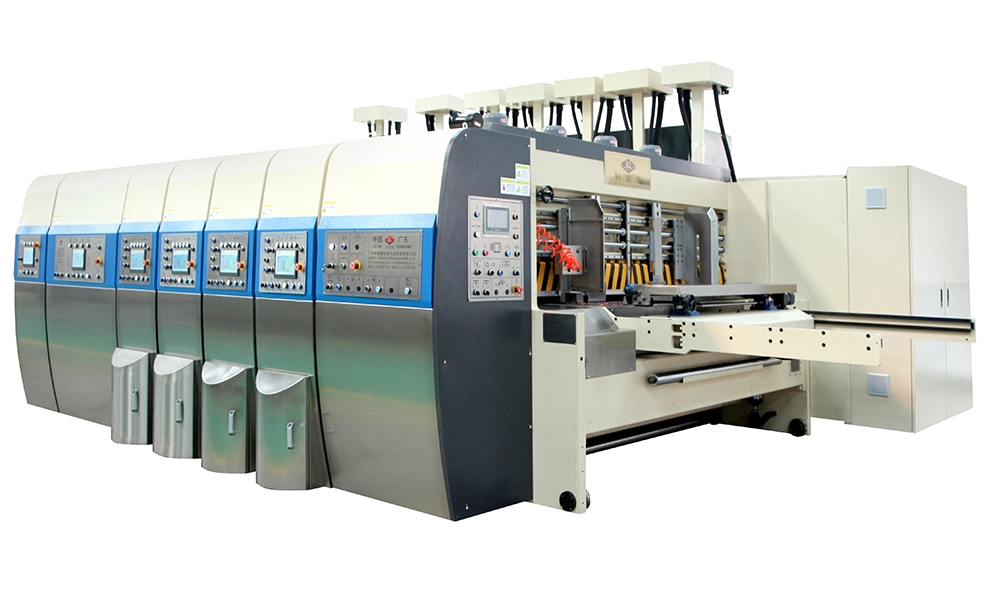
Integrating slotting and die-cutting with printing processes streamlines production by eliminating manual transfers between stages, reducing handling, and increasing throughput. This integration minimizes refeed steps, reduces material waste, and cuts labor costs, leading to shorter order lead times and reduced per-unit costs. For example, high-speed flexo slotting die-cutting machines offer multi-color printing integrated with slotting and die-cutting in one pass, ideal for corrugated carton production.
5. What role does sustainability play in the selection of corrugated box printing machines?
Sustainability is increasingly important in the printing industry. Modern flexo printing machines incorporate eco-friendly features such as energy-efficient components, water-based inks, and biodegradable plates to reduce environmental impact. Additionally, advancements like LED UV curing systems use less power and emit fewer harmful volatile organic compounds (VOCs), contributing to a greener production process. Choosing equipment with these sustainable features not only meets regulatory standards but also aligns with consumer expectations for environmentally responsible products.
6. How do maintenance requirements and support services affect the total cost of ownership of a printing machine?
Maintenance requirements and support services significantly impact the total cost of ownership (TCO) of a printing machine. Regular maintenance ensures optimal performance and longevity of the equipment, while reliable support services minimize downtime and address issues promptly. Factors to consider include the availability of spare parts, responsiveness of technical support, and the quality of training provided for operators and maintenance personnel. A comprehensive service agreement that includes preventive maintenance, training, and support can lead to higher uptime and a more predictable cost structure.
7. What are the advantages of investing in a flexographic printing machine with advanced automation and software integration?
Investing in a flexographic printing machine with advanced automation and software integration offers several advantages:
Increased Efficiency: Automated features like quick-change plates, job memory, and real-time monitoring reduce setup times and human error, leading to faster production cycles.
Consistent Print Quality: Advanced software ensures precise color management and registration, resulting in uniform print quality across runs.
Reduced Waste: Automation systems can monitor ink usage and detect issues early, minimizing material waste and optimizing resource utilization.
Scalability: Machines with modular designs and software integration can adapt to changing production needs, allowing for future upgrades and expansions without significant additional investment.
These benefits contribute to a higher return on investment and a more competitive position in the market.
8. How do Keshenglong and Shinko's flexographic printing machines stand out in the market?
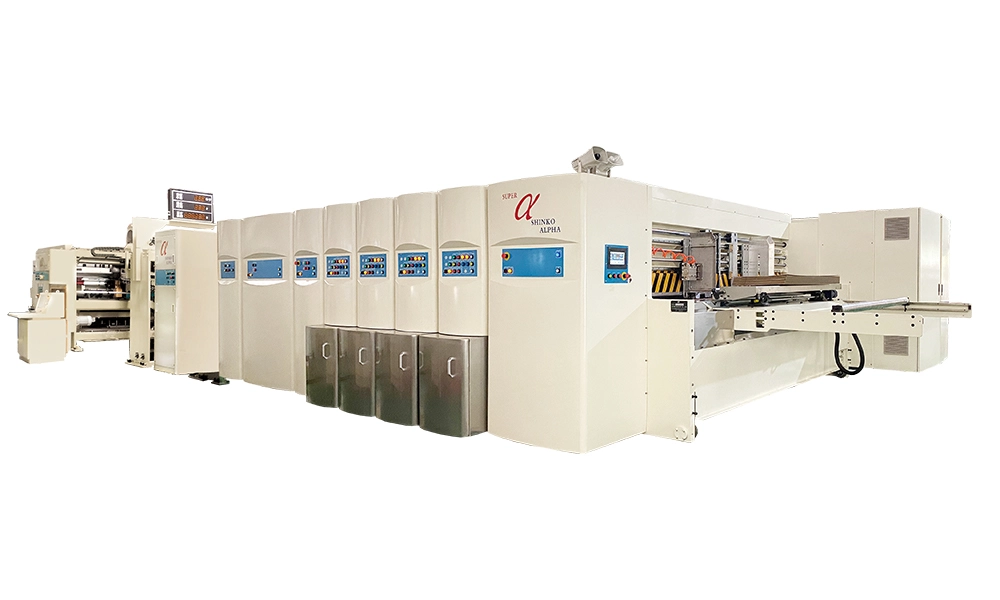
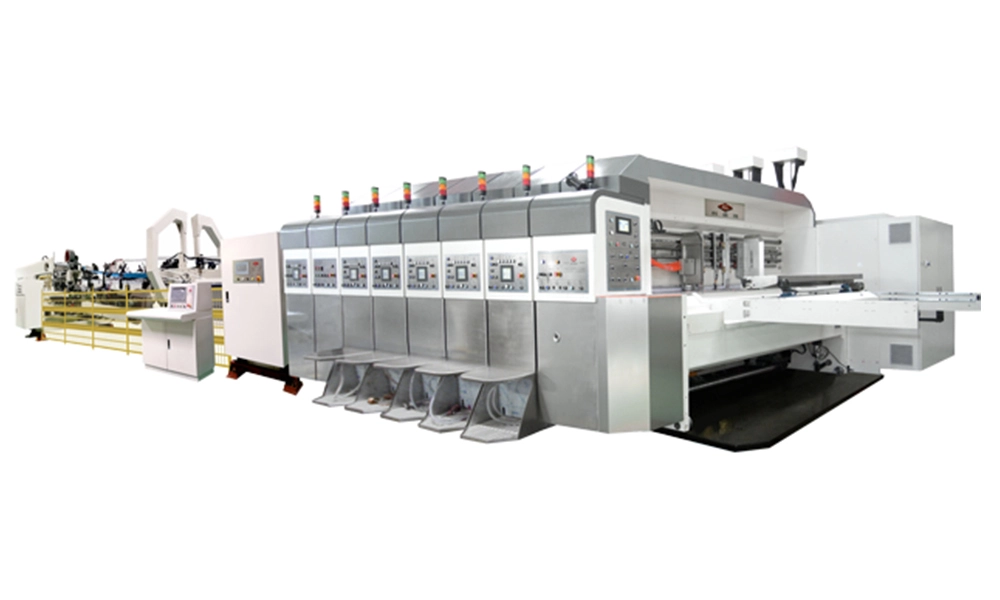
Keshenglong and Shinko are renowned for their high-quality flexographic printing machines that incorporate advanced automation and software integration. Their equipment is designed for high-speed production, precise color registration, and efficient operation, making them ideal choices for corrugated box production. Additionally, both companies emphasize sustainability by offering machines that utilize energy-efficient components and eco-friendly materials, aligning with industry trends towards environmental responsibility.
By carefully considering these factors, businesses can make informed decisions when purchasing corrugated box printing machines, ensuring the equipment meets their production requirements and contributes to long-term success.
Note: The information provided is based on industry standards and may vary depending on specific machine models and configurations.
Sources: (https://www.shinkomachinery.com/b2b-buyer-s-guide-to-flexographic-printing-equipment-keshenglong.html), (https://www.shinkomachinery.com/b2b-buyer-s-guide-flexo-printing-machines-for-packaging.html), (https://www.shinkomachinery.com/article/choose-flexo-printer.html), (https://www.shinkomachinery.com/article/flexo-printing-machine-buying-guide.html), (https://www.flexography.org/industry-news/purchasing-flexo-press-wide-web-negotiation/), (https://www.weipong.com/news/what-factors-matter-most-when-selecting-an-automatic-flexo-printer.html)
Recommended for you
How to Optimize Your Flexo Printing Machine for Maximum Speed and Zero Defects
What is Flexographic Printing? The Ultimate Technical Guide & Process Breakdown (2025)
Top 10 Best Flexo Printer Manufacturers (2026): Reviews & Buying Guide
How to Select the Best Flexo Printing Press Manufacturer: A Data-Driven Checklist (2026 Edition)
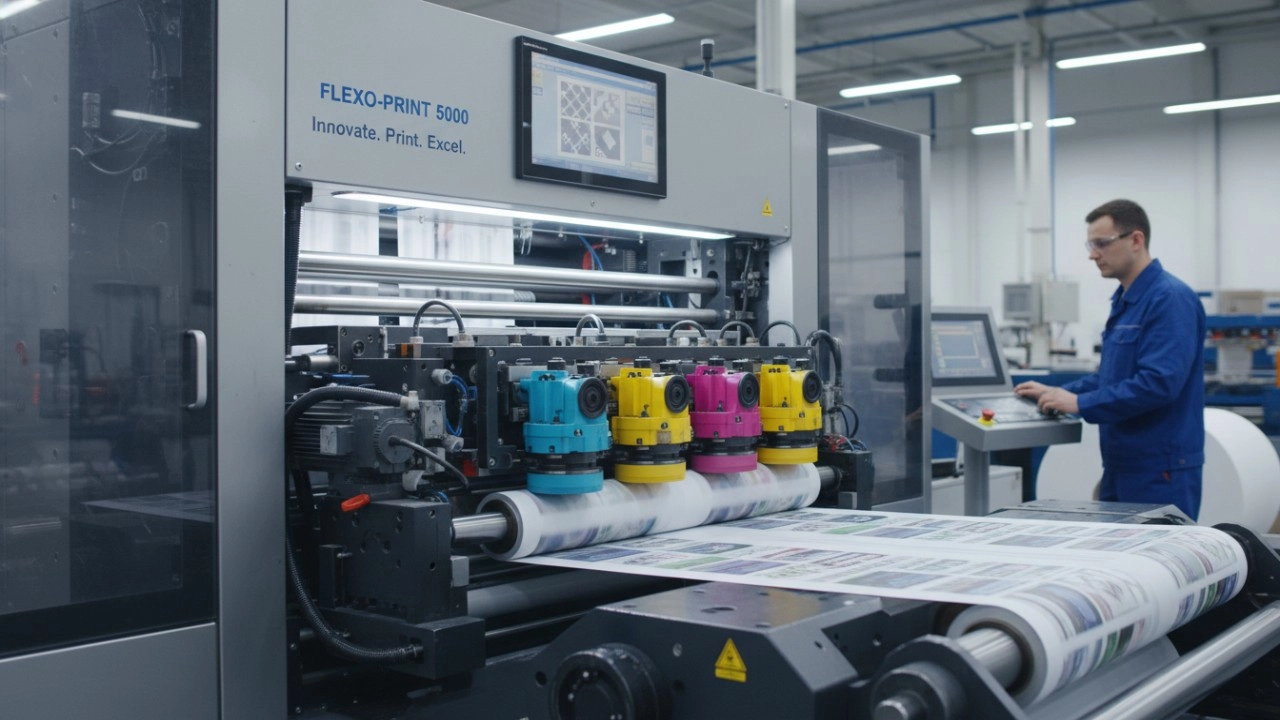
High-Efficiency Flexo Press Solutions: A Complete Guide to Optimizing Your Packaging Production
Shipping
What are the shipping dimensions and weight of your folding carton machines?
Shipping dimensions and weight vary by model; please refer to the specific product details for accurate information.
Do you provide installation services upon delivery?
Yes, we offer on-site installation and training services to ensure your machine is set up correctly.
Product
What materials are compatible with your folding carton machines?
Our machines are compatible with a wide range of materials including cardboard, corrugated board, and paperboard.
How do I troubleshoot common issues with the folding mechanism?
Common issues can often be resolved by checking the alignment of the folding plates and ensuring there is no debris obstructing the mechanism.
How can I integrate your machines into my existing production line?
Our technical team can assist with integrating our machines into your current production setup, ensuring a seamless operation.
Leave a message
Have any questions or queries about our products? Please leave us a message here and our team will get back to you promptly.
* Rest assured that your privacy is important to us, and all information provided will be handled with the utmost confidentiality.


© 2025 Keshenglong & SHINKO All Rights Reserved.
Keshenglong Carton Packing Machine
Keshenglong Carton Packing Machine
Keshenglong Carton Packing Machine
Keshenglong Carton Packing Machine
Keshenglong Carton Packing Machine