
How to Optimize Your Flexo Printing Machine for Maximum Speed and Zero Defects
Discover actionable strategies to boost your flexo printing machine's speed while eliminating defects. From anilox maintenance to AI automation, this guide covers essential optimizations for 2026.
In the competitive world of packaging, flexographic press maintenance is the dividing line between profitability and waste. Running a flexo printing machine at top speeds without compromising quality requires a perfect synchronization of mechanical precision, ink chemistry, and operator skill.
Quick Summary: Key Takeaways
Optimization relies on the synchronization of mechanical precision, ink viscosity, and plate quality.
To achieve peak performance, you must focus on the following core areas:
- Holistic Synchronization: Speed is a result of mechanical balance, correct ink viscosity, and high-quality photopolymer plates working in unison.
- Anilox Care: Regular maintenance of Anilox rollers is proven to increase print consistency by over 30%.
- Automation: Modern AI-driven registration is essential for exceeding 500 m/min speeds without generating waste.
- Proactive Settings: Zero defects require a proactive approach to "Kiss Impression" settings and precise tension control.
What is a Flexo Printing Machine?
A flexo printing machine is a rotary relief printing press that utilizes flexible photopolymer plates to transfer ink onto various substrates like plastic, paper, and metallic films.
Modern flexography has evolved significantly from its rubber-plate origins. Today, it is the dominant technology for high-volume packaging. According to Wikipedia, flexography is distinct because it can print on almost any type of substrate, including non-porous materials required for food packaging.
- High-Volume Engineering: Modern Central Impression (CI) and gearless models are engineered specifically for continuous, high-speed production.
- Versatility: Unlike offset or gravure, flexo machinery offers rapid changeovers and compatibility with water-based, solvent, and UV inks.
Diagnosing Speed-Killing Defects: A Troubleshooting Guide
Effective flexo printing defects troubleshooting begins with identifying the root mechanical or chemical cause of the visual anomaly on the substrate.
Before you can increase speed, you must stabilize the process. Defects are often amplified at higher velocities.
- Gear Marks (Banding):
- The Issue: Mechanical vibration or gear wear that limits press speed.
- The Fix: Upgrade to servo-driven motors for smoother operation or inspect gear mesh tightness.
- Dot Gain & Halo Effects:
- The Issue: Excessive pressure distorts the image, creating a "halo" around text or images.
- The Fix: Adjust pressure settings to achieve the perfect "kiss impression"—the lightest possible contact to transfer ink.
- Pinholing:
- The Issue: Small voids in solid ink coverage caused by poor ink transfer.
- The Fix: Manage viscosity and surface tension to ensure solid coverage without slowing down the web.
- Registration Errors:
- The Issue: Colors overlapping incorrectly due to web shifting.
- The Fix: Utilize modern camera inspection systems to detect micro-movements before they become visible waste.
Step-by-Step Optimization for Maximum Speed
To achieve maximum throughput, you must systematically upgrade your workflow, starting from anilox roller cleaning and ending with advanced drying systems.
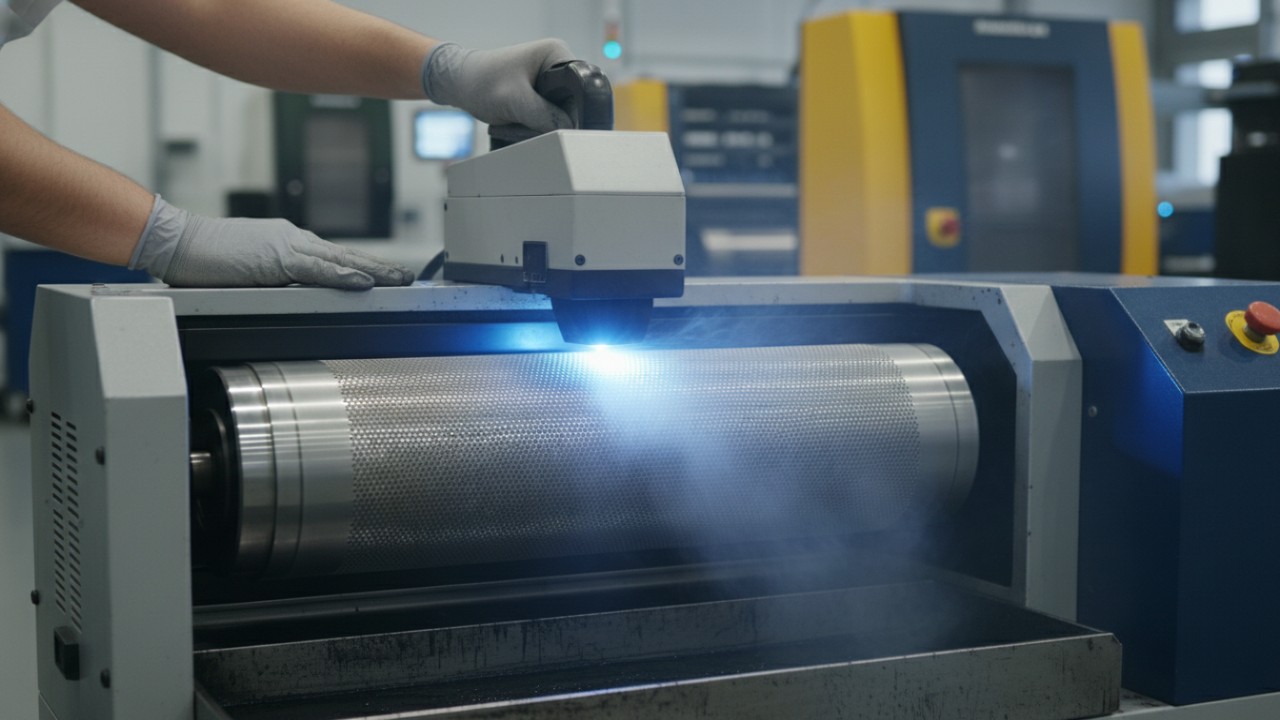
Follow this proven workflow to unlock the full potential of your press:
- Anilox Roller Selection: Choose the correct cell volume and line screen to match your print resolution. High-speed running requires rapid ink release, which is only possible with clean, well-maintained cells. The Flexographic Technical Association emphasizes that consistent cleaning schedules are critical for maintaining color density over long runs.
- Doctor Blade Precision: Implement high-quality steel or polymer blades with precise angle settings. This controls ink film thickness efficiently, preventing messy buildup at high velocities.
- Tension Control Calibration: Fine-tune in-feed and out-feed tension to prevent web breaks and wrinkles during rapid acceleration. This is vital for high-speed flexo printing techniques.
- Drying System Upgrades: Transition to high-efficiency UV LED or hot air drying tunnels. Your press is only as fast as your ability to dry the ink; upgrading this system often yields the biggest speed gains.
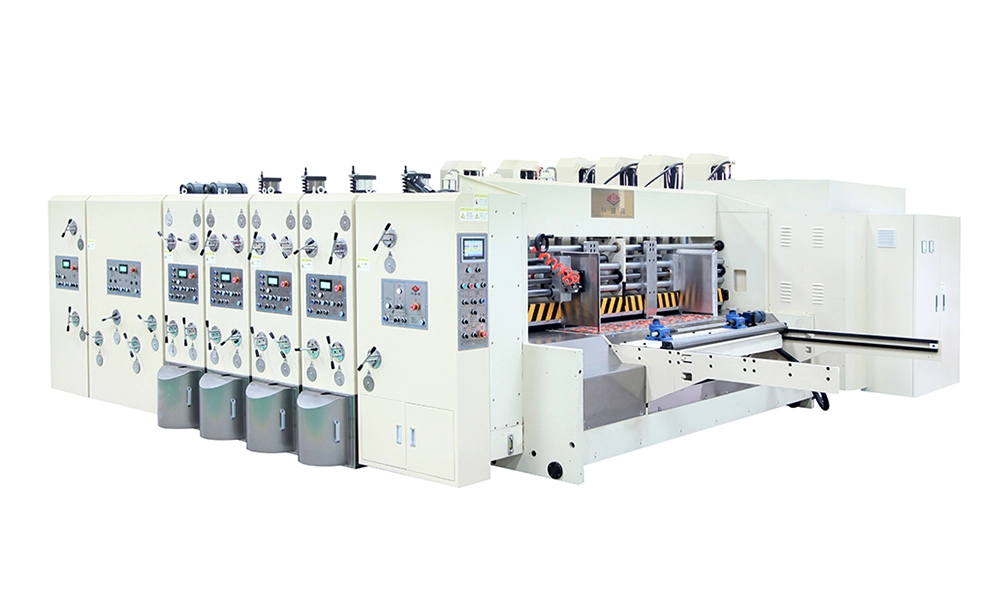
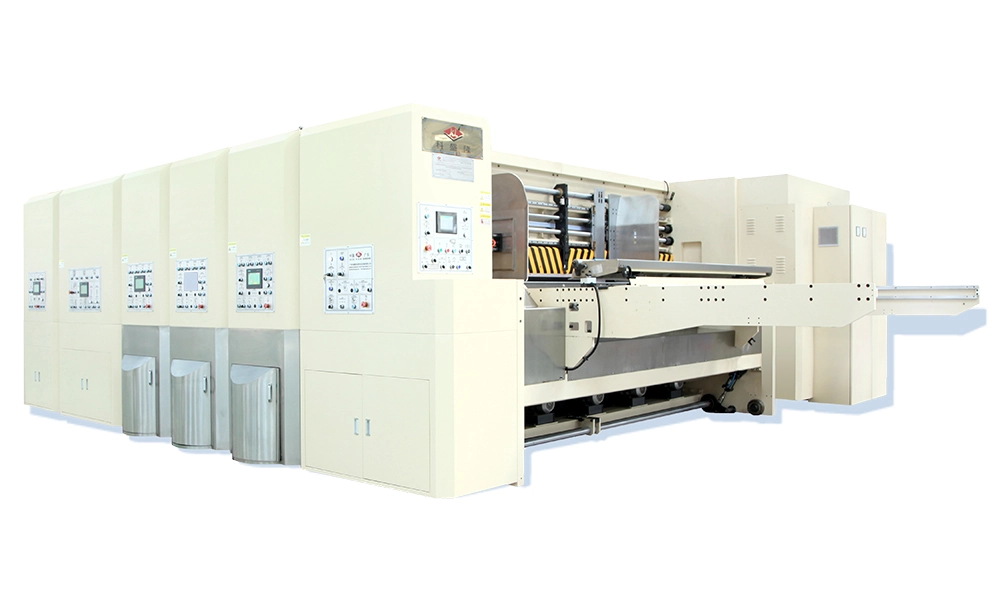
- Implementing Keshenglong&Shinko Solutions: Leverage advanced workflow software and hardware. At Guangzhou Keshenglong Carton Packing Machine Co.,Ltd., our "6+1" high-precision printing machines utilize technology from our Japan Shinko R&D center. By automating job changeovers and utilizing imported Japanese parts, we help operators minimize idle time and maintain stability at top speeds.
Future-Proofing: Automation and AI Trends for 2026
The future of flexo relies on automated print registration systems that utilize Artificial Intelligence to correct errors in real-time without human intervention.
Staying competitive means adopting "Smart Run" technology:
- Auto-Adjustment: Machines that auto-adjust registration and pressure based on historical data patterns.
- AI Vision Systems: Integration of cameras that detect defects and auto-correct settings instantly.
- Gearless CI Technology: A shift toward direct-drive technology to eliminate mechanical resonance, enabling speeds exceeding 600 m/min.
- Predictive Maintenance: Remote monitoring capabilities that alert you to replace parts before they fail.
Expert Tips: Common Mistakes to Avoid
The most common error in high-speed flexo printing is neglecting ink viscosity, which leads to immediate color shifting and print failure.
Avoid these expensive pitfalls:
- Neglecting Viscosity Checks: Failing to monitor ink viscosity throughout the run is the #1 cause of inconsistencies.
- Over-Impression: Applying too much pressure destroys plates and increases dot gain. Always aim for the lightest contact possible.
- Ignoring Static Control: Static electricity build-up on film substrates can cause fires and print defects; ensure static bars are functional.
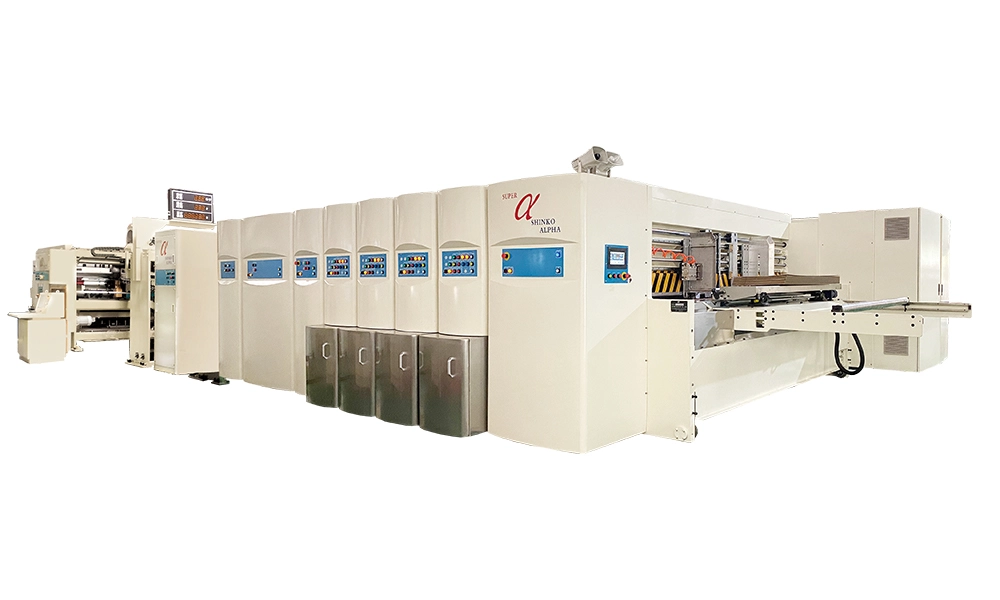
- Skipping Preventative Maintenance: Waiting for a breakdown costs 4x more than scheduled downtime. Use Keshenglong support services to keep your computerized high-speed flexo slotting die-cutting machines in prime condition.
Conclusion
Optimizing your flexo printing machine is a continuous process of mechanical tuning, operator training, and technological upgrades. By focusing on the "Holy Trinity" of Anilox care, pressure settings, and tension control, you can achieve maximum speed with zero defects. Whether you are running a standard flexo printer or a jumbo-size Flexo Printing Slotting Die-Cutting machine, precision is key.
Contact us today to optimize your flexo printing strategy.
FAQ
How fast can a modern flexo printing machine run?
Modern high-end CI flexo presses can achieve speeds between 500 to 600 meters per minute (approx. 1600-2000 fpm). Older stack-type presses typically run slower, around 150-300 meters per minute. Actual speed depends on the substrate type, ink drying capacity, and print complexity.
What causes gear marks in flexo printing?
Gear marks are often caused by worn gears or improper meshing in geared presses. Excessive impression pressure can amplify vibrations, leading to visible banding. Transitioning to servo-driven (gearless) technology eliminates this issue entirely.
How do I reduce waste during flexo machine setup?
Use automated registration systems to align plates quickly with minimal material usage. Standardize ink recipes and viscosity to reduce color matching time. Implement job memory features to recall settings from previous successful runs.
What is the 'Kiss Impression' in flexo printing?
Kiss impression refers to the lightest possible contact between the plate and the substrate. It ensures the ink is transferred cleanly without distorting the image or damaging the plate. Proper setting is crucial for sharp text and minimizing dot gain.
How often should Anilox rollers be cleaned?
Daily light cleaning should be performed after every job changeover. Deep cleaning is recommended weekly or bi-weekly depending on ink usage. Dirty rollers lose cell volume, leading to inconsistent color density.
Can I upgrade my old flexo press for higher speeds?
Yes, retrofitting with modern drying systems (UV/LED) can allow for faster curing. Upgrading to automated tension control systems helps handle higher speeds. However, mechanical limits of the frame and bearings may still restrict maximum velocity.
What is the difference between CI and Stack flexo machines?
CI (Central Impression) presses use a single large cylinder to support the substrate, offering better registration for flexible materials. Stack presses have individual impression cylinders for each color station, which is versatile but less accurate for stretchable films. CI presses are generally preferred for high-speed, high-quality packaging printing.
How does ink viscosity affect printing speed?
High viscosity ink may not flow into anilox cells quickly enough at high speeds, causing starvation. Low viscosity can lead to slurring or dot gain if not controlled. Automated viscosity controls are essential for maintaining speed and consistency.
Recommended for you
What is Flexographic Printing? The Ultimate Technical Guide & Process Breakdown (2025)
Top 10 Best Flexo Printer Manufacturers (2026): Reviews & Buying Guide
How to Select the Best Flexo Printing Press Manufacturer: A Data-Driven Checklist (2026 Edition)
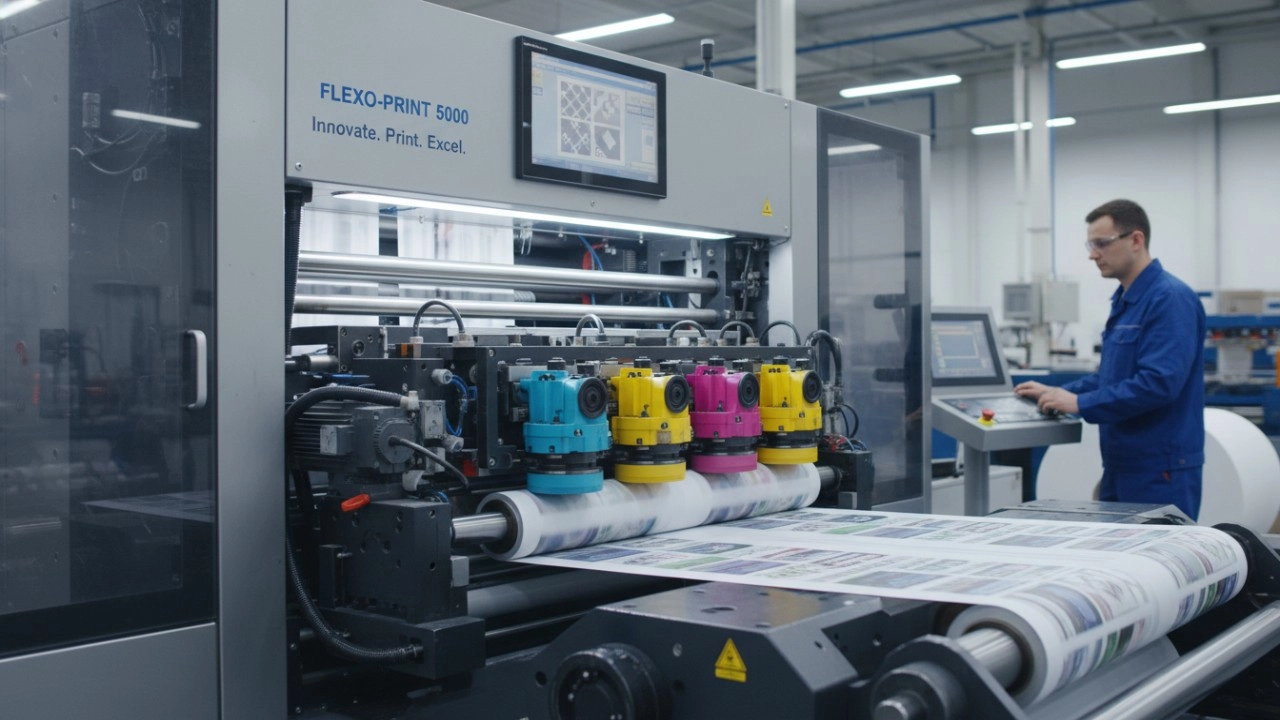
High-Efficiency Flexo Press Solutions: A Complete Guide to Optimizing Your Packaging Production
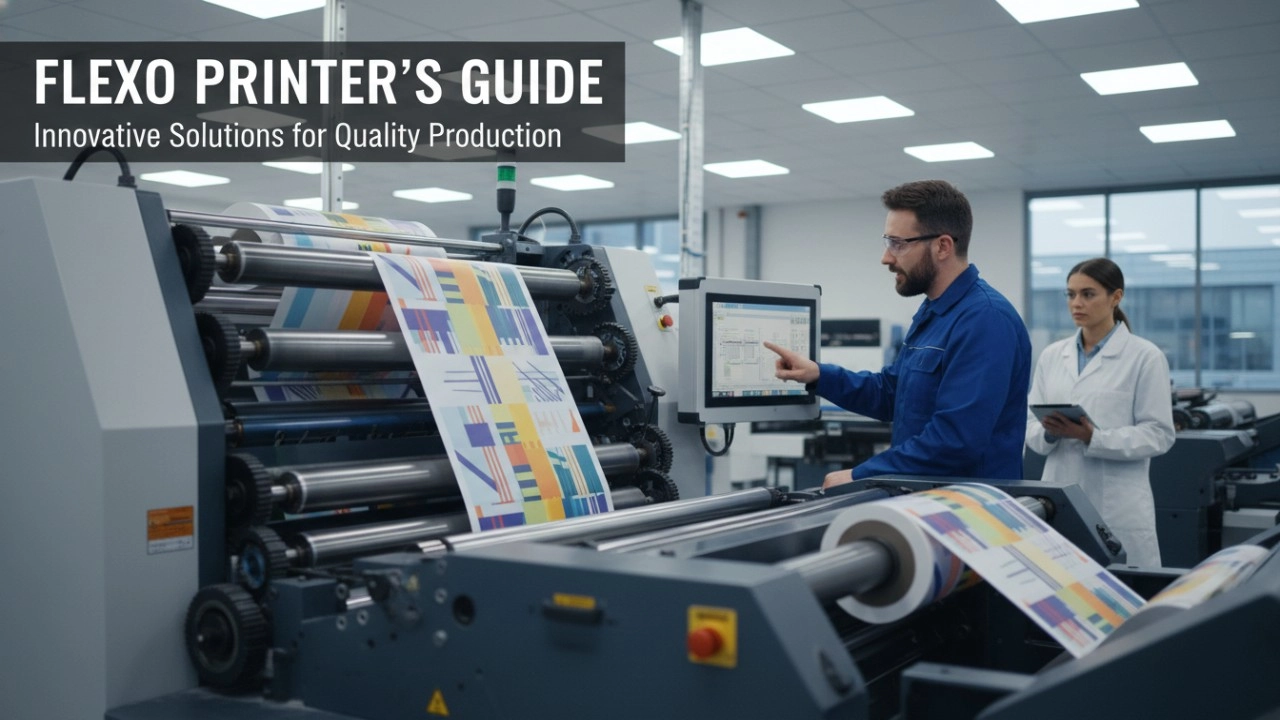
Mastering the Flexo Printer: The 2026 Complete Guide to High-Speed Production Efficiency
Product
How do I troubleshoot common issues with the folding mechanism?
Common issues can often be resolved by checking the alignment of the folding plates and ensuring there is no debris obstructing the mechanism.
What should I do if the machine jams during operation?
In case of a jam, immediately stop the machine, remove any obstructions, and check for any damage before restarting.
Industry Solutions
How can your folding carton machines benefit my packaging business?
Our machines increase production efficiency, reduce labor costs, and ensure high-quality, consistent carton production.
Shipping
How are your machines packaged for safe transportation?
Our machines are securely packaged using high-quality materials to prevent damage during transit.
Can you ship to remote or difficult-to-access locations?
Yes, we can arrange shipping to remote locations, though additional charges and time may apply.
Leave a message
Have any questions or queries about our products? Please leave us a message here and our team will get back to you promptly.
* Rest assured that your privacy is important to us, and all information provided will be handled with the utmost confidentiality.


© 2025 Keshenglong & SHINKO All Rights Reserved.
Keshenglong Carton Packing Machine
Keshenglong Carton Packing Machine
Keshenglong Carton Packing Machine
Keshenglong Carton Packing Machine
Keshenglong Carton Packing Machine