
The Ultimate Guide to Flexo Printing Machines: Innovations & Buyer's Guide 2026
A comprehensive guide to flexo printing machines, covering operation, key components like anilox rollers, and the differences between stack, in-line, and CI presses. Includes a 2026 buyer's guide focusing on ROI, automation, and selecting reputable manufacturers like Keshenglong&Shinko.
- What is a Flexo Printing Machine? An Essential Overview
- How a Flexo Printing Machine Works: A Step-by-Step Breakdown
- Key Components and Technology of Modern Flexo Printing Machines
- Types of Flexo Printing Machines and Their Applications
- 1. In-line Presses
- 2. Central Impression (CI) Presses
- 3. Stack Presses
- Advantages and Disadvantages of Investing in a Flexo Printing Machine
- Advancements and Future Trends in Flexo Printing Machine Technology
- Choosing the Right Flexo Printing Machine: A Comprehensive Buyer's Guide
- 1. Assess Your Production Needs
- 2. Evaluate the Manufacturer's Pedigree
- 3. Total Cost of Ownership (TCO)
- 4. After-Sales Support
- Maintenance, Safety, and Operational Best Practices
- Frequently Asked Questions
- What is the primary advantage of a flexo printing machine over other printing methods?
- Are flexo printing machines suitable for small print runs?
- What types of inks are used in flexo printing machines?
- How does a flexo printing machine achieve high precision and quality?
- What is the typical lifespan of a flexo printing machine?
- Can flexo printing machines print on corrugated cardboard?
- What are some modern technological advancements in flexo printing machines?
- What should I consider when buying a flexo printing machine for packaging applications?
- References
What is a Flexo Printing Machine? An Essential Overview
A flexo printing machine (short for flexographic printing press) is the backbone of the modern high-volume packaging industry. As defined by authoritative sources like Wikipedia, flexography is a form of rotary printing that utilizes a flexible relief plate to transfer ink onto a substrate. Essentially, it is a modern, high-speed evolution of the traditional letterpress.
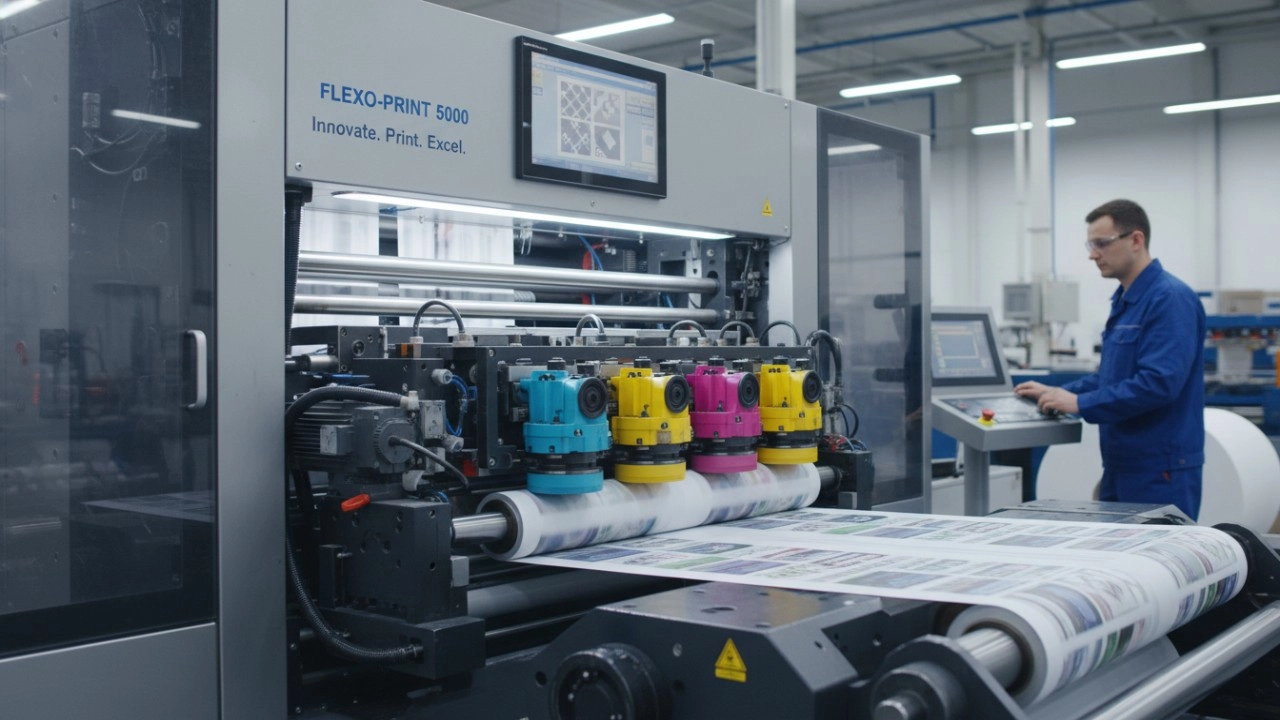
Unlike offset printing, which uses flat plates, a flexo printing press uses raised image areas on rubber or photopolymer plates. This unique design allows the machine to print on an exceptionally wide range of materials, including corrugated cardboard, flexible plastics, metallic films, and labels.
Historically, these machines evolved from crude "aniline printing" in the early 20th century to today's sophisticated industrial flexo machines capable of running at speeds exceeding 2,000 feet per minute. For manufacturers like Keshenglong&Shinko, this evolution has meant integrating Japanese-standard precision into heavy-duty equipment, such as their corrugated carton flexo printer, to meet the rigorous demands of global logistics and branding.

How a Flexo Printing Machine Works: A Step-by-Step Breakdown
Understanding the mechanics of a flexographic printing equipment setup is crucial for operators and buyers alike. The process is a continuous loop of precision engineering:
1. Unwinding & Infeed: The process begins with a roll of substrate (web) or sheets (for corrugated board) entering the machine. Tension control systems ensure the material remains flat and taut.
2. Ink Metering (The Anilox System): This is the heart of the process. A fountain roller or doctor blade chamber delivers ink to the anilox roller. As noted in technical guides by the Flexographic Technical Association (FTA), the anilox roller is engraved with millions of microscopic cells that carry a precise volume of ink.
3. Image Transfer: The inked anilox roller transfers a thin film of ink to the raised parts of the printing plate, which is mounted on a rotating plate cylinder.
4. Impression: The substrate passes between the plate cylinder and the impression cylinder. The impression cylinder applies the necessary pressure to transfer the ink from the plate to the material.
5. Drying: Between each color station (or "deck"), the substrate passes through high-velocity hot air, infrared (IR), or UV drying units to set the ink instantly.
6. Finishing: Modern lines, such as the flexo slotting die-cutting machine, often integrate post-press capabilities like slotting, folding, and gluing directly into the workflow.
Key Components and Technology of Modern Flexo Printing Machines
To achieve high-definition print quality, every component must function in perfect harmony.
· Printing Plates: Modern machines utilize photopolymer plates created via laser ablation (Computer-to-Plate technology). These plates are durable and capable of holding fine dots for high-resolution imagery.
· Anilox Rollers: The cell count (LPI) and volume (BCM) of the anilox roller dictate color density. High-end machines, such as those engineered by Keshenglong&Shinko, often utilize ceramic anilox rollers to ensure consistent ink delivery over millions of impressions.
· Ink Systems: Versatility is key. Machines can be configured for water-based inks (standard for corrugated packaging), solvent-based inks (common in flexible plastics), or UV-curable inks (for labels).
· Control Systems: Advanced PLCs and HMIs allow operators to store job parameters. Keshenglong&Shinko leverages this by incorporating "integrated intelligent packaging solutions," allowing for automated setup and computerized control that rivals the precision of their Japanese R&D center partners.
Types of Flexo Printing Machines and Their Applications
Selecting the right architecture depends entirely on your product mix.
1. In-line Presses
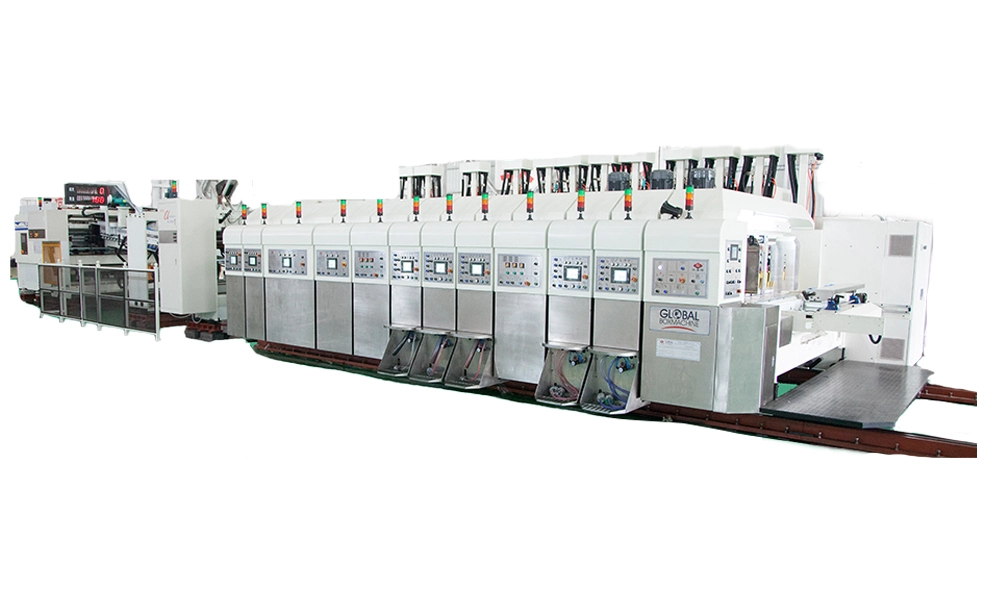
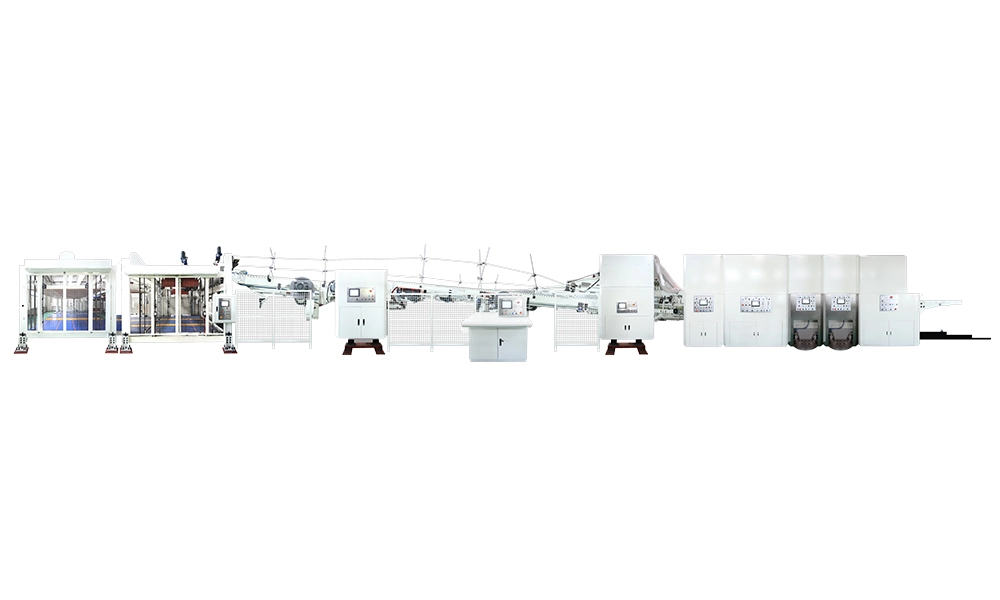
In this configuration, print stations are arranged in a horizontal line. This is the standard for the corrugated carton flexo printer.
· Application: Heavy substrates like corrugated board and folding cartons.
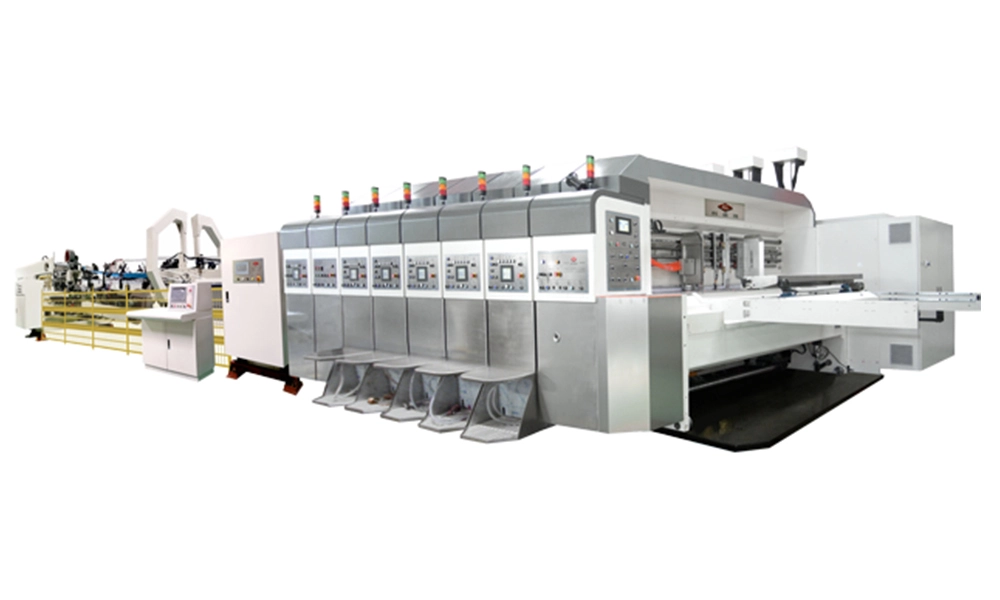
· Advantage: Modular design allows for the easy addition of die-cutting, slotting, and folding stations. Keshenglong&Shinko specializes in this area, offering computerized high-speed flexo slotting die-cutting machines that handle the entire box-making process in a single pass.
2. Central Impression (CI) Presses
All print stations are arranged around a single, massive steel drum.
· Application: Flexible packaging (plastic films, food wrappers).
· Advantage: The central drum supports the web continuously, preventing stretching. This provides the tightest registration accuracy for thin materials.
3. Stack Presses
Print stations are stacked vertically, one above the other.
· Application: Heavy-duty bags and simple industrial printing.
· Advantage: Accessibility to individual print decks and a smaller footprint, though registration on thin films is generally less precise than CI presses.
Advantages and Disadvantages of Investing in a Flexo Printing Machine
Advantages:
· Speed & Scalability: Designed for long runs, these machines are the most cost-effective solution for high-volume jobs.
· Substrate Versatility: Can print on porous (cardboard) and non-porous (film, foil) materials equally well.
· Durability: Photopolymer plates can withstand millions of impressions.
· In-Line Processing: The ability to print, cut, and fold in one go (as seen in flexo slotting die-cutting machines) dramatically reduces production time.
Disadvantages:
· Setup Costs: Plates must be made for every color, making short runs expensive compared to digital printing.
· Setup Time: While reducing, job changeovers still require changing plates and cleaning ink chambers.
· Complexity: High-quality flexo printing requires skilled operators to manage ink viscosity and impression pressure.
Advancements and Future Trends in Flexo Printing Machine Technology
As we approach 2026, flexo printing technology advancements are reshaping the industry.
· Automation & Industry 4.0: New machines feature "smart" capabilities, such as auto-registration and defect detection systems. Keshenglong&Shinko exemplifies this trend by integrating Japanese-standard computerized controls that allow for memory storage of orders and rapid automatic adjustments.
· Sustainability: There is a massive shift toward energy-efficient drying systems (LED-UV) and machine designs that minimize waste during setup.
· High-Speed Precision: Innovations in servo-motor technology allow machines to maintain tight registration even at top speeds. For instance, Keshenglong's "6+1" high-precision printing models demonstrate how fine-art quality graphics are now achievable on corrugated packaging.
Choosing the Right Flexo Printing Machine: A Comprehensive Buyer's Guide
When you decide to buy flexo printing machine equipment, the stakes are high. Here is a criterion for evaluating options:
1. Assess Your Production Needs
Are you printing flexible film or rigid boxes? For corrugated boxes, an in-line flexo printer with slotting capabilities is essential. For labels, a narrow-web press is preferred.
2. Evaluate the Manufacturer's Pedigree
Not all flexo machine manufacturers are equal. Look for:
· Global Reach: A supplier exporting to over 70 countries (like Keshenglong&Shinko) demonstrates international trust.
· Technological Partnership: Machines backed by established engineering hubs (e.g., Japan) often feature superior component longevity. Keshenglong's merger with Japan Shinko ensures that main parts are imported and systems are installed by experienced technicians.
3. Total Cost of Ownership (TCO)
Look beyond the sticker price. Consider the durability of the industrial flexo machine. A machine built with high-grade steel and Japanese components may have a higher initial cost but will save thousands in downtime and maintenance over a 20-year lifespan.
4. After-Sales Support
Complex machinery requires expert support. Ensure your supplier offers on-site testing and training, a service standard emphasized by leading manufacturers.
Maintenance, Safety, and Operational Best Practices
· Routine Maintenance: Daily cleaning of the anilox rollers is non-negotiable to prevent dried ink from clogging cells. Lubrication of gears and bearings should follow the manufacturer's schedule.
· Safety Protocols: Flexo presses utilize high-speed rotating cylinders. Interlock guards and emergency stop systems must be functional at all times.
· Operator Training: The technology is only as good as the user. Manufacturers like Keshenglong&Shinko often provide instruction by experienced technicians to ensure your team can maximize the machine's "integrated intelligent" features.
Frequently Asked Questions
What is the primary advantage of a flexo printing machine over other printing methods?
Flexo machines excel in high-speed, high-volume production. Unlike offset, they can print on almost any substrate (plastic, foil, corrugated board) and allow for in-line finishing (cutting/folding), which significantly reduces unit costs for large orders.
Are flexo printing machines suitable for small print runs?
Traditionally, no, due to plate costs. However, modern automated flexo presses with rapid changeover capabilities are making medium runs (e.g., 5,000+ units) increasingly cost-effective. For very small, variable data jobs, digital printing is still superior.
What types of inks are used in flexo printing machines?
They use three main types: Water-based (common for corrugated boxes and eco-friendly packaging), Solvent-based (for plastic films requiring strong adhesion), and UV-curable (for high-gloss labels that dry instantly).
How does a flexo printing machine achieve high precision and quality?
Precision is achieved through the combination of laser-engraved ceramic anilox rollers (metering exact ink amounts) and computer-controlled registration systems. Machines like the Keshenglong&Shinko 6+1 precision models use servo motors to keep the print in perfect alignment even at high speeds.
What is the typical lifespan of a flexo printing machine?
A high-quality industrial flexo machine can last 15 to 25 years if maintained well. Machines utilizing premium parts (like those imported from Japan by Keshenglong) often remain operational for decades with proper care.
Can flexo printing machines print on corrugated cardboard?
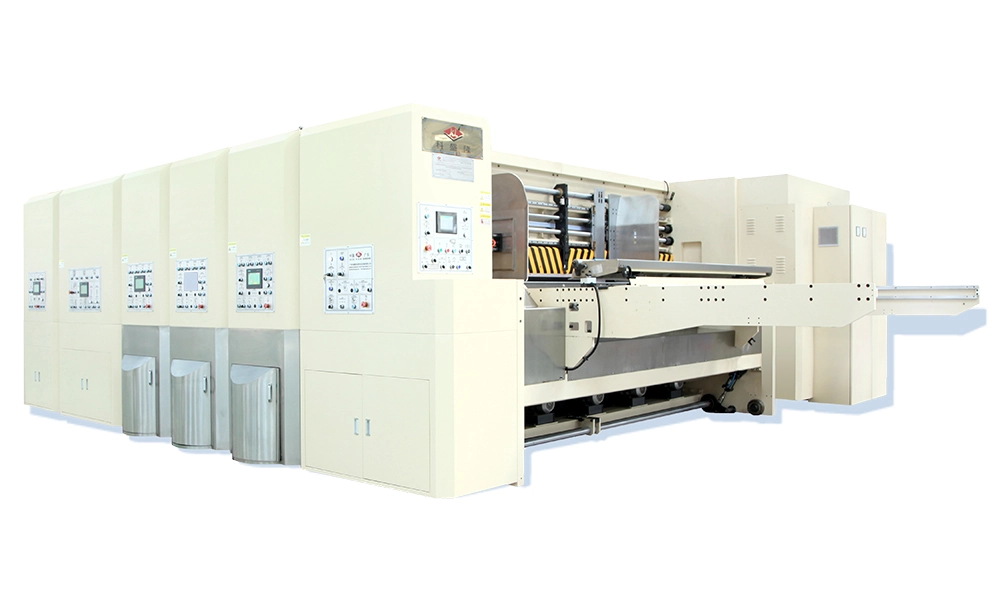
Yes, this is one of their primary applications. Specialized corrugated carton flexo printing machines are designed to handle thick, uneven boards without crushing the flutes, often printing and slotting the box in a single pass.
What are some modern technological advancements in flexo printing machines?
Key advancements include full servo-drive control (eliminating gears), automated pressure adjustment, camera-based defect detection, and IoT integration for remote diagnostics and predictive maintenance.
What should I consider when buying a flexo printing machine for packaging applications?
Focus on the substrate width, number of colors needed (e.g., 4 vs. 6), automation level, and the manufacturer's reputation for support. Ensure the machine handles your specific material (e.g., heavy-duty corrugated vs. thin film) efficiently.
References
Recommended for you
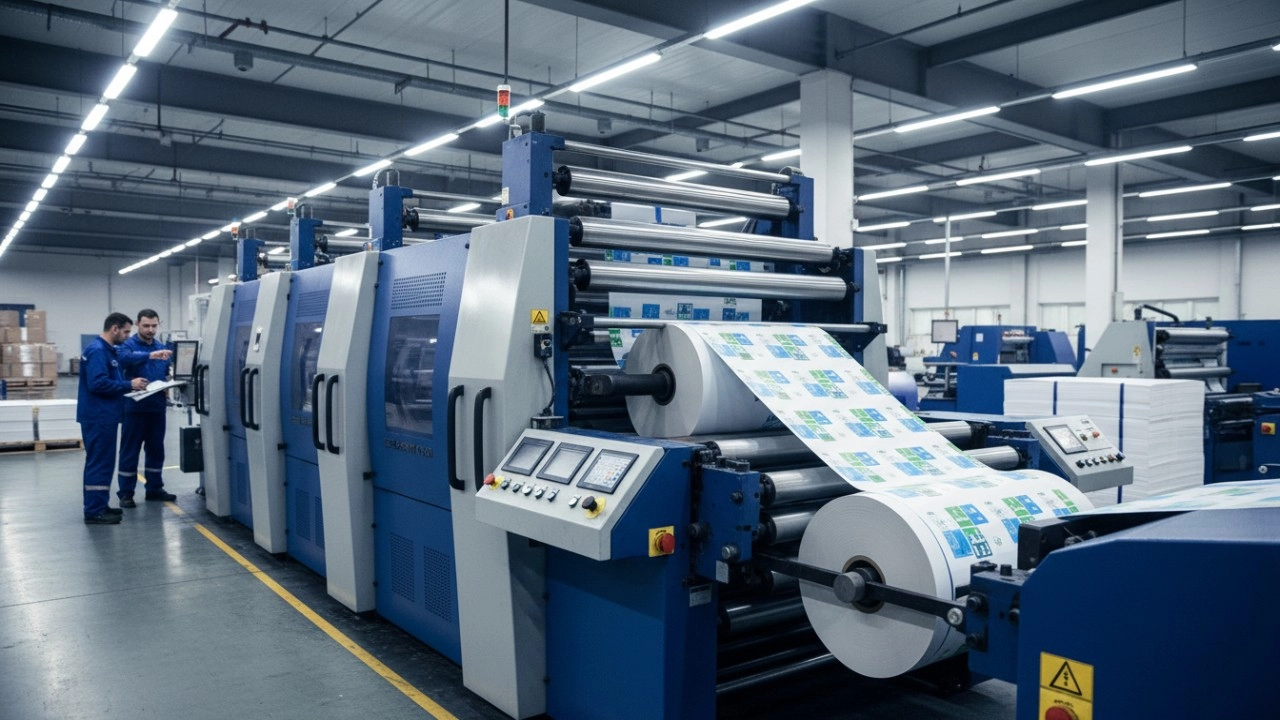
How to Optimize Your Flexo Printing Machine for Maximum Speed and Zero Defects
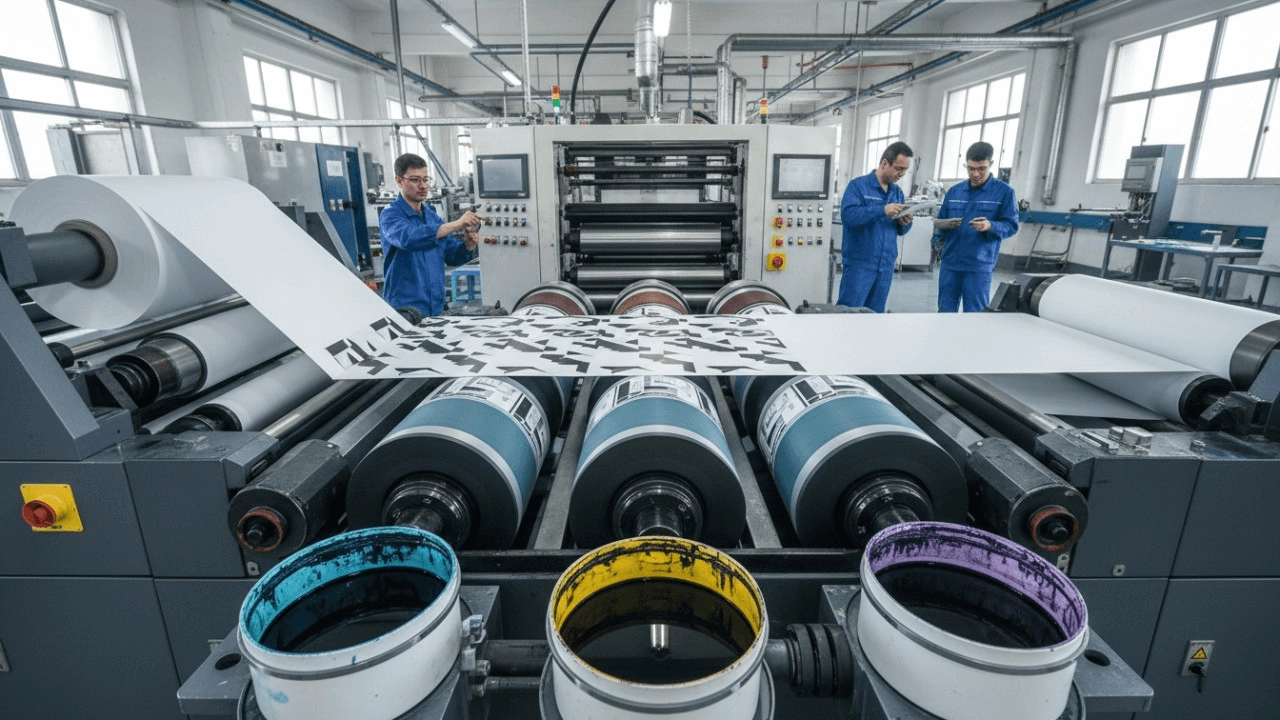
What is Flexographic Printing? The Ultimate Technical Guide & Process Breakdown (2025)
Top 10 Best Flexo Printer Manufacturers (2026): Reviews & Buying Guide
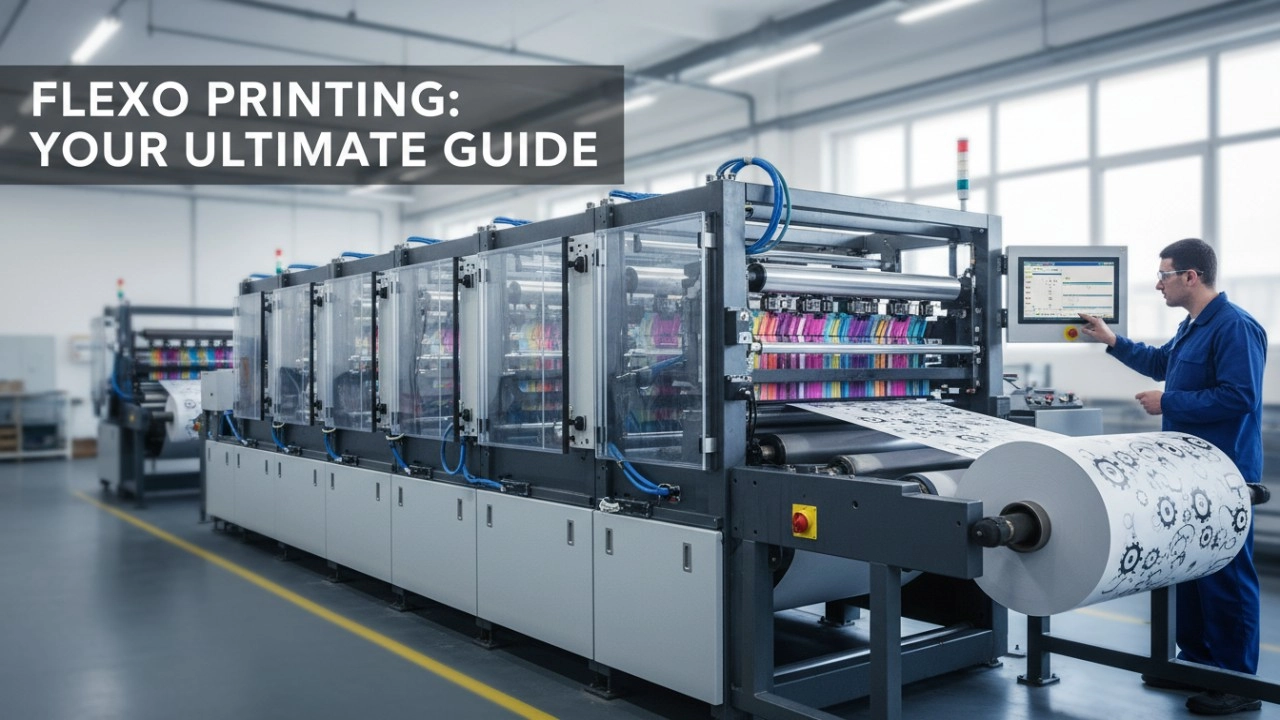
How to Select the Best Flexo Printing Press Manufacturer: A Data-Driven Checklist (2026 Edition)
High-Efficiency Flexo Press Solutions: A Complete Guide to Optimizing Your Packaging Production
Industry Solutions
What kind of technical support do you offer for industry applications?
We provide comprehensive technical support, including installation, maintenance, and troubleshooting services.
Shipping
What should I do if my machine arrives damaged?
If your machine arrives damaged, please contact our customer service immediately to arrange for repairs or replacement.
Can you ship to remote or difficult-to-access locations?
Yes, we can arrange shipping to remote locations, though additional charges and time may apply.
Product
How can I integrate your machines into my existing production line?
Our technical team can assist with integrating our machines into your current production setup, ensuring a seamless operation.
How do I troubleshoot common issues with the folding mechanism?
Common issues can often be resolved by checking the alignment of the folding plates and ensuring there is no debris obstructing the mechanism.
Leave a message
Have any questions or queries about our products? Please leave us a message here and our team will get back to you promptly.
* Rest assured that your privacy is important to us, and all information provided will be handled with the utmost confidentiality.


© 2025 Keshenglong & SHINKO All Rights Reserved.
Keshenglong Carton Packing Machine
Keshenglong Carton Packing Machine
Keshenglong Carton Packing Machine
Keshenglong Carton Packing Machine
Keshenglong Carton Packing Machine