
High-Efficiency Flexo Press Solutions: A Complete Guide to Optimizing Your Packaging Production
In the fast-paced world of packaging, staying competitive means balancing speed, precision, and cost-effectiveness. As global demand for high-quality labels and flexible packaging continues to surge, choosing the right Flexo Press is no longer just a technical decision—it’s a strategic investment.
At Shinko Machinery, we specialize in engineering advanced flexographic printing solutions that empower manufacturers to achieve superior print quality while minimizing waste.
- Understanding the Modern Flexo Press: A Technical Overview
- The Anatomy of a High-End Press
- Why Choose Flexo Over Digital or Rotogravure?
- Flexo vs. Digital
- Flexo vs. Rotogravure
- Key Categories of Flexo Presses Offered by Shinko
- A. Stack Type Flexo Press
- B. Central Impression (CI) Flexo Press
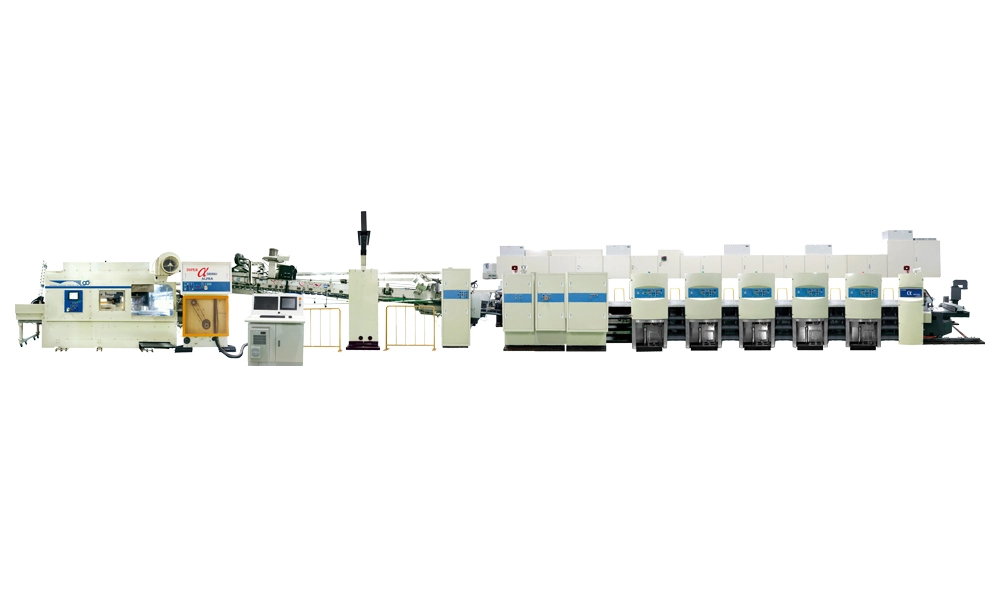
- C. Inline Flexo Press
- Solving Common Production Pain Points
- Sustainability: Meeting the "Green" Demand
- How to Select the Right Flexo Press Manufacturer
- The Future of Flexo: Automation and Industry 4.0
- Conclusion: Partner with Shinko for Global Success
- FAQs
- References
Understanding the Modern Flexo Press: A Technical Overview
Flexographic printing, or "flexo," has evolved from a simple rubber-stamp process into a high-tech digital-analog hybrid system. At its core, a flexo press utilizes flexible photopolymer relief plates wrapped around rotating cylinders.
The Anatomy of a High-End Press
To understand why Shinko machines stand out, one must look at the precision components involved:
-
The Anilox Roller: Often called the "heart" of the press. This ceramic-coated cylinder is laser-engraved with millions of microscopic cells that carry a precise volume of ink to the printing plate.
-
The Doctor Blade Chamber: This system scrapes excess ink off the anilox roller to ensure that only the exact required amount reaches the plate, preventing smudging and color inconsistency.
-
The Impression Cylinder: This provides the back-pressure needed to transfer the image from the plate to the substrate. In a Central Impression (CI) Flexo Press, one large drum handles all colors, ensuring near-perfect registration.
Why Choose Flexo Over Digital or Rotogravure?
When buyers contact www.shinkomachinery.com, their first question is often: "Is flexo right for my volume?"
Flexo vs. Digital
Digital printing is excellent for short-run, personalized jobs. However, for any job exceeding 2,000–3,000 meters, the flexo press becomes the clear winner. The speed of a flexo line (often exceeding 300m/min) far outpaces digital, and the ink costs are a fraction of the price.
Flexo vs. Rotogravure
While rotogravure offers high quality, the cost of engraving metal cylinders is astronomical and the lead times are long. Modern flexo plates can now achieve 175-200 LPI (lines per inch), rivaling gravure quality at a significantly lower setup cost and with much faster job changeovers.
Key Categories of Flexo Presses Offered by Shinko
Depending on your product—be it corrugated boxes, plastic shopping bags, or high-end wine labels—you need a specific machine architecture.
A. Stack Type Flexo Press
Ideal for small to medium-scale operations. The printing units are stacked vertically. These machines are versatile, easy to operate, and allow for printing on both sides of the substrate in a single pass.
B. Central Impression (CI) Flexo Press
The "Gold Standard" for flexible packaging. Because the substrate is locked onto a single large central drum, there is zero material stretch. This is crucial for thin plastic films (PE, BOPP, PET) used in food packaging.
C. Inline Flexo Press
Commonly used for labels and folding cartons. The units are arranged horizontally. This setup allows for easy integration of "finishing" processes like die-cutting, laminating, and cold-foiling—all in one go.
Solving Common Production Pain Points
At Shinko Machinery, we don't just sell machines; we sell solutions. Many of our international clients come to us after struggling with:
-
Registration Drift: Many low-end presses lose alignment as they speed up. Our machines utilize servo-motor technology to maintain micro-precision alignment throughout the entire speed range.
-
Long Setup Times: In the modern market, "Time is Money." Our quick-change cylinder systems allow operators to switch jobs in minutes rather than hours.
-
Ink Drying Issues: We offer both high-efficiency hot air drying and UV curing systems, ensuring that even at high speeds, the ink is perfectly set before rewinding.
Sustainability: Meeting the "Green" Demand
The global move away from solvent-based inks toward water-based and UV inks is driven by both regulation and consumer preference.
How Shinko Machinery supports your ESG goals:
-
Reduced Waste: Our precision tension control means less "setup waste" (scrap material) during job starts.
-
Energy Efficiency: Our drying tunnels are designed to recirculate air, reducing power consumption by up to 25% compared to older models.
-
Eco-Friendly Ink Compatibility: Our stainless steel ink paths and specialized anilox rolls are optimized for water-based inks, which are safer for the environment and the food industry.
How to Select the Right Flexo Press Manufacturer
The "Made in China" tag has evolved. Today, brands like Shinko Machinery represent high-end engineering at competitive global prices. When evaluating a supplier, consider:
-
Component Sourcing: Does the manufacturer use reliable brands like Siemens (PLCs) or NSK (Bearings)? At Shinko, we only use world-class components.
-
After-Sales Support: Does the company offer remote diagnostics or on-site training? We pride ourselves on our 24/7 technical support for our overseas partners.
-
Customization: Can they build a machine to your specific width and color requirements?
The Future of Flexo: Automation and Industry 4.0
The next decade of printing is about automation. We are integrating AI-driven inspection systems that "watch" the print in real-time. If a defect or a color shift is detected, the system alerts the operator or auto-adjusts the pressure. This level of intelligence is what separates a world-class factory from the rest.
Conclusion: Partner with Shinko for Global Success
The purchase of a flexo press is a partnership that should last 15–20 years. By choosing Shinko Machinery, you are choosing a partner dedicated to your growth, your print quality, and your bottom line.
Whether you are based in Southeast Asia, Europe, or the Americas, our equipment is designed to meet international safety and quality standards (CE certified).
FAQs
1. What is the difference between a CI Flexo Press and a Stack Type Flexo Press?
The main difference lies in the impression cylinder. A CI (Central Impression) Flexo Press uses a single large drum to support all printing units, ensuring zero material stretch and perfect registration—ideal for thin films like PE. A Stack Type Flexo Press has separate units stacked vertically, offering more versatility for printing on both sides of the substrate and is generally more cost-effective for rigid materials.
2. Can Shinko Flexo Presses handle water-based and UV inks for sustainable packaging?
Yes. All modern Shinko Machinery flexo presses are engineered with stainless steel ink paths and specialized anilox rollers optimized for water-based and UV inks. This allows our clients to meet global environmental regulations, such as the EU’s Packaging and Packaging Waste Regulation (PPWR), by reducing VOC emissions.
3. What production speeds can I expect from your flexographic printing machines?
Our high-performance Flexo Press models are capable of reaching speeds between 200m/min and 350m/min, depending on the specific machine configuration and substrate. Despite these high speeds, our integrated servo-motor technology ensures that printing registration remains precise throughout the run.
4. How does Shinko Machinery ensure print quality at high speeds?
We achieve consistent quality through three core technologies:
-
Precision Anilox Rollers: For controlled ink volume transfer.
-
Advanced Tension Control: To prevent substrate deviation.
-
Vibration-Damping Frames: Heavy-duty cast iron frames that ensure stability and eliminate "banding" artifacts during high-speed operation.
5. Is remote technical support available for international customers?
Absolutely. We understand that "Up-time" is critical for our global partners. Shinko Machinery provides 24/7 remote diagnostics and technical support. Our machines are equipped with smart PLCs (like Siemens or Mitsubishi) that allow our engineers to assist with troubleshooting and software updates regardless of your location.
6. Why is a Flexo Press a better investment than digital printing for long runs?
While digital printing is great for short-run prototyping, a Flexo Press is the clear winner for scale. Once a job exceeds 2,500 meters, the flexo process offers a significantly lower cost-per-unit, faster production turnarounds, and superior color consistency on diverse substrates like foils, films, and paper.
References
The Future of Flexographic Print Markets Through 2027
Why Premium Flexographic Label Printing Is Still Essential in 2026 - Letra Graphix
Flexible Packaging Market Size, Share | Industry Report 2033
Recommended for you
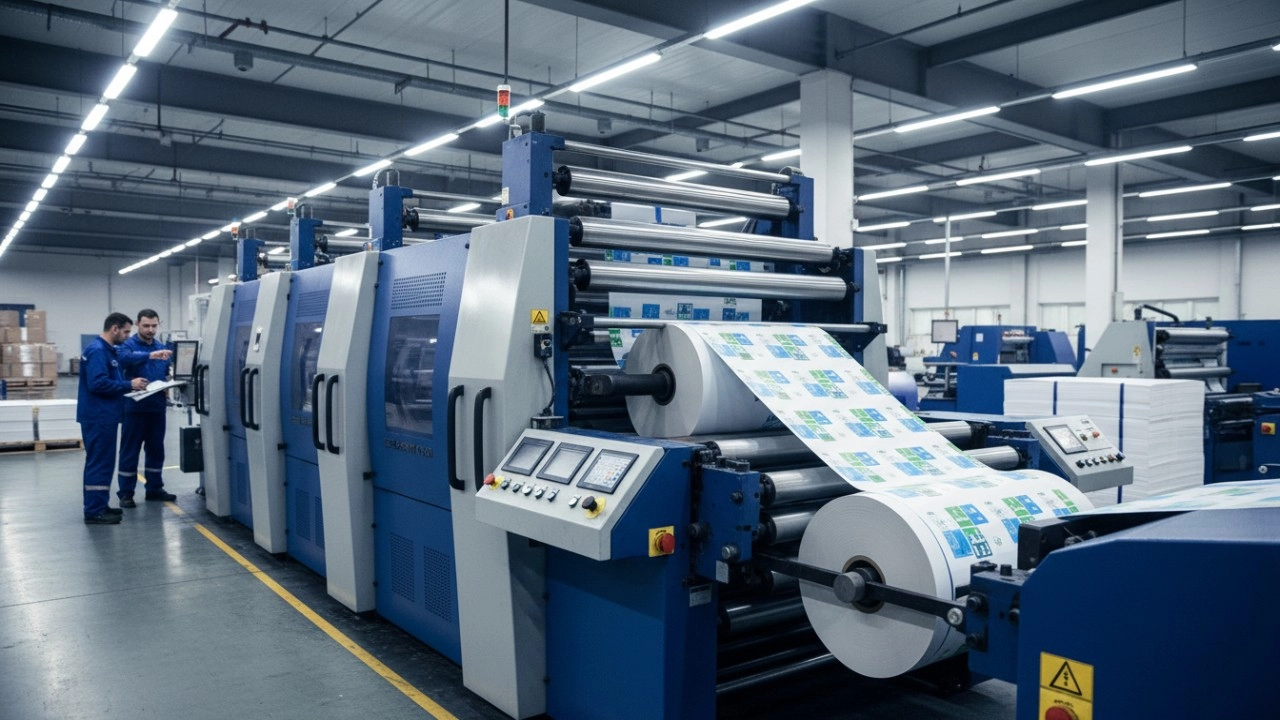
How to Optimize Your Flexo Printing Machine for Maximum Speed and Zero Defects
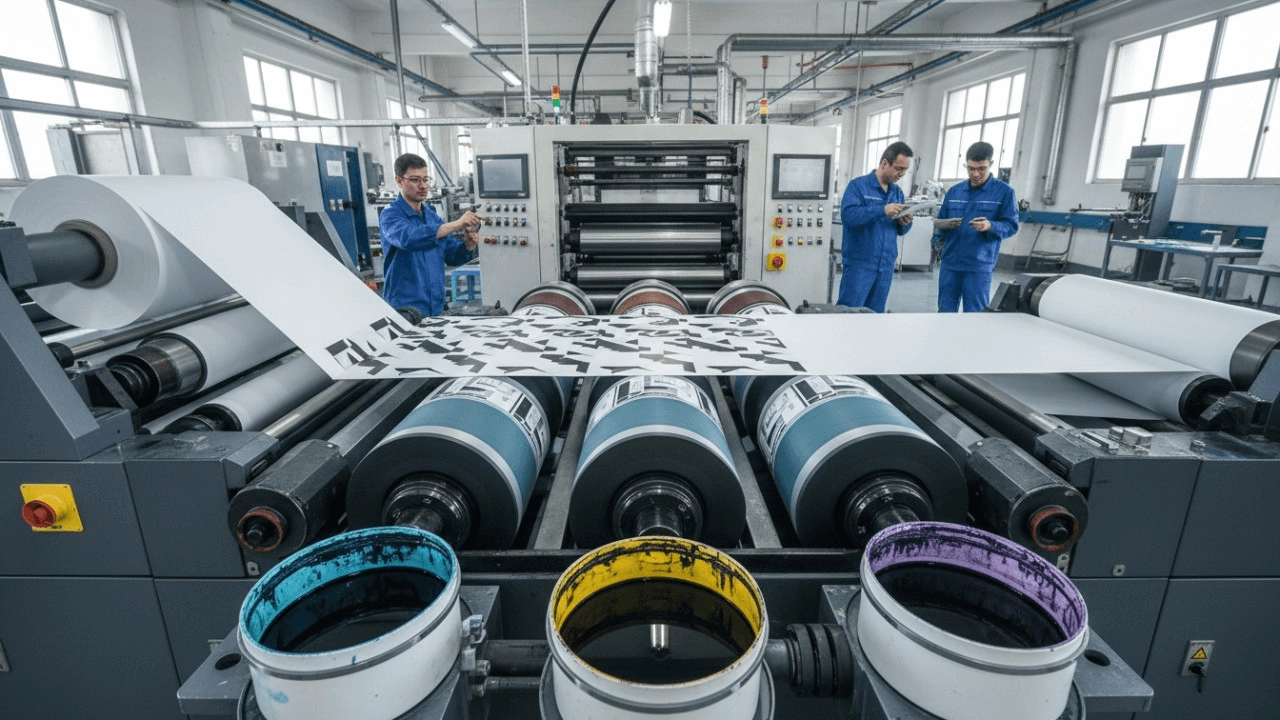
What is Flexographic Printing? The Ultimate Technical Guide & Process Breakdown (2025)
Top 10 Best Flexo Printer Manufacturers (2026): Reviews & Buying Guide
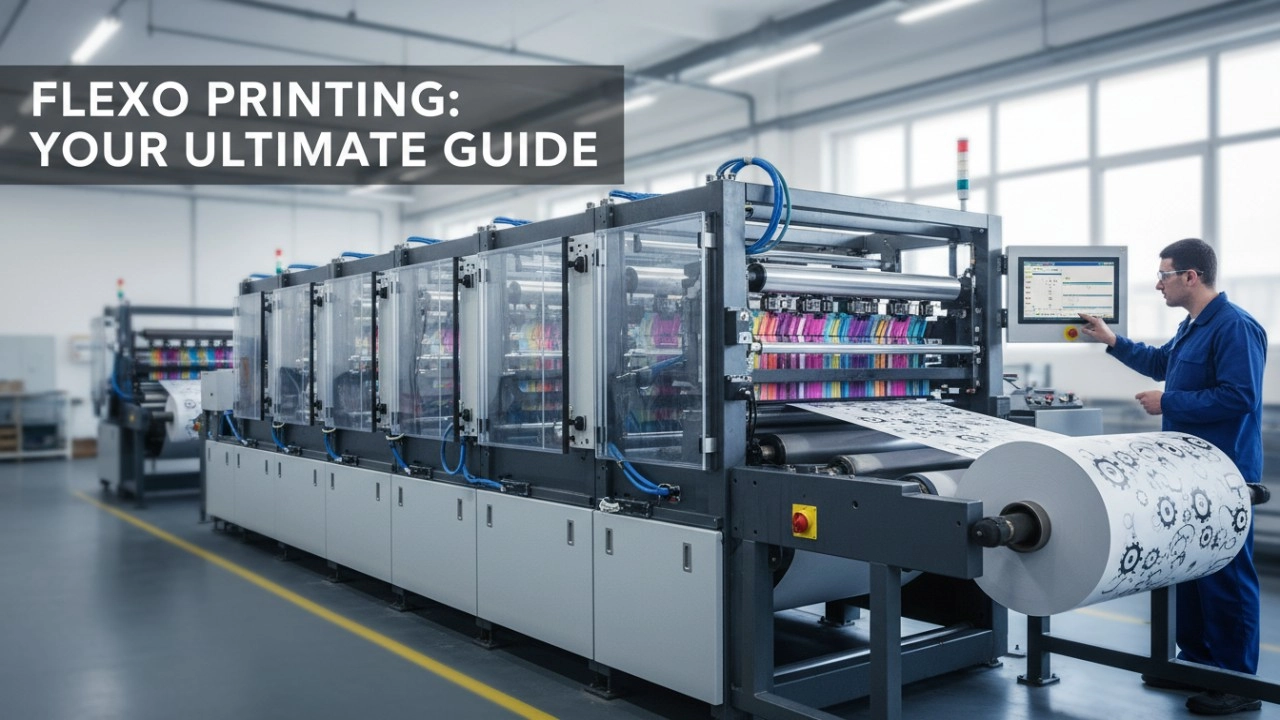
How to Select the Best Flexo Printing Press Manufacturer: A Data-Driven Checklist (2026 Edition)
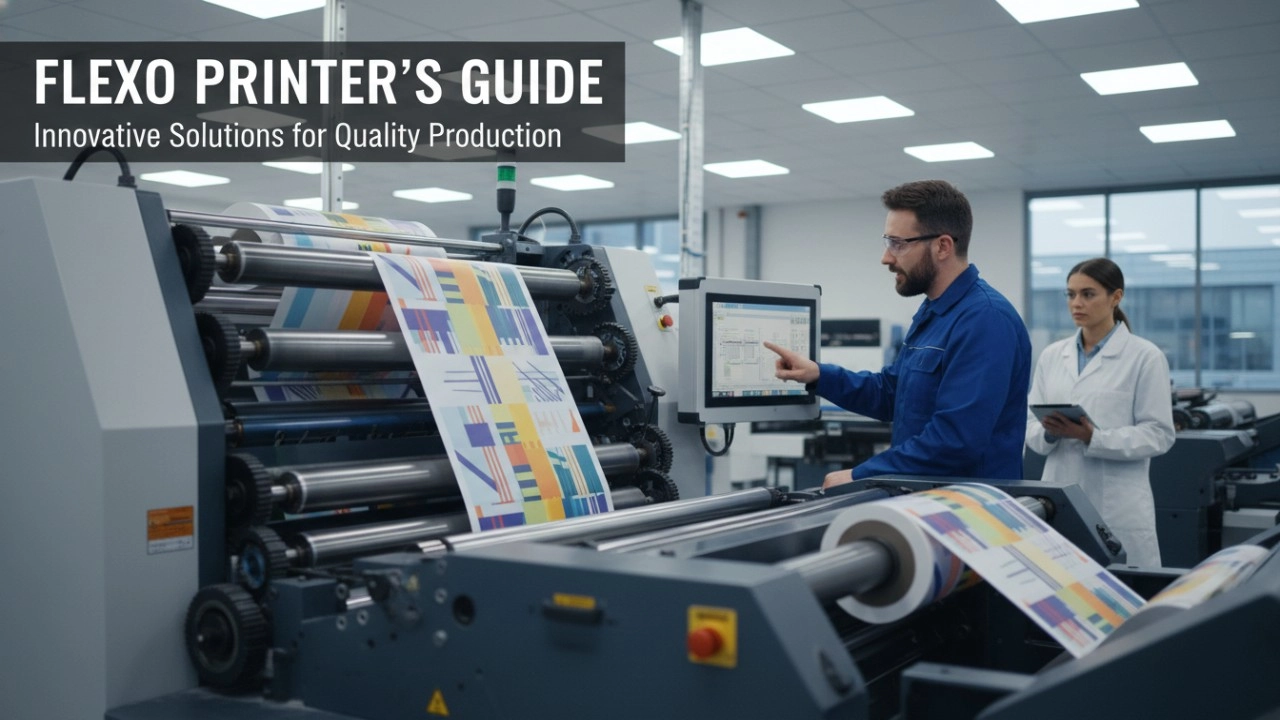
Mastering the Flexo Printer: The 2026 Complete Guide to High-Speed Production Efficiency
Product
How do I adjust the machine settings for different carton sizes?
Machine settings can be adjusted using the intuitive control panel, which allows for quick changes to accommodate different carton sizes.
Do your machines support automated quality control checks?
Yes, our machines can be equipped with automated quality control systems to ensure consistent production quality.
What should I do if the machine jams during operation?
In case of a jam, immediately stop the machine, remove any obstructions, and check for any damage before restarting.
Industry Solutions
How can your folding carton machines benefit my packaging business?
Our machines increase production efficiency, reduce labor costs, and ensure high-quality, consistent carton production.
Shipping
Can I track my shipment once it has been dispatched?
Yes, we provide tracking information for all shipments so you can monitor the delivery status.
Leave a message
Have any questions or queries about our products? Please leave us a message here and our team will get back to you promptly.
* Rest assured that your privacy is important to us, and all information provided will be handled with the utmost confidentiality.


© 2025 Keshenglong & SHINKO All Rights Reserved.
Keshenglong Carton Packing Machine
Keshenglong Carton Packing Machine
Keshenglong Carton Packing Machine
Keshenglong Carton Packing Machine
Keshenglong Carton Packing Machine