
How to Select the Best Flexo Printing Press Manufacturer: A Data-Driven Checklist (2026 Edition)
This 2026 edition guide provides a data-driven checklist for selecting the best flexo printing press manufacturer. It covers critical decision factors including TCO analysis, Industry 4.0 automation, and OEE metrics, helping procurement managers move beyond sticker price to evaluate long-term ROI and sustainability.
- Executive Summary: Key Takeaways for Buyers
- What Defines a Top-Tier Flexo Printing Press Manufacturer?
- Step 1: Assessing Press Architecture (CI vs. Inline vs. Stack)
- Step 2: The Automation & Connectivity Checklist
- Step 3: Evaluating TCO and ROI Metrics
- Step 4: Support Ecosystem and Global Reach
- Expert Tips: Common Mistakes to Avoid During Selection
- Conclusion
- FAQs
- References
Selecting a manufacturing partner for flexographic machinery is one of the most significant capital expenditure decisions a packaging converter will make this decade. With the rapid evolution of Flexographic Press Automation Industry 4.0 and the demand for Sustainable Packaging Printing Solutions, the criteria for selection have shifted from simple speed metrics to holistic efficiency evaluations.
Executive Summary: Key Takeaways for Buyers
Successful vendor selection hinges on five critical pillars: Technology, Automation, Support, Sustainability, and ROI. In 2026, buyers must prioritize Total Cost of Ownership (TCO) over the initial purchase price to ensure long-term profitability and adaptability to changing market demands.
Prioritizing TCO ensures that hidden costs—such as energy consumption, waste rates during setup, and downtime—are accounted for before the contract is signed. Modern flexography has moved beyond manual adjustments; today, the best manufacturers integrate AI-driven quality control and predictive maintenance directly into the press architecture. This shift allows for tighter process control and consistent output quality, regardless of operator skill level.
The shift towards data-driven selection involves:
- Holistic Evaluation: Assessing not just the machine, but the entire support ecosystem.
- Future-Proofing: Ensuring the press can handle the sustainable substrates of tomorrow.
- ROI Focus: Understanding that a cheaper machine often costs more in the long run due to lower Overall Equipment Effectiveness (OEE) in Flexo.
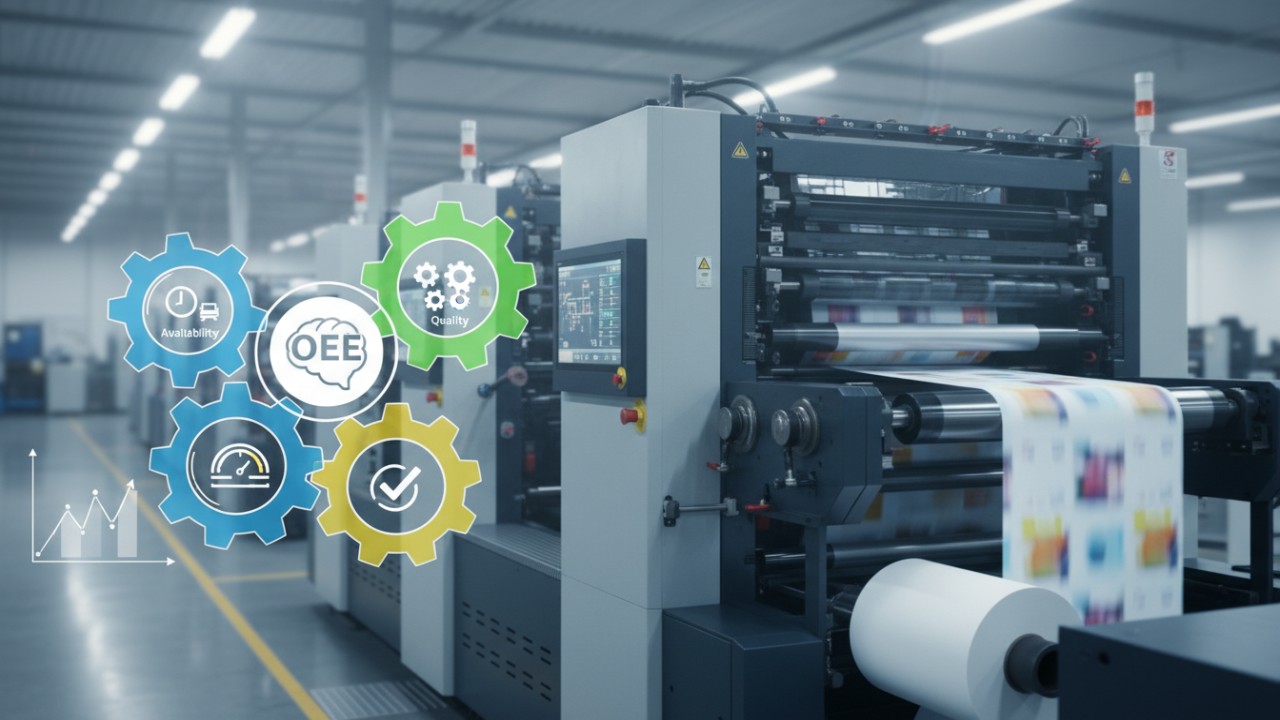
What Defines a Top-Tier Flexo Printing Press Manufacturer?
A top-tier flexo manufacturer is defined by their ability to integrate Industry 4.0 automation, ensure consistent OEE above 85%, and provide 24/7 global remote diagnostics. They do not merely sell hardware; they provide a scalable platform capable of adapting to future market shifts in flexible packaging and labeling.
Leading Original Equipment Manufacturers (OEMs) distinguish themselves by offering modular designs. This modularity is crucial as it allows converters to add downstream units—such as die-cutters or laminators—without replacing the entire line. Furthermore, top-tier manufacturers prioritize sustainable energy consumption and waste reduction protocols, aligning with global environmental standards. For example, as noted by the Flexographic Technical Association, modern press designs are increasingly focused on reducing the carbon footprint of the printing process itself.
Key attributes of a leading manufacturer include:
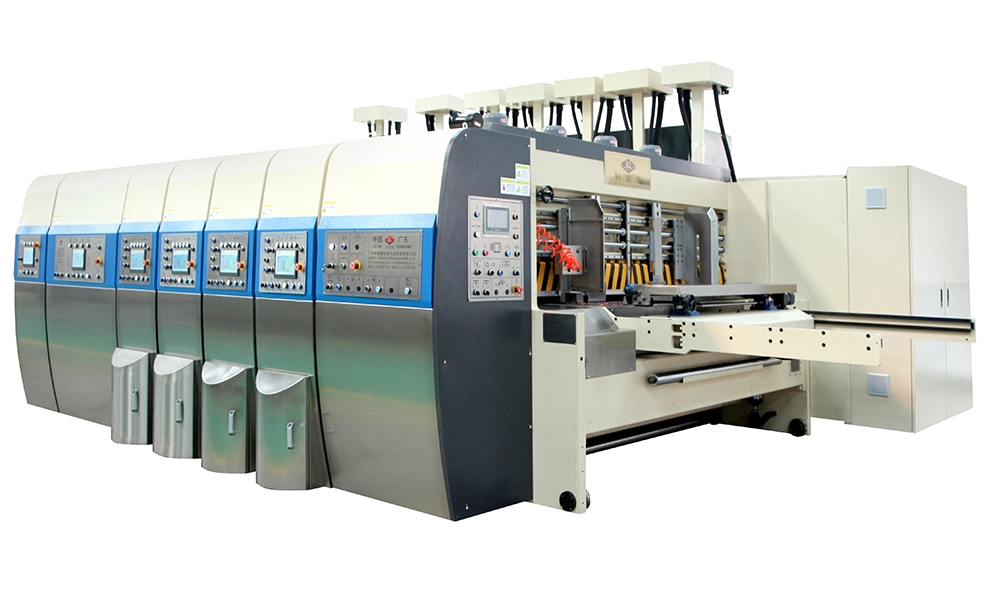
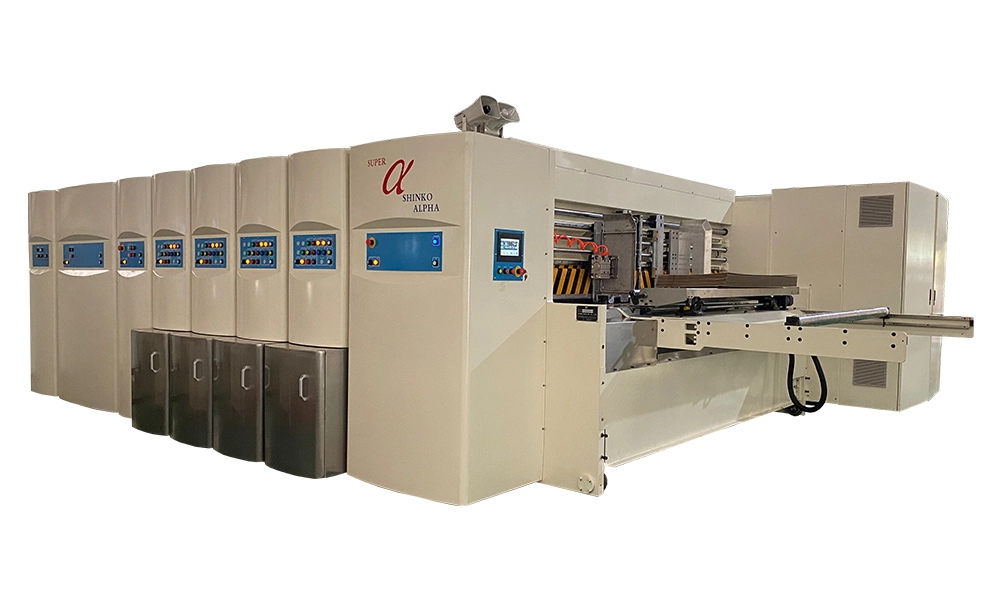
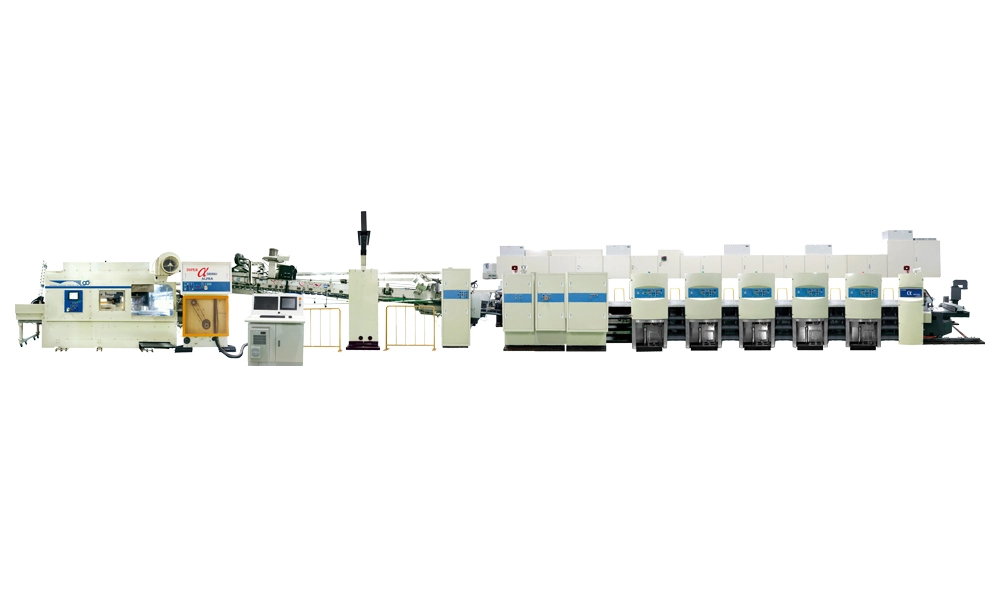
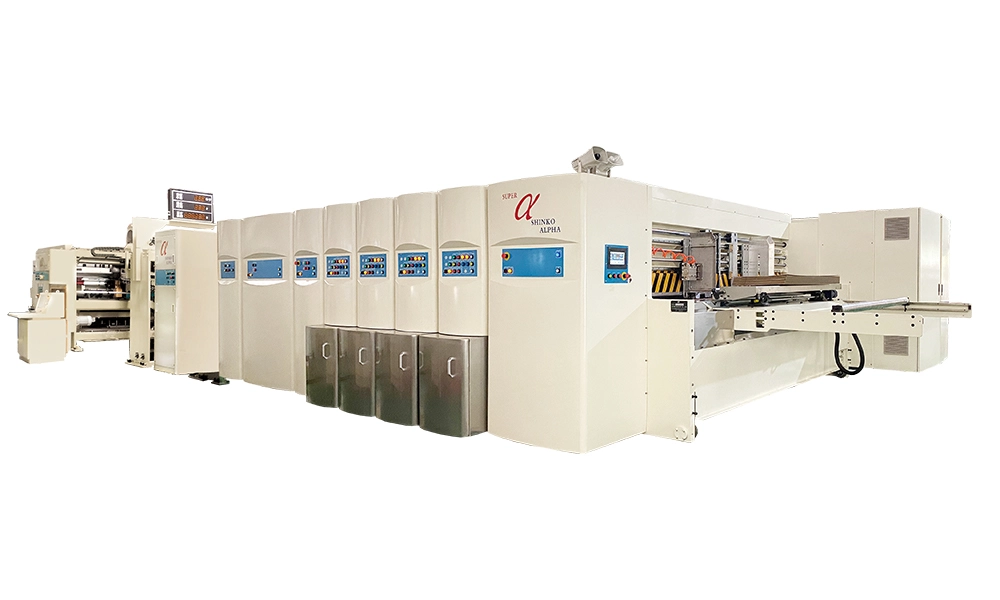
- Global R&D Collaboration: Companies like Guangzhou Keshenglong Carton Packing Machine Co., Ltd. exemplify this by merging with Japan Shinko to establish a high-standard R&D center. This ensures that machines, such as their "6+1" high-precision printing slotting die-cutting machines, meet rigorous international quality standards while maintaining cost-effectiveness.
- Proven Track Record: A manufacturer should have a history of successful installations across multiple continents. Keshenglong, for instance, exports to over 70 countries, demonstrating the reliability required for global operations.
- Comprehensive Diagnostics: The ability to troubleshoot software and mechanical issues remotely to minimize unplanned downtime.
Step 1: Assessing Press Architecture (CI vs. Inline vs. Stack)
The first technical decision involves choosing the correct press configuration: Central Impression (CI) vs Inline Flexo or Stack presses. CI presses use a single large drum to support the substrate, offering superior registration for stretchable materials like film, while Inline presses offer modularity for complex finishing processes.
Understanding the nuanced differences between these architectures is vital for matching the machine to your product mix. CI presses are the gold standard for wide-web flexible packaging where holding tight register on thin films (PE, BOPP) is non-negotiable. Conversely, Inline presses are preferred for the label and narrow web market, where multi-process converting (printing, foiling, screen, die-cutting) happens in a single pass.
Use this checklist to determine the right architecture:
- Substrate Tension: If you print on extensible films, a Central Impression (CI) drum is mandatory for stability.
- Finishing Requirements: If your product requires heavy inline converting (e.g., cartons or labels), an Inline architecture often provides better accessibility and modularity.
- Market Niche: Determine the optimal web width and repeat length. For corrugated carton sectors, specialized jumbo-size flexo printing slotting die-cutting machines—like those from Keshenglong—are essential for handling large-format boards efficiently.
Step 2: The Automation & Connectivity Checklist
A modern press must offer fully automatic pressure and register settings that can complete setup in under 5 minutes. True Flexographic Press Automation Industry 4.0 means the machine integrates seamlessly with MIS/ERP systems to provide real-time production data, often referred to as Digital Twin capabilities.
Automation is the primary driver for reducing the skills gap in the pressroom. By automating the most skill-intensive tasks—such as impression setting and color matching—manufacturers enable operators to achieve high-quality results with less training. Additionally, "smart" drying systems that adjust energy usage based on ink coverage and web speed are becoming standard features for energy-conscious buyers.
Verify these automation features:
- Auto-Registration: Does the press use camera-based systems to lock registration immediately upon startup?
- Job Memory: Can the press store and recall thousands of job parameters for instant changeovers?
- Connectivity: Is the machine IIoT-ready (Industrial Internet of Things)? According to Wikipedia, modern advancements in flexography are heavily reliant on digital integration to compete with digital printing speeds.
Step 3: Evaluating TCO and ROI Metrics
Flexo Press Total Cost of Ownership (TCO) is calculated by combining the initial capital expense with the long-term cost of consumables, spare parts, energy consumption, and depreciation. Procurement teams must analyze the depreciation rates of top brands versus budget alternatives to understand the true cost of the asset over its lifecycle.
While a budget press may save 20% upfront, the lower Overall Equipment Effectiveness (OEE) and higher waste rates can erode those savings within the first 18 months. High-speed "speed-to-market" features, such as automated wash-ups and robotic sleeve changes, directly impact your bottom line by increasing billable press hours.
Key financial metrics to request from vendors:
- Energy Consumption Data: kW/h usage at running speeds.
- Spare Parts Pricing: A basket of common wear parts (blades, seals, bearings) to compare ongoing maintenance costs.
- Resale Value: Historical data on how well the manufacturer's equipment holds value in the secondary market.
Step 4: Support Ecosystem and Global Reach
A robust support ecosystem requires the availability of local spare parts hubs to minimize downtime and remote troubleshooting capabilities where engineers can fix software issues via the cloud. Without these, even the most advanced press becomes a liability when a component fails.
Manufacturer support extends beyond fixing broken parts; it includes operator empowerment. Leading OEMs offer comprehensive training programs, including VR simulations or onsite training, to ensure your team can maximize the equipment's potential. For example, Keshenglong's integration of Japanese technical standards involves onsite installation and testing by experienced technicians, ensuring the "Japan Shinko" quality standard is met regardless of the factory location.
Evaluate the support network:
- Response Time: Is there a guaranteed response time for technical support calls?
- Parts Availability: Are critical spare parts stocked regionally, or must they be shipped from overseas?
- Training: Does the manufacturer offer continuous training as software updates are released?
Expert Tips: Common Mistakes to Avoid During Selection
Buyers often make the mistake of overlooking the compatibility of ancillaries (like plate mounters and anilox cleaners) or buying for current capacity rather than projecting growth for the next 5 years. These oversights can create bottlenecks that limit the throughput of the new high-speed press.
Another frequent error is underestimating the importance of Sustainable Packaging Printing Solutions. As regulations tighten in 2026, possessing machinery capable of handling water-based inks or biodegradable substrates without compromising speed is a competitive advantage.
Avoid these pitfalls:
- Ignoring Ancillaries: Ensure your plate mounting workflow is precise enough for the new press.
- Short-Termism: Do not buy a machine that barely meets today's demand; aim for 30% headroom.
- Neglecting Local Support: A great machine with no local service tech is a risky investment.
Conclusion
Selecting the right flexo printing press manufacturer requires balancing technical specifications with the value of a long-term partnership. By focusing on Flexo Press Total Cost of Ownership (TCO), Industry 4.0 automation, and a robust support network, you can secure an asset that drives profitability for decades. Use this data-driven checklist to vet manufacturers objectively and ensure your facility is ready for the future of packaging.
Contact our engineering team today for a personalized consultation on high-performance flexo solutions.
FAQs
What is the difference between CI and Inline flexo presses?
CI (Central Impression) uses a single large drum to support the substrate, offering superior registration for stretchable materials like film. Inline presses have individual print stations, making them ideal for heavy substrates, labels, and complex finishing processes.
How much does a commercial flexo printing press cost?
Entry-level narrow web presses can start around $200,000. High-end, wide-web CI automated lines often exceed $1.5 million to $3 million depending on configuration.
Who are the top manufacturers of flexo printing presses in 2026?
Leading global brands include Bobst, W&H (Windmöller & Hölscher), Mark Andy, Nilpeter, and Comexi. Selection depends on the specific application (e.g., Mark Andy for labels, W&H for flexible packaging).
What features maximize OEE in modern flexo presses?
Automated plate mounting and registration, job memory storage for fast changeovers, and inline defect detection systems (100% inspection) are critical features that maximize OEE.
How does automation impact flexo printing sustainability?
Automation reduces substrate waste during setup (start-up waste) and precise ink management systems reduce ink consumption and solvent emissions, significantly lowering the environmental impact.
What is the typical lifespan of a flexographic press?
With proper maintenance, a high-quality flexo press can last 15-20 years. Modular presses allow for upgrades, extending the machine's relevant service life significantly.
Should I choose digital or flexo printing for my business?
Choose Flexo for medium to long runs where speed and consumable costs are critical. Choose Digital for short runs, variable data, and rapid prototyping; hybrid presses are becoming a popular middle-ground solution.
What should be included in a flexo press service contract?
A comprehensive contract should include 24/7 remote technical support, scheduled preventive maintenance visits, and guaranteed response times for spare parts delivery.
References
Hybrid Economics - Flexographic Technical Association
Flexographic Automation & Sustainability Advances
Road to “4.0”: Press Automation Supports Profitability
The Features of Modern Flexographic Presses & Their Printer Benefits
Recommended for you
How to Optimize Your Flexo Printing Machine for Maximum Speed and Zero Defects
What is Flexographic Printing? The Ultimate Technical Guide & Process Breakdown (2025)
Top 10 Best Flexo Printer Manufacturers (2026): Reviews & Buying Guide
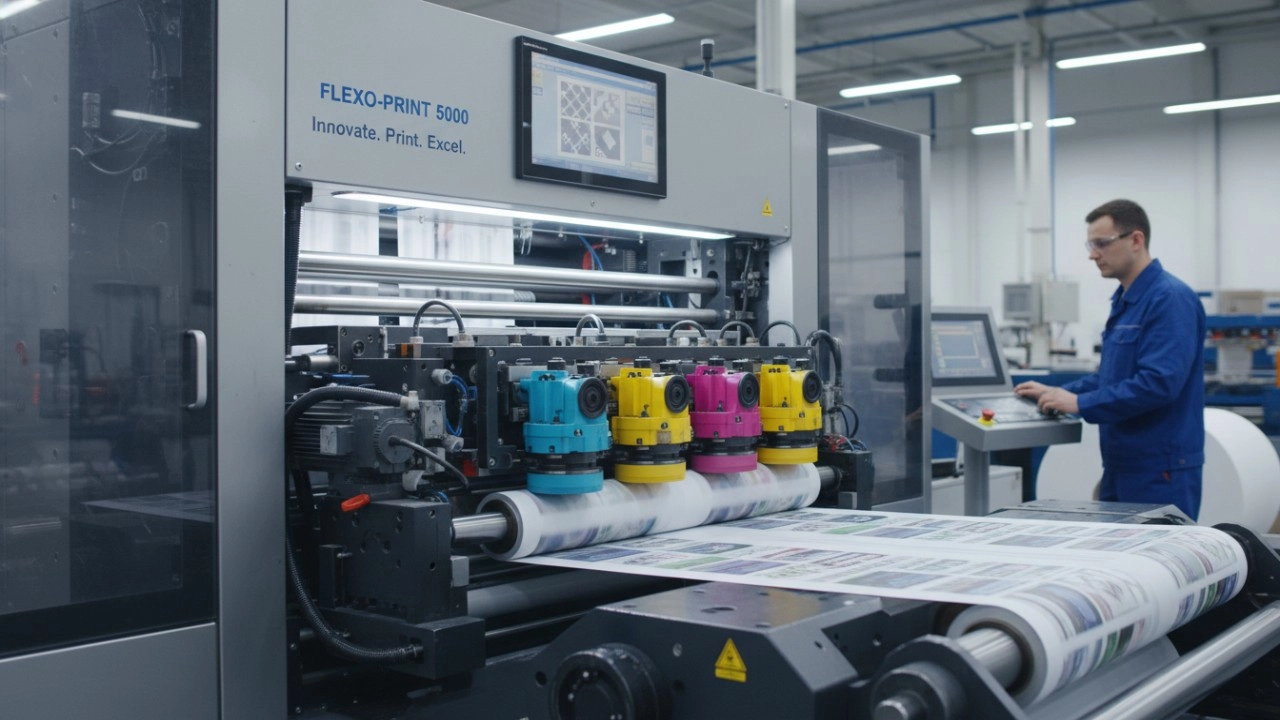
High-Efficiency Flexo Press Solutions: A Complete Guide to Optimizing Your Packaging Production
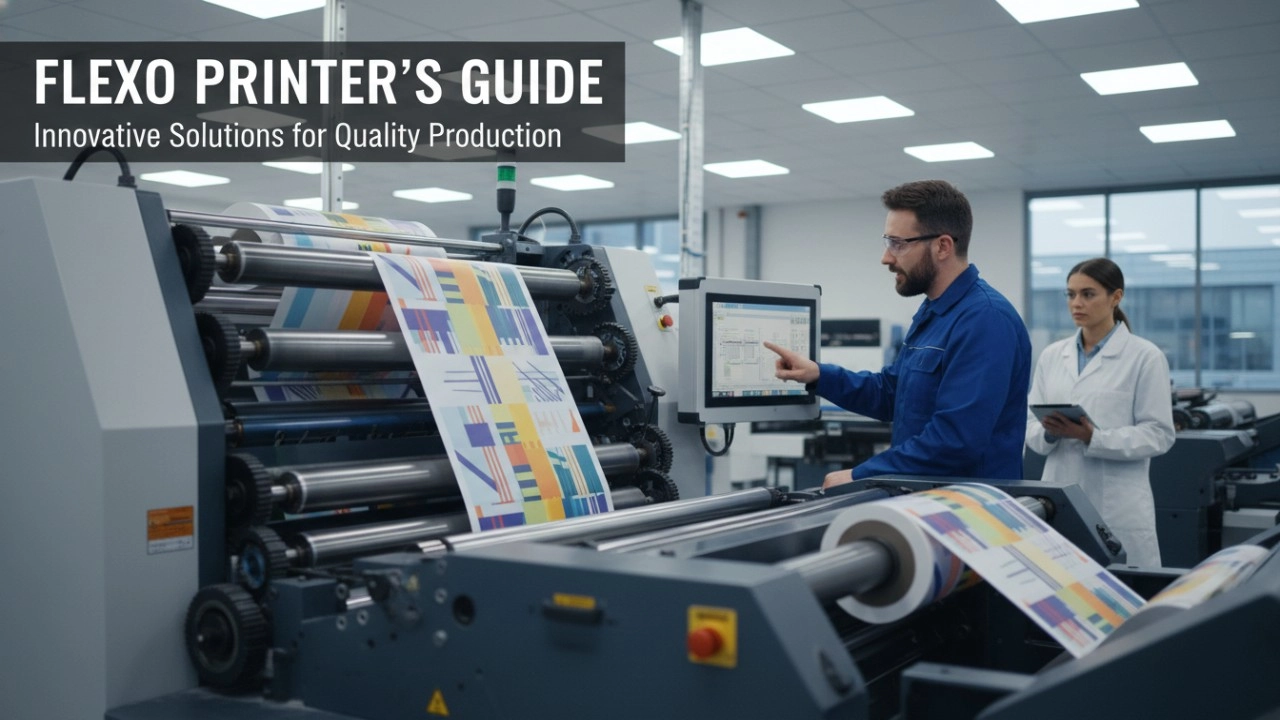
Mastering the Flexo Printer: The 2026 Complete Guide to High-Speed Production Efficiency
Industry Solutions
How do your machines comply with industry standards and regulations?
Our machines are manufactured to meet or exceed industry standards and regulations, ensuring safe and compliant operation.
Product
Are there safety features integrated into your machines?
Yes, our machines come equipped with multiple safety features including emergency stop buttons and safety guards.
What is the maximum speed of your folding carton machines?
Our machines can operate at speeds of up to 150 cartons per minute, depending on the model and carton complexity.
Shipping
Do you offer international shipping for your machines?
Yes, we offer international shipping and can handle all necessary customs documentation.
Can you ship to remote or difficult-to-access locations?
Yes, we can arrange shipping to remote locations, though additional charges and time may apply.
Leave a message
Have any questions or queries about our products? Please leave us a message here and our team will get back to you promptly.
* Rest assured that your privacy is important to us, and all information provided will be handled with the utmost confidentiality.


© 2025 Keshenglong & SHINKO All Rights Reserved.
Keshenglong Carton Packing Machine
Keshenglong Carton Packing Machine
Keshenglong Carton Packing Machine
Keshenglong Carton Packing Machine
Keshenglong Carton Packing Machine