
Flexo printer machine vs digital press: which is better?
Explore essential factors to consider when purchasing a flexo printing machine, including advantages, disadvantages, and comparisons with digital presses, to make an informed decision for your business needs.
- Flexo Printing Machines: Key Considerations for Your Next Purchase
- 1. What are the primary advantages of flexo printing?
- 2. What are the disadvantages of flexo printing?
- 3. How does flexo printing compare to digital printing?
- 4. What factors should be considered when purchasing a flexo printing machine?
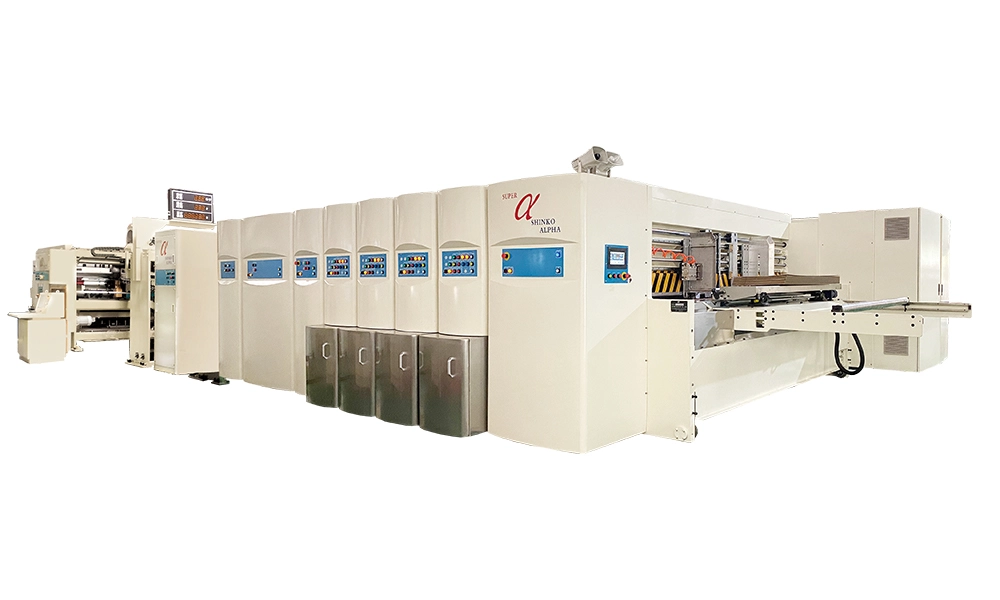
- 5. How do Keshenglong and Shinko flexo printing machines stand out?
Flexo Printing Machines: Key Considerations for Your Next Purchase
When considering the acquisition of a flexo printing machine, it's crucial to understand the various aspects that influence its suitability for your business. Below are some common questions and their answers to guide your decision-making process.
1. What are the primary advantages of flexo printing?
Flexo printing offers several benefits:
Versatility: Capable of printing on a wide range of substrates, including paper, plastic, metal, and corrugated board, making it suitable for diverse applications such as packaging and labeling.
High-Speed Production: Designed for rapid printing, flexo presses can produce large volumes efficiently, which is advantageous for bulk production.
Cost-Effectiveness: Once the initial setup is complete, the cost per unit decreases with higher production volumes, making it economical for large runs.
Environmental Friendliness: Utilizes water-based and UV curable inks, reducing environmental impact compared to solvent-based inks.
2. What are the disadvantages of flexo printing?
Despite its advantages, flexo printing has some drawbacks:
High Setup Costs: The need for custom plates for each color can be expensive, especially for small-volume printing.
Quality Issues with Fine Details: Flexo printing may struggle with reproducing intricate details and highlights, making it less suitable for designs requiring high precision.
Limited Color Accuracy: Achieving exact color matches can be challenging due to the standard set of inks used in flexo printing.
3. How does flexo printing compare to digital printing?
When deciding between flexo and digital printing, consider the following:
Volume: Flexo is ideal for large-volume runs due to its efficiency and cost-effectiveness, while digital printing is more suitable for short runs and quick turnarounds.
Setup Time and Costs: Flexo requires time-consuming setup and plate creation, which can be costly for small orders. Digital printing offers quicker setup and lower initial costs.
Design Complexity: Digital printing excels in reproducing complex designs and fine details, whereas flexo may face challenges with intricate artwork.
4. What factors should be considered when purchasing a flexo printing machine?
Key considerations include:
Production Volume: Assess whether your production needs align with the high-volume capabilities of flexo printing.
Substrate Compatibility: Ensure the machine can handle the materials you intend to print on.
Color Requirements: Determine if the machine meets your color accuracy and quality standards.
Budget Constraints: Evaluate the total cost of ownership, including setup, maintenance, and operational expenses.
5. How do Keshenglong and Shinko flexo printing machines stand out?
Keshenglong and Shinko are renowned for their high-quality flexo printing machines, offering:
Advanced Technology: Incorporation of the latest innovations to enhance printing efficiency and quality.
Durability: Machines designed for longevity, reducing downtime and maintenance costs.
Versatility: Ability to print on a wide range of substrates, catering to diverse industry needs.
Cost-Effectiveness: Competitive pricing models that provide value for investment.
By considering these factors and evaluating your specific requirements, you can make an informed decision when purchasing a flexo printing machine that best suits your business needs.
Recommended for you
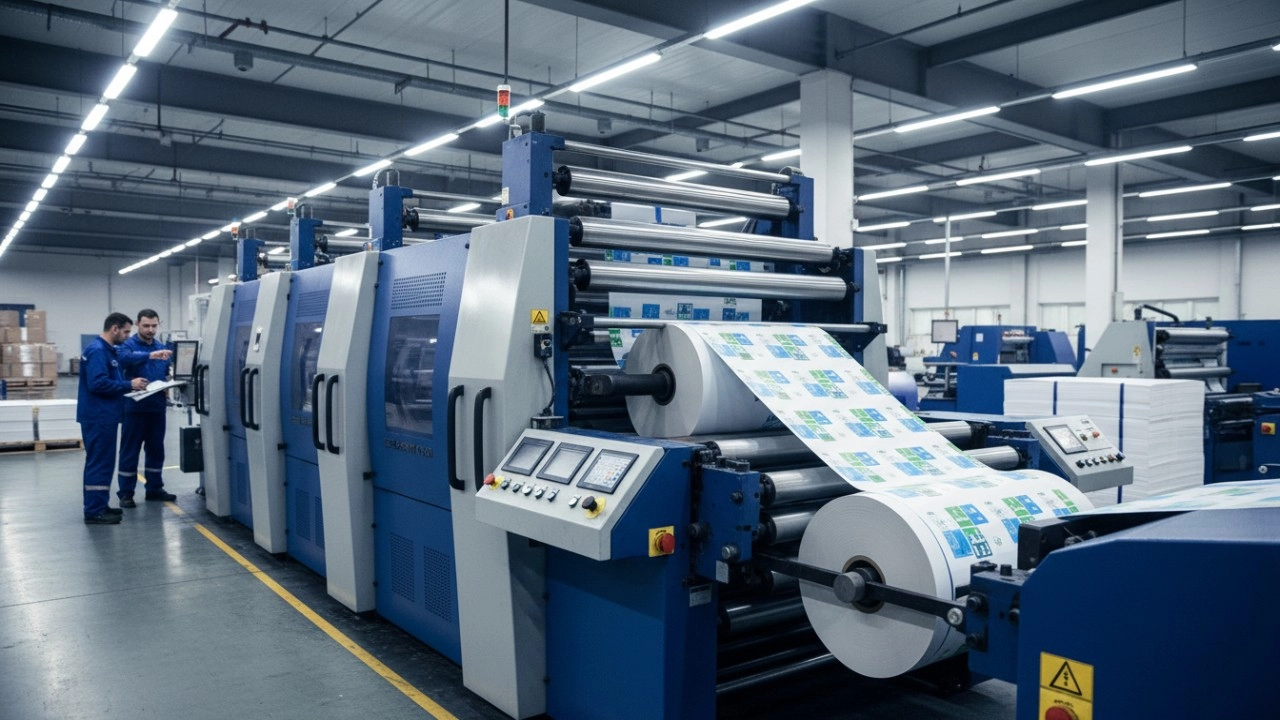
How to Optimize Your Flexo Printing Machine for Maximum Speed and Zero Defects
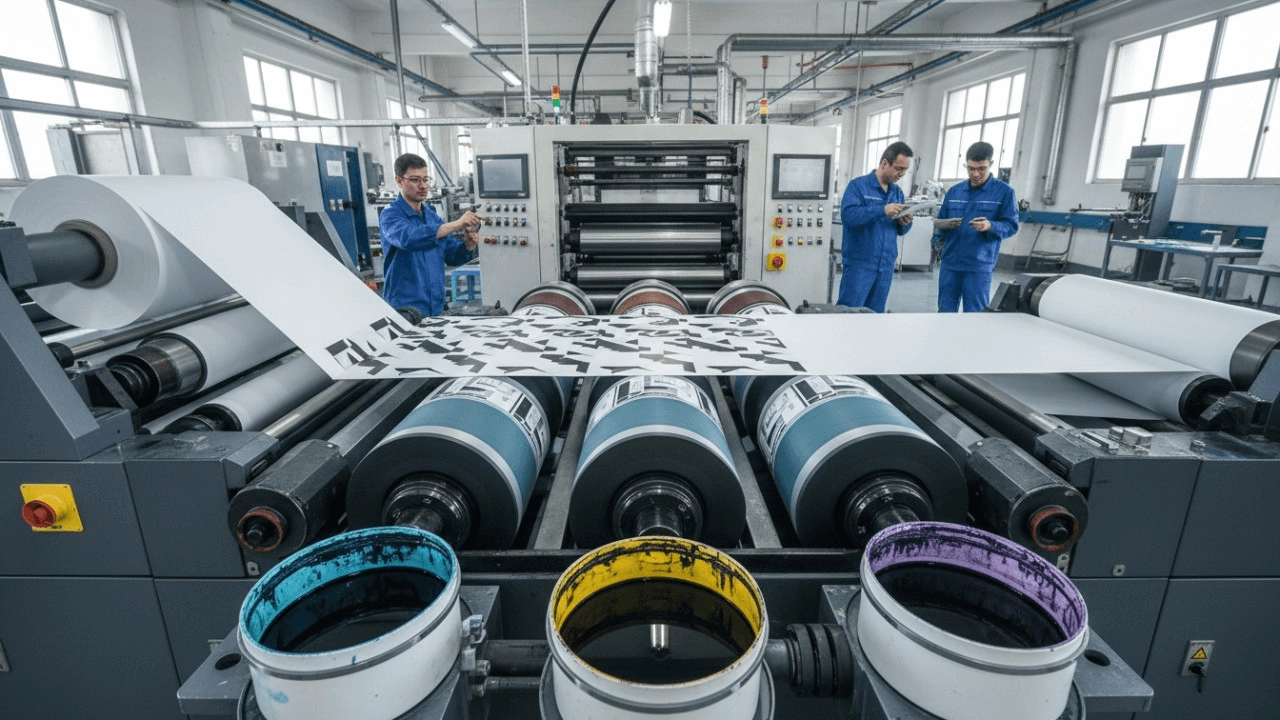
What is Flexographic Printing? The Ultimate Technical Guide & Process Breakdown (2025)
Top 10 Best Flexo Printer Manufacturers (2026): Reviews & Buying Guide
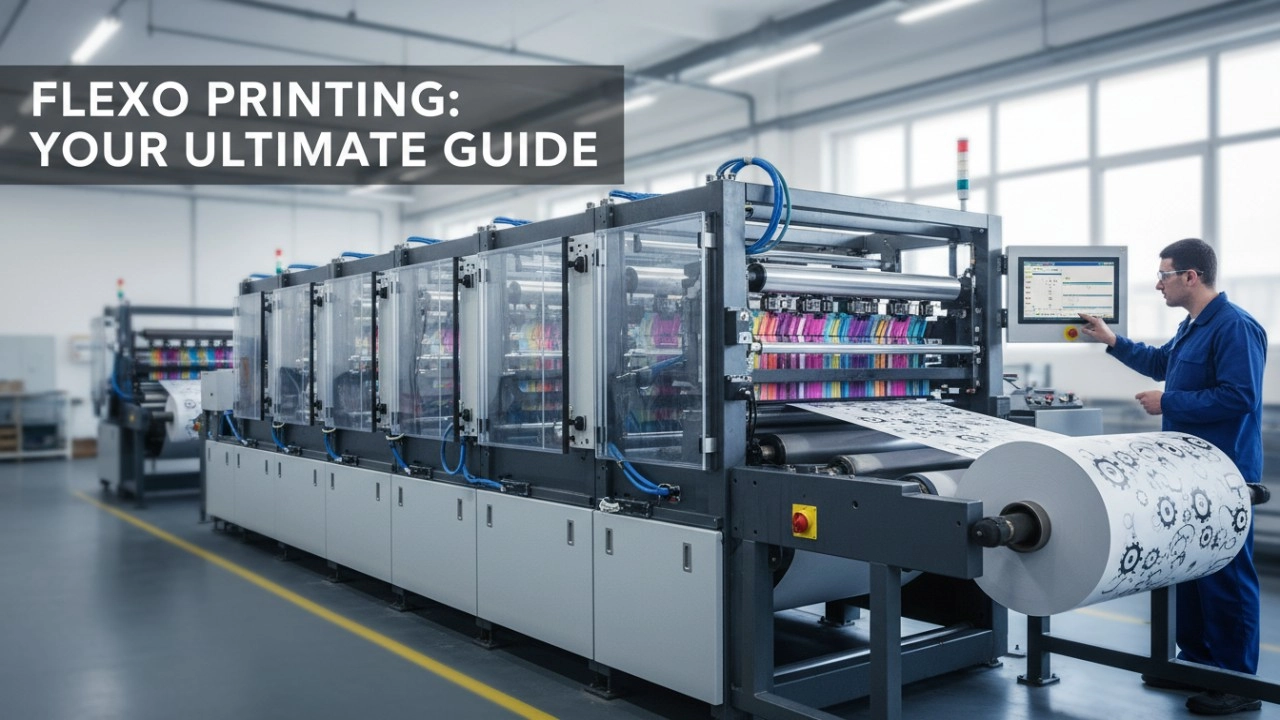
How to Select the Best Flexo Printing Press Manufacturer: A Data-Driven Checklist (2026 Edition)
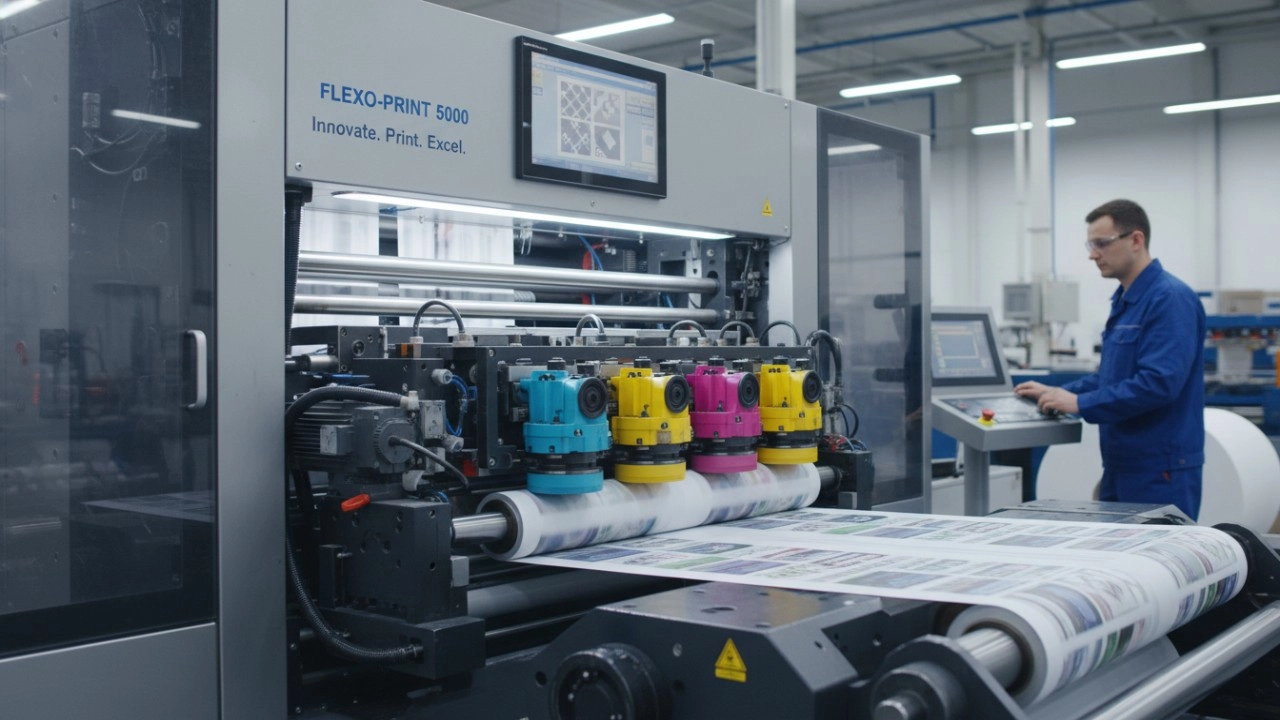
High-Efficiency Flexo Press Solutions: A Complete Guide to Optimizing Your Packaging Production
Product
How do I adjust the machine settings for different carton sizes?
Machine settings can be adjusted using the intuitive control panel, which allows for quick changes to accommodate different carton sizes.
What should I do if the machine jams during operation?
In case of a jam, immediately stop the machine, remove any obstructions, and check for any damage before restarting.
Industry Solutions
Can your machines be integrated with digital printing technology?
Yes, our machines are compatible with digital printing systems for custom, high-quality printing on cartons.
Shipping
How are your machines packaged for safe transportation?
Our machines are securely packaged using high-quality materials to prevent damage during transit.
Do you offer international shipping for your machines?
Yes, we offer international shipping and can handle all necessary customs documentation.
Leave a message
Have any questions or queries about our products? Please leave us a message here and our team will get back to you promptly.
* Rest assured that your privacy is important to us, and all information provided will be handled with the utmost confidentiality.
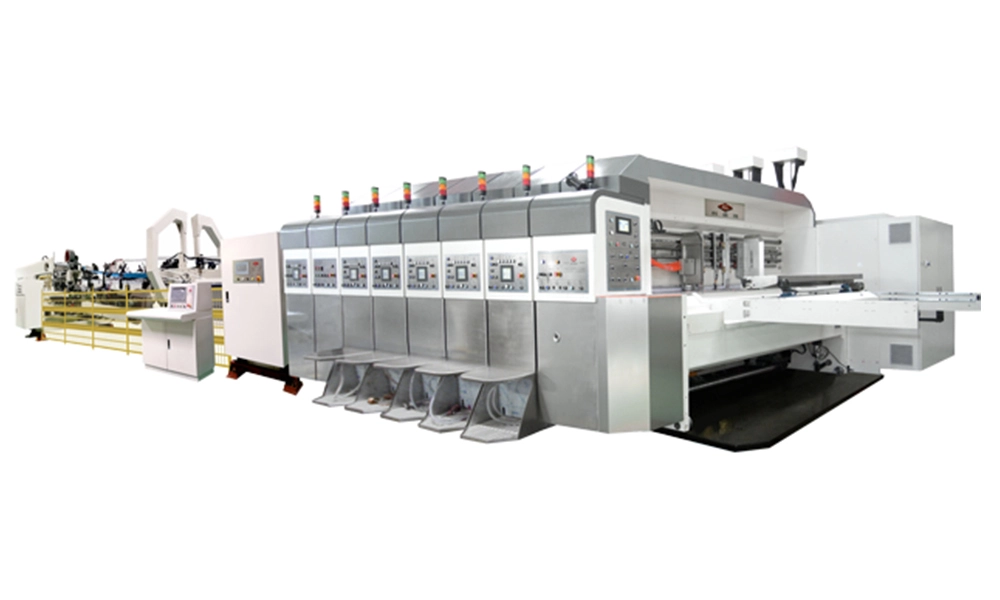
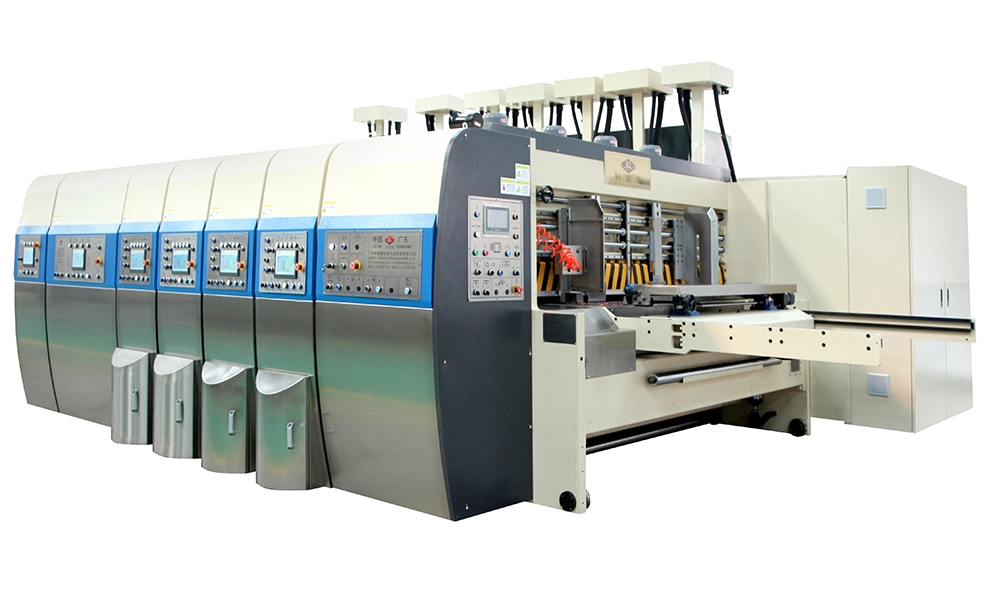
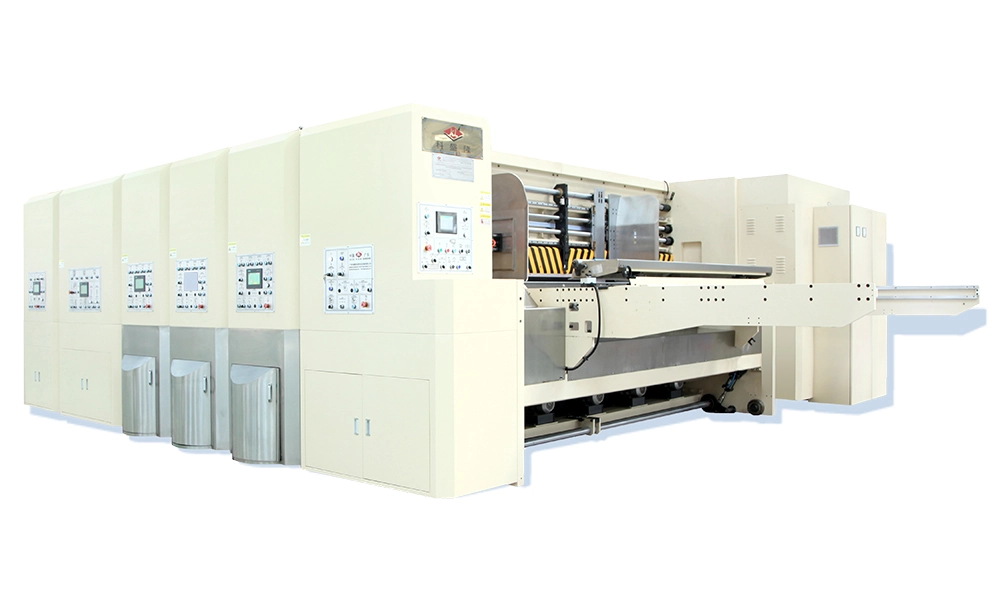


© 2025 Keshenglong & SHINKO All Rights Reserved.
Keshenglong Carton Packing Machine
Keshenglong Carton Packing Machine
Keshenglong Carton Packing Machine
Keshenglong Carton Packing Machine
Keshenglong Carton Packing Machine