
What inks are used in flexographic printing and why?
Explore the different types of flexographic printing inks, their applications, advantages, and considerations to make informed decisions in the flexo printing industry.
Flexographic printing is a versatile and efficient method widely used in the packaging industry. A crucial component of this process is the selection of appropriate inks, which significantly influence print quality, adhesion, drying times, and environmental impact. This guide delves into the various types of flexographic inks, their applications, and key considerations to assist professionals in making informed decisions.
Types of Flexographic Printing Inks
Water-Based Inks
Water-based inks are composed of pigments or dyes dispersed in water, making them environmentally friendly with low volatile organic compound (VOC) content. They are ideal for printing on absorbent substrates like paper and cardboard. Advantages include quick drying times and ease of cleaning. However, they may have poor adhesion on non-absorbent materials and can be prone to fading or peeling over time.
Solvent-Based Inks
Solvent-based inks consist of pigments or dyes dissolved in a solvent carrier, offering excellent adhesion to non-porous substrates such as plastics and metallic films. They dry rapidly, enhancing production efficiency. The main drawback is their higher VOC content, which raises environmental and health concerns.
UV-Curable Inks
UV-curable inks dry instantly when exposed to ultraviolet (UV) light, providing exceptional durability and color vibrancy. They do not contain solvents, reducing VOC emissions and making them environmentally friendly. These inks require specialized curing equipment, which can increase initial setup costs.
Hybrid Inks
Hybrid inks combine the advantages of different ink formulations, such as water-based, solvent-based, and UV-curable inks. They aim to optimize performance while minimizing the drawbacks of individual ink types, offering flexibility and versatility for various printing applications.
Key Considerations in Ink Selection
Substrate Compatibility: Choose an ink that is compatible with the substrate to ensure optimal adhesion and print quality.
Drying Requirements: Consider the drying time needed for your production process. Water-based inks may require additional drying systems, while UV-curable inks offer instant curing but need specialized equipment.
Environmental Impact: Evaluate the environmental implications of the ink type, including VOC emissions and the need for specialized curing systems.
Cost Considerations: Assess the cost-effectiveness of the ink, considering both material costs and the potential need for additional equipment or processes.
Advantages of Keshenglong & Shinko in Flexographic Printing
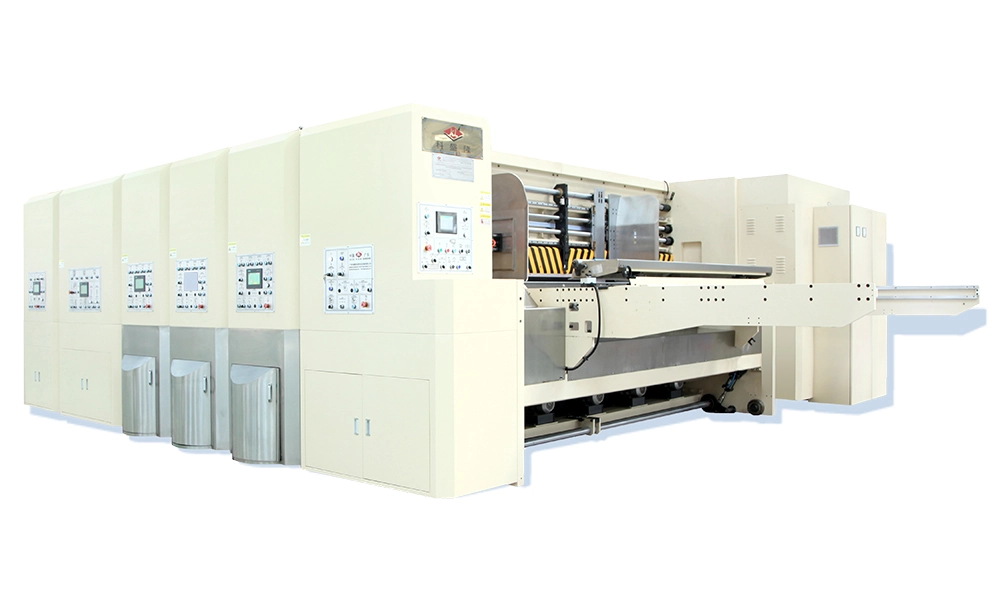
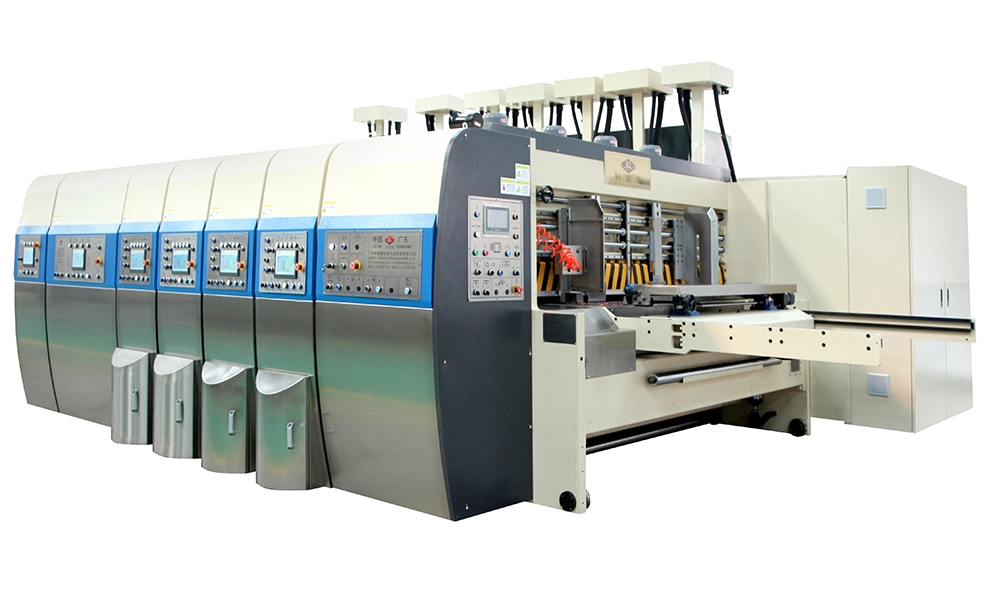
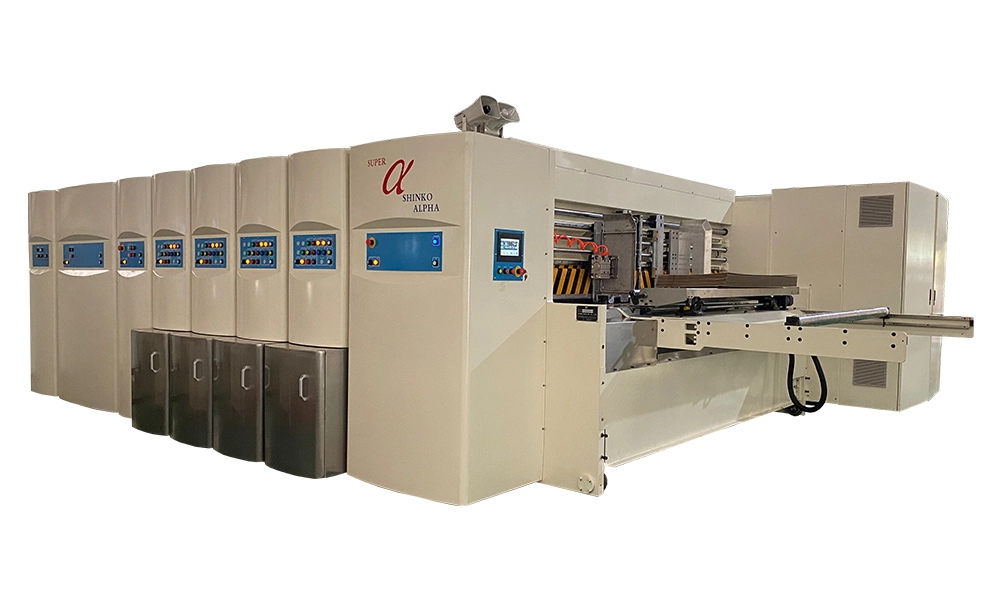
Keshenglong and Shinko are renowned for their high-quality flexographic printing solutions. They offer a range of inks tailored to various substrates and applications, ensuring optimal print performance. Their commitment to innovation and sustainability makes them a preferred choice for businesses seeking reliable and eco-friendly printing solutions.
By understanding the different types of flexographic inks and considering the specific requirements of your printing projects, you can make informed decisions that enhance print quality, efficiency, and environmental responsibility.
For a more in-depth analysis of the flexographic printing inks market, you may find the following video informative:
(https://www.youtube.com/watch?v=-US2hpLoCnw&utm_source=openai)
Recommended for you
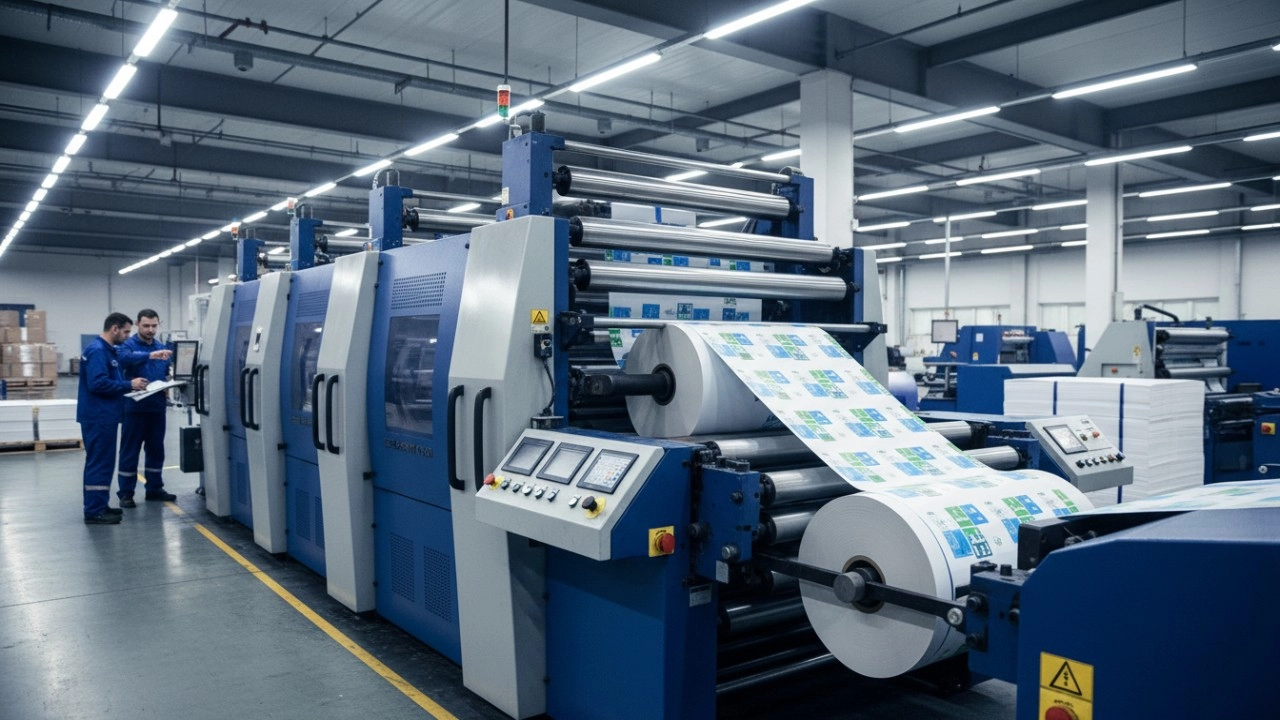
How to Optimize Your Flexo Printing Machine for Maximum Speed and Zero Defects
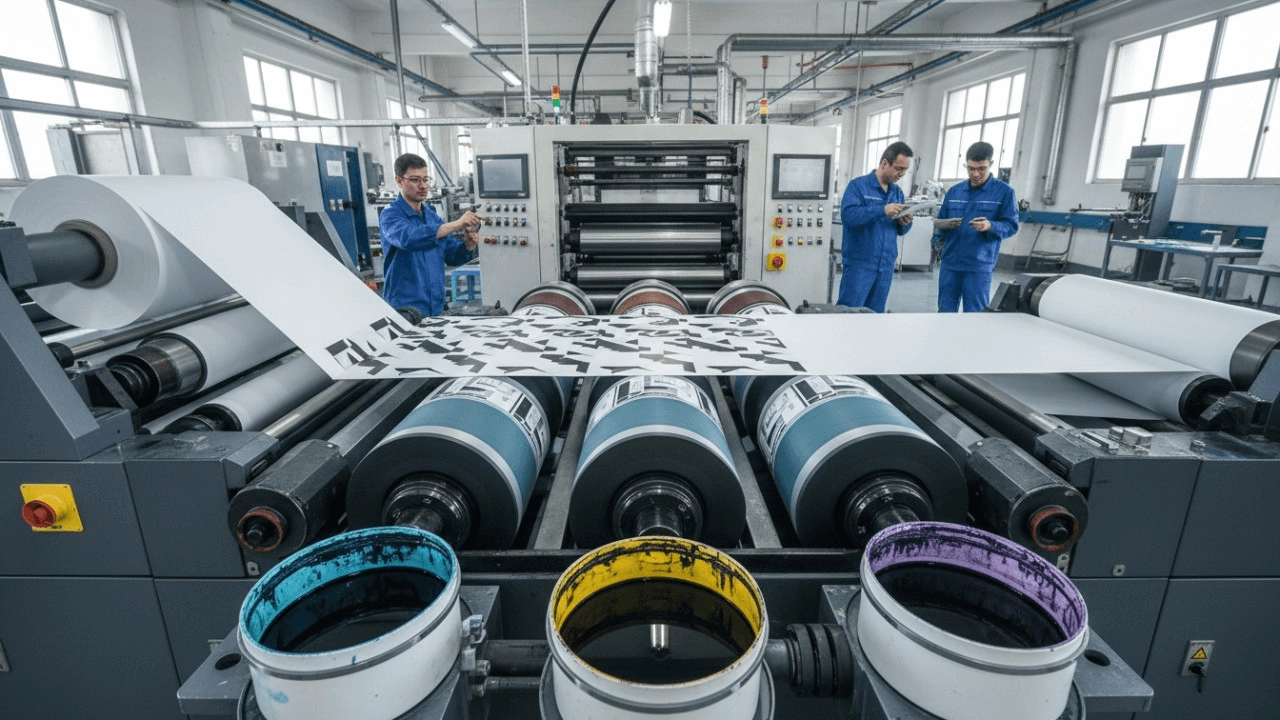
What is Flexographic Printing? The Ultimate Technical Guide & Process Breakdown (2025)

Top 10 Best Flexo Printer Manufacturers (2026): Reviews & Buying Guide
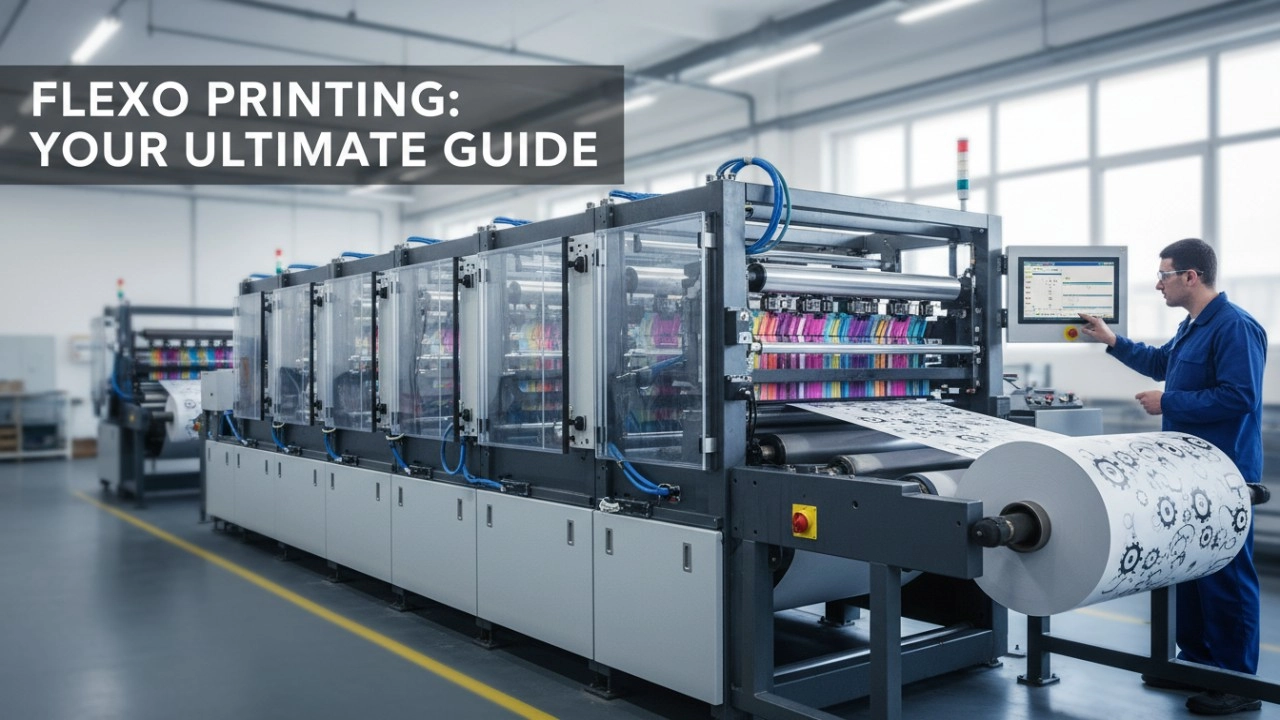
How to Select the Best Flexo Printing Press Manufacturer: A Data-Driven Checklist (2026 Edition)
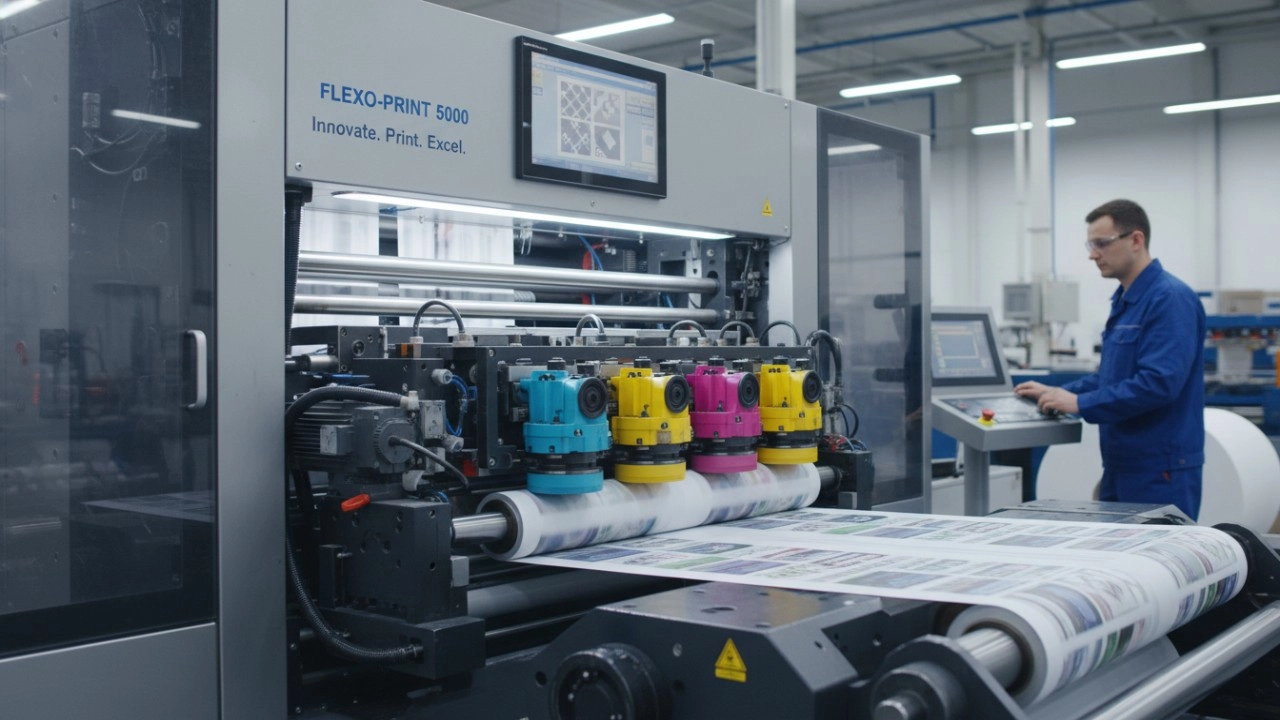
High-Efficiency Flexo Press Solutions: A Complete Guide to Optimizing Your Packaging Production
Industry Solutions
How can your machines improve my production workflow?
By automating carton production, our machines streamline your workflow, increase output, and reduce downtime.
How do your machines comply with industry standards and regulations?
Our machines are manufactured to meet or exceed industry standards and regulations, ensuring safe and compliant operation.
How can your folding carton machines benefit my packaging business?
Our machines increase production efficiency, reduce labor costs, and ensure high-quality, consistent carton production.
Product
Do your machines support automated quality control checks?
Yes, our machines can be equipped with automated quality control systems to ensure consistent production quality.
What is the maximum speed of your folding carton machines?
Our machines can operate at speeds of up to 150 cartons per minute, depending on the model and carton complexity.
Leave a message
Have any questions or queries about our products? Please leave us a message here and our team will get back to you promptly.
* Rest assured that your privacy is important to us, and all information provided will be handled with the utmost confidentiality.


© 2025 Keshenglong & SHINKO All Rights Reserved.
Keshenglong Carton Packing Machine
Keshenglong Carton Packing Machine
Keshenglong Carton Packing Machine
Keshenglong Carton Packing Machine
Keshenglong Carton Packing Machine