
Flexographic vs digital printing: which is best for labels?
Explore the latest trends, benefits, and industry insights into flexographic printing, including its comparison with digital printing for labels, market growth projections, and sustainability practices. Learn how Keshenglong & Shinko lead the industry with innovative solutions.
- Understanding Flexographic Printing: Trends, Benefits, and Industry Insights
- 1. What is Flexographic Printing and How Does It Work?
- 2. How Does Flexographic Printing Compare to Digital Printing for Labels?
- 3. What Are the Current Trends in the Flexographic Printing Industry?
- 4. What Are the Market Projections for Flexographic Printing?
- 5. How Are Sustainability Practices Being Implemented in Flexographic Printing?
- 6. What Are the Advantages of Choosing Flexographic Printing for Labels?
- 7. What Are the Challenges Associated with Flexographic Printing?
- 8. How Do Keshenglong & Shinko Lead the Flexographic Printing Industry?
Understanding Flexographic Printing: Trends, Benefits, and Industry Insights
1. What is Flexographic Printing and How Does It Work?
Flexographic printing is a modern version of letterpress printing that utilizes flexible relief plates made of rubber or photopolymer. These plates are mounted on rotating cylinders, allowing for high-speed printing on various substrates, including paper, plastic, and metallic films. The process involves applying ink to the raised surface of the plate, which then transfers the image onto the substrate. This method is renowned for its versatility, efficiency, and ability to produce high-quality prints.
2. How Does Flexographic Printing Compare to Digital Printing for Labels?
When choosing between flexographic and digital printing for labels, several factors come into play:
Volume: Flexographic printing is ideal for large-volume runs due to its setup costs, which are offset by high-speed production. Digital printing, on the other hand, is more cost-effective for short runs and offers quicker turnaround times.
Customization: Digital printing excels in customization, allowing for variable data printing and personalized designs without additional setup. Flexographic printing requires new plates for each design change, making it less flexible for customization.
Quality: Both methods can achieve high-quality results, but flexographic printing is often preferred for its consistency and ability to handle a wide range of substrates.
Cost: While digital printing has lower setup costs, the per-unit cost decreases with higher volumes in flexographic printing, making it more economical for large-scale productions.
3. What Are the Current Trends in the Flexographic Printing Industry?
The flexographic printing industry is experiencing several notable trends:
Sustainability: There's a growing emphasis on eco-friendly practices, including the use of water-based and UV-curable inks, which reduce hazardous emissions and comply with stringent regulatory standards. Water-based inks are projected to represent over 50% of the flexographic ink market by 2025.
Digital Integration: The integration of digital technologies into flexographic printing is enhancing quality and efficiency. Innovations such as improved anilox rollers and automation are enabling finer print resolutions and faster turnaround times.
Customization and Short-Run Production: As brands prioritize unique designs and personalization, flexographic printing is evolving to meet these specific requirements, offering adaptability in an increasingly diverse global market.
4. What Are the Market Projections for Flexographic Printing?
The global flexographic printing market is on a growth trajectory:
Market Size: Valued at $6.5 billion in 2024, the market is projected to reach $7.11 billion in 2025, growing at a compound annual growth rate (CAGR) of 9.4%.
Growth Drivers: Key factors include increased demand for sustainable packaging, rapid growth in e-commerce, and innovations in anilox roll and ink delivery systems.
5. How Are Sustainability Practices Being Implemented in Flexographic Printing?
Sustainability is a focal point in the flexographic printing industry:
Eco-Friendly Materials: The adoption of recyclable, biodegradable, and renewable materials is on the rise, aligning with global sustainability initiatives.
Regulatory Compliance: The European Union's Directive on Single-Use Plastics emphasizes the need for sustainable packaging solutions, encouraging the use of flexographic printing with eco-friendly inks to meet these standards.
6. What Are the Advantages of Choosing Flexographic Printing for Labels?
Flexographic printing offers several advantages for label production:
Versatility: Capable of printing on a wide range of substrates, including non-porous materials.
High-Speed Production: Suitable for large-volume runs, ensuring efficiency and cost-effectiveness.
Consistent Quality: Delivers high-quality prints with sharp images and vibrant colors.
Cost Efficiency: Economical for large-scale productions due to reduced per-unit costs at higher volumes.
7. What Are the Challenges Associated with Flexographic Printing?
Despite its advantages, flexographic printing faces certain challenges:
Setup Costs: Initial setup, including plate creation, can be expensive, making it less ideal for short runs.
Limited Customization: Changes in design require new plates, which can be time-consuming and costly.
Environmental Impact: While advancements are being made, the use of certain inks and materials can still pose environmental concerns.
8. How Do Keshenglong & Shinko Lead the Flexographic Printing Industry?
Keshenglong & Shinko are at the forefront of the flexographic printing industry, offering:
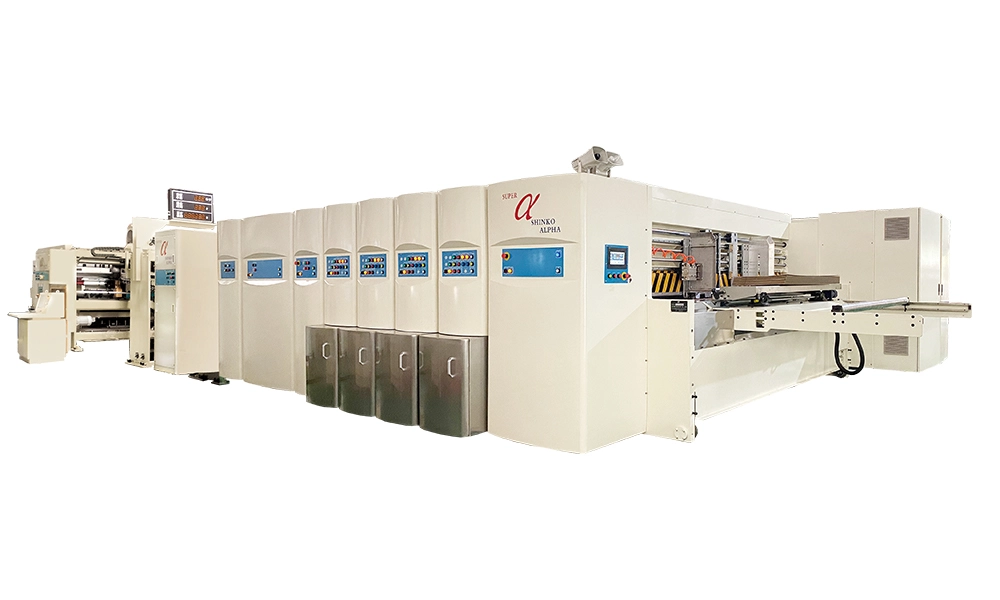
Innovative Solutions: Providing state-of-the-art flexographic printing machines that integrate the latest technologies for enhanced performance.
Sustainability Commitment: Emphasizing eco-friendly practices by offering machines compatible with water-based and UV-curable inks, supporting sustainable packaging initiatives.
Customization Capabilities: Delivering flexible printing solutions that cater to diverse customer needs, from short-run productions to large-scale operations.
Global Reach: Serving a wide range of industries worldwide, ensuring high-quality and efficient printing solutions.
In conclusion, flexographic printing remains a pivotal technology in the packaging and labeling industry, offering versatility, efficiency, and quality. Staying informed about its trends and advancements is essential for businesses aiming to leverage its full potential.
Sources:
Smithers Pira. (2025). "The Future of Flexographic Printing to 2025."
Acquamood. (2025). "Exploring Flexographic Printer Trends for Global Buyers in 2025."
The Business Research Company. (2025). "Flexographic Printing Market Size, Share, And Trends Analysis | 2025 Global Market Report."
SNS Insider. (2025). "Flexographic Printing Market Size to Surpass USD 12.85 Billion by 2032."
Anderson & Vreeland. (2025). "Flexographic Printing Trends: What Companies Should Know In 2025."
New Printing Era. (2025). "Flexo Printing Market Trends 2025: A Look Ahead."
Henghao Printer. (2025). "2025 Flexographic Printing Trends: Integrated Combination Machines."
Keshenglong & Shinko Official Website.
For a visual overview of the flexographic printing market outlook, you may find the following video informative:
(https://www.youtube.com/watch?v=2GDWx2wUzMs&utm_source=openai)
Recommended for you
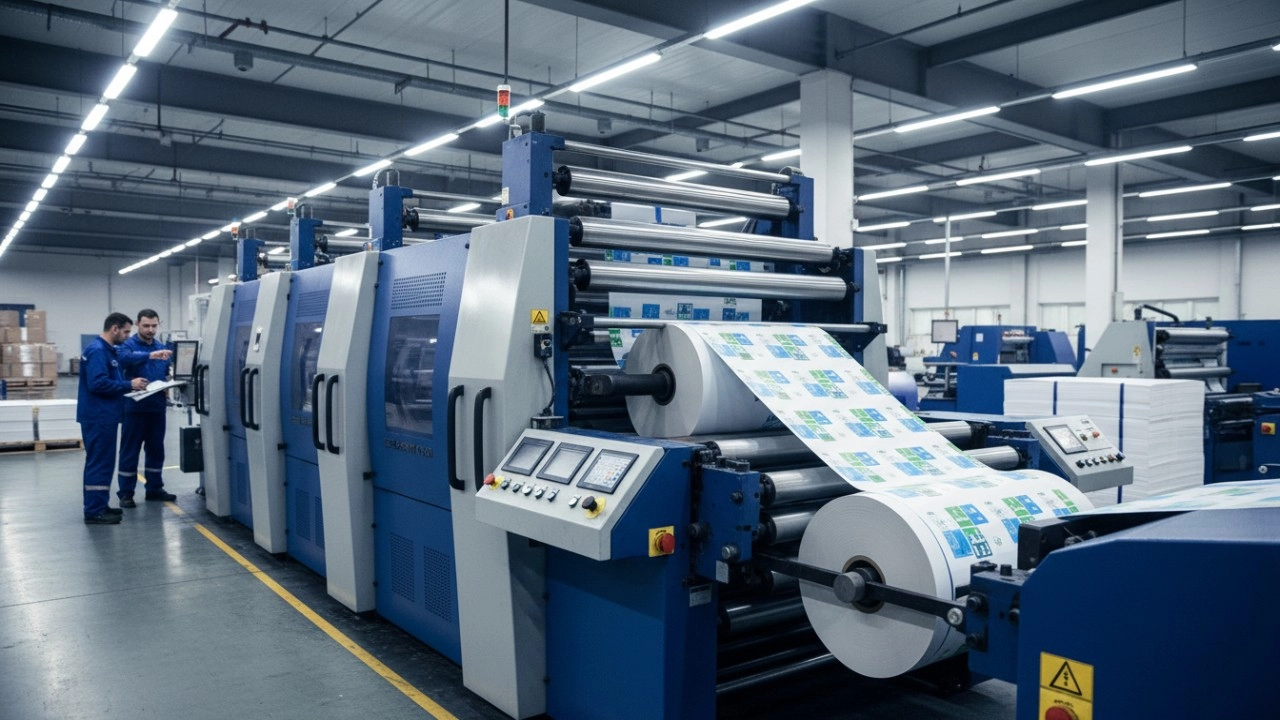
How to Optimize Your Flexo Printing Machine for Maximum Speed and Zero Defects
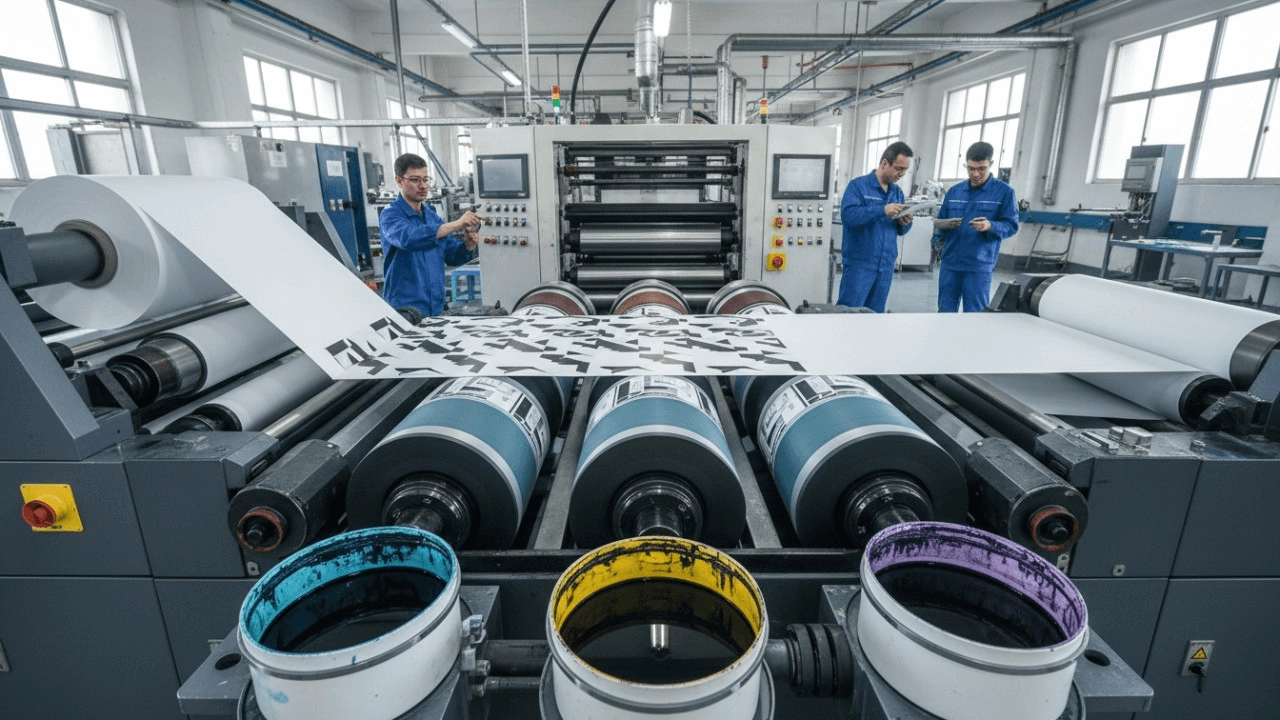
What is Flexographic Printing? The Ultimate Technical Guide & Process Breakdown (2025)
Top 10 Best Flexo Printer Manufacturers (2026): Reviews & Buying Guide
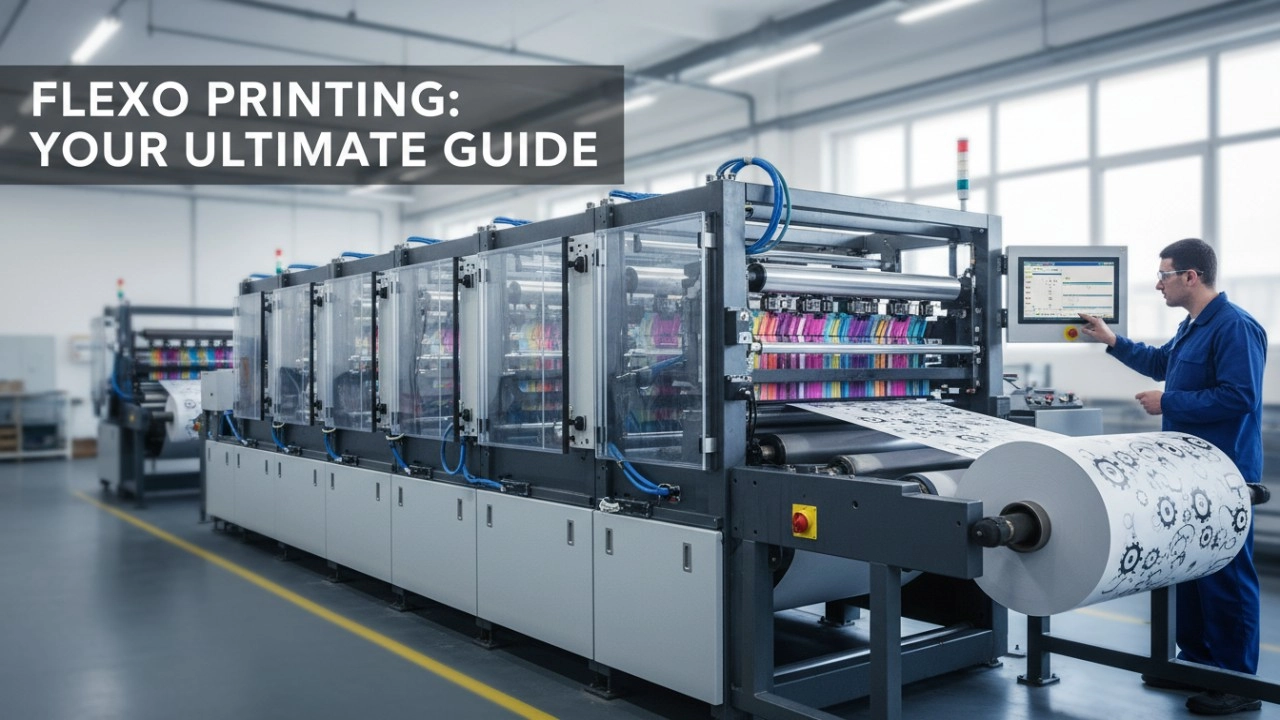
How to Select the Best Flexo Printing Press Manufacturer: A Data-Driven Checklist (2026 Edition)
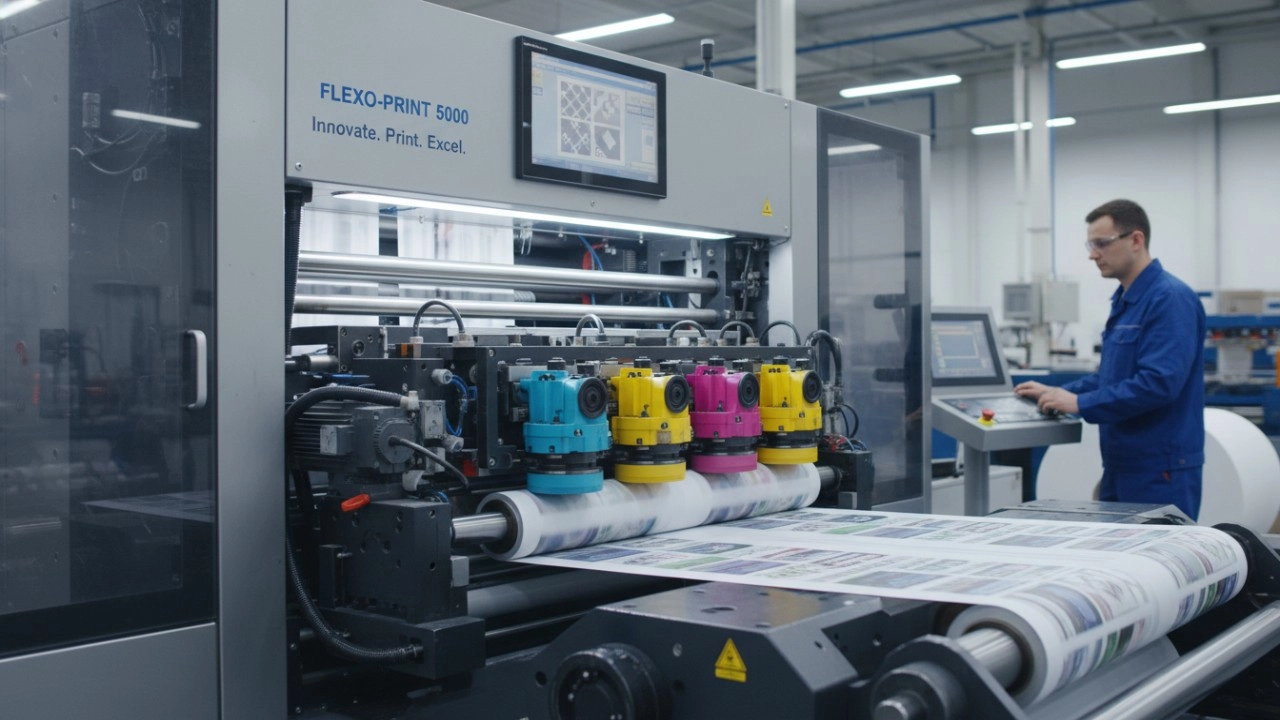
High-Efficiency Flexo Press Solutions: A Complete Guide to Optimizing Your Packaging Production
Shipping
What should I do if my machine arrives damaged?
If your machine arrives damaged, please contact our customer service immediately to arrange for repairs or replacement.
Product
How do I adjust the machine settings for different carton sizes?
Machine settings can be adjusted using the intuitive control panel, which allows for quick changes to accommodate different carton sizes.
Do your machines support automated quality control checks?
Yes, our machines can be equipped with automated quality control systems to ensure consistent production quality.
How can I integrate your machines into my existing production line?
Our technical team can assist with integrating our machines into your current production setup, ensuring a seamless operation.
Industry Solutions
Do you offer customized solutions for unique production needs?
Yes, we work closely with clients to develop customized solutions that meet their specific production requirements.
Leave a message
Have any questions or queries about our products? Please leave us a message here and our team will get back to you promptly.
* Rest assured that your privacy is important to us, and all information provided will be handled with the utmost confidentiality.
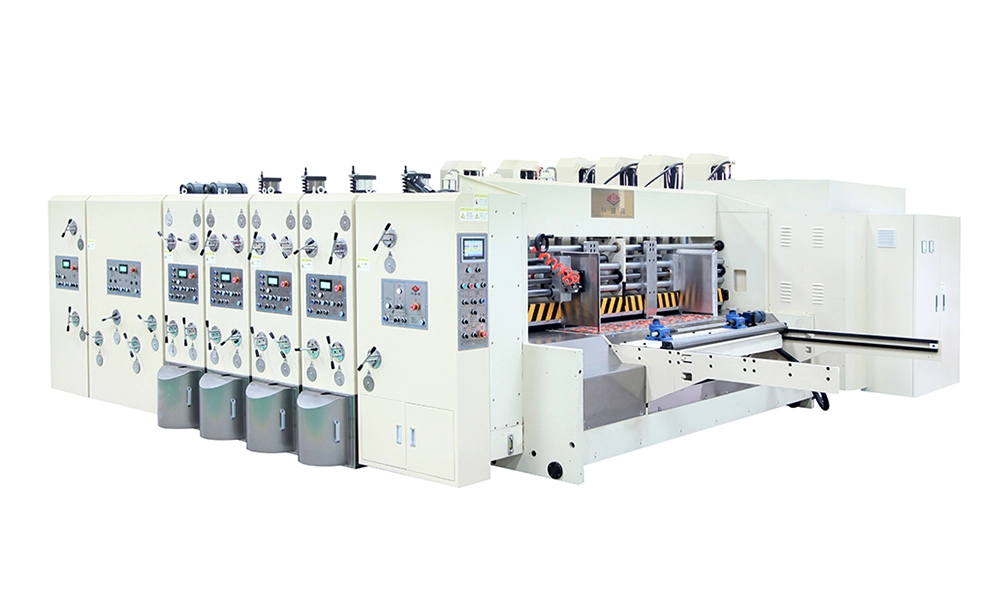
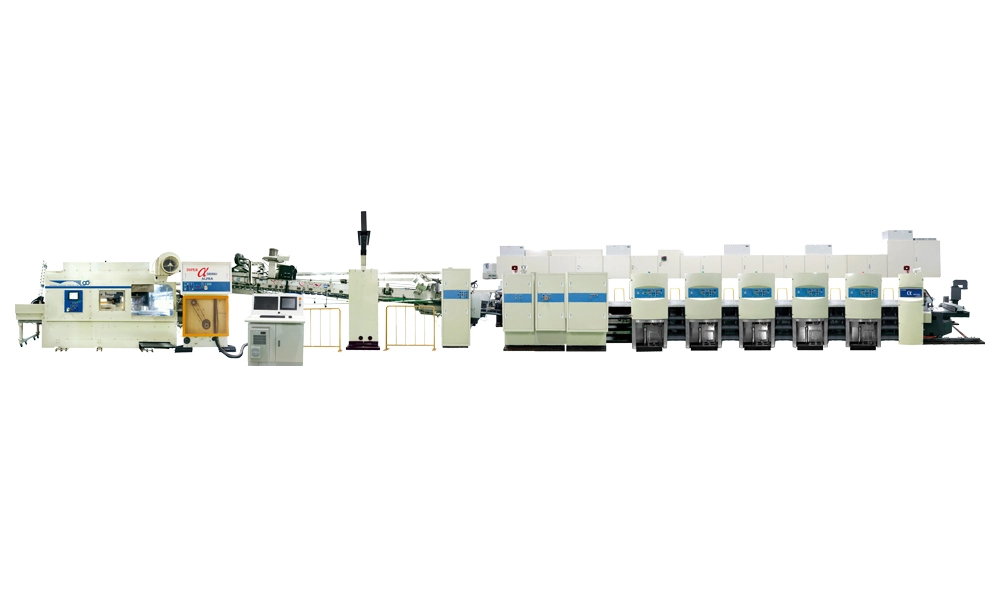
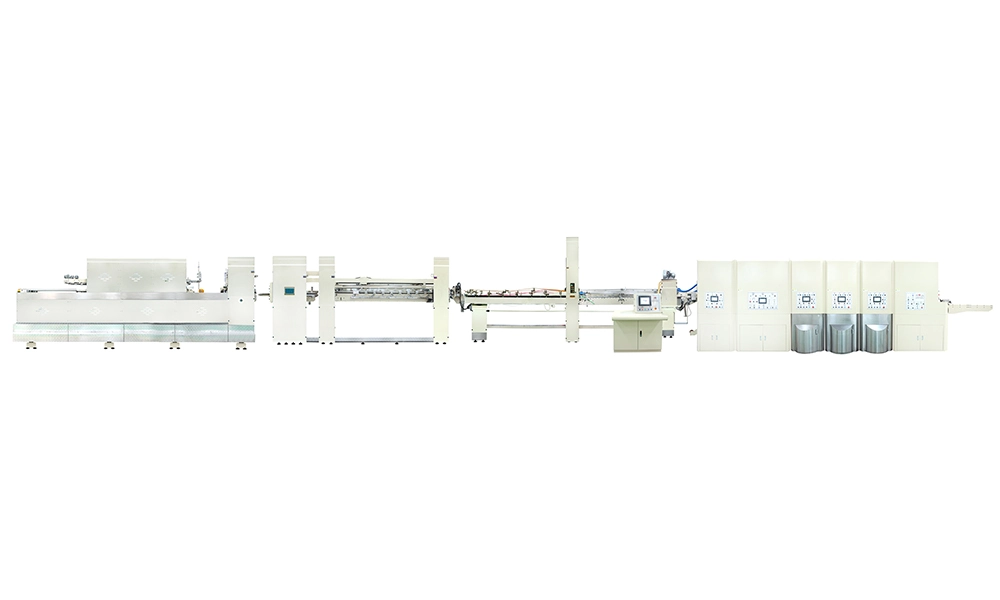


© 2025 Keshenglong & SHINKO All Rights Reserved.
Keshenglong Carton Packing Machine
Keshenglong Carton Packing Machine
Keshenglong Carton Packing Machine
Keshenglong Carton Packing Machine
Keshenglong Carton Packing Machine