
How to improve flexo print quality: top techniques?
Explore common flexographic printing defects and effective solutions to enhance print quality. Learn about issues like dot gain, misregistration, and ink smearing, along with practical remedies to optimize your printing process.
- Understanding Flexographic Printing: Common Issues and Effective Solutions
- 1. What is Flexographic Printing?
- 2. What Are Common Flexographic Printing Defects?
- 3. How Can Dot Gain Be Minimized?
- 4. What Causes Misregistration and How to Correct It?
- 5. How to Prevent Ink Smearing and Smudging?
- 6. What Are the Causes of Mottling and How to Address It?
- 7. How to Address Pinholing in Flexographic Printing?
- 8. How to Improve Flexo Print Quality: Top Techniques?
- Conclusion: Advantages of Keshenglong & Shinko Brands
Understanding Flexographic Printing: Common Issues and Effective Solutions
Flexographic printing is a versatile and efficient method widely used in packaging and label production. However, achieving optimal print quality can be challenging due to various defects that may arise during the printing process. This guide addresses common flexographic printing issues and provides practical solutions to enhance print quality.
1. What is Flexographic Printing?
Flexographic printing is a rotary printing process that utilizes flexible relief plates to transfer ink onto substrates. It's known for its ability to print on a wide range of materials, including non-porous surfaces like plastic films and metal foils.
2. What Are Common Flexographic Printing Defects?
Several defects can compromise print quality in flexographic printing:
Dot Gain: The increase in size of printed dots, leading to darker and less sharp images.
Misregistration: The misalignment of colors, resulting in blurred or overlapping images.
Ink Smearing and Smudging: Blurred or smudged areas on the print due to insufficient ink drying.
Mottling: Uneven coloration or blotchiness in solid ink areas.
Pinholing: Small unprinted spots within solid ink areas.
3. How Can Dot Gain Be Minimized?
Dot gain can be minimized by:
Adjusting Pressure Settings: Ensure optimal pressure between the anilox roller and the plate cylinder to prevent excessive dot spread.
Controlling Ink Viscosity: Maintain appropriate ink viscosity to achieve desired dot sizes.
Regular Equipment Maintenance: Clean and maintain printing plates and anilox rollers to prevent ink buildup.
4. What Causes Misregistration and How to Correct It?
Misregistration can result from:
Improper Plate Mounting: Ensure accurate alignment during the mounting process.
Substrate Movement: Maintain consistent tension control to prevent substrate shifting.
Machine Component Wear: Regularly inspect and replace worn components to maintain alignment accuracy.
5. How to Prevent Ink Smearing and Smudging?
To prevent ink smearing and smudging:
Optimize Drying Conditions: Adjust drying temperature and airflow to ensure sufficient ink curing.
Control Ink Application: Use appropriate ink volumes and viscosities to facilitate proper drying.
Maintain Clean Printing Environment: Keep the printing area free from contaminants that can affect ink adhesion.
6. What Are the Causes of Mottling and How to Address It?
Mottling can be caused by:
Uneven Substrate Surface: Ensure substrates have a uniform surface to facilitate even ink transfer.
Inconsistent Ink Viscosity: Maintain consistent ink viscosity to achieve uniform coverage.
Inadequate Drying: Adjust drying settings to ensure even ink curing.
7. How to Address Pinholing in Flexographic Printing?
Pinholing can be addressed by:
Surface Treatment: Treat substrates to increase surface energy, enhancing ink adhesion.
Ink Viscosity Adjustment: Ensure ink viscosity is appropriate to prevent voids.
Regular Equipment Cleaning: Clean anilox rollers and printing plates to prevent contamination.
8. How to Improve Flexo Print Quality: Top Techniques?
To enhance flexo print quality:
Implement Quality Control Measures: Regularly monitor and adjust printing parameters to maintain consistent quality.
Invest in Advanced Equipment: Utilize modern presses with automatic registration systems and precise pressure controls.
Train Operators: Ensure operators are well-trained in flexographic printing techniques and troubleshooting.
Conclusion: Advantages of Keshenglong & Shinko Brands
When selecting flexographic printing equipment, consider the following advantages of Keshenglong and Shinko brands:
Advanced Technology: Both brands offer presses equipped with automatic registration systems and precise pressure controls, enhancing print quality.
Durability: Their equipment is known for longevity, reducing downtime and maintenance costs.
Comprehensive Support: They provide extensive training and technical support to ensure optimal equipment performance.
By understanding common flexographic printing defects and implementing effective solutions, you can significantly improve print quality and operational efficiency. Choosing reliable equipment from reputable brands like Keshenglong and Shinko further ensures consistent and high-quality printing results.
Recommended for you
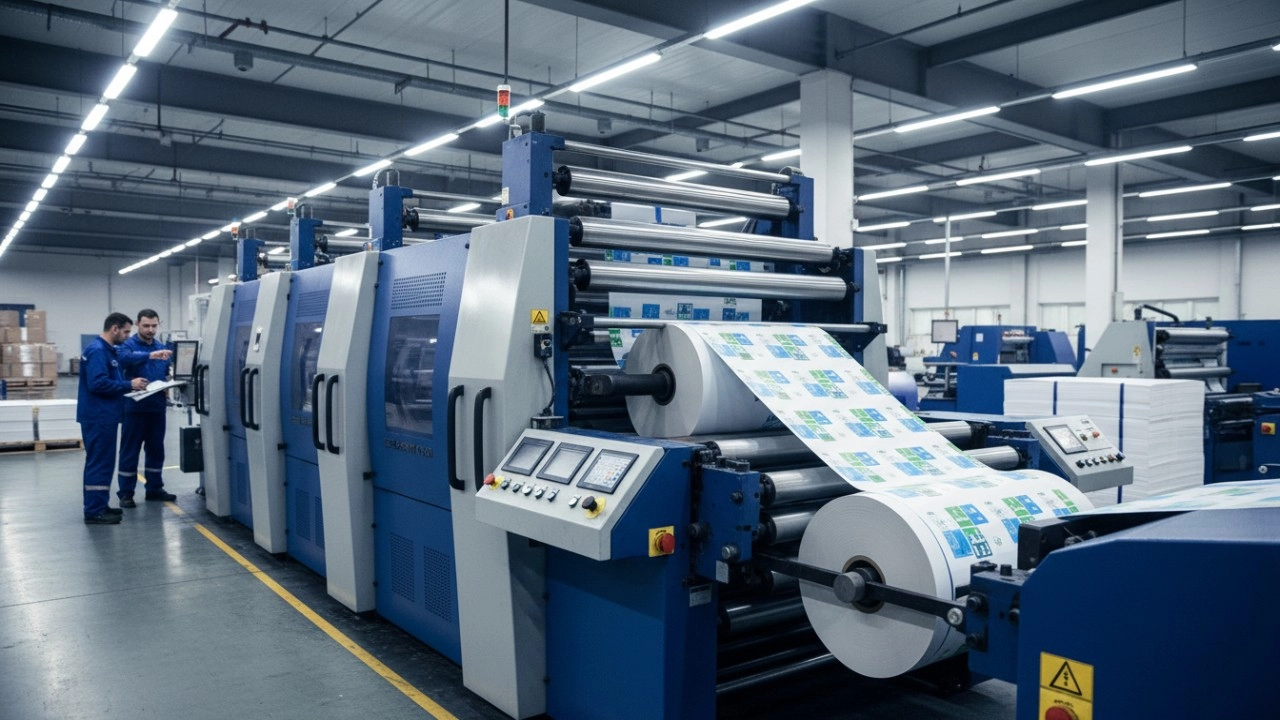
How to Optimize Your Flexo Printing Machine for Maximum Speed and Zero Defects
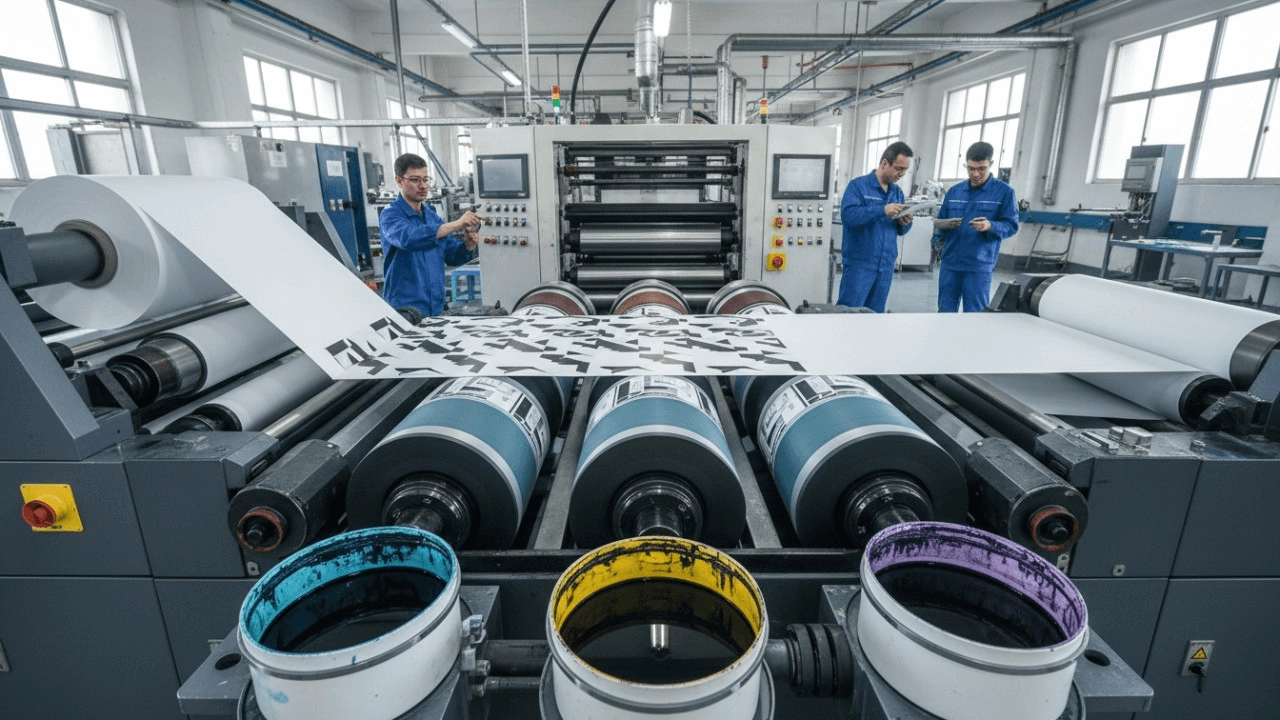
What is Flexographic Printing? The Ultimate Technical Guide & Process Breakdown (2025)

Top 10 Best Flexo Printer Manufacturers (2026): Reviews & Buying Guide
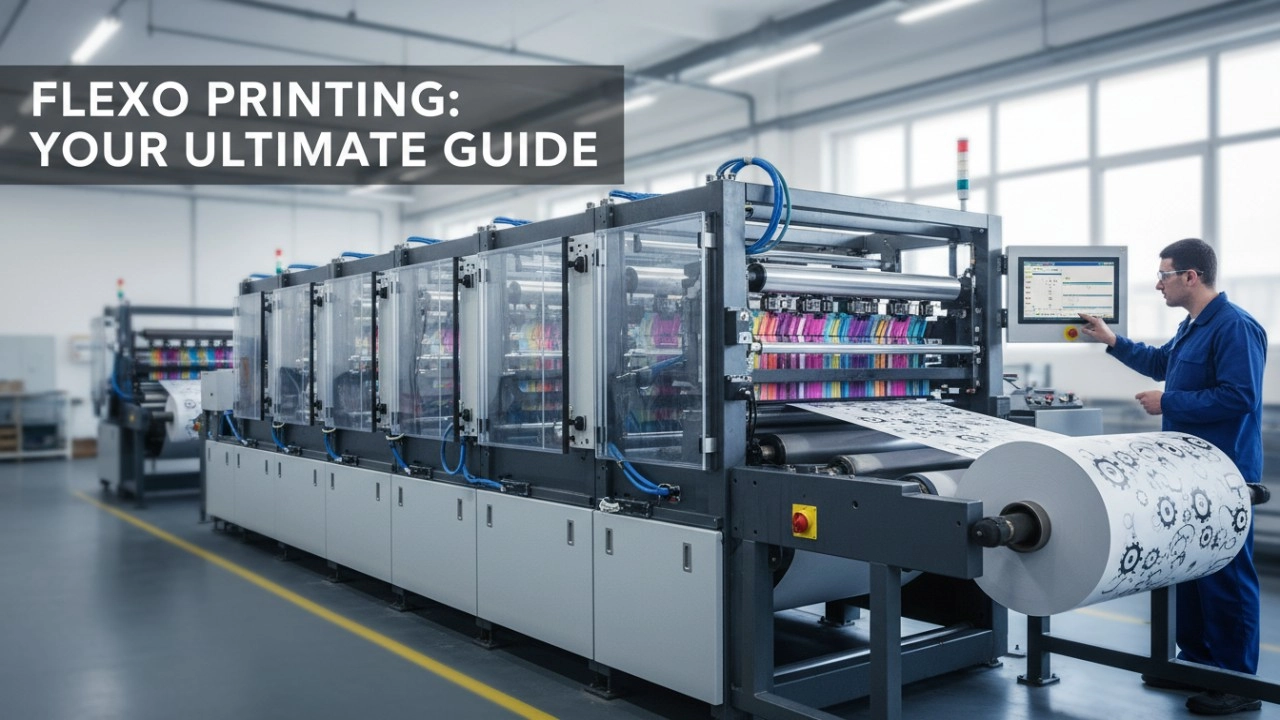
How to Select the Best Flexo Printing Press Manufacturer: A Data-Driven Checklist (2026 Edition)
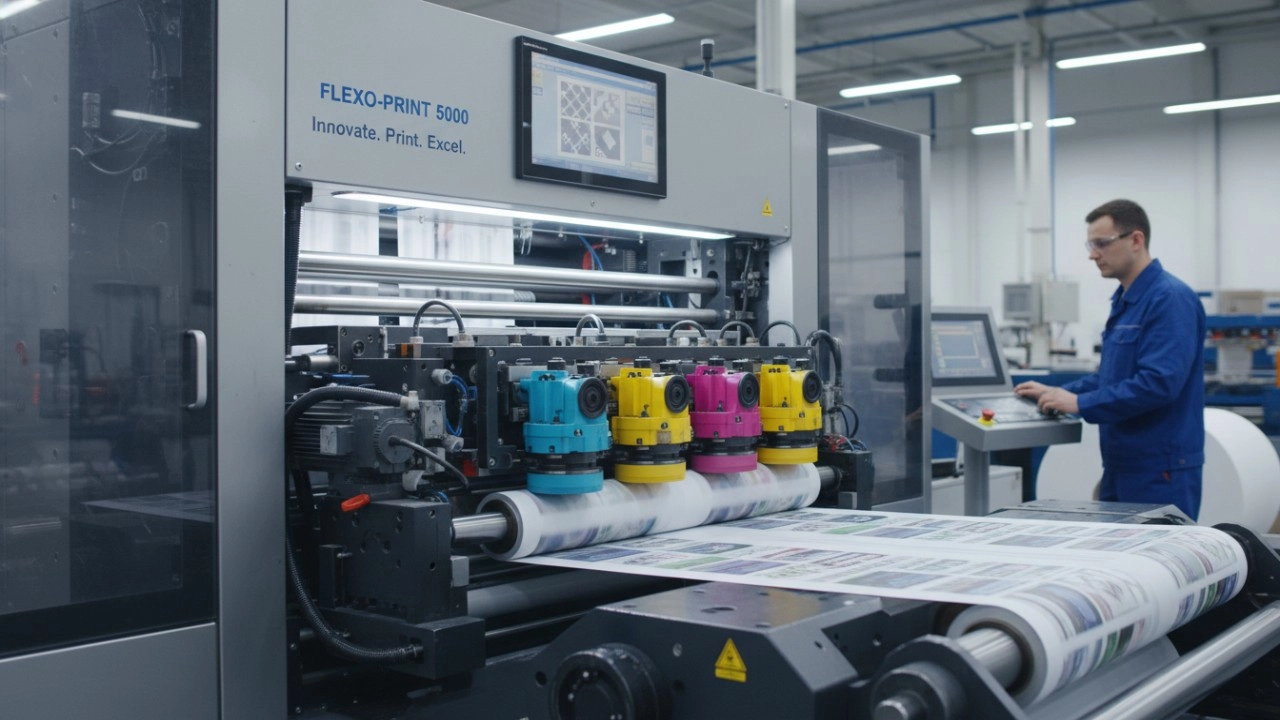
High-Efficiency Flexo Press Solutions: A Complete Guide to Optimizing Your Packaging Production
Shipping
What is the estimated delivery time for your machines?
Delivery times vary based on location and order size, but we typically estimate 4-6 weeks for delivery.
Industry Solutions
How do your machines comply with industry standards and regulations?
Our machines are manufactured to meet or exceed industry standards and regulations, ensuring safe and compliant operation.
Product
What is the maximum speed of your folding carton machines?
Our machines can operate at speeds of up to 150 cartons per minute, depending on the model and carton complexity.
How do I troubleshoot common issues with the folding mechanism?
Common issues can often be resolved by checking the alignment of the folding plates and ensuring there is no debris obstructing the mechanism.
How do I adjust the machine settings for different carton sizes?
Machine settings can be adjusted using the intuitive control panel, which allows for quick changes to accommodate different carton sizes.
Leave a message
Have any questions or queries about our products? Please leave us a message here and our team will get back to you promptly.
* Rest assured that your privacy is important to us, and all information provided will be handled with the utmost confidentiality.


© 2025 Keshenglong & SHINKO All Rights Reserved.
Keshenglong Carton Packing Machine
Keshenglong Carton Packing Machine
Keshenglong Carton Packing Machine
Keshenglong Carton Packing Machine
Keshenglong Carton Packing Machine