
How does UV flexo ink compare to water-based inks?
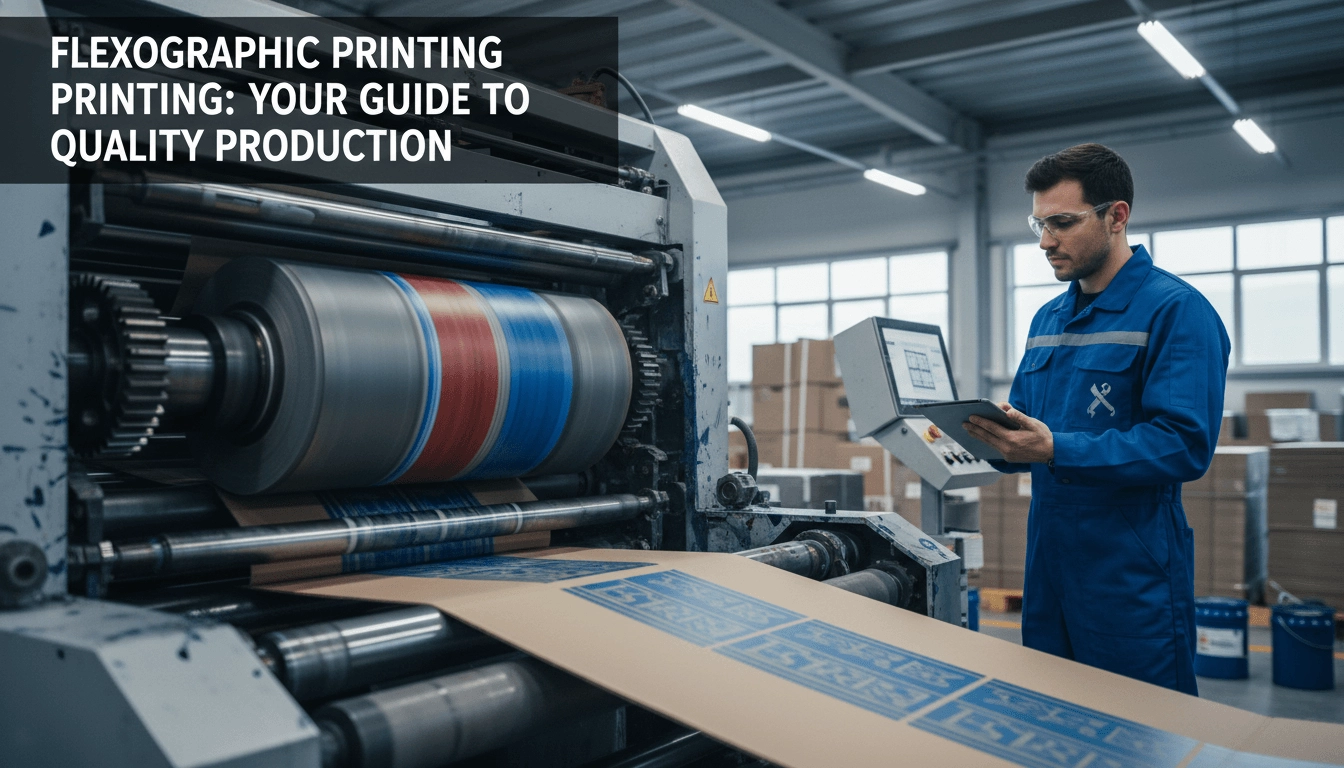
Explore essential insights into flexographic printing, including market trends, ink comparisons, and technological advancements, to make informed purchasing decisions in the industry.
- Understanding Flexographic Printing: A Comprehensive Overview
- 1. What Are the Key Advantages of Flexographic Printing?
- 2. How Do UV Flexo Inks Compare to Water-Based Inks?
- 3. What Are the Emerging Trends in Flexographic Printing?
- 4. How Is Automation Impacting Flexographic Printing?
- 5. What Are the Challenges in Adopting Flexographic Printing?
- 6. What Are the Future Outlook and Market Projections for Flexographic Printing?
- 7. How Do UV Flexo Inks Compare to Water-Based Inks?
- 8. What Are the Key Considerations When Purchasing Flexographic Printing Equipment?
- Conclusion: Leveraging Flexographic Printing for Competitive Advantage
Understanding Flexographic Printing: A Comprehensive Overview
Flexographic printing, a versatile and efficient method, has become a cornerstone in the packaging and labeling industries. As of 2024, the global flexographic printing market was valued at approximately $6.5 billion, with projections indicating growth to $7.11 billion by 2025, reflecting a compound annual growth rate (CAGR) of 9.4%.
This growth is driven by several factors:
Sustainability Initiatives: The increasing demand for eco-friendly packaging solutions has led to a shift towards sustainable inks and recyclable substrates.
Technological Advancements: Innovations in automation and digital integration have enhanced printing efficiency and quality.
Customization Trends: The rise in personalized packaging and labeling has expanded the applications of flexographic printing.
1. What Are the Key Advantages of Flexographic Printing?
Flexographic printing offers several benefits:
Versatility: Capable of printing on various substrates, including non-porous materials.
High-Speed Production: Suitable for large-volume runs, making it cost-effective for mass production.
Quality and Consistency: Advances in technology have improved print quality and color consistency.
2. How Do UV Flexo Inks Compare to Water-Based Inks?
When choosing between UV flexo inks and water-based inks, consider the following:
Drying Process:
- UV Flexo Inks: Cure instantly under UV light, allowing for immediate handling and further processing.
- Water-Based Inks: Dry through evaporation, requiring longer drying times and potentially leading to higher energy consumption.
Environmental Impact:
- UV Flexo Inks: Emit low levels of volatile organic compounds (VOCs), contributing to a healthier work environment.
- Water-Based Inks: Generally considered more environmentally friendly due to the absence of solvents.
Print Quality:
- UV Flexo Inks: Provide vibrant colors and sharp details, suitable for high-quality packaging.
- Water-Based Inks: May offer slightly less vibrancy but are improving with technological advancements.
Cost Considerations:
- UV Flexo Inks: Higher initial equipment costs but lower operational costs due to faster drying times.
- Water-Based Inks: Lower equipment costs but may incur higher operational expenses due to longer drying times.
3. What Are the Emerging Trends in Flexographic Printing?
Key trends shaping the future of flexographic printing include:
Sustainability Practices: Adoption of eco-friendly materials and processes to meet environmental regulations and consumer demand for sustainable products.
Digital Integration: Incorporation of digital technologies to enhance automation, improve color management, and reduce waste.
Customization and Personalization: Increased demand for unique and personalized packaging solutions, driving innovation in flexographic printing capabilities.
4. How Is Automation Impacting Flexographic Printing?
Automation is revolutionizing flexographic printing by:
Enhancing Efficiency: Streamlining workflows and reducing manual intervention, leading to faster turnaround times.
Improving Quality Control: Implementing automated systems for color matching and defect detection ensures consistent print quality.
Reducing Costs: Minimizing waste and optimizing resource usage through automated processes.
5. What Are the Challenges in Adopting Flexographic Printing?
Challenges include:
High Initial Investment: Significant capital required for equipment and setup.
Technical Expertise: Need for skilled personnel to operate and maintain advanced flexographic printing systems.
Material Compatibility: Ensuring that inks and substrates are compatible to achieve desired print quality.
6. What Are the Future Outlook and Market Projections for Flexographic Printing?
The flexographic printing market is expected to continue its growth trajectory, with projections indicating a market size of $12.85 billion by 2032, expanding at a CAGR of 4.3% from 2025 to 2032.
This growth is driven by:
Rising Demand for Sustainable Packaging: Companies are increasingly adopting eco-friendly packaging solutions to meet consumer and regulatory demands.
Advancements in Technology: Continuous innovation in printing technologies enhances efficiency and print quality.
Global Expansion: Emerging markets, particularly in Asia Pacific, are contributing significantly to market growth.
7. How Do UV Flexo Inks Compare to Water-Based Inks?
When choosing between UV flexo inks and water-based inks, consider the following:
Drying Process:
- UV Flexo Inks: Cure instantly under UV light, allowing for immediate handling and further processing.
- Water-Based Inks: Dry through evaporation, requiring longer drying times and potentially leading to higher energy consumption.
Environmental Impact:
- UV Flexo Inks: Emit low levels of volatile organic compounds (VOCs), contributing to a healthier work environment.
- Water-Based Inks: Generally considered more environmentally friendly due to the absence of solvents.
Print Quality:
- UV Flexo Inks: Provide vibrant colors and sharp details, suitable for high-quality packaging.
- Water-Based Inks: May offer slightly less vibrancy but are improving with technological advancements.
Cost Considerations:
- UV Flexo Inks: Higher initial equipment costs but lower operational costs due to faster drying times.
- Water-Based Inks: Lower equipment costs but may incur higher operational expenses due to longer drying times.
8. What Are the Key Considerations When Purchasing Flexographic Printing Equipment?
When evaluating flexographic printing equipment, consider:
Printing Speed and Volume: Ensure the equipment meets your production requirements.
Print Quality: Assess the resolution and color accuracy capabilities.
Material Compatibility: Verify that the equipment can handle the substrates you intend to use.
Maintenance and Support: Consider the availability of technical support and ease of maintenance.
Cost of Ownership: Evaluate both initial investment and ongoing operational costs.
Conclusion: Leveraging Flexographic Printing for Competitive Advantage
Flexographic printing continues to evolve, offering opportunities for businesses to enhance packaging quality, efficiency, and sustainability. By staying informed about industry trends and technological advancements, companies can make strategic decisions that align with market demands and consumer preferences.
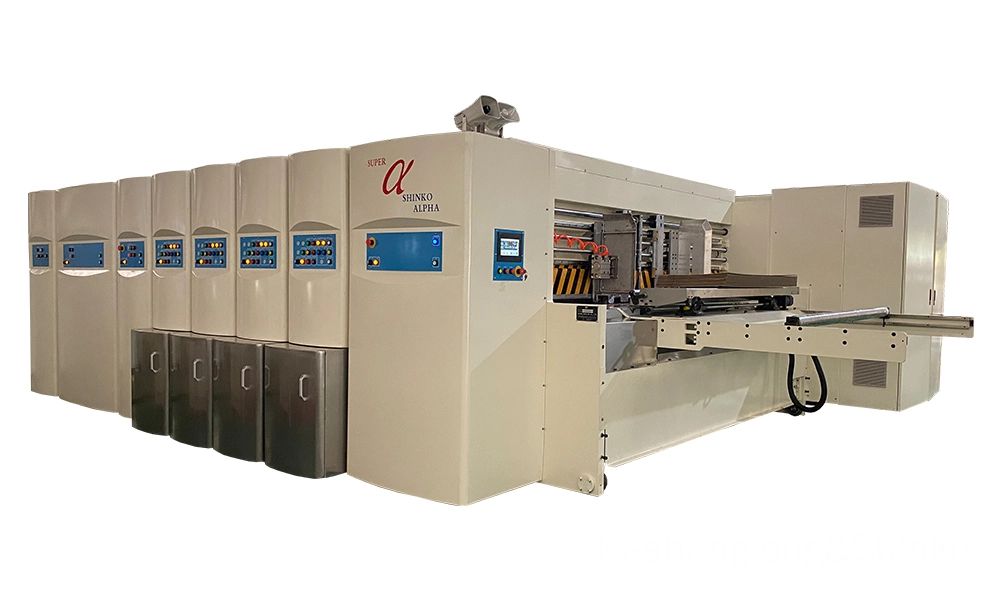
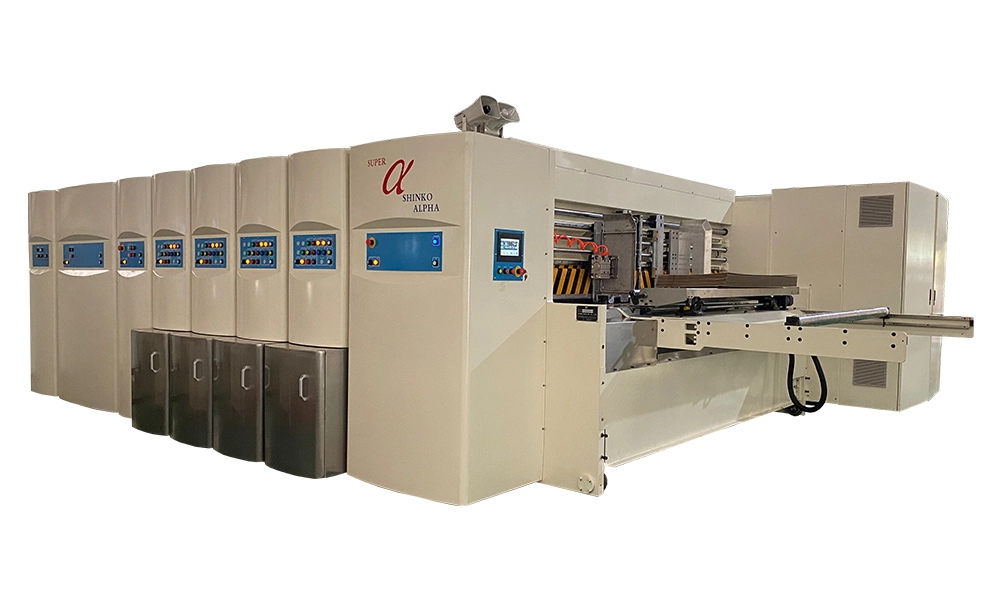
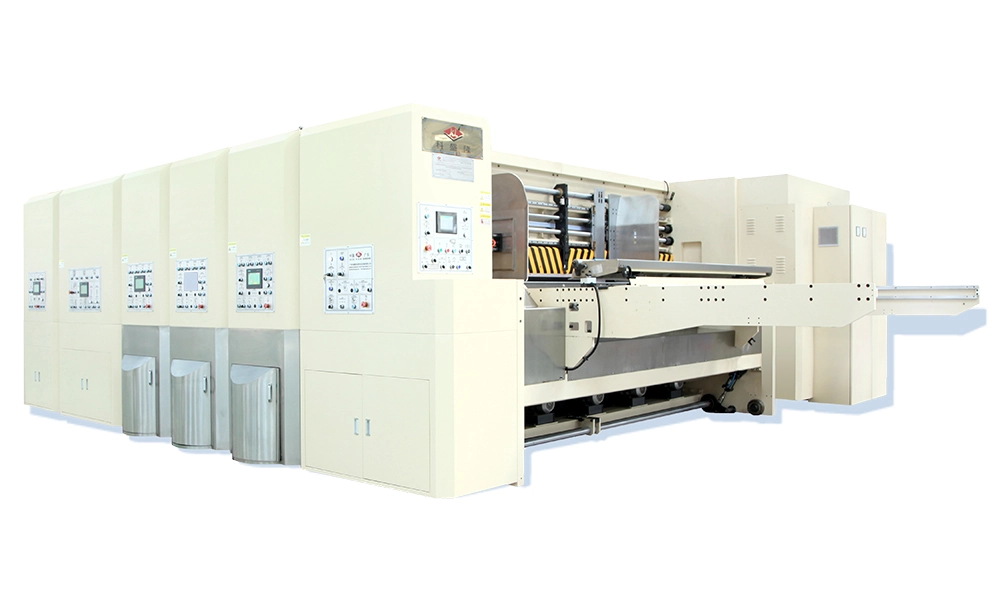
Keshenglong & Shinko are leading providers in the flexographic printing industry, offering innovative solutions that cater to diverse printing needs. Their commitment to quality, sustainability, and customer satisfaction makes them valuable partners for businesses seeking to excel in the competitive packaging and labeling market.
References:
Flexographic Printing Market Size, Share, And Trends Analysis | 2025 Global Market Report. The Business Research Company.
Flexographic Printing Market Size to Surpass USD 12.85 Billion by 2032 | Report by SNS Insider. GlobeNewswire.
Flexographic Printing Trends: What Companies Should Know In 2025. Anderson & Vreeland.
Flexographic Printing Market Size 2025 Manufacturers, Types, Applications, Share, Growth Rate and Forecast 2032 (Europe, North America, Asia-Pacific). LinkedIn.
Flexographic Printing Technology Market Report | Global Forecast From 2025 To 2033. DataIntelo.
Flexo Printing Market Trends 2025: A Look Ahead - New Printing Era. New Printing Era.
Flexographic Printing Market Outlook 2025–2032. YouTube.
Recommended for you
The Ultimate Guide to Flexographic Printing in 2026: From Basics to Advanced Integrated Solutions
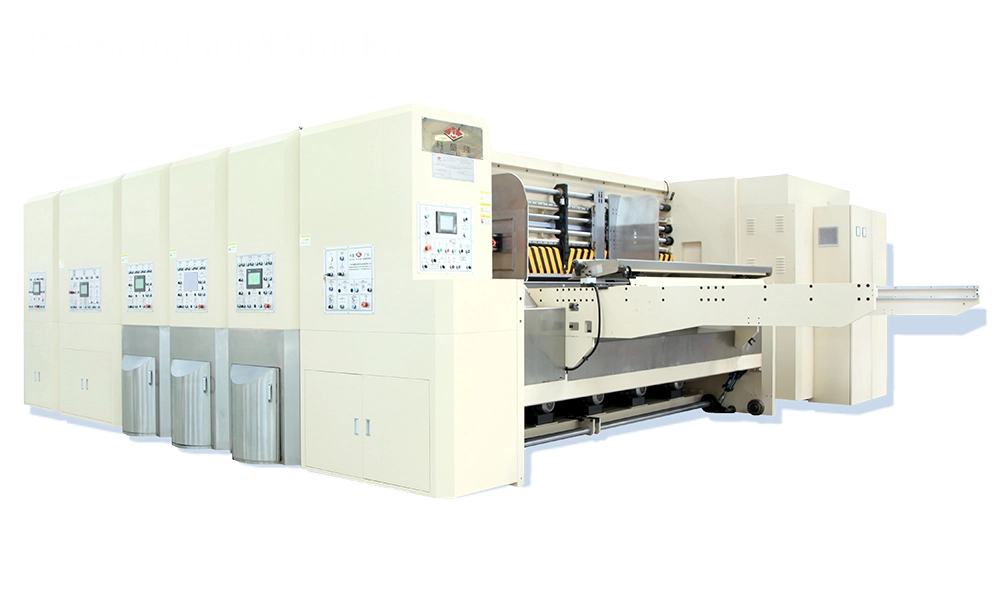
Top Chinese Flexo Printing Machine Manufacturers 2026 — Full Buyer Guide
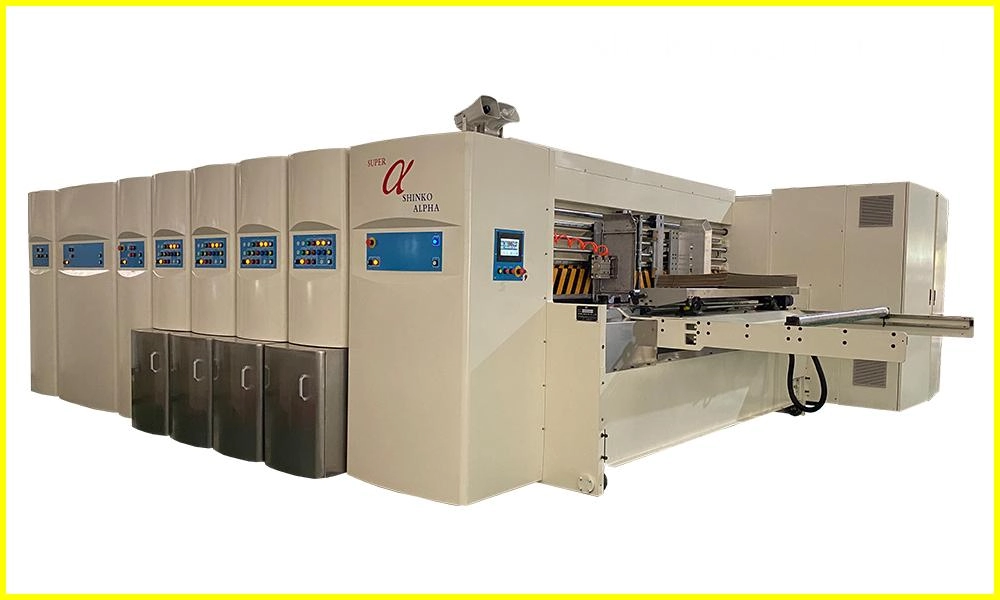
Flexo Printing vs. Offset Printing: The Superior Choice for Corrugated Box Production
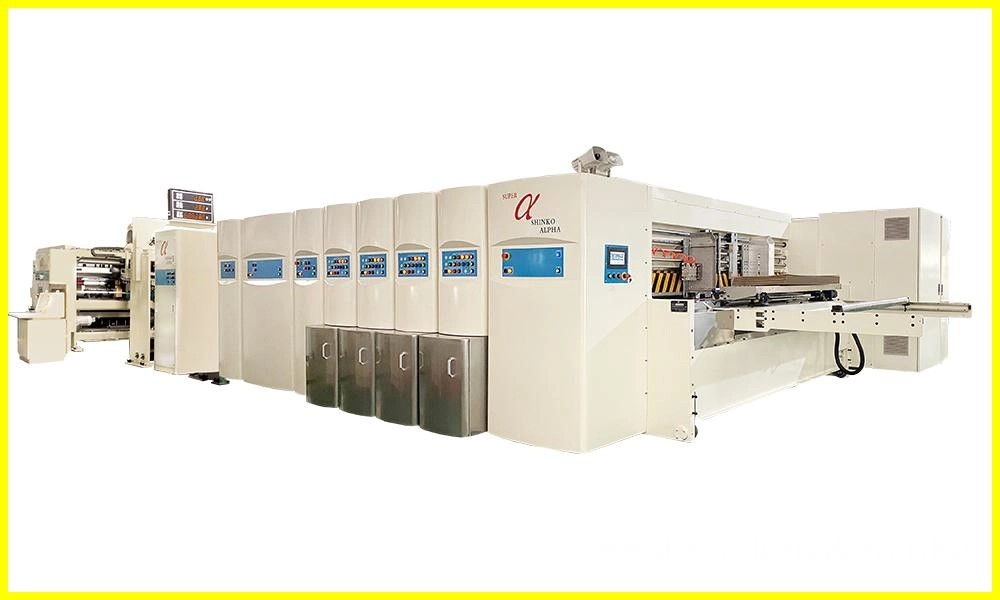
Top Features of a Servo-Driven Flexo Printing Machine for High-Speed Corrugated Printing
How to Choose the Right Flexo Folder Gluer for Your Carton Factory
Product
How do I adjust the machine settings for different carton sizes?
Machine settings can be adjusted using the intuitive control panel, which allows for quick changes to accommodate different carton sizes.
How can I integrate your machines into my existing production line?
Our technical team can assist with integrating our machines into your current production setup, ensuring a seamless operation.
What is the maximum speed of your folding carton machines?
Our machines can operate at speeds of up to 150 cartons per minute, depending on the model and carton complexity.
Shipping
How are your machines packaged for safe transportation?
Our machines are securely packaged using high-quality materials to prevent damage during transit.
Industry Solutions
How can your folding carton machines benefit my packaging business?
Our machines increase production efficiency, reduce labor costs, and ensure high-quality, consistent carton production.
Leave a message
Have any questions or queries about our products? Please leave us a message here and our team will get back to you promptly.
* Rest assured that your privacy is important to us, and all information provided will be handled with the utmost confidentiality.


© 2025 Keshenglong & SHINKO All Rights Reserved.
Keshenglong Carton Packing Machine
Keshenglong Carton Packing Machine
Keshenglong Carton Packing Machine
Keshenglong Carton Packing Machine
Keshenglong Carton Packing Machine