
What plate imaging technologies are best for flexo?
Explore key aspects of flexographic printing and the best plate imaging technologies to enhance print quality and efficiency.
- Key Considerations in Flexographic Printing and Plate Imaging
- 1. What is Flexographic Printing?
- 2. What Are the Common Plate Imaging Technologies in Flexo Printing?
- 3. How Do These Imaging Technologies Impact Print Quality?
- 4. What Are the Advantages of Digital Imaging Technologies in Flexo Printing?
- 5. How Do Plate Imaging Technologies Affect Operational Costs?
- 6. What Are the Latest Developments in Plate Imaging Technologies?
- 7. How Do Plate Imaging Technologies Contribute to Sustainability in Flexo Printing?
- 8. What Should Printers Consider When Choosing a Plate Imaging Technology?
- Conclusion: Advantages of Keshenglong & Shinko in Plate Imaging Technologies
Flexographic printing is a versatile and efficient method widely used for packaging and labeling. A crucial component of this process is the imaging of flexographic plates, which directly impacts print quality and operational efficiency. In this article, we address common questions regarding flexographic printing and the optimal plate imaging technologies.
Key Considerations in Flexographic Printing and Plate Imaging
1. What is Flexographic Printing?
Flexographic printing is a high-speed, rotary printing process that utilizes flexible relief plates to transfer ink onto various substrates, including paper, plastic, and corrugated materials. It is renowned for its ability to produce high-quality prints on a wide range of materials.
2. What Are the Common Plate Imaging Technologies in Flexo Printing?
The primary plate imaging technologies in flexographic printing include:
Laser Ablation: This method uses a laser to remove a black mask layer (LAMS) on the plate, exposing the photopolymer layer beneath. The exposed areas are then cured to form the image. Laser ablation offers high-resolution imaging and is widely adopted in the industry.
Computer-to-Plate (CTP): CTP systems directly transfer digital images onto plates without the need for film intermediaries. This technology enhances efficiency and consistency in the plate-making process.
Direct Laser Engraving: This technique employs high-powered lasers to engrave the image directly onto the plate material, eliminating the need for a photopolymer layer. It is particularly suitable for continuous print roll image and sleeve imaging applications.
3. How Do These Imaging Technologies Impact Print Quality?
Each imaging technology influences print quality in the following ways:
Laser Ablation: Provides high-resolution imaging capabilities and specialty screening options, resulting in superior print quality.
CTP: Reduces setup times and minimizes waste, optimizing the use of raw materials, labor, and other resources, leading to consistent and high-quality prints.
Direct Laser Engraving: Offers precise engraving, ensuring sharp and clear images, which is essential for high-quality prints.
4. What Are the Advantages of Digital Imaging Technologies in Flexo Printing?
Digital imaging technologies offer several benefits:
Enhanced Efficiency: Streamlines the plate-making process, reducing manual intervention and errors.
Superior Print Quality: Achieves high-resolution imaging, capturing fine details and subtle tonal variations.
Consistency and Repeatability: Ensures uniformity across print runs, maintaining color and image consistency.
5. How Do Plate Imaging Technologies Affect Operational Costs?
The choice of plate imaging technology can influence operational costs in various ways:
Laser Ablation: While the initial investment may be high, it offers efficient throughput and high-resolution imaging capabilities, potentially reducing costs in the long term.
CTP: Reduces material waste and labor requirements, translating into significant cost savings over time.
Direct Laser Engraving: Eliminates the need for photopolymer layers, potentially reducing material costs.
6. What Are the Latest Developments in Plate Imaging Technologies?
Recent advancements include:
LED-Optimized Plates: Plates like LSH and exposure devices such as Crystal XPS are driving consistency and repeatability in the production of photopolymer plates.
Digital Imaging Technology: Integrating advanced digital imagers and workflow solutions enables the production of high-resolution plates with unparalleled accuracy, ensuring crisp text, smooth gradients, and vibrant images.
7. How Do Plate Imaging Technologies Contribute to Sustainability in Flexo Printing?
Digital imaging technologies contribute to sustainability by:
Reducing Waste: Minimizing material waste through efficient plate-making processes.
Energy Efficiency: Utilizing energy-efficient LED exposure systems.
Eliminating Hazardous Materials: Reducing or eliminating the use of solvents and other hazardous materials in the plate-making process.
8. What Should Printers Consider When Choosing a Plate Imaging Technology?
Printers should evaluate:
Quality Requirements: The desired print quality and resolution.
Operational Efficiency: The impact on workflow and turnaround times.
Cost Implications: Initial investment and long-term operational costs.
Sustainability Goals: Environmental impact and compliance with sustainability standards.
Conclusion: Advantages of Keshenglong & Shinko in Plate Imaging Technologies
Keshenglong and Shinko are renowned for their innovative plate imaging technologies, offering solutions that enhance print quality, operational efficiency, and sustainability. Their commitment to technological advancement and customer satisfaction makes them a preferred choice for flexographic printers seeking reliable and high-performance plate imaging solutions.
By understanding the various plate imaging technologies and their implications, flexographic printers can make informed decisions that align with their operational goals and quality standards.
Recommended for you
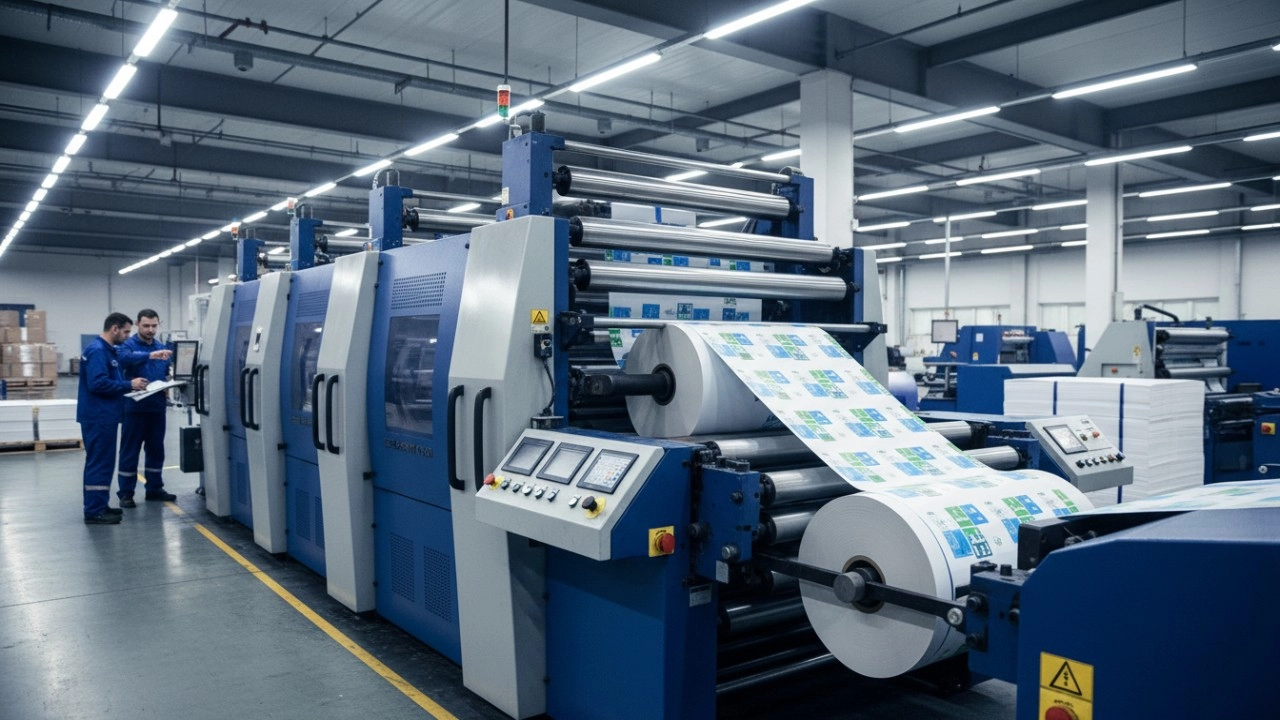
How to Optimize Your Flexo Printing Machine for Maximum Speed and Zero Defects
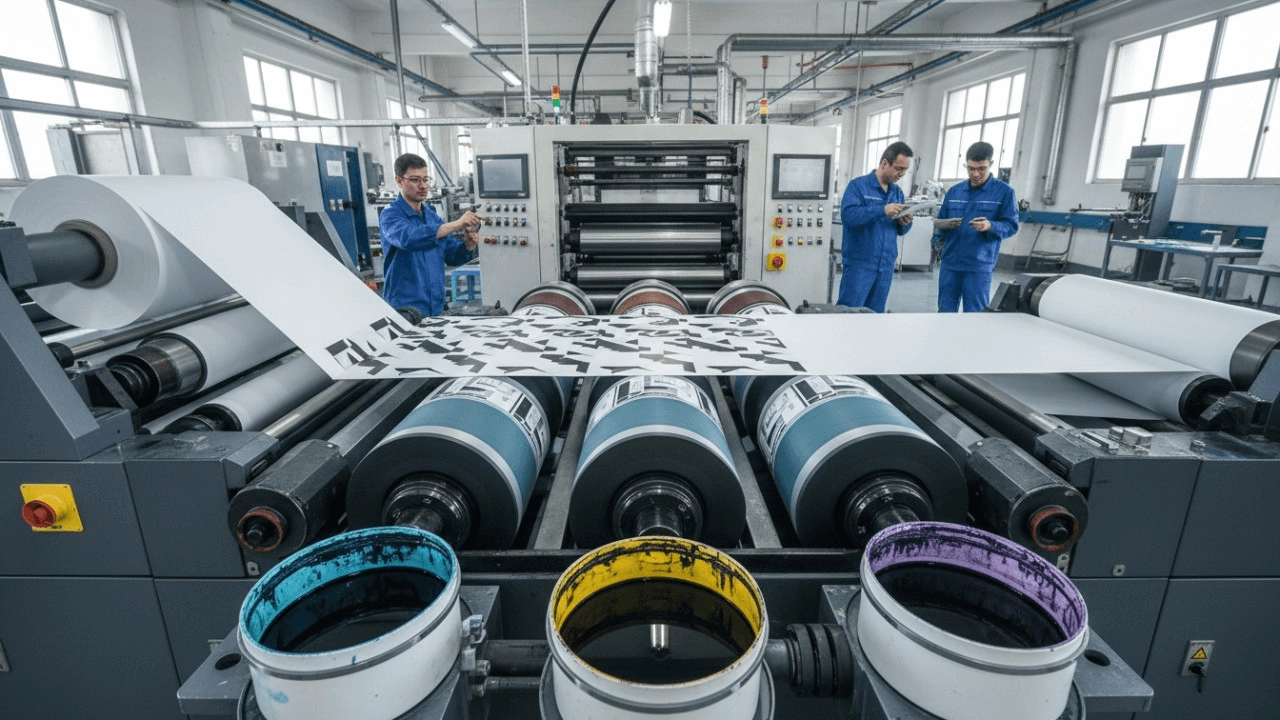
What is Flexographic Printing? The Ultimate Technical Guide & Process Breakdown (2025)
Top 10 Best Flexo Printer Manufacturers (2026): Reviews & Buying Guide
How to Select the Best Flexo Printing Press Manufacturer: A Data-Driven Checklist (2026 Edition)
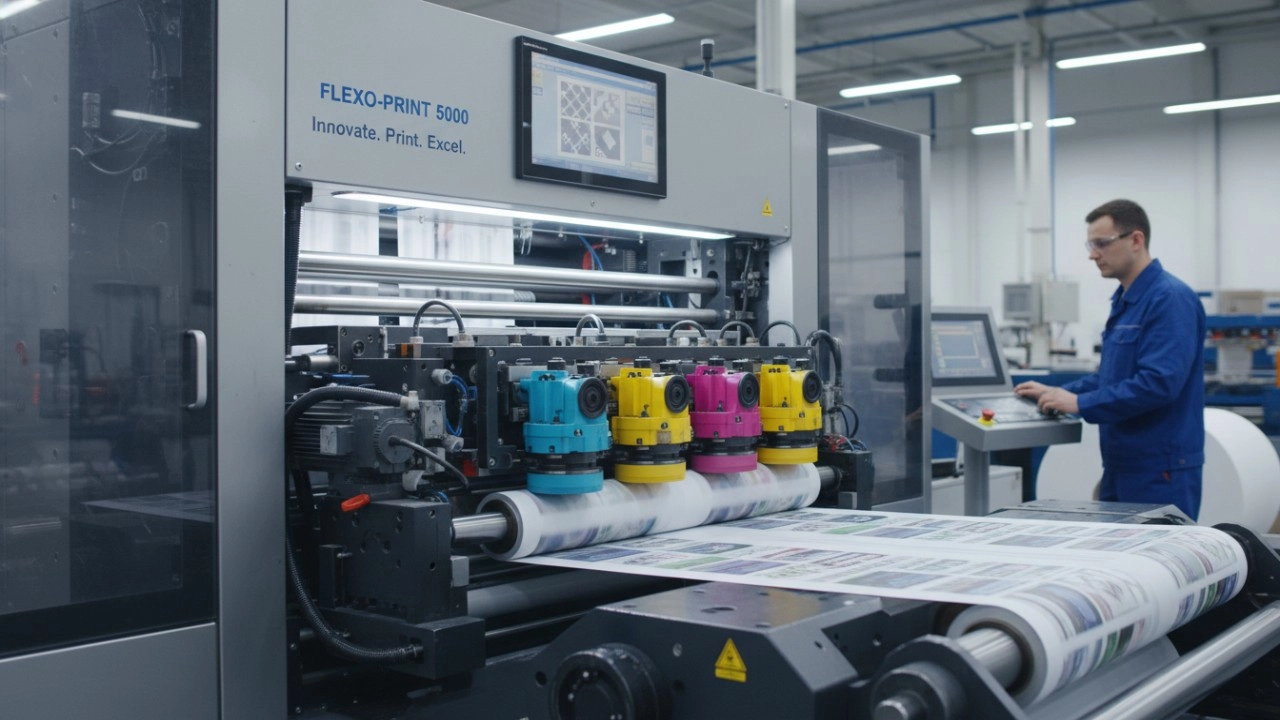
High-Efficiency Flexo Press Solutions: A Complete Guide to Optimizing Your Packaging Production
Industry Solutions
Do you offer customized solutions for unique production needs?
Yes, we work closely with clients to develop customized solutions that meet their specific production requirements.
Product
How do I adjust the machine settings for different carton sizes?
Machine settings can be adjusted using the intuitive control panel, which allows for quick changes to accommodate different carton sizes.
Shipping
What are the shipping costs for your folding carton machines?
Shipping costs depend on the destination, machine size, and shipping method. Contact us for a detailed quote.
What is the estimated delivery time for your machines?
Delivery times vary based on location and order size, but we typically estimate 4-6 weeks for delivery.
Can you ship to remote or difficult-to-access locations?
Yes, we can arrange shipping to remote locations, though additional charges and time may apply.
Leave a message
Have any questions or queries about our products? Please leave us a message here and our team will get back to you promptly.
* Rest assured that your privacy is important to us, and all information provided will be handled with the utmost confidentiality.


© 2025 Keshenglong & SHINKO All Rights Reserved.
Keshenglong Carton Packing Machine
Keshenglong Carton Packing Machine
Keshenglong Carton Packing Machine
Keshenglong Carton Packing Machine
Keshenglong Carton Packing Machine