
How can a flexo printer machine improve production ROI?
Explore essential factors to consider when purchasing a flexo printing machine to enhance production efficiency and return on investment.
- Key Considerations for Purchasing a Flexo Printing Machine
- 1. What Are the Primary Applications of Flexo Printing?
- 2. How Does Flexo Printing Work?
- 3. What Are the Advantages of Flexo Printing?
- 4. What Are the Limitations of Flexo Printing?
- 5. How Can a Flexo Printing Machine Improve Production ROI?
- 6. What Are the Different Types of Flexo Printing Machines?
- 7. How Do I Choose the Right Flexo Printing Machine for My Needs?
- 8. What Are the Maintenance Requirements for Flexo Printing Machines?
- Conclusion: Advantages of Keshenglong & Shinko Flexo Printing Machines
Flexographic printing, commonly known as flexo printing, is a versatile and efficient method used for high-speed, high-quality printing on various substrates, including paper, plastic films, and textiles. When considering the acquisition of a flexo printing machine, it's crucial to address several key questions to ensure optimal performance and return on investment (ROI).
Key Considerations for Purchasing a Flexo Printing Machine
1. What Are the Primary Applications of Flexo Printing?
Flexo printing is predominantly utilized for packaging materials such as labels, plastic bags, cartons, and flexible films. Its adaptability allows it to handle diverse substrates, including paper, foil, non-wovens, and metallic films, making it suitable for a wide range of products.
2. How Does Flexo Printing Work?
Flexo printing employs flexible relief plates to transfer ink onto substrates. The process involves applying liquid ink to the raised surface of a flexible plate mounted on a cylinder, which then presses against the substrate to transfer the inked image. The substrate passes through dryers between color stations to fix the ink, and the finished web is rewound onto rolls, ready for further processing.
3. What Are the Advantages of Flexo Printing?
Flexo printing offers several benefits, including:
High-Speed Production: Capable of printing at speeds exceeding 300 meters per minute, making it ideal for large-volume runs.
Versatility: Suitable for a wide range of substrates, including non-absorbent materials.
Cost-Effectiveness: Lower per-unit costs for high-volume productions compared to other printing methods.
Environmental Friendliness: Utilizes low-toxic alcohol-soluble inks and non-toxic water-based inks, reducing environmental impact.
4. What Are the Limitations of Flexo Printing?
Despite its advantages, flexo printing has certain drawbacks:
Initial Setup Costs: Higher initial setup costs due to plate requirements.
Longer Job Changeover Times: Compared to digital printing, flexo may require more time for job changeovers.
Color Consistency Challenges: Achieving consistent color reproduction can be challenging, especially with water-based inks on absorbent substrates.
5. How Can a Flexo Printing Machine Improve Production ROI?
Investing in a flexo printing machine can enhance production ROI through:
Increased Efficiency: High-speed capabilities reduce production time, leading to higher throughput.
Cost Savings: Lower per-unit costs in high-volume runs decrease overall production expenses.
Quality Consistency: Advanced models with servo-driven technology and automated registration controls ensure consistent print quality, reducing waste and rework.
6. What Are the Different Types of Flexo Printing Machines?
Flexo printing machines come in various configurations to suit different production needs:
Stack-Type Flexographic Printing Machines: Suitable for narrow web printing and smaller production runs, ideal for labels, bags, and tags.
Central Impression (CI) Flexo Printing Machines: Designed for high-precision, multi-color printing on films, foils, and flexible packaging materials.
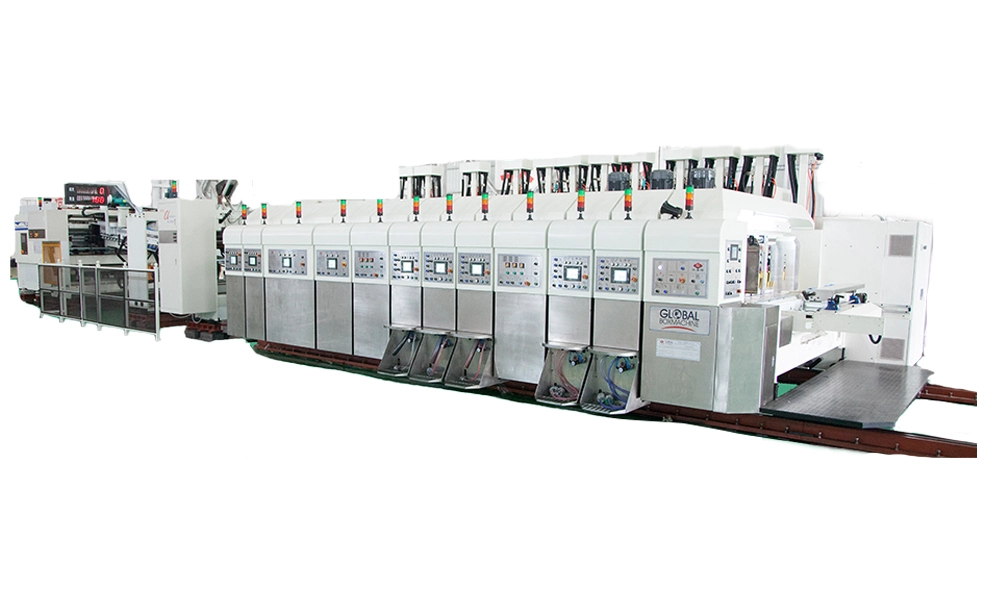
Inline Flexographic Printers: Used in large-scale operations, allowing multiple printing, drying, and converting stages in one continuous process.
7. How Do I Choose the Right Flexo Printing Machine for My Needs?
Selecting the appropriate flexo printing machine involves considering factors such as:
Production Volume: High-volume productions may benefit from high-speed, multi-color machines.
Substrate Compatibility: Ensure the machine can handle the specific materials you intend to print on.
Budget Constraints: Balance the initial investment with expected ROI based on production needs.
Technical Support and Training: Opt for manufacturers that offer comprehensive training and reliable after-sales support.
8. What Are the Maintenance Requirements for Flexo Printing Machines?
Regular maintenance is essential to ensure optimal performance and longevity of flexo printing machines. This includes routine cleaning, inspection of components like anilox rollers and doctor blades, and timely replacement of worn parts. Manufacturers often provide training programs and support to assist operators in maintaining the equipment effectively.
Conclusion: Advantages of Keshenglong & Shinko Flexo Printing Machines
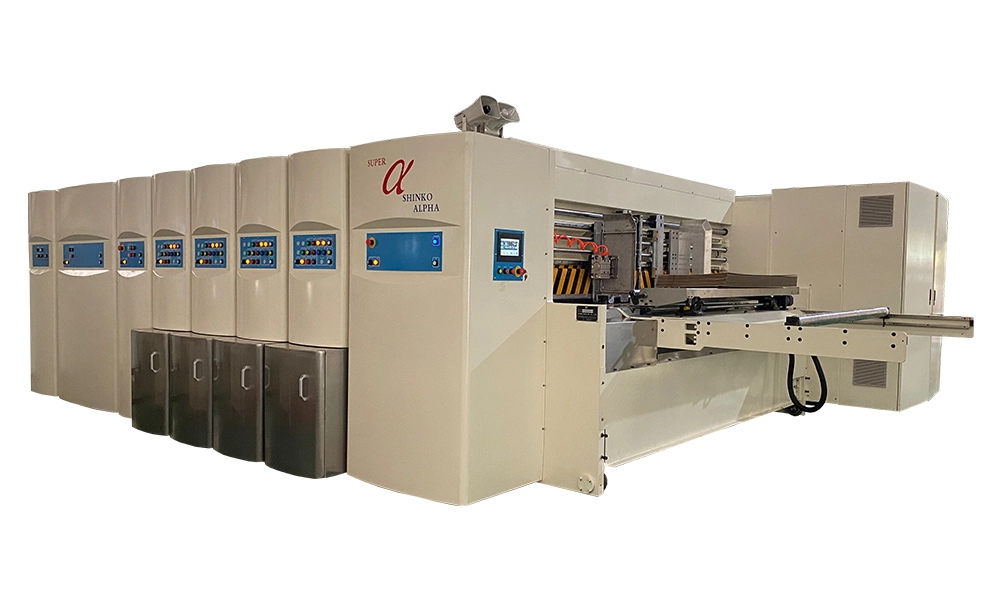
Keshenglong and Shinko are renowned manufacturers of flexo printing machines, offering a range of models designed to meet diverse production needs. Their machines are known for high-speed performance, versatility in handling various substrates, and cost-effectiveness in high-volume productions. Additionally, they provide comprehensive training programs and reliable after-sales support to ensure optimal machine performance and customer satisfaction.
By carefully considering the factors outlined above and selecting a machine from reputable manufacturers like Keshenglong and Shinko, businesses can enhance their production efficiency and achieve a favorable return on investment.
Recommended for you
How to Optimize Your Flexo Printing Machine for Maximum Speed and Zero Defects
What is Flexographic Printing? The Ultimate Technical Guide & Process Breakdown (2025)
Top 10 Best Flexo Printer Manufacturers (2026): Reviews & Buying Guide
How to Select the Best Flexo Printing Press Manufacturer: A Data-Driven Checklist (2026 Edition)
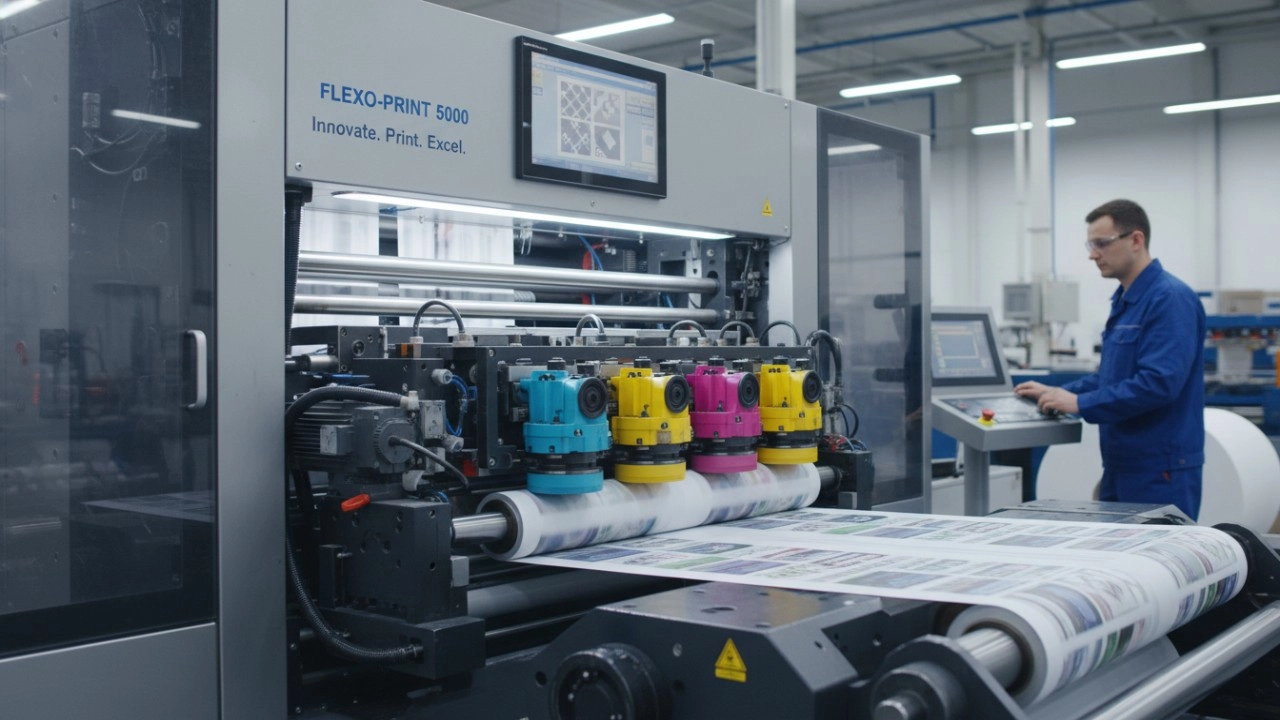
High-Efficiency Flexo Press Solutions: A Complete Guide to Optimizing Your Packaging Production
Industry Solutions
How can your machines improve my production workflow?
By automating carton production, our machines streamline your workflow, increase output, and reduce downtime.
What is the lifespan of your folding carton machines?
With proper maintenance, our machines are built to last for many years, providing long-term value for your investment.
Shipping
What is the estimated delivery time for your machines?
Delivery times vary based on location and order size, but we typically estimate 4-6 weeks for delivery.
Can you ship to remote or difficult-to-access locations?
Yes, we can arrange shipping to remote locations, though additional charges and time may apply.
Do you provide installation services upon delivery?
Yes, we offer on-site installation and training services to ensure your machine is set up correctly.
Leave a message
Have any questions or queries about our products? Please leave us a message here and our team will get back to you promptly.
* Rest assured that your privacy is important to us, and all information provided will be handled with the utmost confidentiality.


© 2025 Keshenglong & SHINKO All Rights Reserved.
Keshenglong Carton Packing Machine
Keshenglong Carton Packing Machine
Keshenglong Carton Packing Machine
Keshenglong Carton Packing Machine
Keshenglong Carton Packing Machine