
What print substrates work best with a flexo printer machine?
Explore essential insights into flexo printing machines, their applications, and the best substrates for optimal results. This guide addresses common questions to assist in informed purchasing decisions.
- Understanding Flexo Printing Machines and Optimal Substrates
- 1. What is a Flexo Printing Machine?
- 2. What Are the Key Components of a Flexo Printing Machine?
- 3. What Are the Advantages of Using Flexo Printing?
- 4. What Are the Limitations of Flexo Printing?
- 5. What Are the Best Substrates for Flexo Printing?
- 6. How Do Flexo Printing Machines Compare to Digital Printing?
- 7. Is Flexo Printing Difficult to Operate?
- 8. What Are the Maintenance Requirements for Flexo Printing Machines?
- Conclusion: Advantages of Keshenglong & Shinko Flexo Printing Machines
Understanding Flexo Printing Machines and Optimal Substrates
Flexographic printing, commonly known as flexo printing, is a versatile and efficient method used for high-speed, high-quality printing on a wide range of materials. This guide addresses common questions to assist in informed purchasing decisions.
1. What is a Flexo Printing Machine?
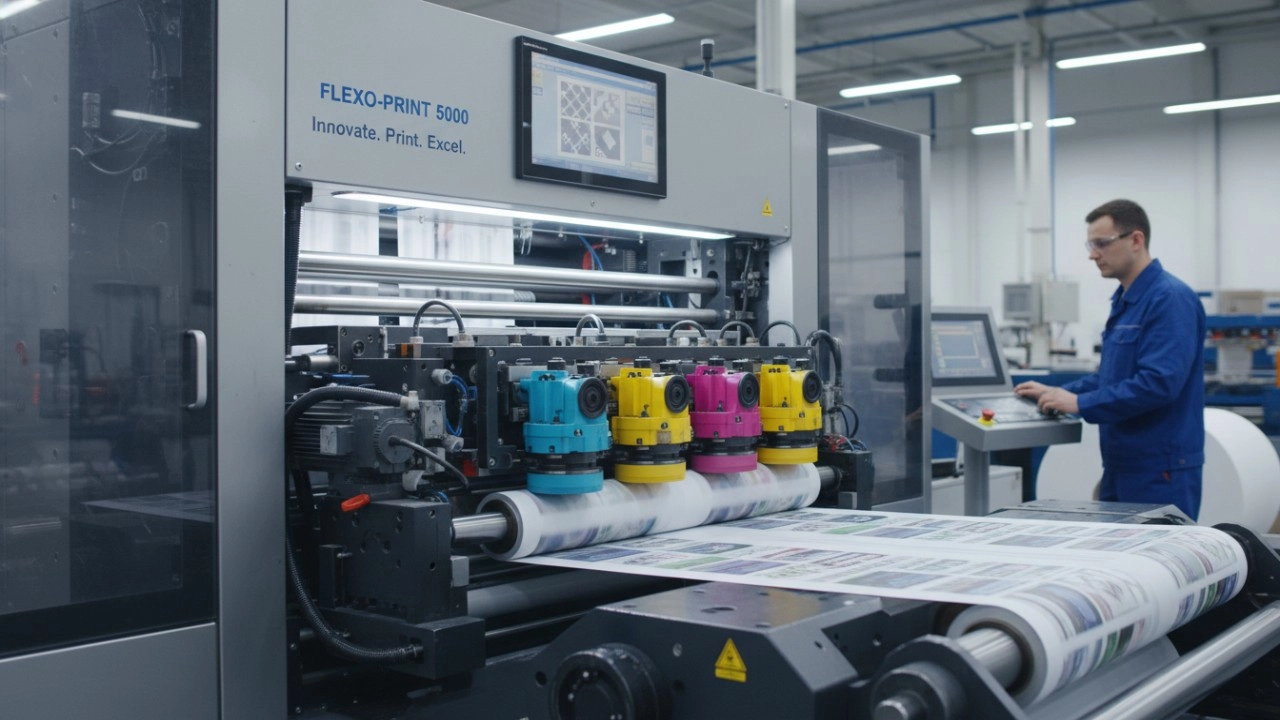
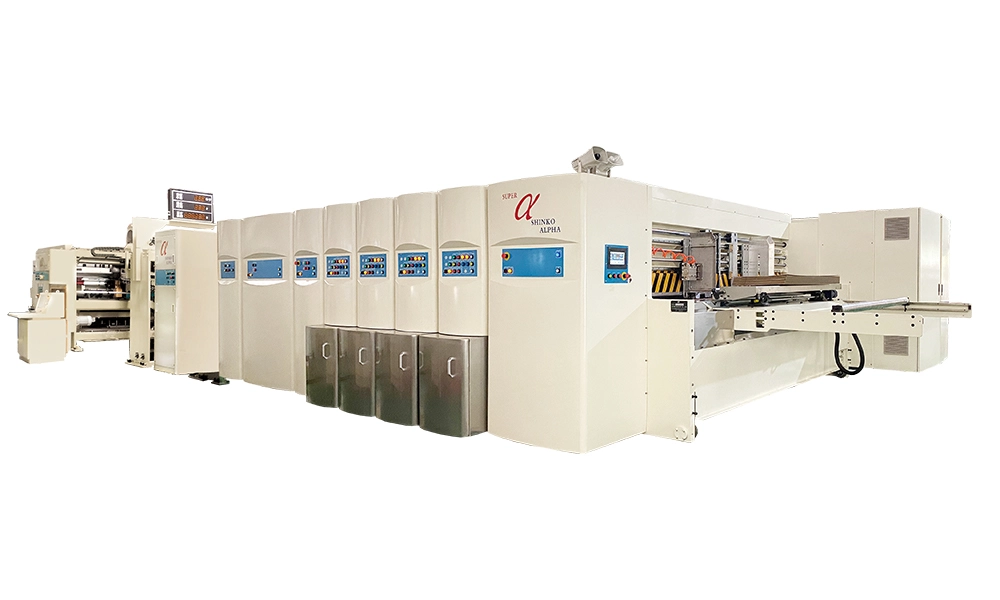
A flexo printing machine utilizes flexible relief plates to transfer ink onto various substrates, including paper, plastic films, textiles, metals, and rubber. It's widely used for printing packaging materials like labels, plastic bags, cartons, and flexible films.
2. What Are the Key Components of a Flexo Printing Machine?
The primary components of a flexo printing machine include:
Anilox Rollers: Ensure stable ink circulation and precise pressure, effectively preventing print inconsistencies.
Doctor Blades: Achieve accurate ink transfer and uniform coating, critical for vibrant colors and consistent print results.
Ink Pumps: Maintain ink homogeneity and prevent settling, guaranteeing color stability and consistent print quality.
Ink Mix Rollers: Support effective substrate surface energy enhancement, ensuring superior ink adhesion on challenging materials.
Corona Treatment: Efficiently neutralize static, reducing dust attraction and ink misting for cleaner prints and smoother material handling.
3. What Are the Advantages of Using Flexo Printing?
Flexo printing offers several advantages:
Versatility: Capable of printing on a wide range of substrates, including uncoated and coated papers, liner board, carbon board, aluminum foil, BOPP, LDPE, fabrics, and laminates.
High-Speed Production: Suitable for large-scale operations, allowing multiple printing, drying, and converting stages in one continuous process.
Environmental Friendliness: Utilizes low-toxic alcohol-soluble inks and non-toxic water-based inks, making it suitable for packaging product printing.
4. What Are the Limitations of Flexo Printing?
Despite its advantages, flexo printing has some limitations:
Initial Setup Costs: Higher initial setup costs due to plate requirements.
Job Changeover Times: Longer job changeover times compared to digital printing.
Color Consistency Challenges: Color consistency challenges with water-based inks on absorbent substrates.
5. What Are the Best Substrates for Flexo Printing?
Flexo printing is compatible with a variety of substrates, including:
Paper: Both uncoated and coated papers.
Plastic Films: Such as BOPP and LDPE.
Textiles: Fabrics used in various applications.
Metals: Including aluminum foil.
Rubber: Suitable for printing on rubber materials.
The choice of substrate depends on the specific application and desired print quality.
6. How Do Flexo Printing Machines Compare to Digital Printing?
Flexo printing excels in high-volume production with lower per-unit costs and broader material compatibility. Digital printing offers superior short-run flexibility with no plate costs but has limitations on substrate types and finishing options.
7. Is Flexo Printing Difficult to Operate?
Modern servo-driven machines feature automated registration and preset job memories, reducing operator skill requirements. However, plate mounting and ink viscosity management still require technical training. Most suppliers now include comprehensive operational training.
8. What Are the Maintenance Requirements for Flexo Printing Machines?
Regular maintenance is essential for optimal performance. Key maintenance tasks include:
Cleaning: Regular cleaning of anilox rollers, doctor blades, and ink pumps to prevent ink buildup and ensure consistent print quality.
Inspection: Routine inspection of components for wear and tear.
Calibration: Ensuring that all components are properly calibrated for accurate printing.
Training: Providing ongoing training for operators to handle maintenance tasks effectively.
Conclusion: Advantages of Keshenglong & Shinko Flexo Printing Machines
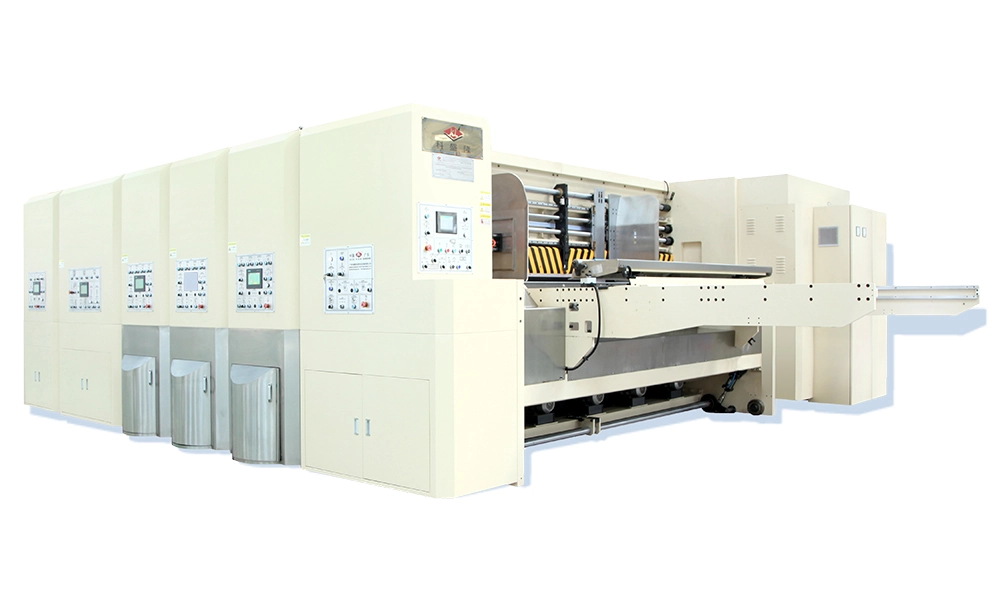
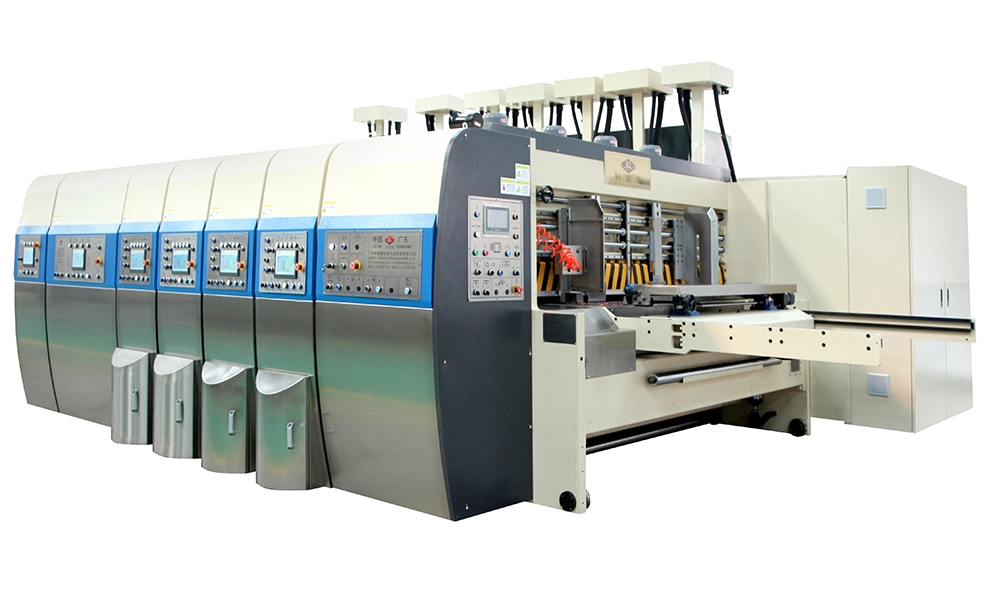
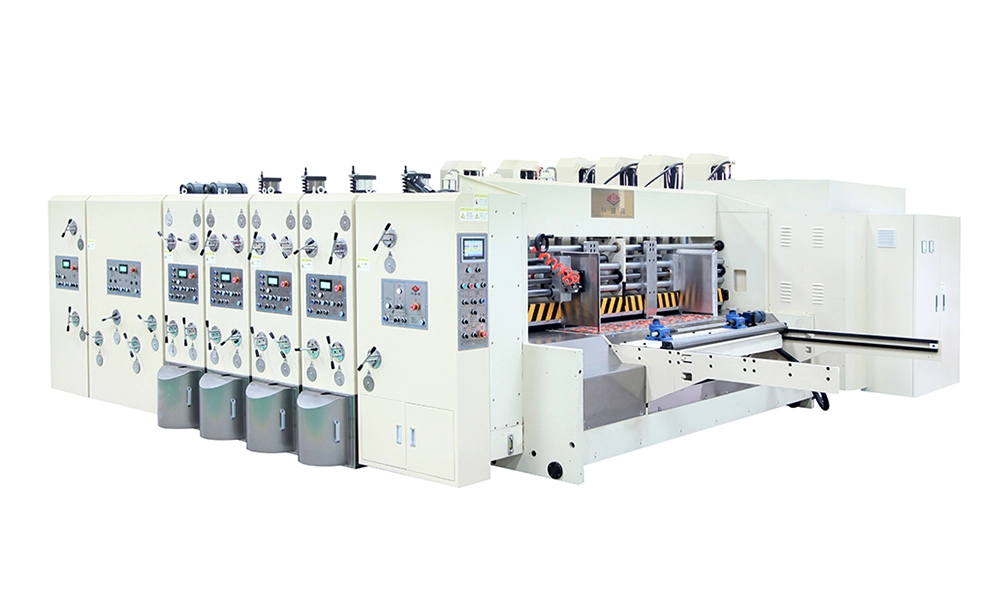
Keshenglong and Shinko are renowned for their high-quality flexo printing machines. Their products offer:
Advanced Technology: Incorporating the latest advancements for superior print quality.
Durability: Built to withstand high-volume production environments.
Comprehensive Support: Offering extensive training and after-sales support to ensure optimal machine performance.
When considering a flexo printing machine, evaluating the specific needs of your production line and consulting with reputable manufacturers like Keshenglong and Shinko can lead to informed purchasing decisions.
References:
Recommended for you
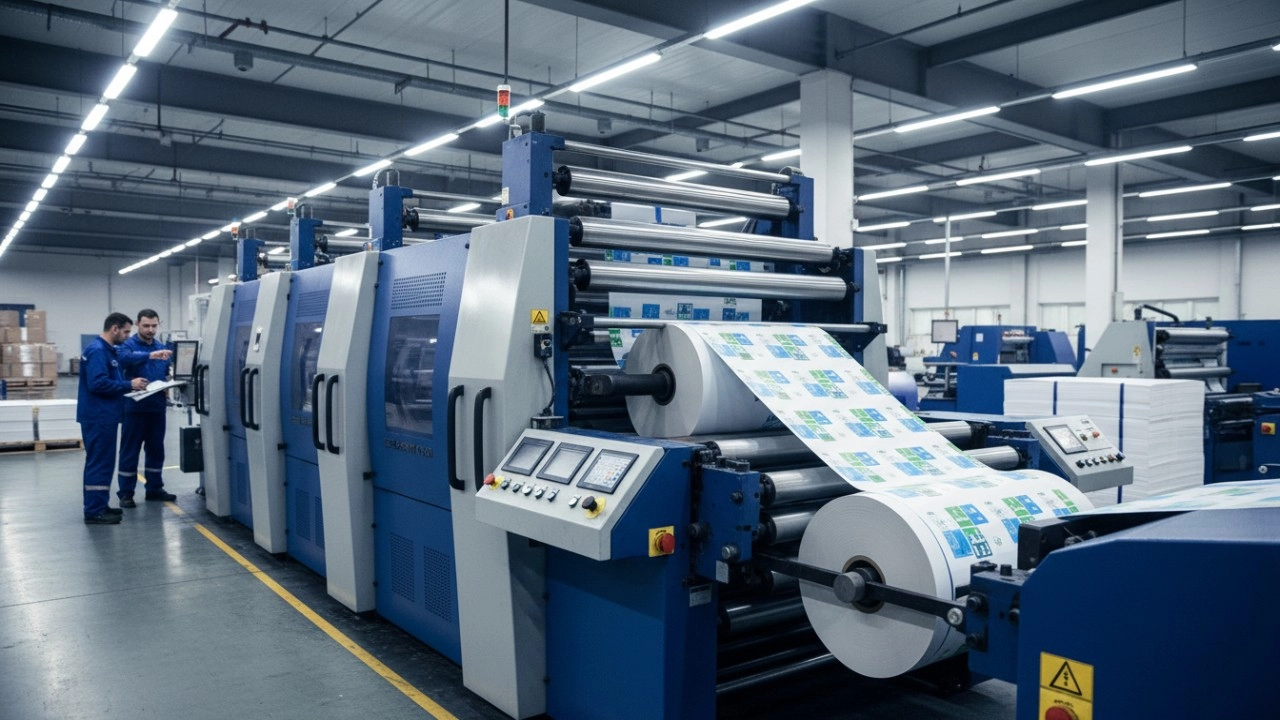
How to Optimize Your Flexo Printing Machine for Maximum Speed and Zero Defects
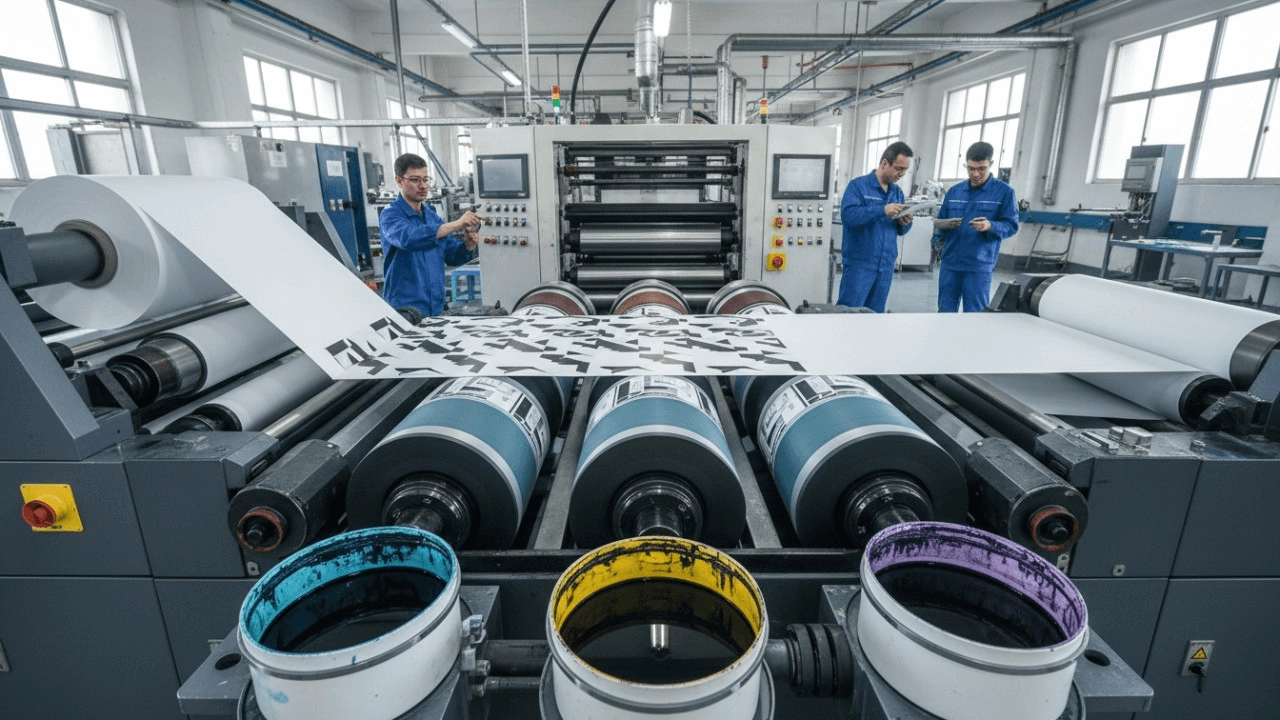
What is Flexographic Printing? The Ultimate Technical Guide & Process Breakdown (2025)
Top 10 Best Flexo Printer Manufacturers (2026): Reviews & Buying Guide
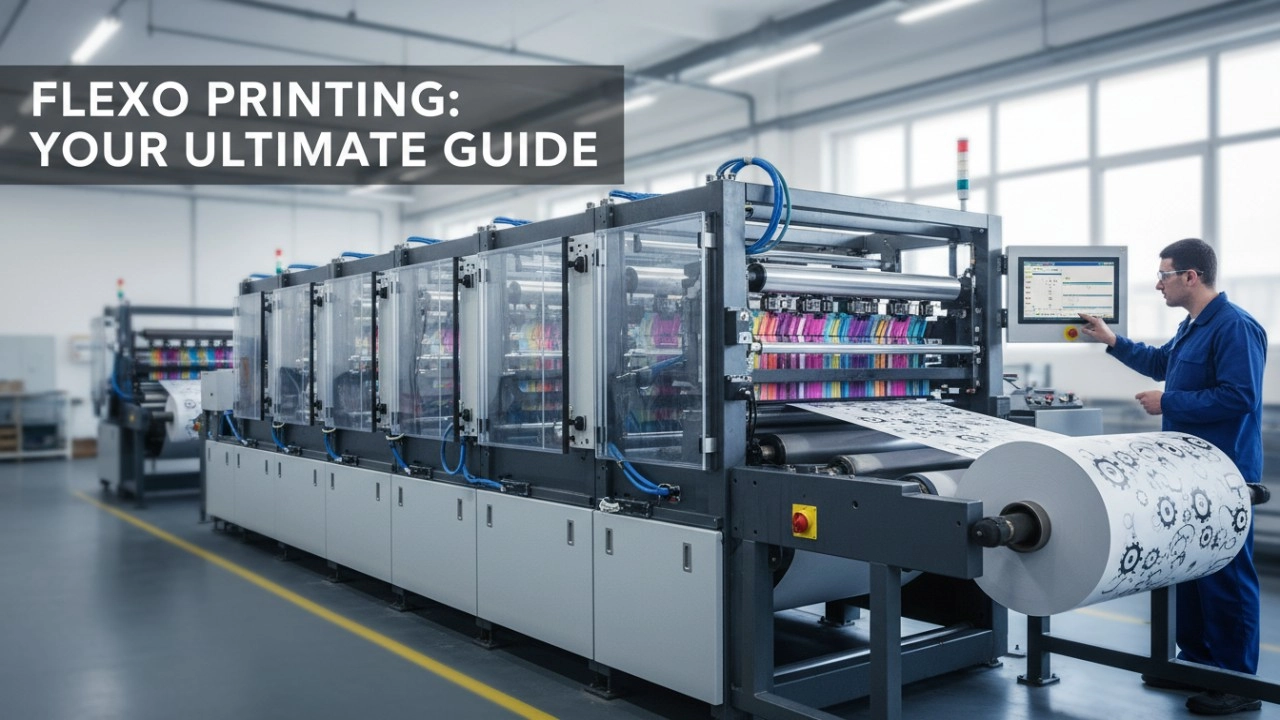
How to Select the Best Flexo Printing Press Manufacturer: A Data-Driven Checklist (2026 Edition)
High-Efficiency Flexo Press Solutions: A Complete Guide to Optimizing Your Packaging Production
Industry Solutions
What kind of technical support do you offer for industry applications?
We provide comprehensive technical support, including installation, maintenance, and troubleshooting services.
How do your machines comply with industry standards and regulations?
Our machines are manufactured to meet or exceed industry standards and regulations, ensuring safe and compliant operation.
Shipping
What are the shipping dimensions and weight of your folding carton machines?
Shipping dimensions and weight vary by model; please refer to the specific product details for accurate information.
What should I do if my machine arrives damaged?
If your machine arrives damaged, please contact our customer service immediately to arrange for repairs or replacement.
Product
What should I do if the machine jams during operation?
In case of a jam, immediately stop the machine, remove any obstructions, and check for any damage before restarting.
Leave a message
Have any questions or queries about our products? Please leave us a message here and our team will get back to you promptly.
* Rest assured that your privacy is important to us, and all information provided will be handled with the utmost confidentiality.


© 2025 Keshenglong & SHINKO All Rights Reserved.
Keshenglong Carton Packing Machine
Keshenglong Carton Packing Machine
Keshenglong Carton Packing Machine
Keshenglong Carton Packing Machine
Keshenglong Carton Packing Machine