
How much floor space does a corrugated box printer machine require?
This guide addresses key considerations for purchasing corrugated box printing machines, including floor space requirements, machine types, and integration options, with insights into leading brands Keshenglong and Shinko.
- Comprehensive Guide to Purchasing Corrugated Box Printing Machines
- 1. What are the floor space requirements for a corrugated box printing machine?
- 2. How do I choose between flexographic and digital printing technologies?
- 3. What are the key technical specifications to consider?
- 4. How important is automation in corrugated box printing machines?
- 5. What are the advantages of integrated systems?
- 6. How do I assess the total cost of ownership (TCO)?
- 7. What certifications and standards should I look for in a supplier?
- 8. How do Keshenglong and Shinko stand out in the market?
Comprehensive Guide to Purchasing Corrugated Box Printing Machines
When considering the acquisition of a corrugated box printing machine, it's essential to address several critical factors to ensure the equipment aligns with your production needs and operational constraints. Below are some of the most frequently asked questions by industry professionals:
1. What are the floor space requirements for a corrugated box printing machine?
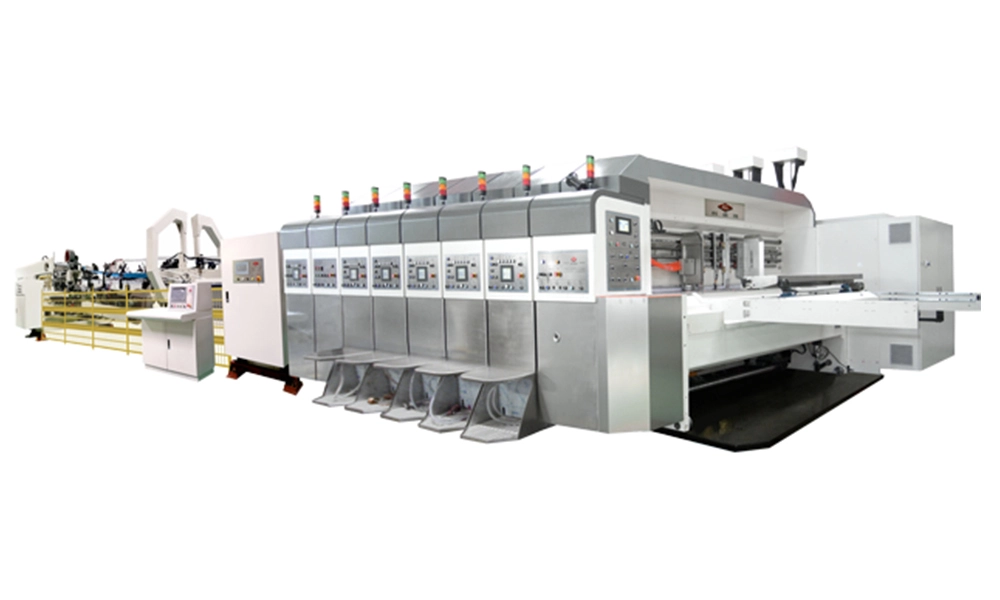
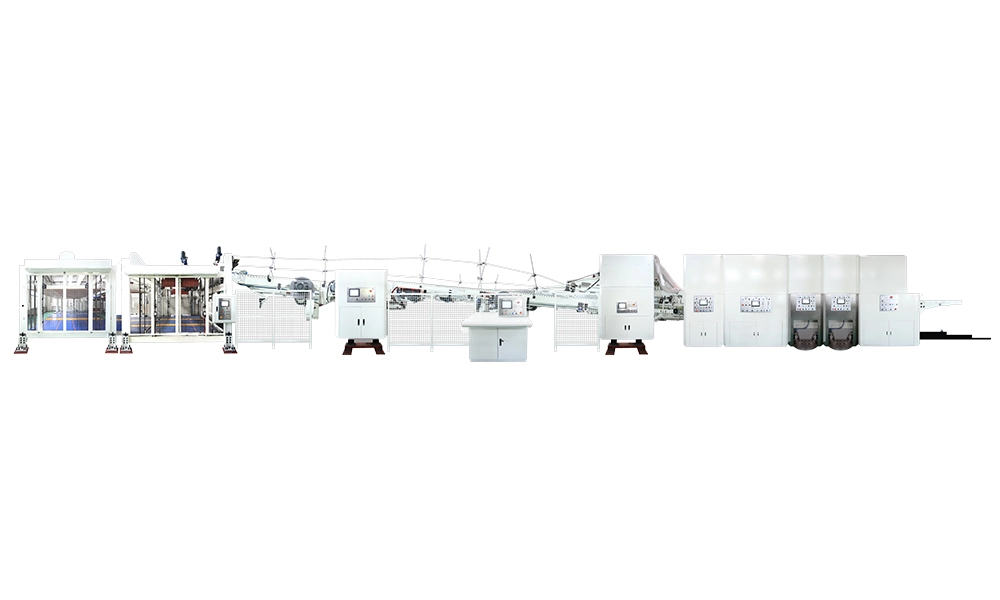
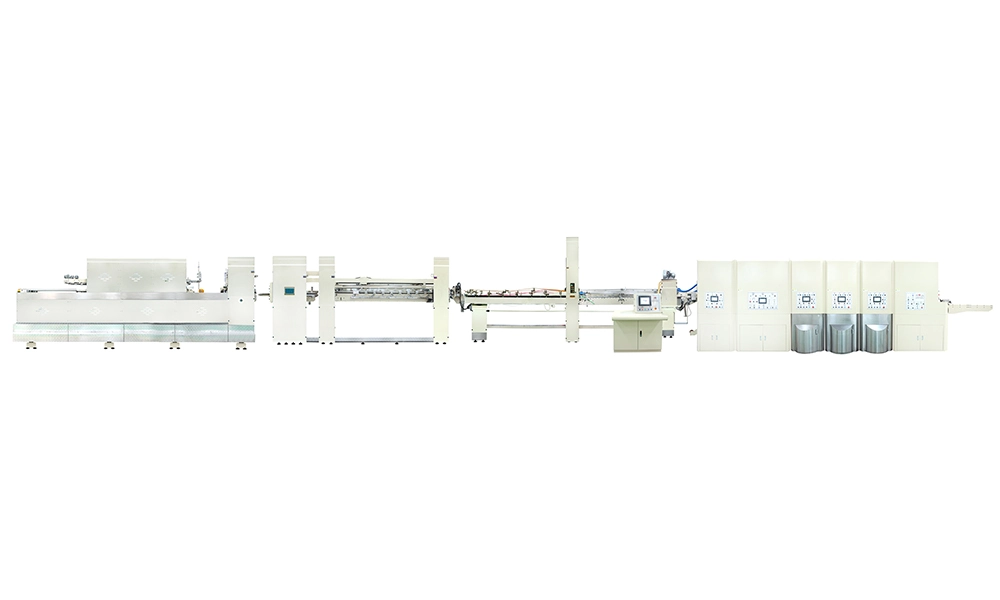
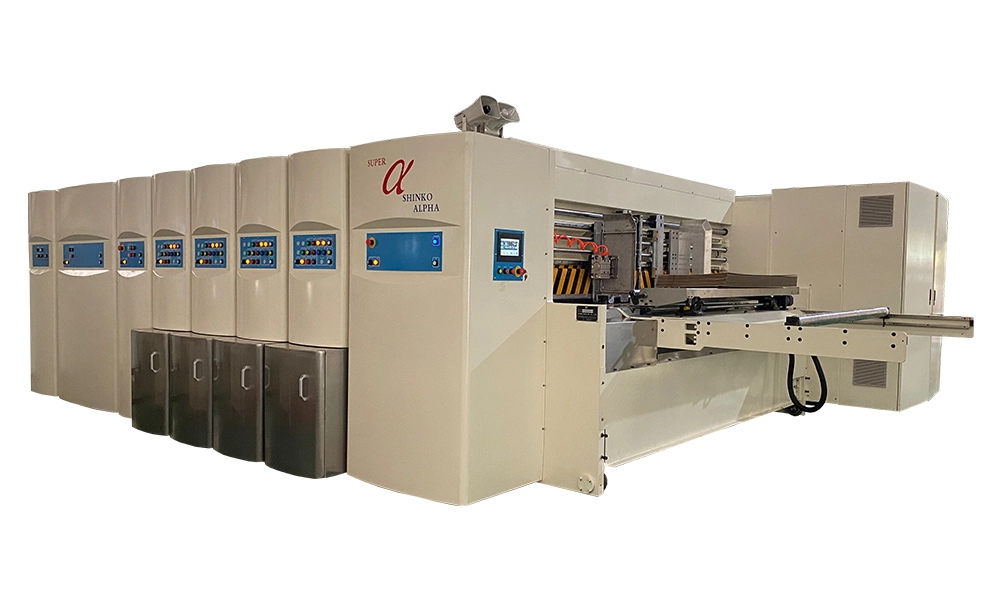
The floor space required for a corrugated box printing machine varies based on its type and configuration. For instance, integrated inline flexo printing slotting die-cutting machines, which combine multiple functions, typically require more space due to their comprehensive setup. It's crucial to assess your facility's available space and plan accordingly to accommodate the machine's dimensions and ensure efficient workflow.
2. How do I choose between flexographic and digital printing technologies?
The choice between flexographic and digital printing technologies depends on your production volume and customization needs:
Flexographic Printing: Ideal for high-volume runs, offering faster speeds and cost-effectiveness for large-scale production.
Digital Printing: Suited for short runs and customized orders, providing flexibility and quick turnaround times.
Evaluate your production requirements to determine which technology aligns best with your business objectives.
3. What are the key technical specifications to consider?
When evaluating corrugated box printing machines, focus on the following technical specifications:
Maximum Printing Width: Ensure it matches your largest carton size.
Line Speed and Throughput: Consider the machine's speed (m/min) and rated throughput (sqm/hr) to meet your production demands.
Color Stations: Machines with multiple color stations (1–6+) are suitable for full CMYK and spot colors.
Registration Accuracy: High-precision jobs typically require registration accuracy within ±0.5–1.0 mm.
Anilox Roll Specification: The cell volume affects ink laydown and consistency.
Drying System: Choose between hot air, infrared, or UV systems based on your ink and substrate choices.
Plate Making: Decide between inline plate cylinders and removable plates, considering changeover speed.
Control System: Look for PLC, touchscreen HMI, remote diagnostics, and color management tools.
4. How important is automation in corrugated box printing machines?
Automation plays a significant role in enhancing efficiency and reducing operational costs. Features like automated register control systems can improve color alignment and reduce waste. Additionally, integrating inline gluing and stitching systems can decrease assembly times by up to 40%, leading to faster order fulfillment without compromising quality.
5. What are the advantages of integrated systems?
Integrated systems that combine flexo printing with slotting, die-cutting, and stacking offer several benefits:
Reduced Handling: Minimizes manual intervention, reducing the risk of errors.
Improved Registration: Ensures better alignment between print and cut, enhancing product quality.
Space Efficiency: Consolidates multiple functions into a single machine, optimizing floor space utilization.
6. How do I assess the total cost of ownership (TCO)?
When evaluating a corrugated box printing machine, consider the following TCO factors:
Initial Investment: Account for the purchase price and installation costs.
Consumables: Estimate costs for inks, plates, and other materials per 1,000 sqm.
Energy Consumption: Evaluate the machine's energy efficiency to project operational costs.
Maintenance Expenses: Consider the frequency and cost of maintenance, including spare parts and labor.
Downtime Risk: Assess potential downtime and its impact on production and revenue.
7. What certifications and standards should I look for in a supplier?
Ensure that the supplier provides equipment that meets industry standards and certifications, such as CE, UL, and ISO. Additionally, inquire about safety features like interlocks and machine guarding, as well as compliance with local emission guidelines if solvents are used.
8. How do Keshenglong and Shinko stand out in the market?
Keshenglong, established in 1995 and merged with Japan's Shinko in 2017, offers a range of high-quality corrugated box printing machines. Their product lineup includes flexo printers, computerized high-speed Flexo Slotting Die-Cutting machines (1–6 color), computerized high-speed flexo case makers, and jumbo-size lines. Exported to over 70 countries, their machines balance capital expenditure with long-term operational performance, making them a reliable choice for businesses seeking efficient and durable printing solutions.
By carefully considering these factors and aligning them with your specific production needs, you can make an informed decision when purchasing a corrugated box printing machine that will enhance your operational efficiency and product quality.
References:
(https://www.shinkomachinery.com/article/how-to-choose-corrugated-box-printing-machine.html)
(https://www.shinkomachinery.com/article/choose-corrugated-carton-box-printing-machine-us.html)
(https://www.shinkomachinery.com/10-key-factors-corrugated-box-printing-machine-cost.html)
(https://www.bestcartonmachine.com/blog/choosing-right-cardboard-box-printer-machine/)
(https://www.designnbuy.com/blog/corrugated-box-packaging-printing-guide/)
Recommended for you
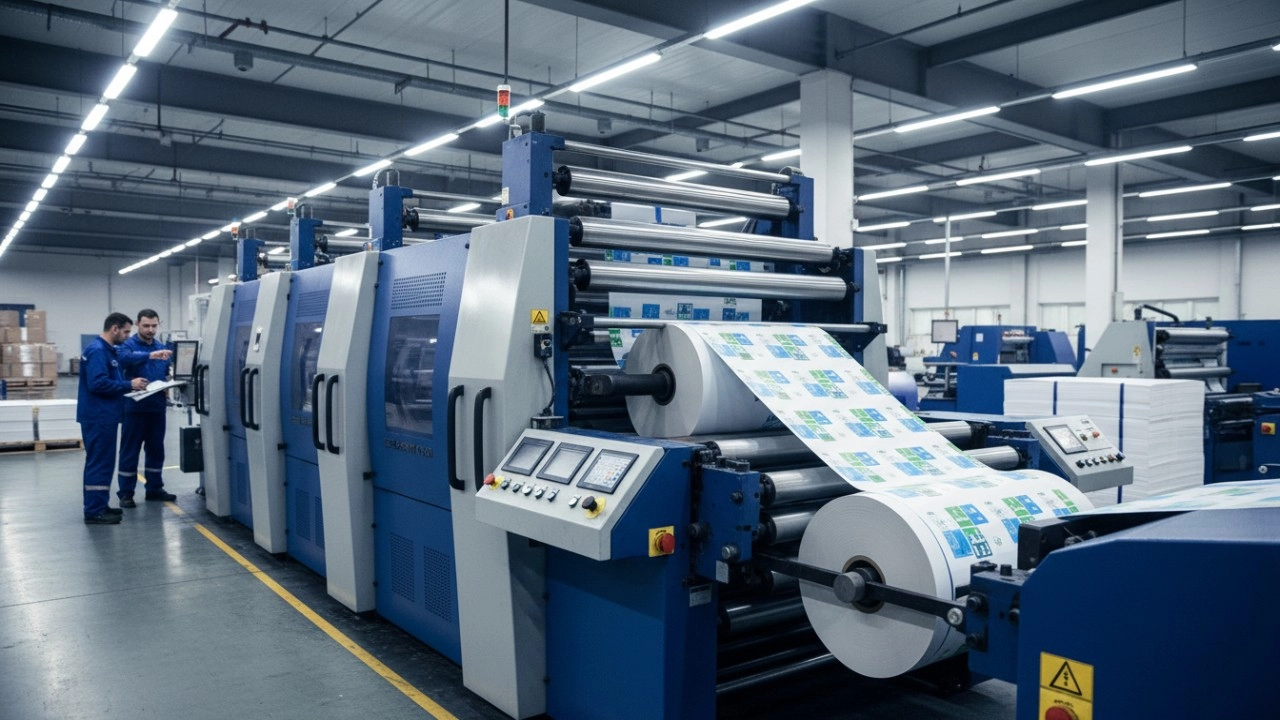
How to Optimize Your Flexo Printing Machine for Maximum Speed and Zero Defects
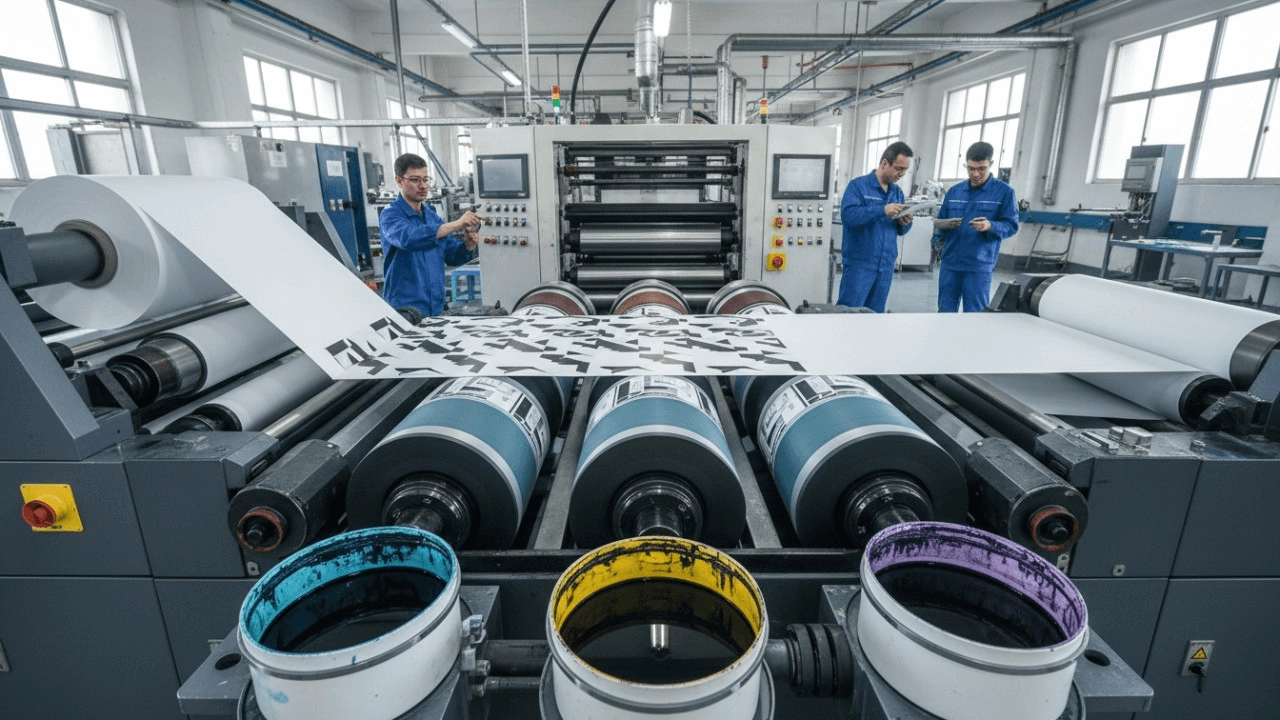
What is Flexographic Printing? The Ultimate Technical Guide & Process Breakdown (2025)
Top 10 Best Flexo Printer Manufacturers (2026): Reviews & Buying Guide
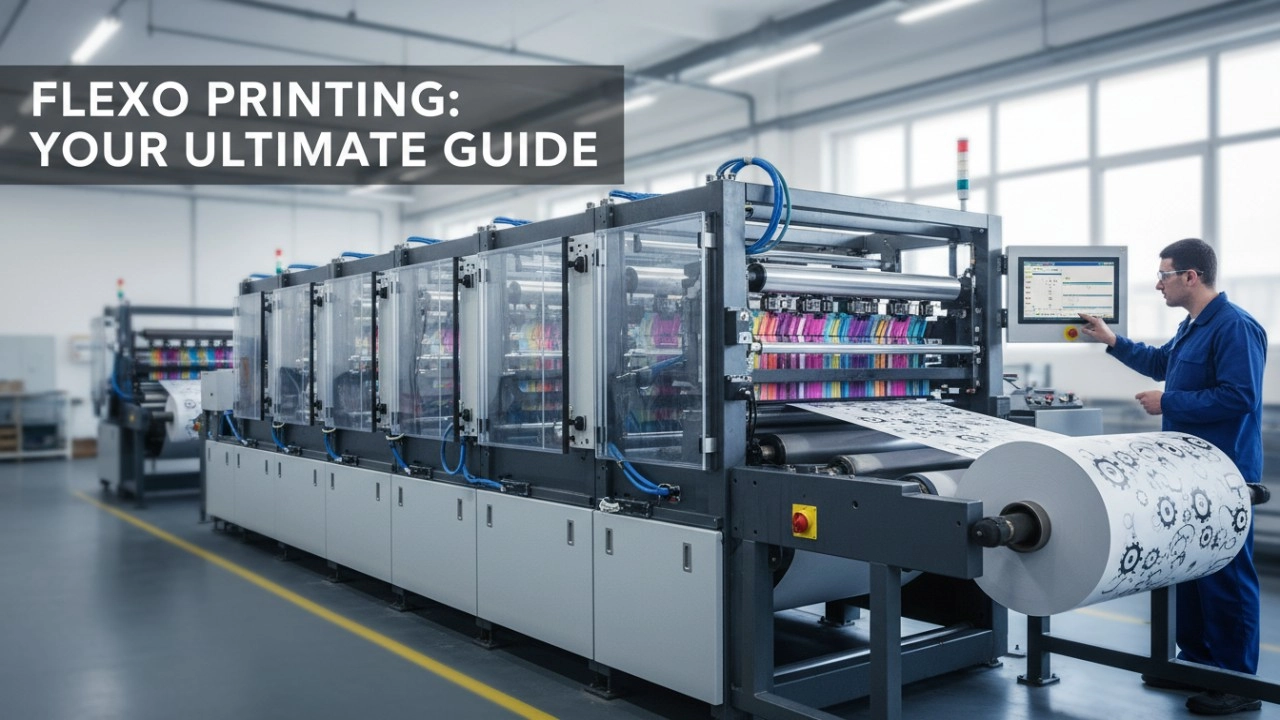
How to Select the Best Flexo Printing Press Manufacturer: A Data-Driven Checklist (2026 Edition)
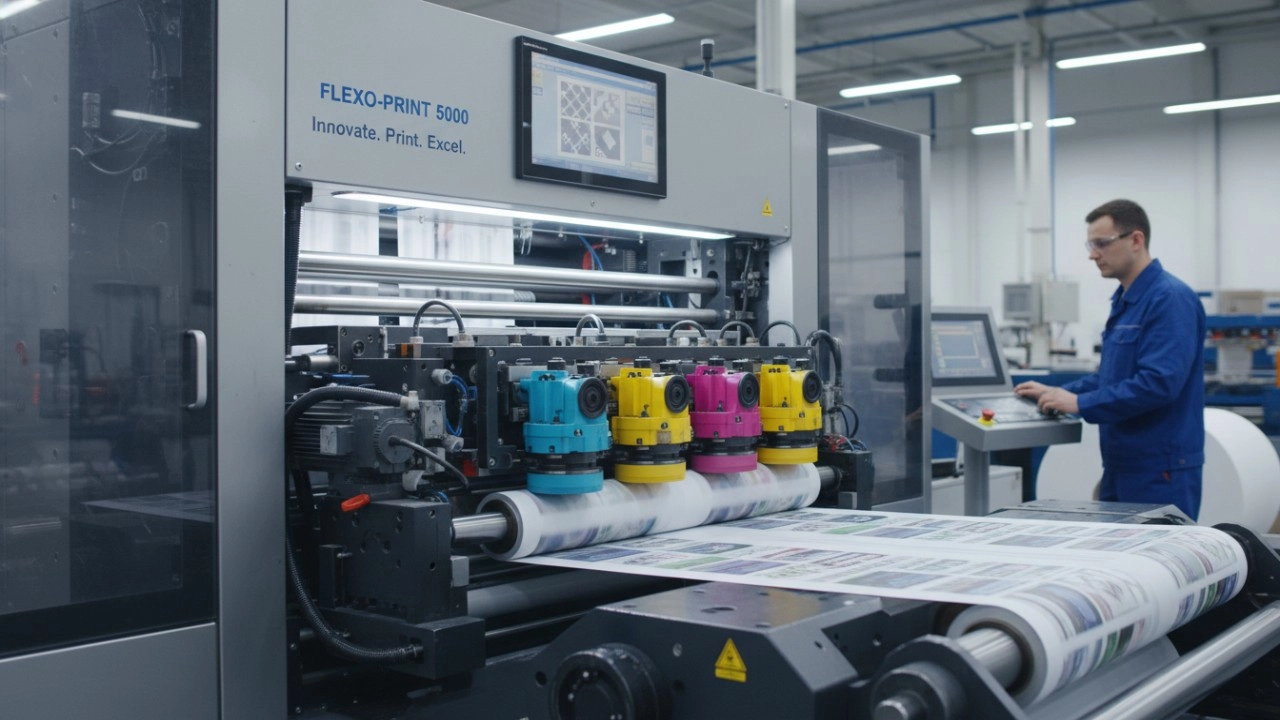
High-Efficiency Flexo Press Solutions: A Complete Guide to Optimizing Your Packaging Production
Product
What should I do if the machine jams during operation?
In case of a jam, immediately stop the machine, remove any obstructions, and check for any damage before restarting.
What is the maximum speed of your folding carton machines?
Our machines can operate at speeds of up to 150 cartons per minute, depending on the model and carton complexity.
How can I integrate your machines into my existing production line?
Our technical team can assist with integrating our machines into your current production setup, ensuring a seamless operation.
Industry Solutions
How can your folding carton machines benefit my packaging business?
Our machines increase production efficiency, reduce labor costs, and ensure high-quality, consistent carton production.
Shipping
How are your machines packaged for safe transportation?
Our machines are securely packaged using high-quality materials to prevent damage during transit.
Leave a message
Have any questions or queries about our products? Please leave us a message here and our team will get back to you promptly.
* Rest assured that your privacy is important to us, and all information provided will be handled with the utmost confidentiality.


© 2025 Keshenglong & SHINKO All Rights Reserved.
Keshenglong Carton Packing Machine
Keshenglong Carton Packing Machine
Keshenglong Carton Packing Machine
Keshenglong Carton Packing Machine
Keshenglong Carton Packing Machine