
What are common maintenance tips for a flexo printer?
Discover key maintenance practices to enhance the performance and longevity of your flexo printing machine. Learn about daily, weekly, and monthly maintenance routines, proper care for critical components, and the importance of operator training.
- Essential Maintenance Tips for Flexo Printing Machines: A Comprehensive Guide
- 1. What Are the Daily Maintenance Procedures?
- 2. How Should Anilox Rollers Be Maintained?
- 3. What Lubrication Practices Should Be Followed?
- 4. How Can I Monitor the Machine’s Overall Performance?
- 5. Why Is Operator Training Important?
- 6. How Should Printing Plates Be Stored and Handled?
- 7. How Can I Reduce Repair Costs Through Maintenance?
- 8. What Are the Benefits of Regular Maintenance?
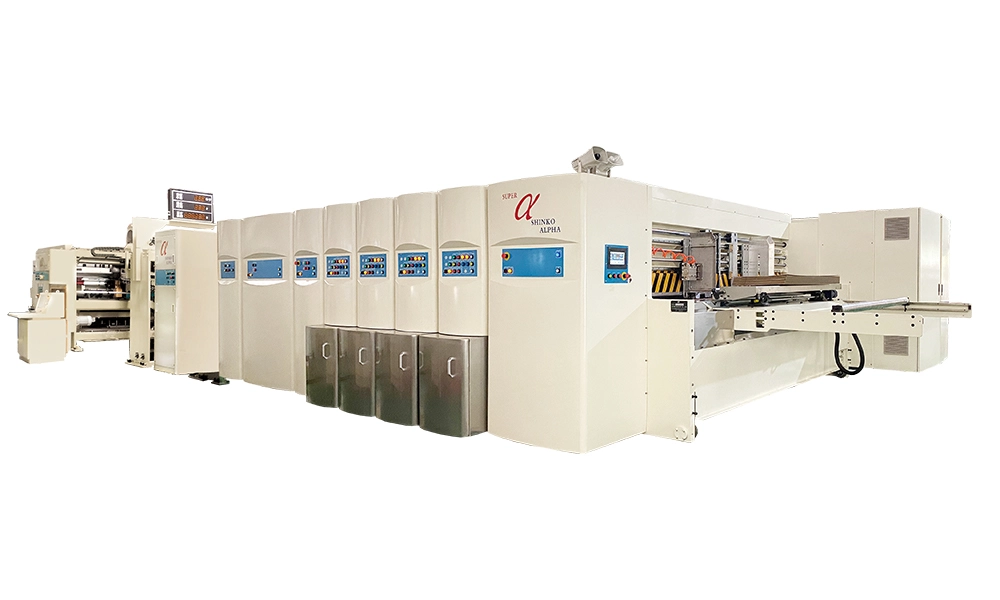
- Conclusion: Advantages of Keshenglong & Shinko Flexo Printing Machines
Essential Maintenance Tips for Flexo Printing Machines: A Comprehensive Guide
Maintaining your flexo printing machine is crucial for ensuring consistent print quality, reducing downtime, and extending the equipment's lifespan. This guide provides essential maintenance practices to keep your machine operating at its best.
1. What Are the Daily Maintenance Procedures?
Daily maintenance is vital for optimal performance:
Cleaning: After each print run, clean ink trays, anilox rollers, and doctor blades to prevent ink buildup.
Inspection: Check for loose bolts and ensure rollers are free from ink residue. Inspect printing plates for scratches or wear.
2. How Should Anilox Rollers Be Maintained?
Anilox rollers are critical for ink transfer:
Cleaning: Regularly clean anilox rollers to prevent ink clogging, which can lead to print defects.
Inspection: Check for signs of wear or damage and replace as necessary to maintain print quality.
3. What Lubrication Practices Should Be Followed?
Proper lubrication reduces friction and wear:
Moving Parts: Regularly lubricate bearings, gears, chains, and other moving parts using designated lubricating oil or grease. ((https://www.shinkomachinery.com/top-maintenance-tips-for-flexo-printing-machines.html))
Lubrication System: Check regularly to ensure it is working normally, replenishing or replacing lubricant as needed. ((https://www.shinkomachinery.com/top-maintenance-tips-for-flexo-printing-machines.html))
4. How Can I Monitor the Machine’s Overall Performance?
Regular monitoring helps identify issues early:
Print Quality: Watch for color misregistration, ink issues, or inconsistencies. Regular inspection can identify problems before they become more serious. ((https://www.shinkomachinery.com/top-maintenance-tips-for-flexo-printing-machines.html))
Machine Noise: Unusual sounds, such as grinding or knocking noises, could indicate problems with mechanical parts. Investigate promptly to prevent potential damage. ((https://www.shinkomachinery.com/top-maintenance-tips-for-flexo-printing-machines.html))
5. Why Is Operator Training Important?
Proper training ensures effective maintenance:
Routine Maintenance Procedures: Operators should be familiar with basic tasks, such as cleaning, lubrication, and part inspections. ((https://www.shinkomachinery.com/top-maintenance-tips-for-flexo-printing-machines.html))
Problem-Solving Skills: Training on identifying common problems and resolving them quickly is essential. ((https://www.shinkomachinery.com/top-maintenance-tips-for-flexo-printing-machines.html))
Understanding Machine Settings: Operators should be able to adjust settings based on job requirements. ((https://www.shinkomachinery.com/top-maintenance-tips-for-flexo-printing-machines.html))
6. How Should Printing Plates Be Stored and Handled?
Proper storage and handling extend plate life:
Storage Conditions: Keep plates in a dry, temperature-controlled environment to avoid warping or damage. ((https://www.shinkomachinery.com/top-maintenance-tips-for-flexo-printing-machines.html))
Avoid Direct Sunlight: Keep plates away from direct sunlight or harsh light sources, as this can degrade their quality over time. ((https://www.shinkomachinery.com/top-maintenance-tips-for-flexo-printing-machines.html))
Handling: Use gloves to avoid leaving fingerprints or grease on the surface. ((https://www.shinkomachinery.com/top-maintenance-tips-for-flexo-printing-machines.html))
7. How Can I Reduce Repair Costs Through Maintenance?
Effective maintenance can lower repair expenses:
Preventive Maintenance: Regular inspections and upkeep can prevent costly breakdowns.
DIY Tools and Resources: Utilize maintenance tools and resources to address minor issues before they escalate.
Staff Training: Investing in training ensures personnel can perform routine maintenance and troubleshoot effectively.
8. What Are the Benefits of Regular Maintenance?
Regular maintenance offers several advantages:
Longer Lifespan: Protects parts like anilox rollers, gears, and bearings from early damage, prolonging the machine's service life.
Better Print Quality: Ensures stable ink transfer, smooth roller movement, and proper calibration, resulting in sharp and consistent prints.
Less Downtime: Reduces unexpected breakdowns, keeping machines running efficiently and delivering on time to customers.
Conclusion: Advantages of Keshenglong & Shinko Flexo Printing Machines
When considering a flexo printing machine, Keshenglong and Shinko offer notable advantages:
Reliability: Known for durable and high-performance machines.
Advanced Features: Incorporate the latest technology for enhanced print quality and efficiency.
Comprehensive Support: Provide extensive training and maintenance resources to ensure optimal machine performance.
By choosing Keshenglong or Shinko, you invest in equipment designed for longevity and consistent, high-quality output.
Sources:
Recommended for you
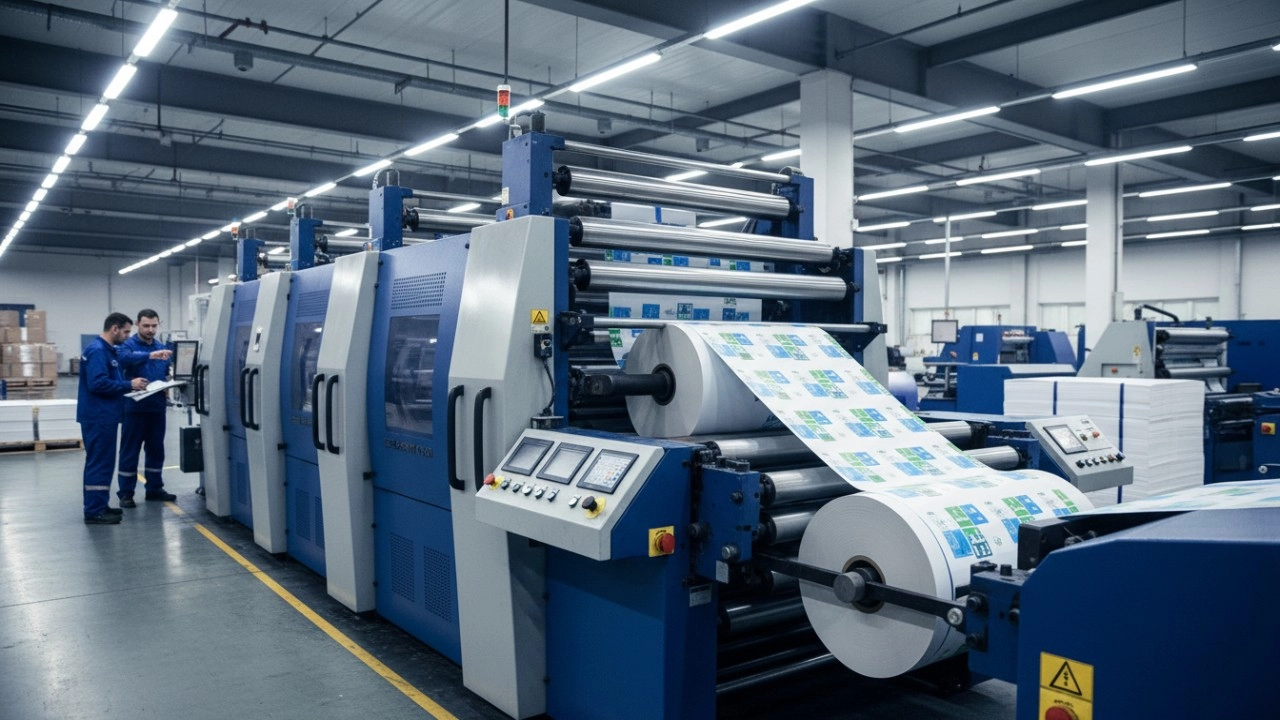
How to Optimize Your Flexo Printing Machine for Maximum Speed and Zero Defects
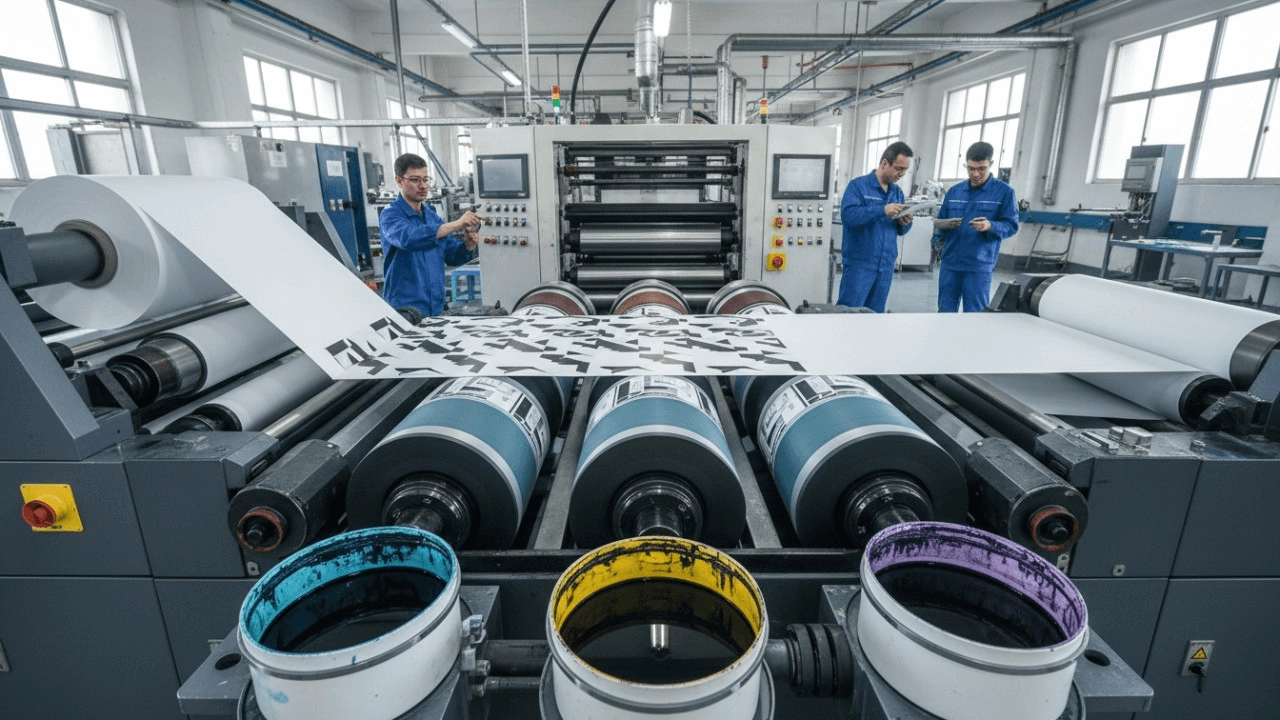
What is Flexographic Printing? The Ultimate Technical Guide & Process Breakdown (2025)
Top 10 Best Flexo Printer Manufacturers (2026): Reviews & Buying Guide
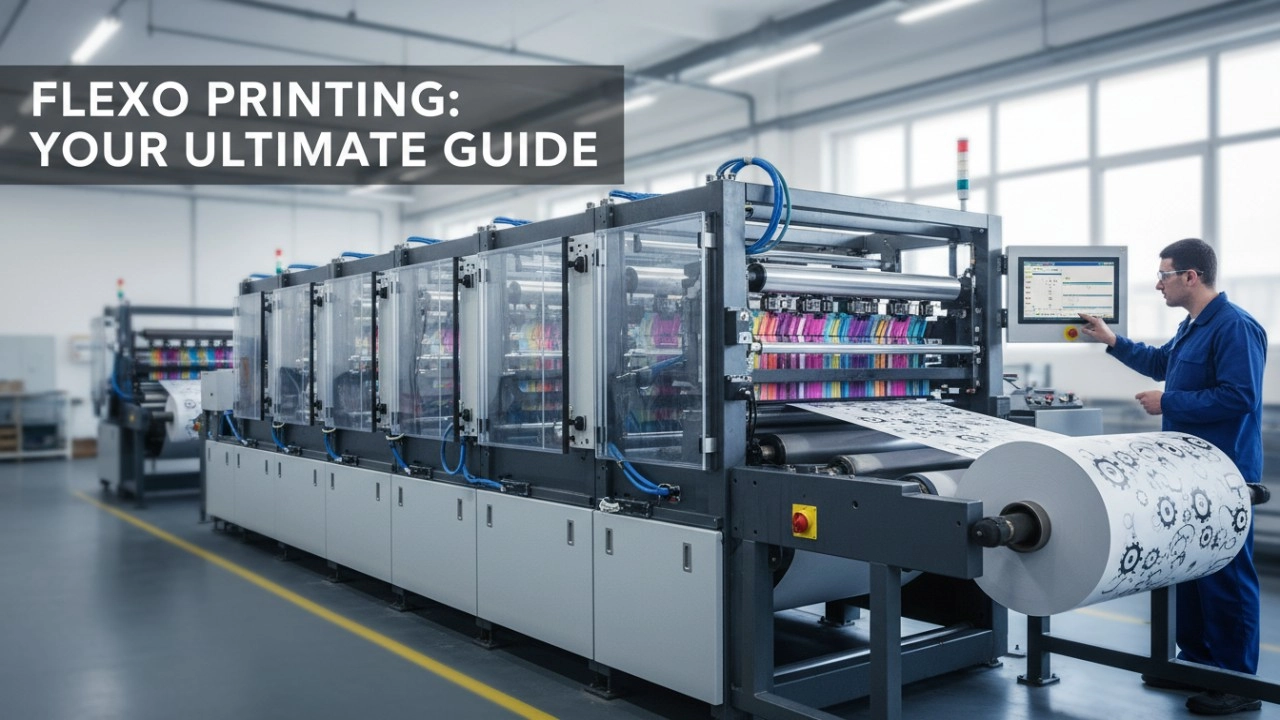
How to Select the Best Flexo Printing Press Manufacturer: A Data-Driven Checklist (2026 Edition)
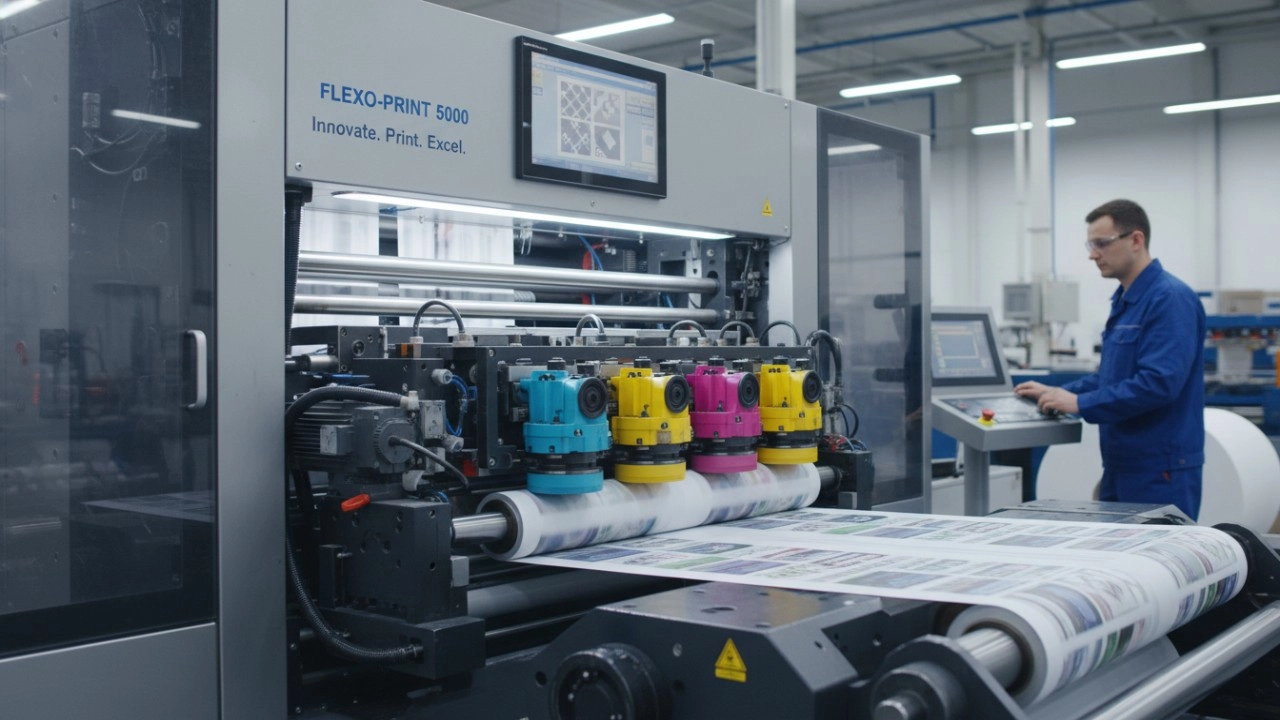
High-Efficiency Flexo Press Solutions: A Complete Guide to Optimizing Your Packaging Production
Product
How do I troubleshoot common issues with the folding mechanism?
Common issues can often be resolved by checking the alignment of the folding plates and ensuring there is no debris obstructing the mechanism.
What materials are compatible with your folding carton machines?
Our machines are compatible with a wide range of materials including cardboard, corrugated board, and paperboard.
How do I adjust the machine settings for different carton sizes?
Machine settings can be adjusted using the intuitive control panel, which allows for quick changes to accommodate different carton sizes.
Shipping
How are your machines packaged for safe transportation?
Our machines are securely packaged using high-quality materials to prevent damage during transit.
Can I track my shipment once it has been dispatched?
Yes, we provide tracking information for all shipments so you can monitor the delivery status.
Leave a message
Have any questions or queries about our products? Please leave us a message here and our team will get back to you promptly.
* Rest assured that your privacy is important to us, and all information provided will be handled with the utmost confidentiality.


© 2025 Keshenglong & SHINKO All Rights Reserved.
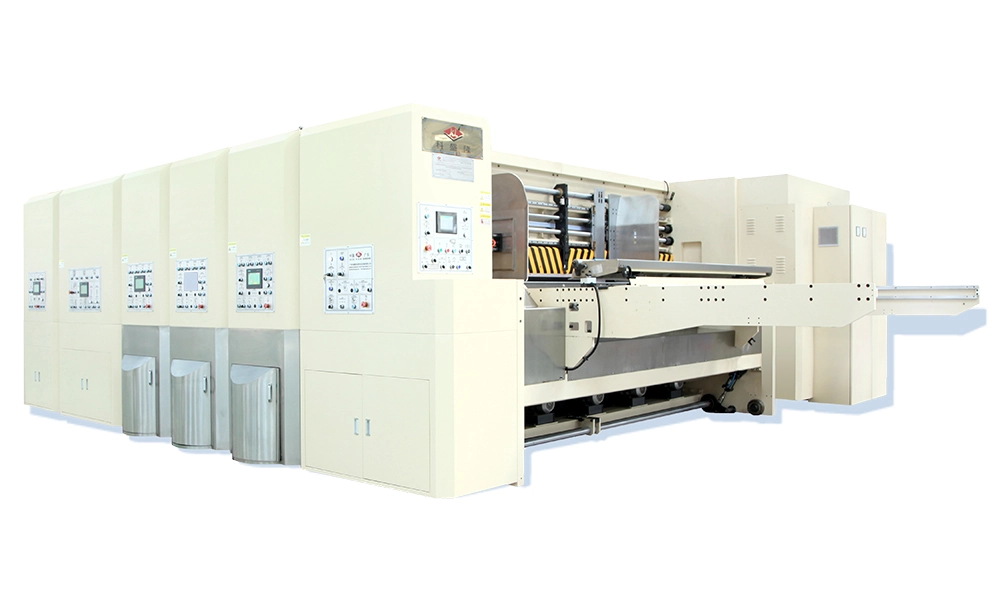
Keshenglong Carton Packing Machine
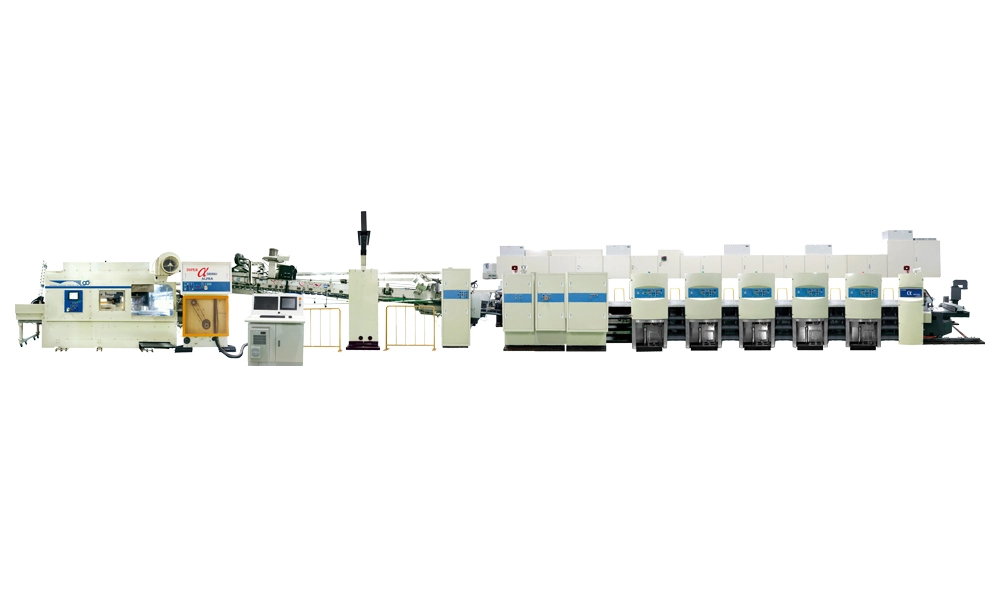
Keshenglong Carton Packing Machine
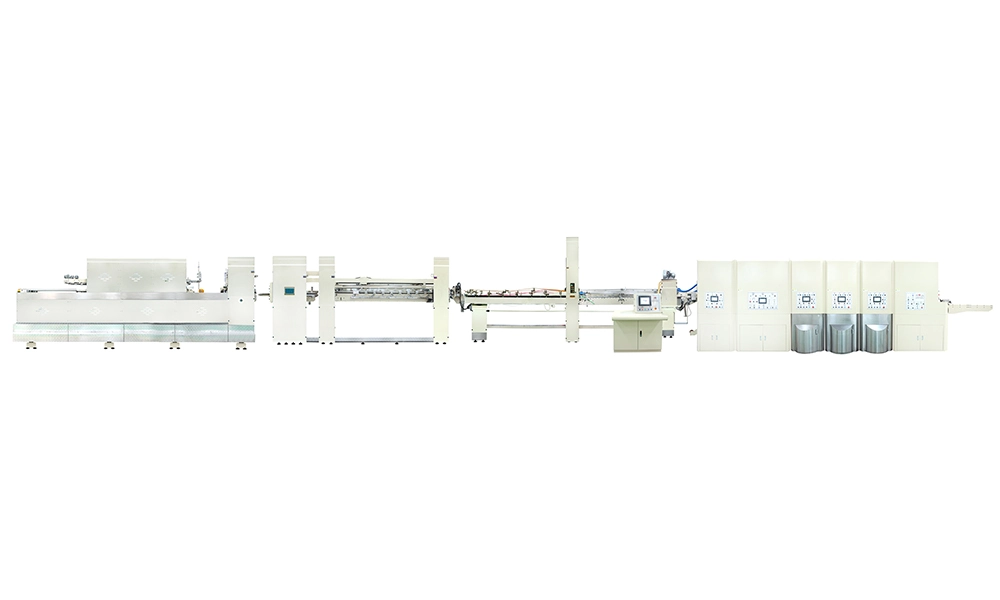
Keshenglong Carton Packing Machine
Keshenglong Carton Packing Machine
Keshenglong Carton Packing Machine