
How to improve color consistency on a flexo printer?
This guide provides essential insights for businesses looking to invest in flexo printing equipment, covering key considerations, frequently asked questions, and expert recommendations.
- Key Considerations When Purchasing a Flexo Printer
- 1. What is the difference between a standalone flexo printer and an integrated flexo slotting die-cutting machine?
- 2. How many colors do flexo printers typically support, and why does it matter?
- 3. What should I expect from supplier installation and training?
- 4. How do I estimate ROI for new flexo equipment?
- 5. Are parts and technical support widely available for imported flexo machines?
- 6. How important is it that main parts are imported or produced in Japan?
- 7. Can I finance a flexo printing machine purchase?
- 8. What maintenance practices will extend machine life?
- Conclusion: Advantages of Keshenglong & Shinko Flexo Printers
When considering the purchase of a flexo printer, it's crucial to address several key factors to ensure the equipment aligns with your business needs and delivers optimal performance. Below are some frequently asked questions (FAQs) that can guide your decision-making process:
Key Considerations When Purchasing a Flexo Printer
1. What is the difference between a standalone flexo printer and an integrated flexo slotting die-cutting machine?
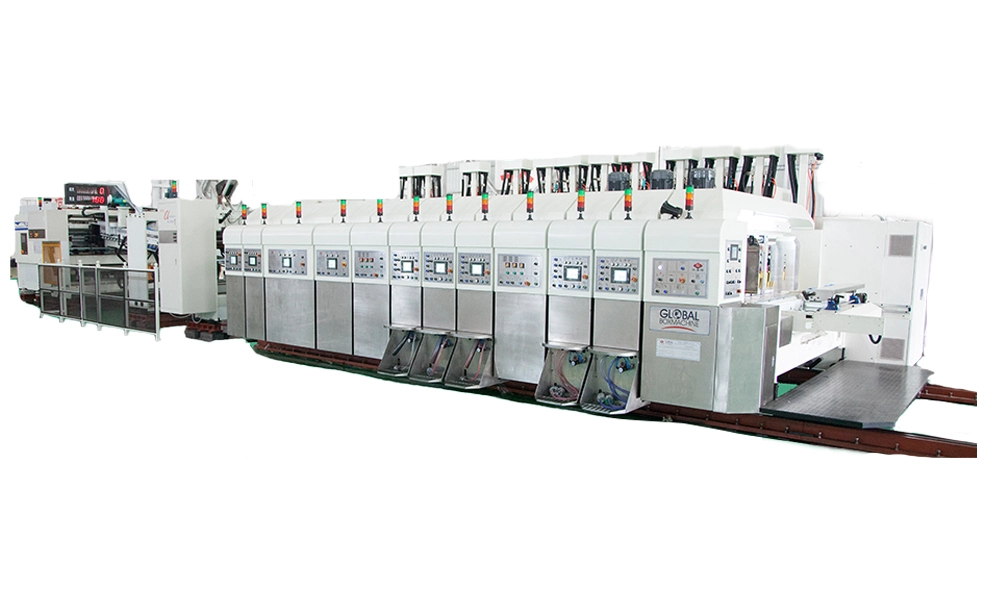
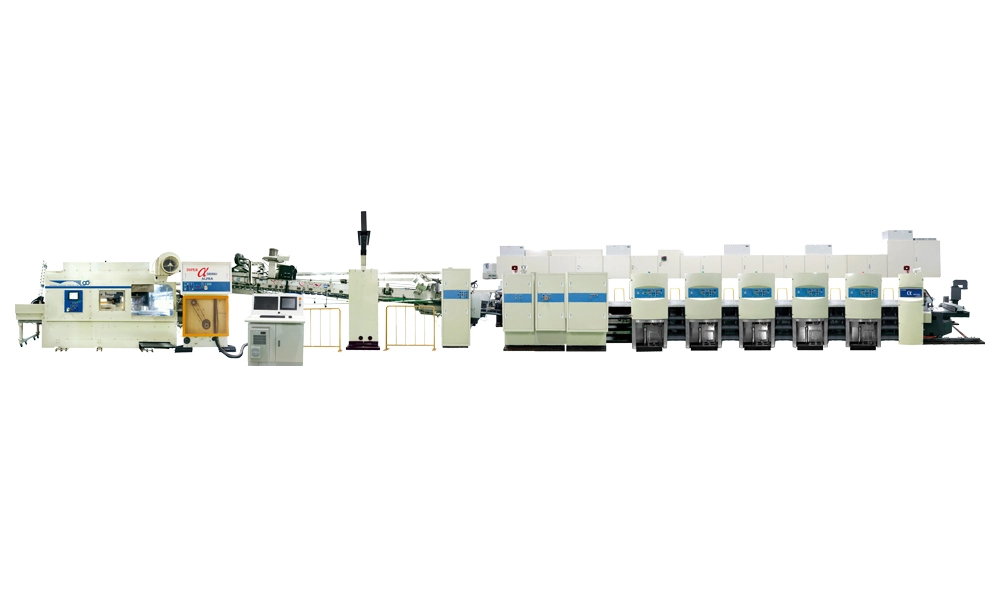
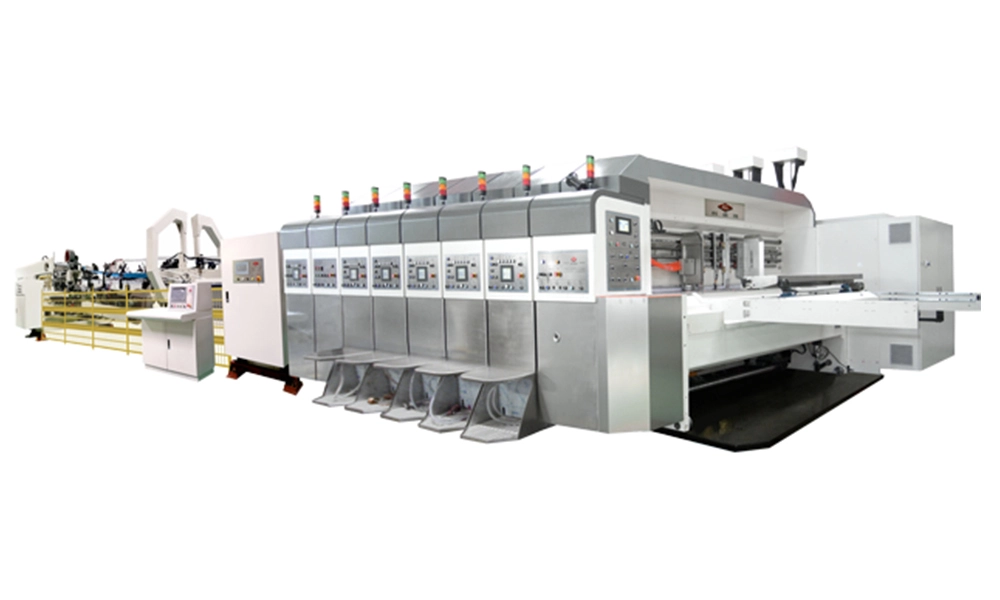
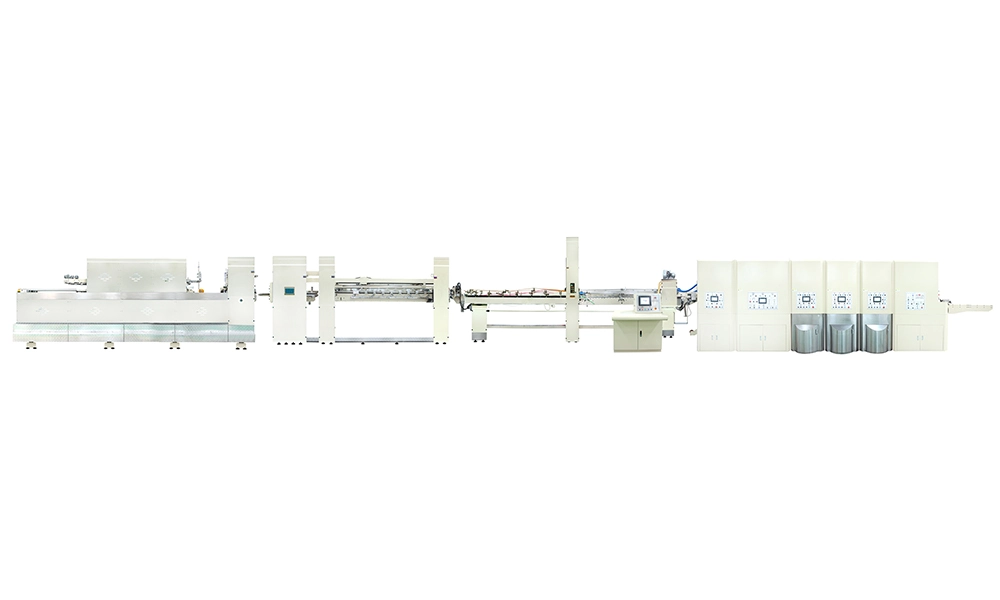
A standalone flexo printer performs only the printing process, ideal if you already have converting equipment. An integrated flexo slotting die-cutting machine combines printing, slotting, and die-cutting in one pass, reducing handling, setup time, and per-unit cost—beneficial for corrugated carton producers. ((https://www.shinkomachinery.com/b2b-buyer-s-guide-to-flexographic-printing-equipment-keshenglong.html))
2. How many colors do flexo printers typically support, and why does it matter?
Flexo presses commonly support 1–6 colors. The number of colors determines your ability to print full-color artwork and accurate brand colors in one pass. More color stations reduce the need for multiple passes and speed up production for complex graphics. ((https://www.shinkomachinery.com/b2b-buyer-s-guide-to-flexographic-printing-equipment-keshenglong.html))
3. What should I expect from supplier installation and training?
Expect supplier-supervised installation, commissioning, operator and maintenance training, and initial production support. Good suppliers also offer documentation, preventive maintenance schedules, and local or remote technical support. ((https://www.shinkomachinery.com/b2b-buyer-s-guide-to-flexographic-printing-equipment-keshenglong.html))
4. How do I estimate ROI for new flexo equipment?
Estimate ROI by modeling expected production volume, labor savings from automation, material waste reduction, energy and ink consumption, and potential revenue from winning new contracts due to improved capability. Compare these against the total acquisition cost, including installation and training. ((https://www.shinkomachinery.com/b2b-buyer-s-guide-to-flexographic-printing-equipment-keshenglong.html))
5. Are parts and technical support widely available for imported flexo machines?
Availability depends on the supplier’s service network. Choose manufacturers who maintain local parts depots or fast import channels and can dispatch trained technicians quickly. Suppliers with global exports typically have better-established support channels. ((https://www.shinkomachinery.com/b2b-buyer-s-guide-to-flexographic-printing-equipment-keshenglong.html))
6. How important is it that main parts are imported or produced in Japan?
Imported high-precision parts, especially from established suppliers, can improve machine reliability and print quality. Suppliers that combine international parts with local manufacturing and experienced technicians often provide a balance of quality and cost-effectiveness. ((https://www.shinkomachinery.com/b2b-buyer-s-guide-to-flexographic-printing-equipment-keshenglong.html))
7. Can I finance a flexo printing machine purchase?
Yes. Many suppliers and financial institutions offer leasing or financing options. Compare terms, interest rates, and tax implications to determine the most cost-effective structure for your business. ((https://www.shinkomachinery.com/b2b-buyer-s-guide-to-flexographic-printing-equipment-keshenglong.html))
8. What maintenance practices will extend machine life?
Follow supplier-recommended preventive maintenance schedules, keep spare consumables on hand, train operators on correct setup procedures, and use recommended inks and cleaning regimes. Regular calibration of tension and registration systems preserves print quality over time. ((https://www.shinkomachinery.com/b2b-buyer-s-guide-to-flexographic-printing-equipment-keshenglong.html))
Conclusion: Advantages of Keshenglong & Shinko Flexo Printers
When selecting a flexo printer, Keshenglong & Shinko offer several advantages:
Integrated Solutions: Their machines combine printing, slotting, and die-cutting in one pass, reducing handling and setup time. ((https://www.shinkomachinery.com/b2b-buyer-s-guide-to-flexographic-printing-equipment-keshenglong.html))
High-Quality Components: Utilizing imported high-precision parts, especially from established suppliers, enhances machine reliability and print quality. ((https://www.shinkomachinery.com/b2b-buyer-s-guide-to-flexographic-printing-equipment-keshenglong.html))
Comprehensive Support: They provide supplier-supervised installation, commissioning, operator and maintenance training, and initial production support. ((https://www.shinkomachinery.com/b2b-buyer-s-guide-to-flexographic-printing-equipment-keshenglong.html))
Global Presence: With exports to over 70 countries, they have a well-established service network, ensuring parts availability and technical support. ((https://www.shinkomachinery.com/b2b-buyer-s-guide-to-flexographic-printing-equipment-keshenglong.html))
By considering these factors and leveraging the strengths of Keshenglong & Shinko, businesses can make informed decisions when investing in flexo printing equipment.
Note: The information provided is based on available data as of December 2025. For the most current details, please refer to the respective manufacturers' official communications.
Recommended for you
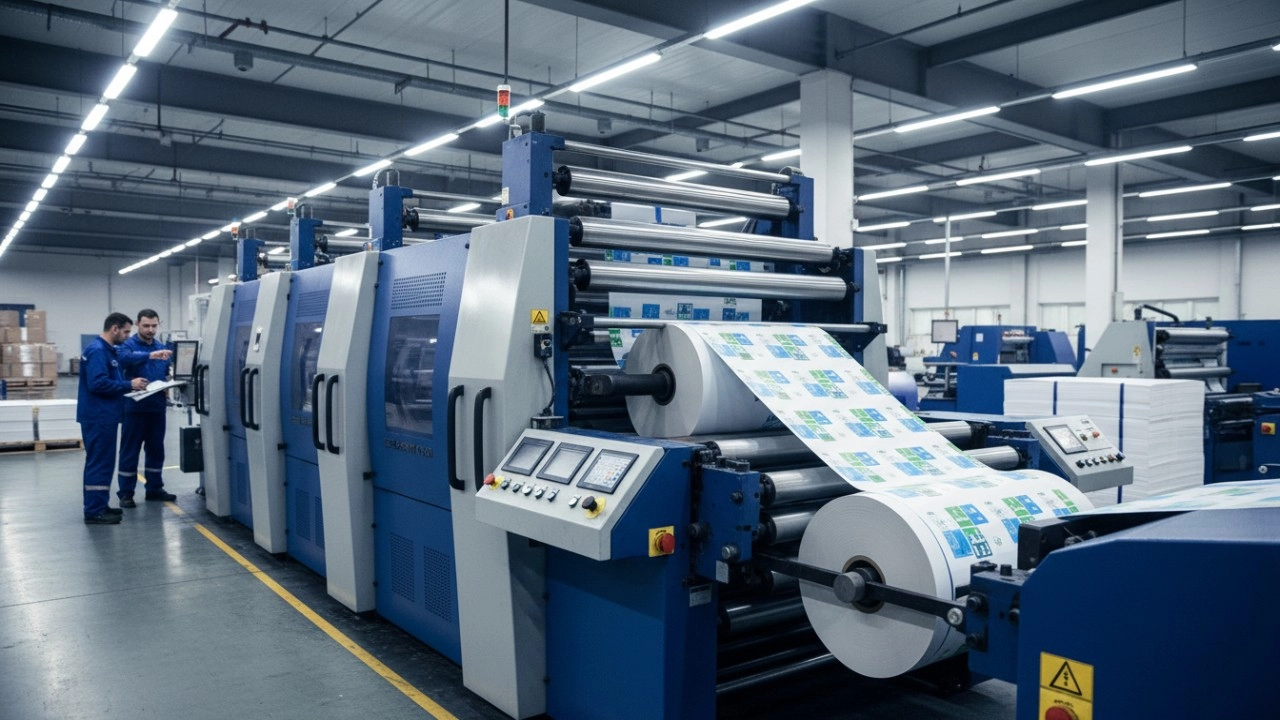
How to Optimize Your Flexo Printing Machine for Maximum Speed and Zero Defects
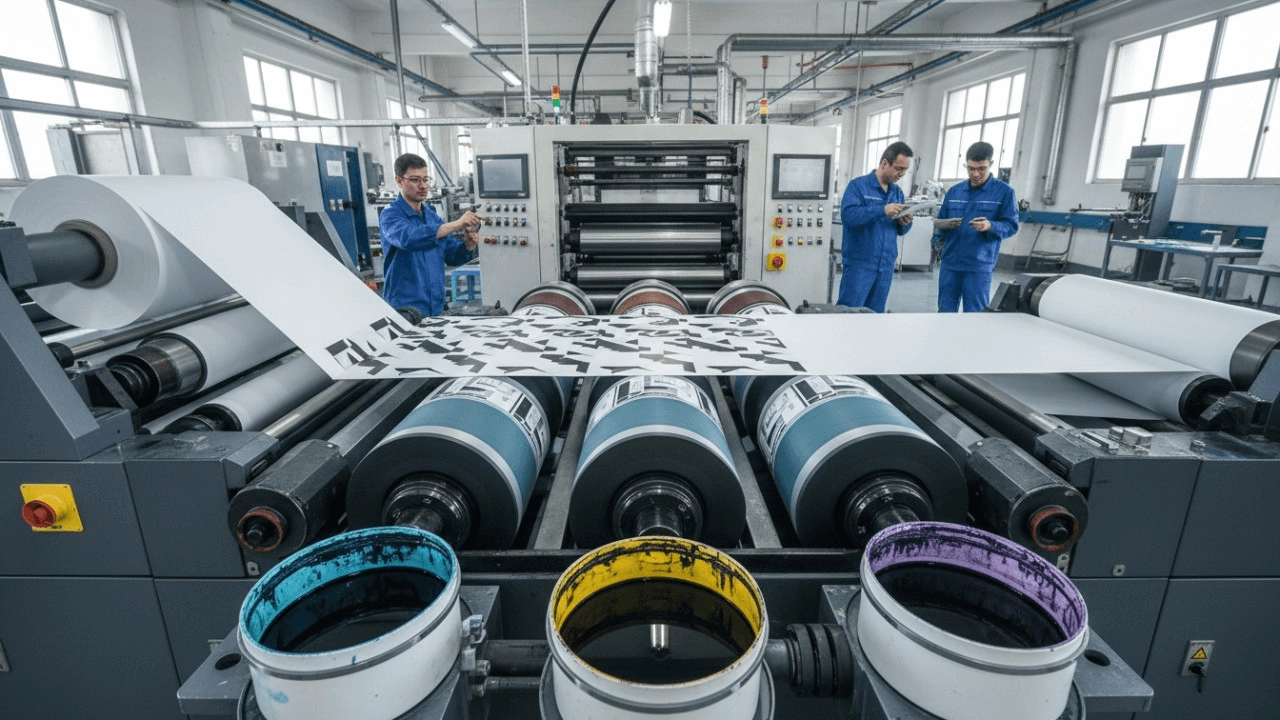
What is Flexographic Printing? The Ultimate Technical Guide & Process Breakdown (2025)
Top 10 Best Flexo Printer Manufacturers (2026): Reviews & Buying Guide
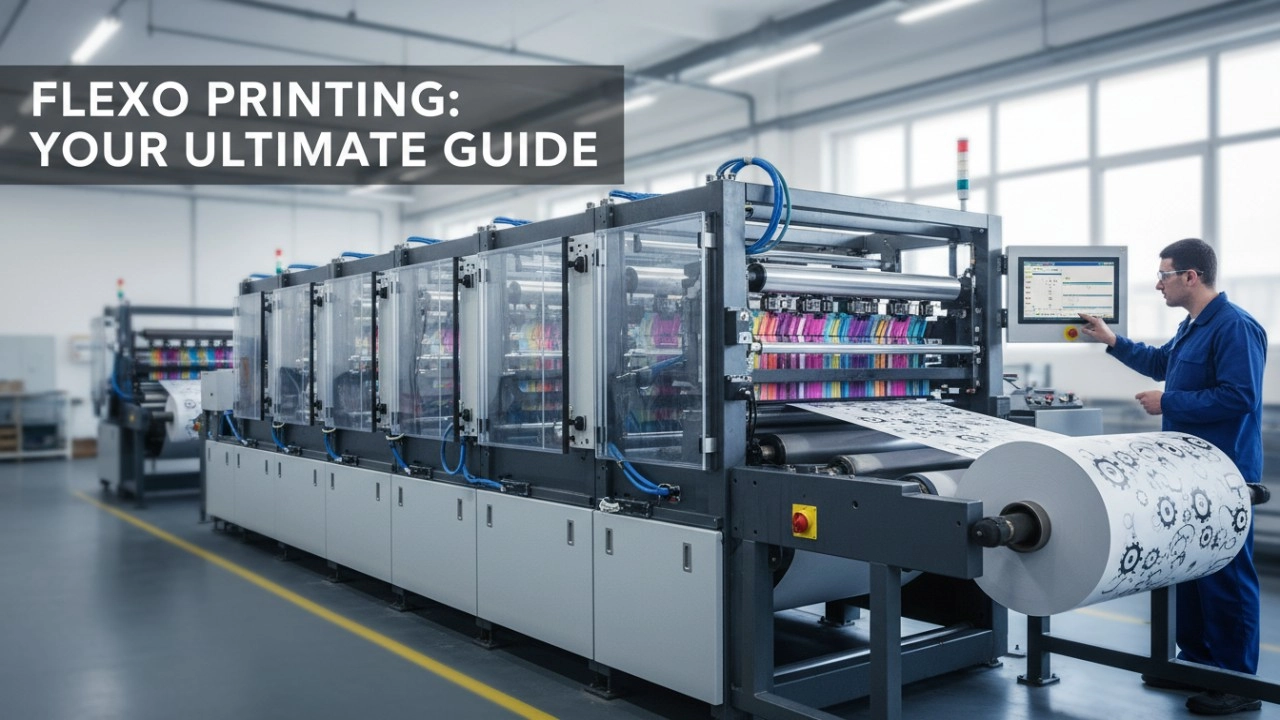
How to Select the Best Flexo Printing Press Manufacturer: A Data-Driven Checklist (2026 Edition)
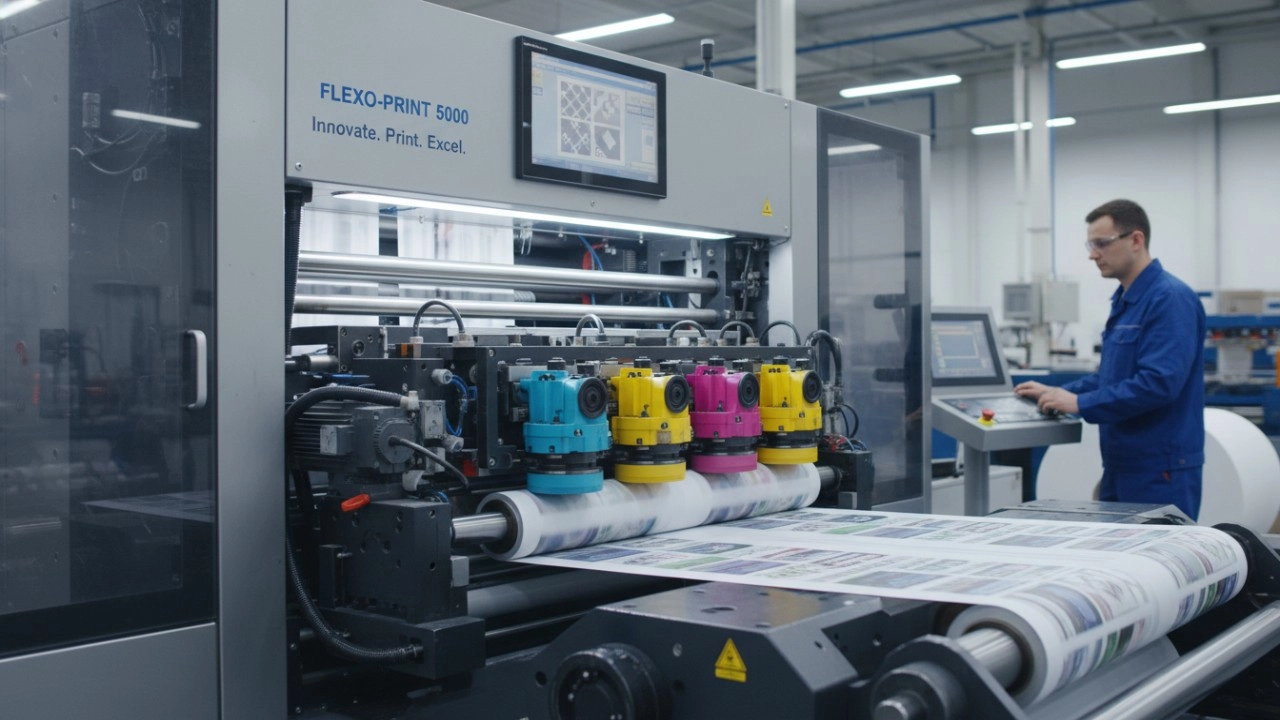
High-Efficiency Flexo Press Solutions: A Complete Guide to Optimizing Your Packaging Production
Product
Are there safety features integrated into your machines?
Yes, our machines come equipped with multiple safety features including emergency stop buttons and safety guards.
How do I troubleshoot common issues with the folding mechanism?
Common issues can often be resolved by checking the alignment of the folding plates and ensuring there is no debris obstructing the mechanism.
How do I adjust the machine settings for different carton sizes?
Machine settings can be adjusted using the intuitive control panel, which allows for quick changes to accommodate different carton sizes.
Industry Solutions
How do your machines comply with industry standards and regulations?
Our machines are manufactured to meet or exceed industry standards and regulations, ensuring safe and compliant operation.
Shipping
Can you ship to remote or difficult-to-access locations?
Yes, we can arrange shipping to remote locations, though additional charges and time may apply.
Leave a message
Have any questions or queries about our products? Please leave us a message here and our team will get back to you promptly.
* Rest assured that your privacy is important to us, and all information provided will be handled with the utmost confidentiality.


© 2025 Keshenglong & SHINKO All Rights Reserved.
Keshenglong Carton Packing Machine
Keshenglong Carton Packing Machine
Keshenglong Carton Packing Machine
Keshenglong Carton Packing Machine
Keshenglong Carton Packing Machine