
Flexo printer vs digital printer: which is best for labels?
Explore the key differences between flexo and digital printing methods to make informed decisions for your label procurement needs. Understand cost implications, quality considerations, and the advantages of each method to optimize your labeling process.
- Flexo Printing vs. Digital Printing: A Comprehensive Guide for Label Procurement
- 1. What Are the Key Differences Between Flexo and Digital Printing?
- 2. Which Printing Method Is More Cost-Effective?
- 3. How Do Quality and Color Accuracy Compare?
- 4. What Are the Material and Substrate Considerations?
- 5. Which Method Is Better for Variable Data Printing?
- 6. What Are the Environmental Impacts of Each Method?
- 7. How Do Lead Times Compare Between Flexo and Digital Printing?
- 8. What Are the Advantages of Brands Like Keshenglong and Shinko in the Label Printing Industry?
Flexo Printing vs. Digital Printing: A Comprehensive Guide for Label Procurement
When it comes to label printing, choosing the right method is crucial for achieving optimal results. Two primary printing technologies dominate the industry: flexographic (flexo) printing and digital printing. Each has its unique advantages and considerations. This guide delves into the key differences, helping you make an informed decision for your label procurement needs.
1. What Are the Key Differences Between Flexo and Digital Printing?
Flexo Printing:
- Process: Utilizes flexible rubber or photopolymer plates to transfer ink onto various substrates.
- Setup: Requires the creation of custom plates for each color, leading to higher initial setup costs.
- Best Suited For: Large-volume runs with consistent designs.
Digital Printing:
- Process: Directly transfers digital images onto substrates using advanced inkjet or electrophotographic technology.
- Setup: No need for physical plates, allowing for quicker setup and reduced initial costs.
- Best Suited For: Short to medium runs, complex designs, and variable data printing.
2. Which Printing Method Is More Cost-Effective?
Flexo Printing: Economical for large orders due to the ability to produce high volumes efficiently. However, the initial setup costs for plates and longer lead times can be significant.
Digital Printing: More cost-effective for smaller orders, as it eliminates the need for plates and reduces setup time. This method is ideal for businesses requiring flexibility and faster turnaround times.
3. How Do Quality and Color Accuracy Compare?
Flexo Printing: Capable of achieving high-quality prints, especially with spot colors and fine details. However, it may require skilled operators to maintain consistency.
Digital Printing: Offers high-resolution outputs with vibrant colors and smooth gradients. While it uses CMYK color blending, achieving exact Pantone colors can be challenging without careful profiling.
4. What Are the Material and Substrate Considerations?
Flexo Printing: Versatile in handling a wide range of materials, including films and foils. It is generally more forgiving with substrates.
Digital Printing: Supports many surfaces but may require treated surfaces. Some digital inks necessitate specific topcoats or primers, adding to the cost and complexity.
5. Which Method Is Better for Variable Data Printing?
Flexo Printing: While capable of variable data printing, it is typically more complex and limited compared to digital methods.
Digital Printing: Excels in variable data printing, allowing for unique barcodes, serial numbers, and personalized labels within the same print run.
6. What Are the Environmental Impacts of Each Method?
Flexo Printing: Involves the use of plates and potentially more waste material during setup, which can have a higher environmental impact.
Digital Printing: Generally produces less waste due to the lack of plates and faster setup times, making it a more environmentally friendly option.
7. How Do Lead Times Compare Between Flexo and Digital Printing?
Flexo Printing: Longer lead times due to the need for plate creation and setup, which can delay production.
Digital Printing: Shorter lead times, as it eliminates the plate-making process and allows for quicker job changeovers.
8. What Are the Advantages of Brands Like Keshenglong and Shinko in the Label Printing Industry?
Keshenglong:
Expertise: Known for their extensive experience in both flexo and digital printing technologies, offering tailored solutions to meet diverse client needs.
Quality Assurance: Committed to delivering high-quality prints with consistent color accuracy and material compatibility.
Shinko:
Innovation: Renowned for integrating advanced technologies into their printing processes, ensuring efficiency and superior print quality.
Customer-Centric Approach: Focused on providing personalized services, including variable data printing and quick turnaround times, to support dynamic market demands.
In conclusion, the choice between flexo and digital printing depends on various factors, including order volume, design complexity, material requirements, and turnaround time. By understanding these differences and considering the strengths of reputable brands like Keshenglong and Shinko, you can make an informed decision that aligns with your label procurement objectives.
Recommended for you
How to Optimize Your Flexo Printing Machine for Maximum Speed and Zero Defects
What is Flexographic Printing? The Ultimate Technical Guide & Process Breakdown (2025)
Top 10 Best Flexo Printer Manufacturers (2026): Reviews & Buying Guide
How to Select the Best Flexo Printing Press Manufacturer: A Data-Driven Checklist (2026 Edition)
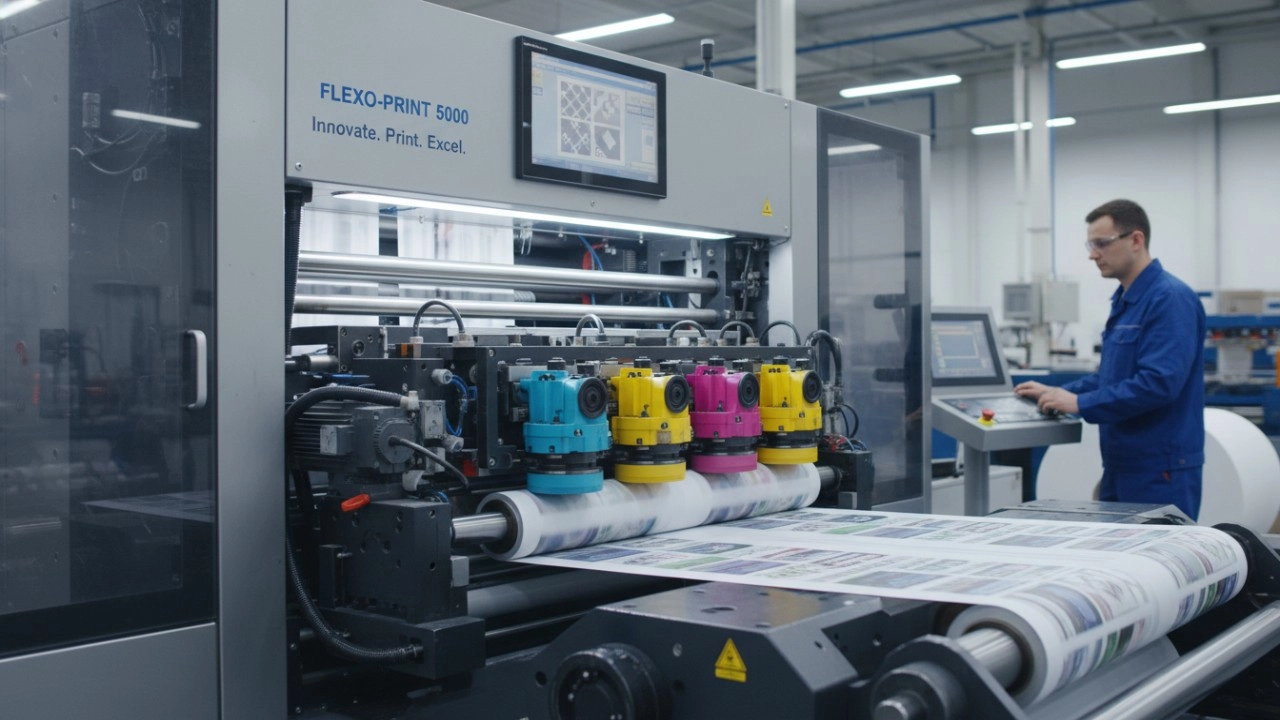
High-Efficiency Flexo Press Solutions: A Complete Guide to Optimizing Your Packaging Production
Shipping
Can you ship to remote or difficult-to-access locations?
Yes, we can arrange shipping to remote locations, though additional charges and time may apply.
Product
What is the maximum speed of your folding carton machines?
Our machines can operate at speeds of up to 150 cartons per minute, depending on the model and carton complexity.
What materials are compatible with your folding carton machines?
Our machines are compatible with a wide range of materials including cardboard, corrugated board, and paperboard.
Industry Solutions
Can your machines be integrated with digital printing technology?
Yes, our machines are compatible with digital printing systems for custom, high-quality printing on cartons.
What is the lifespan of your folding carton machines?
With proper maintenance, our machines are built to last for many years, providing long-term value for your investment.
Leave a message
Have any questions or queries about our products? Please leave us a message here and our team will get back to you promptly.
* Rest assured that your privacy is important to us, and all information provided will be handled with the utmost confidentiality.


© 2025 Keshenglong & SHINKO All Rights Reserved.
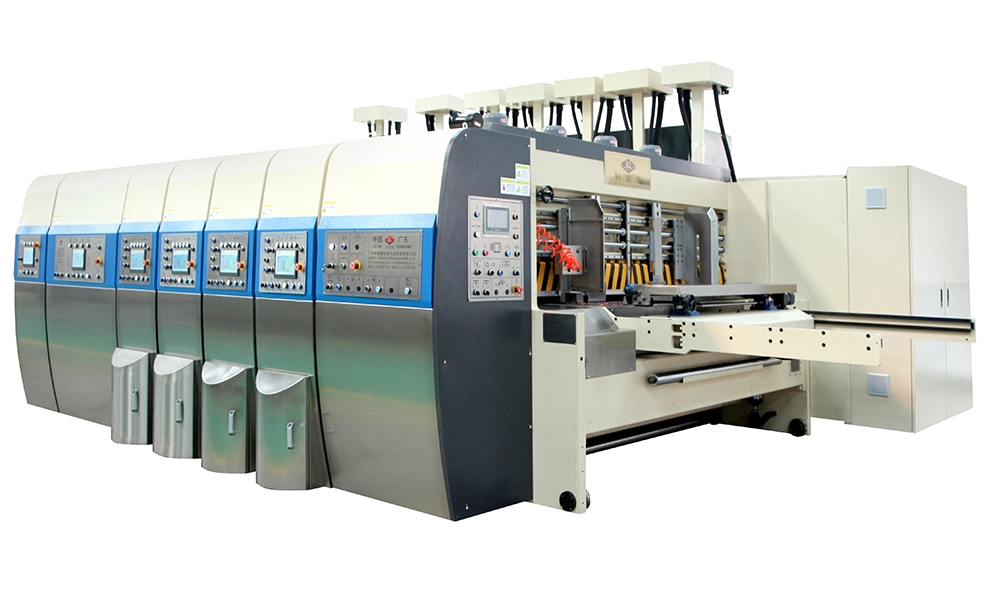
Keshenglong Carton Packing Machine
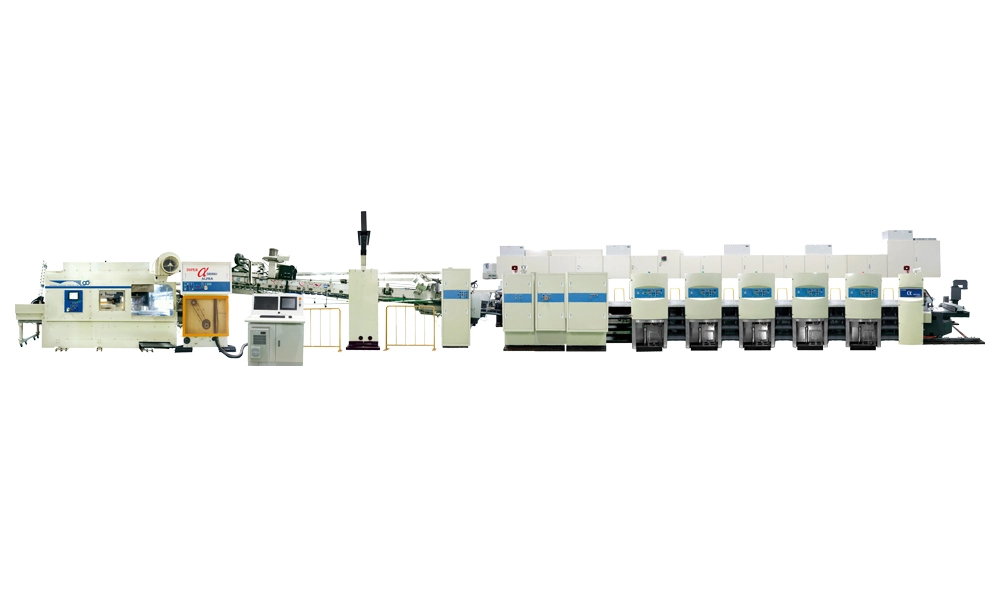
Keshenglong Carton Packing Machine
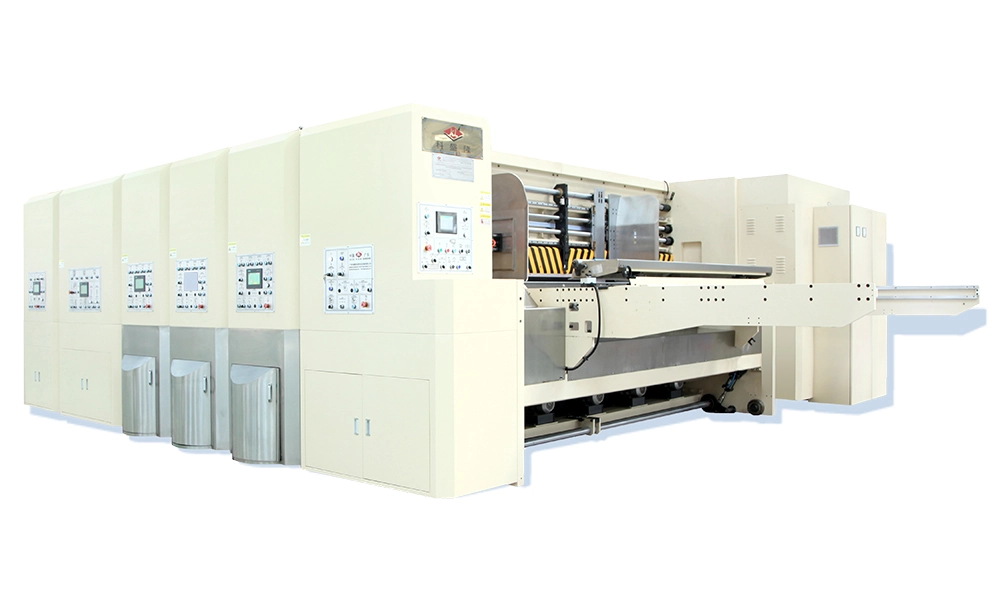
Keshenglong Carton Packing Machine
Keshenglong Carton Packing Machine
Keshenglong Carton Packing Machine