
What are the main components of a flexo press?
Explore the essential components of flexographic printing presses, key considerations for purchasing, and the advantages of Keshenglong and Shinko brands.
- Understanding Flexographic Printing Presses: Essential Components and Considerations
- 1. What Are the Main Components of a Flexo Press?
- 2. What Are the Different Types of Flexo Printing Machines?
- 3. What Key Features Should Be Considered When Purchasing a Flexo Press?
- 4. How Do Flexo Presses Compare to Other Printing Methods?
- 5. What Are the Maintenance Requirements for a Flexo Press?
- 6. What Are the Advantages of Keshenglong and Shinko Flexo Presses?
Understanding Flexographic Printing Presses: Essential Components and Considerations
Flexographic printing presses are integral to the packaging industry, offering versatility and efficiency across various substrates. For businesses aiming to invest in a flexo press, comprehending its core components and associated considerations is crucial.
1. What Are the Main Components of a Flexo Press?
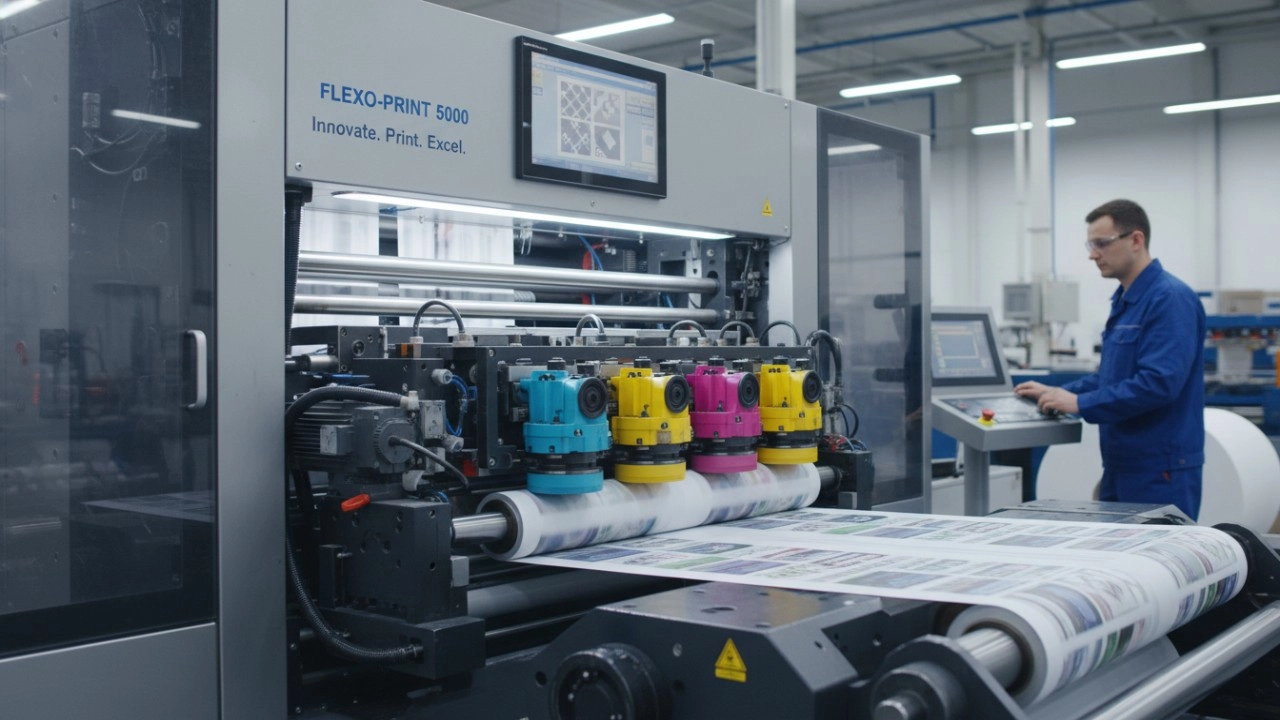
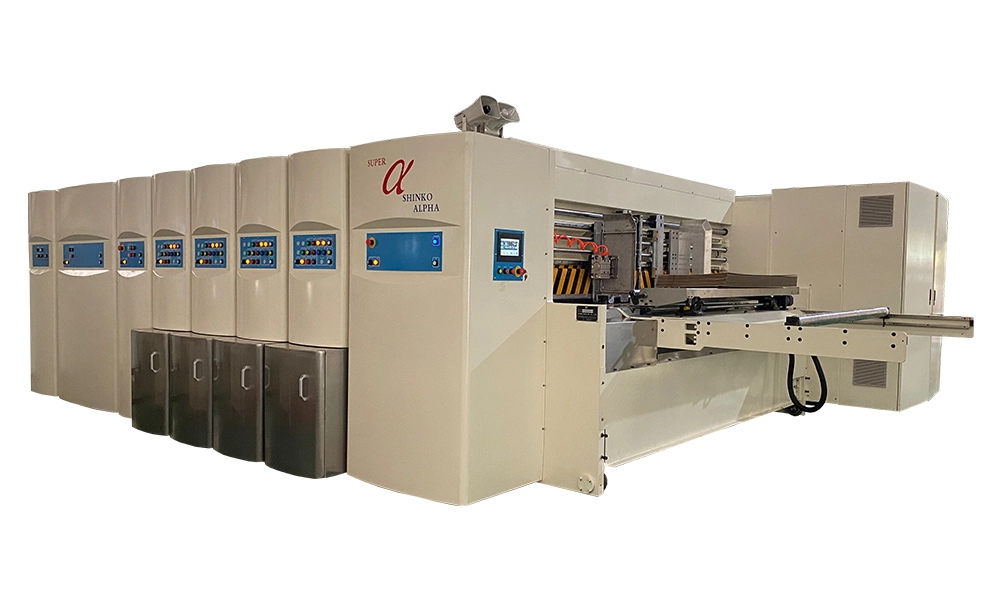
A flexographic printing press comprises several key components:
Printing Units: These units house the anilox roll, doctor blade, and printing plate cylinder, each responsible for specific functions in the printing process. ((https://www.shinkomachinery.com/article/flexo-printing-machine-components-keshenglong-shinko.html))
Anilox Roll: Often referred to as the "heart" of a flexo press, the anilox roll meters ink onto the printing plate with precision.
Doctor Blade: This blade removes excess ink from the anilox roll, ensuring even ink distribution and preventing ink build-up. ((https://www.shinkomachinery.com/article/flexo-printing-machine-components-keshenglong-shinko.html))
Printing Plate Cylinder: Holds the flexible photopolymer printing plate, which carries the image to be printed. ((https://www.shinkomachinery.com/article/flexo-printing-machine-components-keshenglong-shinko.html))
Impression Cylinder: Presses the substrate against the plate cylinder, allowing the ink from the plate to transfer onto the substrate.
Drying System: After the ink is transferred to the substrate, a drying system is employed to evaporate solvents or cure the ink.
2. What Are the Different Types of Flexo Printing Machines?
Flexo presses are categorized based on their configuration:
Central Impression (CI) Presses: Feature a central drum that holds all substrates in place, ensuring perfect registration and consistent print quality.
Stack Type Flexographic Presses: Have individual print stations stacked vertically, offering flexibility in printing both sides of the substrate.
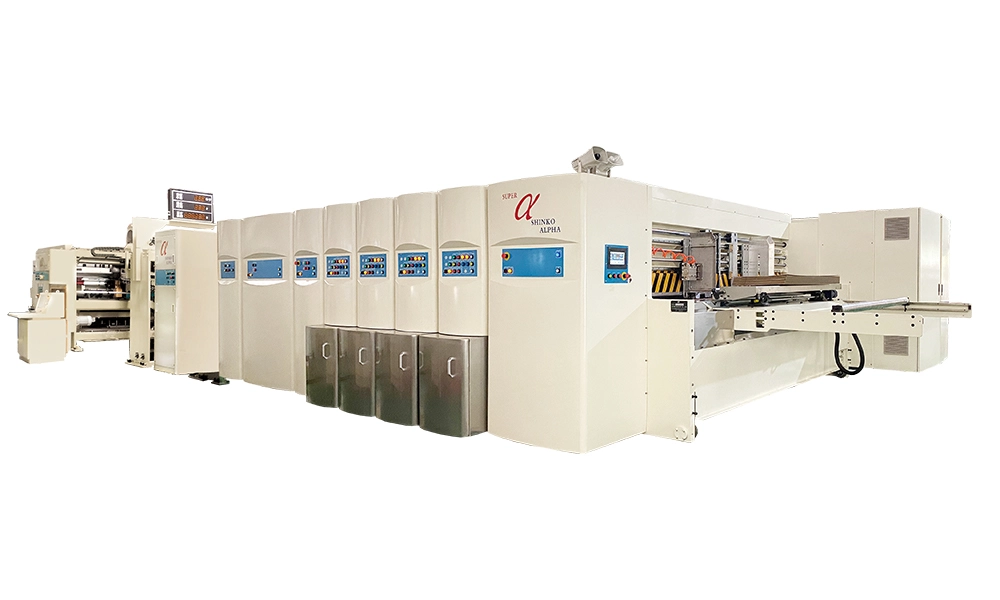
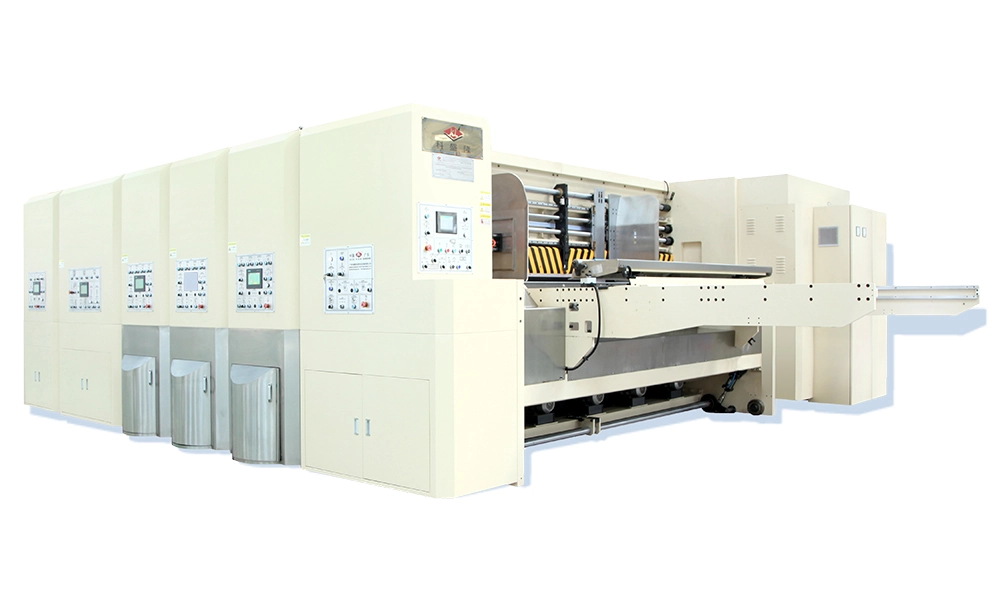
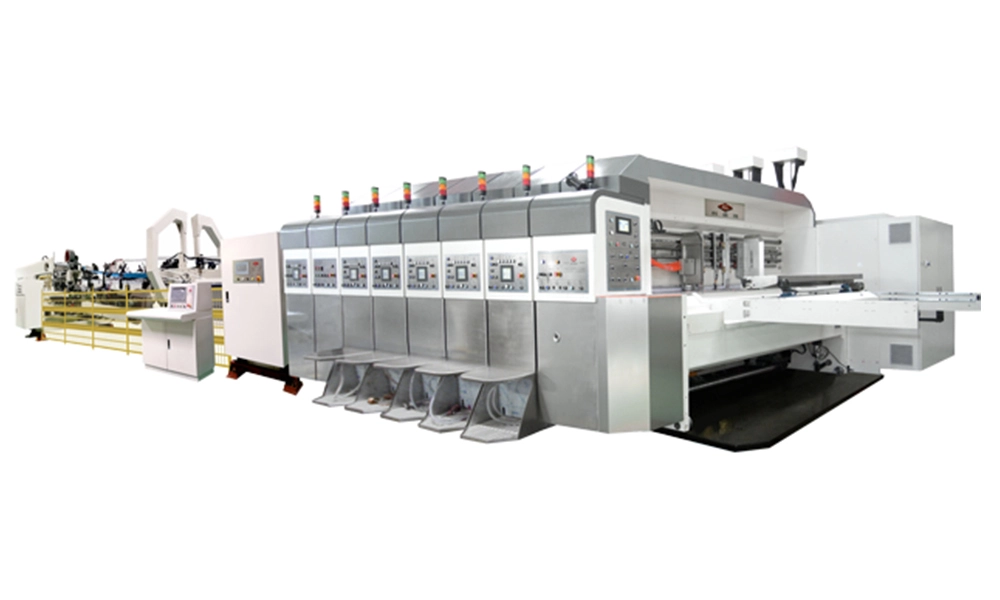
In-Line Flexo Presses: Designed for thicker substrates like corrugated cardboard, allowing integration of additional processes such as die-cutting, laminating, and coating. ((https://www.shinkomachinery.com/guides/flexo-printer-buying-guide.html))
3. What Key Features Should Be Considered When Purchasing a Flexo Press?
When evaluating a flexo press for purchase, consider the following features:
Number of Colors and Color Registration: The number of print stations determines how many colors can be applied in a single pass.
Automation and Computerized Controls: Features like computerized controls, recipe management, and quick job recall can enhance efficiency and reduce operator dependency. ((https://www.shinkomachinery.com/b2b-buyer-s-guide-to-flexographic-printing-equipment-keshenglong.html))
Drying Systems and Ink Compatibility: Efficient drying systems (hot air, IR, or UV where applicable) and compatibility with various inks help maintain print quality and reduce run defects. ((https://www.shinkomachinery.com/b2b-buyer-s-guide-to-flexographic-printing-equipment-keshenglong.html))
Web Handling, Tension Control, and Sheet Transfer: Consistent tension control and precise web handling reduce print defects and misregisters, especially at higher speeds or with wide web formats. ((https://www.shinkomachinery.com/b2b-buyer-s-guide-to-flexographic-printing-equipment-keshenglong.html))
4. How Do Flexo Presses Compare to Other Printing Methods?
Flexographic printing offers several advantages over other methods:
Versatility: Capable of printing on a wide range of substrates, including plastic, metallic films, cellophane, and paper.
Speed: Flexo presses are known for their high-speed capabilities, often reaching up to 750 meters per minute.
Cost-Effectiveness: Suitable for both short and long print runs, making them cost-effective for various production needs.
5. What Are the Maintenance Requirements for a Flexo Press?
Regular maintenance is essential for optimal performance:
Cleaning: Regular cleaning of components like the anilox roll and doctor blade ensures consistent ink transfer and print quality.
Inspection: Routine checks for wear and tear, especially on cylinders and rollers, help prevent unexpected downtime.
Calibration: Ensuring proper calibration of tension control and registration systems maintains print accuracy.
6. What Are the Advantages of Keshenglong and Shinko Flexo Presses?
Keshenglong and Shinko are renowned for their high-quality flexo presses, offering:
Advanced Technology: Incorporation of the latest advancements in flexographic printing technology.
Customization: Ability to tailor presses to specific production requirements.
Reliability: Proven track record of consistent performance and durability.
Comprehensive Support: Offering extensive training, maintenance services, and technical support to ensure optimal operation.
By understanding these components and considerations, businesses can make informed decisions when investing in a flexo press, ensuring enhanced productivity and print quality.
References:
Recommended for you
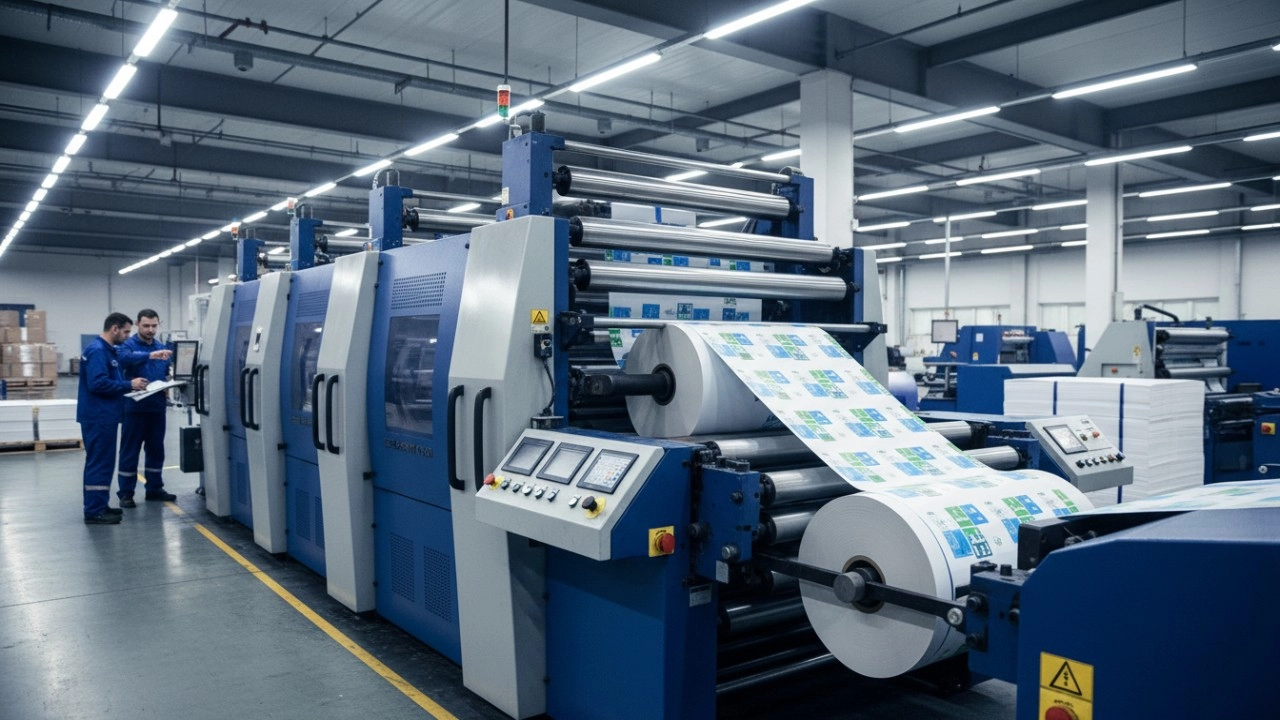
How to Optimize Your Flexo Printing Machine for Maximum Speed and Zero Defects
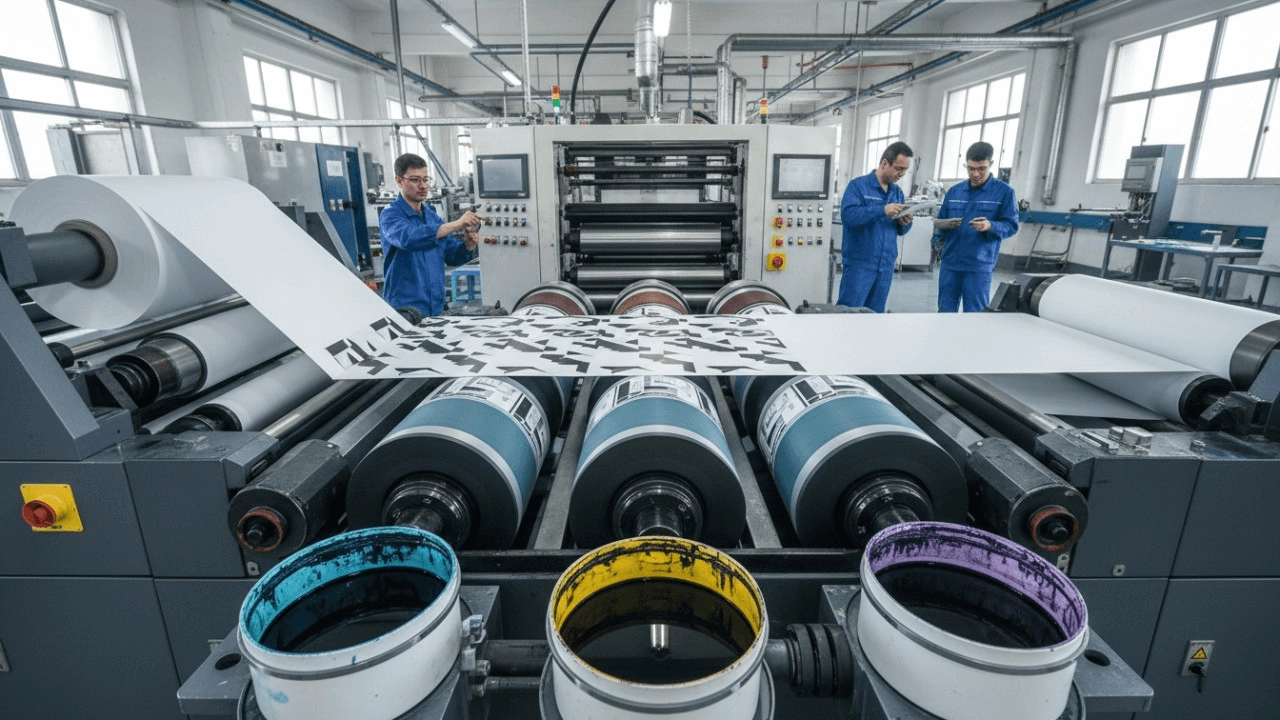
What is Flexographic Printing? The Ultimate Technical Guide & Process Breakdown (2025)
Top 10 Best Flexo Printer Manufacturers (2026): Reviews & Buying Guide
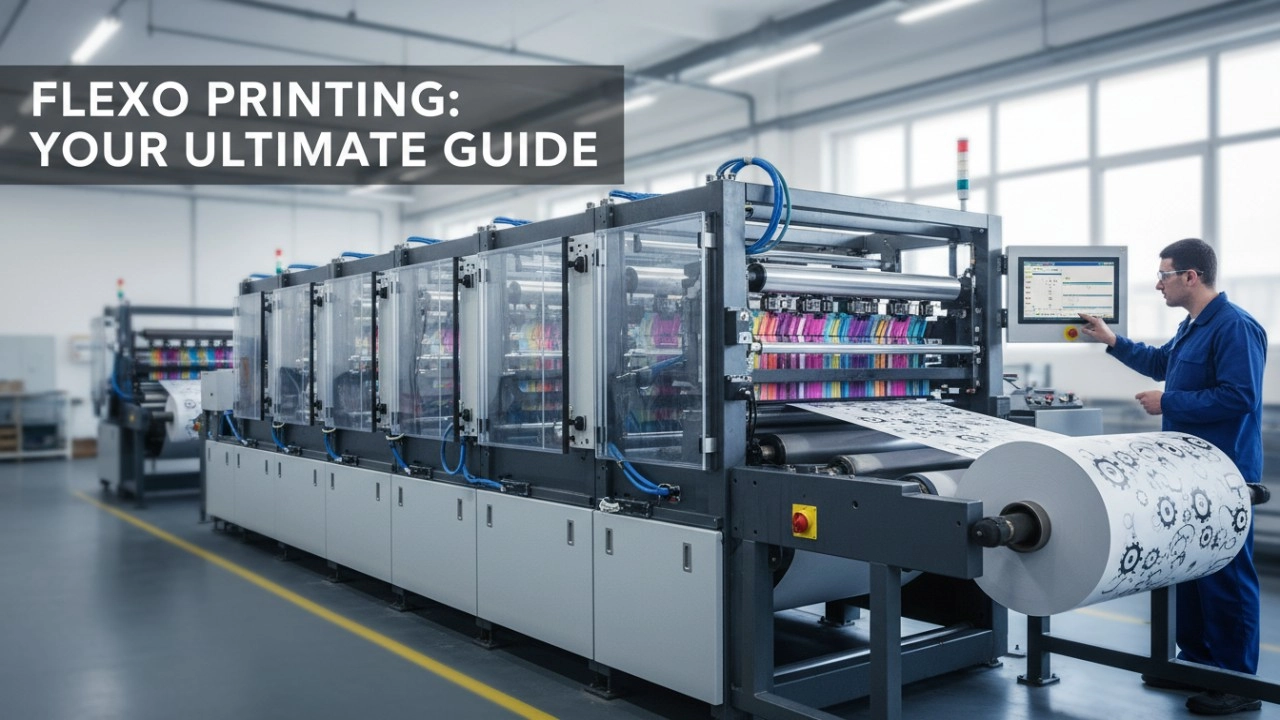
How to Select the Best Flexo Printing Press Manufacturer: A Data-Driven Checklist (2026 Edition)
High-Efficiency Flexo Press Solutions: A Complete Guide to Optimizing Your Packaging Production
Product
Are there safety features integrated into your machines?
Yes, our machines come equipped with multiple safety features including emergency stop buttons and safety guards.
How do I adjust the machine settings for different carton sizes?
Machine settings can be adjusted using the intuitive control panel, which allows for quick changes to accommodate different carton sizes.
Shipping
What is the estimated delivery time for your machines?
Delivery times vary based on location and order size, but we typically estimate 4-6 weeks for delivery.
How are your machines packaged for safe transportation?
Our machines are securely packaged using high-quality materials to prevent damage during transit.
Industry Solutions
What kind of technical support do you offer for industry applications?
We provide comprehensive technical support, including installation, maintenance, and troubleshooting services.
Leave a message
Have any questions or queries about our products? Please leave us a message here and our team will get back to you promptly.
* Rest assured that your privacy is important to us, and all information provided will be handled with the utmost confidentiality.


© 2025 Keshenglong & SHINKO All Rights Reserved.
Keshenglong Carton Packing Machine
Keshenglong Carton Packing Machine
Keshenglong Carton Packing Machine
Keshenglong Carton Packing Machine
Keshenglong Carton Packing Machine