
How does a flexo press differ from offset and digital printing?
Explore the distinctions between flexo, offset, and digital printing methods, and learn essential factors to consider when purchasing a flexo press, including cost, speed, substrate compatibility, and maintenance requirements.
- Understanding Flexo Printing: Key Differences and Considerations
- 1. What is Flexographic Printing?
- 2. How Does Flexo Printing Differ from Offset and Digital Printing?
- 3. What Are the Advantages of Flexo Printing?
- 4. What Should Be Considered When Purchasing a Flexo Press?
- 5. How Do Keshenglong and Shinko Stand Out in the Flexo Printing Industry?
Understanding Flexo Printing: Key Differences and Considerations
When considering the purchase of a flexo press, it's crucial to understand how flexographic printing compares to other methods like offset and digital printing. This knowledge will help you make an informed decision tailored to your production needs.
1. What is Flexographic Printing?
Flexographic printing, commonly known as flexo printing, utilizes flexible photopolymer plates wrapped around rotating cylinders. These plates transfer ink directly onto various substrates, including paper, plastic films, and corrugated board. This method is particularly well-suited for packaging applications due to its versatility and efficiency.
2. How Does Flexo Printing Differ from Offset and Digital Printing?
Offset Printing:
Process: In offset printing, ink is transferred from a metal plate to a rubber blanket and then onto the printing surface. This indirect transfer allows for high-quality prints on smooth, flat surfaces like paper and cardboard.
Applications: Offset printing is ideal for producing high-quality publications such as magazines, books, and brochures.
Digital Printing:
Process: Digital printing involves directly transferring digital images onto the substrate using inkjet or laser technology, eliminating the need for plates.
Applications: Digital printing is suitable for short to medium print runs, offering quick turnaround times and the ability to print variable data.
Flexographic Printing:
Process: Flexo printing uses flexible plates to transfer ink directly onto a wide range of substrates, including non-absorbent materials like plastic films and foils.
Applications: Flexo printing excels in packaging applications, producing labels, flexible packaging, and corrugated boxes.
3. What Are the Advantages of Flexo Printing?
Versatility: Flexo printing can handle a diverse array of substrates, from absorbent materials like paper to non-absorbent ones like plastic films and foils.
High-Speed Production: Modern flexo presses can operate at speeds up to 600 meters per minute, making them suitable for large-volume runs.
Cost-Effectiveness for Large Runs: While the initial setup cost for flexo printing is higher due to plate creation, the per-unit cost decreases significantly with longer print runs, making it economical for mass production.
4. What Should Be Considered When Purchasing a Flexo Press?
Substrate Compatibility: Ensure the press can handle the specific materials you intend to print on, including any special coatings or finishes.
Print Quality Requirements: Assess the level of detail and color accuracy needed for your products to determine if flexo printing meets your standards.
Production Volume: Consider the scale of your operations. Flexo printing is ideal for high-volume runs, so evaluate whether your production needs align with this capacity.
Maintenance and Support: Research the maintenance requirements of the press and the availability of technical support to minimize downtime and ensure consistent quality.
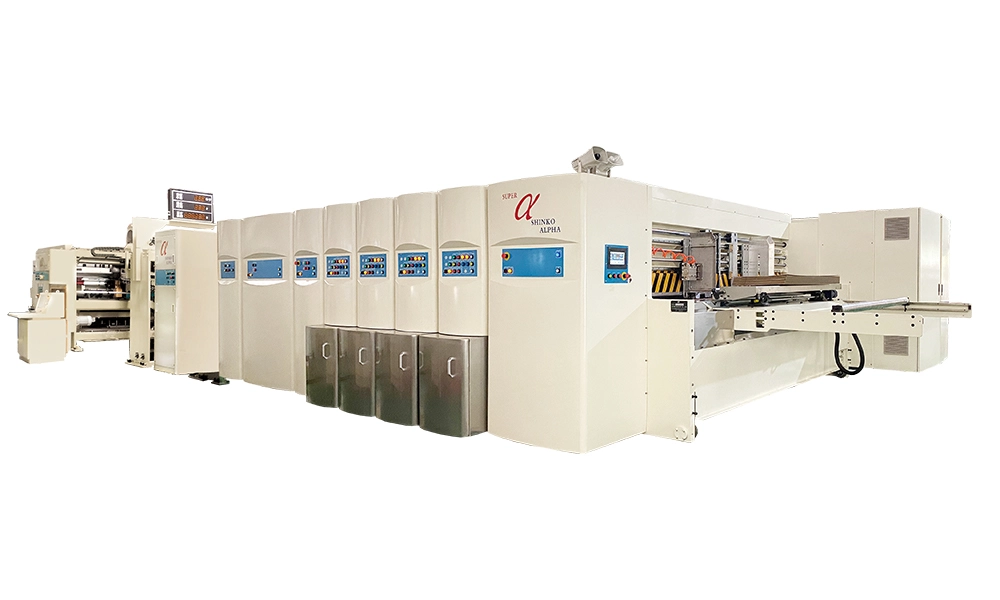
5. How Do Keshenglong and Shinko Stand Out in the Flexo Printing Industry?
Keshenglong and Shinko are renowned for their high-quality flexo presses that offer:
Advanced Technology: Incorporating the latest innovations to enhance print quality and operational efficiency.
Customization Options: Providing tailored solutions to meet specific production needs, including various substrate compatibilities and print configurations.
Reliable Support: Offering comprehensive customer service and technical assistance to ensure optimal performance and longevity of the equipment.
By understanding these aspects, you can make an informed decision when investing in a flexo press that aligns with your business objectives and production requirements.
References:
(https://www.newtopmachine.com/blog/flexo-vs-offset-printing-guide/)
(https://www.shinkomachinery.com/article/flexo-printer-vs-digital-press.html)
(https://serviceprintershawaii.com/2021/03/flexo-printing-vs-offset-printing/)
(https://acculabel.com/flexographic-vs-digital-label-printing-which-is-best-for-you/)
(https://gentlever.com/differences-between-flexographic-and-offset-printing/)
(https://www.flexography.org/industry-news/central-impression-press-buyers-guide/)
Note: The above references provide additional insights into the differences between flexo, offset, and digital printing methods, as well as considerations for purchasing flexo presses.
Recommended for you
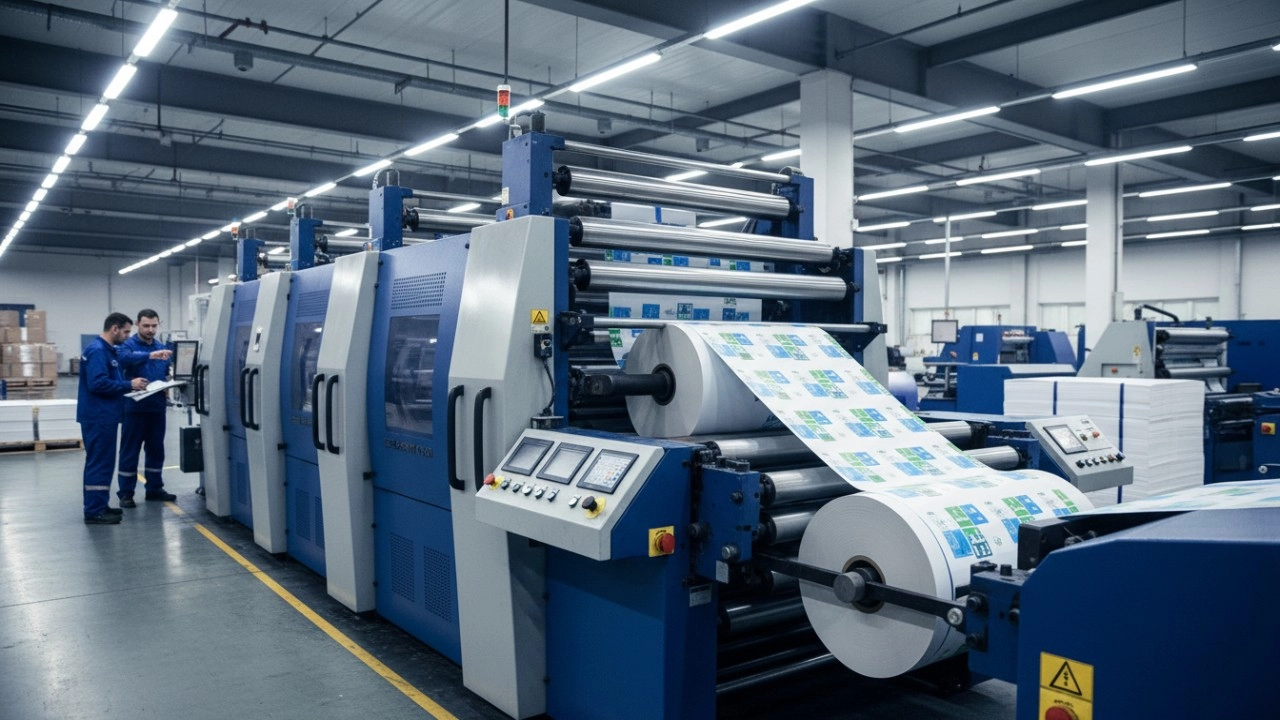
How to Optimize Your Flexo Printing Machine for Maximum Speed and Zero Defects
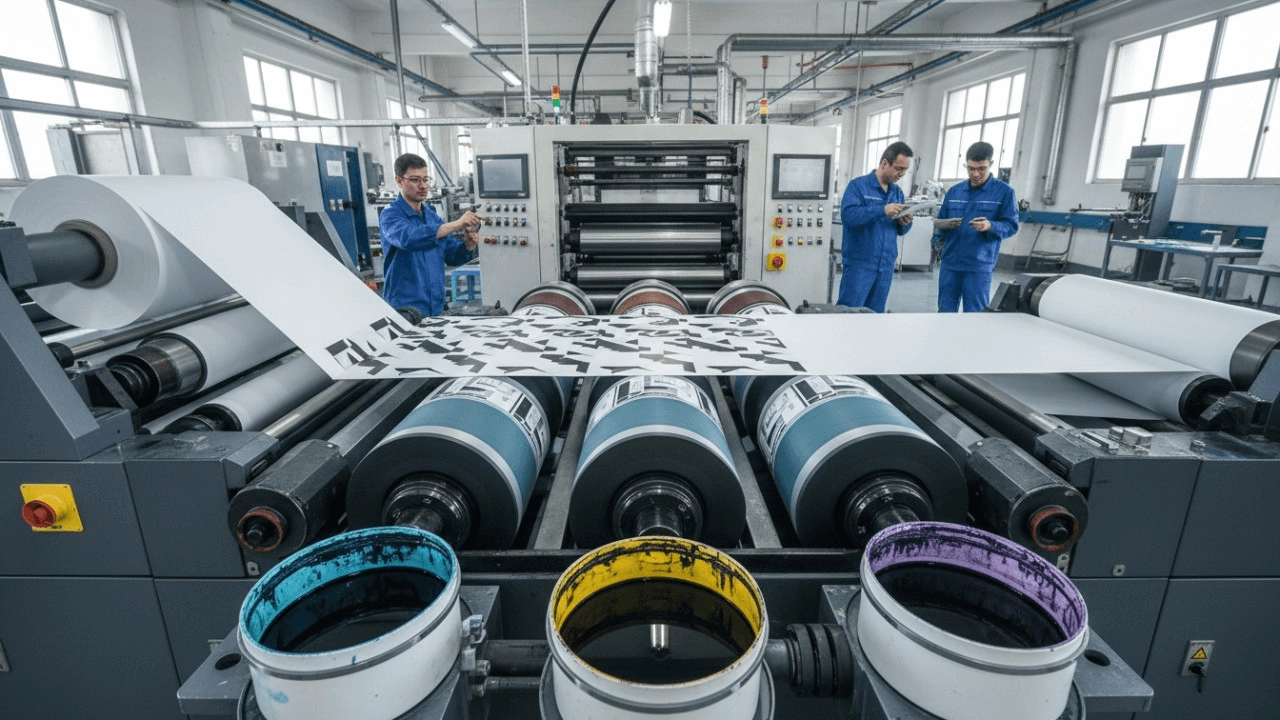
What is Flexographic Printing? The Ultimate Technical Guide & Process Breakdown (2025)
Top 10 Best Flexo Printer Manufacturers (2026): Reviews & Buying Guide
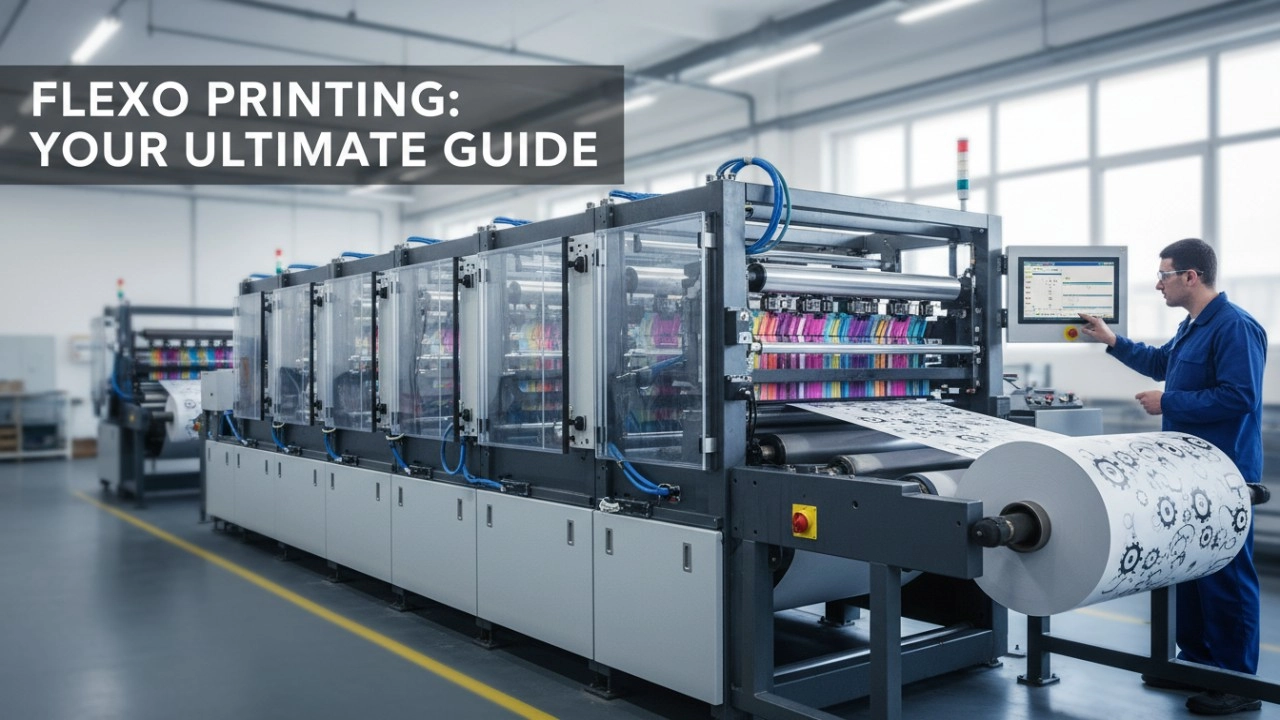
How to Select the Best Flexo Printing Press Manufacturer: A Data-Driven Checklist (2026 Edition)
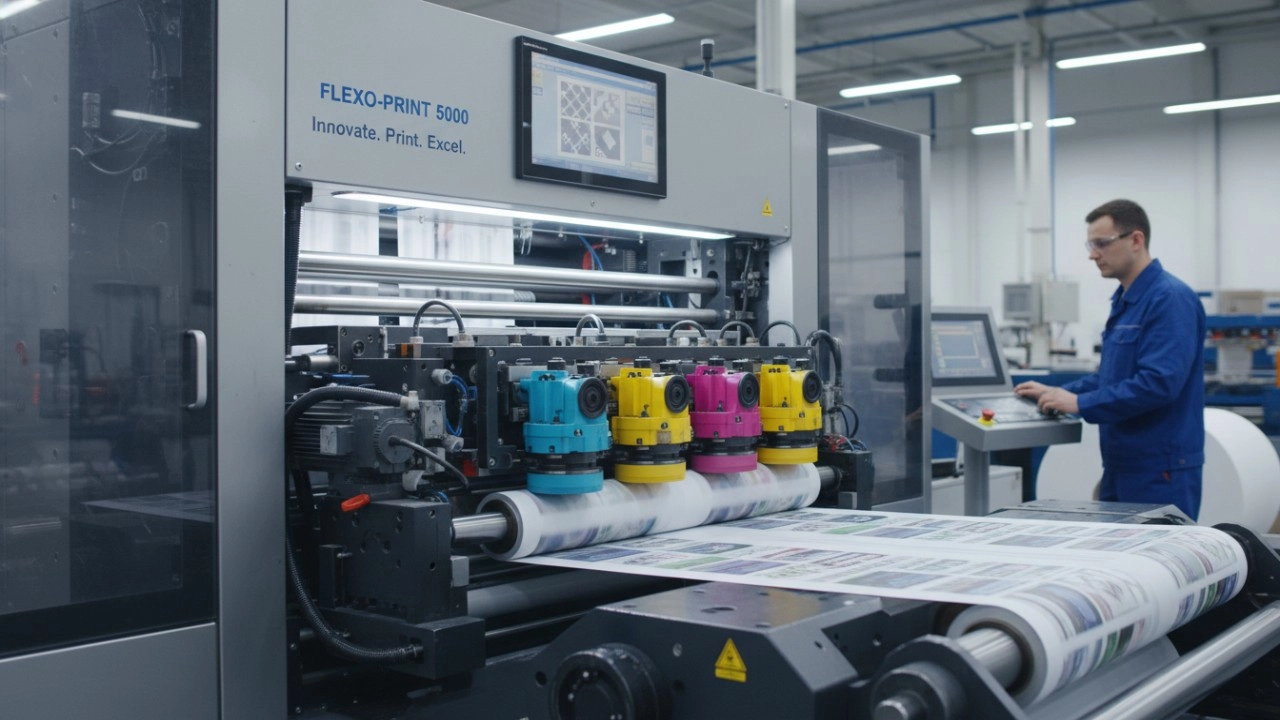
High-Efficiency Flexo Press Solutions: A Complete Guide to Optimizing Your Packaging Production
Industry Solutions
How can your folding carton machines benefit my packaging business?
Our machines increase production efficiency, reduce labor costs, and ensure high-quality, consistent carton production.
How do your machines comply with industry standards and regulations?
Our machines are manufactured to meet or exceed industry standards and regulations, ensuring safe and compliant operation.
What is the lifespan of your folding carton machines?
With proper maintenance, our machines are built to last for many years, providing long-term value for your investment.
Product
Can your machines handle custom carton designs?
Yes, our machines can be customized to handle various carton designs and specifications.
Shipping
What is the estimated delivery time for your machines?
Delivery times vary based on location and order size, but we typically estimate 4-6 weeks for delivery.
Leave a message
Have any questions or queries about our products? Please leave us a message here and our team will get back to you promptly.
* Rest assured that your privacy is important to us, and all information provided will be handled with the utmost confidentiality.


© 2025 Keshenglong & SHINKO All Rights Reserved.
Keshenglong Carton Packing Machine
Keshenglong Carton Packing Machine
Keshenglong Carton Packing Machine
Keshenglong Carton Packing Machine
Keshenglong Carton Packing Machine