
How to Choose the corrugated carton box printing machine manufacturer and supplier in us?
- Introduction: Why choosing the right corrugated carton box printing machine supplier matters
- Understand buyer intent: what most US buyers are searching for
- Key criteria when evaluating a corrugated carton box printing machine manufacturer
- 1) Machine capability and configuration
- 2) Print quality and pre-press support
- 3) Automation, digital controls, and Industry 4.0 readiness
- 4) Build quality and main part sourcing
- 5) After-sales service, spare parts and training
- 6) Warranty, uptime guarantees and SLAs
- 7) Energy efficiency and sustainability
- 8) Total cost of ownership (TCO) and ROI analysis
- How to compare suppliers: practical steps and document checklist
- Document checklist for RFQ and evaluation
- Comparing machine types: flexo vs. hybrid vs. digital (table)
- Why supplier origin and partnerships matter: a practical lens
- Case example: Why Keshenglong can be considered as a supplier
- What to verify about Keshenglong (or similar manufacturers)
- How to evaluate samples, factory acceptance and site acceptance testing
- Suggested FAT checklist
- Negotiation tips: warranty, spare parts, training and financing
- Expected timeline from order to production-ready
- Sample ROI calculation (simplified)
- Conclusion: a practical checklist to take to supplier meetings
- Frequently Asked Questions
- References and sources
Introduction: Why choosing the right corrugated carton box printing machine supplier matters
Selecting the right corrugated carton box printing machine manufacturer and supplier in the US is a decision that affects print quality, production cost, uptime, and long-term competitiveness. With e-commerce growth, stricter sustainability requirements, and higher branding expectations, buyers need machines that deliver sharp flexo print, high throughput, and reliable local support.
Understand buyer intent: what most US buyers are searching for
When buyers search corrugated carton box printing machine manufacturer and supplier in US, their intent usually includes three things: sourcing machines that meet production (speed/width/color) requirements, ensuring reliable local support and fast spare parts supply, and confirming strong ROI and compliance (safety/energy/sustainability). This guide addresses those intents with practical evaluation steps and a vendor checklist.
Key criteria when evaluating a corrugated carton box printing machine manufacturer
Evaluating manufacturers requires both technical and commercial checks. Use the following criteria as a shortlist for comparing vendors:
1) Machine capability and configuration
Check whether the manufacturer offers the machine types you need: 1–6 color flexo printers, combined printing-slotting-die-cutting lines, top & bottom printing slotters, jumbo-size units, and computerized high-speed case makers. Consider print registration accuracy, maximum web width, maximum speed (m/min), and color station options.
2) Print quality and pre-press support
Ask for machine samples and test runs. Good suppliers provide ICC color profiles, anilox specifications, and proof/sample printing for your artwork. Ensure they can support flexo plate making, color management, and press profiling.
3) Automation, digital controls, and Industry 4.0 readiness
Modern corrugated presses often include computerized register control, automated job memory, remote diagnostics, and connectivity for production data. These features reduce setup time and increase OEE (Overall Equipment Effectiveness).
4) Build quality and main part sourcing
Verify where critical components come from (gears, bearings, servo systems, PLCs). Manufacturers that import main parts from established vendors (e.g., Japanese suppliers) and keep tight QC typically deliver longer-lasting machines.
5) After-sales service, spare parts and training
Local support is crucial in the US market. Confirm the supplier’s service network, spare parts lead times, training offerings for operators and maintenance staff, and options for preventive maintenance contracts.
6) Warranty, uptime guarantees and SLAs
Negotiate clear warranty terms and Service Level Agreements (SLA) for critical parts and response times. SLA metrics (e.g., 24/48-hour support) should be realistic for your location.
7) Energy efficiency and sustainability
With sustainability standards rising, machines with lower energy consumption and reduced setup waste (less plate wear, automated waste minimization) will lower operating costs and support ESG goals.
8) Total cost of ownership (TCO) and ROI analysis
Focus on TCO — purchase price is only part of the equation. Include spare parts, consumables (plates, anilox rolls), downtime risk, energy, operator training, and expected production to calculate payback period and ROI.
How to compare suppliers: practical steps and document checklist
Follow a structured process to compare competing suppliers objectively. Use this checklist during RFQs and factory visits.
Document checklist for RFQ and evaluation
- Complete technical spec sheet (max speed, web width, color stations)
- Sample printed boards and job changeover videos
- List of main part vendors and origin (motors, PLCs, bearings)
- Spare parts list and recommended stock levels
- Warranty and SLA documents
- Training plan and on-site commissioning details
- Energy consumption data and air/water requirements
- References from existing US customers
Comparing machine types: flexo vs. hybrid vs. digital (table)
When choosing a machine, understanding the trade-offs helps. The table below compares common options used for corrugated carton printing.
| Machine Type | Best for | Print Quality | Speed / Throughput | Typical ROI Considerations |
|---|---|---|---|---|
| Flexo (1–6 color) | High-volume corrugated cartons, brand printing | High (with good plates & anilox) | High (continuous web up to factory speeds) | Lower cost per 1,000 pcs at scale; plate costs and running temps matter |
| Hybrid (Flexo + Digital) | Short runs + variable data + higher color complexity | Very good; digital enables variable elements | Moderate (depends on digital head count) | Higher CAPEX, flexible SKU management, less plate waste |
| All-digital (inkjet) | Short runs, personalization, prototypes | Excellent for photo and short-run graphics | Lower than flexo for high volumes | Higher ink costs; ideal for SKUs with frequent changeovers |
Why supplier origin and partnerships matter: a practical lens
Suppliers that keep R&D or key partnerships with engineering centers in Japan, Germany, or other advanced manufacturing hubs typically offer better mechanical precision and longer machine life. Also consider whether the vendor has an established US service presence or certified partners for faster support.
Case example: Why Keshenglong can be considered as a supplier
Keshenglong, founded in 1995 and merged with Japan Shinko (R&D & production base) in 2017, specializes in manufacturing corrugated carton printing and packaging machinery. Their product lines include flexo printers, computerized high-speed flexo slotting die-cutting machines (1–6 color), computerized high-speed flexo case makers, and jumbo-size flexo printing slotting die-cutting machines.
What to verify about Keshenglong (or similar manufacturers)
- Confirm main part sourcing and which parts are manufactured in Japan vs. China.
- Request references for installations in the US and Europe.
- Ask for on-site installation, debug, and training plans for US customers.
- Verify export controls, spare parts shipping lead times, and whether local stocking is available.
How to evaluate samples, factory acceptance and site acceptance testing
Factory Acceptance Test (FAT) and Site Acceptance Test (SAT) are critical. During FAT, you should witness pre-defined test runs with your substrates and artworks. Check register accuracy over long runs, color repeatability, waste rates during changeover, and ease of cleaning.
Suggested FAT checklist
- Run at least one typical job and one worst-case job.
- Measure register accuracy over a 10,000-sheet run.
- Validate job memory function: time to changeover and waste produced.
- Verify remote diagnostics link and software versions.
- Test emergency stop, safety interlocks, and operator ergonomics.
Negotiation tips: warranty, spare parts, training and financing
Negotiate beyond price—focus on warranty scope, spare-parts consignment, training, and financing options. Ask vendors to include a spare-parts kit for the first 12 months and request a service response SLA. For larger purchases, consider leasing or equipment financing to manage cashflow.
Expected timeline from order to production-ready
Typical lead times vary by complexity and vendor capability. A straight flexo press might ship in 8–20 weeks; more complex integrated printing-slotting lines can take 16–40 weeks including FAT and shipping. Add 2–6 weeks for on-site installation and commissioning. Plan spare parts stocking and local technical training in advance to reduce ramp-up time.
Sample ROI calculation (simplified)
When choosing a vendor, prepare a simple ROI model including:
- CAPEX (machine price, installation, shipping)
- Annual production volume (sheets/year)
- Variable cost per 1,000 (plates, ink, anilox wear)
- Fixed annual cost (maintenance, energy)
- Expected uptime improvement or waste reduction vs. current equipment
Use conservative estimates for uptime improvement; even a 5–10% increase in OEE can significantly shorten payback on high-throughput lines.
Conclusion: a practical checklist to take to supplier meetings
Use this final checklist when meeting manufacturers or suppliers in the US:
- Bring sample board files and substrates for FAT tests.
- Request documented spare parts lead times and local stocking plans.
- Confirm where main parts are sourced and who provides R&D support.
- Get references and visit an installed site if possible.
- Negotiate SLA, spare-kits, and operator training in the contract.
- Prepare a TCO model and require the supplier to validate key assumptions.
Choosing the right corrugated carton box printing machine manufacturer and supplier in the US is a mix of technical validation, service capability, and validated references. Manufacturers like Keshenglong — with decades of experience, Japan-linked R&D, and global export history — are viable candidates if they meet your local support and parts availability needs. Use the structured evaluation steps above to compare vendors objectively and minimize procurement risk.
Frequently Asked Questions
Q: What machine types should a medium-sized corrugated box shop consider?A: For medium shops producing a mix of medium-to-high volumes, a 2–4 color high-speed flexo press with a computerized register and fast job memory is usually ideal. Consider hybrid options if you need frequent short runs or variable data.
Q: How important is local spare parts inventory when buying from a foreign manufacturer?A: Extremely important. Local spare parts inventory reduces downtime and shipping cost. If the manufacturer can offer a US-based parts hub or certified local stocking partner, it significantly lowers operational risk.
Q: Can flexo printing match litho or digital for brand-quality graphics?A: Modern flexo with high-quality anilox rolls, fine plates, and color management can match most brand requirements for corrugated packaging. For photographic or short-run personalized prints, hybrid or digital enhancements may be better.
Q: How long is a typical payback period for corrugated printing equipment?A: Payback varies widely by production volume and efficiency gains. For high-volume flexo lines, payback often falls in 2–4 years if the machine increases throughput and reduces waste. Run a detailed TCO model to estimate your case.
Q: What certifications or standards should I ask a supplier about?A: Ask about CE/UL/ISO certifications, safety interlocks and machine guarding standards, and any energy efficiency documentation. Also check compliance with local emission guidelines if solvents are used.
References and sources
- U.S. Census Bureau — Annual E‑commerce Retail Sales reporting (accessed Jun 2024): https://www.census.gov/retail/index.
- Smithers — Packaging industry market insights and corrugated packaging reports (accessed Jun 2024): https://www.smithers.com/industries/packaging
- Grand View Research — Corrugated boxes market overview and trends (accessed Jun 2024): https://www.grandviewresearch.com/industry-analysis/corrugated-boxes-market
- FEFCO — European Corrugated Packaging Association (best practices and technical guidance) (accessed Jun 2024): https://www.fefco.org
- Keshenglong company information provided by customer & company materials (company founded 1995, merged with Japan Shinko in 2017; exports to 70+ countries) (accessed Jun 2024): https://www.keshenglong.com
Where to Buy Rotary Die Cutting Machine in Delhi
Tips for Wholesale flexo printing slotting and die cutting machine
How to Choose Right flexo folder gluer corrugated manufacturer and supplier ?
The 10 Key Factors in flexo folder gluer That Affect Cost
Product
Can your machines handle custom carton designs?
Yes, our machines can be customized to handle various carton designs and specifications.
Shipping
Can I track my shipment once it has been dispatched?
Yes, we provide tracking information for all shipments so you can monitor the delivery status.
Do you offer international shipping for your machines?
Yes, we offer international shipping and can handle all necessary customs documentation.
How are your machines packaged for safe transportation?
Our machines are securely packaged using high-quality materials to prevent damage during transit.
Industry Solutions
Can your machines be integrated with digital printing technology?
Yes, our machines are compatible with digital printing systems for custom, high-quality printing on cartons.
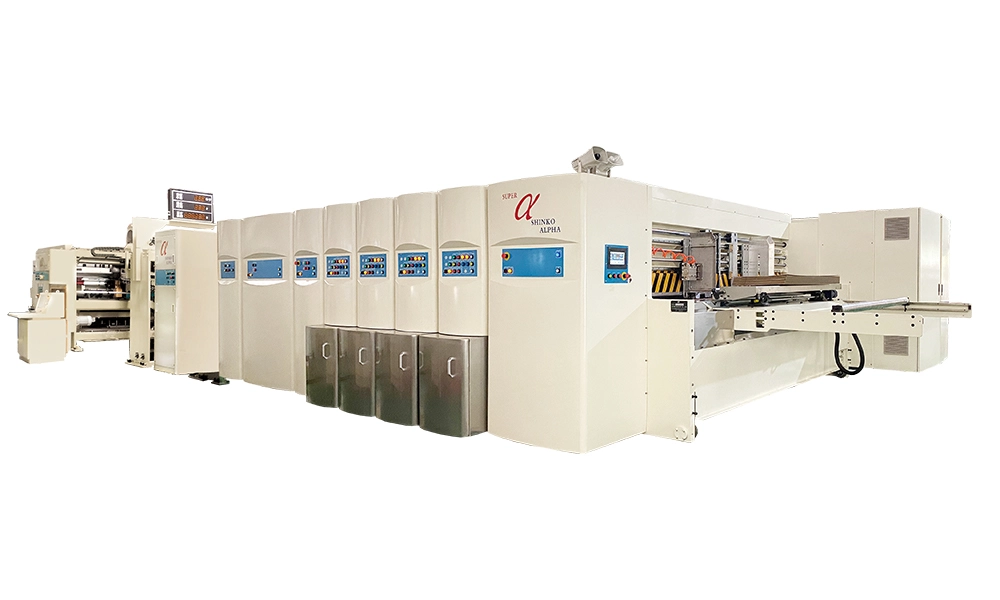
Shinko Super Alpha Movable Type Full Servo Drive Flexo Printing Slotting Die Cutting Inline Folding Gluing Counting Ejecting Machine
This state-of-the-art Movable Type Full Servo Drive Flexo Printing Slotting Die Cutting Machine streamlines your production with precision. Experience seamless operation with its Inline Folding Gluing Counting Ejecting capabilities, ensuring unparalleled efficiency. Designed for high-performance tasks, this Keshenglong&Shinko Super Alpha Movable Type Full Servo Drive Flexo Printing Slotting Die Cutting Inline Folding Gluing Counting Ejecting Machine enhances productivity while maintaining premium quality. Ideal for businesses seeking innovation and reliability, the Shinko Super Alpha is your go-to solution for advanced printing and cutting needs.
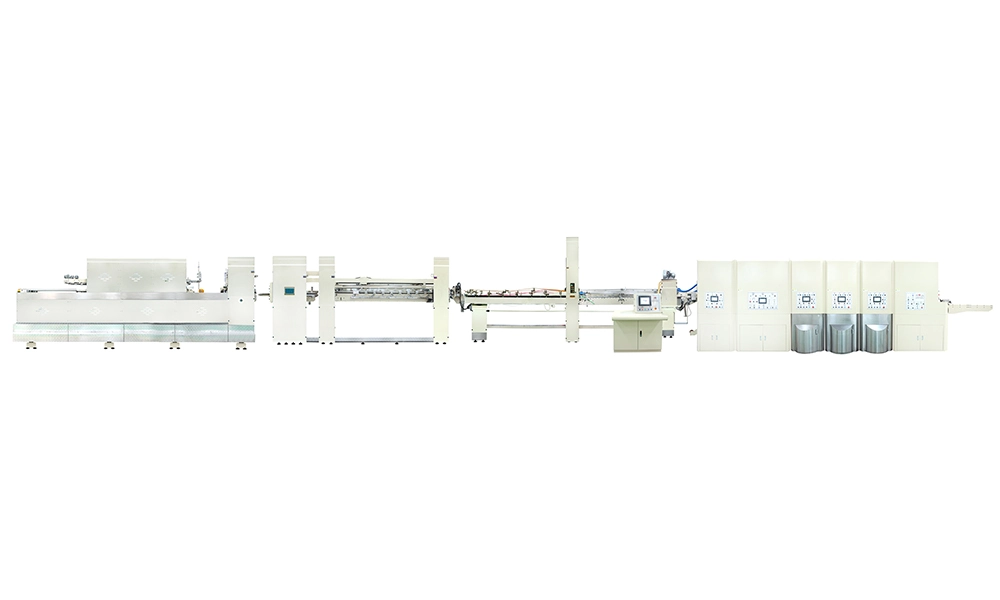
Computerized Flexo Printing Slotting Die-Cutting Inline Folding Gluing and Stitching Machine
Introducing the Keshenglong&Shinko Computerized Flexo Printing Slotting Die-Cutting Inline Folding Gluing and Stitching Machine, a pinnacle of precision and efficiency. This state-of-the-art machine revolutionizes packaging production with seamless integration of printing, slotting, die-cutting, folding, gluing, and stitching. Designed to optimize your workflow, the Computerized Flexo Printing Slotting Die-Cutting Machine enhances accuracy and productivity.
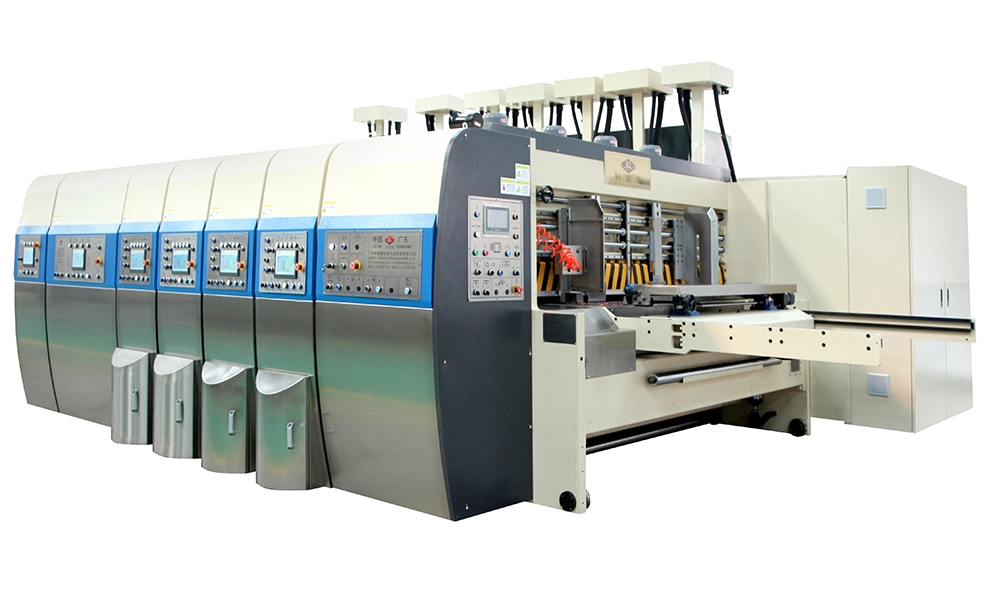
Computerized Flexo Top Bottom Printing Slotting Die-Cutting Machine
Introducing the Keshenglong&Shinko Computerized Flexo Top Bottom Printing Slotting Die-Cutting Machine, designed to enhance your packaging efficiency. Engineered for precision, this high-performance machine offers seamless integration of flexo printing and die-cutting processes. Perfect for a variety for packaging needs, it ensures superior quality and productivity. With user-friendly controls and robust construction, it guarantees reliable operation and minimal downtime. Optimize your production line with Keshenglong’s trusted technology. Explore advanced capabilities with our Flexo Top Bottom Printing Slotting Die-Cutting Machine today.
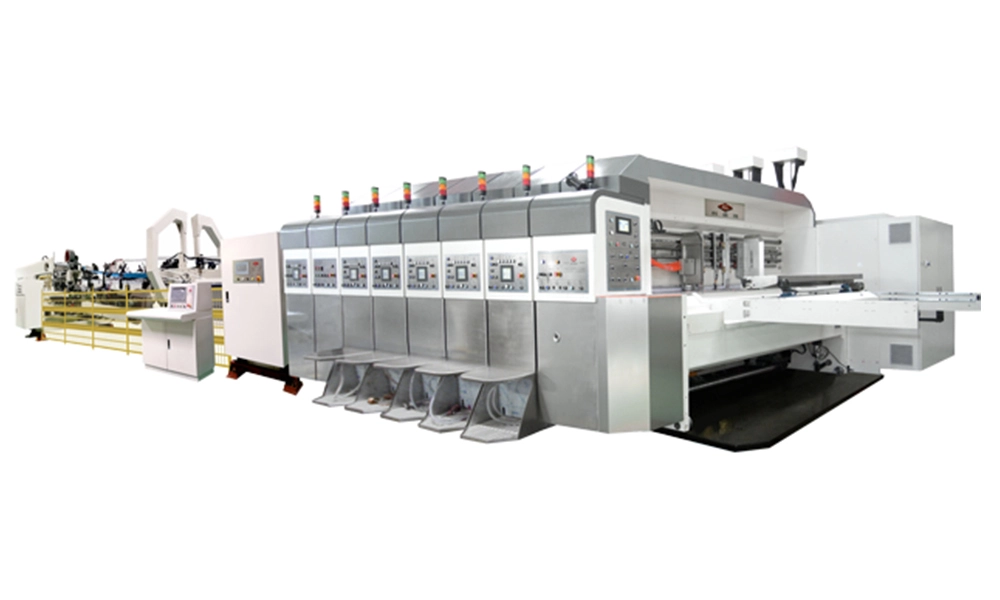
Computerized Flexo Printing Slotting Die-Cutting Inline Folding Gluing Countering Ejecting Machine Repeatable
Introducing the Keshenglong Computerized Flexo Printing Slotting Die-Cutting Inline Folding Gluing Countering Ejecting Machine. This advanced equipment delivers precision and efficiency for all your packaging needs. Perfectly designed for high-speed operations, it ensures seamless integration with your production line. Enhance productivity with our innovative technology that guarantees accurate printing, slotting, and die-cutting.


© 2025 Keshenglong & SHINKO All Rights Reserved.
Keshenglong Carton Packing Machine
Keshenglong Carton Packing Machine
Keshenglong Carton Packing Machine
Keshenglong Carton Packing Machine
Keshenglong Carton Packing Machine