
What are sustainability options in flexographic printing?
Explore sustainable practices in flexographic printing, including eco-friendly materials, energy-efficient technologies, and waste reduction strategies, to enhance environmental responsibility and operational efficiency.
- Sustainable Practices in Flexographic Printing: A Comprehensive Guide
- 1. What are the key sustainable practices in flexographic printing?
- 2. How does flexographic printing compare to other printing methods in terms of sustainability?
- 3. What are the benefits of using water-based inks in flexographic printing?
- 4. How can flexographic printers reduce waste during production?
- 5. What role do elastomer sleeves play in sustainable flexographic printing?
- 6. How can flexographic printers improve energy efficiency?
- 7. What are the challenges in adopting sustainable practices in flexographic printing?
- 8. How can companies measure the success of their sustainability initiatives in flexographic printing?
- Conclusion: Advantages of Keshenglong & Shinko in Sustainable Flexographic Printing
Sustainable Practices in Flexographic Printing: A Comprehensive Guide
Flexographic printing, a widely used method for packaging and labeling, is increasingly adopting sustainable practices to meet environmental demands and improve operational efficiency. This guide addresses common questions regarding sustainability in flexographic printing, providing insights into eco-friendly materials, energy-efficient technologies, and waste reduction strategies.
1. What are the key sustainable practices in flexographic printing?
Flexographic printing incorporates several sustainable practices, including:
Use of Water-Based Inks: These inks release fewer volatile organic compounds (VOCs) into the atmosphere, reducing air pollution and improving indoor air quality.
Adoption of UV-Curable Inks: UV inks cure instantly under ultraviolet light, eliminating the need for extended drying times and reducing energy consumption.
Utilization of Recyclable Substrates: Employing biodegradable and recyclable materials, such as plant-based films and recycled paper, aligns with consumer preferences for sustainable packaging solutions.
Implementation of Energy-Efficient Technologies: Incorporating LED UV curing systems and other energy-saving technologies lowers electricity consumption and decreases carbon emissions.
2. How does flexographic printing compare to other printing methods in terms of sustainability?
Flexographic printing is considered more sustainable than methods like gravure, litho, screen, and offset printing due to:
Efficient Ink Usage: Flexo uses a thin layer of ink, resulting in minimal waste compared to traditional methods.
Adaptability to Eco-Friendly Materials: Flexo can accommodate water-based inks and recyclable substrates, enhancing its environmental appeal.
Reduced Energy Consumption: Advanced flexo technologies, such as LED UV curing systems, consume less energy than traditional drying methods.
3. What are the benefits of using water-based inks in flexographic printing?
Water-based inks offer several advantages:
Lower VOC Emissions: They emit fewer VOCs, improving air quality and reducing environmental impact.
Safer Disposal: These inks are easier to dispose of, contributing to a cleaner environment.
Enhanced Print Quality: Water-based inks can provide vibrant colors and sharp images, meeting high-quality standards.
4. How can flexographic printers reduce waste during production?
Printers can minimize waste by:
Implementing Closed-Loop Systems: Recycling water, ink, and solvents during the printing process conserves resources and lowers operational costs.
Utilizing Recyclable Substrates: Choosing materials that can be recycled reduces landfill waste and supports a circular economy.
Optimizing Print Runs: Efficient planning and setup reduce errors and misprints, leading to less material waste.
5. What role do elastomer sleeves play in sustainable flexographic printing?
Elastomer sleeves contribute to sustainability by:
Enhancing Durability: They offer longer-lasting print runs, reducing the need for frequent replacements.
Enabling Recycling: Elastomer sleeves can be ground down, recovered, and re-engraved for new images, minimizing waste.
Reducing Chemical Use: Their design minimizes the need for hazardous chemicals in the printing process.
6. How can flexographic printers improve energy efficiency?
Energy efficiency can be improved by:
Adopting LED UV Curing Systems: These systems require less energy compared to traditional drying methods, lowering electricity consumption and carbon emissions.
Regular Maintenance: Ensuring equipment is well-maintained optimizes performance and reduces energy waste.
Implementing Energy-Efficient Practices: Training staff on energy-saving techniques and monitoring energy usage can lead to significant reductions in consumption.
7. What are the challenges in adopting sustainable practices in flexographic printing?
Challenges include:
Initial Investment Costs: Upgrading to sustainable technologies may require significant upfront investment.
Training Requirements: Staff may need training to operate new equipment and understand sustainable practices.
Supply Chain Coordination: Ensuring that all materials and processes align with sustainability goals can be complex.
8. How can companies measure the success of their sustainability initiatives in flexographic printing?
Success can be measured by:
Monitoring Waste Reduction: Tracking decreases in material waste and improved recycling rates.
Assessing Energy Consumption: Comparing energy usage before and after implementing sustainable practices.
Evaluating Print Quality: Ensuring that sustainability efforts do not compromise the quality of the final product.
Conclusion: Advantages of Keshenglong & Shinko in Sustainable Flexographic Printing
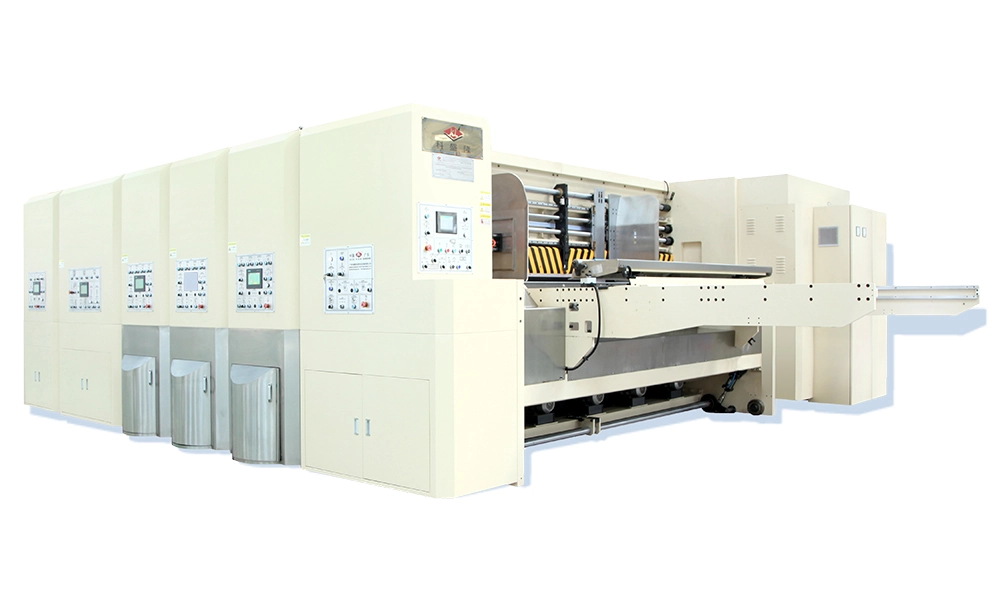
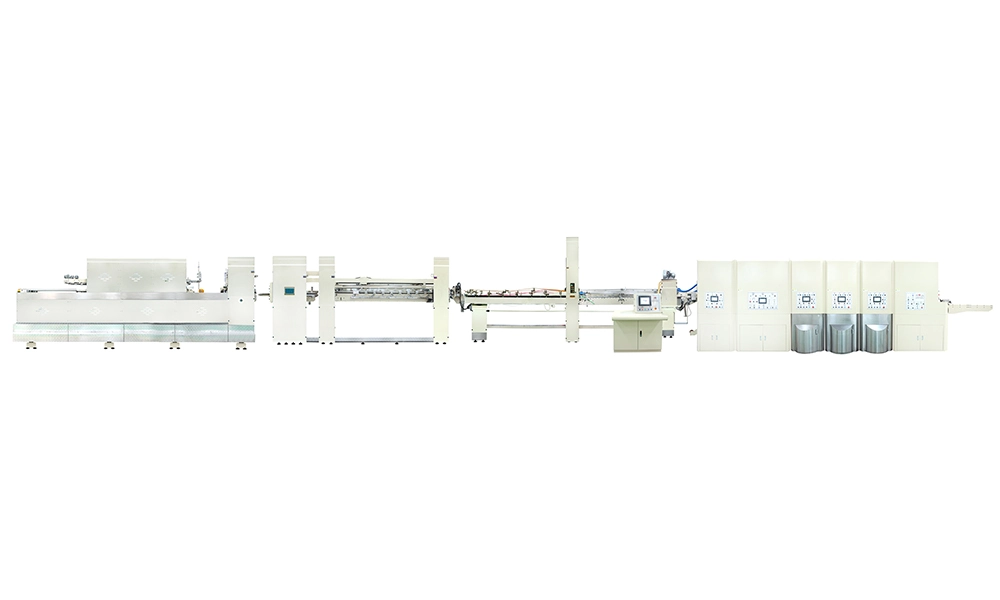
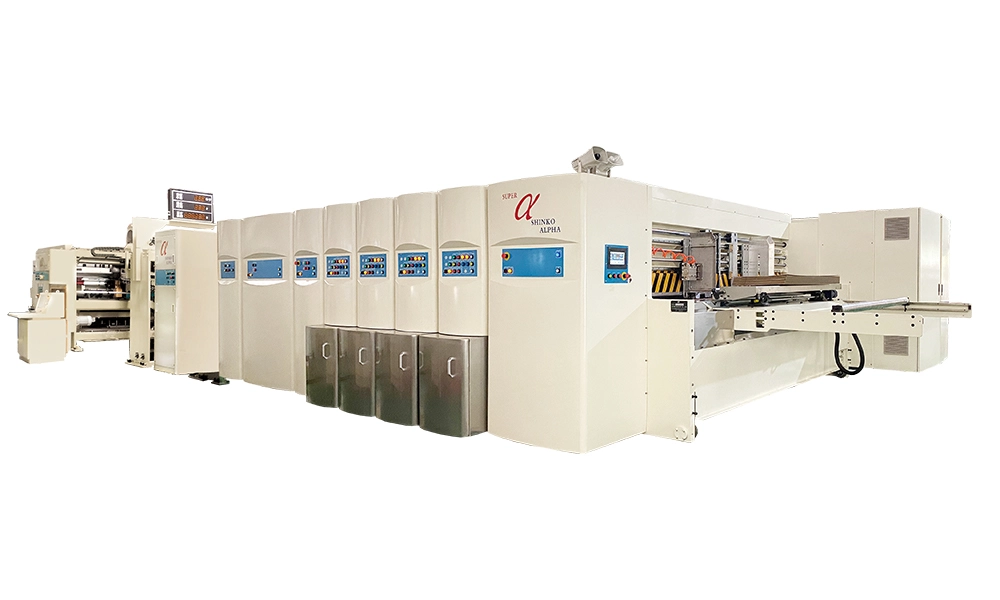
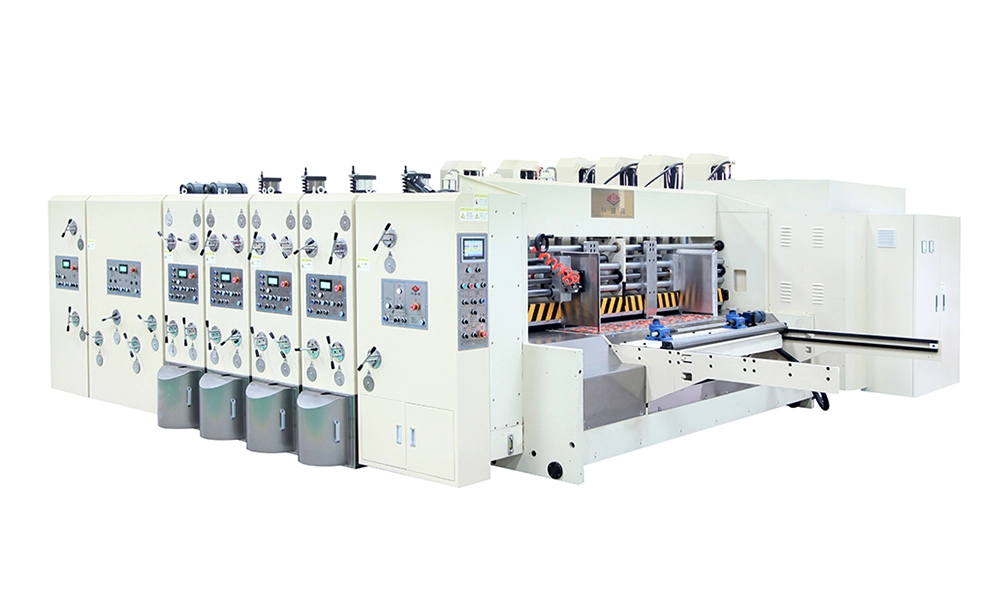
Keshenglong and Shinko are leading the way in sustainable flexographic printing by offering innovative solutions that enhance environmental responsibility and operational efficiency. Their commitment to eco-friendly practices includes:
Advanced Technology: Providing state-of-the-art equipment that supports sustainable printing methods.
Comprehensive Support: Offering training and resources to help businesses implement sustainable practices effectively.
Continuous Innovation: Continuously developing new technologies and materials that reduce environmental impact and improve print quality.
By partnering with Keshenglong and Shinko, companies can achieve their sustainability goals while maintaining high standards of print quality and operational efficiency.
References:
Flexographic Technical Association. (n.d.). Sustainable Flexography. Retrieved December 23, 2025, from https://www.flexography.org/training-resources/resource-library/sustainable-flexography/
Anderson & Vreeland. (2025, May 12). The Future of Sustainable Printing: Eco-Friendly Solutions for Flexographic Printers. Retrieved December 23, 2025, from https://andersonvreeland.com/the-future-of-sustainable-printing/
tesa. (2025, November 23). How to make your flexographic printing more sustainable. Retrieved December 23, 2025, from https://go.tesa.com/en/blog/how-to-make-your-flexographic-printing-more-sustainable
Luminite. (2022, January 24). Which Printing Method is the Most Sustainable? Retrieved December 23, 2025, from https://blog.luminite.com/blog/sustainable-printing-methods-flexo-screen-gravure-litho-offset
Focus Label Machinery Ltd. (2023, November 23). Make Your Production Sustainable With Flexographic Printing. Retrieved December 23, 2025, from https://blog.focuslabel.com/make-your-production-sustainable-with-flexographic-printing
Luminite. (2020, August 19). Top 4 List of Sustainable Packaging Materials for Flexo Printing. Retrieved December 23, 2025, from https://blog.luminite.com/blog/top-4-list-of-sustainable-packaging-materials-for-flexo-printing
NextGen Energy. (2025, December 10). Flexographic Printing Market Outlook 2025–2032. Retrieved December 23, 2025, from https://www.youtube.com/watch?v=2GDWx2wUzMs
Recommended for you
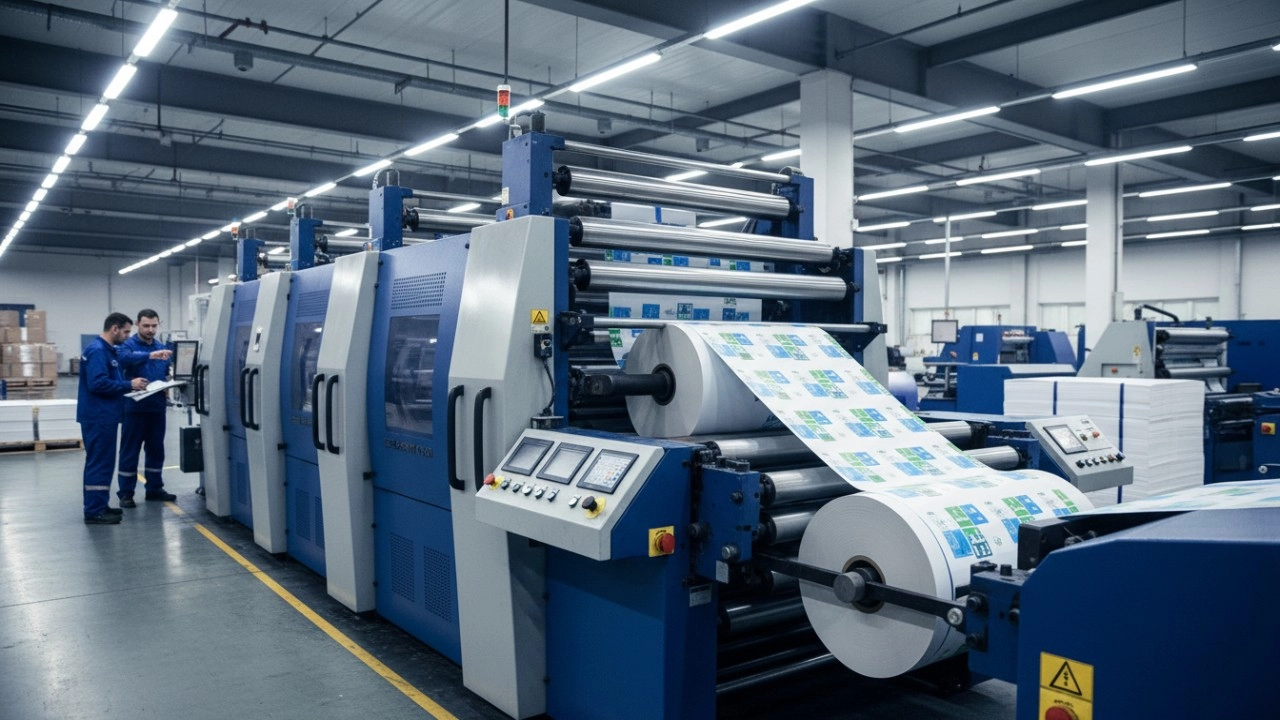
How to Optimize Your Flexo Printing Machine for Maximum Speed and Zero Defects
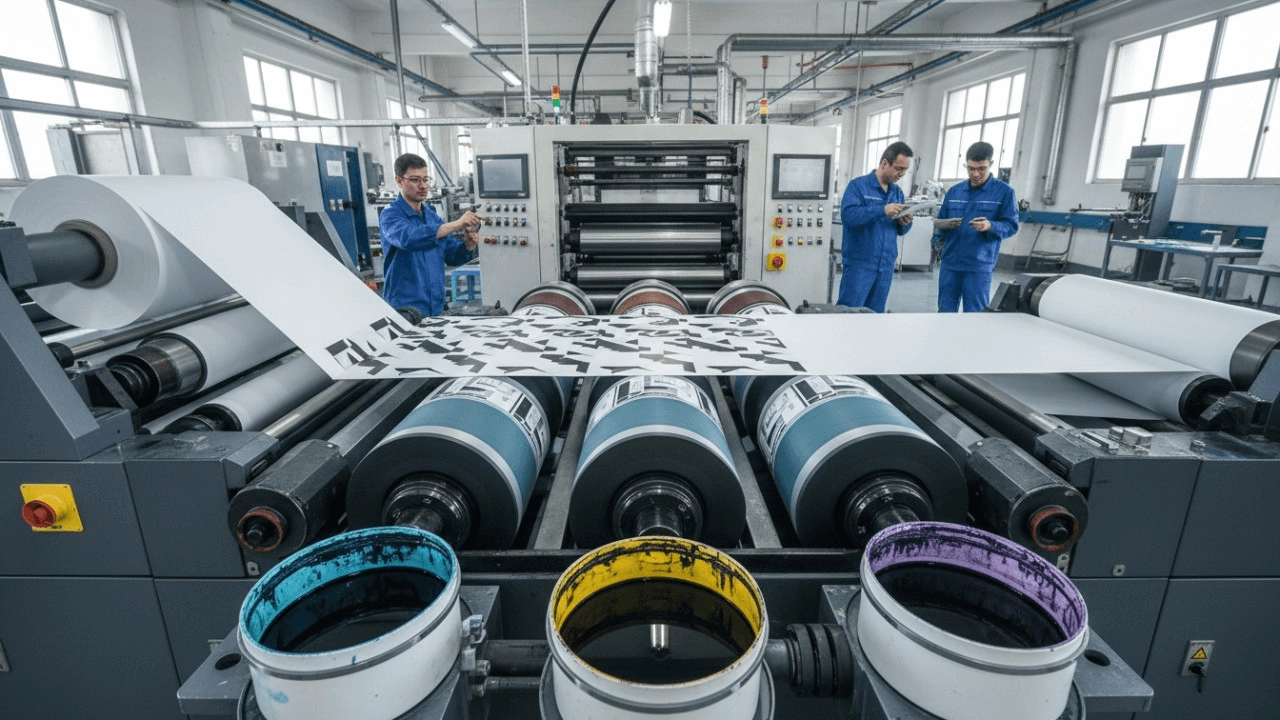
What is Flexographic Printing? The Ultimate Technical Guide & Process Breakdown (2025)

Top 10 Best Flexo Printer Manufacturers (2026): Reviews & Buying Guide
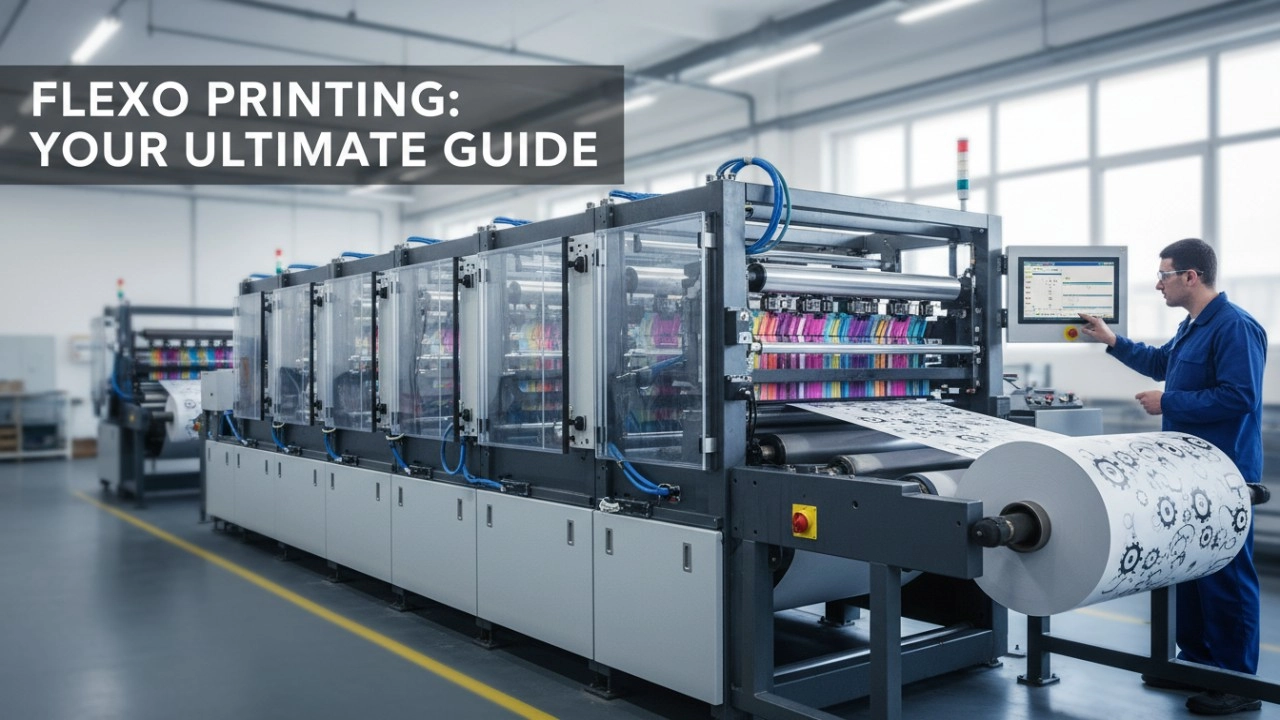
How to Select the Best Flexo Printing Press Manufacturer: A Data-Driven Checklist (2026 Edition)
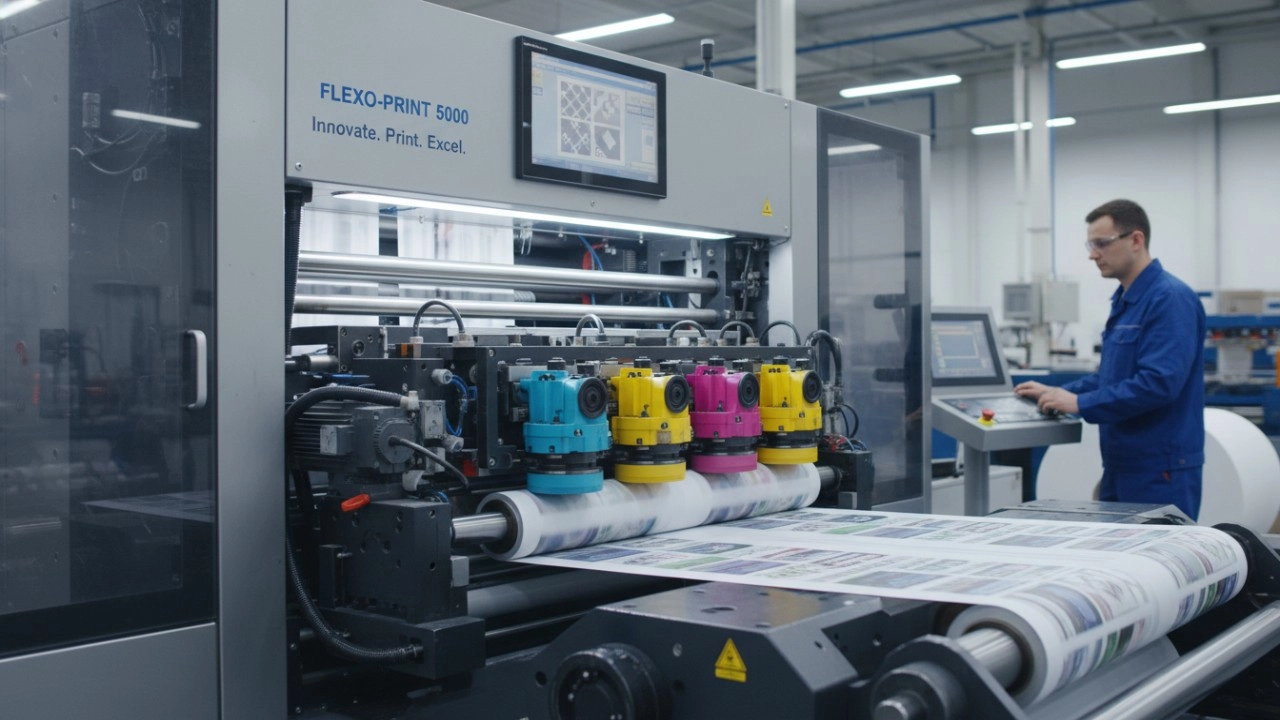
High-Efficiency Flexo Press Solutions: A Complete Guide to Optimizing Your Packaging Production
Industry Solutions
Do you offer solutions for environmentally friendly packaging?
Yes, our machines can produce cartons from recyclable and biodegradable materials, supporting sustainable packaging solutions.
Do you offer customized solutions for unique production needs?
Yes, we work closely with clients to develop customized solutions that meet their specific production requirements.
Product
Are there safety features integrated into your machines?
Yes, our machines come equipped with multiple safety features including emergency stop buttons and safety guards.
How do I adjust the machine settings for different carton sizes?
Machine settings can be adjusted using the intuitive control panel, which allows for quick changes to accommodate different carton sizes.
Shipping
Can you ship to remote or difficult-to-access locations?
Yes, we can arrange shipping to remote locations, though additional charges and time may apply.
Leave a message
Have any questions or queries about our products? Please leave us a message here and our team will get back to you promptly.
* Rest assured that your privacy is important to us, and all information provided will be handled with the utmost confidentiality.


© 2025 Keshenglong & SHINKO All Rights Reserved.
Keshenglong Carton Packing Machine
Keshenglong Carton Packing Machine
Keshenglong Carton Packing Machine
Keshenglong Carton Packing Machine
Keshenglong Carton Packing Machine