
How to convert artwork for flexographic printing correctly?
This comprehensive guide addresses common challenges in flexographic printing and provides expert advice on preparing artwork for optimal results.
- Common Challenges in Flexographic Printing
- 1. Ink Absorption Variations
- 2. Registration Issues
- 3. Limited Resolution
- 4. Plate Wear and Durability
- 5. Ink Drying Times
- How to Convert Artwork for Flexographic Printing Correctly
- 1. Design with Simplicity and Clarity
- 2. Consider the Substrate
- 3. Mind the Number of Colors in Your Art
- 4. Set Up Correct Bleeds and Safe Zones
- 5. Collaborate with Your Flexographic Printing Partner Early
- Conclusion: Advantages of Keshenglong & Shinko in Flexographic Printing
Flexographic printing is a versatile and efficient method widely used for packaging materials such as labels, cartons, and flexible packaging. To achieve high-quality prints, it's crucial to understand and address common challenges associated with this process.
Common Challenges in Flexographic Printing
1. Ink Absorption Variations
Different substrates absorb inks differently, leading to color inconsistencies. For instance, plastic films may cause colors to appear more vibrant but can result in higher dot gain, while kraft paper offers a natural look but may dull colors.
2. Registration Issues
Flexographic printing often involves slight variations in registration—the alignment of different print layers. To mitigate this, it's essential to set up bleeds and safe zones. Typically, adding ⅛ inch of bleed ensures artwork extends beyond the trim line, and keeping text and important elements within a safe zone of at least ⅛ inch from the trim edge helps prevent errors.
3. Limited Resolution
Flexographic printing has a lower resolution compared to other methods, which can affect the reproduction of fine details. To address this, it's advisable to design with simplicity and clarity in mind, avoiding small text, thin lines, and overly complex patterns that might not reproduce well.
4. Plate Wear and Durability
The wear and tear of printing plates can impact print quality over time. Regular maintenance and timely replacement of plates are essential to maintain consistent print quality.
5. Ink Drying Times
Inadequate ink drying can lead to smudging and color bleeding. Utilizing fast-drying inks and ensuring proper drying mechanisms are in place can help mitigate this issue.
How to Convert Artwork for Flexographic Printing Correctly
1. Design with Simplicity and Clarity
Flexographic printing handles bold, simple designs better than intricate details. Avoid small text, thin lines, and overly complex patterns that might not reproduce well. It's best to stick to vector graphics for sharp, scalable designs.
2. Consider the Substrate
Flexographic printing can be done on a wide range of materials, each with unique characteristics that can impact how your design appears. On plastic films, colors might appear more vibrant but can have a higher dot gain. Kraft paper offers a natural, rustic look but may dull colors. Foil or metallic substrates can create eye-catching effects but require special inks.
3. Mind the Number of Colors in Your Art
Each color in a flexographic printing job requires its own plate, and each plate requires its own “deck” on the printing press. Photo-realistic images usually require four colors—cyan, magenta, yellow, and black. Most jobs will also require a white plate. Barcodes, text, or non-process black line work usually call for an additional black plate. An easy way to save yourself a deck is to print barcodes and text in a dark color already existing in your artwork, like a dark blue or a brown with a low-red composition.
4. Set Up Correct Bleeds and Safe Zones
Flexographic printing often involves slight variations in registration—the alignment of different print layers. To mitigate this, it's essential to set up bleeds and safe zones. Typically, adding ⅛ inch of bleed ensures artwork extends beyond the trim line, and keeping text and important elements within a safe zone of at least ⅛ inch from the trim edge helps prevent errors.
5. Collaborate with Your Flexographic Printing Partner Early
Working with your printer early on can help prevent costly revisions and production delays. Since flexographic printing has unique constraints—like lower resolution, ink absorption variations, and precise registration requirements—collaborating with your printer can help ensure a quality finished product.
Conclusion: Advantages of Keshenglong & Shinko in Flexographic Printing
Keshenglong and Shinko are renowned for their expertise in flexographic printing, offering high-quality materials and support throughout the production process. Their state-of-the-art manufacturing processes, numerous industry certifications, and robust materials ensure that your packaging not only meets but exceeds expectations, delighting customers every time. Additionally, they offer eco-friendly options to appeal to environmentally conscious consumers and contribute to a greener future.
By understanding and addressing the common challenges in flexographic printing and following best practices for artwork preparation, you can achieve optimal results and enhance the quality of your printed materials.
Note: The information provided is based on industry standards and practices as of December 2025.
Recommended for you
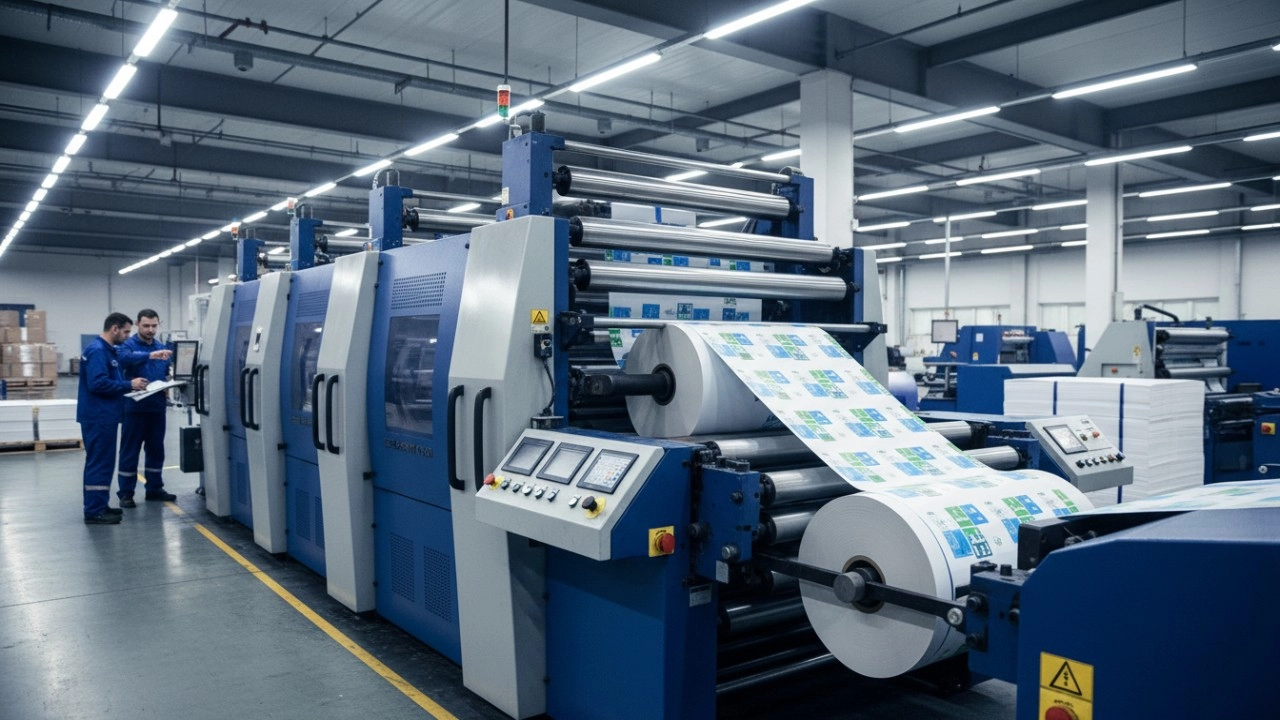
How to Optimize Your Flexo Printing Machine for Maximum Speed and Zero Defects
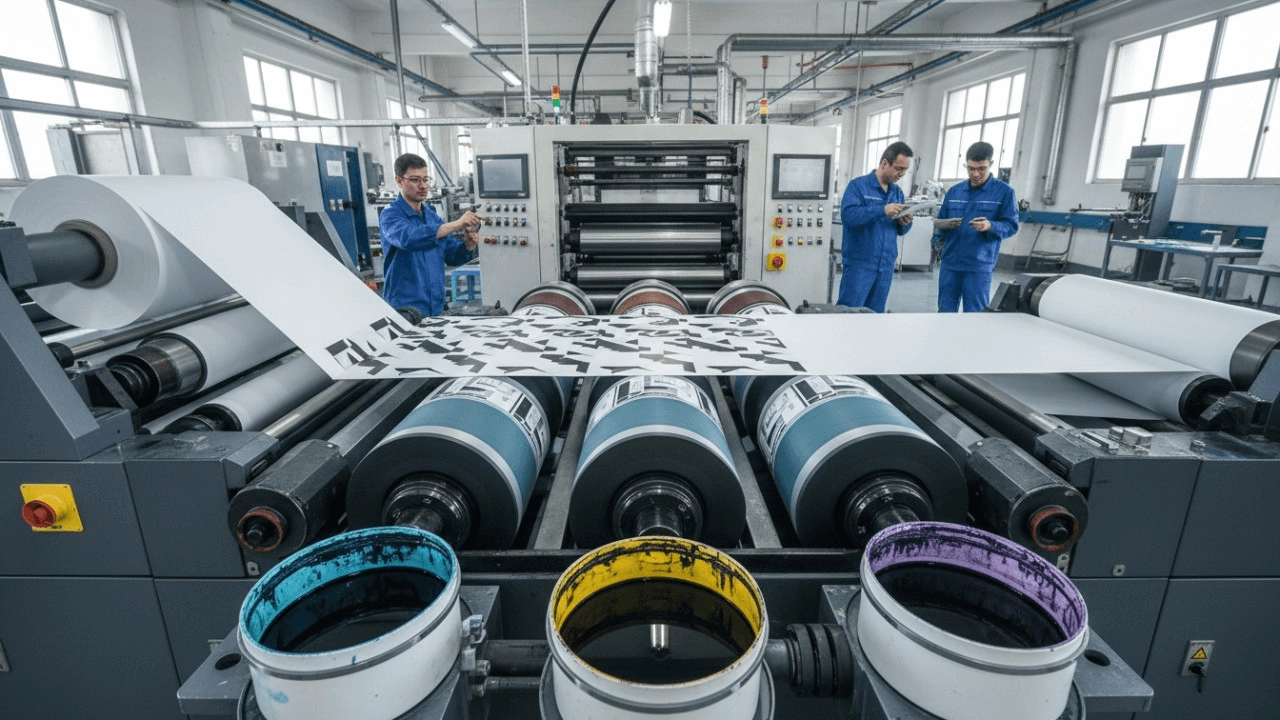
What is Flexographic Printing? The Ultimate Technical Guide & Process Breakdown (2025)
Top 10 Best Flexo Printer Manufacturers (2026): Reviews & Buying Guide
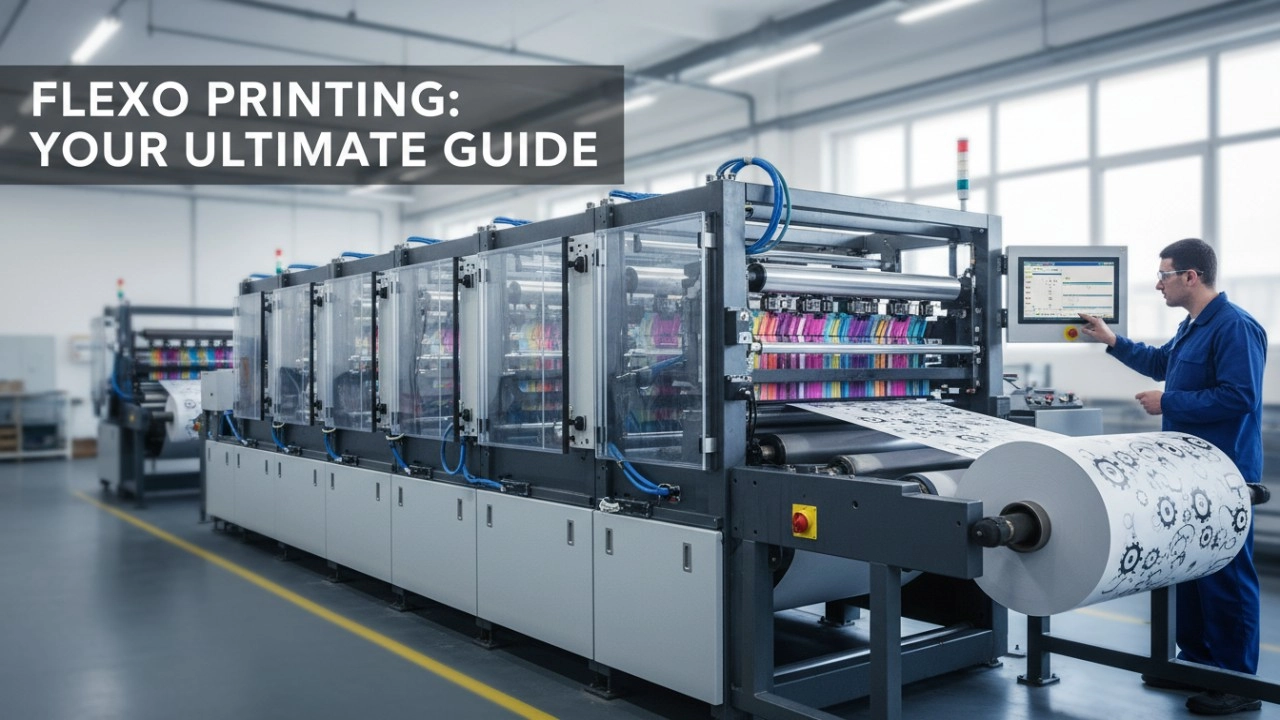
How to Select the Best Flexo Printing Press Manufacturer: A Data-Driven Checklist (2026 Edition)
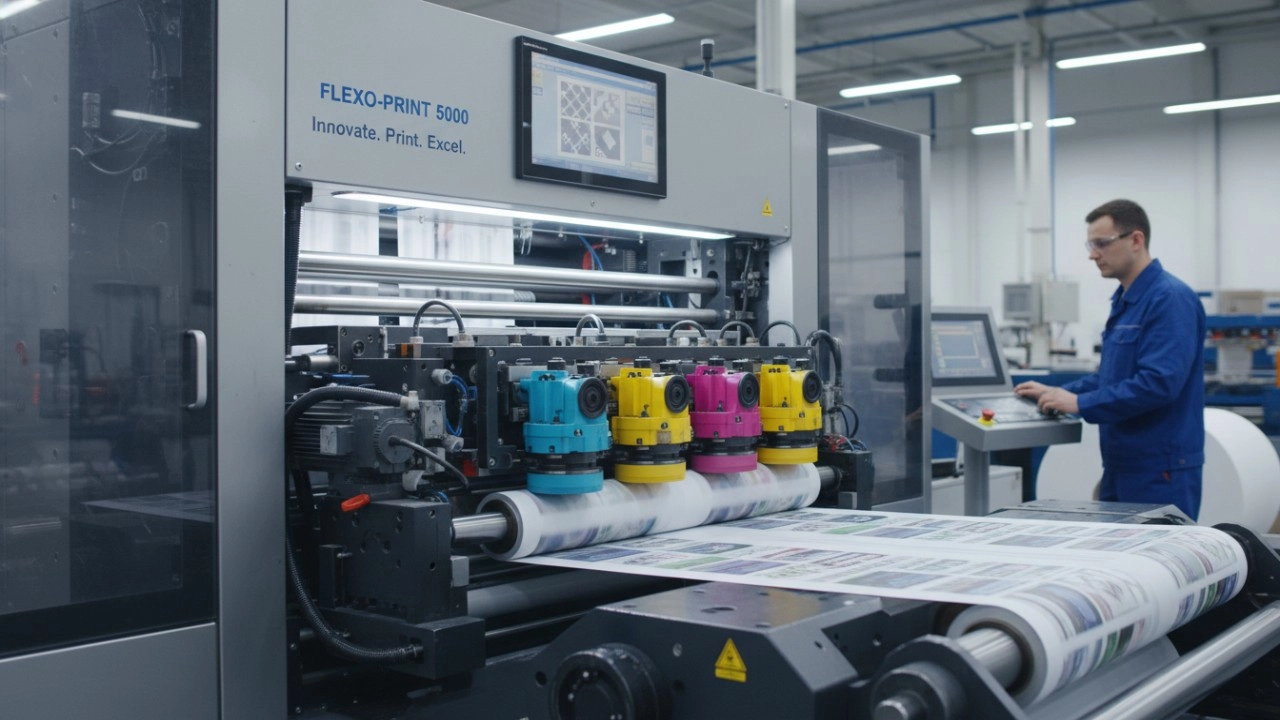
High-Efficiency Flexo Press Solutions: A Complete Guide to Optimizing Your Packaging Production
Product
How can I integrate your machines into my existing production line?
Our technical team can assist with integrating our machines into your current production setup, ensuring a seamless operation.
What should I do if the machine jams during operation?
In case of a jam, immediately stop the machine, remove any obstructions, and check for any damage before restarting.
Industry Solutions
Can your machines be integrated with digital printing technology?
Yes, our machines are compatible with digital printing systems for custom, high-quality printing on cartons.
Can your machines handle high-volume production demands?
Yes, our machines are designed for high-volume production, ensuring reliable and efficient operation.
Shipping
Can you ship to remote or difficult-to-access locations?
Yes, we can arrange shipping to remote locations, though additional charges and time may apply.
Leave a message
Have any questions or queries about our products? Please leave us a message here and our team will get back to you promptly.
* Rest assured that your privacy is important to us, and all information provided will be handled with the utmost confidentiality.
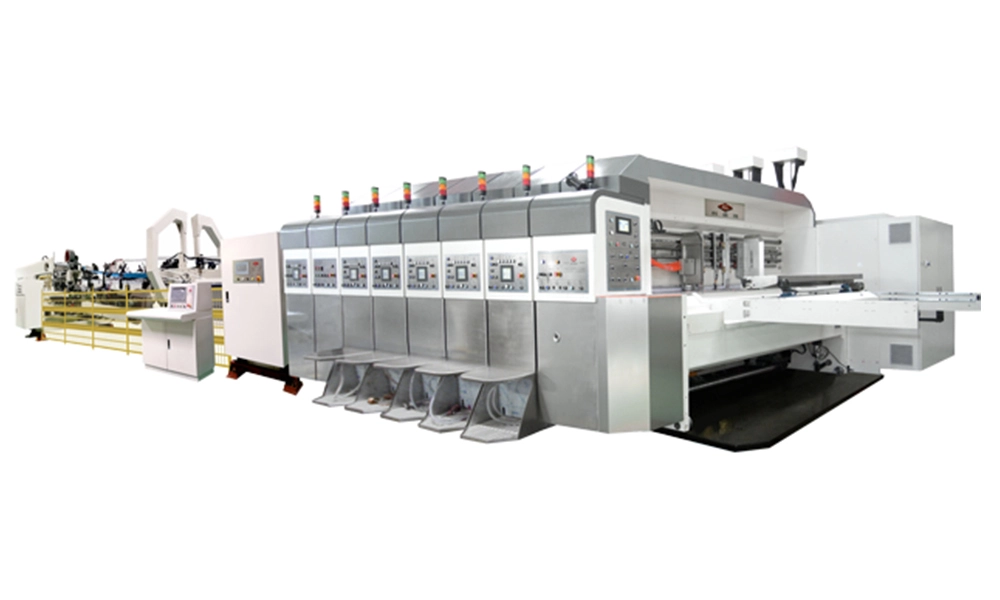
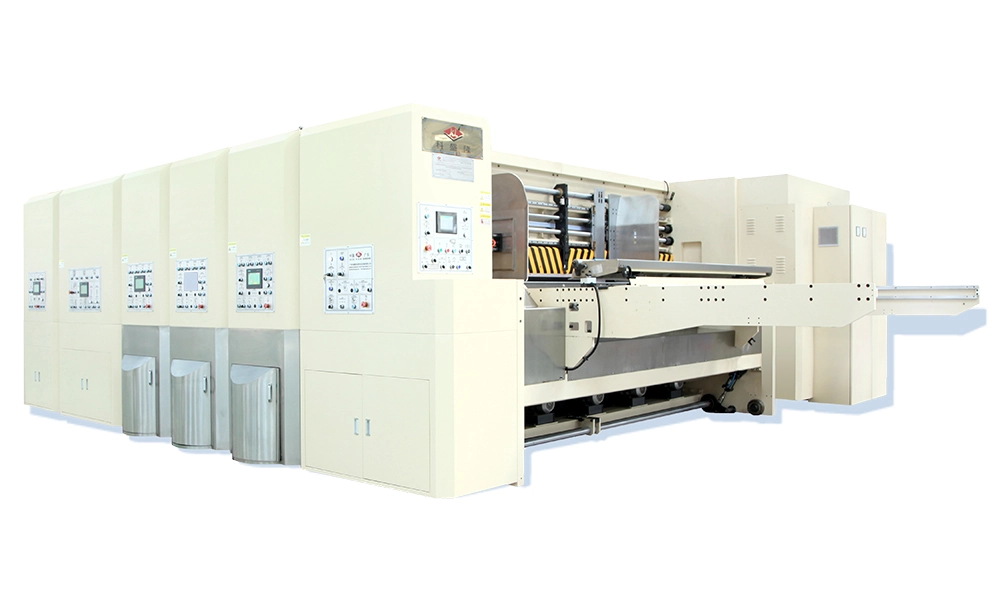
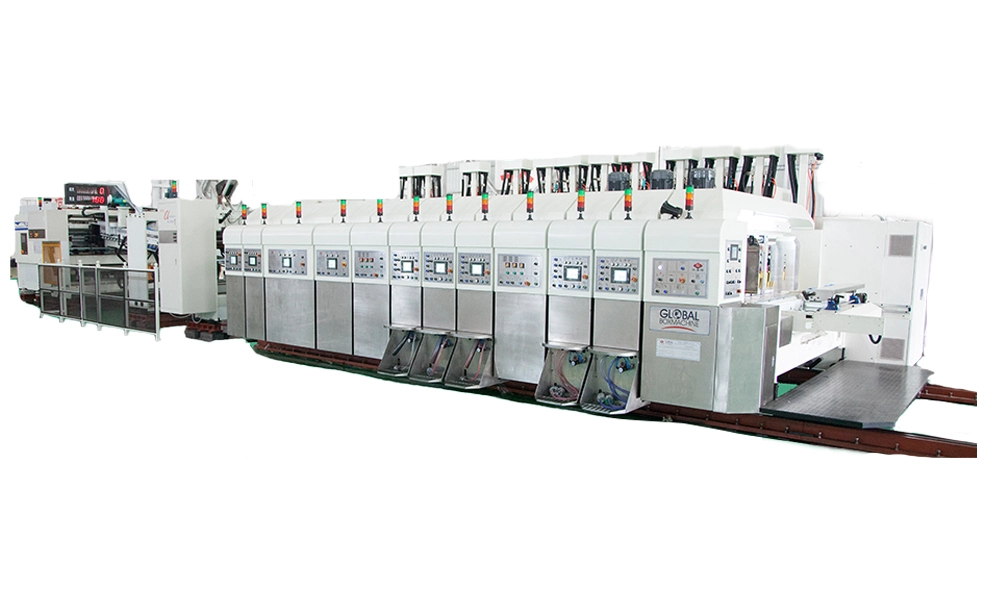


© 2025 Keshenglong & SHINKO All Rights Reserved.
Keshenglong Carton Packing Machine
Keshenglong Carton Packing Machine
Keshenglong Carton Packing Machine
Keshenglong Carton Packing Machine
Keshenglong Carton Packing Machine