
Can flexographic printing handle flexible packaging demand?
Explore the advantages, limitations, and considerations of flexographic printing in flexible packaging, providing essential insights for industry professionals.
- Understanding Flexographic Printing for Flexible Packaging: Key Considerations for Industry Professionals
- 1. What is Flexographic Printing?
- 2. How Does Flexographic Printing Work?
- 3. What Are the Advantages of Flexographic Printing?
- 4. What Are the Limitations of Flexographic Printing?
- 5. Is Flexographic Printing Suitable for Flexible Packaging?
- 6. How Does Flexographic Printing Compare to Other Printing Methods?
- 7. What Are the Environmental Benefits of Flexographic Printing?
- 8. What Should Industry Professionals Consider When Choosing Flexographic Printing?
- Conclusion: Advantages of Keshenglong & Shinko in Flexographic Printing
Understanding Flexographic Printing for Flexible Packaging: Key Considerations for Industry Professionals
1. What is Flexographic Printing?
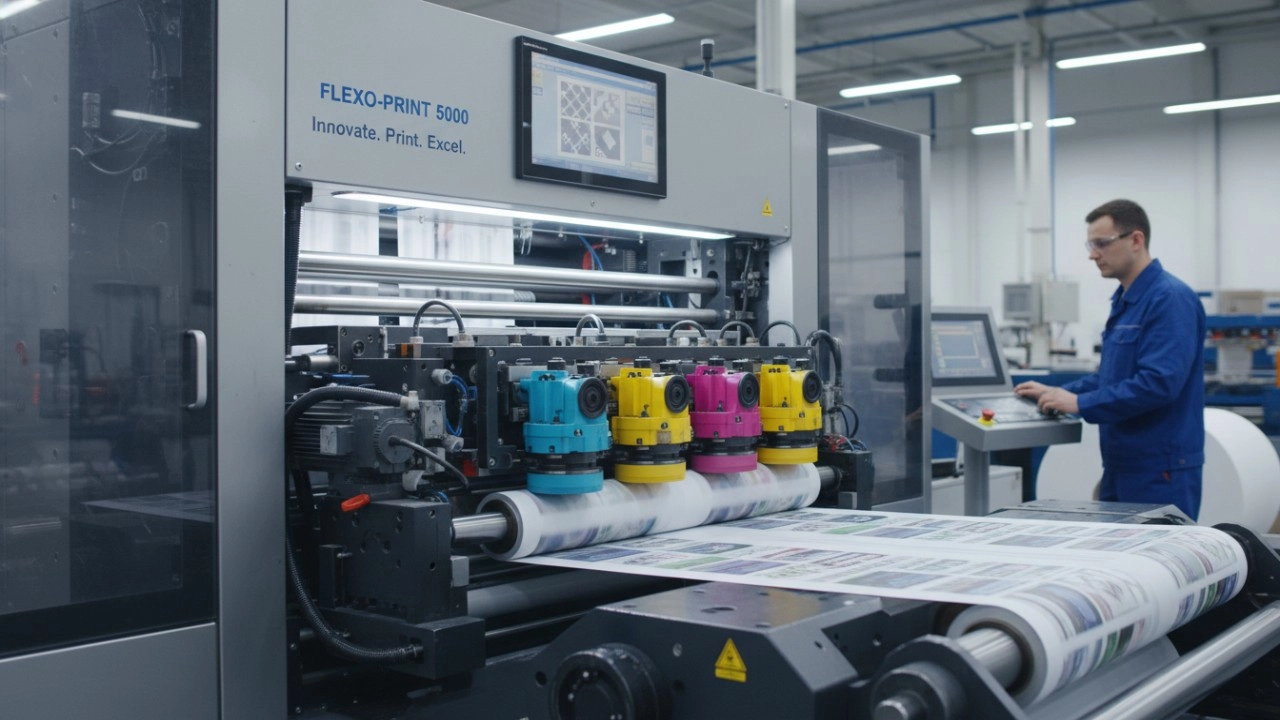
Flexographic printing is a modern, high-speed rotary printing process that utilizes flexible relief plates to transfer ink onto various substrates. This technique is widely used in packaging applications due to its versatility and efficiency.
2. How Does Flexographic Printing Work?
The process involves creating a digital design, transferring it onto flexible plates made from materials like rubber or photopolymer, and mounting these plates onto rotating cylinders. Ink is applied to the plates, which then transfer the image onto the substrate as it passes through the press.
3. What Are the Advantages of Flexographic Printing?
Versatility: Capable of printing on a wide range of materials, including corrugated boxes, plastic films, and paper bags.
High-Speed Production: Suitable for mass production, with printing speeds often reaching hundreds of meters per minute, significantly faster than offset printing.
Cost-Effectiveness: Once set up, flexographic printing offers low operational costs, making it ideal for large-volume runs.
Environmental Friendliness: Utilizes water-based inks, reducing volatile organic compound (VOC) emissions and making it more environmentally friendly.
4. What Are the Limitations of Flexographic Printing?
Image Quality: May not achieve the same level of detail and color reproduction as offset or digital printing, especially for complex designs.
Setup Costs: Requires the creation of printing plates, which can be costly, making it less economical for short print runs.
5. Is Flexographic Printing Suitable for Flexible Packaging?
Yes, flexographic printing is well-suited for flexible packaging due to its ability to print on various substrates, including plastic films and paper bags. It offers high-speed production and cost-effectiveness, making it ideal for large-volume packaging runs.
6. How Does Flexographic Printing Compare to Other Printing Methods?
Offset Printing: Offers higher image quality but at slower speeds and higher costs, making it less suitable for large-volume packaging.
Digital Printing: Provides high-quality prints with quick turnaround times but is generally more expensive for large runs compared to flexographic printing.
7. What Are the Environmental Benefits of Flexographic Printing?
Flexographic printing's use of water-based inks significantly reduces VOC emissions, contributing to a more sustainable and environmentally friendly printing process.
8. What Should Industry Professionals Consider When Choosing Flexographic Printing?
Professionals should assess factors such as the complexity of the design, required print quality, production volume, and environmental impact when deciding if flexographic printing is the right choice for their packaging needs.
Conclusion: Advantages of Keshenglong & Shinko in Flexographic Printing
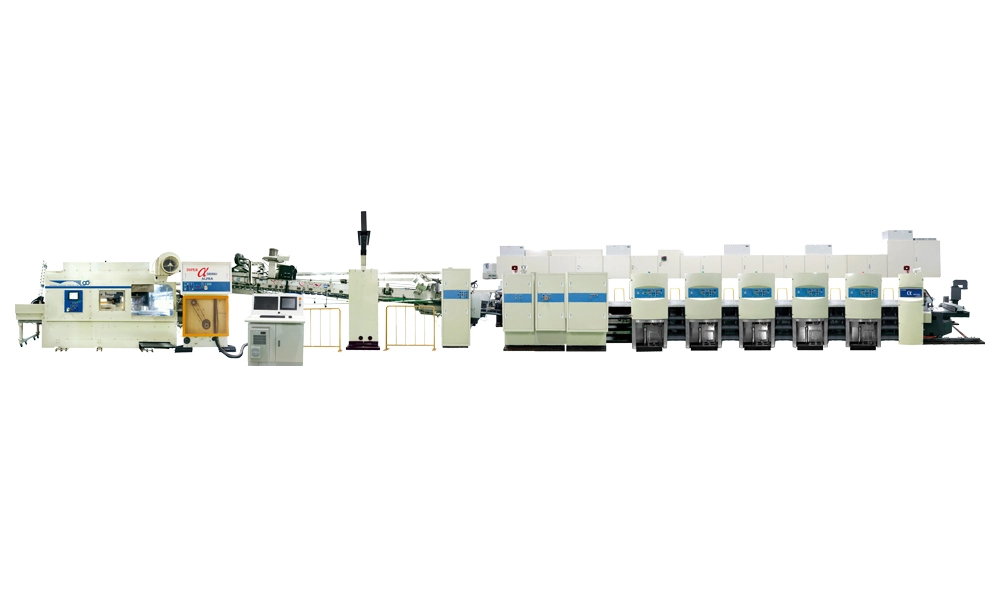
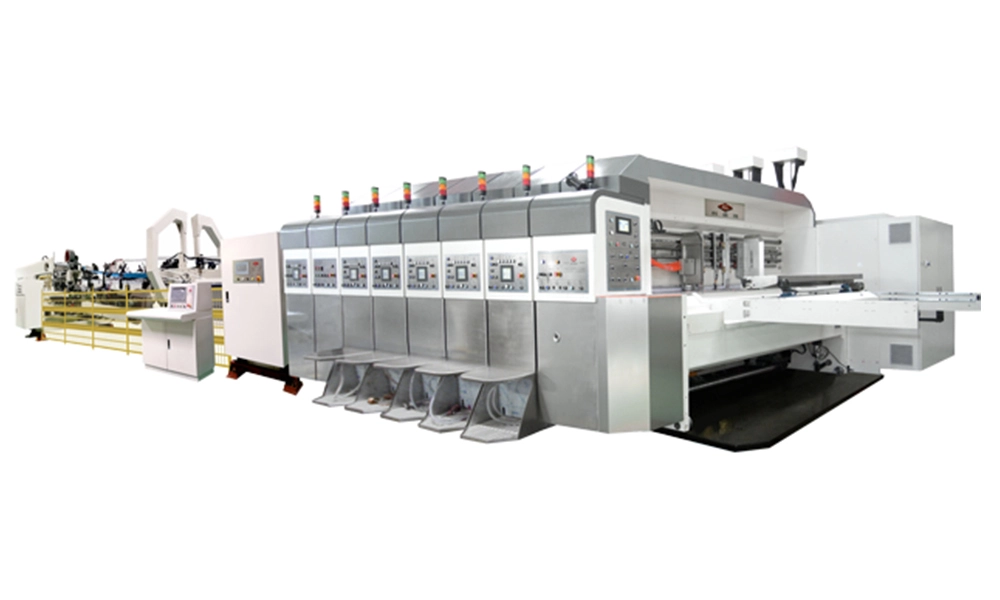
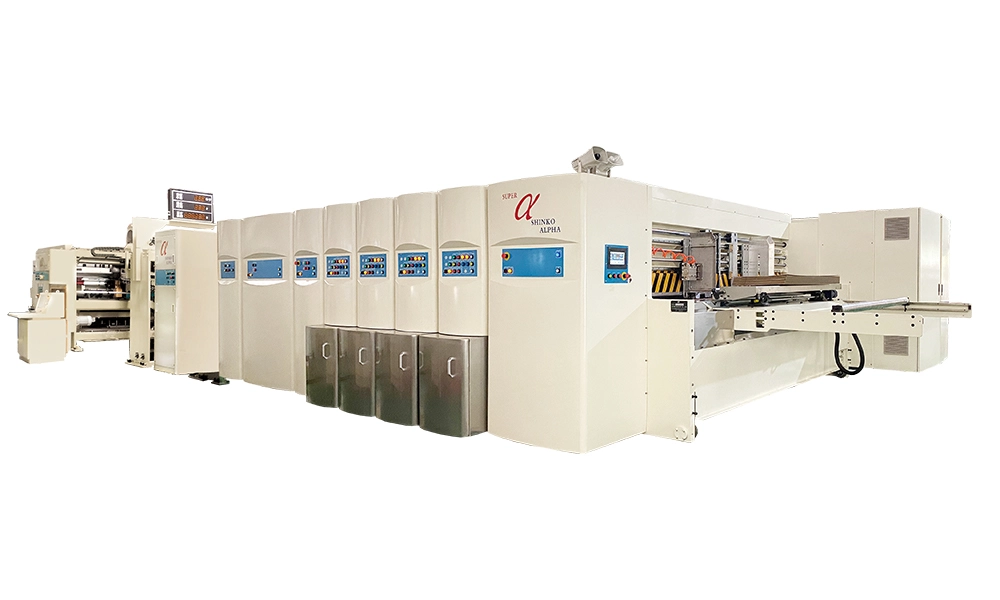
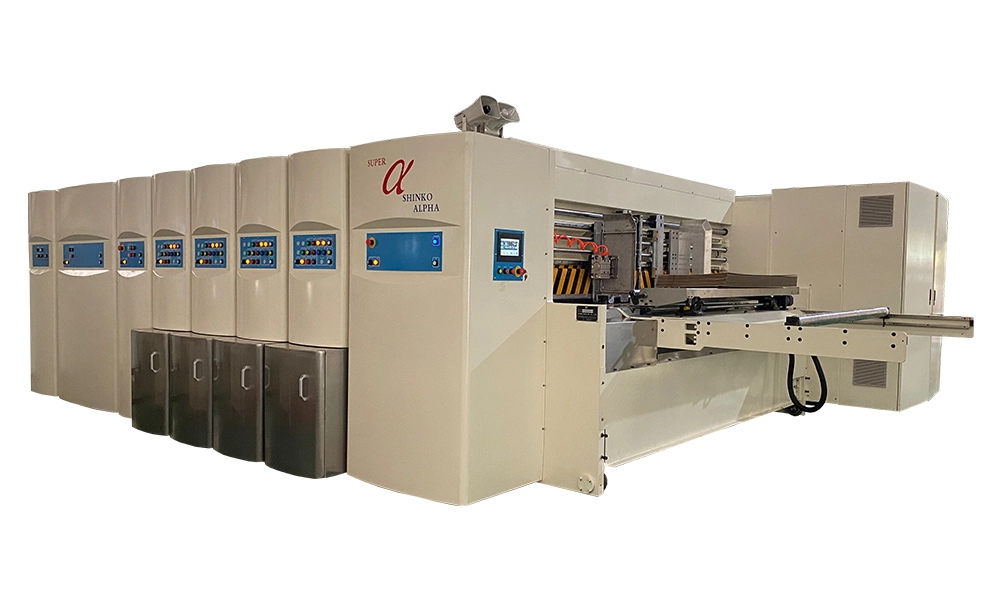
Keshenglong and Shinko are renowned for their advanced flexographic printing technologies, offering high-speed production, versatility in substrate compatibility, and environmentally friendly practices. Their equipment is designed to deliver cost-effective solutions for large-volume packaging runs, ensuring high-quality results that meet industry standards.
Recommended for you
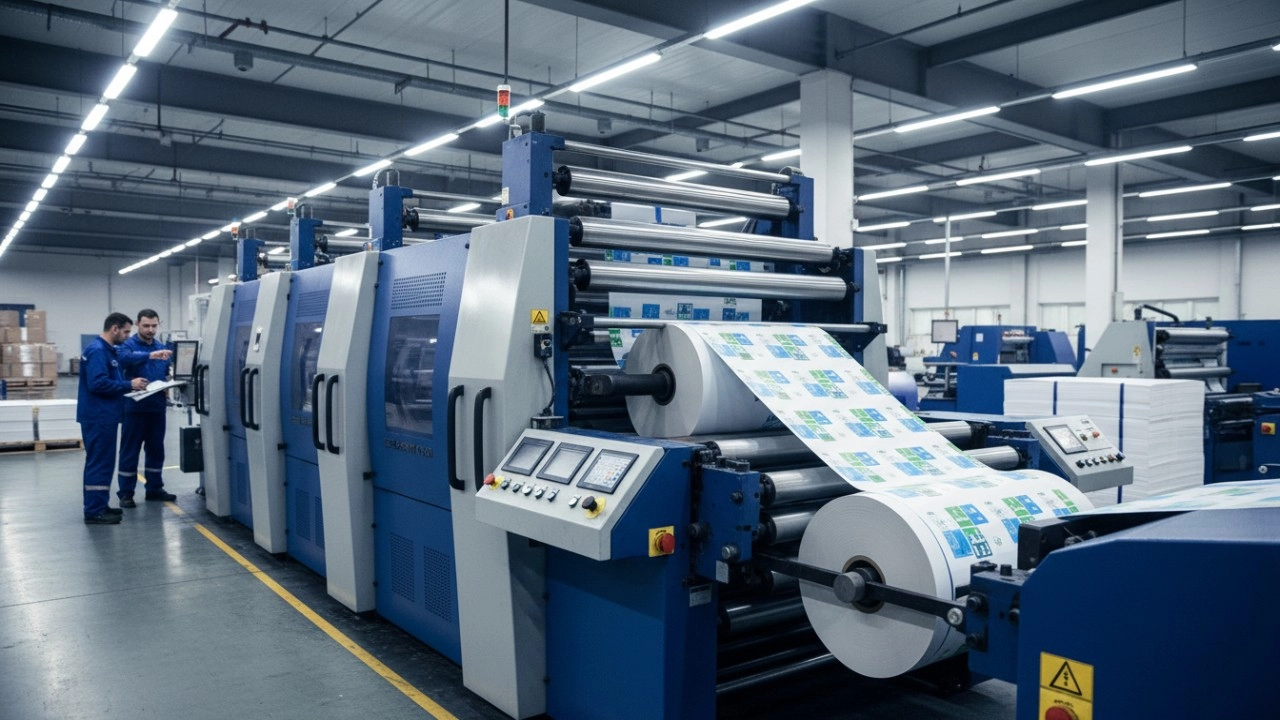
How to Optimize Your Flexo Printing Machine for Maximum Speed and Zero Defects
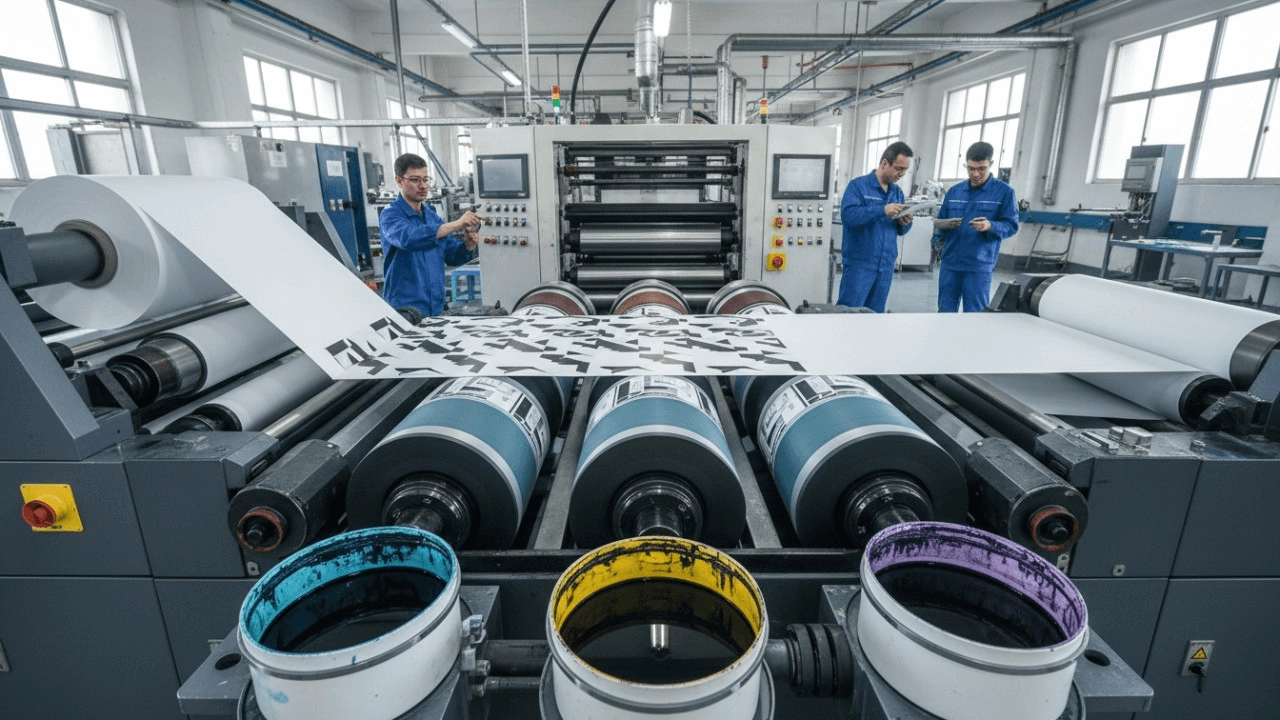
What is Flexographic Printing? The Ultimate Technical Guide & Process Breakdown (2025)
Top 10 Best Flexo Printer Manufacturers (2026): Reviews & Buying Guide
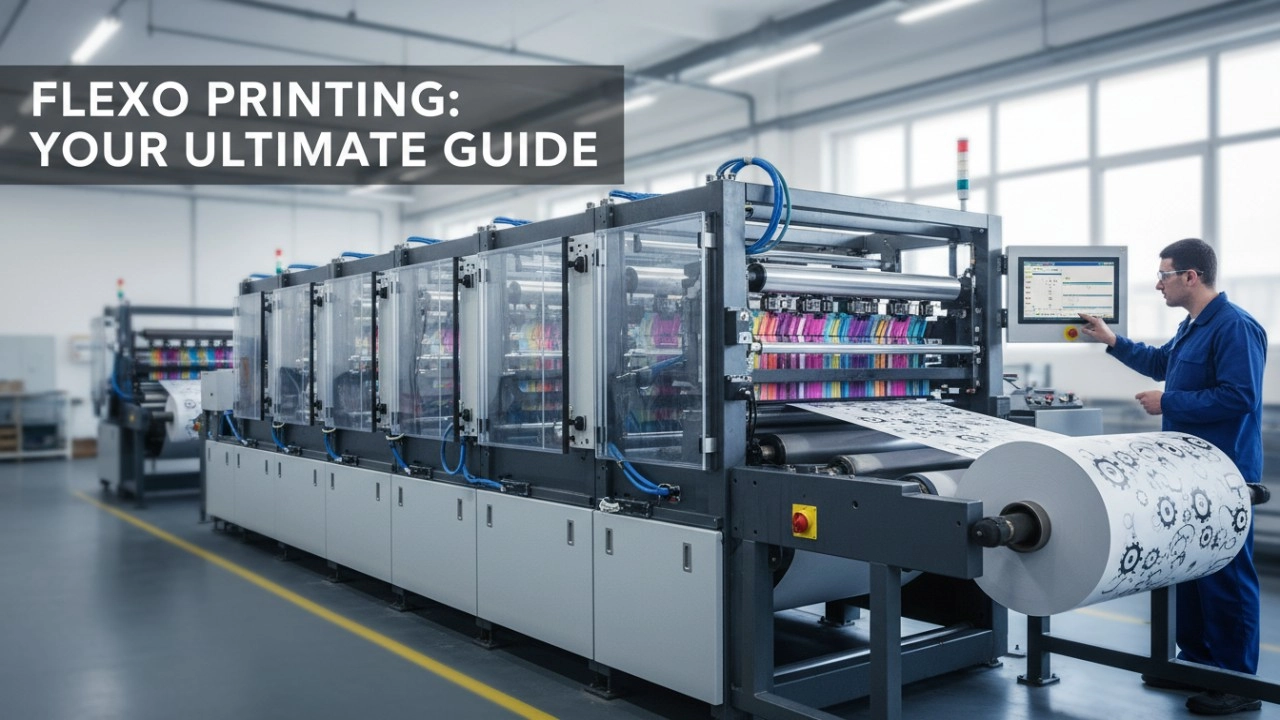
How to Select the Best Flexo Printing Press Manufacturer: A Data-Driven Checklist (2026 Edition)
High-Efficiency Flexo Press Solutions: A Complete Guide to Optimizing Your Packaging Production
Product
What materials are compatible with your folding carton machines?
Our machines are compatible with a wide range of materials including cardboard, corrugated board, and paperboard.
Can your machines handle custom carton designs?
Yes, our machines can be customized to handle various carton designs and specifications.
What maintenance is required for optimal machine performance?
Regular lubrication, cleaning of the folding units, and checking for worn parts are essential for maintaining optimal performance.
Industry Solutions
Can your machines handle high-volume production demands?
Yes, our machines are designed for high-volume production, ensuring reliable and efficient operation.
Shipping
What are the shipping dimensions and weight of your folding carton machines?
Shipping dimensions and weight vary by model; please refer to the specific product details for accurate information.
Leave a message
Have any questions or queries about our products? Please leave us a message here and our team will get back to you promptly.
* Rest assured that your privacy is important to us, and all information provided will be handled with the utmost confidentiality.


© 2025 Keshenglong & SHINKO All Rights Reserved.
Keshenglong Carton Packing Machine
Keshenglong Carton Packing Machine
Keshenglong Carton Packing Machine
Keshenglong Carton Packing Machine
Keshenglong Carton Packing Machine