
How to reduce waste and downtime on flexo printers?
Discover practical methods to minimize waste and downtime in flexographic printing, enhancing efficiency and profitability.
- 1. How can automation reduce waste in flexo printing?
- 2. How does integrating flexo printing with other systems help in waste reduction?
- 3. What role does tension control play in reducing waste?
- 4. How does managing repeat length contribute to waste reduction?
- 5. How can contamination control improve yield and reduce waste?
- 6. How does Intelligent Flexo technology reduce waste?
- 7. What are the benefits of water-washable flexographic printing plates?
- 8. How does regular maintenance reduce downtime and repair costs?
- Conclusion: Advantages of Keshenglong & Shinko
Flexographic printing, known for its versatility and high-quality output, can benefit significantly from strategies aimed at reducing waste and downtime. Below are key approaches to achieve these objectives:
1. How can automation reduce waste in flexo printing?
Implementing automation streamlines setup and quality control processes, leading to substantial waste reduction. For example, automating work preparation can decrease the time required for a 4-color print job change from 168 minutes to just 18 minutes, minimizing material usage during setup. Additionally, automation ensures consistent process parameters, such as ink viscosity and web tension, which are crucial for maintaining print quality and reducing defects. ((https://www.shinkomachinery.com/how-to-reduce-waste-and-improve-yield-on-a-flexo-printing-machine.html))
2. How does integrating flexo printing with other systems help in waste reduction?
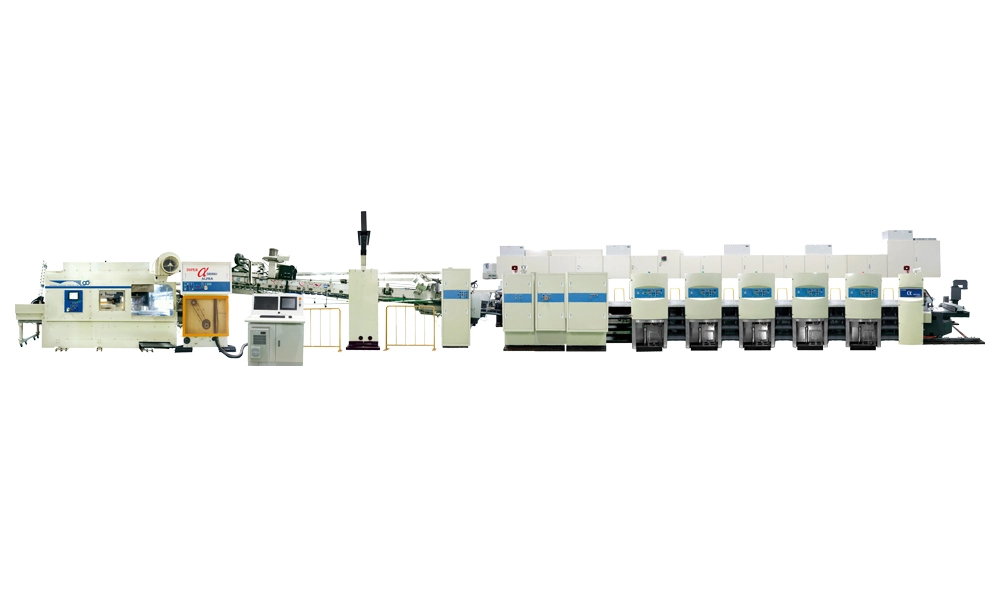
Integrating flexographic printing machines with downstream processes like lamination or slitting can significantly reduce waste. By connecting the printing machine directly to the lamination line, the need for intermediate winding is eliminated. This integration ensures better tension control and repeat length management, resulting in a final product that meets customer specifications without excess material usage. ((https://www.shinkomachinery.com/how-to-reduce-waste-and-improve-yield-on-a-flexo-printing-machine.html))
3. What role does tension control play in reducing waste?
Proper tension control is vital in flexographic printing to maintain consistent repeat lengths and prevent defects. Variations in substrate tension can lead to misregistration and image distortion, resulting in waste. Implementing automated tension control systems at various points in the printing process allows for real-time adjustments, ensuring optimal tension and reducing material waste. ((https://www.shinkomachinery.com/how-to-reduce-waste-and-improve-yield-on-a-flexo-printing-machine.html))
4. How does managing repeat length contribute to waste reduction?
Managing repeat length is crucial in flexographic printing to ensure that the printed material meets customer specifications without excess waste. Factors such as substrate tension, drying temperature, and machine stability influence repeat length. By carefully controlling these variables, printers can achieve consistent repeat lengths, reducing the need for reprints and minimizing material waste. ((https://www.shinkomachinery.com/how-to-reduce-waste-and-improve-yield-on-a-flexo-printing-machine.html))
5. How can contamination control improve yield and reduce waste?
Contamination, such as dust and debris, can negatively impact print quality and lead to waste. Implementing contamination control measures, such as installing sheet cleaners in the press units, can significantly reduce the amount of dust on the flexo presses. For example, after installing a sheet cleaner, one company reported a 40% reduction in dust on their flexo presses. ((https://www.shinkomachinery.com/how-to-reduce-waste-and-improve-yield-on-a-flexo-printing-machine.html))
6. How does Intelligent Flexo technology reduce waste?
Intelligent Flexo technology enhances first-time-right results and minimizes print defects, leading to reduced print stoppages. It achieves the same density with lower volume anilox rollers and eliminates the need to clean plates during printing, supporting sustainability and profitability.
7. What are the benefits of water-washable flexographic printing plates?
Water-washable flexographic printing plates, such as Toyobo's Cosmolight, offer several advantages:
Environmental Impact: They eliminate the need for hydrocarbon-based solvents and toxic cleaning chemicals, reducing environmental pollution.
Cost Efficiency: These plates are press-ready within an hour, reducing energy consumption and improving efficiency.
Print Quality: They deliver high-quality image reproduction with excellent ink transfer, resulting in minimal impression settings and reduced dot gain.
8. How does regular maintenance reduce downtime and repair costs?
Regular maintenance of key components, such as the anilox roller, doctor blade, and impression cylinder, is essential for efficient operation. Routine inspection and maintenance can minimize downtime by up to 30%, ensuring consistent print quality and reducing repair needs. Monitoring blade wear, for instance, can lead to a 20% savings on ink costs alone.
Conclusion: Advantages of Keshenglong & Shinko
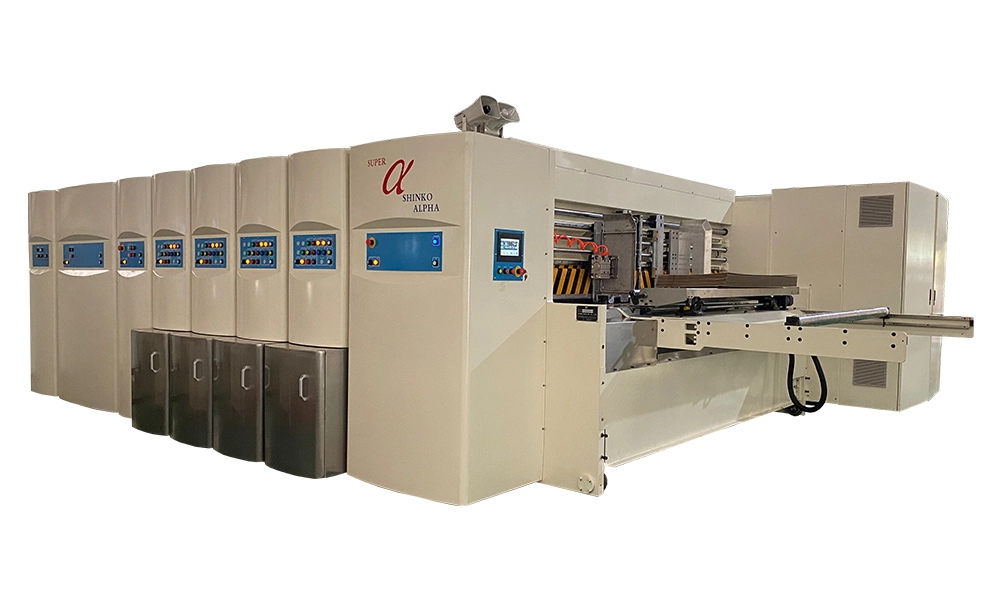
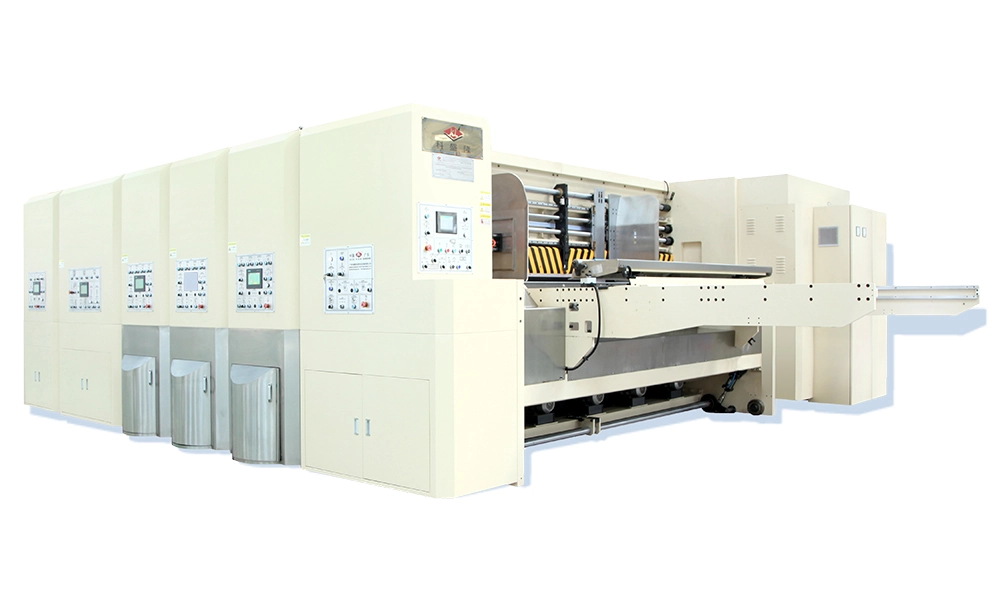
Keshenglong and Shinko offer advanced flexographic printing solutions that incorporate automation, integration capabilities, and precise tension control to help manufacturers reduce waste and improve yield. Their equipment is designed to streamline the printing process, enhance print quality, and increase operational efficiency, providing a competitive edge in the packaging industry. ((https://www.shinkomachinery.com/how-to-reduce-waste-and-improve-yield-on-a-flexo-printing-machine.html))
By implementing these strategies and leveraging advanced technologies, flexographic printers can significantly reduce waste and downtime, leading to enhanced productivity and profitability.
Recommended for you
How to Optimize Your Flexo Printing Machine for Maximum Speed and Zero Defects
What is Flexographic Printing? The Ultimate Technical Guide & Process Breakdown (2025)
Top 10 Best Flexo Printer Manufacturers (2026): Reviews & Buying Guide
How to Select the Best Flexo Printing Press Manufacturer: A Data-Driven Checklist (2026 Edition)
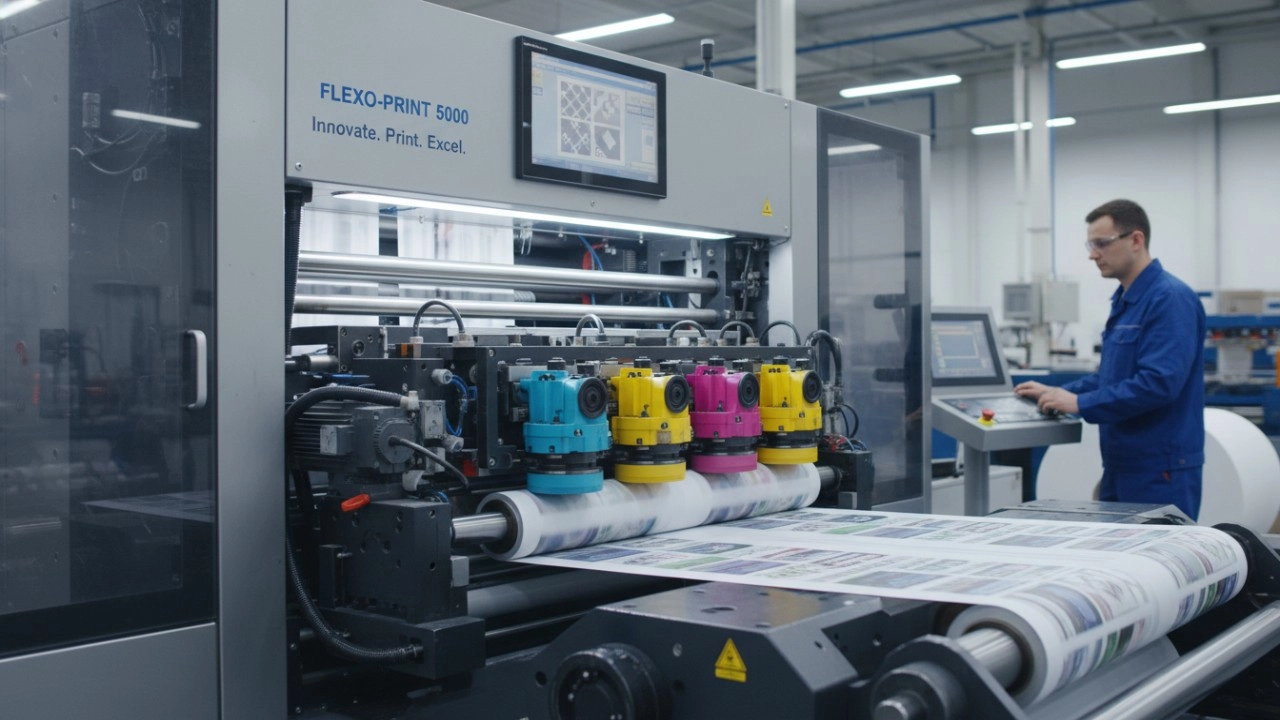
High-Efficiency Flexo Press Solutions: A Complete Guide to Optimizing Your Packaging Production
Shipping
What are the shipping costs for your folding carton machines?
Shipping costs depend on the destination, machine size, and shipping method. Contact us for a detailed quote.
What are the shipping dimensions and weight of your folding carton machines?
Shipping dimensions and weight vary by model; please refer to the specific product details for accurate information.
Industry Solutions
Can your machines be integrated with digital printing technology?
Yes, our machines are compatible with digital printing systems for custom, high-quality printing on cartons.
What industries typically use your folding carton machines?
Our machines are used in various industries including food and beverage, pharmaceuticals, cosmetics, and electronics.
How can your machines improve my production workflow?
By automating carton production, our machines streamline your workflow, increase output, and reduce downtime.
Leave a message
Have any questions or queries about our products? Please leave us a message here and our team will get back to you promptly.
* Rest assured that your privacy is important to us, and all information provided will be handled with the utmost confidentiality.


© 2025 Keshenglong & SHINKO All Rights Reserved.
Keshenglong Carton Packing Machine
Keshenglong Carton Packing Machine
Keshenglong Carton Packing Machine
Keshenglong Carton Packing Machine
Keshenglong Carton Packing Machine