
Which flexo printer machine features matter for labels?
Explore essential features and considerations when selecting a flexo printing machine for label production, including substrate compatibility, print quality, speed, and cost-efficiency. Learn how Keshenglong and Shinko brands excel in these areas to meet your labeling needs.
- Comprehensive Guide to Flexo Printing Machines: Key Features and Considerations for Label Production
- 1. What are the primary features to consider when selecting a flexo printing machine for labels?
- 2. How does substrate compatibility affect the choice of a flexo printing machine?
- 3. What role does print quality play in label production, and how can it be ensured?
- 4. How does the print speed of a flexo printing machine impact production efficiency?
- 5. What are the cost considerations when investing in a flexo printing machine?
- 6. How do Keshenglong and Shinko brands stand out in the flexo printing machine market?
- 7. What are the maintenance requirements for a flexo printing machine?
- 8. How does flexographic printing compare to other printing methods for label production?
Comprehensive Guide to Flexo Printing Machines: Key Features and Considerations for Label Production
1. What are the primary features to consider when selecting a flexo printing machine for labels?
When choosing a flexo printing machine for label production, consider the following key features:
Substrate Compatibility: Ensure the machine can handle the materials you intend to print on, such as paper, film, or metallic substrates.
Print Quality: Look for machines that offer high-resolution printing capabilities, with a minimum of 150 lines per inch (LPI) to achieve crisp and clear images.
Print Speed: Evaluate the machine's maximum speed, typically measured in meters per minute, to match your production requirements.
Color Stations: Determine the number of color stations (2-8 colors) to meet your design needs.
Drying Technology: Consider the type of drying system (hot air, infrared, UV/EB) to ensure efficient ink curing. ((https://www.shinkomachinery.com/article/flexo-printer-label-best-practices.html))
Inline Finishing Capabilities: Assess the availability of inline finishing options like lamination, varnishing, and die-cutting for added functionality. ((https://www.shinkomachinery.com/article/flexo-printer-label-best-practices.html))
2. How does substrate compatibility affect the choice of a flexo printing machine?
Substrate compatibility is crucial because different materials require specific handling and printing techniques. For instance:
Paper Substrates: Suitable for water-based inks and standard drying systems.
Plastic Films: Often require solvent-based inks and specialized drying methods.
Metallic Foils: Demand UV-curable inks and precise tension control.
Selecting a machine that aligns with your substrate ensures optimal print quality and adhesion.
3. What role does print quality play in label production, and how can it be ensured?
High print quality is essential for brand consistency and consumer appeal. To ensure superior print quality:
Plate Material: Choose between photopolymer and elastomer plates based on durability and detail requirements. ((https://www.shinkomachinery.com/article/flexo-printer-label-best-practices.html))
Anilox Roll Selection: Match the anilox roll's cell count to the ink type and coverage needed. ((https://www.shinkomachinery.com/article/flexo-printer-label-best-practices.html))
Regular Maintenance: Implement routine cleaning and calibration to maintain consistent performance.
4. How does the print speed of a flexo printing machine impact production efficiency?
Print speed directly influences production capacity and turnaround times. Machines with higher speeds can:
Increase Output: Meet high-volume demands efficiently.
Reduce Lead Times: Shorten the time from order to delivery.
However, it's important to balance speed with print quality to avoid compromising the final product.
5. What are the cost considerations when investing in a flexo printing machine?
Cost considerations include:
Initial Investment: Prices vary based on automation and features, ranging from $25,000 for entry-level models to over $500,000 for high-end presses.
Operational Costs: Account for ink consumption, maintenance, and energy usage.
Return on Investment (ROI): Evaluate potential savings and increased revenue from improved efficiency and quality.
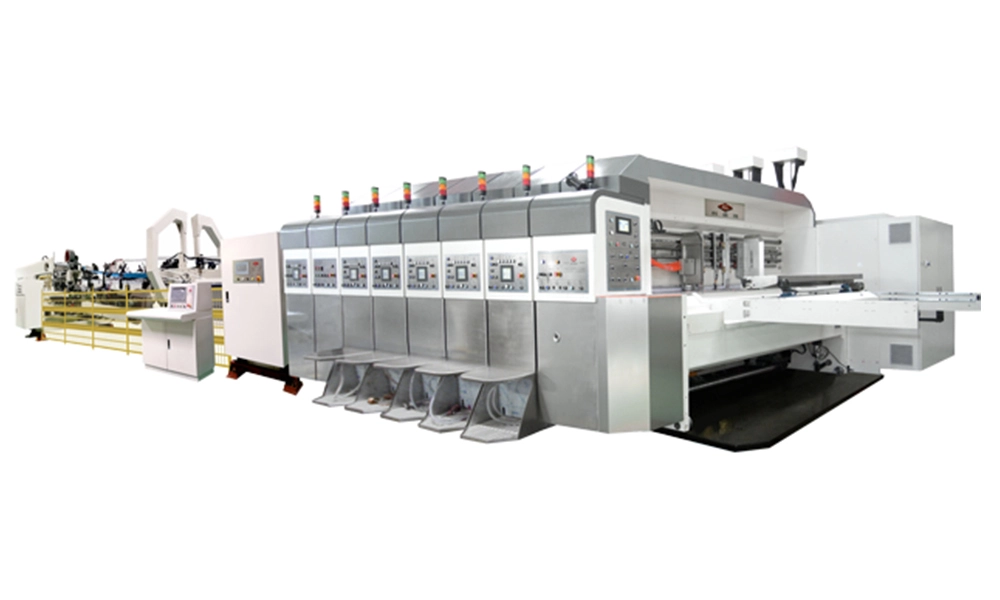
6. How do Keshenglong and Shinko brands stand out in the flexo printing machine market?
Keshenglong and Shinko are renowned for their high-quality flexo printing machines, offering:
Advanced Technology: Incorporation of the latest automation and digital integration for enhanced efficiency.
Versatility: Ability to print on a wide range of substrates, including paper, plastic, foil, and corrugated cardboard.
Eco-Friendly Solutions: Support for water-based and UV-curable inks, aligning with sustainable practices.
Comprehensive Support: Providing training, maintenance, and after-sales service to ensure optimal machine performance.
7. What are the maintenance requirements for a flexo printing machine?
Regular maintenance is vital for consistent performance:
Daily: Clean ink trays, anilox rollers, and doctor blades; check ink thickness.
Weekly: Inspect moving parts for wear; lubricate as needed.
Monthly: Tighten bolts; clean or replace air filters.
Quarterly/Semi-Annually: Conduct comprehensive checks and calibrations.
8. How does flexographic printing compare to other printing methods for label production?
Flexographic printing offers:
High-Speed Production: Suitable for large-scale runs.
Material Versatility: Capable of printing on various substrates.
Cost-Effectiveness: Lower operational costs for medium-to-long runs compared to digital presses.
However, for short runs or highly variable data, digital printing may be more appropriate.
In conclusion, selecting the right flexo printing machine involves evaluating substrate compatibility, print quality, speed, and cost considerations. Brands like Keshenglong and Shinko provide advanced, versatile, and eco-friendly solutions, supported by comprehensive services to meet diverse labeling needs.
Recommended for you
How to Optimize Your Flexo Printing Machine for Maximum Speed and Zero Defects
What is Flexographic Printing? The Ultimate Technical Guide & Process Breakdown (2025)
Top 10 Best Flexo Printer Manufacturers (2026): Reviews & Buying Guide
How to Select the Best Flexo Printing Press Manufacturer: A Data-Driven Checklist (2026 Edition)
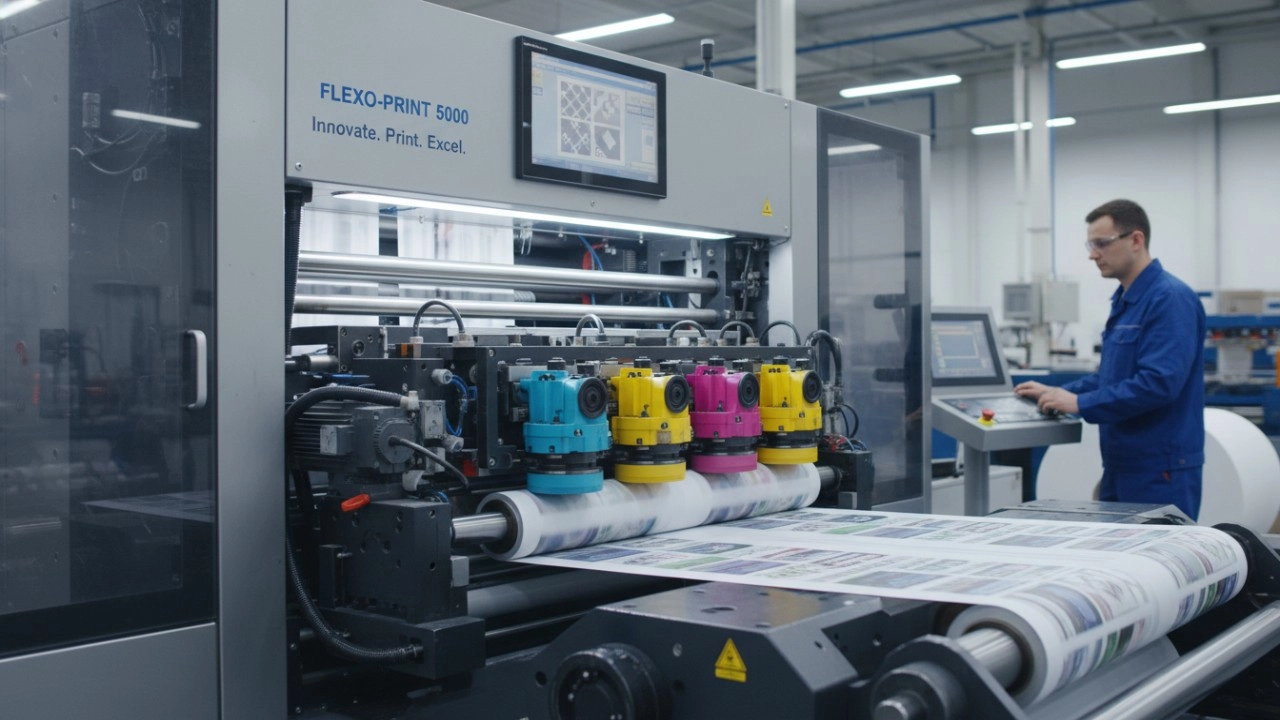
High-Efficiency Flexo Press Solutions: A Complete Guide to Optimizing Your Packaging Production
Shipping
What should I do if my machine arrives damaged?
If your machine arrives damaged, please contact our customer service immediately to arrange for repairs or replacement.
Can you ship to remote or difficult-to-access locations?
Yes, we can arrange shipping to remote locations, though additional charges and time may apply.
Industry Solutions
What kind of technical support do you offer for industry applications?
We provide comprehensive technical support, including installation, maintenance, and troubleshooting services.
Do you offer solutions for environmentally friendly packaging?
Yes, our machines can produce cartons from recyclable and biodegradable materials, supporting sustainable packaging solutions.
Product
Can your machines handle custom carton designs?
Yes, our machines can be customized to handle various carton designs and specifications.
Leave a message
Have any questions or queries about our products? Please leave us a message here and our team will get back to you promptly.
* Rest assured that your privacy is important to us, and all information provided will be handled with the utmost confidentiality.


© 2025 Keshenglong & SHINKO All Rights Reserved.
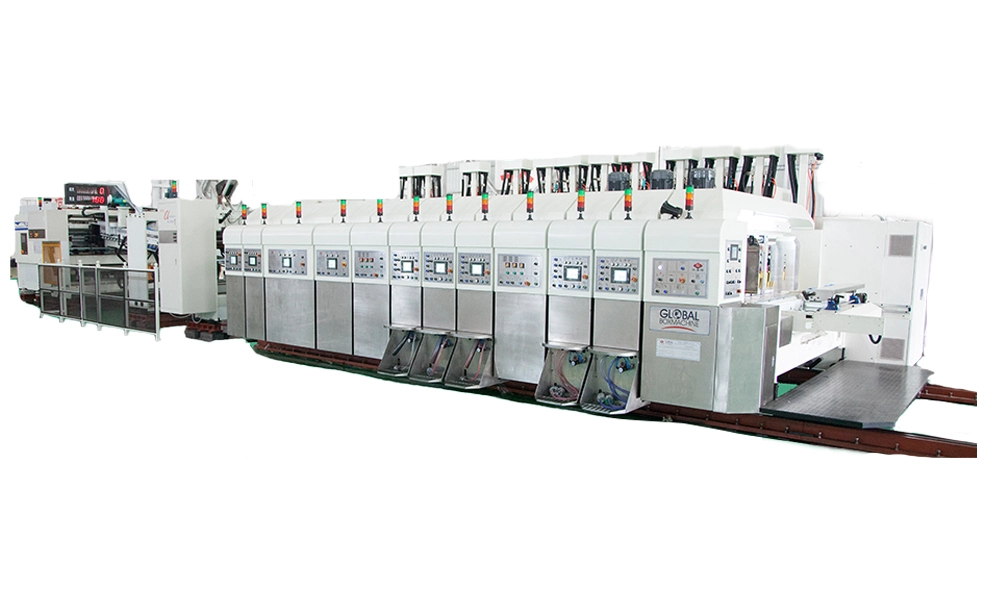
Keshenglong Carton Packing Machine
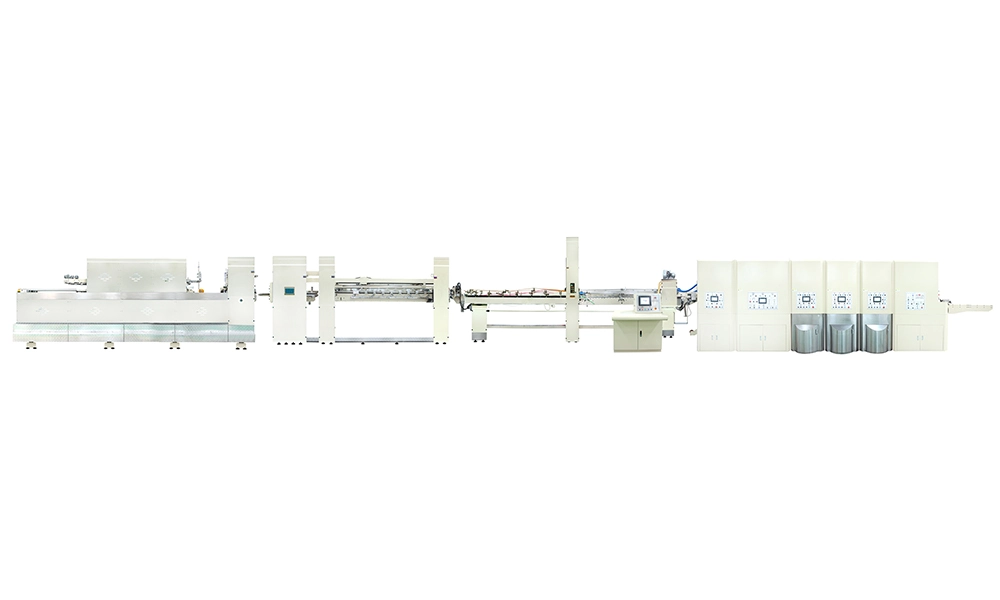
Keshenglong Carton Packing Machine
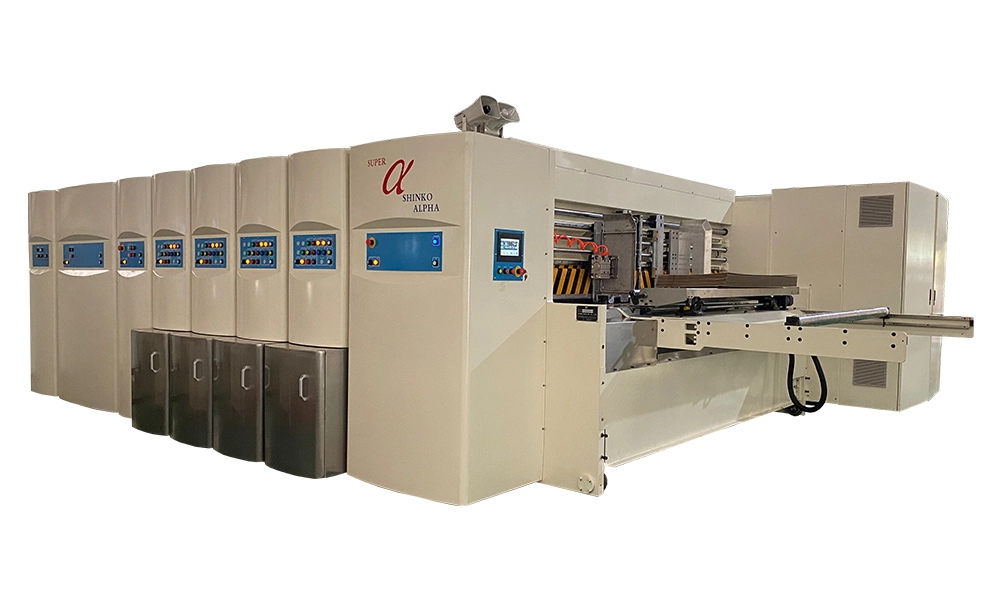
Keshenglong Carton Packing Machine
Keshenglong Carton Packing Machine
Keshenglong Carton Packing Machine