
How to reduce waste with a modern flexo printer machine?
Explore key strategies to enhance efficiency and minimize waste in flexographic printing, including automation, integration, tension control, and intelligent technology.
- 1. How can automation reduce waste in flexo printing?
- 2. How does integrating flexo printing with other systems help in waste reduction?
- 3. What role does tension control play in reducing waste?
- 4. How does managing repeat length contribute to waste reduction?
- 5. How can contamination control improve yield and reduce waste?
- 6. How does Intelligent Flexo technology reduce waste?
- 7. What are the benefits of water-washable flexographic printing plates?
- 8. How does regular maintenance reduce downtime and repair costs?
Flexographic printing, renowned for its versatility and high-quality output, offers numerous opportunities to enhance efficiency and reduce waste. Below are key strategies to achieve these objectives:
1. How can automation reduce waste in flexo printing?
Implementing automation streamlines setup and quality control processes, leading to substantial waste reduction. For instance, automating work preparation can decrease the time required for a 4-color print job change from 168 minutes to just 18 minutes, minimizing material usage during setup. Additionally, automation ensures consistent process parameters, such as ink viscosity and web tension, which are crucial for maintaining print quality and reducing defects. ((https://www.shinkomachinery.com/guides/flexo-printing-waste-downtime-reduction.html))
2. How does integrating flexo printing with other systems help in waste reduction?
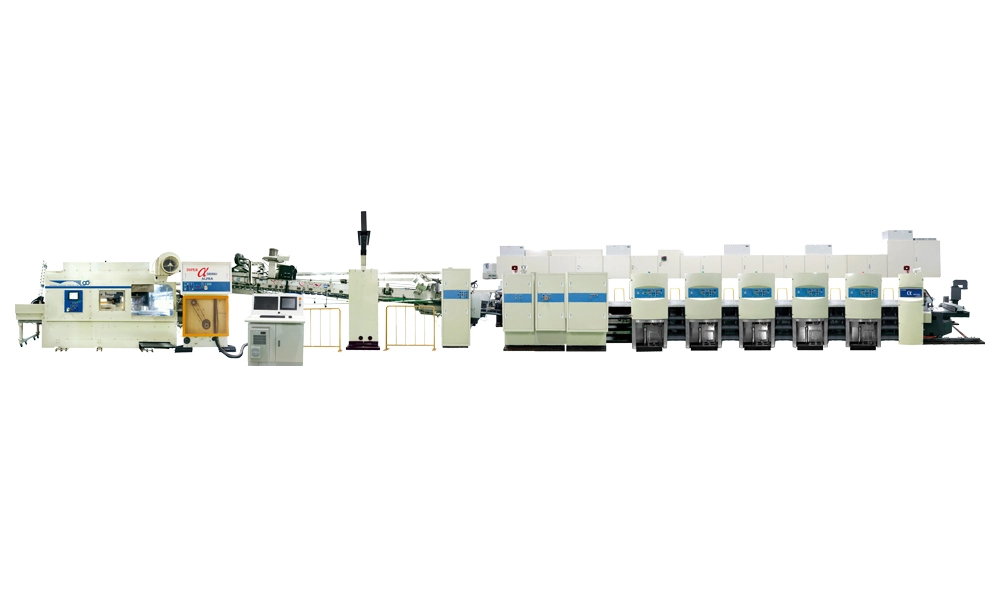
Integrating flexographic printing machines with downstream processes like lamination or slitting can significantly reduce waste. By connecting the printing machine directly to the lamination line, the need for intermediate winding is eliminated. This integration ensures better tension control and repeat length management, resulting in a final product that meets customer specifications without excess material usage. ((https://www.shinkomachinery.com/guides/flexo-printing-waste-downtime-reduction.html))
3. What role does tension control play in reducing waste?
Proper tension control is vital in flexo printing to prevent issues like register drift and wrinkles, which can lead to material waste. By setting and monitoring web tension zones accurately, operators can ensure consistent print quality and reduce the likelihood of defects that necessitate reprints.
4. How does managing repeat length contribute to waste reduction?
Managing repeat length effectively ensures that the printed design aligns correctly on the substrate, minimizing the need for adjustments and reducing material waste. Accurate repeat length management leads to a final product that meets customer specifications without excess material usage. ((https://www.shinkomachinery.com/guides/flexo-printing-waste-downtime-reduction.html))
5. How can contamination control improve yield and reduce waste?
Contamination control is essential in flexo printing to maintain print quality and reduce defects. Implementing measures to prevent contamination can lead to higher yields and less waste. ((https://www.shinkomachinery.com/guides/flexo-printing-waste-downtime-reduction.html))
6. How does Intelligent Flexo technology reduce waste?
Intelligent Flexo technology enhances first-time-right results and minimizes print defects, leading to fewer print stoppages. It achieves the same density with lower volume anilox rolls and eliminates the need to clean plates during printing, supporting sustainability and profitability.
7. What are the benefits of water-washable flexographic printing plates?
Water-washable flexographic printing plates offer environmental benefits by reducing the use of solvents and associated VOC emissions. They also simplify the plate-cleaning process, leading to less waste and improved operational efficiency. ((https://www.shinkomachinery.com/article/sustainable-flexo-printing-eco-inks-waste.html))
8. How does regular maintenance reduce downtime and repair costs?
Regular maintenance is crucial in flexo printing to ensure equipment operates at optimal performance. Scheduled servicing can prevent unexpected breakdowns, reduce downtime, and lower repair costs, leading to more efficient production and less waste.
By implementing these strategies, flexographic printers can significantly enhance efficiency, reduce waste, and improve profitability.
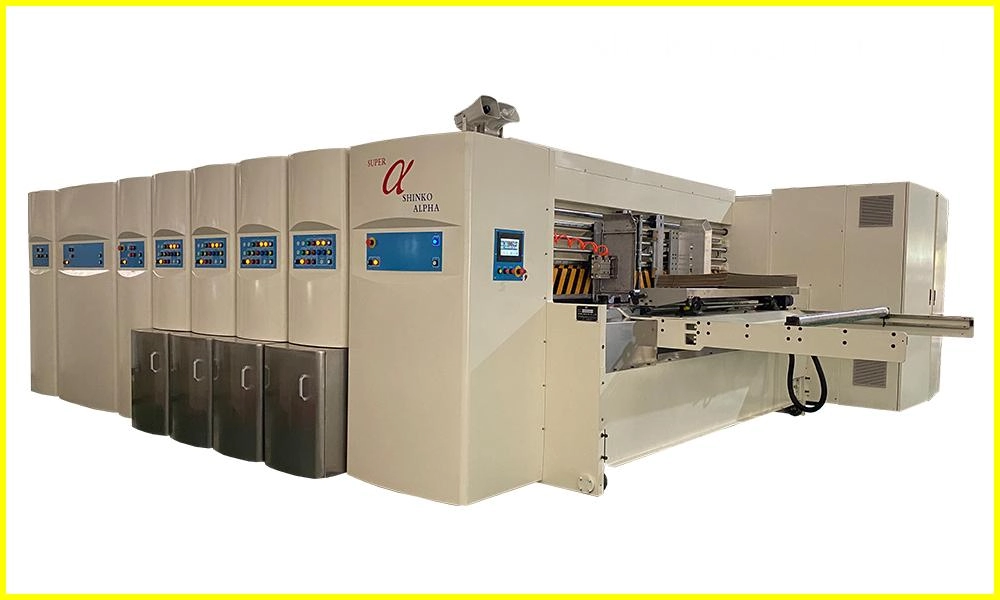
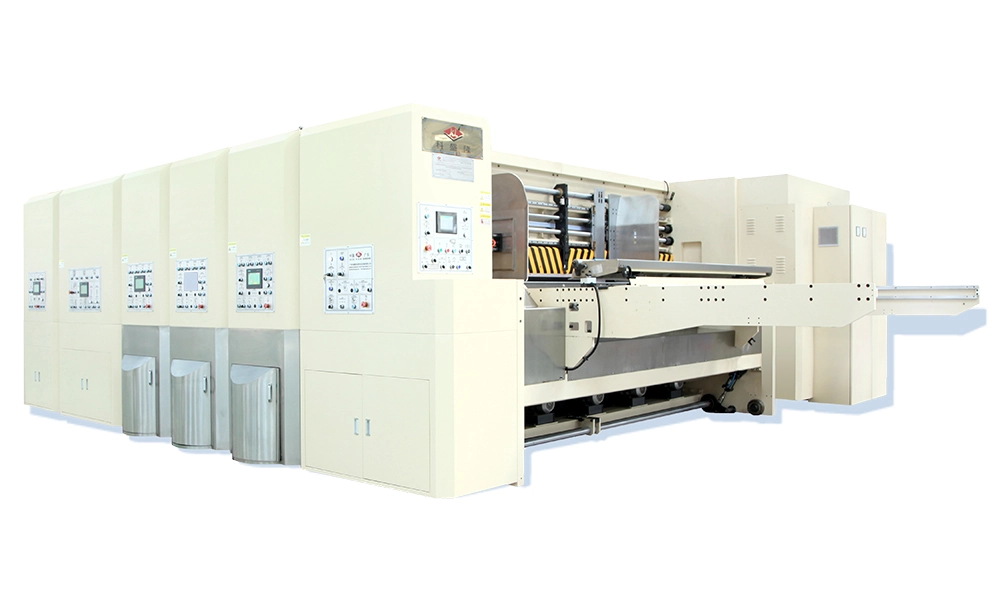
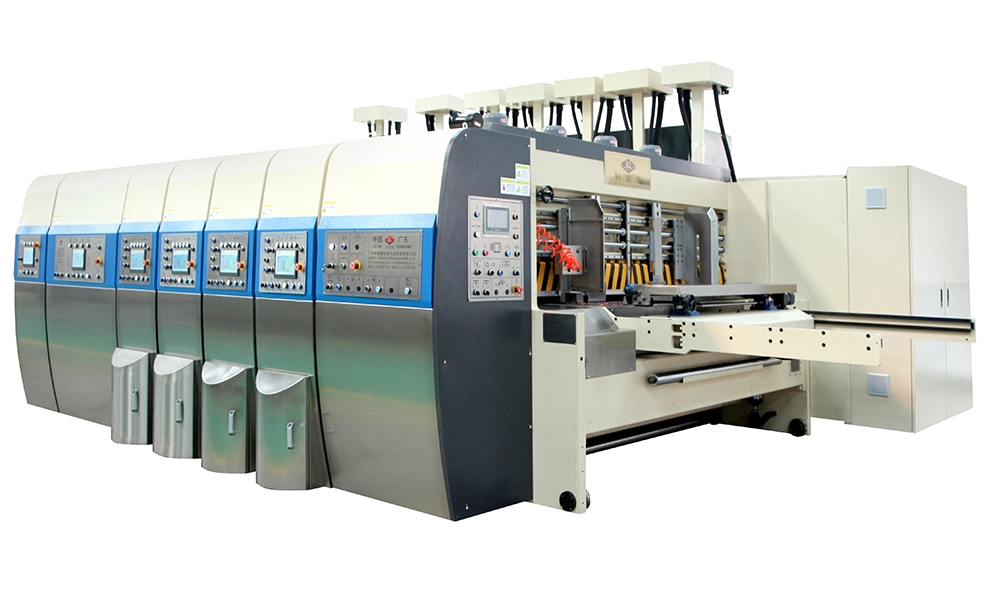
Brands like Keshenglong and Shinko offer advanced flexo printing solutions that incorporate these technologies, providing high-quality, efficient, and sustainable printing options.
For a visual guide on solving common problems in flexo printing, you may find the following video helpful:
(https://www.youtube.com/watch?v=Xx41vKGbMs0&utm_source=openai)
By adopting these practices and leveraging advanced technologies, flexographic printers can achieve significant waste reduction, leading to more sustainable and cost-effective operations.
Note: The information provided is based on industry best practices and may vary depending on specific equipment and operational conditions.
For more detailed information, refer to the sources cited above.
Recommended for you
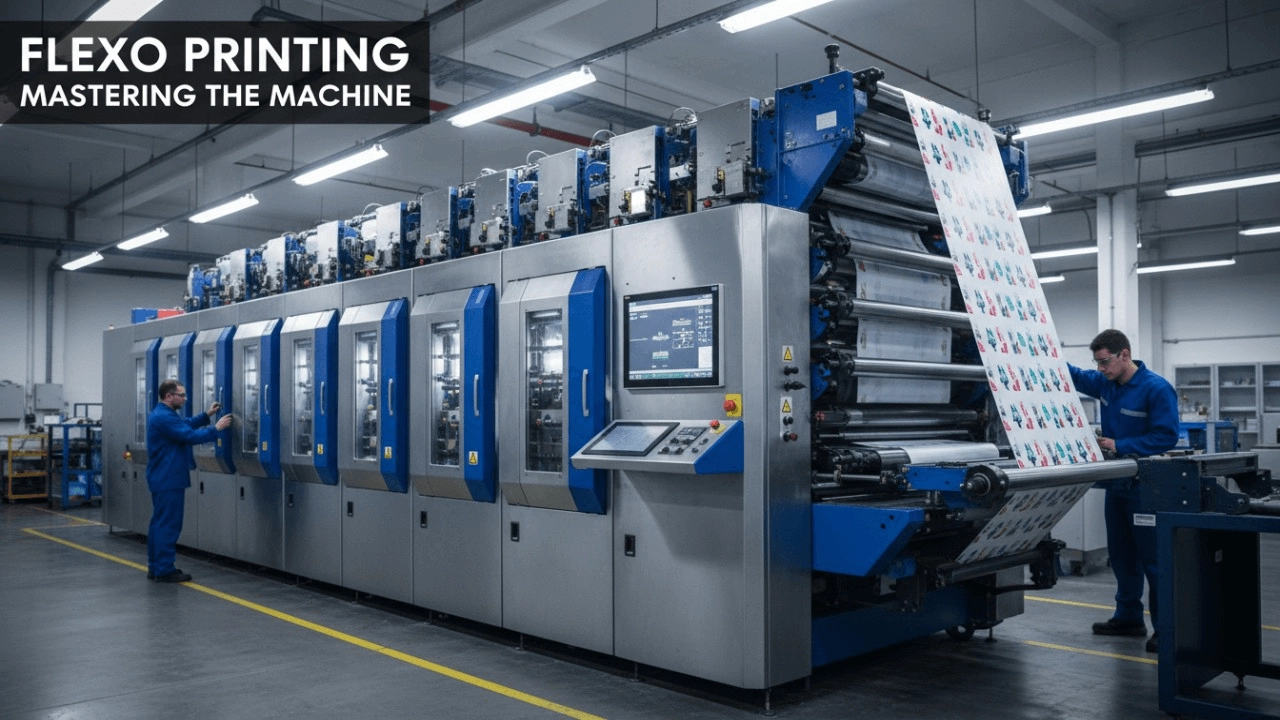
Mastering Flexo Printing in 2026: Machines, Processes, and Packaging Solutions
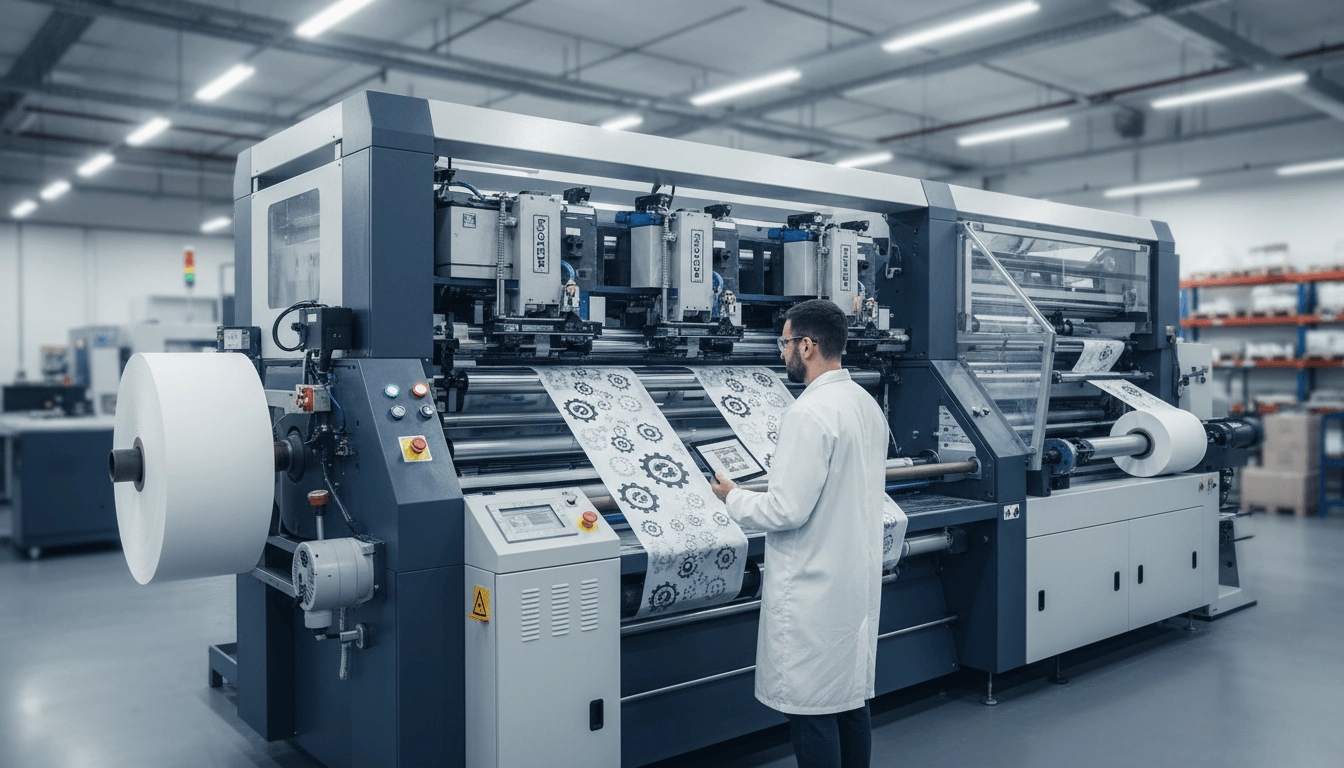
The Ultimate Guide to Flexo Printing Machines: Innovations & Buyer's Guide 2026
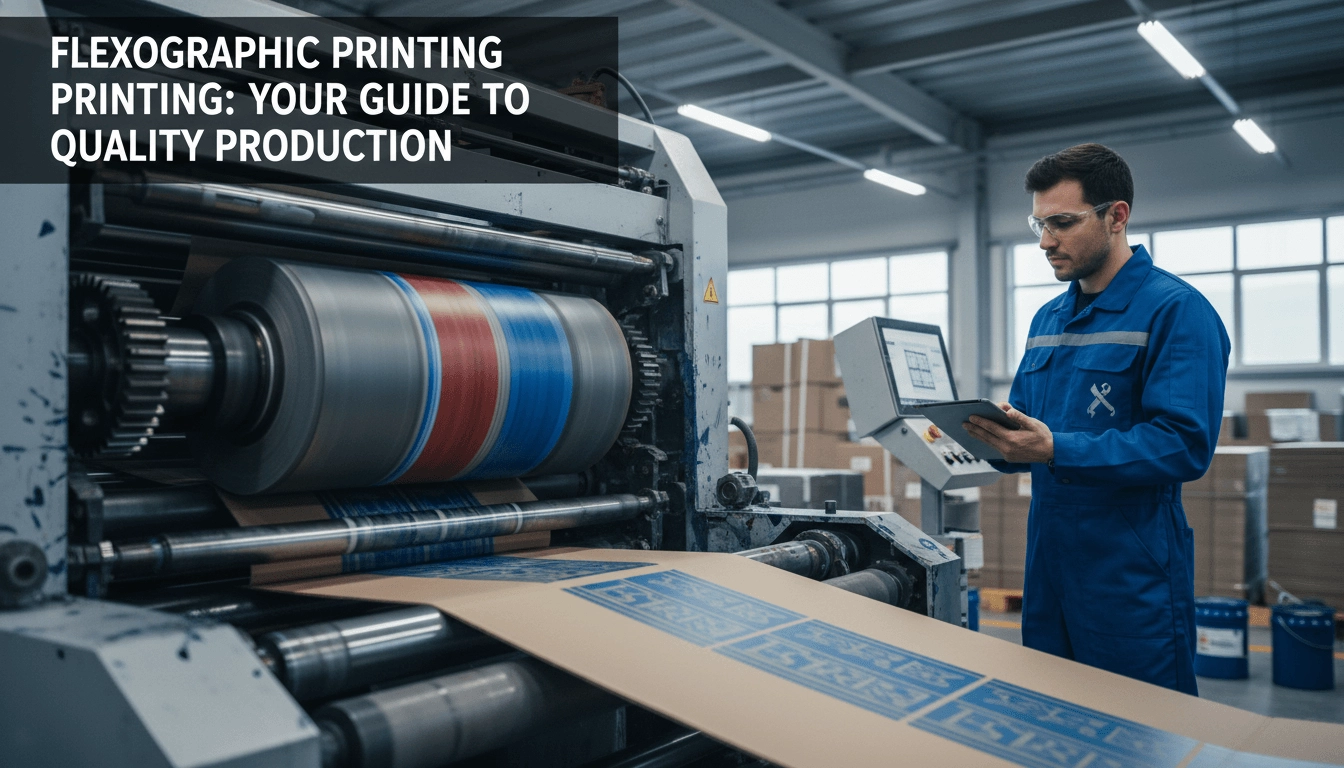
The Ultimate Guide to Flexographic Printing in 2026: From Basics to Advanced Integrated Solutions
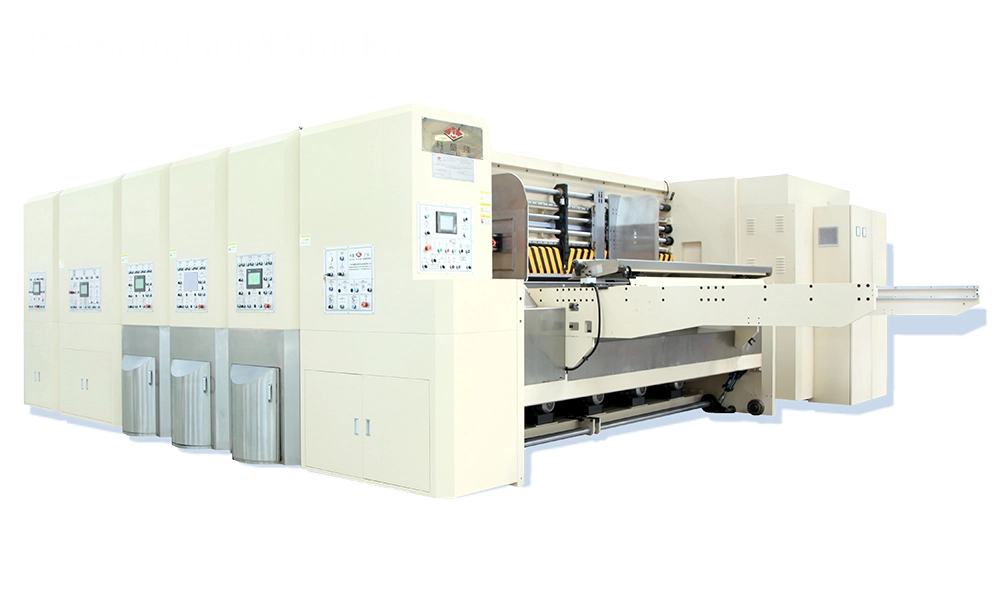
Top Chinese Flexo Printing Machine Manufacturers 2026 — Full Buyer Guide
Flexo Printing vs. Offset Printing: The Superior Choice for Corrugated Box Production
Industry Solutions
How can your folding carton machines benefit my packaging business?
Our machines increase production efficiency, reduce labor costs, and ensure high-quality, consistent carton production.
Product
How do I troubleshoot common issues with the folding mechanism?
Common issues can often be resolved by checking the alignment of the folding plates and ensuring there is no debris obstructing the mechanism.
What should I do if the machine jams during operation?
In case of a jam, immediately stop the machine, remove any obstructions, and check for any damage before restarting.
Shipping
Do you provide installation services upon delivery?
Yes, we offer on-site installation and training services to ensure your machine is set up correctly.
Can you ship to remote or difficult-to-access locations?
Yes, we can arrange shipping to remote locations, though additional charges and time may apply.
Leave a message
Have any questions or queries about our products? Please leave us a message here and our team will get back to you promptly.
* Rest assured that your privacy is important to us, and all information provided will be handled with the utmost confidentiality.


© 2025 Keshenglong & SHINKO All Rights Reserved.
Keshenglong Carton Packing Machine
Keshenglong Carton Packing Machine
Keshenglong Carton Packing Machine
Keshenglong Carton Packing Machine
Keshenglong Carton Packing Machine