
What ROI can you expect from investing in a flexo printer?
Explore key considerations for achieving optimal return on investment when purchasing flexo printing machines, including initial costs, operational savings, and revenue growth opportunities.
- Maximizing ROI with Flexo Printing Machines: Essential Insights for Industry Professionals
- 1. What Are the Initial Costs Associated with Purchasing a Flexo Printing Machine?
- 2. How Do Operational Savings Contribute to the ROI of a Flexo Printing Machine?
- 3. What Revenue Growth Opportunities Arise from Investing in a Flexo Printing Machine?
- 4. What Is the Typical Payback Period for a Flexo Printing Machine?
- 5. How Does Automation and Technological Advancements Affect the ROI of a Flexo Printing Machine?
- 6. How Do Flexo Printing Machines Compare to Digital Printing in Terms of ROI?
- 7. What Are the Total Cost of Ownership (TCO) Considerations for a Flexo Printing Machine?
- 8. How Do Facility and Overhead Costs Impact the ROI of a Flexo Printing Machine?
- Conclusion: Advantages of Keshenglong & Shinko Flexo Printing Machines
Maximizing ROI with Flexo Printing Machines: Essential Insights for Industry Professionals
Investing in a flexo printing machine is a significant decision that can substantially impact your business's efficiency and profitability. To ensure a favorable return on investment (ROI), it's crucial to understand various factors that influence both the initial expenditure and the long-term benefits. Below, we address common questions and provide insights to guide your purchasing decision.
1. What Are the Initial Costs Associated with Purchasing a Flexo Printing Machine?
The initial investment for a flexo printing machine varies based on several factors:
Machine Type and Size: Entry-level machines may start around $50,000, while advanced, large-format, multi-color systems can exceed $1 million.
Number of Colors and Print Stations: Machines with more color stations and advanced features generally cost more. For instance, a 1-color machine might be priced at $100,000, whereas a 6-color machine of similar size could be $500,000 or more.
Ancillary Equipment and Installation: Costs for prepress equipment, inspection systems, workflow software, transportation, duties, taxes, and commissioning fees add to the total expenditure.
2. How Do Operational Savings Contribute to the ROI of a Flexo Printing Machine?
Operational savings play a significant role in enhancing ROI:
Increased Production Capacity: High-speed machines can handle larger volumes, enabling businesses to take on more orders and shorten lead times.
Improved Print Quality: Modern flexo machines deliver sharper images and vibrant colors, enhancing product appeal and brand perception.
Reduced Waste: Efficient machines with precise controls minimize material waste, leading to direct cost savings.
Labor Efficiency: Automation features can reduce the need for manual intervention, lowering labor costs.
3. What Revenue Growth Opportunities Arise from Investing in a Flexo Printing Machine?
Investing in a flexo printing machine can open new revenue streams:
Versatility: The ability to print on various substrates and offer multiple finishing options expands service offerings and market reach.
Competitive Advantage: Owning advanced flexo printing technology allows companies to offer superior products at competitive prices, attracting new clients and retaining existing ones.
4. What Is the Typical Payback Period for a Flexo Printing Machine?
The payback period for a flexo printing machine typically ranges from 2 to 5 years, depending on factors such as machine utilization, operational efficiency, and market demand. A well-utilized machine with high uptime and efficient operations can achieve a quicker ROI.
5. How Does Automation and Technological Advancements Affect the ROI of a Flexo Printing Machine?
Automation and technological advancements can significantly enhance ROI:
Reduced Setup Times: Automation features drastically reduce setup and changeover times, minimizing non-productive hours and increasing machine uptime.
Energy Efficiency: Modern presses are designed for energy savings, particularly with innovations like LED UV curing systems, significantly lowering utility bills.
Maintenance Optimization: While initial maintenance on a new press might be lower, it's important to consider the maintenance cost change, as modern presses often have fewer mechanical issues but may require specialized software diagnostics.
6. How Do Flexo Printing Machines Compare to Digital Printing in Terms of ROI?
When comparing flexo printing to digital printing:
Throughput and Production Economics: Flexo presses typically offer higher throughput, with speeds ranging from 80–200 m/min, compared to digital presses operating at 20–60 m/min. This higher speed translates to increased production capacity and potential revenue growth.
Ink Costs and Consumables: Flexo printing often has lower ink costs per square meter due to the use of bulk ink reservoirs and efficient ink transfer, leading to cost savings over time.
Maintenance and Uptime: Flexo machines generally require periodic plate management and mechanical servicing, but they often experience fewer breakdowns and have a longer lifespan compared to digital presses.
7. What Are the Total Cost of Ownership (TCO) Considerations for a Flexo Printing Machine?
The Total Cost of Ownership (TCO) includes:
Capital Expenditures (CAPEX): Initial costs such as the press purchase price, ancillary equipment, installation, and training.
Operational Expenditures (OPEX): Ongoing costs including consumables (substrates, inks, printing plates), labor, energy, and maintenance.
A comprehensive TCO analysis helps in understanding the long-term financial commitment and aids in comparing different investment options.
8. How Do Facility and Overhead Costs Impact the ROI of a Flexo Printing Machine?
Facility and overhead costs can influence ROI:
Facility Space: The physical space required for the machine, material storage, finished goods, and workspace for operators.
Utilities: Beyond electricity, this includes water (for cleaning), gas (for some drying systems or climate control), and waste disposal.
Insurance: Protecting your significant investment in packaging machinery against damage, theft, or operational liabilities.
Software and IT Infrastructure: Management software for job scheduling, inventory, quality control, and general IT support.
Marketing and Sales: While not directly tied to production, these costs are essential for securing jobs and ensuring the machine operates at capacity.
Conclusion: Advantages of Keshenglong & Shinko Flexo Printing Machines
Keshenglong and Shinko offer advanced flexo printing machines that provide:
High Precision and Efficiency: Designed for superior print quality and operational efficiency.
Versatility: Capable of handling various substrates and offering multiple finishing options.
Durability: Built to last, ensuring a long-term investment with minimal downtime.
Comprehensive Support: Backed by a global service network and experienced technicians.
By choosing Keshenglong and Shinko, businesses can achieve a favorable ROI through enhanced productivity, quality, and market competitiveness.
References:
Recommended for you
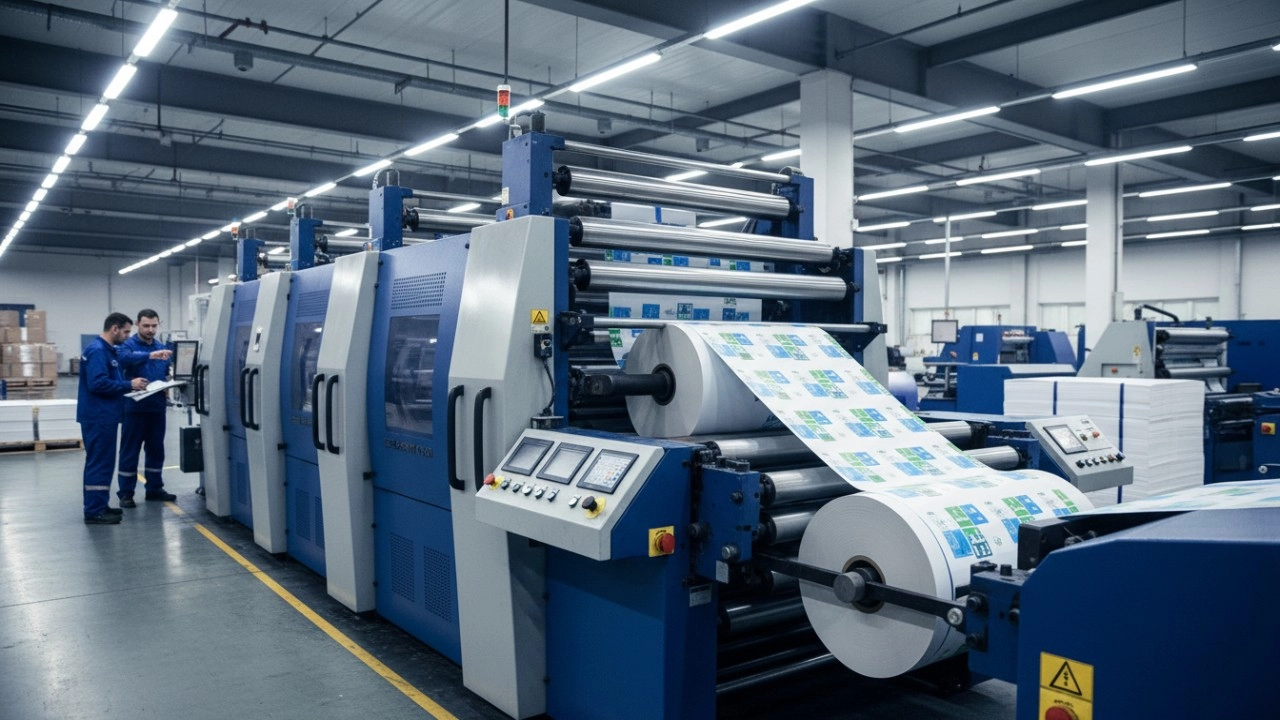
How to Optimize Your Flexo Printing Machine for Maximum Speed and Zero Defects
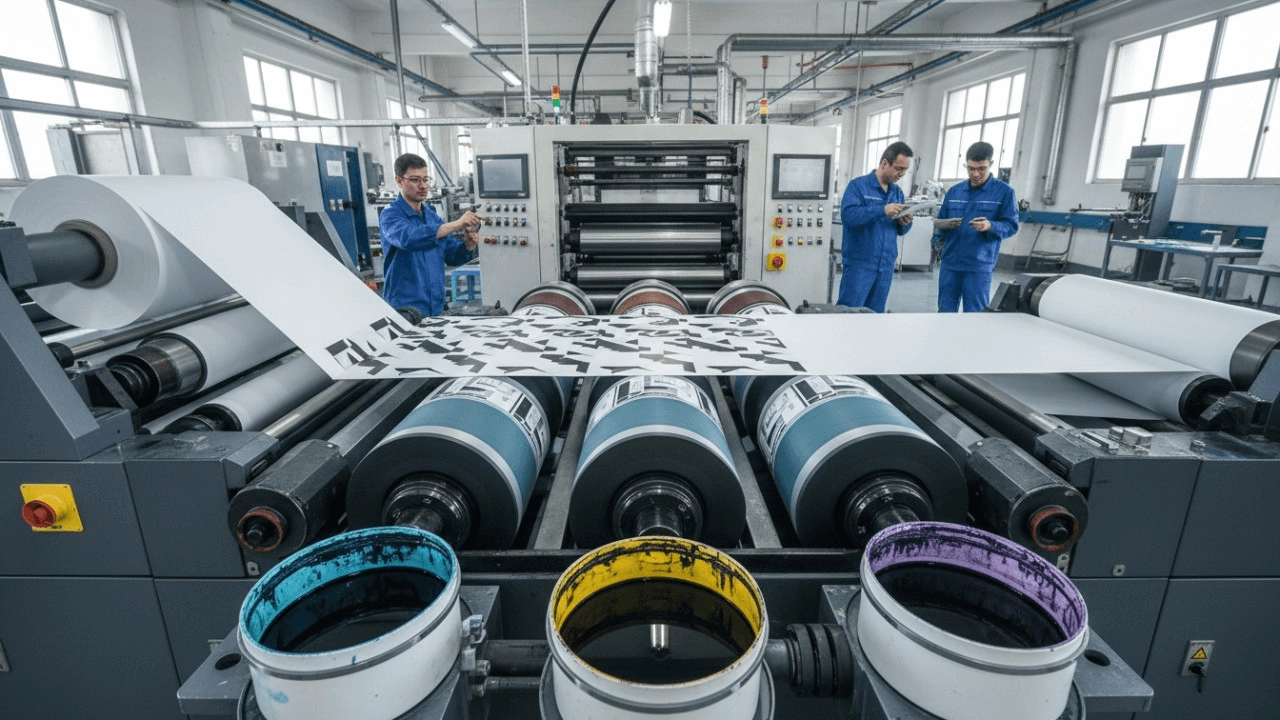
What is Flexographic Printing? The Ultimate Technical Guide & Process Breakdown (2025)
Top 10 Best Flexo Printer Manufacturers (2026): Reviews & Buying Guide
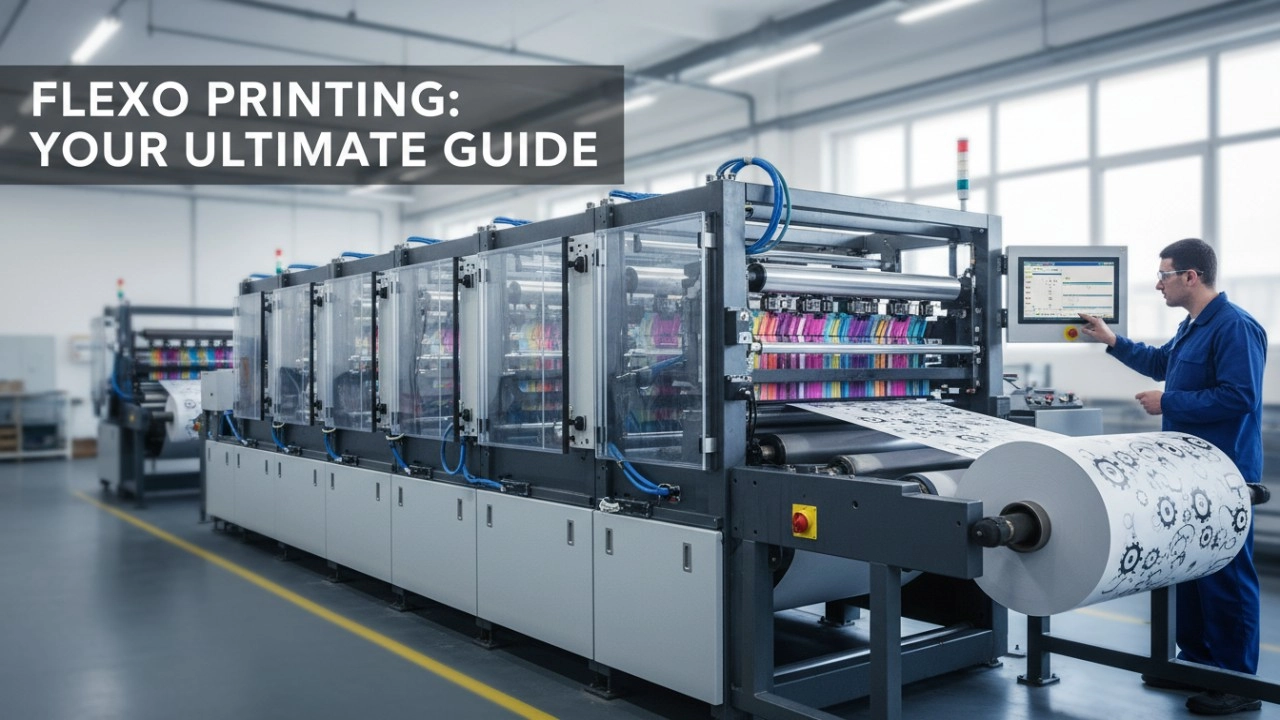
How to Select the Best Flexo Printing Press Manufacturer: A Data-Driven Checklist (2026 Edition)
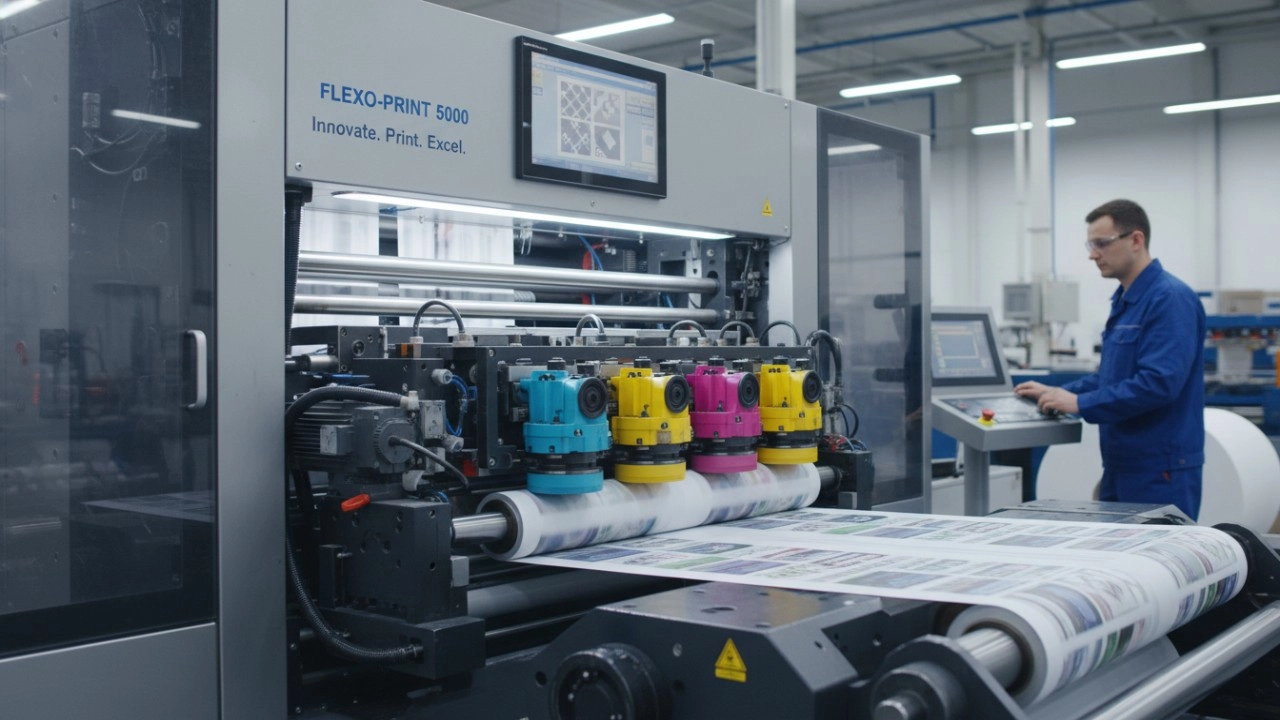
High-Efficiency Flexo Press Solutions: A Complete Guide to Optimizing Your Packaging Production
Shipping
Can I track my shipment once it has been dispatched?
Yes, we provide tracking information for all shipments so you can monitor the delivery status.
Can you ship to remote or difficult-to-access locations?
Yes, we can arrange shipping to remote locations, though additional charges and time may apply.
What are the shipping dimensions and weight of your folding carton machines?
Shipping dimensions and weight vary by model; please refer to the specific product details for accurate information.
Industry Solutions
Can your machines handle high-volume production demands?
Yes, our machines are designed for high-volume production, ensuring reliable and efficient operation.
Product
What maintenance is required for optimal machine performance?
Regular lubrication, cleaning of the folding units, and checking for worn parts are essential for maintaining optimal performance.
Leave a message
Have any questions or queries about our products? Please leave us a message here and our team will get back to you promptly.
* Rest assured that your privacy is important to us, and all information provided will be handled with the utmost confidentiality.
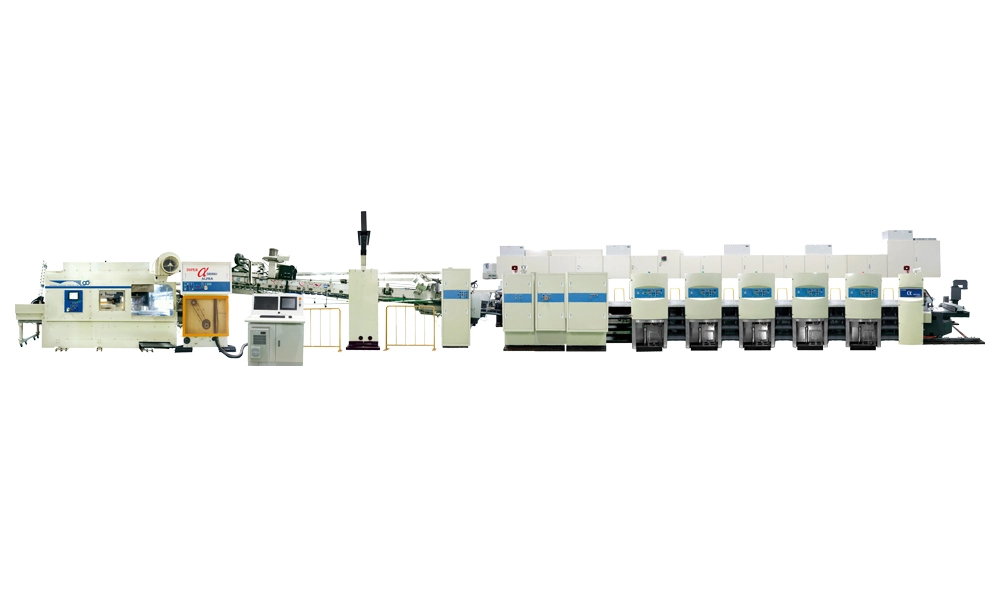
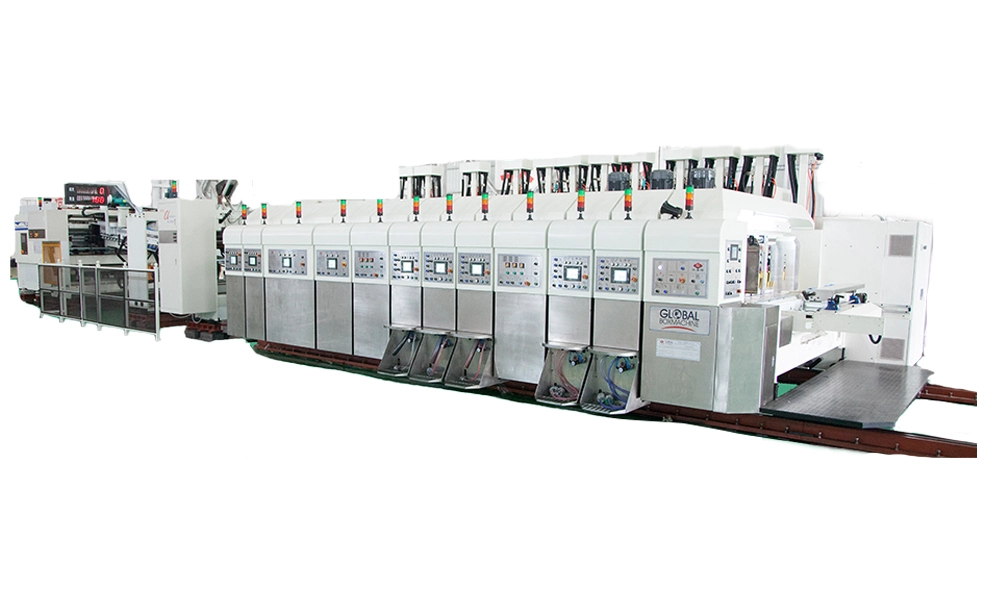
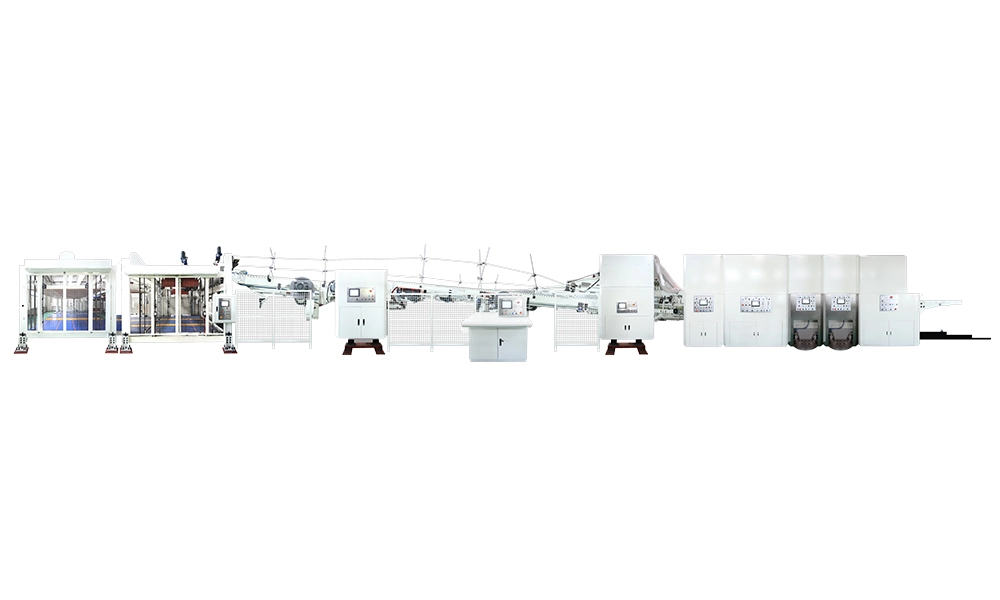


© 2025 Keshenglong & SHINKO All Rights Reserved.
Keshenglong Carton Packing Machine
Keshenglong Carton Packing Machine
Keshenglong Carton Packing Machine
Keshenglong Carton Packing Machine
Keshenglong Carton Packing Machine