
How to integrate flexo printers with automation systems?
Explore essential considerations and benefits of integrating flexo printers with automation systems, including efficiency improvements, quality enhancements, and cost savings. Learn how Keshenglong & Shinko lead in this technological advancement.
- Integrating Flexo Printers with Automation Systems: Key Considerations and Benefits
- 1. What are the primary benefits of integrating automation with flexo printers?
- 2. How does automation improve the efficiency of flexo printing operations?
- 3. What role does artificial intelligence (AI) play in flexo printing automation?
- 4. How can flexo printers integrate with other systems to enhance automation?
- 5. What are the challenges in integrating automation with flexo printers?
- 6. How does automation address labor shortages in the flexo printing industry?
- 7. What are the cost implications of implementing automation in flexo printing?
- 8. How are automation trends in flexo printing influencing global supply chains?
- Conclusion: Advantages of Keshenglong & Shinko in Flexo Printing Automation
Integrating Flexo Printers with Automation Systems: Key Considerations and Benefits
Flexographic printing, known for its versatility and cost-effectiveness, has evolved significantly with the integration of automation systems. This advancement has led to enhanced efficiency, superior print quality, and reduced operational costs. Below, we address common questions regarding the integration of flexo printers with automation systems.
1. What are the primary benefits of integrating automation with flexo printers?
Integrating automation into flexo printing processes offers several advantages:
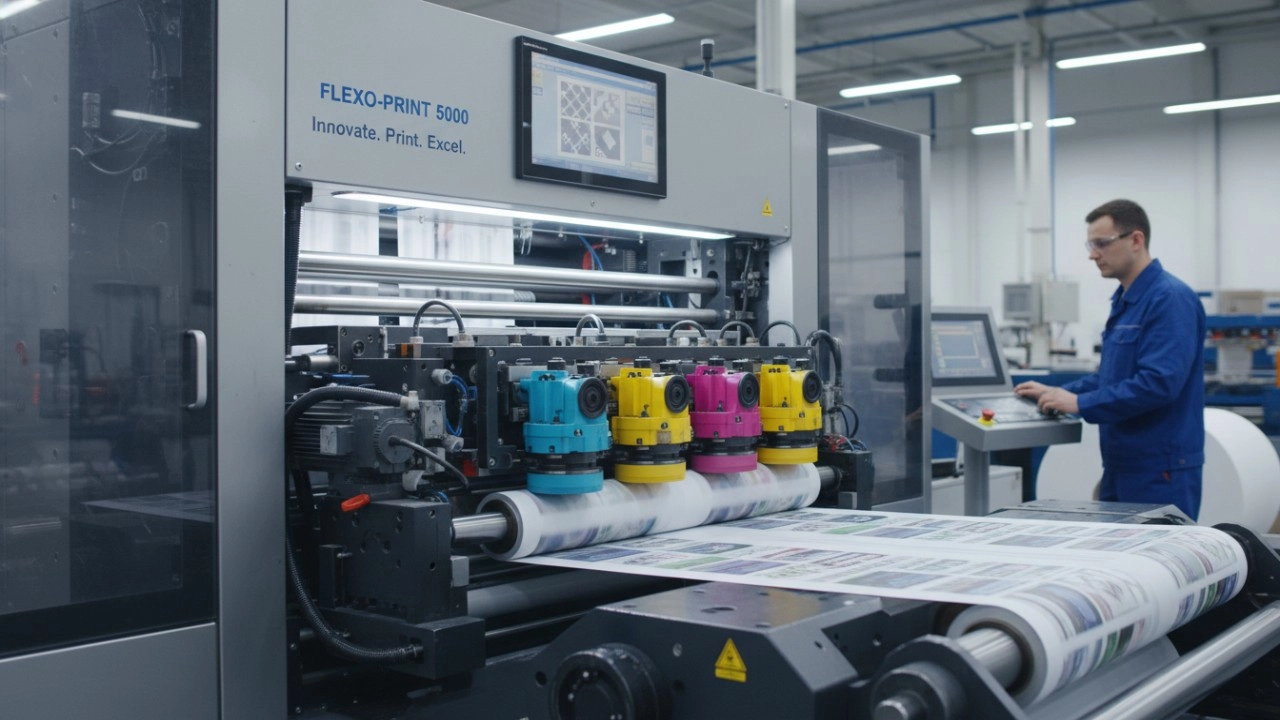
Increased Efficiency: Automation reduces manual intervention, streamlining tasks such as plate mounting, registration, and ink adjustments. This leads to faster setup times and minimized downtime, resulting in higher productivity. For instance, automated plate mounting can be faster than manual processes, eliminating incorrect plate mounting and reducing press downtime during makereadies.
Enhanced Print Quality: Automated systems ensure consistent print quality by maintaining precise control over variables like tension, speed, and pressure. This consistency reduces defects and waste, leading to higher-quality outputs.
Cost Savings: By optimizing processes and reducing waste, automation lowers operational costs. The reduction in manual labor and material waste contributes to significant savings over time.
2. How does automation improve the efficiency of flexo printing operations?
Automation enhances efficiency in several ways:
Faster Job Changeovers: Automated systems can quickly adjust settings for different jobs, reducing the time required for changeovers. This flexibility allows printers to handle shorter runs and more frequent job changes without compromising efficiency.
Reduced Waste: Automation minimizes human errors and ensures precise control over the printing process, leading to less material waste. For example, integrating a slitter-rewinder with the flexo printing machine eliminates the need for unloading and reloading, reducing material waste.
Improved Workflow: Automated processes streamline the entire production line, from prepress to finishing, creating a more cohesive and efficient workflow.
3. What role does artificial intelligence (AI) play in flexo printing automation?
AI contributes to flexo printing automation by:
Predictive Maintenance: AI algorithms analyze machine data to predict potential failures, allowing for proactive maintenance and reducing downtime.
Quality Control: AI-powered vision systems can detect defects in real-time, ensuring consistent print quality and reducing the need for manual inspections.
Process Optimization: AI can analyze production data to identify inefficiencies and suggest improvements, leading to optimized processes and better resource utilization.
4. How can flexo printers integrate with other systems to enhance automation?
Flexo printers can integrate with various systems to enhance automation:
Management Information Systems (MIS): Integrating flexo printers with MIS allows for seamless data exchange, enabling automated job scheduling, inventory management, and production tracking. This integration ensures that all systems work in harmony, improving overall efficiency.
Enterprise Resource Planning (ERP) Systems: Connecting flexo printers to ERP systems facilitates real-time data sharing, aiding in better decision-making and resource allocation.
Packaging Systems: Integrating with packaging systems automates the entire process from printing to packaging, reducing manual handling and errors.
5. What are the challenges in integrating automation with flexo printers?
Challenges include:
High Initial Investment: The cost of implementing automation technologies can be significant, which may be a barrier for some companies.
Technical Complexity: Integrating various systems requires technical expertise and careful planning to ensure compatibility and functionality.
Training Requirements: Staff must be trained to operate and maintain automated systems, which can require time and resources.
6. How does automation address labor shortages in the flexo printing industry?
Automation helps mitigate labor shortages by:
Reducing Manual Labor: Automated systems handle repetitive and time-consuming tasks, decreasing the reliance on manual labor.
Enhancing Productivity: With automation, fewer operators can manage more complex tasks, increasing overall productivity.
Improving Safety: Automation reduces the need for human intervention in potentially hazardous processes, enhancing workplace safety.
7. What are the cost implications of implementing automation in flexo printing?
While the initial investment in automation can be high, the long-term benefits often outweigh the costs:
Return on Investment (ROI): Automation leads to increased efficiency, reduced waste, and higher-quality products, resulting in a favorable ROI over time.
Operational Savings: Reduced labor costs and material waste contribute to significant operational savings.
Scalability: Automated systems can adapt to increased production demands without a proportional increase in costs.
8. How are automation trends in flexo printing influencing global supply chains?
Automation in flexo printing influences global supply chains by:
Accelerating Production: Faster production times enable companies to meet global demand more effectively.
Enhancing Quality Consistency: Automated processes ensure consistent product quality, which is crucial for maintaining brand reputation in global markets.
Improving Flexibility: Automation allows for quicker adaptation to changing market demands and customization requirements.
Conclusion: Advantages of Keshenglong & Shinko in Flexo Printing Automation
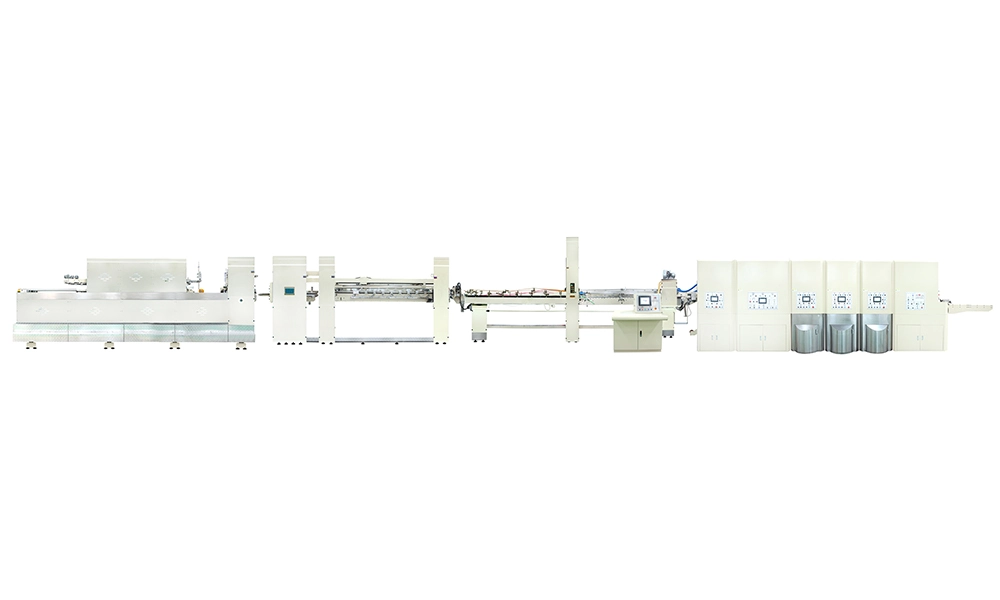
Keshenglong and Shinko are at the forefront of integrating automation into flexo printing. Their advanced technologies offer:
State-of-the-Art Automation: Incorporating the latest automation trends to enhance efficiency and quality.
Comprehensive Integration: Seamless integration with various systems, including MIS and ERP, for a unified production process.
Sustainable Practices: Implementing automation solutions that reduce waste and energy consumption, promoting sustainability.
By choosing Keshenglong and Shinko, businesses can leverage cutting-edge automation technologies to optimize their flexo printing operations, leading to improved productivity, quality, and profitability.
References:
(https://www.shinkomachinery.com/latest-automation-trends-flexo-printing-machines.html)
(https://www.flexotechmag.com/features/orchestrating-automation)
(https://magazine.machinedalal.com/automation-in-flexo-printing-enhancing-efficiency-and-quality/)
(https://www.flexotechmag.com/features/keeping-it-real-automation-on-wide-web-presses)
(https://www.packagingimpressions.com/article/automating-offset-and-flexo-printing-operations/)
(https://www.flexography.org/industry-news/flexography-automation/)
Recommended for you
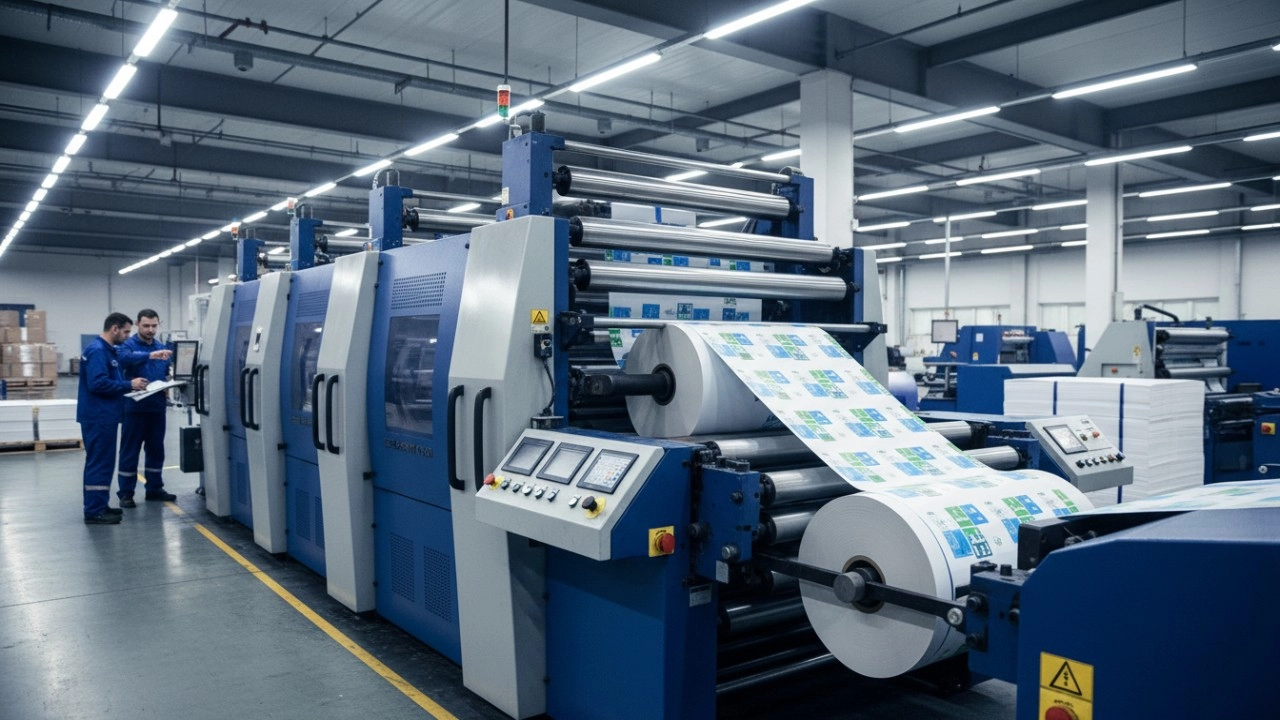
How to Optimize Your Flexo Printing Machine for Maximum Speed and Zero Defects
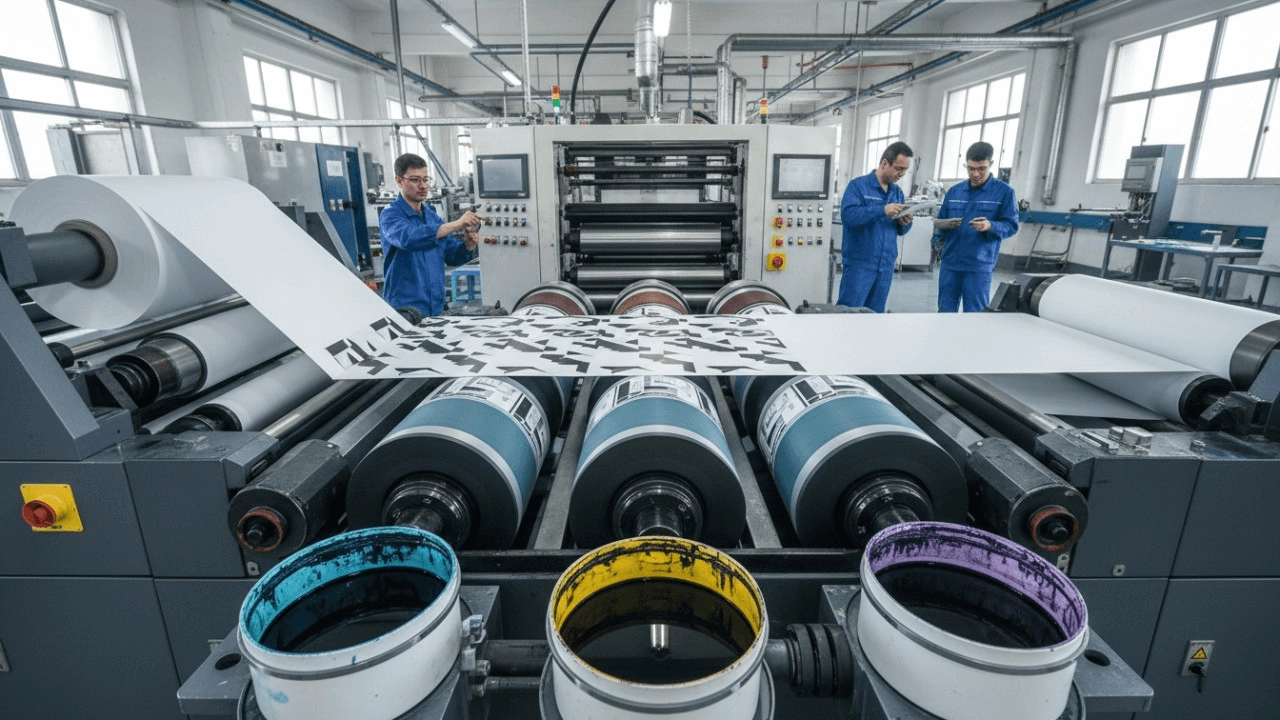
What is Flexographic Printing? The Ultimate Technical Guide & Process Breakdown (2025)
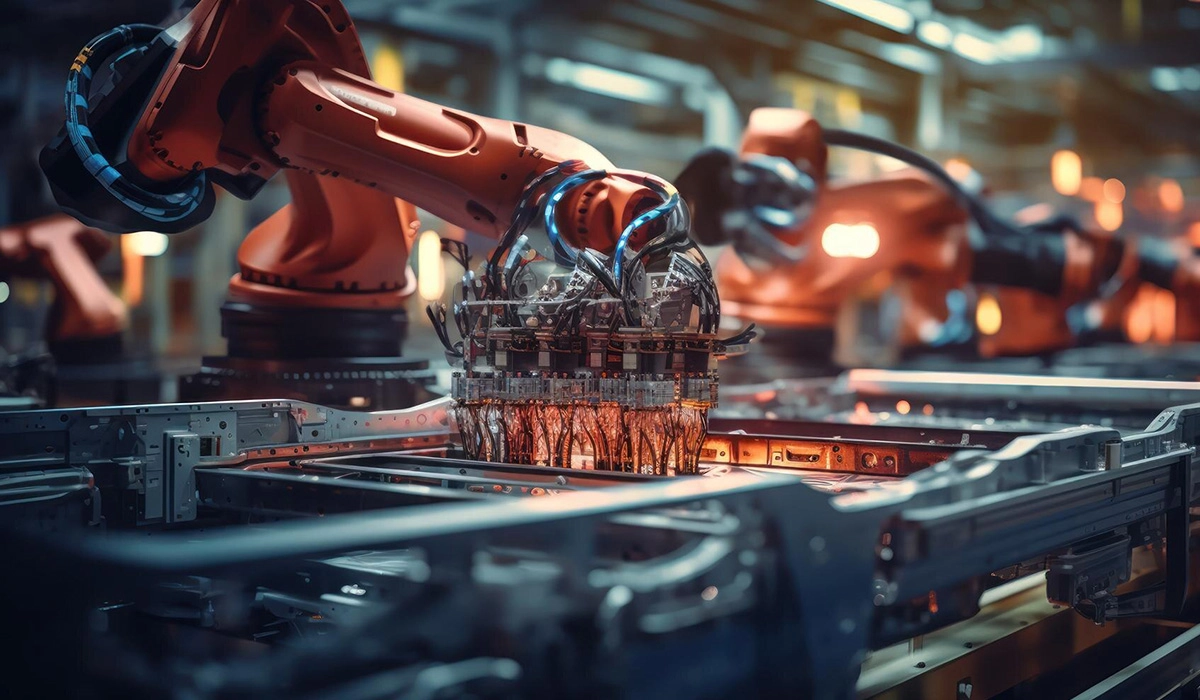
Top 10 Best Flexo Printer Manufacturers (2026): Reviews & Buying Guide
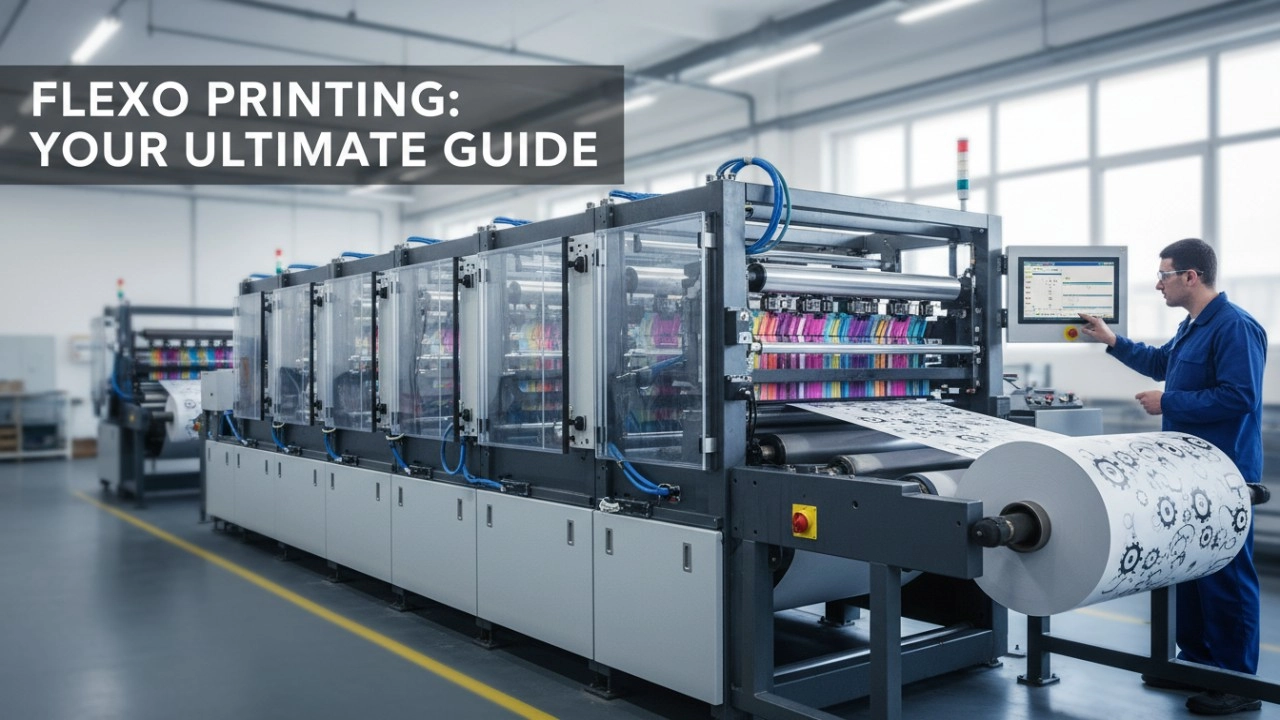
How to Select the Best Flexo Printing Press Manufacturer: A Data-Driven Checklist (2026 Edition)
High-Efficiency Flexo Press Solutions: A Complete Guide to Optimizing Your Packaging Production
Product
What materials are compatible with your folding carton machines?
Our machines are compatible with a wide range of materials including cardboard, corrugated board, and paperboard.
What maintenance is required for optimal machine performance?
Regular lubrication, cleaning of the folding units, and checking for worn parts are essential for maintaining optimal performance.
Shipping
How are your machines packaged for safe transportation?
Our machines are securely packaged using high-quality materials to prevent damage during transit.
Industry Solutions
Can your machines be integrated with digital printing technology?
Yes, our machines are compatible with digital printing systems for custom, high-quality printing on cartons.
What is the lifespan of your folding carton machines?
With proper maintenance, our machines are built to last for many years, providing long-term value for your investment.
Leave a message
Have any questions or queries about our products? Please leave us a message here and our team will get back to you promptly.
* Rest assured that your privacy is important to us, and all information provided will be handled with the utmost confidentiality.


© 2025 Keshenglong & SHINKO All Rights Reserved.
Keshenglong Carton Packing Machine
Keshenglong Carton Packing Machine
Keshenglong Carton Packing Machine
Keshenglong Carton Packing Machine
Keshenglong Carton Packing Machine