
What print quality to expect from a corrugated box printer machine?
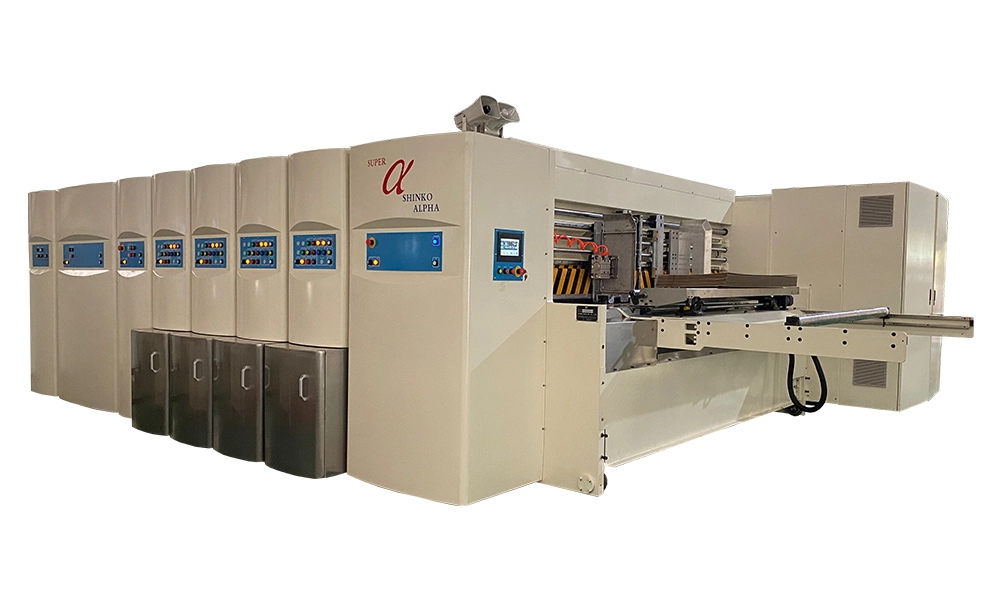
This guide addresses key considerations for purchasing a corrugated box printer machine, including types, print quality expectations, maintenance, and leading manufacturers like Keshenglong and Shinko.
- Comprehensive Guide to Purchasing a Corrugated Box Printer Machine
- 1. What are the different types of corrugated box printer machines available?
- 2. What print quality can be expected from a corrugated box printer machine?
- 3. What maintenance routines extend the machine's lifespan?
- 4. How do flexographic and digital printing compare for corrugated boxes?
- 5. What training is required for operators?
- 6. Are retrofit upgrades available for older machines?
- 7. What should I ask vendors about service and spare parts?
- 8. How to calculate ROI for a corrugated box printer machine?
- 9. Can older slotters be retrofitted with inline flexo printing?
- 10. How long does installation and commissioning typically take?
- 11. Are there standards or certifications to check for corrugated converting equipment?
- Conclusion: Advantages of Keshenglong & Shinko
Comprehensive Guide to Purchasing a Corrugated Box Printer Machine
When considering the acquisition of a corrugated box printer machine, it's essential to address several critical questions to ensure the investment aligns with your production needs and quality standards. Below are some of the most frequently asked questions by industry professionals:
1. What are the different types of corrugated box printer machines available?
Corrugated box printers primarily fall into two categories:
Flexographic Printers: Utilize flexible relief plates to transfer ink onto the substrate. They are well-suited for high-volume runs and can handle multiple colors simultaneously.
Digital Printers: Employ inkjet technology to print directly onto the corrugated material. They are ideal for short runs, variable data printing, and quick job changes.
2. What print quality can be expected from a corrugated box printer machine?
The print quality of a corrugated box printer depends on several factors:
Resolution: Digital printers often provide higher resolutions, resulting in sharper images and finer details.
Color Fidelity: Flexographic printers are known for consistent color reproduction over long runs, while digital printers offer flexibility in color adjustments for shorter runs.
Material Compatibility: The choice of ink and printing technology should be compatible with the specific type of corrugated board to ensure optimal adhesion and durability.
3. What maintenance routines extend the machine's lifespan?
Regular maintenance is crucial for the longevity of the printer:
Daily: Clean printheads with approved solvents to prevent clogging.
Monthly: Lubricate gears to ensure smooth operation.
Quarterly: Inspect and maintain motors to prevent unexpected failures.
Additionally, replace anilox rollers every 18-24 months, depending on usage, to maintain consistent ink transfer.
4. How do flexographic and digital printing compare for corrugated boxes?
Flexographic Printing: Best suited for runs exceeding 10,000 boxes, offering lower per-unit costs but requiring plate changes for different designs.
Digital Printing: Excels in short runs (under 5,000 boxes), allowing for instant design changes and minimal setup waste, making it ideal for customization and rapid prototyping.
5. What training is required for operators?
Operators should undergo comprehensive training programs that cover:
Substrate Handling: Understanding the properties of different corrugated materials.
Color Management: Techniques to achieve accurate color reproduction.
Emergency Protocols: Procedures to handle equipment malfunctions safely.
For digital models, additional training on RIP software operation and cloud-based job tracking is beneficial.
6. Are retrofit upgrades available for older machines?
Yes, many pre-2015 models can be upgraded with:
Digital Inkjet Units: Enhance printing capabilities, with costs ranging from $12,000 to $25,000.
Automated Registration Systems: Improve accuracy by up to 60%, priced around $8,500.
These upgrades can extend the machine's useful life and improve print quality.
7. What should I ask vendors about service and spare parts?
When evaluating vendors, consider the following:
Spare Part Availability: Ensure local inventory for quick replacements.
Response Times: Guaranteed times for addressing service requests.
Maintenance Contracts: Options for preventive maintenance to reduce downtime.
Remote Diagnostics: Capabilities for troubleshooting without on-site visits.
Training Packages: Programs for operators and maintenance staff to enhance proficiency.
8. How to calculate ROI for a corrugated box printer machine?
To assess the return on investment, consider:
Capital Expenditure (CAPEX): Initial purchase and installation costs.
Operational Savings: Reduced waste, labor, and setup times.
Maintenance Costs: Ongoing expenses for upkeep.
Quality Improvements: Enhanced print quality leading to higher product value.
Vendors often provide Total Cost of Ownership (TCO) models to assist in this evaluation. ((https://www.shinkomachinery.com/top-5-corrugated-box-printer-machine-companies-compared.html))
9. Can older slotters be retrofitted with inline flexo printing?
Yes, many vendors offer retrofit kits to add inline flexo units, servo registration, and job-memory systems to existing slotters, enhancing their functionality and print quality. ((https://www.shinkomachinery.com/top-5-corrugated-box-printer-machine-companies-compared.html))
10. How long does installation and commissioning typically take?
Project timelines vary based on machine complexity and site readiness:
Simple Retrofits: May take a few weeks.
Full-Line Installations: Can span several months, including mechanical installation, electrical integration, and trials.
It's essential to coordinate with the vendor for a detailed project plan. ((https://www.shinkomachinery.com/top-5-corrugated-box-printer-machine-companies-compared.html))
11. Are there standards or certifications to check for corrugated converting equipment?
Look for:
OEM Quality Systems: Adherence to industry standards.
Safety Compliance: CE/UL certifications where applicable.
Factory Acceptance Tests (FAT): Verification of equipment performance.
Commissioning & Acceptance Test Protocols: Documented procedures to ensure equipment meets specifications.
Conclusion: Advantages of Keshenglong & Shinko
When selecting a corrugated box printer machine, Keshenglong & Shinko stand out due to their:
Advanced Technology: Incorporating the latest innovations in printing and converting.
Customization: Tailored solutions to meet specific production requirements.
Reliability: Proven track record in delivering high-quality, durable equipment.
Comprehensive Support: Offering installation, training, and ongoing maintenance services.
Investing in equipment from Keshenglong & Shinko can enhance your production efficiency and product quality, leading to a significant return on investment.
((https://www.shinkomachinery.com/product-tag/printing-machine-for-corrugated-boxes.html))
Recommended for you
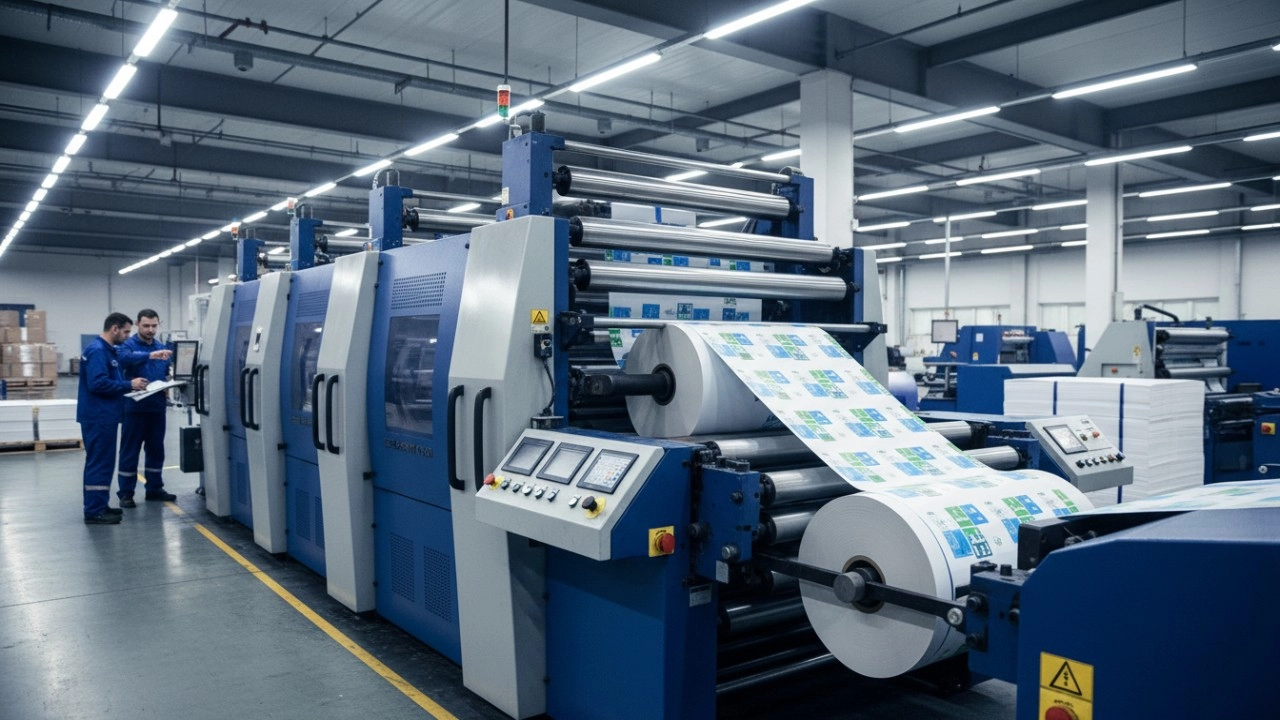
How to Optimize Your Flexo Printing Machine for Maximum Speed and Zero Defects
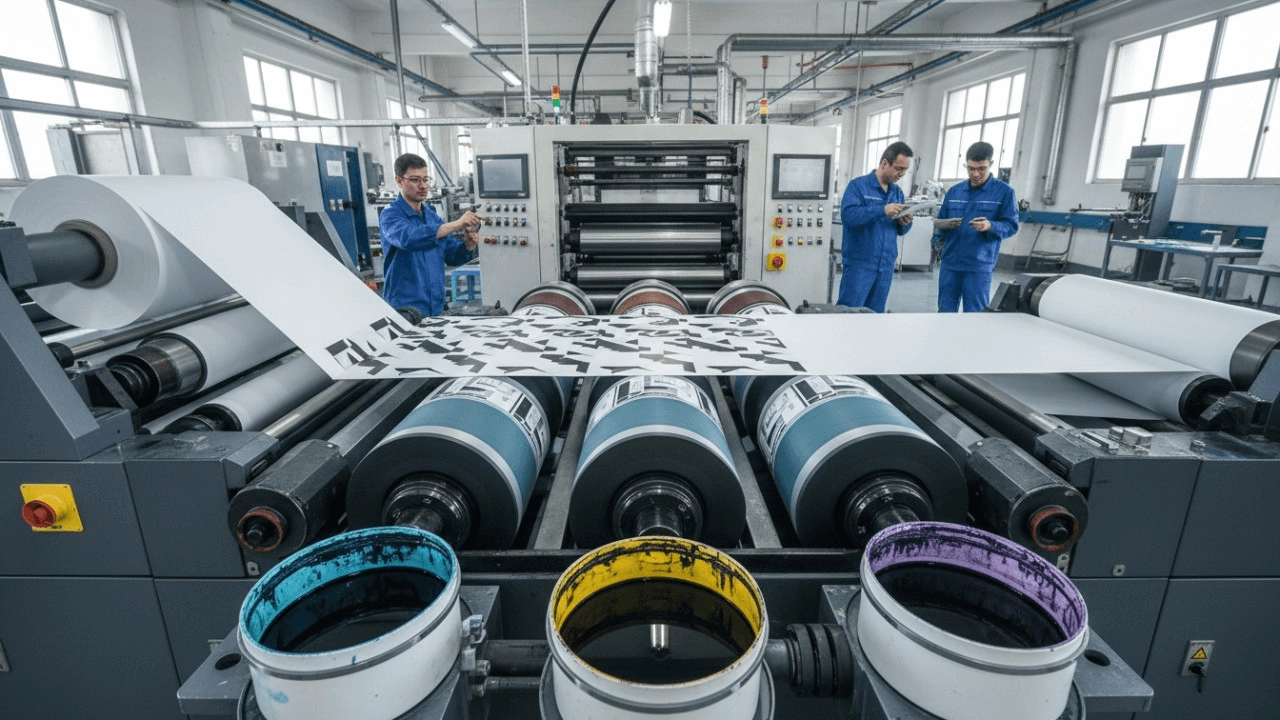
What is Flexographic Printing? The Ultimate Technical Guide & Process Breakdown (2025)
Top 10 Best Flexo Printer Manufacturers (2026): Reviews & Buying Guide
How to Select the Best Flexo Printing Press Manufacturer: A Data-Driven Checklist (2026 Edition)
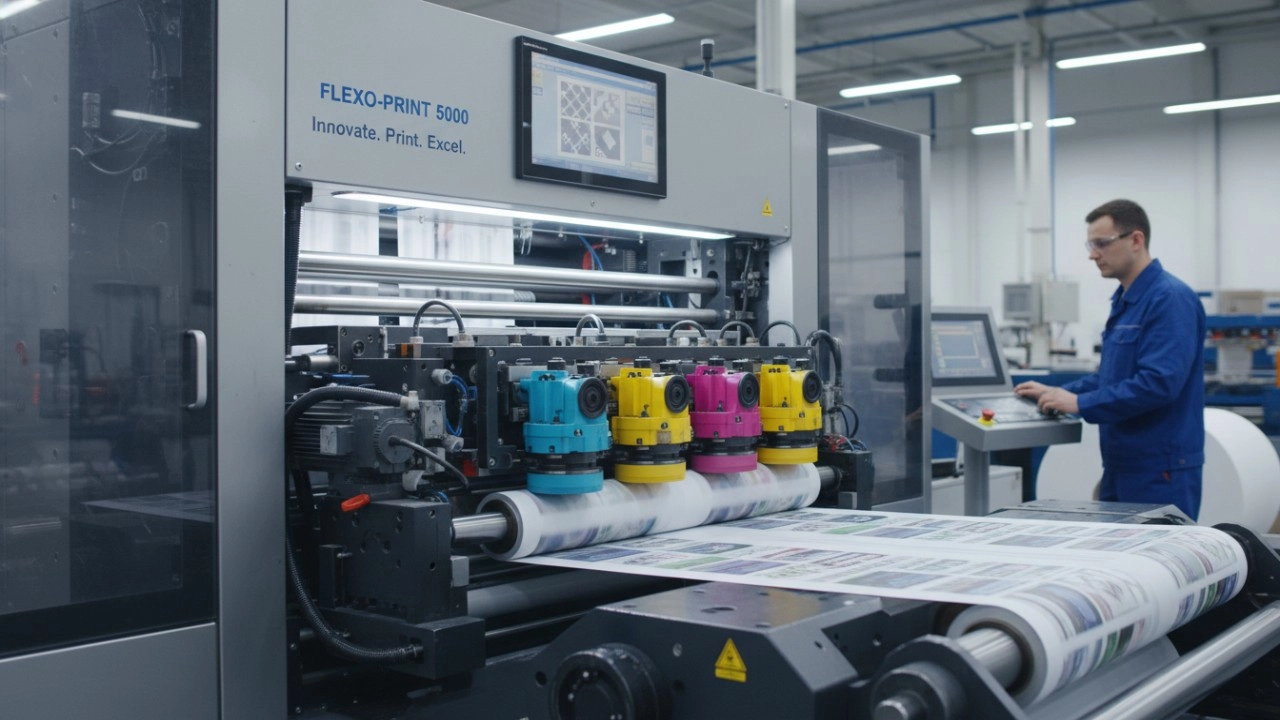
High-Efficiency Flexo Press Solutions: A Complete Guide to Optimizing Your Packaging Production
Shipping
Do you offer international shipping for your machines?
Yes, we offer international shipping and can handle all necessary customs documentation.
What are the shipping dimensions and weight of your folding carton machines?
Shipping dimensions and weight vary by model; please refer to the specific product details for accurate information.
Industry Solutions
Do you offer customized solutions for unique production needs?
Yes, we work closely with clients to develop customized solutions that meet their specific production requirements.
What industries typically use your folding carton machines?
Our machines are used in various industries including food and beverage, pharmaceuticals, cosmetics, and electronics.
Product
How can I integrate your machines into my existing production line?
Our technical team can assist with integrating our machines into your current production setup, ensuring a seamless operation.
Leave a message
Have any questions or queries about our products? Please leave us a message here and our team will get back to you promptly.
* Rest assured that your privacy is important to us, and all information provided will be handled with the utmost confidentiality.


© 2025 Keshenglong & SHINKO All Rights Reserved.
Keshenglong Carton Packing Machine
Keshenglong Carton Packing Machine
Keshenglong Carton Packing Machine
Keshenglong Carton Packing Machine
Keshenglong Carton Packing Machine