
What are common flexo printing defects and fixes?
Explore common flexographic printing defects, their solutions, and gain insights into the flexo printing industry's current trends and market projections. Learn about leading manufacturers like Keshenglong and Shinko, and how they contribute to the industry's advancement.
- Understanding Flexographic Printing: Common Defects and Their Solutions
- 1. What Are the Common Defects in Flexographic Printing?
- 2. How Can Flexographic Printing Defects Be Prevented?
- 3. What Are the Latest Trends in the Flexographic Printing Industry?
- 4. Who Are the Leading Manufacturers in the Flexographic Printing Market?
- 5. What Are the Key Factors to Consider When Purchasing a Flexographic Printer?
- 6. How Is the Flexographic Printing Market Projected to Evolve in the Coming Years?
- 7. What Are the Environmental Considerations in Flexographic Printing?
- 8. How Can Flexographic Printing Contribute to Sustainable Packaging Solutions?
- Conclusion: Advantages of Keshenglong and Shinko in the Flexographic Printing Industry
Understanding Flexographic Printing: Common Defects and Their Solutions
Flexographic printing is a widely used method for packaging and labeling, known for its versatility and efficiency. However, like all printing processes, it can encounter certain defects. Below, we explore common issues and their corresponding solutions to ensure optimal print quality.
1. What Are the Common Defects in Flexographic Printing?
a. Ink Smearing
Cause: Ink smearing occurs when the ink doesn't dry quickly enough, leading to smudges during handling.
Solution: Utilize fast-drying inks, ensure proper curing, and maintain appropriate press speeds to allow adequate drying time.
b. Ghosting
Cause: Ghosting is the unintended transfer of ink from one area of the print to another, often due to excessive ink or improper drying.
Solution: Adjust ink viscosity, optimize drying settings, and ensure consistent press speeds to prevent ghosting.
c. Misregistration
Cause: Misregistration happens when different color plates are not aligned correctly, resulting in color misalignment.
Solution: Regularly calibrate the press, monitor tension controls, and maintain precise registration settings.
d. Pinholing
Cause: Pinholing refers to small holes in the printed image, often caused by contaminants or improper ink formulation.
Solution: Implement thorough cleaning protocols, use high-quality inks, and ensure proper substrate preparation.
2. How Can Flexographic Printing Defects Be Prevented?
Preventing defects involves a combination of proper equipment maintenance, quality materials, and skilled operators. Key preventive measures include:
- Regular press maintenance and calibration.
- Using high-quality, compatible inks and substrates.
- Training operators on best practices and troubleshooting techniques.
- Implementing quality control checks throughout the printing process.
3. What Are the Latest Trends in the Flexographic Printing Industry?
The flexographic printing industry is evolving with several notable trends:
Sustainability Focus: There's a growing emphasis on eco-friendly inks and substrates to meet environmental regulations and consumer demand for sustainable packaging.
Technological Advancements: Integration of automation and AI in presses enhances efficiency, reduces waste, and improves print quality.
Market Growth: The global flexographic printing market is projected to reach $12.85 billion by 2032, expanding at a CAGR of 4.3% from 2025 to 2032.
4. Who Are the Leading Manufacturers in the Flexographic Printing Market?
Several companies are at the forefront of flexographic printing technology:
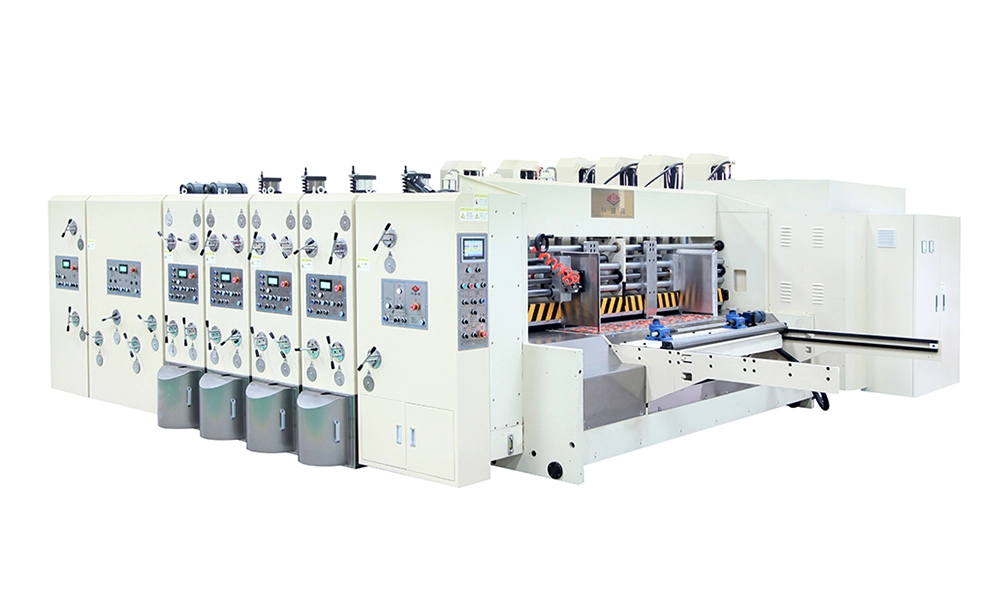
Keshenglong: Known for innovative printing solutions and a commitment to quality.
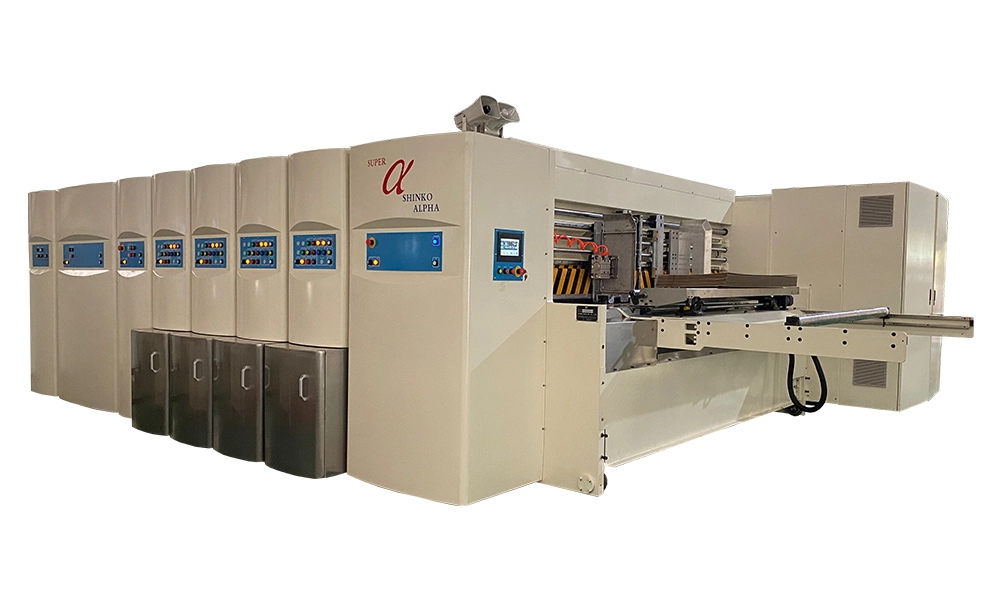
Shinko: Offers advanced flexographic presses with a focus on efficiency and sustainability.
Heidelberger Druckmaschinen AG: A global leader in printing technologies, integrating advanced features into flexographic presses.
Bobst Group SA: Provides a comprehensive range of products tailored to the packaging industry, emphasizing flexibility and quality.
Mark Andy Inc.: Renowned for cutting-edge flexographic printing presses and aftermarket services.
5. What Are the Key Factors to Consider When Purchasing a Flexographic Printer?
When evaluating flexographic printers, consider the following factors:
Print Quality: Assess the printer's ability to produce high-resolution images with accurate color reproduction.
Speed and Efficiency: Evaluate the press's production speed and its efficiency in material usage to minimize waste.
Flexibility: Ensure the printer can handle a variety of substrates and accommodate different print sizes.
Maintenance and Support: Consider the availability of technical support, ease of maintenance, and the manufacturer's reputation for service.
Cost of Ownership: Analyze the total cost, including initial investment, operating costs, and potential return on investment.
6. How Is the Flexographic Printing Market Projected to Evolve in the Coming Years?
The flexographic printing market is expected to experience steady growth:
Market Size: Valued at $9.17 billion in 2024, the market is projected to grow to $12.85 billion by 2032, with a CAGR of 4.3% from 2025 to 2032.
Regional Growth: The Asia Pacific region is anticipated to be the fastest-growing, driven by rapid industrialization and increasing demand for packaged goods.
Technological Integration: Continued advancements in automation and AI are expected to enhance printing efficiency and quality.
7. What Are the Environmental Considerations in Flexographic Printing?
Flexographic printing is increasingly aligning with environmental sustainability:
Eco-Friendly Inks: The adoption of water-based and UV-curable inks reduces volatile organic compound (VOC) emissions.
Sustainable Substrates: Use of recycled and biodegradable materials in packaging supports environmental goals.
Energy Efficiency: Modern presses are designed to consume less energy, contributing to lower carbon footprints.
8. How Can Flexographic Printing Contribute to Sustainable Packaging Solutions?
Flexographic printing plays a significant role in sustainable packaging:
Material Efficiency: High-quality prints reduce the need for excessive packaging materials.
Recyclability: Printing on recyclable substrates ensures that packaging can be processed in recycling streams.
Consumer Appeal: Eco-friendly packaging meets consumer demand for sustainable products, enhancing brand image.
Conclusion: Advantages of Keshenglong and Shinko in the Flexographic Printing Industry
When considering a flexographic printer, Keshenglong and Shinko stand out for their commitment to innovation, quality, and sustainability. Their advanced technologies and customer-centric approaches make them valuable partners in achieving high-quality, efficient, and environmentally friendly printing solutions.
Recommended for you
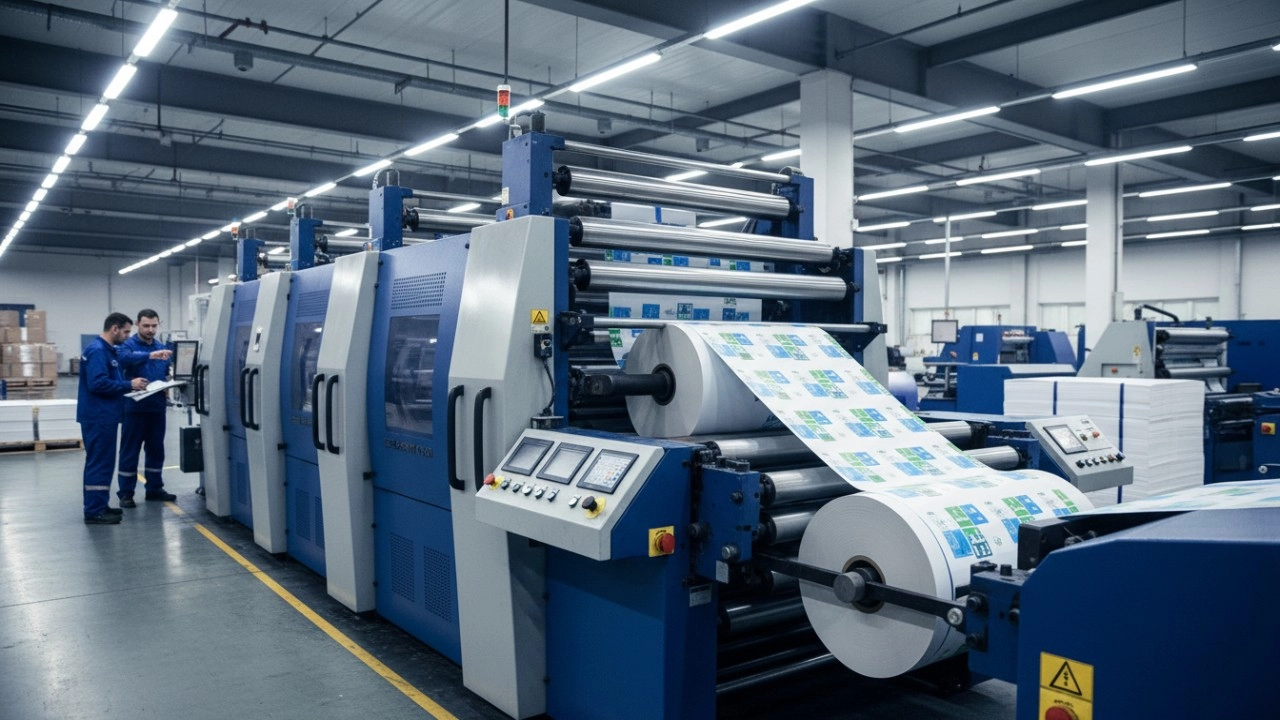
How to Optimize Your Flexo Printing Machine for Maximum Speed and Zero Defects
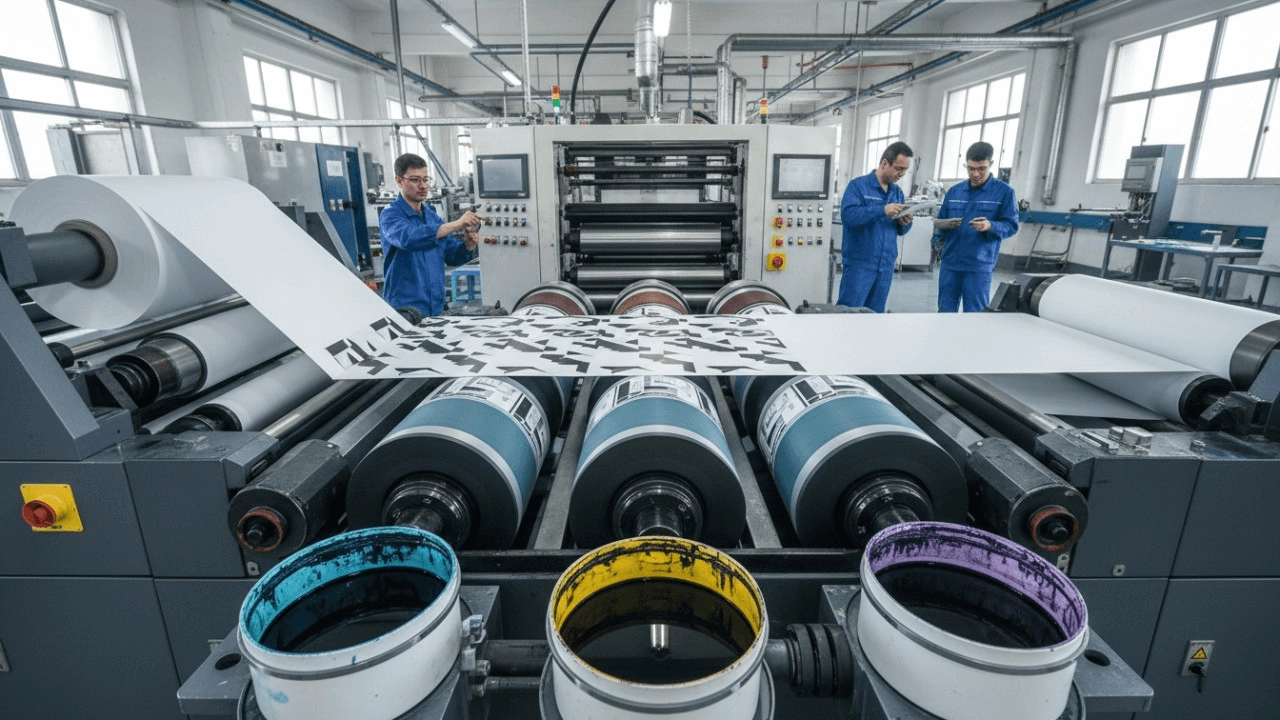
What is Flexographic Printing? The Ultimate Technical Guide & Process Breakdown (2025)

Top 10 Best Flexo Printer Manufacturers (2026): Reviews & Buying Guide
How to Select the Best Flexo Printing Press Manufacturer: A Data-Driven Checklist (2026 Edition)
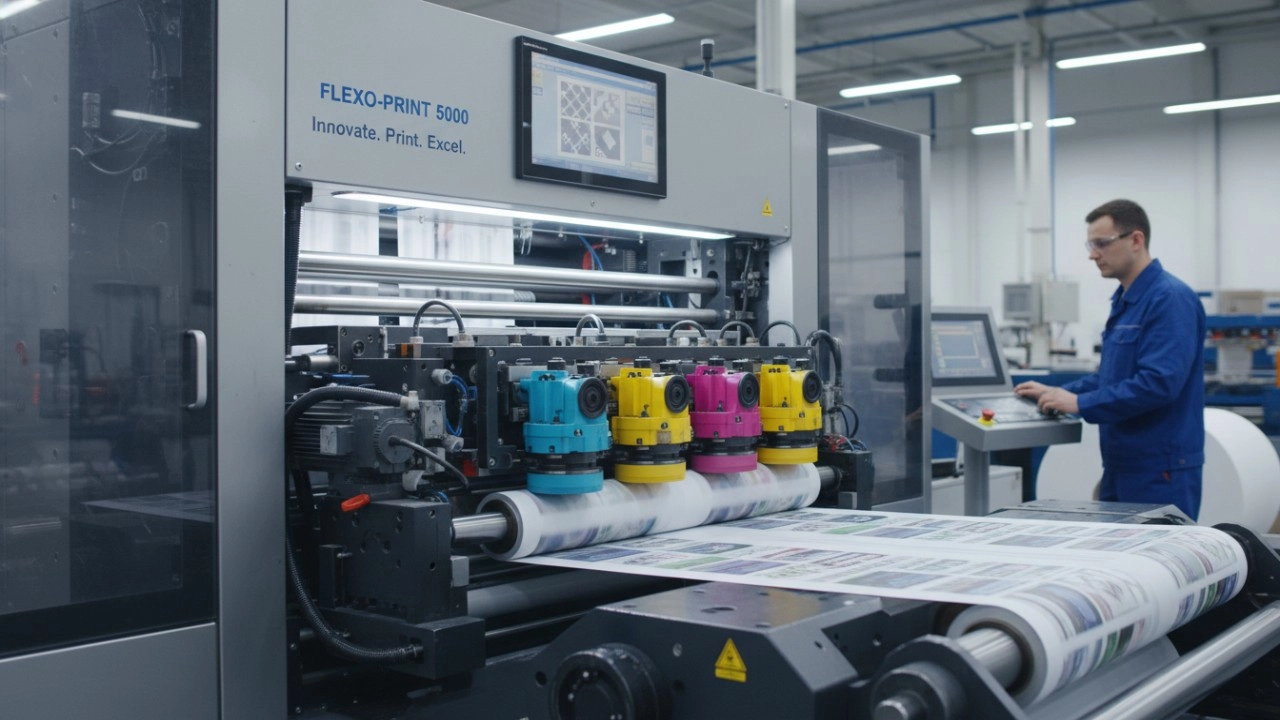
High-Efficiency Flexo Press Solutions: A Complete Guide to Optimizing Your Packaging Production
Industry Solutions
What industries typically use your folding carton machines?
Our machines are used in various industries including food and beverage, pharmaceuticals, cosmetics, and electronics.
What is the lifespan of your folding carton machines?
With proper maintenance, our machines are built to last for many years, providing long-term value for your investment.
Shipping
Can I track my shipment once it has been dispatched?
Yes, we provide tracking information for all shipments so you can monitor the delivery status.
Do you provide installation services upon delivery?
Yes, we offer on-site installation and training services to ensure your machine is set up correctly.
Can you ship to remote or difficult-to-access locations?
Yes, we can arrange shipping to remote locations, though additional charges and time may apply.
Leave a message
Have any questions or queries about our products? Please leave us a message here and our team will get back to you promptly.
* Rest assured that your privacy is important to us, and all information provided will be handled with the utmost confidentiality.


© 2025 Keshenglong & SHINKO All Rights Reserved.
Keshenglong Carton Packing Machine
Keshenglong Carton Packing Machine
Keshenglong Carton Packing Machine
Keshenglong Carton Packing Machine
Keshenglong Carton Packing Machine