
What is flexographic printing and how does it work?
Explore the fundamentals of flexographic printing, its applications, advantages, and considerations for purchasing flexo printers. Learn about leading brands like Keshenglong and Shinko.
Flexographic printing, commonly known as flexo printing, is a versatile and widely used method in the printing industry. It employs flexible relief plates and fast-drying inks to produce high-quality prints on a variety of substrates. This technique is particularly prevalent in packaging, labeling, and other applications requiring durability and adaptability.
What is Flexographic Printing?
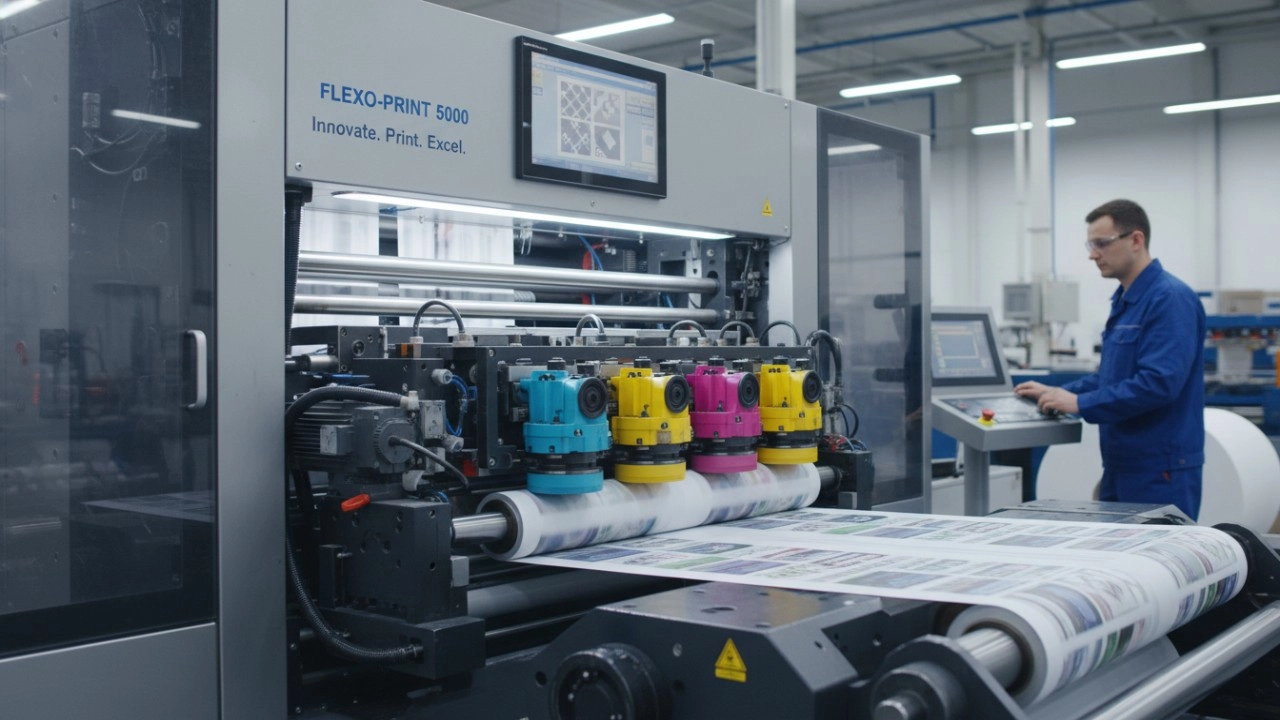
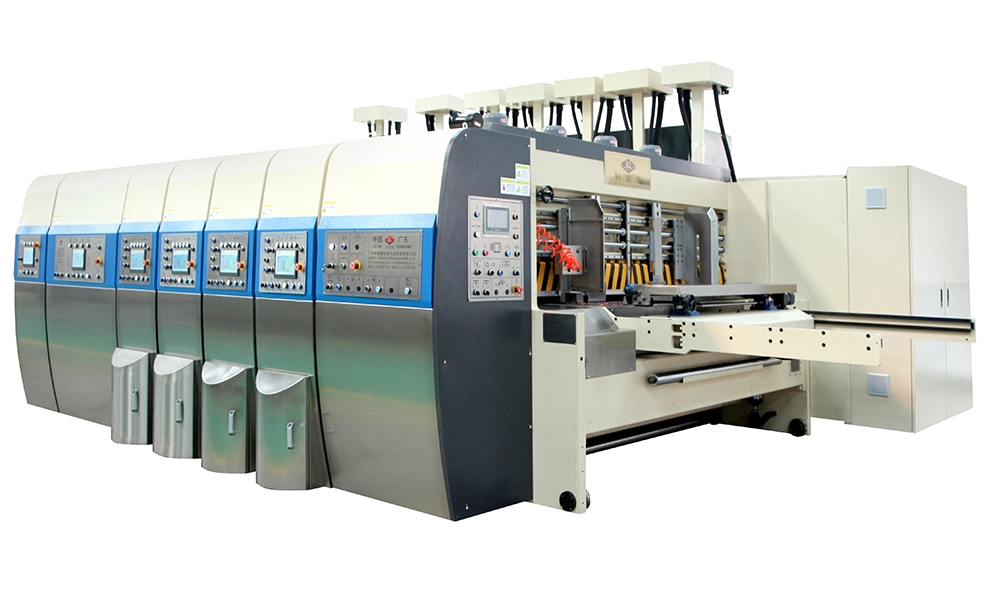
Flexographic printing is a rotary printing process that utilizes flexible plates made from materials such as rubber or photopolymer. These plates carry raised images that pick up ink and transfer it onto the substrate, layer by layer, to produce the final printed image. The process is optimized for high-speed and high-volume production, making it ideal for industries that rely on efficiency, such as food packaging, labeling, and industrial wrapping.
How Does Flexographic Printing Work?
- Substrate Feeding: The roll of substrate material is unwound and passed through a series of printing stations.
- Ink Application: An anilox roller, engraved with tiny cells, dips into an ink fountain to pick up a precise amount of ink.
- Ink Transfer to Plate: The anilox roller transfers the ink to the raised image areas of the flexible plate.
- Image Transfer to Substrate: The inked plate presses against the substrate, transferring the image.
- Drying: The printed substrate passes through dryers to cure the ink, ensuring durability.
What Are the Advantages of Flexographic Printing?
- Versatility: Flexo printing can reliably produce high-quality images on a range of substrates without special coatings, thus reducing unit cost compared to other print options that may only support specific substrates.
- High-Speed Production: Modern flexo presses can print at speeds up to 600 feet per minute, providing businesses with significant advantages when they invest in new equipment.
- Cost-Effectiveness: The process is more cost-effective when compared to its competing methods as it leads to faster production due to its high-speed process and flexographic inks.
What Are the Limitations of Flexographic Printing?
- Generic Printing: Flexo printing cannot create meticulous artwork that other forms of printing are capable of, such as offset printing.
- Costly Equipment and Materials: The cost of printing plates is high, as separate plates must be purchased for different colors.
- Environmental Impact: Flexographic printing has an impact on the environment, just like any other printing method.
How Does Flexographic Printing Compare to Other Printing Methods?
Flexographic printing differs from offset printing in several ways:
- Substrate Compatibility: Flexography can print on a wide range of substrates, including plastics, foils, and metallic films, whereas offset printing is typically limited to smooth, non-porous surfaces.
- Process Integration: Flexo printing integrates various processes, such as die-cutting and coating, into a single pass, enhancing efficiency.
- Print Quality: While flexo printing offers high-quality results, it may not achieve the same level of detail as offset printing, especially for intricate designs.
What Are the Applications of Flexographic Printing?
Flexographic printing is widely used in various industries, including:
- Packaging: Food and beverage packaging, corrugated boxes, and labels.
- Textiles: Printing on fabrics for apparel and home furnishings.
- Labels: Product labels, including those for pharmaceuticals and consumer goods.
- Newspapers and Magazines: High-speed printing of publications.
What Should I Consider When Purchasing a Flexo Printer?
- Substrate Compatibility: Ensure the printer can handle the types of materials you intend to use.
- Print Quality Requirements: Assess whether the printer meets your quality standards for resolution and color accuracy.
- Production Speed: Consider the printer's speed to match your production needs.
- Cost of Ownership: Evaluate the total cost, including maintenance, consumables, and energy consumption.
Conclusion
Flexographic printing offers a versatile and efficient solution for high-volume printing needs across various industries. When selecting a flexo printer, it's crucial to consider factors such as substrate compatibility, print quality, production speed, and total cost of ownership. Brands like Keshenglong and Shinko are renowned for their advanced flexographic printing technologies, providing reliable and high-quality solutions for industry professionals.
References:For a visual understanding of the flexographic printing process, you may find the following video helpful:
(https://www.youtube.com/watch?v=VKVjnYNFt1M&utm_source=openai)
Recommended for you
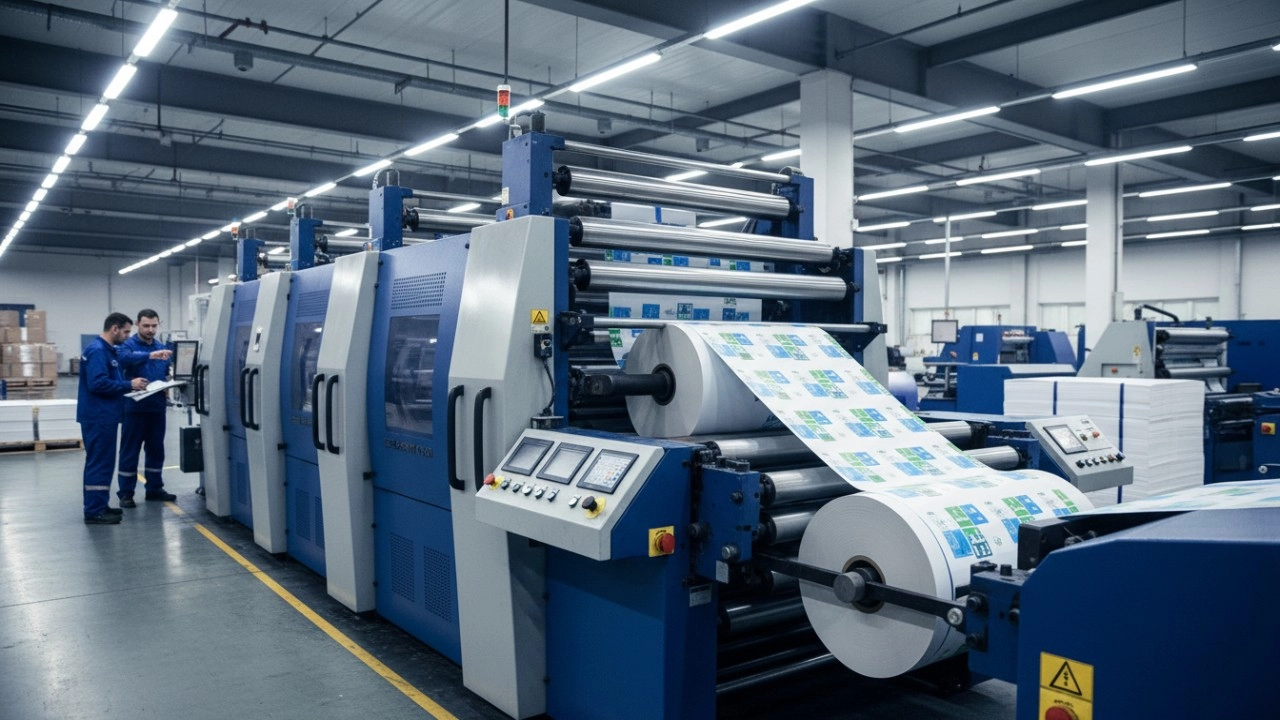
How to Optimize Your Flexo Printing Machine for Maximum Speed and Zero Defects
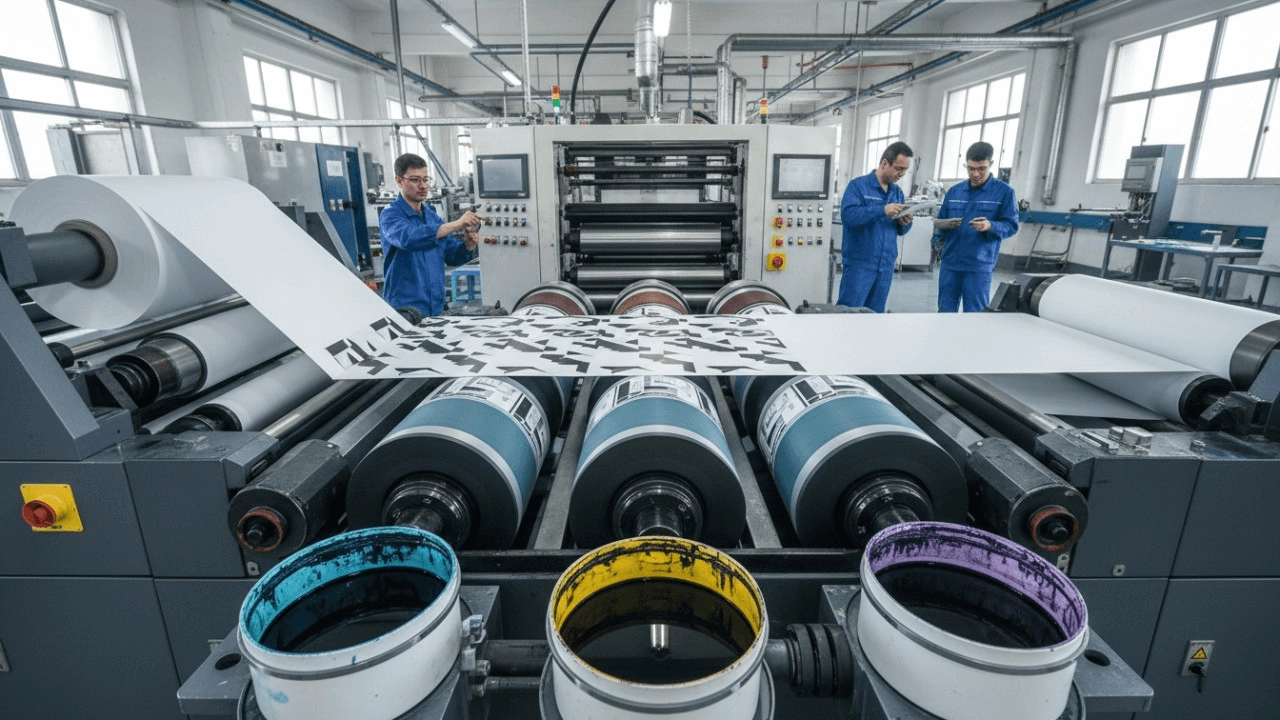
What is Flexographic Printing? The Ultimate Technical Guide & Process Breakdown (2025)
Top 10 Best Flexo Printer Manufacturers (2026): Reviews & Buying Guide
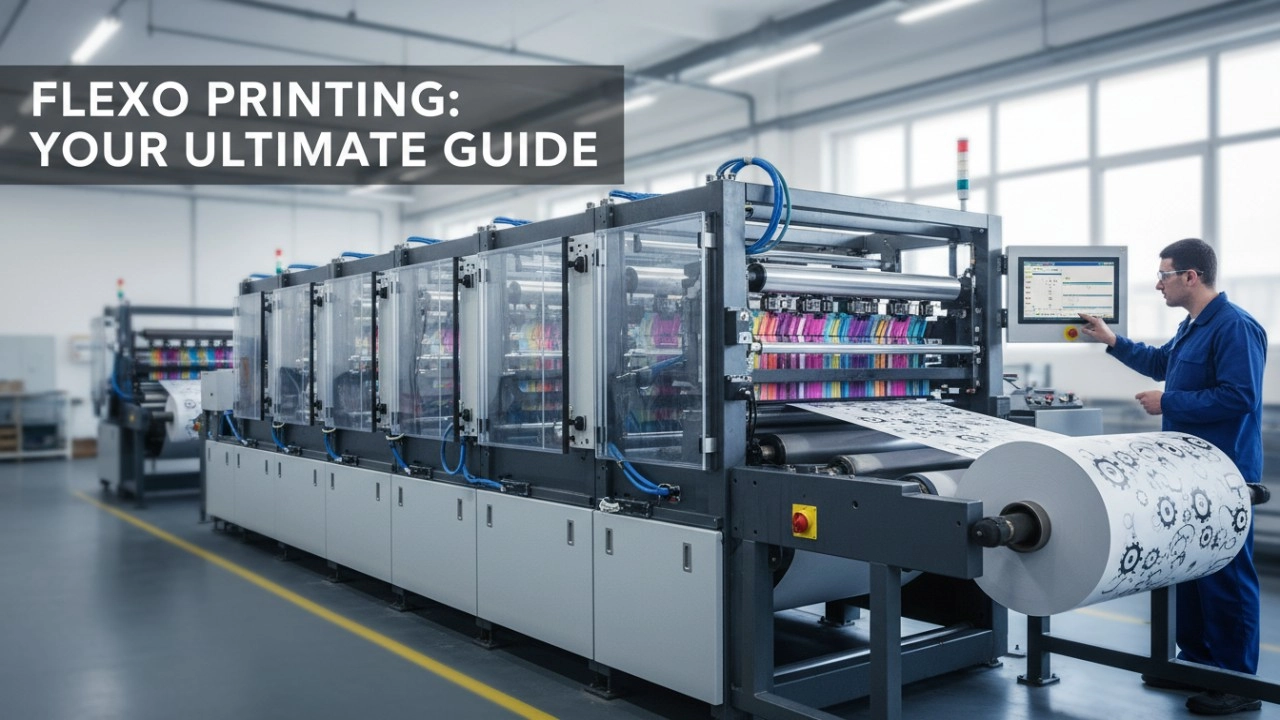
How to Select the Best Flexo Printing Press Manufacturer: A Data-Driven Checklist (2026 Edition)
High-Efficiency Flexo Press Solutions: A Complete Guide to Optimizing Your Packaging Production
Product
How do I troubleshoot common issues with the folding mechanism?
Common issues can often be resolved by checking the alignment of the folding plates and ensuring there is no debris obstructing the mechanism.
What materials are compatible with your folding carton machines?
Our machines are compatible with a wide range of materials including cardboard, corrugated board, and paperboard.
What is the maximum speed of your folding carton machines?
Our machines can operate at speeds of up to 150 cartons per minute, depending on the model and carton complexity.
Shipping
Can you ship to remote or difficult-to-access locations?
Yes, we can arrange shipping to remote locations, though additional charges and time may apply.
Industry Solutions
Can your machines be integrated with digital printing technology?
Yes, our machines are compatible with digital printing systems for custom, high-quality printing on cartons.
Leave a message
Have any questions or queries about our products? Please leave us a message here and our team will get back to you promptly.
* Rest assured that your privacy is important to us, and all information provided will be handled with the utmost confidentiality.


© 2025 Keshenglong & SHINKO All Rights Reserved.
Keshenglong Carton Packing Machine
Keshenglong Carton Packing Machine
Keshenglong Carton Packing Machine
Keshenglong Carton Packing Machine
Keshenglong Carton Packing Machine