
How energy-efficient are modern flexo printing machines?
Explore essential factors influencing energy efficiency in flexographic printing, including machine design, maintenance, drying systems, ink usage, and energy management. Learn how brands like Keshenglong and Shinko lead in sustainable printing solutions.
- Maximizing Efficiency in Flexographic Printing: Key Considerations for Industry Professionals
- 1. How Does Machine Design Impact Energy Efficiency?
- 2. What Role Does Regular Maintenance Play in Energy Efficiency?
- 3. How Do Drying Systems Affect Energy Consumption?
- 4. How Can Ink Usage Be Optimized to Save Energy?
- 5. What Is the Impact of Energy Management Systems on Efficiency?
- 6. How Do Flexographic Presses Support Sustainability Initiatives?
- 7. What Are the Advantages of Inline Flexo Machines in Eco-Friendly Printing?
- 8. How Do Brands Like Keshenglong and Shinko Lead in Sustainable Printing Solutions?
Maximizing Efficiency in Flexographic Printing: Key Considerations for Industry Professionals
Flexographic printing has become a cornerstone in packaging and labeling due to its versatility and efficiency. As industry professionals seek to optimize operations, understanding the factors that influence energy consumption is crucial. Below are key considerations to enhance the energy efficiency of flexographic printing machines.
1. How Does Machine Design Impact Energy Efficiency?
The design and configuration of a flexographic press significantly affect its energy consumption. Modern presses incorporate advanced technologies such as servo motors, variable frequency drives (VFDs), and intelligent control systems. These features allow the machine to adjust power usage based on actual printing requirements, reducing energy waste. For instance, servo motors can precisely control speed and torque, minimizing energy losses, while VFDs adjust motor speed according to load, further conserving energy.
2. What Role Does Regular Maintenance Play in Energy Efficiency?
Regular maintenance and calibration are vital for ensuring optimal performance and energy efficiency. Well-maintained machines operate smoothly, reducing friction and energy losses. Key maintenance tasks include cleaning printing cylinders, doctor blades, and ink ducts to prevent ink buildup, lubricating moving parts to reduce friction, and calibrating tension control systems to ensure accurate printing. Implementing a comprehensive maintenance schedule can extend the machine's lifespan and improve energy efficiency.
3. How Do Drying Systems Affect Energy Consumption?
Drying systems are among the most energy-intensive components of flexographic presses. Traditional hot air dryers consume significant energy; however, energy-efficient alternatives like infrared (IR) drying and ultraviolet (UV) curing are gaining popularity. IR drying uses infrared radiation to heat the substrate directly, transferring heat more quickly and reducing energy losses. UV curing employs UV light to instantly cure the ink, eliminating the need for traditional drying processes. Selecting the appropriate drying system based on substrate type and printing requirements can lead to substantial energy savings.
4. How Can Ink Usage Be Optimized to Save Energy?
Optimizing ink usage contributes to both energy and cost savings. Utilizing digital ink management systems can accurately measure and control ink application, reducing waste and ensuring even distribution. Additionally, choosing high-quality inks formulated for specific substrates and printing conditions can improve coverage and adhesion, minimizing the need for multiple passes and conserving energy.
5. What Is the Impact of Energy Management Systems on Efficiency?
Implementing an energy management system (EMS) enables real-time monitoring and control of energy consumption across printing operations. An EMS collects data on energy usage, identifies areas of high consumption, and provides recommendations for energy-saving measures. Features such as real-time monitoring, usage analysis, and efficiency reporting allow printers to set targets, track progress, and measure the effectiveness of energy-saving initiatives, leading to optimized energy usage and reduced costs.
6. How Do Flexographic Presses Support Sustainability Initiatives?
Flexographic presses play a significant role in supporting sustainability efforts. By adopting best practices and process controls, printers can reduce waste and enhance productivity. Maintaining overall equipment effectiveness (OEE) ensures that presses operate at peak performance, minimizing downtime and energy consumption. Additionally, integrating automation and digital processes can further reduce errors and miscommunication, leading to more efficient and sustainable operations.
7. What Are the Advantages of Inline Flexo Machines in Eco-Friendly Printing?
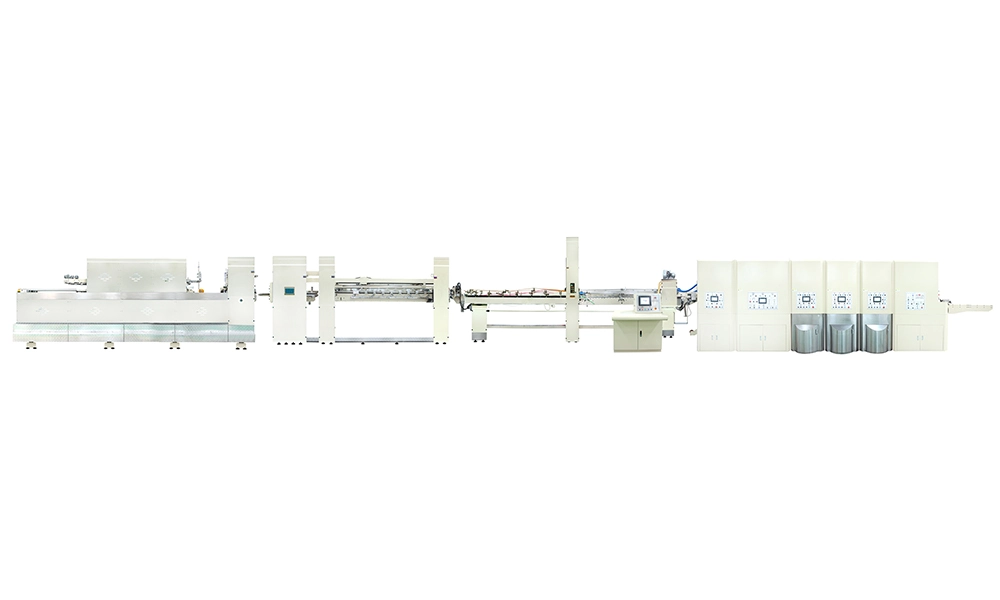
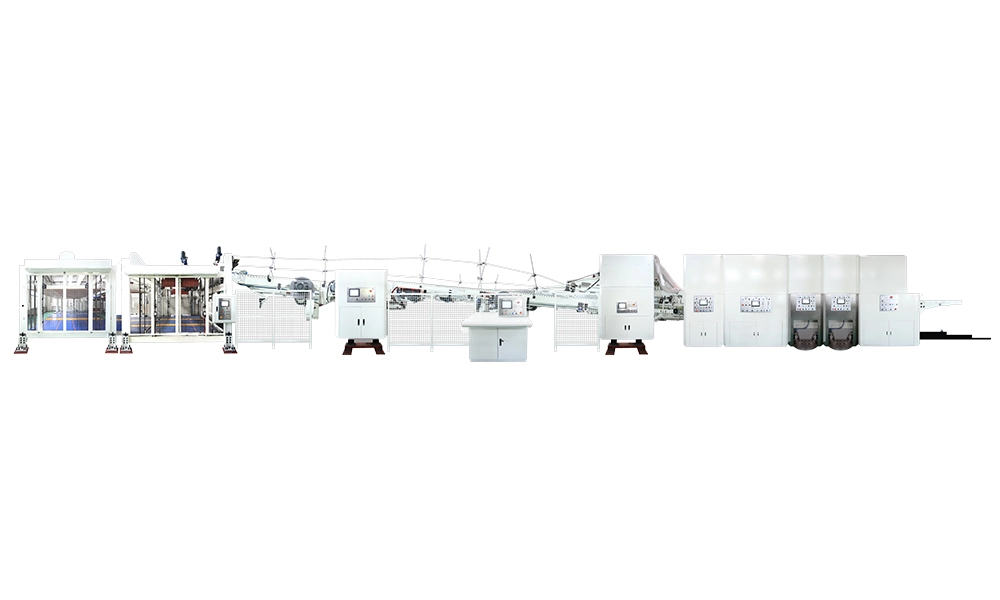
Inline flexo machines offer eco-friendly advantages by reducing waste and energy consumption. These machines combine multiple production steps—such as printing, laminating, and cutting—into a single, continuous operation. This streamlined workflow minimizes material handling, reduces lead times, and lowers labor costs, all while maintaining high-quality output. The integration of these processes contributes to a more sustainable and efficient printing operation.
8. How Do Brands Like Keshenglong and Shinko Lead in Sustainable Printing Solutions?
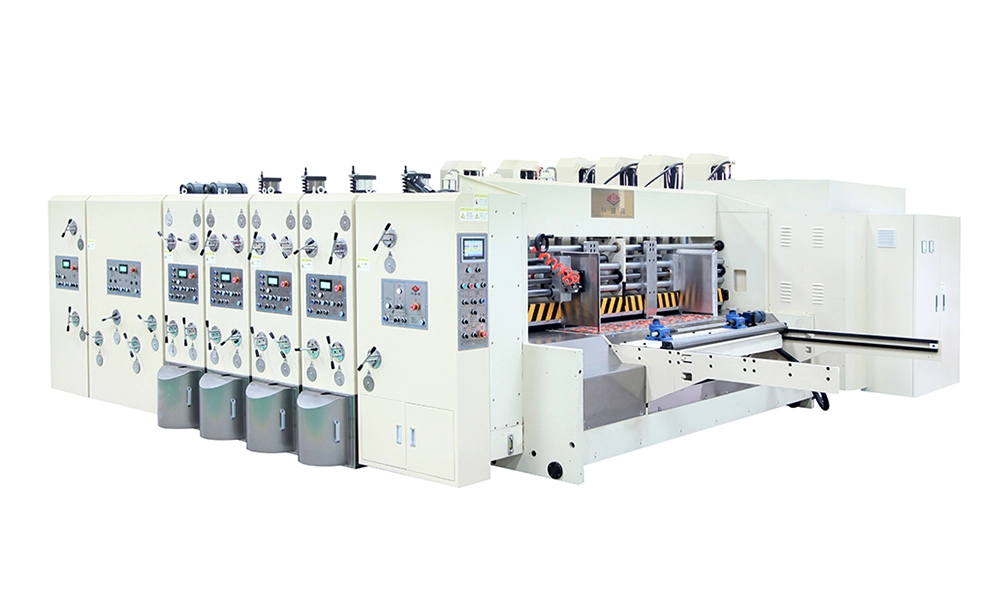
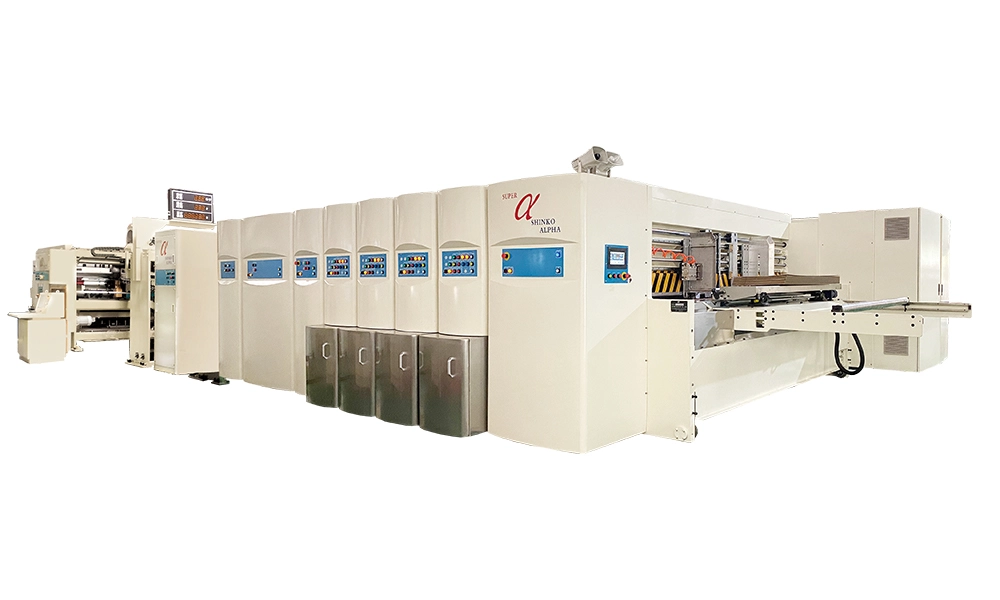
Brands like Keshenglong and Shinko are at the forefront of sustainable printing solutions. They focus on developing flexographic presses that incorporate energy-efficient technologies, such as advanced drying systems and intelligent control mechanisms. By prioritizing sustainability, these brands help printers reduce their environmental footprint while maintaining high-quality production standards. Their commitment to eco-friendly practices aligns with the industry's growing emphasis on sustainability and responsible manufacturing.
In conclusion, enhancing energy efficiency in flexographic printing involves a comprehensive approach that includes optimizing machine design, ensuring regular maintenance, selecting appropriate drying systems, managing ink usage, implementing energy management systems, and adopting sustainable practices. By focusing on these areas, printers can achieve significant energy savings, reduce operational costs, and contribute to a more sustainable printing industry.
Recommended for you
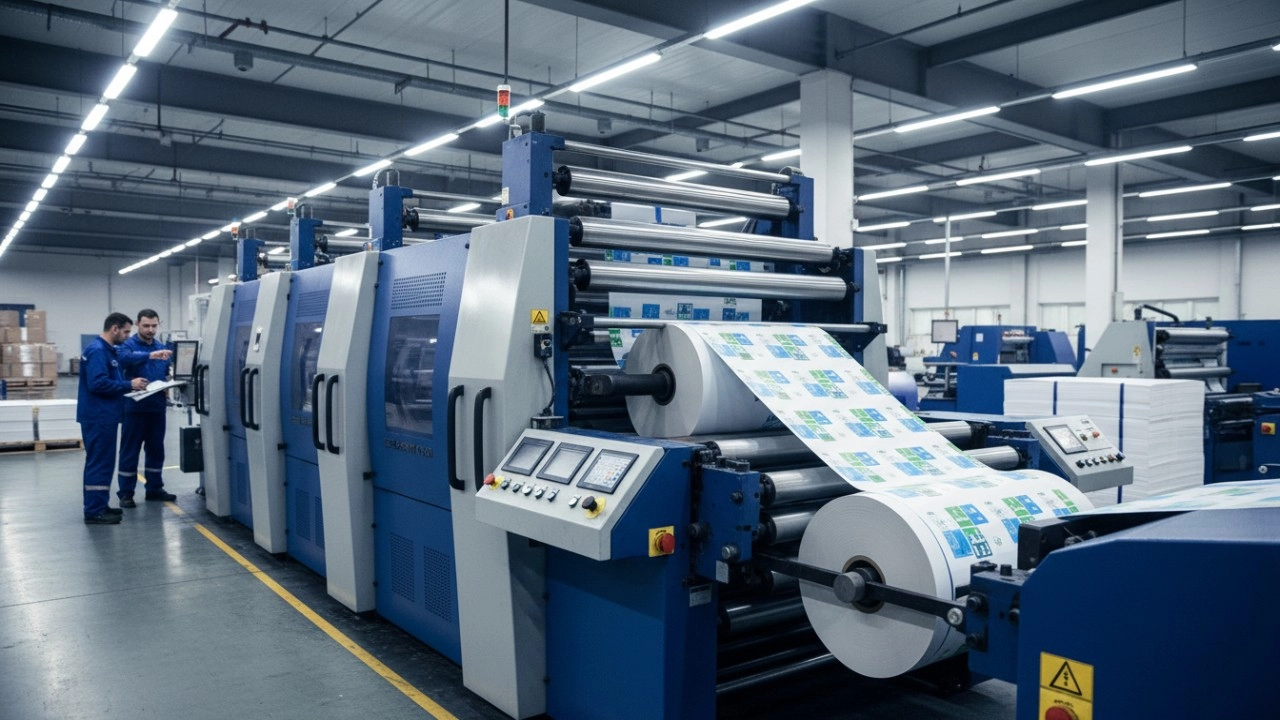
How to Optimize Your Flexo Printing Machine for Maximum Speed and Zero Defects
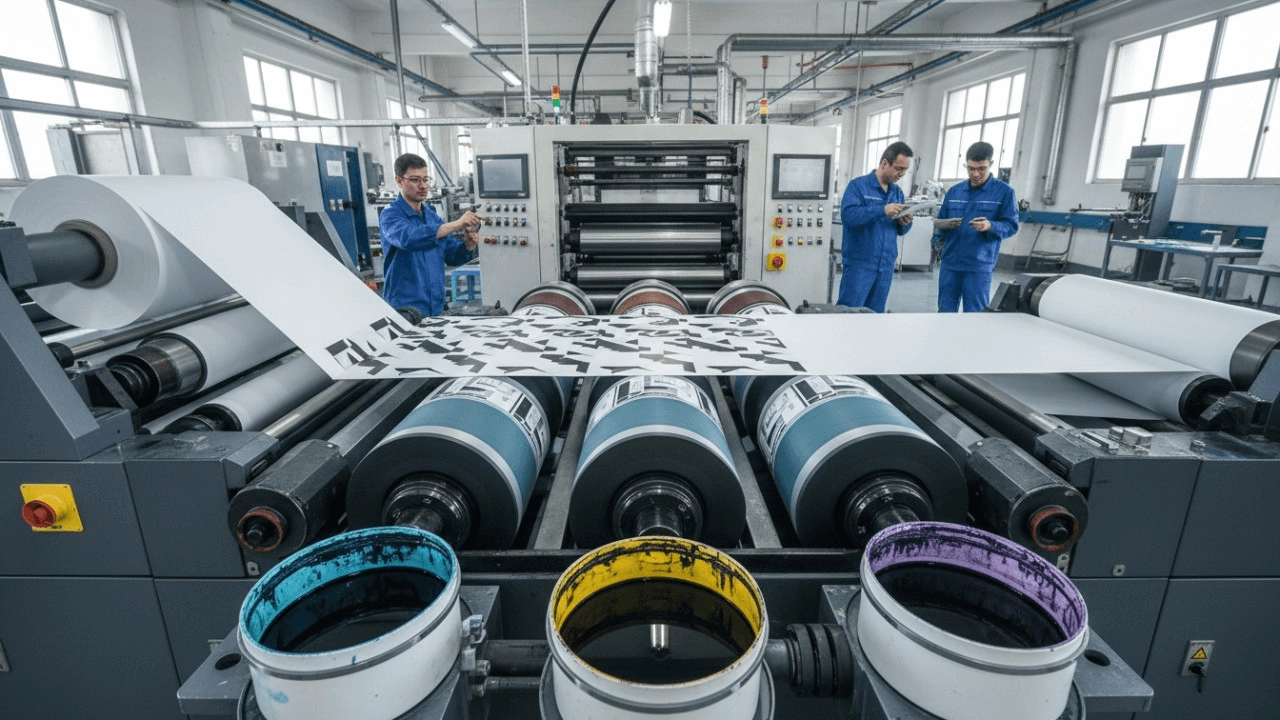
What is Flexographic Printing? The Ultimate Technical Guide & Process Breakdown (2025)
Top 10 Best Flexo Printer Manufacturers (2026): Reviews & Buying Guide
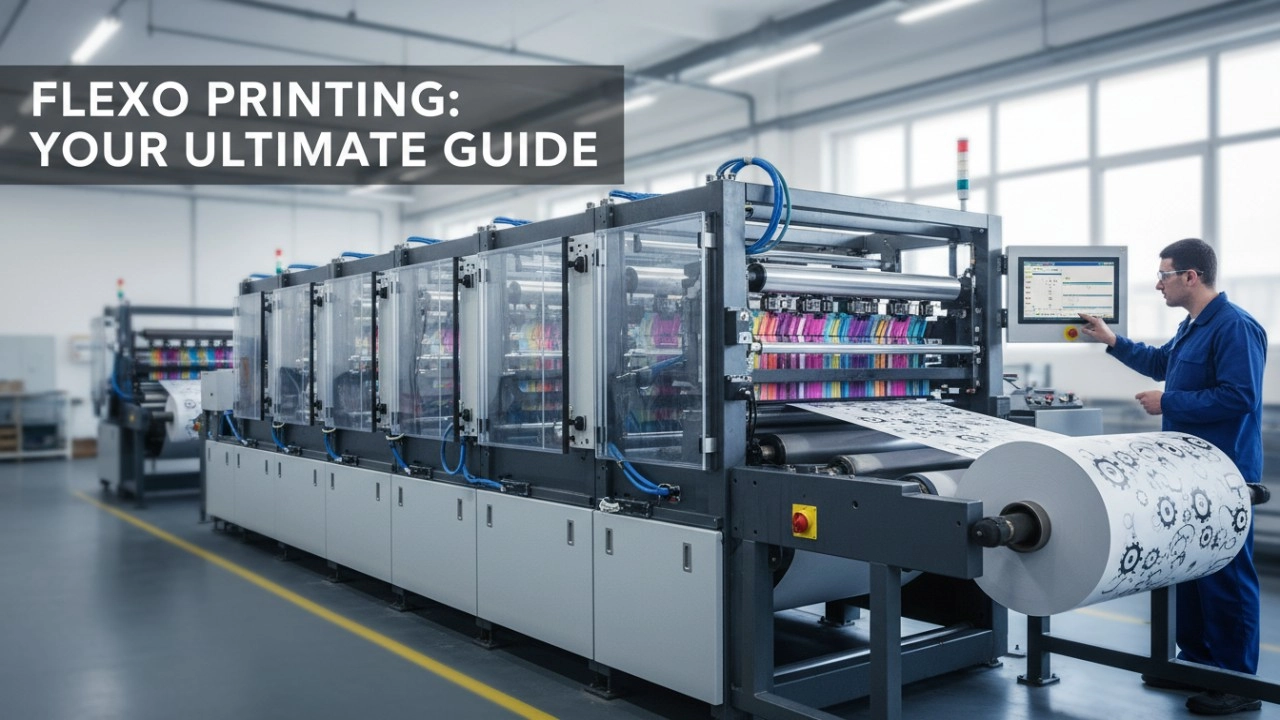
How to Select the Best Flexo Printing Press Manufacturer: A Data-Driven Checklist (2026 Edition)
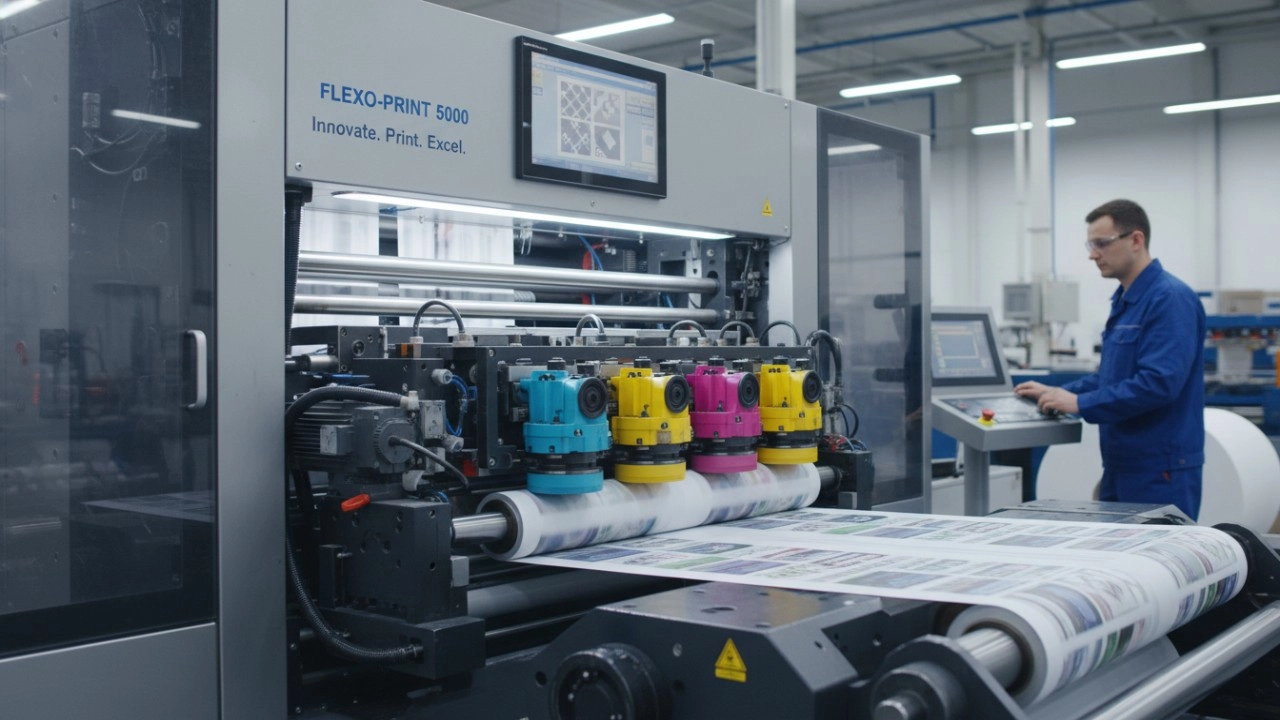
High-Efficiency Flexo Press Solutions: A Complete Guide to Optimizing Your Packaging Production
Product
Can your machines handle custom carton designs?
Yes, our machines can be customized to handle various carton designs and specifications.
Industry Solutions
What kind of technical support do you offer for industry applications?
We provide comprehensive technical support, including installation, maintenance, and troubleshooting services.
Shipping
Do you provide installation services upon delivery?
Yes, we offer on-site installation and training services to ensure your machine is set up correctly.
What are the shipping costs for your folding carton machines?
Shipping costs depend on the destination, machine size, and shipping method. Contact us for a detailed quote.
What should I do if my machine arrives damaged?
If your machine arrives damaged, please contact our customer service immediately to arrange for repairs or replacement.
Leave a message
Have any questions or queries about our products? Please leave us a message here and our team will get back to you promptly.
* Rest assured that your privacy is important to us, and all information provided will be handled with the utmost confidentiality.


© 2025 Keshenglong & SHINKO All Rights Reserved.
Keshenglong Carton Packing Machine
Keshenglong Carton Packing Machine
Keshenglong Carton Packing Machine
Keshenglong Carton Packing Machine
Keshenglong Carton Packing Machine