
How to reduce ink and substrate costs on a flexo press?
Buyers' guide answering six specific, under-covered beginner pain points on flexo printing machines — from anilox selection and inline color control to substrate gauge optimization — with actionable steps, typical savings ranges and retrofit ROI guidance.
- 1. How can I accurately measure real ink consumption per job on my narrow-web flexo press so I can find real savings opportunities?
- 2. Which anilox roll and metering system choices reduce ink volumes without losing color density on high-speed flexo?
- 3. What are low-risk substrate gauge and coating changes that lower material cost without compromising runnability and packaging performance?
- 4. Which prepress and plate exposure practices reduce ink transfer (wet film) while preserving highlight and midtone density?
- 5. How do I affordably implement inline color control and closed-loop systems on an older flexo press to cut waste?
- 6. What immediate press operational changes (speed, impression, ink temperature, cleaning cycles) yield quick ink and substrate savings for short runs?
As manufacturers evaluate a new flexo printing machine or upgrades for an existing press, they face detailed operational and purchasing questions that generic articles rarely answer. Below are six specific, long-tail questions beginners ask when trying to reduce ink and substrate costs on a flexo press. Each answer is practical, evidence-based and written from pressroom experience and supplier performance data.
1. How can I accurately measure real ink consumption per job on my narrow-web flexo press so I can find real savings opportunities?
Why this matters: Incorrect or estimated ink usage hides waste and prevents targeted optimization. Many shops guess consumption, leading to missed savings of 10–30%.
Practical method (step-by-step):
- Weigh ink before and after the job (use the same scales and temperature conditions). Track ink added during make‑ready and production separately.
- Record linear meters printed (or square meters) and substrate area to compute ink per m²: ink_kg / printed_m². For narrow-web, use meter counters from the press PLC or inline encoders for accuracy.
- Separate make-ready waste: weigh trim rolls and substrate toss during make-ready and first good sheet point. This identifies set-up losses vs running consumption.
- Cross-check with anilox theoretical transfer: calculate anilox cell volume (BCM or cm³/m²) × transfer efficiency (typical 40–70% depending on doctor/chamber system and substrate) × solids% to validate measured numbers.
Expected insights and actions:
- If measured ink per m² is higher than comparable jobs (benchmark peers or press history), investigate anilox selection, viscosity, and ink film control.
- Track ink use by job type monthly to spot trends — seasonal temperature changes or new substrate lots often change consumption.
Typical savings: Accurate measurement enables targeted changes (anilox, chambered doctor, prepress) that commonly reduce ink use 10–30% within 1–3 months.
2. Which anilox roll and metering system choices reduce ink volumes without losing color density on high-speed flexo?
Why this matters: Anilox selection sets the available ink film. Many buyers choose high BCM rolls 'to be safe' resulting in over-inking and higher costs.
Key technical points:
- Cell volume vs. cell geometry — pick cell volume matched to your ink solids, substrate absorbency and required ink film. Higher line screens (LPI) with lower volume can maintain solids while reducing wet film.
- Engraving type — conventional hexagonal cells vs. specialized engraving (cell shapes for solids or gradients) affect transfer efficiency and metamerism; ceramic chrome-plated anilox lasts longer and resists wear that increases transfer.
- Metering system — chambered doctor systems give tighter metering and eliminate over-inking seen with open tray/doctors. They also reduce air entrainment and improve color consistency at speed.
How to specify for purchases and retrofits:
- Run ink transfer trials: measure density using both the current anilox and a candidate lower-BCM anilox with the same ink and substrate. Aim for the minimum BCM that achieves target density at production speed.
- Specify a ceramic or hard-chrome anilox with clear maintenance instructions (recommended cleaning frequency, approved solvents). Ask suppliers for measured cell volume retention curves after X cleaning cycles.
- Where possible, specify an interchangeable anilox program — keep a small library of rolls with documented BCMs for typical jobs.
Expected results and ROI:
- Switching to optimized anilox + chambered doctor commonly reduces ink usage 10–25% and solvent use 20–40% on solvent or hybrid systems. Cost of an anilox and chamber retrofit often pays back in 6–18 months for medium-to-high run volumes.
3. What are low-risk substrate gauge and coating changes that lower material cost without compromising runnability and packaging performance?
Why this matters: Substrate represents a large portion of variable cost. Yet switching to thinner grades without testing increases web breaks, curl and barrier failures — creating hidden costs.
Stepwise approach to safe gauge reduction:
- Define performance specs first: tensile, elongation, stiffness (MD and CD), barrier (if required), seal strength for pouches, and conversion process constraints (lamination, form/fill/seal speeds).
- Run lab tests: tensile, Gurley porosity, MVTR/OTR where applicable, and a basic runnability trial on press with instrumented runs (start/stop, splice, and wind/unwind behavior).
- Adjust print parameters for thinner web: reduce impression, lower doctor/blade pressure, change anilox to lower BCM, and increase backing tension control (use active nip/servo tension control if available).
- Consider coated alternatives: thinner substrate with a specialized primer or treatment (higher corona or an adhesion coat) can deliver equal performance while saving gram/m² costs.
Practical examples and expected savings:
- Moving from 60 gsm to 50 gsm paper for labels (with verified opacity and stiffness) can reduce material cost 12–17% while requiring only minor press setting changes.
- In flexible packaging, a gauge reduction of 10–15% usually delivers 5–12% cost saving after validation. Always budget a 1–3% initial scrap increase during validation runs.
4. Which prepress and plate exposure practices reduce ink transfer (wet film) while preserving highlight and midtone density?
Why this matters: Over-deep plates and poor screening force higher ink films to reach target densities, especially in solid areas.
Actionable prepress checklist:
- Use modern digital flexo plates (photopolymer CtP) with controlled durometer and surface relief. Target shallower depth (when consistent with required solids) to limit ink trap.
- Optimize exposure and relief: slightly undercut relief depth can reduce ink film by controlling dot area. Work with your plate vendor to profile exposure curves for your press.
- Switch or trial improved screening: hybrid or stochastic/FM screening reduces perceived dot gain allowing lower ink film while keeping tonal range.
- ICC-based color management: create press profiles for each substrate and anilox pair so you aim for correct Lab/density targets, not simply higher ink laydown. Use proofing to avoid iterative over-inking.
Expected outcomes: Better plate making and screening typically reduce required ink film by 8–20% for halftone and process jobs and dramatically reduce make-ready time (often 30–60%).
5. How do I affordably implement inline color control and closed-loop systems on an older flexo press to cut waste?
Why this matters: New presses often include inline spectrophotometers and PLC integration; older presses can be retrofitted, but buyers want cost-effective paths with real ROI.
Practical retrofit options and procurement tips:
- Start with a single-station retrofit: add an inline spectrodensitometer and integrate it with the press PLC or a supervisory unit that can signal operator prompts for ink keys, anilox changes or speed adjustments.
- Choose open‑protocol hardware (Ethernet/IP, Modbus) for better integration and future expandability. Many vendors offer retrofit kits specifically for midlife flexo presses.
- Combine with a simple closed-loop for critical colors (CMYK or brand colors) rather than full station control — this reduces complexity and cost but preserves most savings.
- Budget and ROI: a single-station inline system can start at a modest capital outlay (varies with vendor and integration complexity). For medium-volume converters, ROI is typically 6–18 months due to reduced make‑ready and fewer reprints.
Implementation tips:
- Train operators on interpreting real-time ΔE and density targets. Even the best closed-loop systems require operator oversight for substrates, varnish or special inks.
- Use the system data to build a job library — that reduces future set-up time and helps standardize ink keys and speeds for each substrate/anilox pairing.
6. What immediate press operational changes (speed, impression, ink temperature, cleaning cycles) yield quick ink and substrate savings for short runs?
Why this matters: Not every shop can invest in new hardware immediately; operational adjustments can deliver immediate returns.
Fast wins to implement in a single shift:
- Impression optimization: reduce impression pressure to the minimum that still achieves trapping and adhesion. Over-impression spreads ink and increases pick-up and haze.
- Temperature control: for water-based and UV inks, controlling ink/chiller temperatures stabilizes viscosity. Slightly warmer ink (within supplier limits) can reduce viscosity and film thickness while preserving transfer.
- Reduce unnecessary run speed: for many short runs the fastest possible speed increases make-ready scrap and press instability — a modest speed reduction often reduces waste and improves effective throughput.
- Minimize cleaning frequency with smart planning: batch similar colors and substrates, and use inline clean-in-place or short manual cleaning windows to reduce ink loss during changeovers. Use purge protocols that reclaim ink where possible (collector trays, return systems) but follow environmental regulations.
- Operator training: a 1–2 day focused training on setup, registration, and anilox handling reduces make-ready and substrate waste substantially. Many converters report immediate make-ready reductions of 20–50% after dedicated training.
Short-term expected savings: operational tweaks commonly yield 5–15% substrate savings (less waste) and 10–20% ink savings across short-run workflows with minimal capital expenditure.
Concluding summary
Implementing a combination of accurate measurement, optimized anilox selection and metering (preferably chambered doctor), prepress plate and screening control, safe substrate gauge validation, and affordable inline closed-loop control gives buyers of a flexo printing machine a clear path to cut ink and substrate costs while preserving print quality. Typical combined savings from these measures range conservatively from 15–35% on ink and 5–15% on substrates for medium-to-high-run shops. Additional benefits include reduced make-ready time, fewer reprints, and improved color consistency that protects brand requirements.
If you'd like a tailored quote to evaluate upgrades or to specify a new flexo printing machine based on these optimization paths, contact us for a free assessment and ROI estimate: www.shinkomachinery.com or email kl@keshenglong.com.cn.
Recommended for you
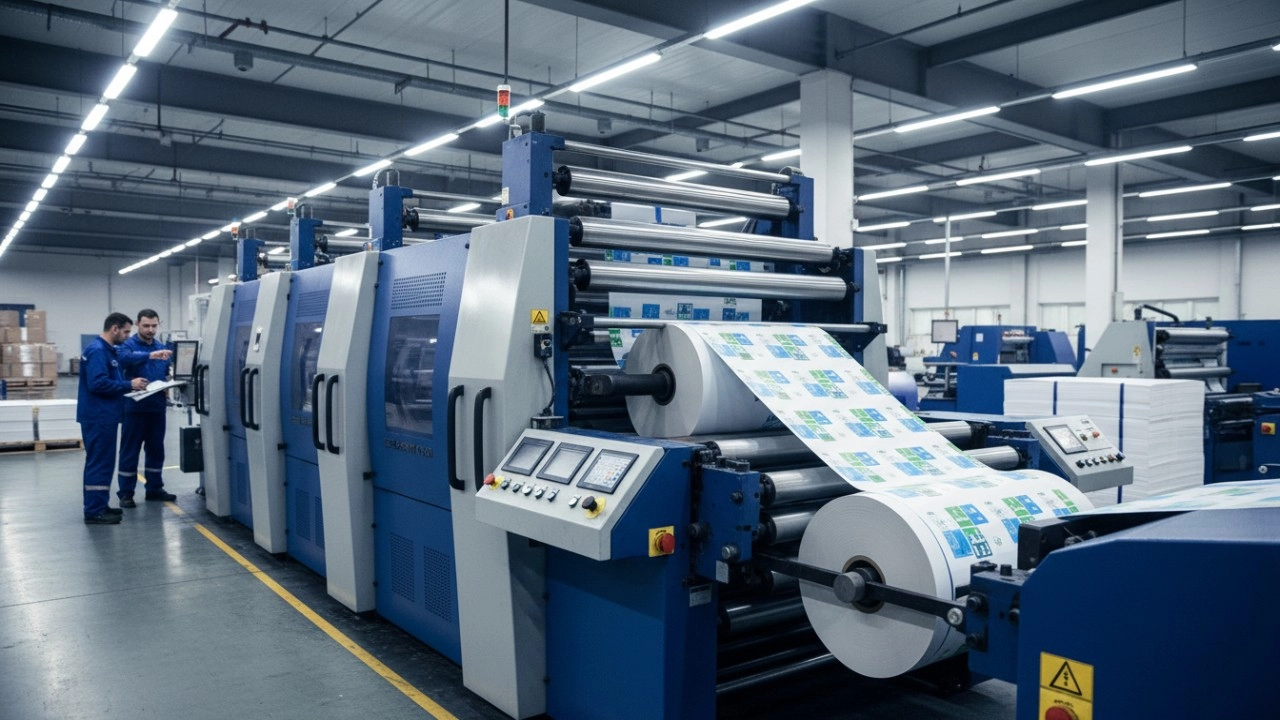
How to Optimize Your Flexo Printing Machine for Maximum Speed and Zero Defects
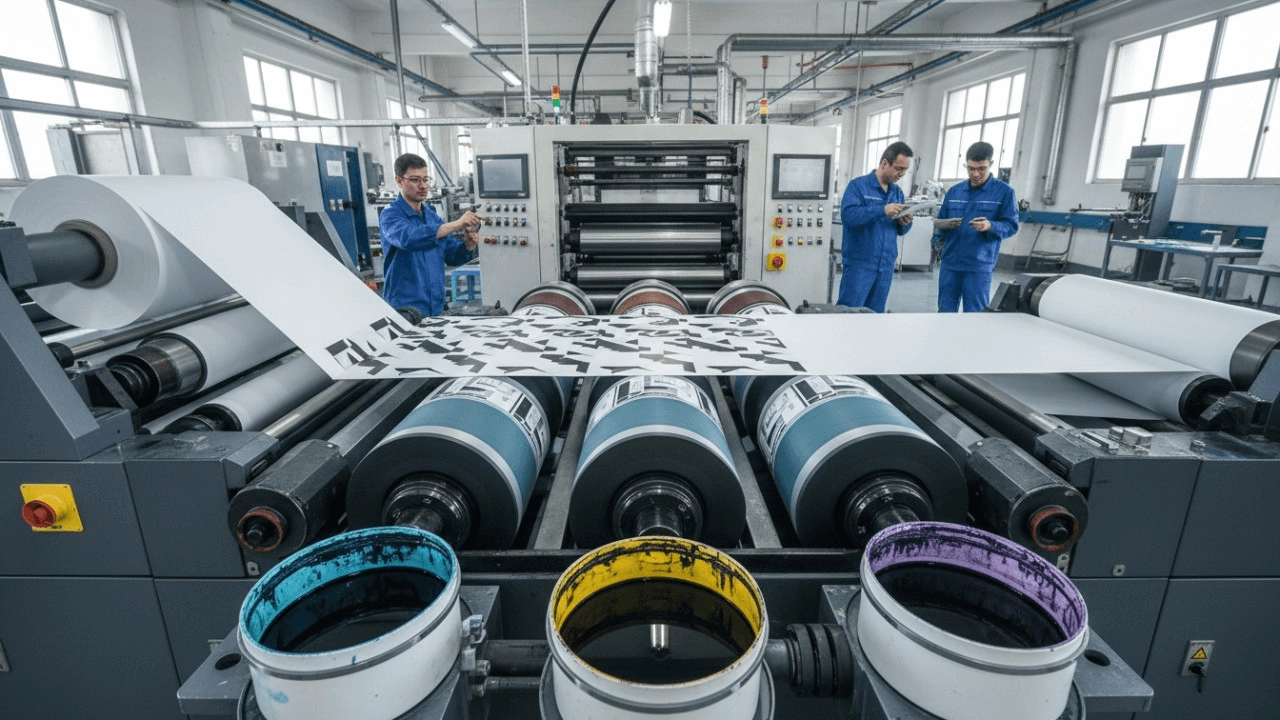
What is Flexographic Printing? The Ultimate Technical Guide & Process Breakdown (2025)

Top 10 Best Flexo Printer Manufacturers (2026): Reviews & Buying Guide
How to Select the Best Flexo Printing Press Manufacturer: A Data-Driven Checklist (2026 Edition)
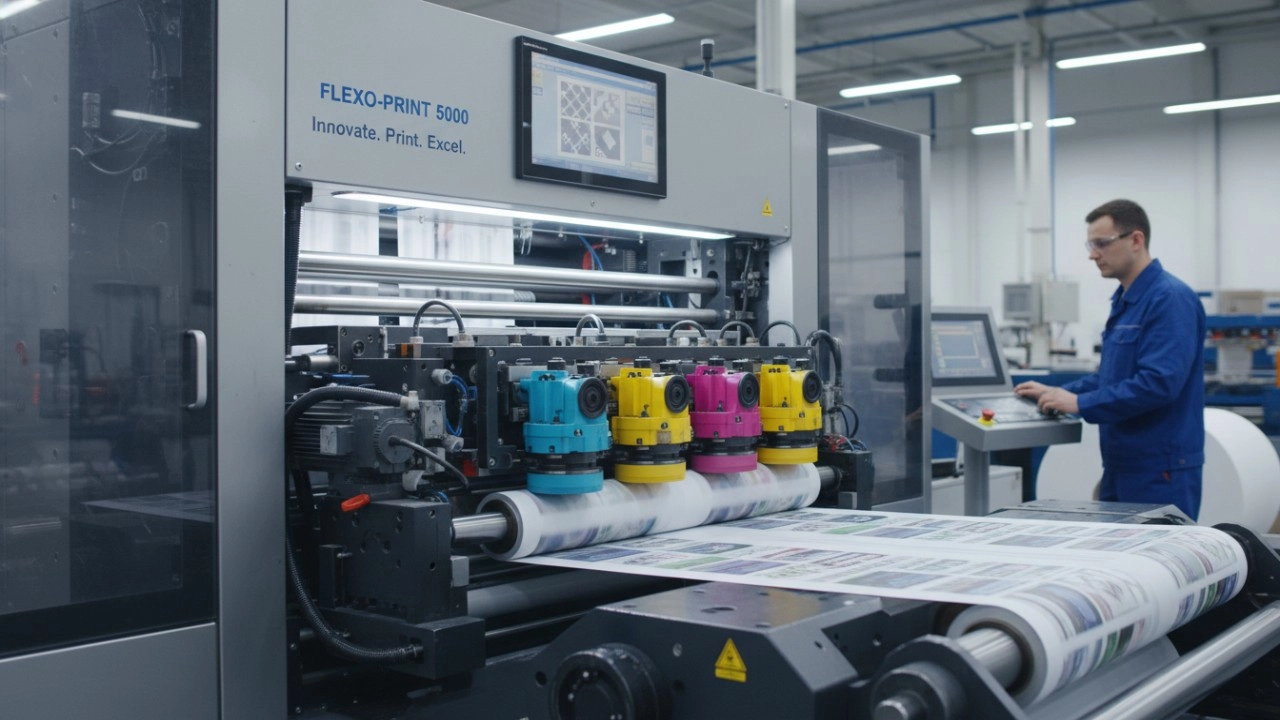
High-Efficiency Flexo Press Solutions: A Complete Guide to Optimizing Your Packaging Production
Shipping
Can you ship to remote or difficult-to-access locations?
Yes, we can arrange shipping to remote locations, though additional charges and time may apply.
What are the shipping dimensions and weight of your folding carton machines?
Shipping dimensions and weight vary by model; please refer to the specific product details for accurate information.
Industry Solutions
Do you offer solutions for environmentally friendly packaging?
Yes, our machines can produce cartons from recyclable and biodegradable materials, supporting sustainable packaging solutions.
How can your machines improve my production workflow?
By automating carton production, our machines streamline your workflow, increase output, and reduce downtime.
How can your folding carton machines benefit my packaging business?
Our machines increase production efficiency, reduce labor costs, and ensure high-quality, consistent carton production.
Leave a message
Have any questions or queries about our products? Please leave us a message here and our team will get back to you promptly.
* Rest assured that your privacy is important to us, and all information provided will be handled with the utmost confidentiality.


© 2025 Keshenglong & SHINKO All Rights Reserved.
Keshenglong Carton Packing Machine
Keshenglong Carton Packing Machine
Keshenglong Carton Packing Machine
Keshenglong Carton Packing Machine
Keshenglong Carton Packing Machine