
How to safely increase press speed on a flexo printer?
Explore common flexo printing defects, their causes, solutions, and safe methods to increase press speed for optimal performance.
Flexographic printing is a versatile and efficient method widely used in packaging and label production. However, operators often encounter various challenges that can affect print quality and productivity. This guide addresses common flexo printing issues, their causes, solutions, and safe practices to enhance press speed.
Common Flexo Printing Issues and Solutions
1. Ghosting
Problem: Faint, unwanted images appearing on the substrate, often due to improper ink transfer.
Causes:
- Dirty anilox rollers.
- Incorrect ink viscosity.
- Inadequate drying.
Solutions:
- Regularly clean anilox rollers.
- Adjust ink viscosity to the recommended levels.
- Ensure proper drying settings.
2. Misregistration
Problem: Misalignment of colors or patterns, leading to blurred or overlapping images.
Causes:
- Improper tension control.
- Eccentricity of the printing plate roller.
- Fluctuations in temperature and humidity.
Solutions:
- Implement closed-loop tension control systems.
- Calibrate rollers to ensure concentricity.
- Maintain consistent environmental conditions.
3. Dot Gain
Problem: Enlargement of halftone dots, resulting in darker prints.
Causes:
- Excessive printing pressure.
- Incorrect anilox roll selection.
Solutions:
- Adjust printing pressure to optimal levels.
- Choose anilox rolls with appropriate cell volume and line count.
4. Ink Smearing or Set-Off
Problem: Smudging of ink on the printed substrate or on the back side of the material.
Causes:
- Insufficient drying.
- Excessive ink film thickness.
Solutions:
- Increase drying temperature or airflow.
- Reduce ink volume.
5. Pinholing
Problem: Small, unprinted dots within solid ink areas.
Causes:
- Low substrate surface tension.
- High ink viscosity.
Solutions:
- Treat substrate surface (e.g., corona treatment).
- Reduce ink viscosity.
6. Ink Foaming
Problem: Formation of bubbles or foam in the ink, leading to print defects.
Causes:
- Excessive agitation during ink mixing.
- Insufficient defoaming agents.
Solutions:
- Add defoamer to the ink.
- Use low-shear mixing methods.
7. Gear Marks or Vibration Marks
Problem: Visible lines or patterns on the printed material, often due to mechanical issues.
Causes:
- Worn or misaligned gears.
- Vibration in the press.
Solutions:
- Regularly inspect and maintain gears.
- Ensure proper press alignment and stability.
8. Wrinkling
Problem: Formation of wrinkles or creases in the substrate during printing.
Causes:
- Excessive ink volume.
- Improper drying.
Solutions:
- Reduce ink volume.
- Optimize drying parameters.
9. Insufficient Ink Transfer
Problem: Uneven or incomplete ink coverage on the substrate.
Causes:
- Dirty or worn anilox rollers.
- Incorrect ink viscosity.
Solutions:
- Clean or replace anilox rollers.
- Adjust ink viscosity to the recommended levels.
Safe Methods to Increase Press Speed
Increasing press speed can enhance productivity, but it must be done cautiously to maintain print quality.
1. Assess Equipment Capabilities:
Ensure that all press components, including anilox rollers, printing plates, and drying systems, are rated for higher speeds.
2. Optimize Ink Formulation:
Use fast-drying inks to prevent smearing and ensure proper adhesion at higher speeds.
3. Enhance Drying Systems:
Upgrade drying equipment to handle increased throughput, ensuring inks cure effectively at higher speeds.
4. Monitor Substrate Quality:
Use substrates that can withstand higher speeds without compromising print quality.
5. Conduct Regular Maintenance:
Perform routine checks and maintenance to ensure all press components function optimally at increased speeds.
6. Implement Incremental Speed Increases:
Gradually increase press speed, monitoring print quality at each step to identify any issues promptly.
7. Train Operators:
Ensure that press operators are trained to handle higher speeds and can troubleshoot issues effectively.
8. Maintain Consistent Environmental Conditions:
Control temperature and humidity to prevent variations that can affect print quality at higher speeds.
By addressing these common issues and following safe practices to increase press speed, flexo printing operations can achieve higher productivity without compromising print quality.
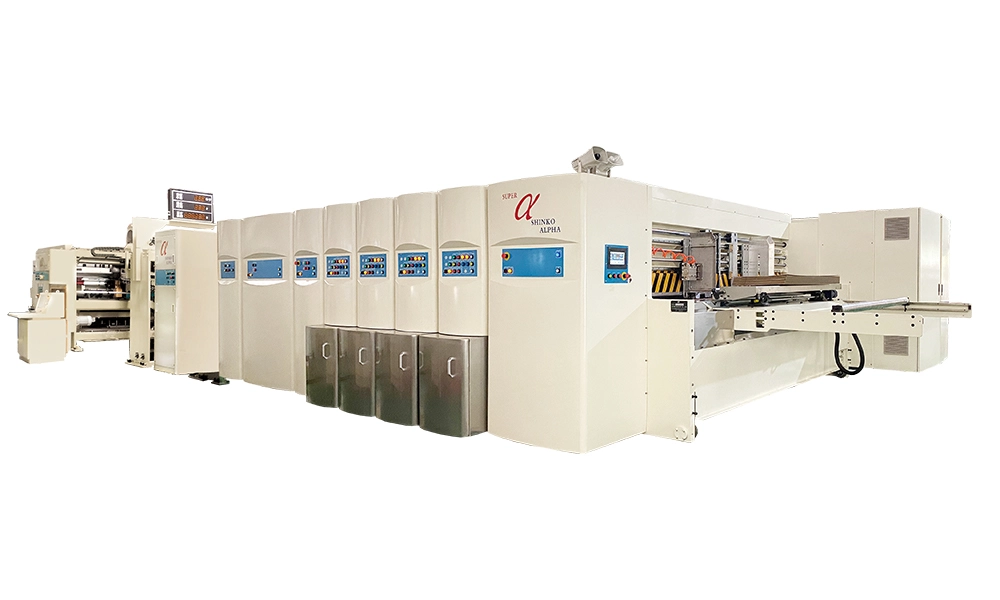
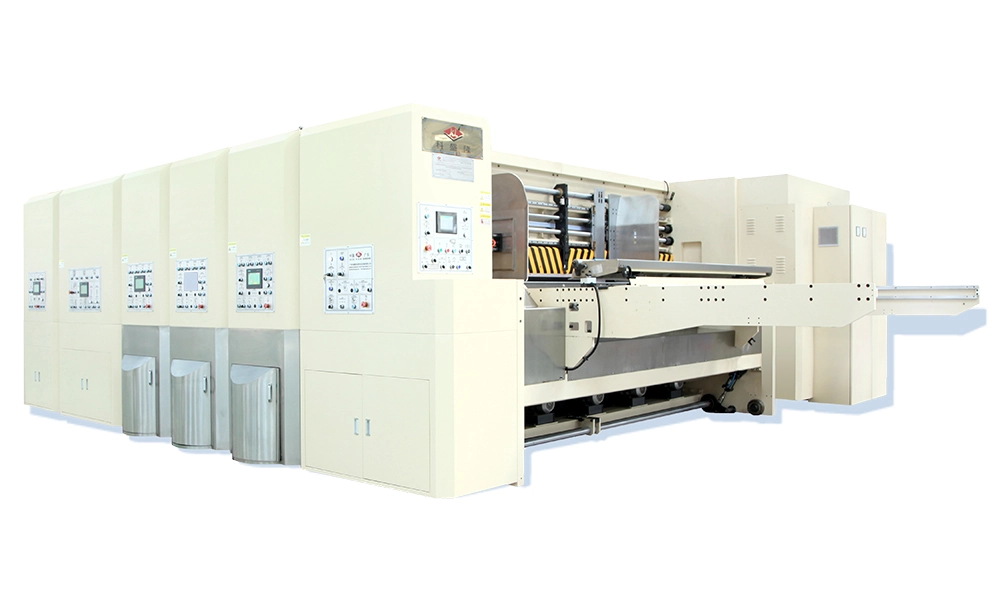
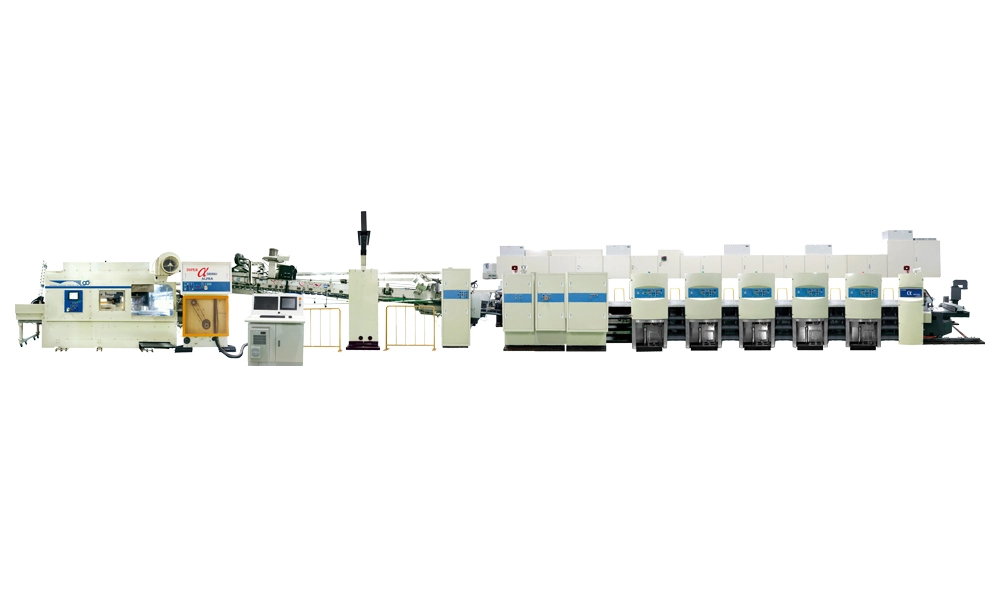
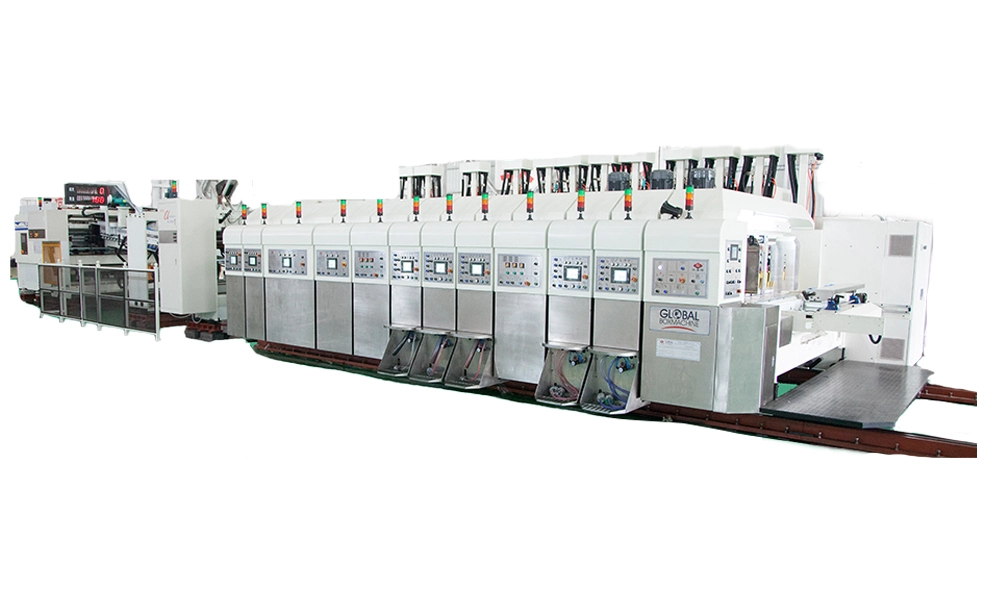
Brands like Keshenglong and Shinko offer advanced flexo printing solutions known for their reliability and performance. Investing in such reputable brands can enhance operational efficiency and product quality.
Sources:
- Henghao Printer: 12 Common Flexo Printing Defects & Solutions
- MTED: How To Troubleshoot And Fix Common Flexo Printing Defects Effectively
- Royal Packings: Common Problems and Solutions of Flexo Printing
- Starcolor Ink: Flexo Printing Problems and Solutions
- Kete Group: Flexo Printing Defects: Diagnosis and Repair Techniques
- Flexopedia: 30 Common Printing Defects and Solutions in Flexo Printing
- JCT Printing: Flexo Printing Troubleshooting Guide
- Tamarack Products: Common Flexo Printing Defects
- Phx Inks: Flexo Printing Challenges and Best Solutions
By understanding these common issues and implementing the recommended solutions, flexo printing operations can enhance print quality and productivity.
Recommended for you
How to Optimize Your Flexo Printing Machine for Maximum Speed and Zero Defects
What is Flexographic Printing? The Ultimate Technical Guide & Process Breakdown (2025)

Top 10 Best Flexo Printer Manufacturers (2026): Reviews & Buying Guide
How to Select the Best Flexo Printing Press Manufacturer: A Data-Driven Checklist (2026 Edition)
High-Efficiency Flexo Press Solutions: A Complete Guide to Optimizing Your Packaging Production
Shipping
Do you offer international shipping for your machines?
Yes, we offer international shipping and can handle all necessary customs documentation.
What are the shipping costs for your folding carton machines?
Shipping costs depend on the destination, machine size, and shipping method. Contact us for a detailed quote.
Industry Solutions
How can your machines improve my production workflow?
By automating carton production, our machines streamline your workflow, increase output, and reduce downtime.
What is the lifespan of your folding carton machines?
With proper maintenance, our machines are built to last for many years, providing long-term value for your investment.
Product
Are there safety features integrated into your machines?
Yes, our machines come equipped with multiple safety features including emergency stop buttons and safety guards.
Leave a message
Have any questions or queries about our products? Please leave us a message here and our team will get back to you promptly.
* Rest assured that your privacy is important to us, and all information provided will be handled with the utmost confidentiality.


© 2025 Keshenglong & SHINKO All Rights Reserved.
Keshenglong Carton Packing Machine
Keshenglong Carton Packing Machine
Keshenglong Carton Packing Machine
Keshenglong Carton Packing Machine
Keshenglong Carton Packing Machine