
How to improve print speed on a corrugated box printer machine?
Explore essential considerations for purchasing corrugated box printer machines, including types, maintenance, and strategies to improve print speed.
- Key Considerations for Purchasing a Corrugated Box Printer Machine
- 1. What Types of Corrugated Box Printer Machines Are Available?
- 2. How Do Flexographic and Digital Printing Compare for Corrugated Boxes?
- 3. What Maintenance Routines Extend Machine Lifespan?
- 4. What Training Is Required for Operators?
- 5. Are Retrofit Upgrades Available for Older Machines?
- 6. How Can Print Speed Be Improved on a Corrugated Box Printer Machine?
- 7. What Are the Advantages and Limitations of a Carton Printing Machine?
- 8. How Do Inline Flexo Printing Slotting/Die-Cutting Machines Compare to Separate Units?
- 9. What Should I Ask Vendors About Service and Spare Parts?
- 10. How Do I Calculate ROI for a Corrugated Box Printer Machine?
When considering the purchase of a corrugated box printer machine, it's crucial to address several key questions to ensure the equipment aligns with your production needs and delivers optimal performance.
Key Considerations for Purchasing a Corrugated Box Printer Machine
1. What Types of Corrugated Box Printer Machines Are Available?
Corrugated box printers primarily fall into two categories: flexographic (flexo) and digital printers. Flexo printers are well-suited for high-volume runs, offering cost-effectiveness for large orders. They typically support 1–6 colors inline, depending on the model. Digital printers excel in short-run productions, allowing for quick design changes and minimal setup waste. They are ideal for quantities under 5,000 boxes. ((https://www.shinkomachinery.com/top-5-corrugated-box-printer-machine-companies-compared.html))
2. How Do Flexographic and Digital Printing Compare for Corrugated Boxes?
Flexographic printing is advantageous for large-scale productions, offering lower per-unit costs for runs exceeding 10,000 boxes. However, it requires plate changes and may involve higher setup times. Digital printing, on the other hand, is ideal for smaller runs, providing instant design changes and minimal setup waste, making it suitable for quantities under 5,000 boxes. ((https://www.shinkomachinery.com/top-5-corrugated-box-printer-machine-companies-compared.html))
3. What Maintenance Routines Extend Machine Lifespan?
Regular maintenance is essential to prolong the lifespan of your corrugated box printer machine. Recommended practices include:
Daily: Perform printhead cleaning with approved solvents to maintain print quality.
Monthly: Lubricate gears to ensure smooth operation.
Quarterly: Inspect motors for wear and tear.
Additionally, replace anilox rollers every 18–24 months, depending on usage, to maintain consistent ink transfer.
4. What Training Is Required for Operators?
Operators should undergo comprehensive training to ensure efficient and safe machine operation. Training programs typically cover:
Substrate Handling: Understanding different materials and their properties.
Color Management: Techniques to achieve accurate color reproduction.
Emergency Protocols: Procedures to follow in case of machine malfunctions.
For digital models, advanced training may include operating Raster Image Processor (RIP) software and utilizing cloud-based job tracking systems.
5. Are Retrofit Upgrades Available for Older Machines?
Yes, many older machines can be retrofitted with modern technologies to enhance performance. Possible upgrades include:
Digital Inkjet Units: Adding digital printing capabilities to existing machines.
Automated Registration Systems: Improving print accuracy by up to 60%.
These retrofits can extend the machine's useful life and improve production efficiency.
6. How Can Print Speed Be Improved on a Corrugated Box Printer Machine?
Enhancing print speed involves several strategies:
Optimize Machine Settings: Adjusting parameters such as printhead alignment and ink viscosity can lead to faster printing speeds.
Regular Maintenance: Ensuring all components are in optimal condition reduces downtime and maintains high-speed performance.
Operator Training: Skilled operators can identify and resolve issues promptly, minimizing delays.
Invest in High-Speed Models: Upgrading to machines designed for higher throughput can significantly increase production rates.
7. What Are the Advantages and Limitations of a Carton Printing Machine?
Advantages:
High Print Accuracy: Ensures precise reproduction of designs on corrugated cardboard.
Long-Lasting Color Consistency: Maintains uniform color quality over extended production runs.
Reduced Labor: Automation decreases the need for manual intervention, lowering labor costs.
Lower Ink Consumption: Closed-loop doctor blade systems optimize ink usage, reducing costs.
Limitations:
Skilled Technicians Required: Complex machinery necessitates operators with specialized training.
Higher Initial Cost: Advanced features and capabilities come with a significant upfront investment.
Maintenance Needs: Regular upkeep is essential to prevent issues like anilox roller wear.
8. How Do Inline Flexo Printing Slotting/Die-Cutting Machines Compare to Separate Units?
Inline machines integrate printing and converting processes in a single pass, offering benefits such as:
Reduced Handling: Minimizes material movement, decreasing the risk of errors.
Improved Registration: Enhanced alignment between printing and cutting processes.
Lower Waste: Streamlined operations lead to more efficient material usage.
Separate units may have a lower initial cost and offer flexibility for small runs but can increase material handling and registration risks. ((https://www.shinkomachinery.com/top-5-corrugated-box-printer-machine-companies-compared.html))
9. What Should I Ask Vendors About Service and Spare Parts?
When evaluating potential vendors, consider inquiring about: ((https://www.shinkomachinery.com/top-5-corrugated-box-printer-machine-companies-compared.html))
Local Spare-Part Inventory: Availability of essential components to minimize downtime.
Guaranteed Response Times: Commitments to timely support and service.
Preventive Maintenance Contracts: Options for regular maintenance to ensure optimal machine performance.
Remote Diagnostics: Capabilities for troubleshooting and resolving issues remotely.
Training Packages: Programs for operators and maintenance staff to enhance proficiency.
10. How Do I Calculate ROI for a Corrugated Box Printer Machine?
To assess the return on investment, consider factors such as: ((https://www.shinkomachinery.com/top-5-corrugated-box-printer-machine-companies-compared.html))
Capital Expenditure (CAPEX): Initial purchase and installation costs.
Operational Savings: Reductions in waste, labor, and material costs.
Increased Throughput: Higher production rates leading to greater revenue.
Maintenance Costs: Ongoing expenses for upkeep and repairs.
Quality Improvements: Enhanced product quality potentially commanding higher prices.
Conclusion:
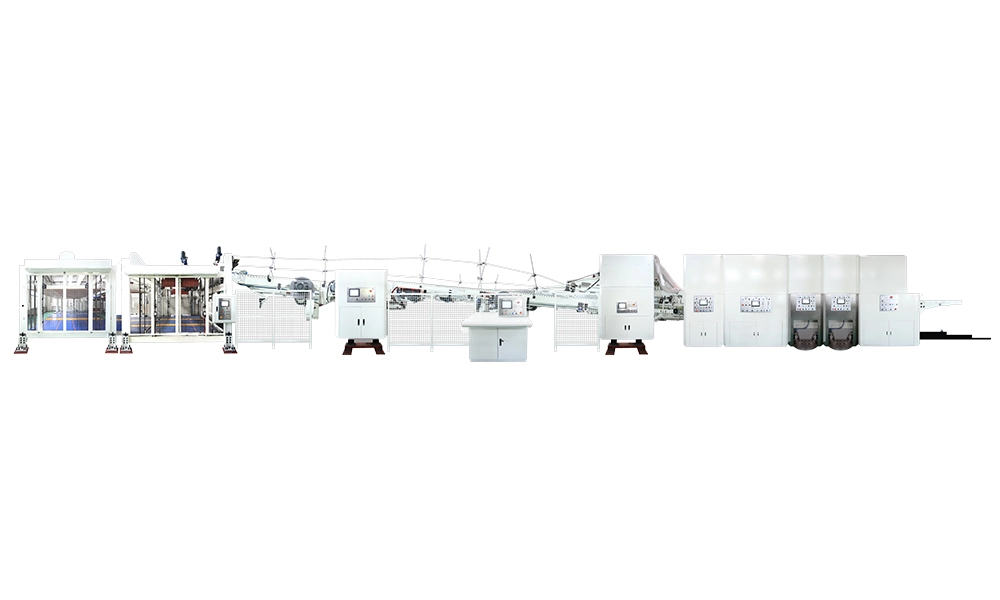
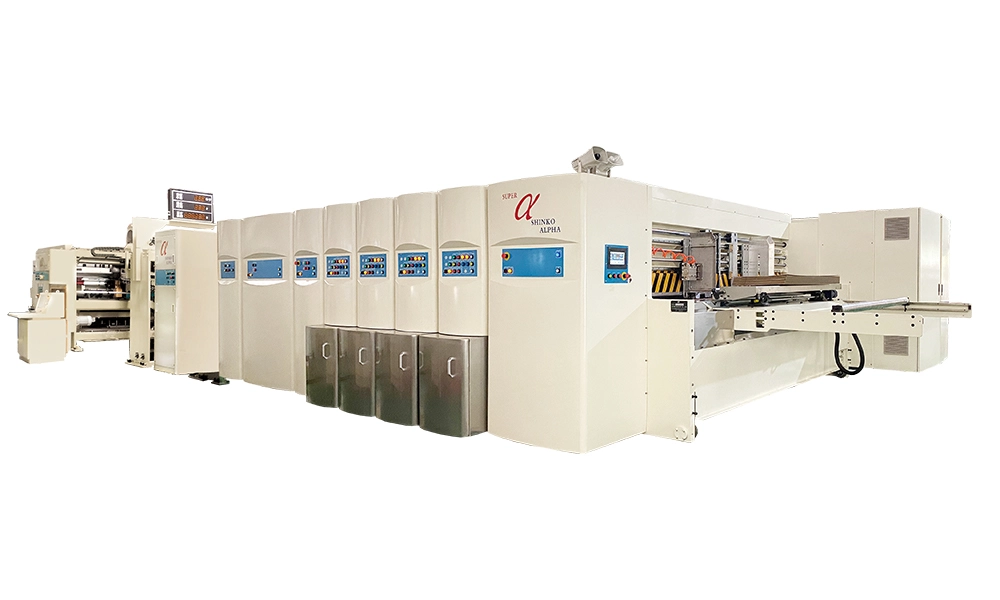
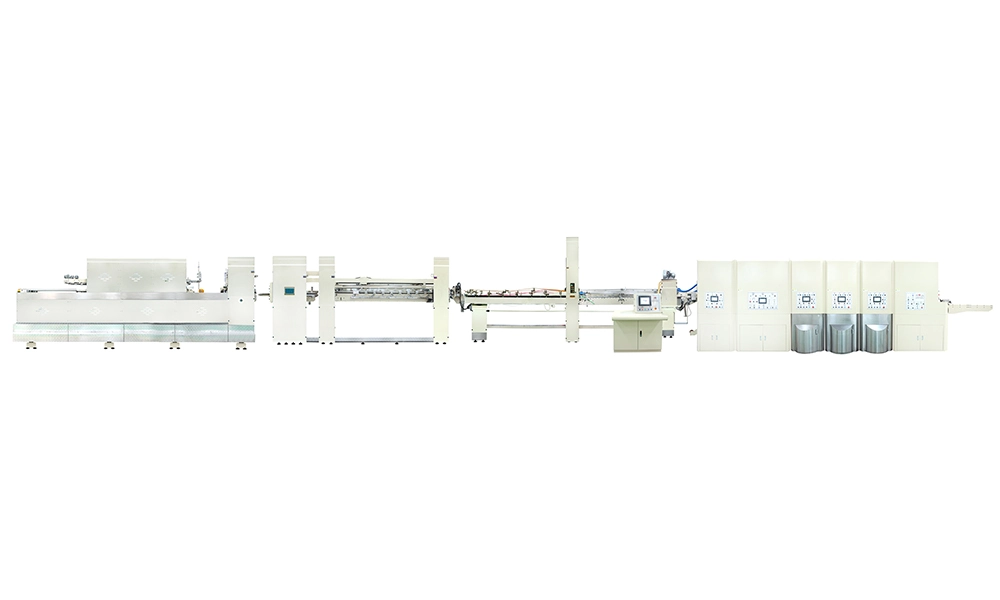
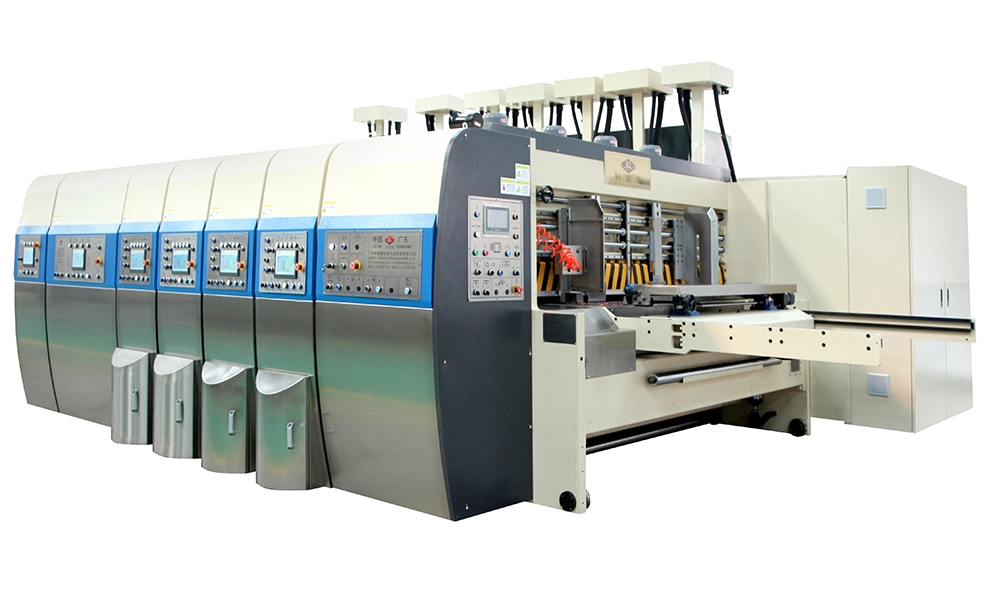
When selecting a corrugated box printer machine, it's essential to evaluate your specific production requirements, budget constraints, and desired print quality. Brands like Keshenglong and Shinko offer a range of machines that integrate flexo printing, slotting, die-cutting, folding, gluing, and ejecting functions, providing comprehensive solutions for corrugated box production. These machines are designed for high-speed stability, robust construction, and unmatched print clarity, ensuring a strong return on investment and reliable performance. ((https://www.shinkomachinery.com/product-tag/printing-machine-for-corrugated-boxes.html))
By thoroughly researching and understanding these aspects, you can make an informed decision that aligns with your operational goals and enhances your production efficiency.
Recommended for you
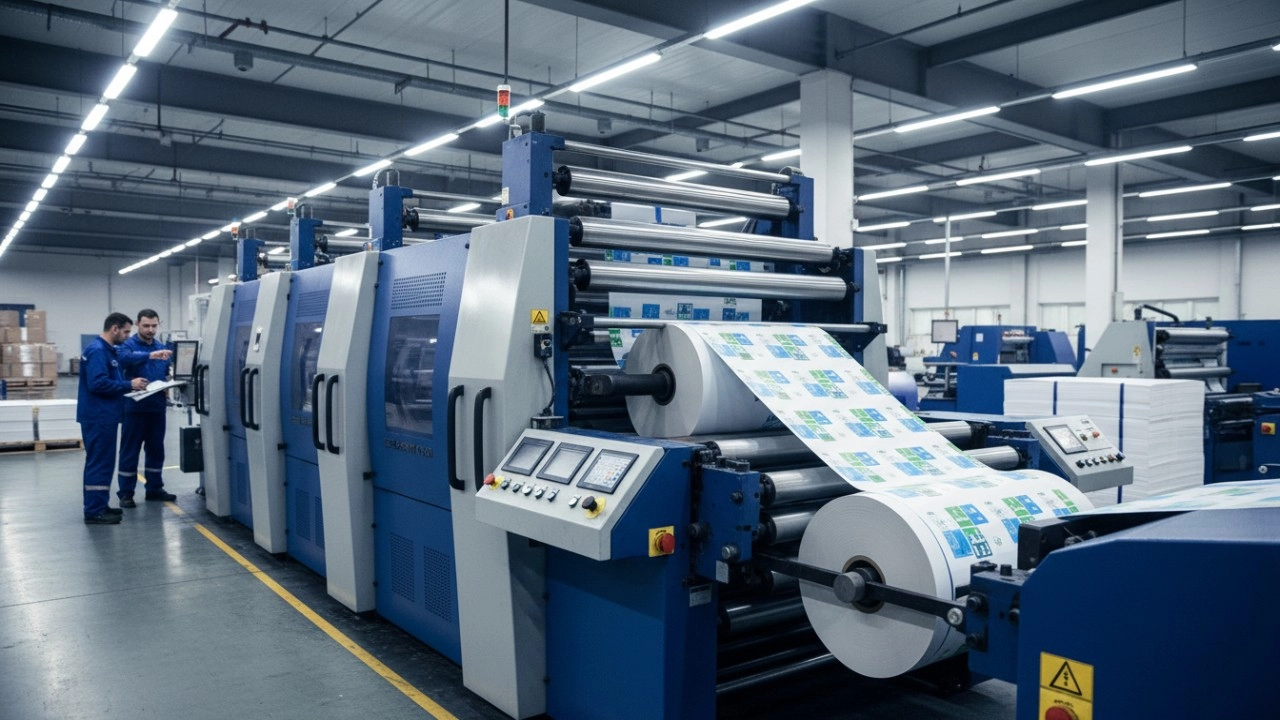
How to Optimize Your Flexo Printing Machine for Maximum Speed and Zero Defects
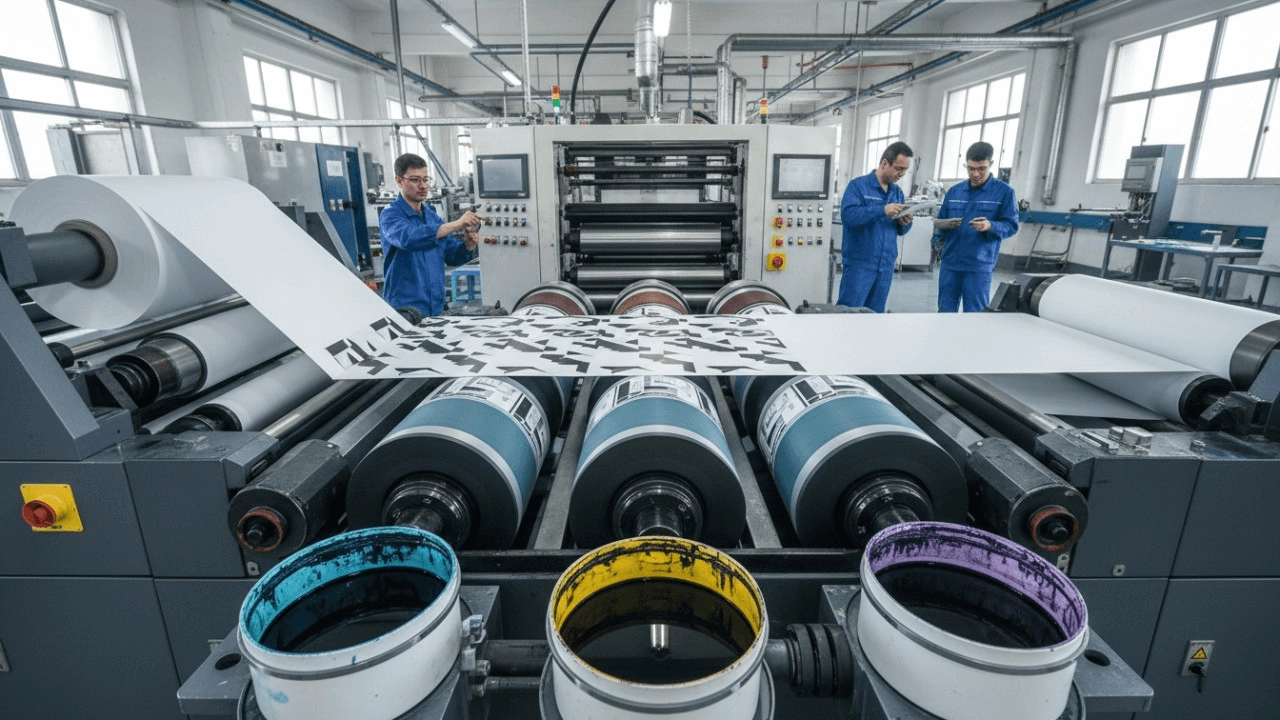
What is Flexographic Printing? The Ultimate Technical Guide & Process Breakdown (2025)
Top 10 Best Flexo Printer Manufacturers (2026): Reviews & Buying Guide
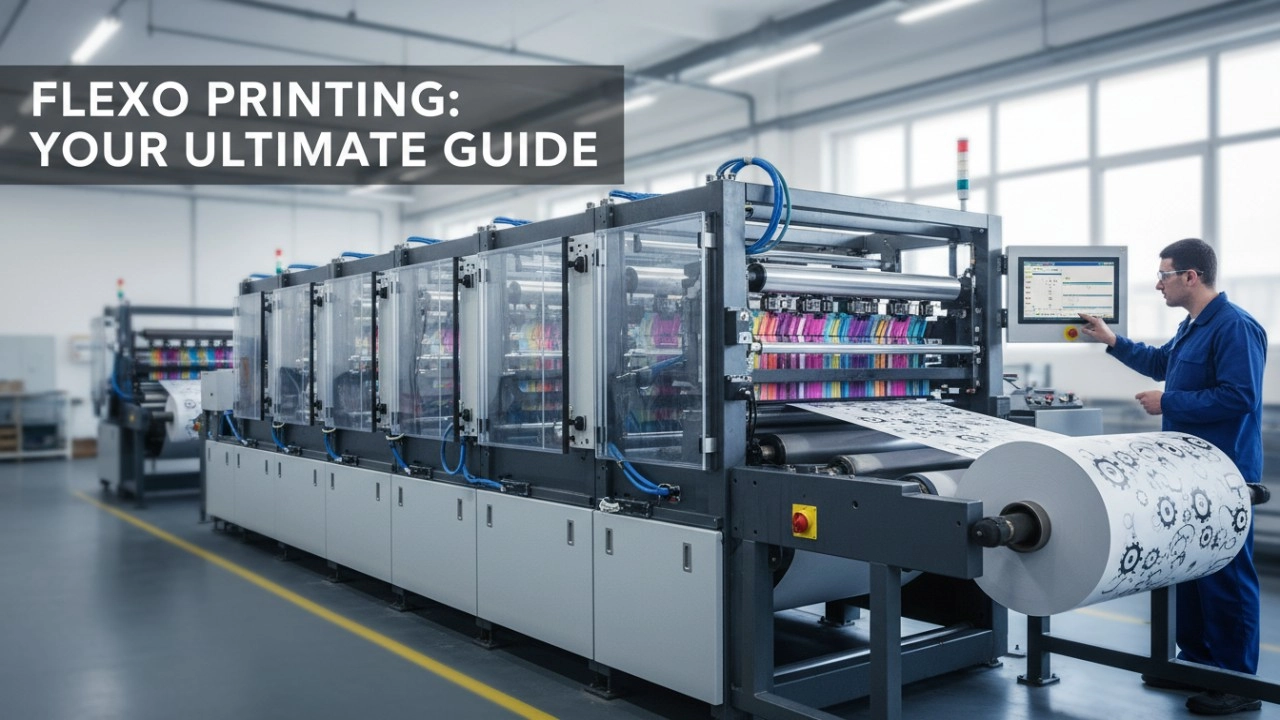
How to Select the Best Flexo Printing Press Manufacturer: A Data-Driven Checklist (2026 Edition)
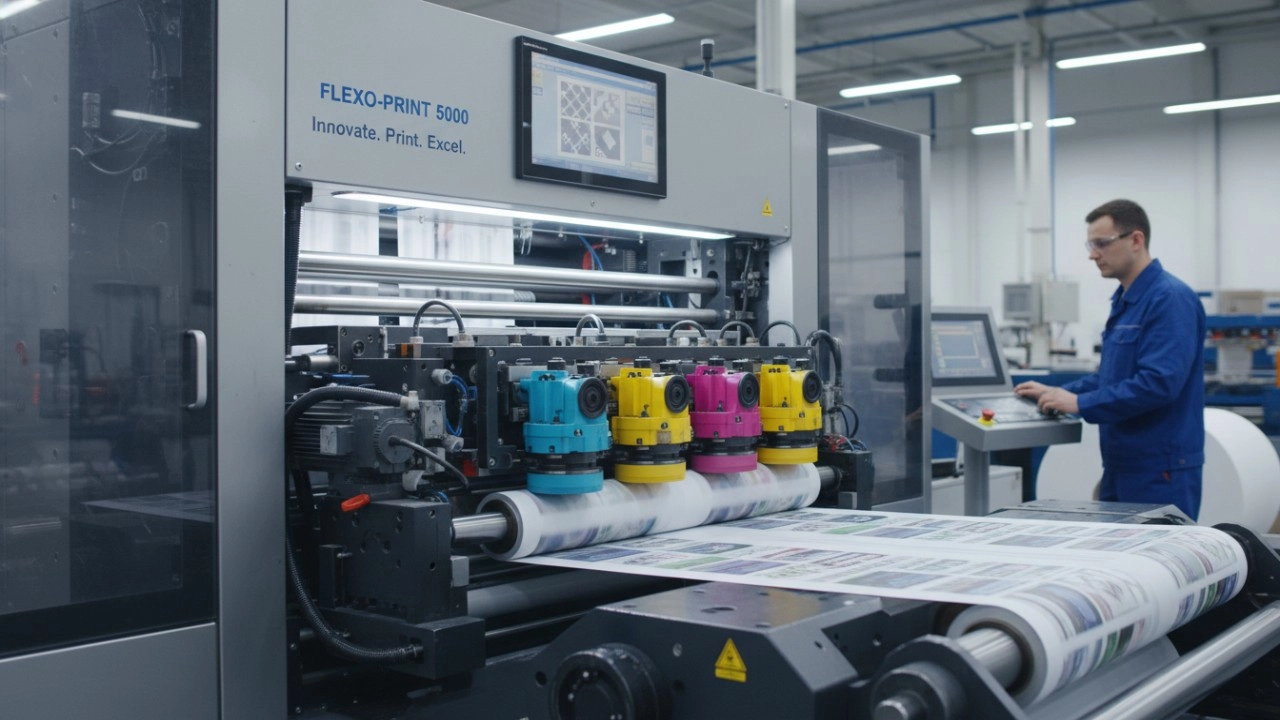
High-Efficiency Flexo Press Solutions: A Complete Guide to Optimizing Your Packaging Production
Product
What should I do if the machine jams during operation?
In case of a jam, immediately stop the machine, remove any obstructions, and check for any damage before restarting.
How do I adjust the machine settings for different carton sizes?
Machine settings can be adjusted using the intuitive control panel, which allows for quick changes to accommodate different carton sizes.
Do your machines support automated quality control checks?
Yes, our machines can be equipped with automated quality control systems to ensure consistent production quality.
Shipping
How are your machines packaged for safe transportation?
Our machines are securely packaged using high-quality materials to prevent damage during transit.
Industry Solutions
What is the lifespan of your folding carton machines?
With proper maintenance, our machines are built to last for many years, providing long-term value for your investment.
Leave a message
Have any questions or queries about our products? Please leave us a message here and our team will get back to you promptly.
* Rest assured that your privacy is important to us, and all information provided will be handled with the utmost confidentiality.


© 2025 Keshenglong & SHINKO All Rights Reserved.
Keshenglong Carton Packing Machine
Keshenglong Carton Packing Machine
Keshenglong Carton Packing Machine
Keshenglong Carton Packing Machine
Keshenglong Carton Packing Machine