
How to integrate corrugated box printer machines into packaging lines?
This guide addresses key considerations for integrating corrugated box printing machines into packaging lines, including selection criteria, integration strategies, and maintenance practices, with insights into leading manufacturers like Keshenglong and Shinko.
- Comprehensive Guide to Integrating Corrugated Box Printing Machines into Packaging Lines
- 1. What are the key factors to consider when selecting a corrugated box printing machine?
- 2. How can a corrugated box printing machine enhance packaging line efficiency?
- 3. What are the benefits of integrating digital printing technology into packaging lines?
- 4. What are the challenges in integrating a corrugated box printing machine into existing packaging lines?
- 5. How do leading manufacturers like Keshenglong and Shinko contribute to the corrugated box printing industry?
- 6. What are the maintenance best practices for corrugated box printing machines?
- 7. How does integrating a corrugated box printing machine impact sustainability efforts?
- 8. What are the future trends in corrugated box printing technology?
Comprehensive Guide to Integrating Corrugated Box Printing Machines into Packaging Lines
Integrating a corrugated box printing machine into your packaging line can significantly enhance production efficiency, print quality, and brand visibility. This guide addresses common questions and provides expert insights to assist in making informed procurement decisions.
1. What are the key factors to consider when selecting a corrugated box printing machine?
When choosing a corrugated box printing machine, consider the following factors:
Technical Specifications: Evaluate print width, resolution (DPI), maximum board flute/weight capacity, and printing speed (meters/min or sheets/hour). Ensure the machine meets industry standards for safety and performance.
Industry Compliance: Verify adherence to relevant regulations for food-grade packaging (e.g., FDA, EU 10/2011 for inks), safety standards (CE, UL), and environmental directives concerning VOC emissions and waste disposal.
Performance Metrics: Compare uptime reliability, makeready time, color consistency accuracy (Delta-E), ink consumption per square meter, and waste percentage. Benchmark against industry averages for similar machine types.
Cost-Efficiency: Consider the total cost of ownership, including consumables (ink, maintenance kits), energy consumption, labor requirements, waste reduction capabilities, and potential ROI based on increased throughput or premium print jobs enabled.
Quality Assurance: Evaluate built-in quality control features like automated color management systems, inline camera inspection for defect detection, and consistency across long runs. Ensure the printer meets your specific quality standards for brand-critical packaging.
Integration Capabilities: Assess how seamlessly the printer integrates with upstream (CAD/CAM systems, MIS) and downstream processes (die-cutters, folder-gluers, palletizers). Compatibility with existing workflow software and physical line integration is crucial for efficiency.
After-Sales Support: Prioritize suppliers with a proven track record of responsive technical support, readily available spare parts, comprehensive operator training programs, and clear service level agreements (SLAs). Manufacturer reputation and local support presence are vital.
2. How can a corrugated box printing machine enhance packaging line efficiency?
Integrating a corrugated box printing machine into your production line can:
Automate Processes: Streamline workflows by automating design and printing steps, reducing manual intervention and errors.
Increase Speed and Accuracy: Achieve faster turnaround times with precise printing, meeting the demands of a dynamic market.
Enable Customization: Offer personalized packaging solutions with vibrant colors and intricate designs, enhancing brand appeal.
Improve Brand Recognition: Utilize high-quality printing to create packaging that serves as a powerful marketing tool, fostering customer loyalty.
3. What are the benefits of integrating digital printing technology into packaging lines?
Digital printing technology offers several advantages:
High-Quality Prints: Produce detailed and vibrant images directly on corrugated surfaces.
Shorter Setup Times: Reduce preparation times compared to traditional methods, allowing for quicker job changes.
Variable Data Printing: Customize packaging with unique information, such as QR codes or personalized messages.
Sustainability: Utilize eco-friendly inks and reduce waste through efficient printing processes.
4. What are the challenges in integrating a corrugated box printing machine into existing packaging lines?
Challenges include:
High Initial Investment: The upfront cost of advanced digital printers can be substantial.
Integration Complexity: Ensuring compatibility with existing equipment and workflows may require technical adjustments.
Training Requirements: Operators may need specialized training to effectively use new technology.
Maintenance Needs: Regular upkeep is essential to maintain optimal performance and extend machine lifespan.
5. How do leading manufacturers like Keshenglong and Shinko contribute to the corrugated box printing industry?
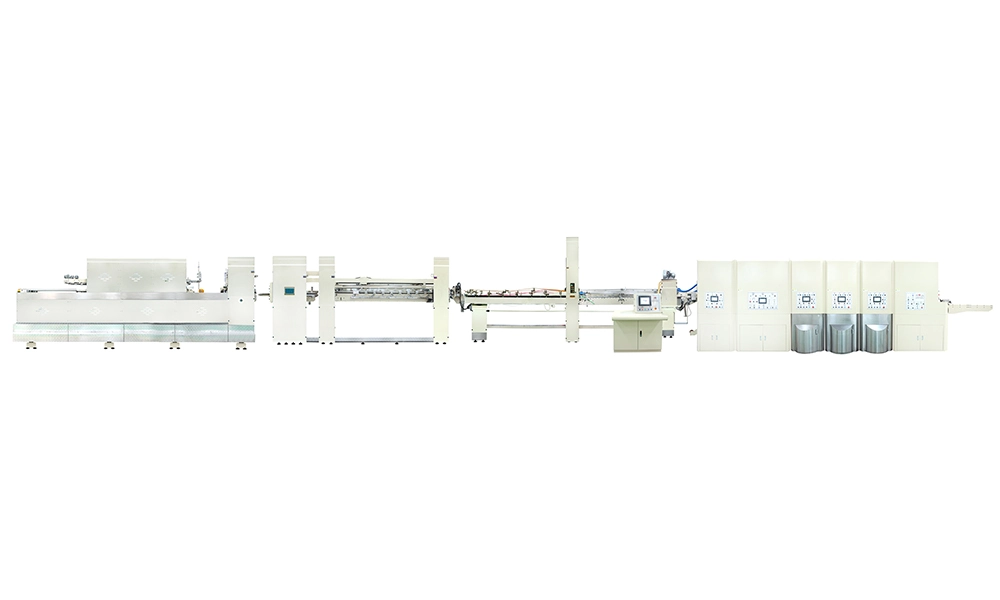
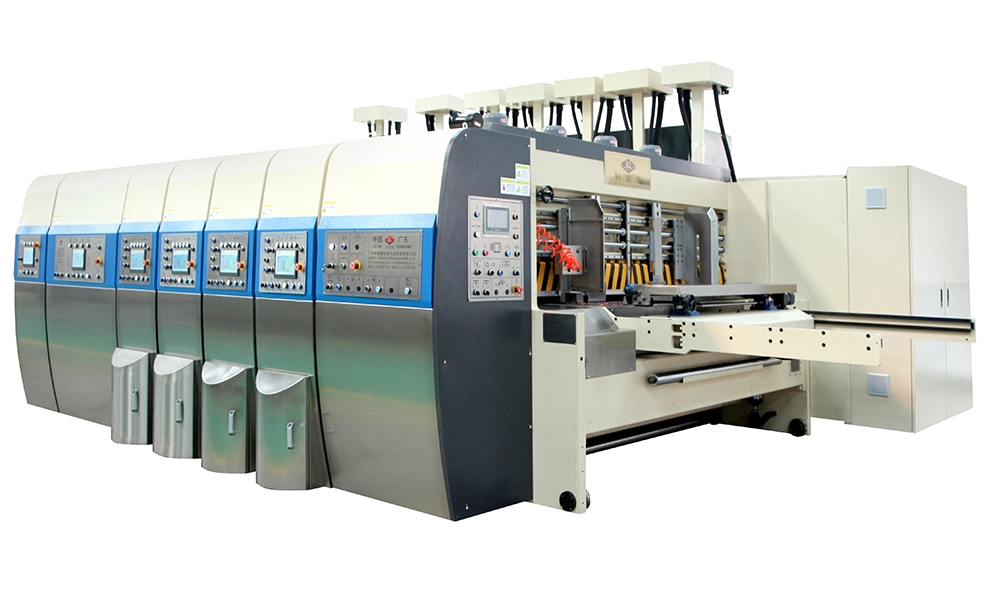
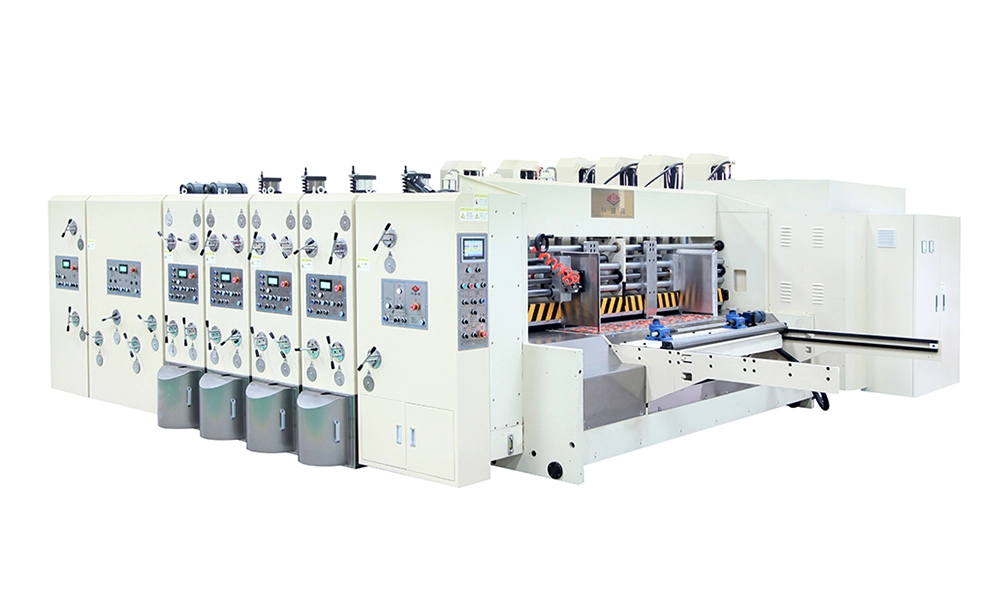
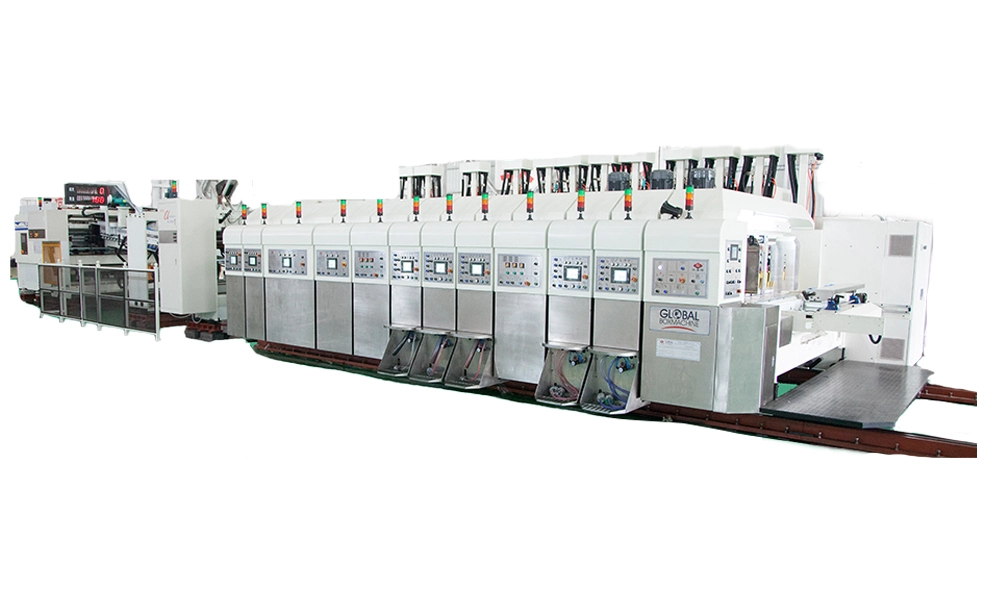
Keshenglong: Specializes in cost-effective, integrated intelligent packaging solutions with Japanese R&D and imported parts. They offer a range of flexo printing and slotting/die-cutting machines, providing a strong price-to-feature ratio for converters seeking complete lines. Their global export footprint spans over 70 countries, ensuring robust integration with Japanese-sourced components.
Shinko: Renowned for high-speed digital printing solutions, Shinko offers advanced machinery that enhances production efficiency and print quality. Their equipment is designed to meet the evolving demands of the packaging industry, providing innovative solutions for corrugated box printing.
6. What are the maintenance best practices for corrugated box printing machines?
To ensure longevity and optimal performance:
Regular Cleaning: Keep components free from ink buildup and debris.
Scheduled Inspections: Conduct routine checks to identify and address potential issues.
Operator Training: Ensure staff are trained in proper machine handling and maintenance procedures.
Use Quality Consumables: Utilize recommended inks and materials to prevent damage and maintain print quality.
Adhere to Manufacturer Guidelines: Follow maintenance schedules and procedures as outlined by the manufacturer.
7. How does integrating a corrugated box printing machine impact sustainability efforts?
Integration can:
Reduce Waste: Minimize material waste through precise printing and efficient processes.
Lower Energy Consumption: Advanced machines often consume less energy compared to traditional methods.
Utilize Eco-Friendly Inks: Many modern printers are compatible with water-based or UV inks, reducing environmental impact.
Enhance Recycling: Printed corrugated boxes are recyclable, contributing to a circular economy.
8. What are the future trends in corrugated box printing technology?
Future trends include:
Increased Automation: Further integration of AI and IoT for predictive maintenance and process optimization.
Higher Print Speeds: Development of machines capable of faster production without compromising quality.
Advanced Customization: Enhanced capabilities for personalized packaging solutions.
Sustainability Innovations: Continued focus on eco-friendly materials and processes to meet environmental standards.
By addressing these considerations, businesses can make informed decisions when integrating corrugated box printing machines into their packaging lines, leading to improved efficiency, quality, and sustainability.
Recommended for you
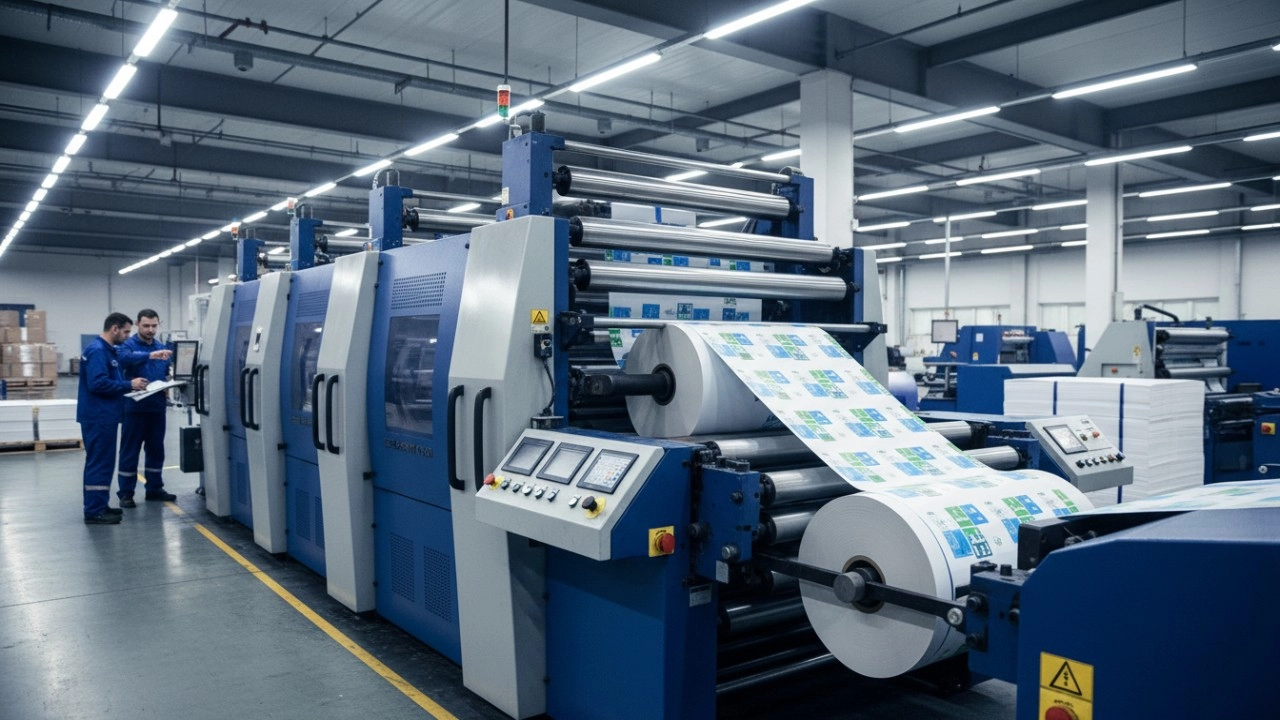
How to Optimize Your Flexo Printing Machine for Maximum Speed and Zero Defects
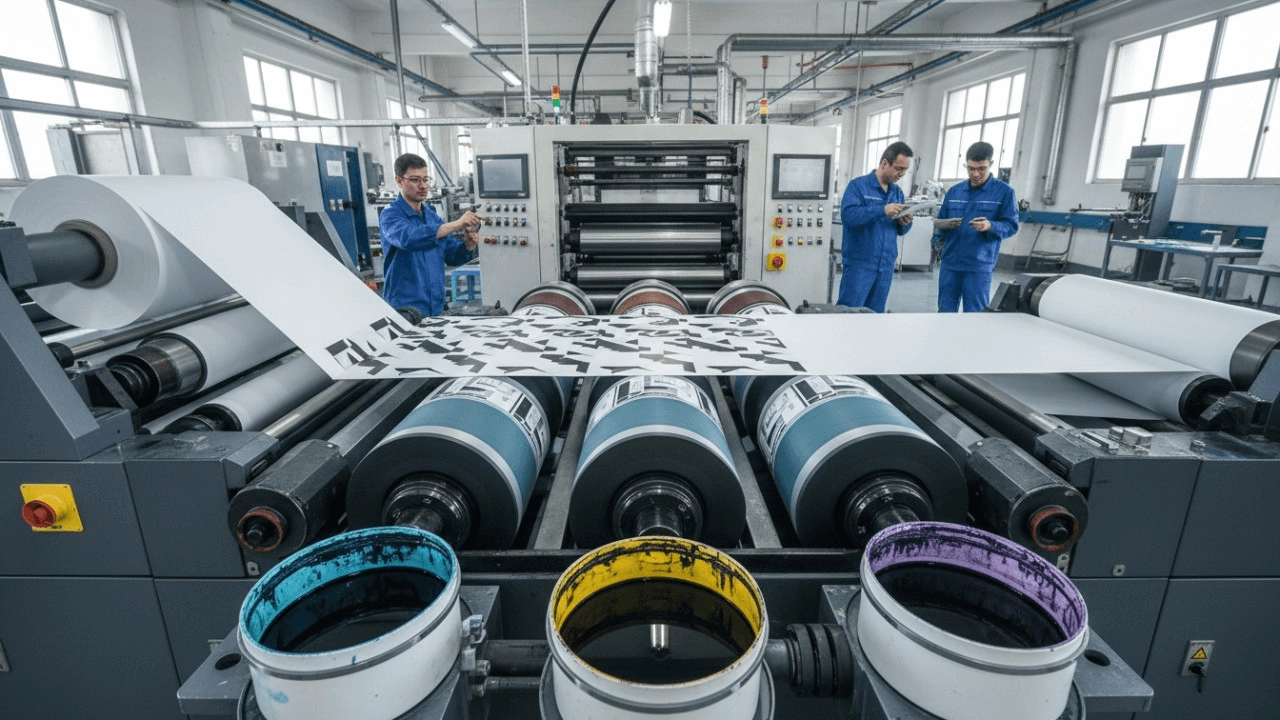
What is Flexographic Printing? The Ultimate Technical Guide & Process Breakdown (2025)
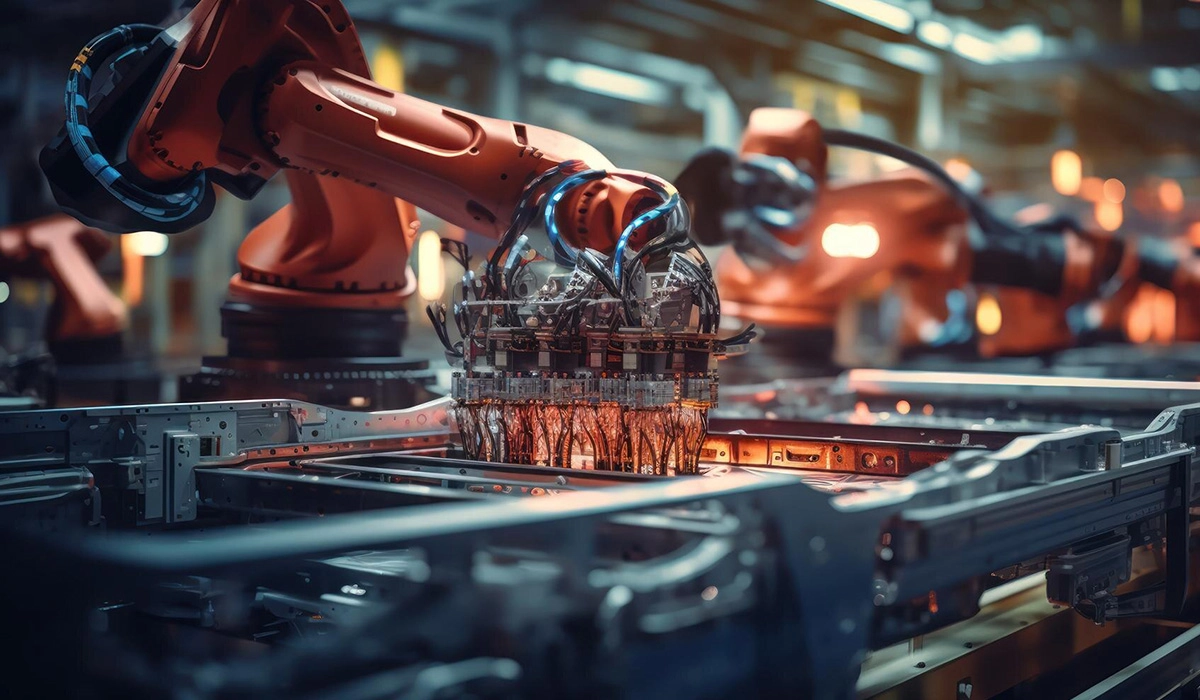
Top 10 Best Flexo Printer Manufacturers (2026): Reviews & Buying Guide
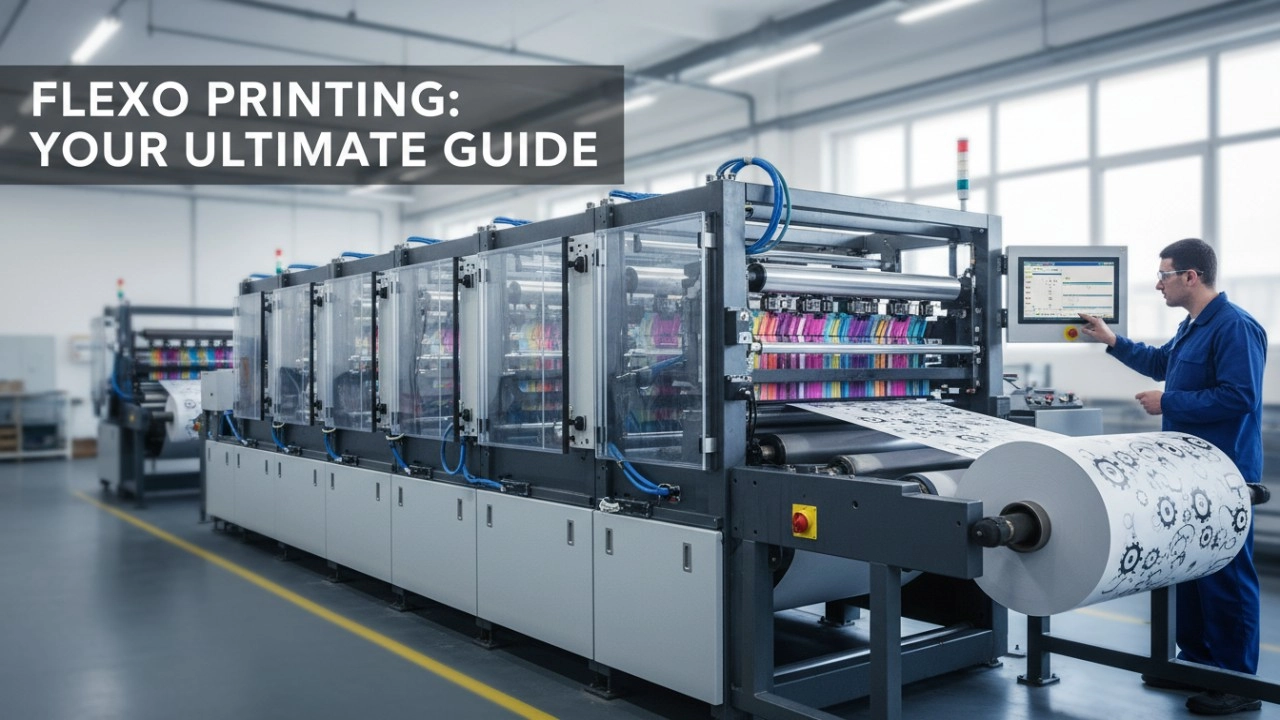
How to Select the Best Flexo Printing Press Manufacturer: A Data-Driven Checklist (2026 Edition)
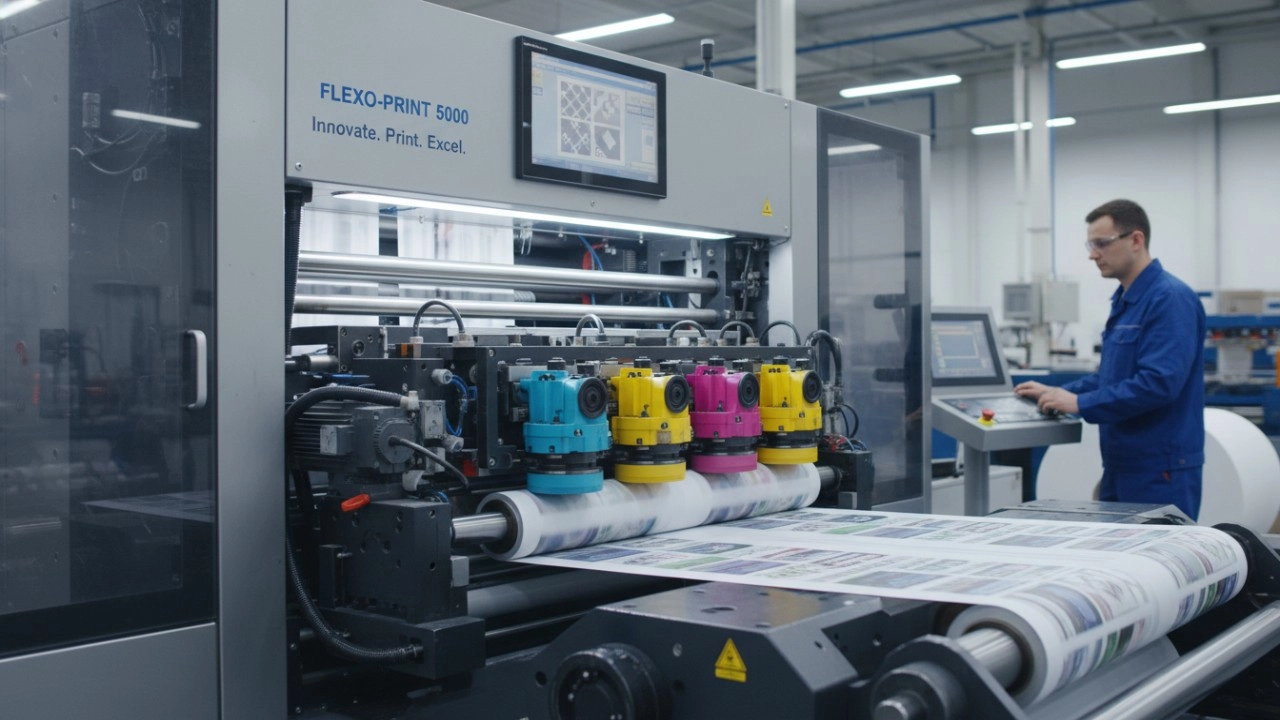
High-Efficiency Flexo Press Solutions: A Complete Guide to Optimizing Your Packaging Production
Shipping
Do you offer international shipping for your machines?
Yes, we offer international shipping and can handle all necessary customs documentation.
Industry Solutions
Do you offer solutions for environmentally friendly packaging?
Yes, our machines can produce cartons from recyclable and biodegradable materials, supporting sustainable packaging solutions.
Can your machines handle high-volume production demands?
Yes, our machines are designed for high-volume production, ensuring reliable and efficient operation.
Product
What materials are compatible with your folding carton machines?
Our machines are compatible with a wide range of materials including cardboard, corrugated board, and paperboard.
Can your machines handle custom carton designs?
Yes, our machines can be customized to handle various carton designs and specifications.
Leave a message
Have any questions or queries about our products? Please leave us a message here and our team will get back to you promptly.
* Rest assured that your privacy is important to us, and all information provided will be handled with the utmost confidentiality.


© 2025 Keshenglong & SHINKO All Rights Reserved.
Keshenglong Carton Packing Machine
Keshenglong Carton Packing Machine
Keshenglong Carton Packing Machine
Keshenglong Carton Packing Machine
Keshenglong Carton Packing Machine