
How to prepare substrates for reliable flexo printing?
Explore essential aspects of flexographic printing, including substrate selection, preparation, and troubleshooting, to ensure high-quality and reliable results.
- Comprehensive Guide to Flexographic Printing: Key Considerations and Best Practices
- 1. What substrates can be used in flexographic printing?
- 2. How do I prepare substrates for reliable flexo printing?
- 3. What are the common challenges in flexographic printing?
- 4. How do I select the appropriate ink for flexographic printing?
- 5. What are the best practices for flexographic printing on different substrates?
- 6. How do I troubleshoot common substrate-related issues in flexographic printing?
- 7. How does Keshenglong & Shinko support converters in choosing substrates for corrugated flexo printing?
- 8. What are the key specifications to confirm before a production run?
- Conclusion: Advantages of Keshenglong & Shinko
Comprehensive Guide to Flexographic Printing: Key Considerations and Best Practices
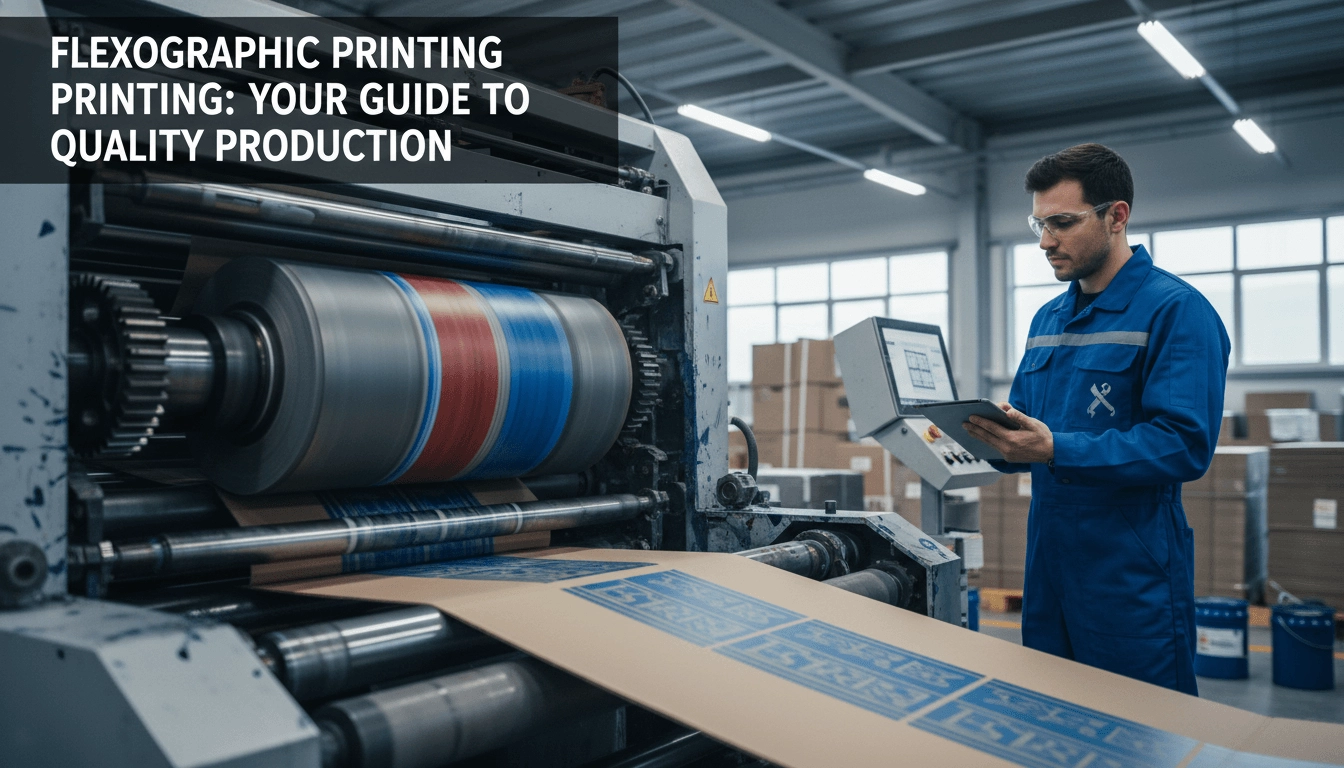
Flexographic printing is a versatile and widely used method for producing high-quality prints on various substrates. To achieve optimal results, it's crucial to understand the key considerations and best practices involved in the process. This guide addresses common questions and provides insights into substrate selection, preparation, and troubleshooting.
1. What substrates can be used in flexographic printing?
Flexographic printing is compatible with a wide range of substrates, including:
- Paper: Suitable for labels, packaging, and corrugated boxes.
- Films: Such as polyethylene (PE), polypropylene (PP), and polyester (PET), ideal for flexible packaging.
- Metals: Like aluminum foil, used in packaging applications.
- Textiles: For printing on fabrics and garments.
Understanding the properties of each substrate is essential for selecting the appropriate materials for your printing needs.
2. How do I prepare substrates for reliable flexo printing?
Proper substrate preparation is vital for achieving high-quality prints. Key steps include:
Surface Treatment: Enhance ink adhesion by treating the substrate surface. For films, methods like corona treatment increase surface energy, improving ink wettability.
Cleaning: Ensure substrates are free from contaminants such as dust, oils, and residues to prevent print defects.
Moisture Control: Maintain optimal humidity levels to prevent substrate warping or dimensional changes during printing.
Storage Conditions: Store substrates in a controlled environment to preserve their quality and prevent degradation. ((https://www.shinkomachinery.com/article/flexo-printer-substrates-film-paper-board.html))
3. What are the common challenges in flexographic printing?
Common challenges include:
Ink Adhesion Issues: Insufficient adhesion can lead to smudging or fading. Proper surface treatment and ink selection are crucial.
Dot Gain: The enlargement of halftone dots during printing can result in loss of detail. Controlling ink viscosity and press settings can mitigate this.
Print Defects: Such as banding, ghosting, or color inconsistencies, often caused by equipment malfunctions or improper settings.
Substrate Variability: Differences in substrate properties can affect print quality. Consistent quality control measures are necessary.
4. How do I select the appropriate ink for flexographic printing?
Choosing the right ink depends on the substrate and application:
Water-Based Inks: Suitable for paper and cardboard, offering good adhesion and environmental benefits.
Solvent-Based Inks: Ideal for non-porous substrates like films and metals, providing strong adhesion and durability.
UV Inks: Cure instantly under UV light, suitable for various substrates and offering high durability.
5. What are the best practices for flexographic printing on different substrates?
Best practices include:
Substrate Selection: Choose substrates that align with the end-use requirements and printing capabilities.
Ink Optimization: Select inks that match the substrate's properties and desired print quality.
Process Control: Monitor and adjust printing parameters such as pressure, speed, and tension to maintain consistency.
Quality Assurance: Implement regular inspections and testing to identify and address issues promptly.
6. How do I troubleshoot common substrate-related issues in flexographic printing?
Troubleshooting steps include:
Adhesion Problems: Reassess surface treatments and ink compatibility.
Color Inconsistencies: Verify ink formulations and press settings.
Print Defects: Inspect equipment for wear and ensure proper maintenance.
Substrate Variability: Source substrates from reputable suppliers and maintain consistent storage conditions.
7. How does Keshenglong & Shinko support converters in choosing substrates for corrugated flexo printing?
Keshenglong & Shinko offer integrated solutions for corrugated flexo printing, providing:
Expert Guidance: Assisting in selecting substrates that enhance print quality and durability.
Advanced Equipment: Supplying presses optimized for corrugated materials.
Comprehensive Support: Offering training and technical assistance to ensure successful printing operations. ((https://www.shinkomachinery.com/article/flexo-printer-substrates-film-paper-board.html))
8. What are the key specifications to confirm before a production run?
Before starting production, confirm:
Substrate Quality: Ensure uniformity and suitability for the intended application.
Ink Compatibility: Verify that inks adhere well to the substrate and meet durability requirements.
Process Parameters: Set appropriate press settings, including pressure, speed, and tension.
Quality Control Measures: Establish inspection protocols to monitor print quality throughout the run. ((https://www.shinkomachinery.com/article/flexo-printer-substrates-film-paper-board.html))
Conclusion: Advantages of Keshenglong & Shinko
Keshenglong & Shinko stand out in the flexographic printing industry by offering:
Innovative Solutions: Providing state-of-the-art equipment tailored for various substrates.
Expertise: Leveraging years of experience to guide clients in achieving optimal print quality.
Comprehensive Support: Ensuring clients receive end-to-end assistance, from substrate selection to post-printing processes.
By partnering with Keshenglong & Shinko, converters can enhance their printing operations, ensuring high-quality and reliable results.
References:
Recommended for you
The Ultimate Guide to Flexographic Printing in 2026: From Basics to Advanced Integrated Solutions
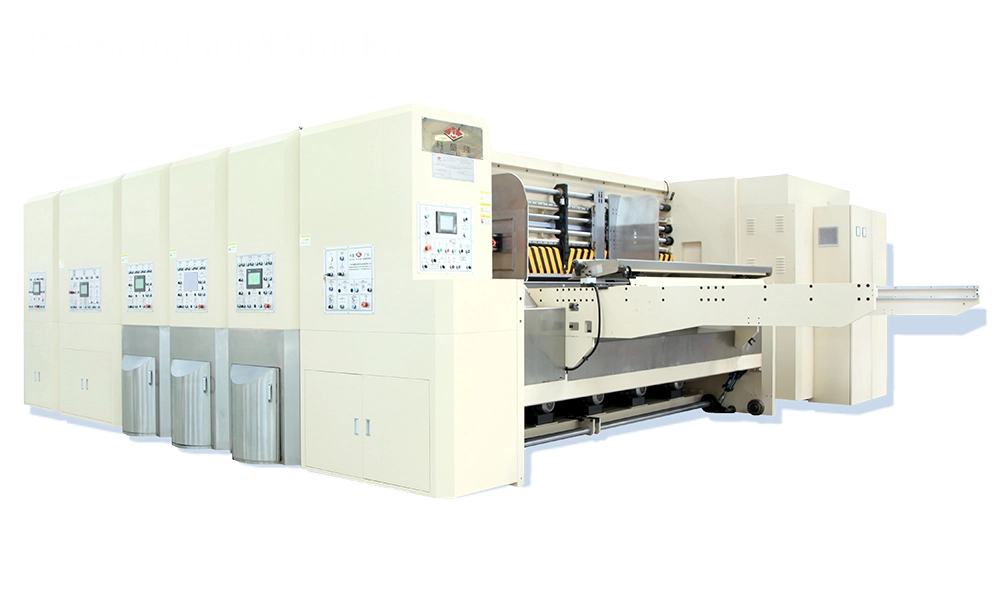
Top Chinese Flexo Printing Machine Manufacturers 2026 — Full Buyer Guide
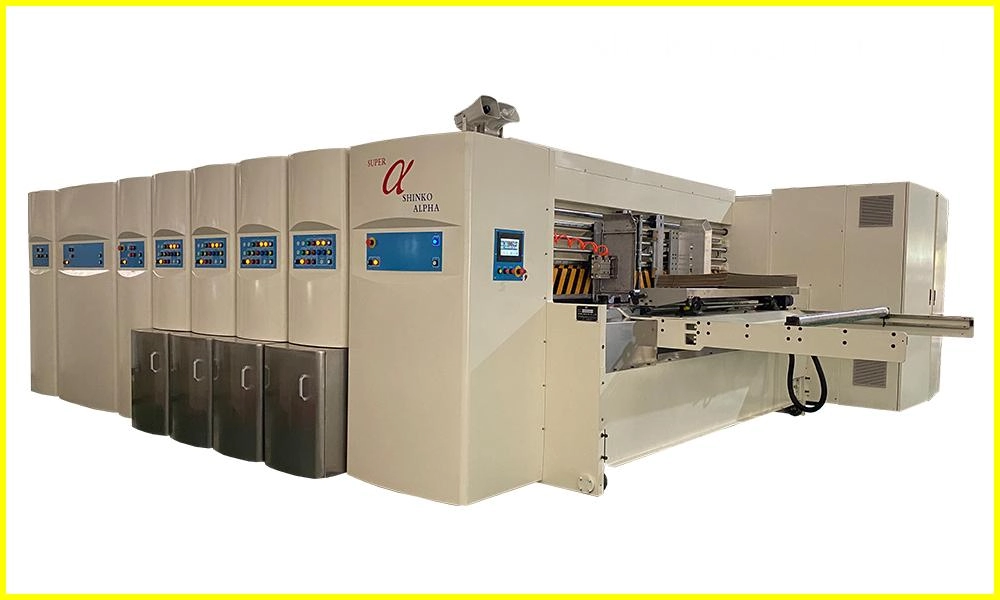
Flexo Printing vs. Offset Printing: The Superior Choice for Corrugated Box Production
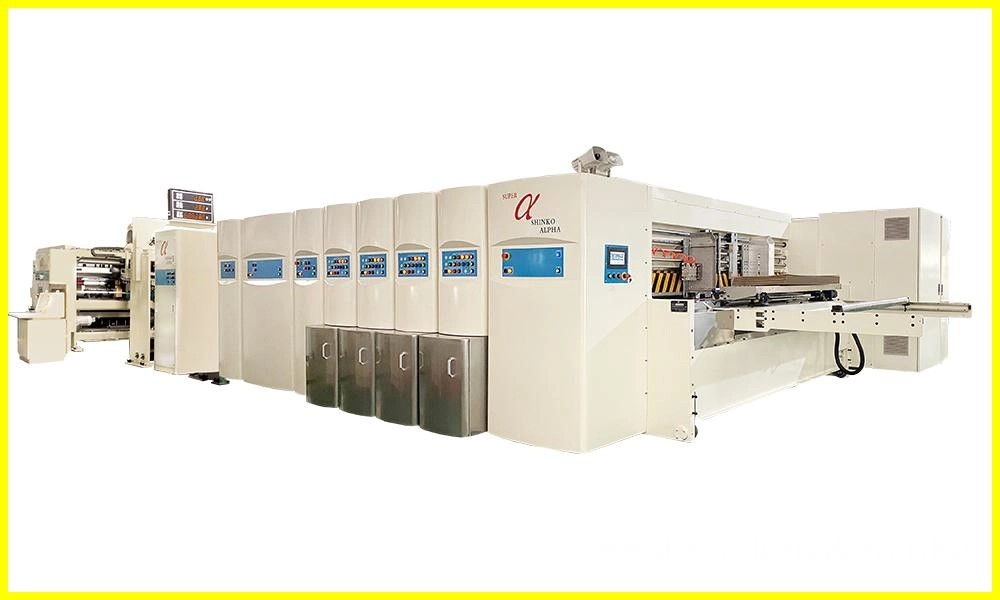
Top Features of a Servo-Driven Flexo Printing Machine for High-Speed Corrugated Printing
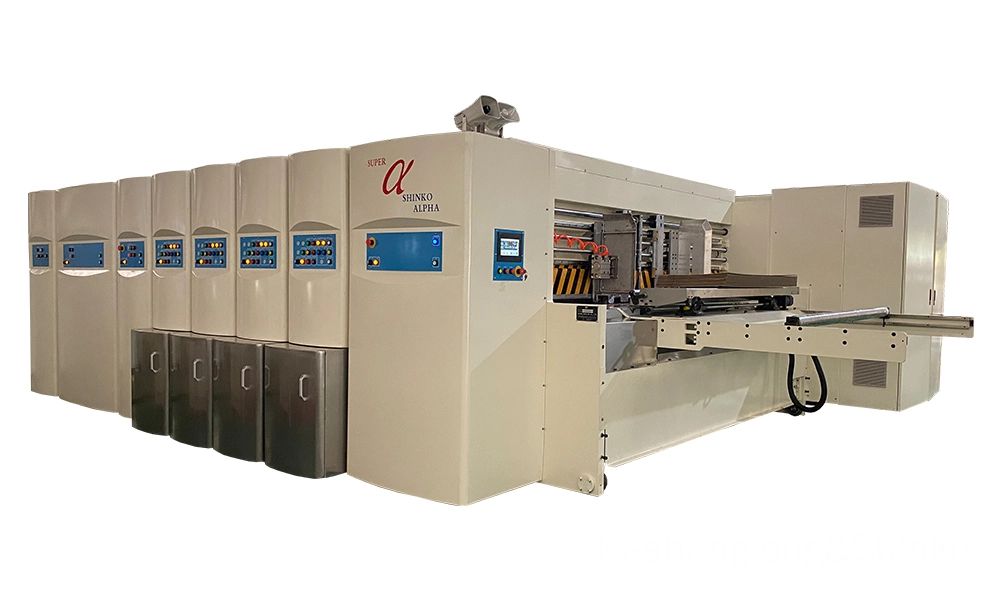
How to Choose the Right Flexo Folder Gluer for Your Carton Factory
Product
Do your machines support automated quality control checks?
Yes, our machines can be equipped with automated quality control systems to ensure consistent production quality.
What materials are compatible with your folding carton machines?
Our machines are compatible with a wide range of materials including cardboard, corrugated board, and paperboard.
What maintenance is required for optimal machine performance?
Regular lubrication, cleaning of the folding units, and checking for worn parts are essential for maintaining optimal performance.
Industry Solutions
What kind of technical support do you offer for industry applications?
We provide comprehensive technical support, including installation, maintenance, and troubleshooting services.
How do your machines comply with industry standards and regulations?
Our machines are manufactured to meet or exceed industry standards and regulations, ensuring safe and compliant operation.
Leave a message
Have any questions or queries about our products? Please leave us a message here and our team will get back to you promptly.
* Rest assured that your privacy is important to us, and all information provided will be handled with the utmost confidentiality.


© 2025 Keshenglong & SHINKO All Rights Reserved.
Keshenglong Carton Packing Machine
Keshenglong Carton Packing Machine
Keshenglong Carton Packing Machine
Keshenglong Carton Packing Machine
Keshenglong Carton Packing Machine