
How does automation change flexo printer machine output?
Explore essential factors to consider when purchasing a flexo printing machine, including types, automation benefits, and top manufacturers like Keshenglong and Shinko.
- Comprehensive Guide to Flexo Printing Machines: Key Considerations for Your Purchase
- 1. What is a flexo printing machine, and what are its primary applications?
- 2. How does automation enhance the performance of flexo printing machines?
- 3. What are the key factors to consider when selecting a flexo printing machine?
- 4. What are the advantages and disadvantages of flexo printing compared to other methods?
- 5. How do flexo printing machines differ from digital printing machines?
- 6. What are the maintenance requirements for flexo printing machines?
- 7. What are the leading manufacturers of flexo printing machines?
- 8. How does automation change flexo printing machine output?
Comprehensive Guide to Flexo Printing Machines: Key Considerations for Your Purchase
When considering the acquisition of a flexo printing machine, it's crucial to understand various aspects to ensure it aligns with your production needs and business objectives. Below are some frequently asked questions that can guide your decision-making process:
1. What is a flexo printing machine, and what are its primary applications?
Flexo printing machines utilize flexible relief plates to transfer ink onto substrates, making them ideal for printing on a wide range of materials such as paper, plastic films, textiles, metals, and rubber. Common applications include:
- Packaging Materials: Labels, plastic bags, cartons, and flexible films.
- Consumer Goods: Printing on items like food packaging, pharmaceutical labels, and industrial sacks.
This versatility allows flexo printing to cater to diverse industries, offering high-quality and efficient printing solutions.
2. How does automation enhance the performance of flexo printing machines?
Automation in flexo printing machines brings several advantages:
- Increased Efficiency: Automated systems streamline the printing process, reducing manual intervention and minimizing errors.
- Consistent Quality: Automation ensures uniform ink application and precise registration, leading to consistent print quality across large volumes.
- Reduced Downtime: Automated setups and changeovers decrease machine downtime, enhancing overall productivity.
For instance, modern servo-driven machines feature automated registration and preset job memories, reducing operator skill requirements and improving operational efficiency.
3. What are the key factors to consider when selecting a flexo printing machine?
When choosing a flexo printing machine, consider the following factors:
- Application Requirements: Determine the specific materials and products you intend to print.
- Print Quality Needs: Assess the desired resolution and color fidelity.
- Production Volume: Evaluate the machine's speed and capacity to meet your production demands.
- Budget Constraints: Balance the initial investment with long-term operational costs.
For example, entry-level systems like the DEPAI 6 Colour Flexo Printing Machine offer compelling ROI for label converters with basic needs, while premium servo-driven systems deliver pharmaceutical-grade precision with <0.1mm registration tolerances.
4. What are the advantages and disadvantages of flexo printing compared to other methods?
Advantages:
- Versatility: Capable of printing on various substrates, including non-absorbent materials.
- High-Speed Production: Suitable for large-volume runs with quick drying times.
- Cost-Effective for Large Runs: Lower per-unit costs for high-volume productions.
Disadvantages:
- Initial Setup Costs: Higher initial investment due to plate requirements.
- Longer Job Changeover Times: Compared to digital printing, flexo may require more time to switch between jobs.
- Color Consistency Challenges: Especially with water-based inks on absorbent substrates.
5. How do flexo printing machines differ from digital printing machines?
Flexo and digital printing serve different purposes:
Flexo Printing:
- Best For: High-volume production runs.
- Advantages: Lower per-unit costs, versatility in substrate compatibility.
- Limitations: Higher initial setup costs, longer changeover times.
Digital Printing:
- Best For: Short-run jobs and variable data printing.
- Advantages: No plate costs, quick turnaround times.
- Limitations: Higher per-unit costs for large runs, limited substrate options.
6. What are the maintenance requirements for flexo printing machines?
Regular maintenance is essential to ensure optimal performance and longevity of flexo printing machines. Key maintenance tasks include:
- Cleaning: Regular cleaning of anilox rollers, doctor blades, and printing plates to prevent ink buildup and ensure consistent print quality.
- Inspection: Routine checks for wear and tear on components like rollers, bearings, and cylinders.
- Calibration: Ensuring proper registration and alignment to maintain print accuracy.
Manufacturers like KETE offer comprehensive training programs and support to equip operators with the necessary skills for effective maintenance.
7. What are the leading manufacturers of flexo printing machines?
Several reputable manufacturers are known for producing high-quality flexo printing machines:
KETE Group: Offers a range of flexo printing machines with a focus on quality, flexibility, and reliability. They provide extensive training and support to ensure optimal machine performance.
Shinko: Known for their advanced technology and innovative designs, Shinko offers flexo printing solutions that cater to various industry needs.
Saldoflex: A leading company in the production of flexographic printing machines for the plastic industries, offering cutting-edge solutions and systems.
8. How does automation change flexo printing machine output?
Automation significantly enhances the output of flexo printing machines by:
- Improving Precision: Automated systems ensure precise ink application and registration, leading to higher-quality prints.
- Increasing Speed: Automation reduces manual intervention, allowing for faster production cycles.
- Enhancing Flexibility: Automated machines can quickly adapt to different substrates and print designs, offering greater versatility.
In conclusion, understanding the various aspects of flexo printing machines, including their applications, benefits of automation, and maintenance requirements, is crucial when considering a purchase. Brands like KETE and Shinko offer advanced solutions that cater to diverse industry needs, ensuring high-quality and efficient printing operations.
References:
- (https://www.accio.com/plp/flexo-printing-machine)
- (https://www.pannier.com/industrial-printers/flexographic/)
- (https://www.ketegroup.com/machines/flexo-printing-machines/)
- (https://www.pannier.com/industrial-printers/flexographic/)
- (https://www.saldoflex.com/en/products/flexographic-printing/)
- (https://us-ultimate.com/userfiles/files/30213313623.pdf)
Recommended for you
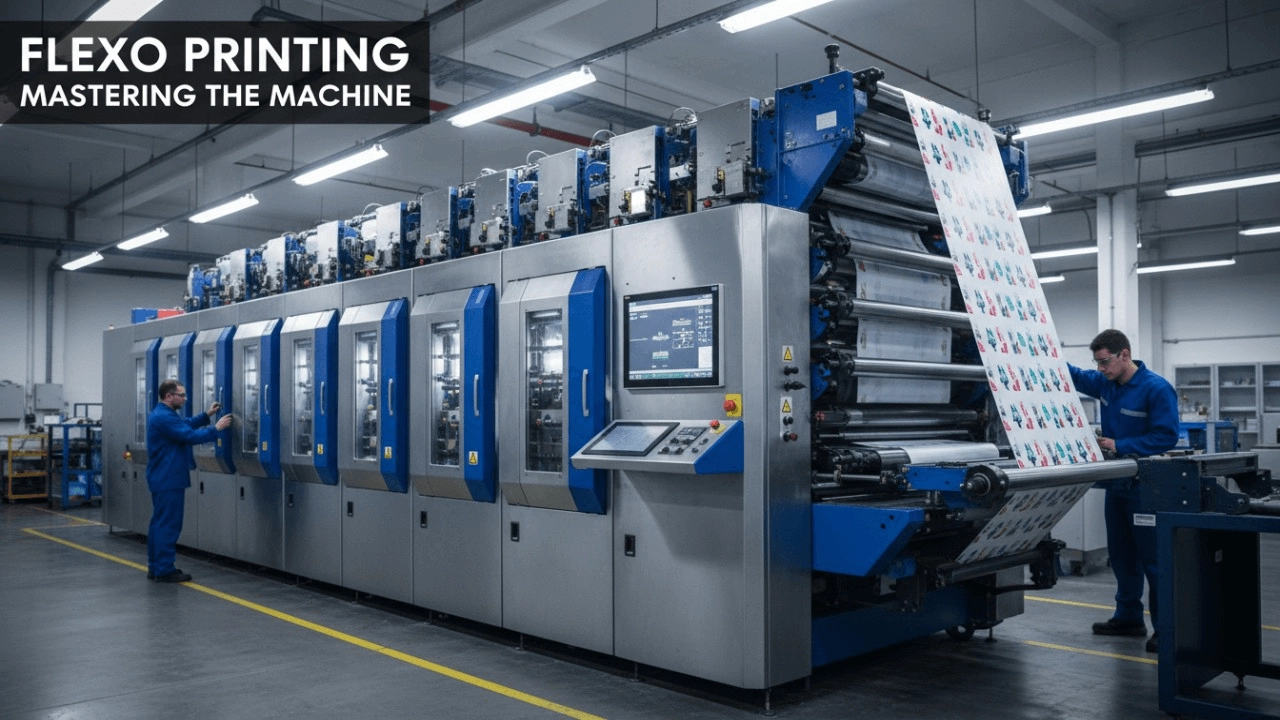
Mastering Flexo Printing in 2026: Machines, Processes, and Packaging Solutions
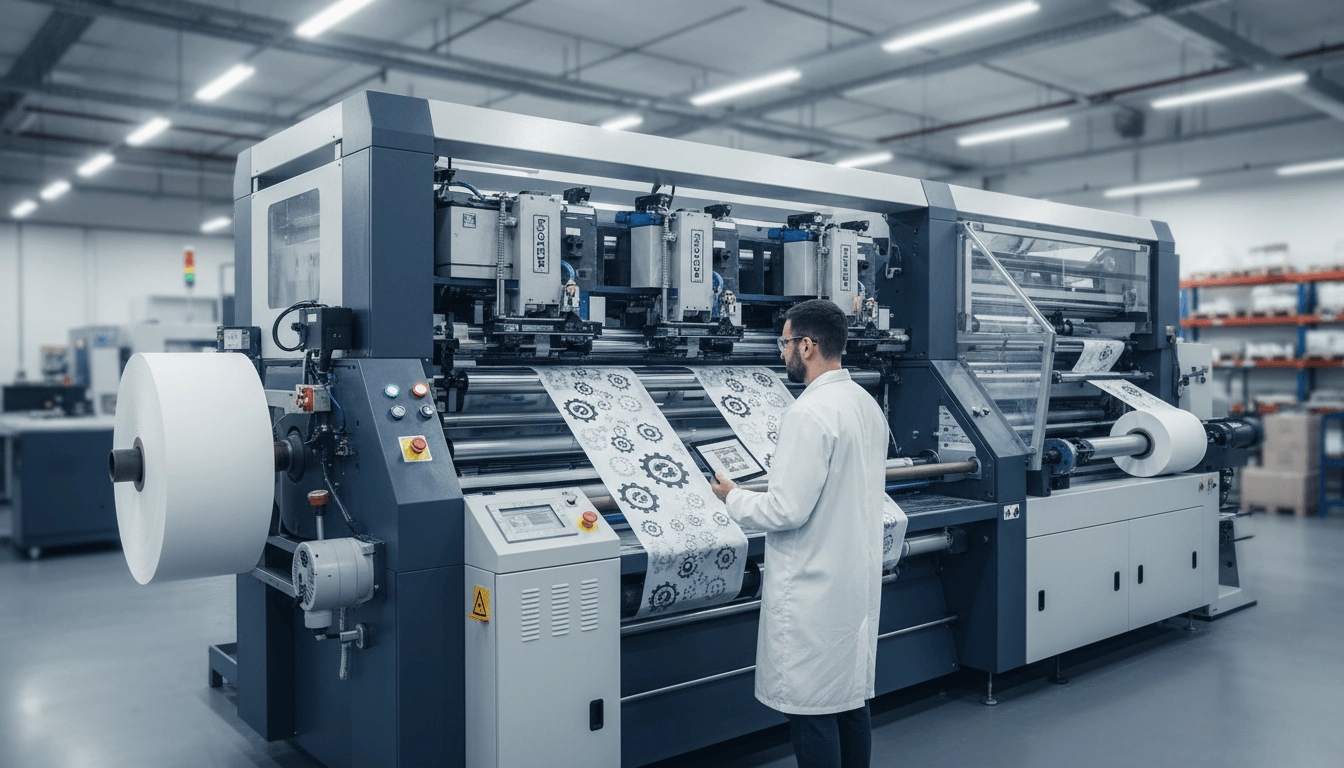
The Ultimate Guide to Flexo Printing Machines: Innovations & Buyer's Guide 2026
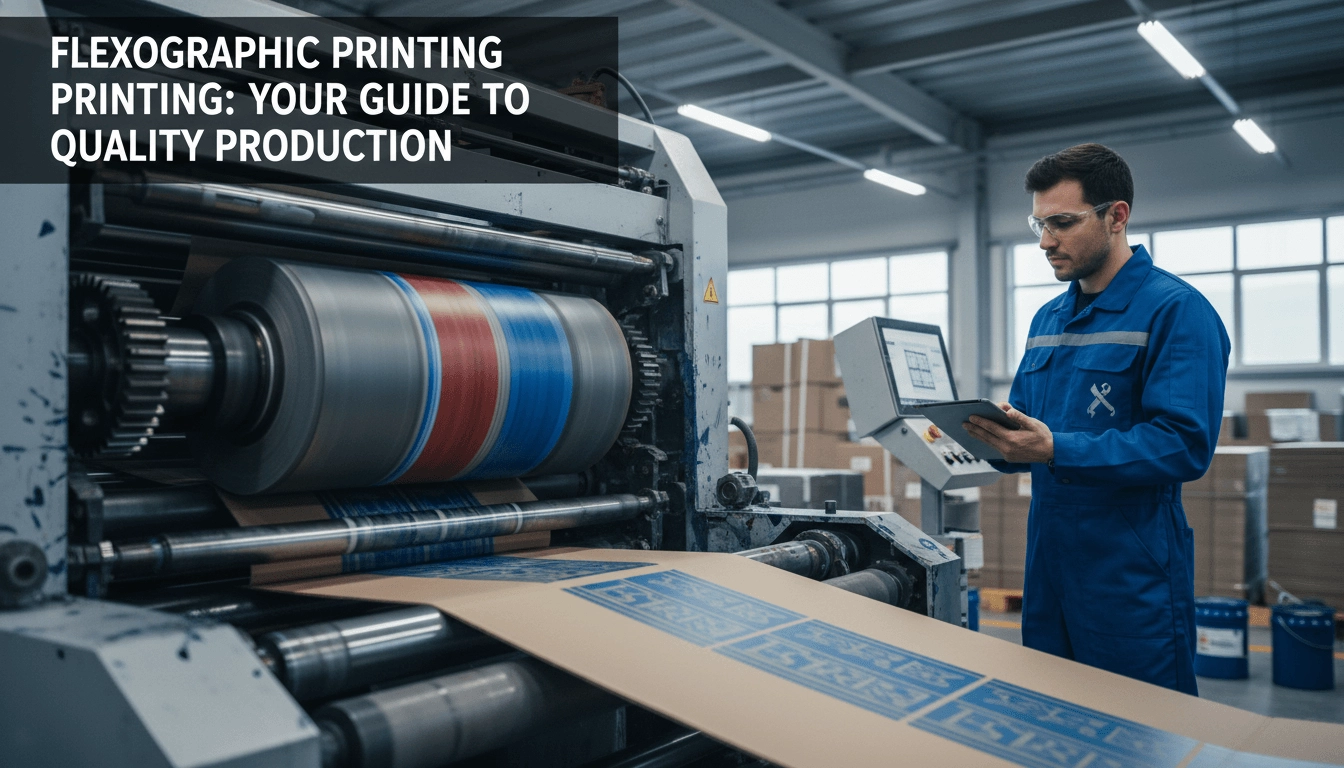
The Ultimate Guide to Flexographic Printing in 2026: From Basics to Advanced Integrated Solutions
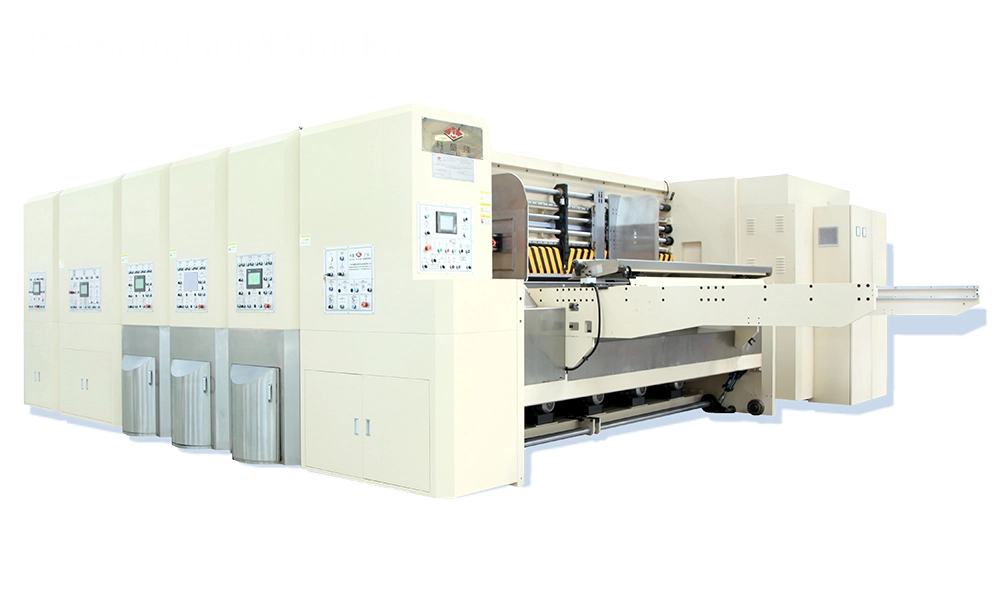
Top Chinese Flexo Printing Machine Manufacturers 2026 — Full Buyer Guide
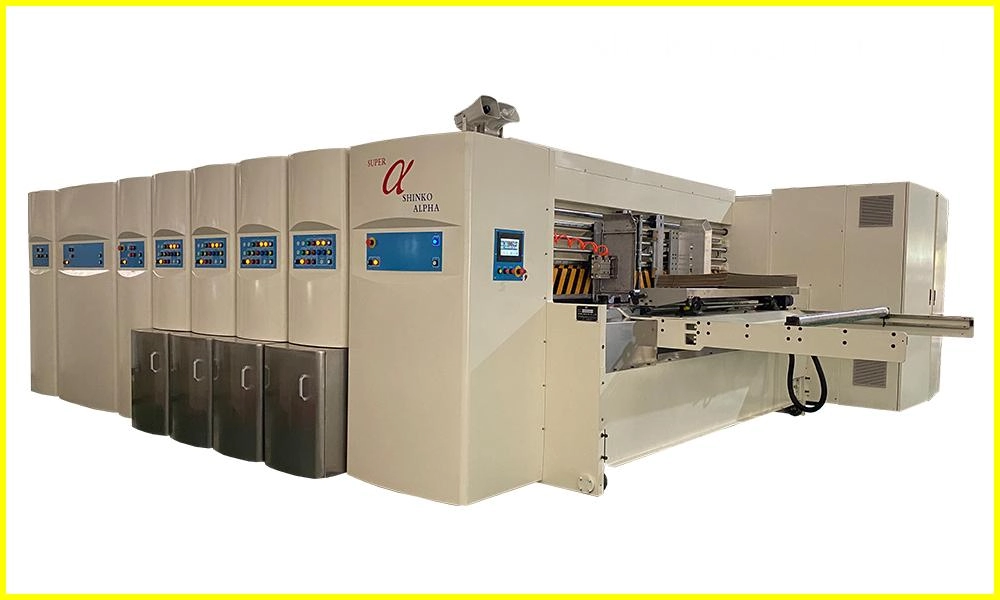
Flexo Printing vs. Offset Printing: The Superior Choice for Corrugated Box Production
Industry Solutions
What kind of technical support do you offer for industry applications?
We provide comprehensive technical support, including installation, maintenance, and troubleshooting services.
Shipping
What are the shipping costs for your folding carton machines?
Shipping costs depend on the destination, machine size, and shipping method. Contact us for a detailed quote.
How are your machines packaged for safe transportation?
Our machines are securely packaged using high-quality materials to prevent damage during transit.
Do you provide installation services upon delivery?
Yes, we offer on-site installation and training services to ensure your machine is set up correctly.
Product
Can your machines handle custom carton designs?
Yes, our machines can be customized to handle various carton designs and specifications.
Leave a message
Have any questions or queries about our products? Please leave us a message here and our team will get back to you promptly.
* Rest assured that your privacy is important to us, and all information provided will be handled with the utmost confidentiality.


© 2025 Keshenglong & SHINKO All Rights Reserved.
Keshenglong Carton Packing Machine
Keshenglong Carton Packing Machine
Keshenglong Carton Packing Machine
Keshenglong Carton Packing Machine
Keshenglong Carton Packing Machine