
Prepress Workflow and Plate Making for Faster Flexo Setup
- Improve Flexo Setup Times with Optimized Prepress
- Understanding the role of prepress in overall makeready
- Key KPIs: what to measure and why
- Prepress Best Practices for Faster Makeready
- File standardization and incoming artwork checks
- Color management and proofing strategy
- Plate Making: Choosing Methods and Materials
- Plate types and trade-offs
- Plate-making workflow optimization
- Plate characteristics comparison
- Workflow Automation and Integration
- RIP and workflow automation benefits
- Imposition, ganging and efficient nesting
- Practical Steps: From Prepress to Press for Faster Setup
- Standard operating procedures (SOPs) and digital checklists
- Mounting aids, registration and camera-assisted alignment
- Measuring Results: How Much Time and Waste Can You Save?
- Example impact table
- How vendors quantify savings
- Integrating Equipment: A Manufacturer Case — Keshenglong & Shinko
- Who Keshenglong & Shinko are
- Technical strengths and differentiators
- Why this matters for prepress and plate making
- Implementation Roadmap: 90-Day Plan to Reduce Setup Time
- Days 1–30: Assess and standardize
- Days 31–90: Automate and validate
- FAQ — Common Questions about Prepress, Plate Making and Flexo Setup
- 1. How much can modern plate-making reduce makeready on my flexo printing machine?
- 2. Should I switch to process-less plates for corrugated work?
- 3. What are the most impactful prepress controls to implement first?
- 4. How do I measure whether a new workflow actually saved time?
- 5. Can my existing flexo printing machine be upgraded to benefit from modern prepress?
- Contact & Next Steps
- References
- Contact / See Products
Improve Flexo Setup Times with Optimized Prepress
Understanding the role of prepress in overall makeready
The prepress stage sets the foundation for any successful flexo run. For packaging customers using a flexo printing machine, the prepress process converts creative files into printable separations, controls color, prepares plate imaging, and organizes file imposition. Inconsistent files, poor color profiles, or incorrect plate definitions lead directly to extended makeready, higher waste, and customer dissatisfaction.
Key KPIs: what to measure and why
Trackable KPIs drive improvements. Focus on: makeready time (minutes per job), first-pass yield (% of acceptable sheets at first run), plate remakes per month, and total waste per job. Benchmarks vary by product and substrate, but incremental improvements in file quality and plate consistency commonly reduce makeready by 20–50% within months.
Prepress Best Practices for Faster Makeready
File standardization and incoming artwork checks
Standardize file formats (PDF/X-4 for packaging where possible) and enforce preflight checks that validate trap, overprint, spot color naming, image resolution, and bleeds before files reach the imposition stage. Automated preflight using RIP or prepress workflow software prevents common errors that cost time at press.
Color management and proofing strategy
Implement device-independent color workflows (ICC profiles) aligned to your press-substrate combination. Use certified contract proofs or soft-proofing with validated monitors. Standardized color aims (e.g., PPCP/IDEAlliance for packaging) and consistent proofing reduce on-press color chasing and iterative corrections.
Plate Making: Choosing Methods and Materials
Plate types and trade-offs
Selecting the right plate technology (photopolymer conventional, laser-engraved elastomer, or digital thermal plates) balances cost, durability, image fidelity, and speed. Modern thermal digital plates and process-less plates reduce handling steps and improve consistency for high-speed flexo printing machine environments.
Plate-making workflow optimization
Key steps to optimize: centralize plate fabrication scripting, use calibrated imagers, maintain cleanhouse conditions (temperature/humidity), standardize washout and post-exposure protocols, and integrate automated plate punching and mounting guides. Automation reduces human variability and plate remakes.
Plate characteristics comparison
| Plate Type | Typical Strengths | Typical Limitations | Impact on Setup Time |
|---|---|---|---|
| Conventional Photopolymer | Lower cost; proven for corrugated | Longer processing; more variability | Moderate—manual steps add minutes to makeready |
| Thermal Digital (CTP) Plates | High consistency; fast digital imaging | Higher upfront cost | Lower—reduces plate remakes and aligns dots to press |
| Process-Less / No-Wash Plates | Minimal chemicals; quick turnaround | Material costs higher; limited vendors | Lowest—fast plate turnaround and fewer handling errors |
Workflow Automation and Integration
RIP and workflow automation benefits
Modern RIPs (Raster Image Processors) integrated with MIS and press controllers automate trap, screening, step-and-repeat and previewing. Features such as automated dot gain compensation and screening presets for flexo printing machine configurations reduce manual adjustments at press.
Imposition, ganging and efficient nesting
Smart imposition reduces press stops and changeovers. For corrugated and carton work, automated ganging and nesting software minimize substrate usage and set consistent registration marks for plate mounting and press cameras.
Practical Steps: From Prepress to Press for Faster Setup
Standard operating procedures (SOPs) and digital checklists
Create SOPs for common job types (single-color, multi-color, top & bottom printing) that include step-by-step prepress checks, plate processing parameters and mounting tolerances. Digital checklists (tablet-based) ensure repeatability across shifts.
Mounting aids, registration and camera-assisted alignment
Use laser cut mounting templates, camera-assisted register systems, and automated stage plate benders when available. These tools drastically reduce manual trial-and-error and are especially valuable on wide web and jumbo-size flexo printing machines.
Measuring Results: How Much Time and Waste Can You Save?
Example impact table
| Area | Typical Baseline | Expected Improvement | Notes / Source |
|---|---|---|---|
| Makeready time | 30–90 minutes/job | 20–50% reduction | Depends on job complexity and level of automation (vendor case studies) |
| Plate remakes | 3–10% of plates | Down to <1–2% | Improved CTP & process control |
| First-pass yield | 60–85% | Increase to 85–95% | With standardized prepress and proofing |
How vendors quantify savings
Plate manufacturers and workflow vendors publish case studies showing downtime reductions when switching to thermal plates and integrated workflows. Typical claims (validated by neutral labs or industry groups) show tangible makeready reductions, but verify with your substrate, press, and inks.
Integrating Equipment: A Manufacturer Case — Keshenglong & Shinko
Who Keshenglong & Shinko are
Keshenglong, founded in 1995, is a leading China-based manufacturer specializing in carton printing and packaging machinery. Its main product range includes flexo printer, computerized high-speed flexo slotting die-cutting machines (1–6 color), computerized high-speed flexo case makers, 6+1 high-precision printing slotting die-cutting machines, top & bottom printing slotting die-cutting machines, and jumbo-size flexo printing slotting die-cutting machines.
Technical strengths and differentiators
In 2017 Keshenglong merged with Japan Shinko, maintaining Shinko as an R&D center and production base while adding a Guangzhou production site. Main parts are imported from Japan, assembly and testing are guided by experienced Japanese technicians to meet high quality standards. As a supplier of integrated intelligent packaging solutions, their products are exported to over 70 countries.
Why this matters for prepress and plate making
Choosing an integrated vendor such as Keshenglong & Shinko offers advantages for reducing setup times on a flexo printing machine: matched press-plate-plate-mounting tooling, available automation for slotting and die-cutting integration, and after-sales support with experienced technicians. Their machines (corrugated carton flexo printing machine, flexo printing slotting die-cutting machine, stacker configurations) are engineered to minimize manual handling steps and provide registration aids that shorten makeready.
Implementation Roadmap: 90-Day Plan to Reduce Setup Time
Days 1–30: Assess and standardize
- Run a 30-day audit: measure makeready, plate remakes, first-pass yield.
- Implement standardized file templates and preflight routines.
- Choose target jobs for pilot (repeatable SKUs with measurable runs).
Days 31–90: Automate and validate
- Introduce RIP presets and imposition templates for target jobs.
- Migrate to thermal or process-less plates for pilot jobs where ROI is favorable.
- Validate results with press trials; iterate SOPs and train staff.
FAQ — Common Questions about Prepress, Plate Making and Flexo Setup
1. How much can modern plate-making reduce makeready on my flexo printing machine?
Modern thermal digital plates and process-less plates commonly reduce makeready by 20–50% for repeatable corrugated and folding carton jobs when combined with automated mounting and camera registration. Actual savings depend on job complexity and level of automation .
2. Should I switch to process-less plates for corrugated work?
Process-less plates offer faster turnaround and lower chemical handling, which can reduce plate-processing variability. Evaluate material cost versus time savings; for high-volume repeat jobs they often provide quick ROI .
3. What are the most impactful prepress controls to implement first?
Implement automated preflight, standardized color profiles for each substrate/ink pair, and RIP presets. These reduce error rates coming into plate making and minimize on-press adjustments.
4. How do I measure whether a new workflow actually saved time?
Measure makeready minutes per job, first-pass yield percentage, plate remakes, and substrate waste before and after implementation. Use the 90-day plan to run controlled pilots and compare KPIs.
5. Can my existing flexo printing machine be upgraded to benefit from modern prepress?
Yes. Many upgrades are software-driven (RIP, MIS integration) and can be retrofitted with camera register systems or plate mounting aids. For hardware-level improvements (e.g., high-speed slotting integration), consult manufacturers like Keshenglong for retrofit options or integrated replacements.
Contact & Next Steps
If you want to evaluate workflow and plate-making upgrades tailored to your flexo printing machine fleet, contact a solutions provider to run a plant audit and pilot project. For integrated machinery options and intelligent packaging lines, consider Keshenglong & Shinko’s range of corrugated carton flexo printing machines and flexo printing slotting die-cutting solutions. Reach out to Keshenglong for product details, site visits and technical support to optimize your makeready times and increase first-pass yield.
References
- Flexography — Wikipedia. https://en.wikipedia.org/wiki/Flexography (accessed 2025-12-31).
- Esko — Prepress and Packaging Solutions. https://www.esko.com/en/solutions/prepress-packaging (accessed 2025-12-31).
- Kodak Flexcel Technology — Flexo Plate Systems. https://www.kodak.com/en/print/flexo/flexcel (accessed 2025-12-31).
- Flexographic Technical Association (FTA) — Standards and Best Practices. https://www.flexography.org/ (accessed 2025-12-31).
- Industry case studies and vendor literature from equipment manufacturers and plate suppliers (multiple vendors; accessed 2025-12-31).
Contact / See Products
For machine specifications, quotations or to arrange a site demonstration, contact Keshenglong. Their integrated solutions for corrugated carton production—flexo printer, flexo printing slotting die-cutting and stacker machines—are designed to reduce makeready and increase throughput for packaging converters.
Custom auto feeding corrugated carton flexo printing machine Manufacturers and suppliers in China
Everything You Need to Know About corrugated box printing machine
How to Choose Right corrugated carton box flexo printer manufacturer and supplier ?
How to Choose the corrugated box printing machine manufacturer and supplier in us?
Shipping
Do you offer international shipping for your machines?
Yes, we offer international shipping and can handle all necessary customs documentation.
What are the shipping costs for your folding carton machines?
Shipping costs depend on the destination, machine size, and shipping method. Contact us for a detailed quote.
Product
How do I adjust the machine settings for different carton sizes?
Machine settings can be adjusted using the intuitive control panel, which allows for quick changes to accommodate different carton sizes.
What is the maximum speed of your folding carton machines?
Our machines can operate at speeds of up to 150 cartons per minute, depending on the model and carton complexity.
Industry Solutions
Can your machines be integrated with digital printing technology?
Yes, our machines are compatible with digital printing systems for custom, high-quality printing on cartons.
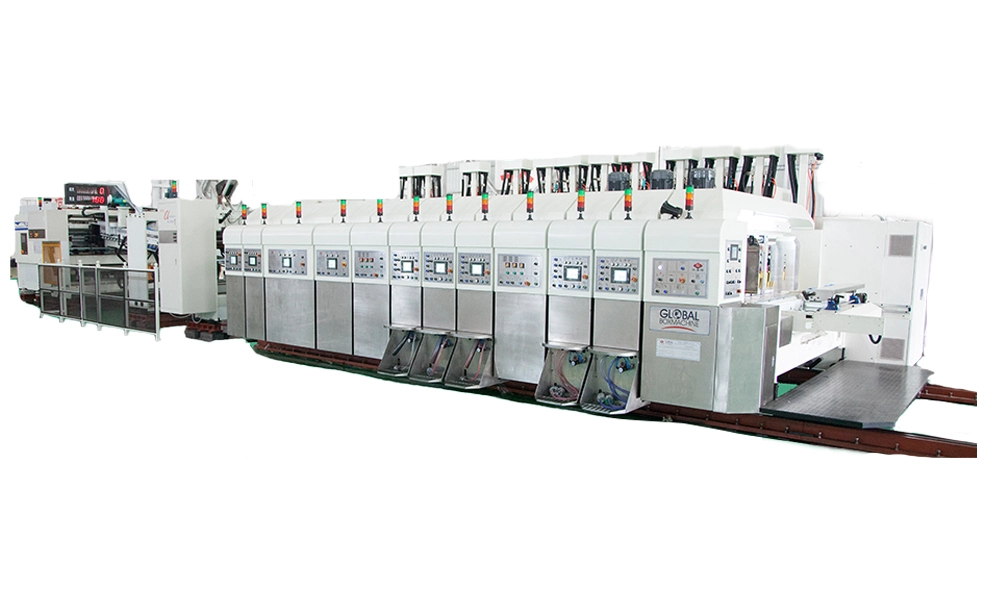
Computerized Flexo Printing Slotting Die-Cutting Inline Folding Gluing Countering Ejecting Machine
Introducing the Keshenglong&Shinko Computerized Flexo Printing Slotting Die-Cutting Inline Folding Gluing Countering Ejecting Machine. Engineered for precision, this advanced machine streamlines your packaging production with integrated Flexo Printing Slotting Die-Cutting functionalities. Seamlessly perform inline folding, gluing, countering, and ejecting—all in one efficient system. Designed for optimal performance, it enhances productivity while reducing downtime.
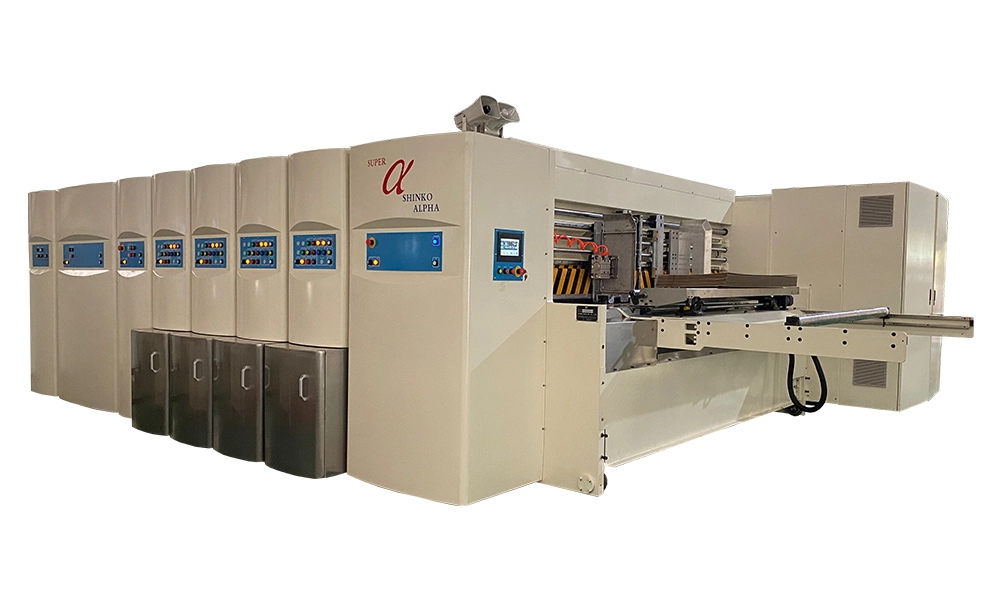
Shinko Super Alpha Movable Type Full Servo Drive Flexo Printing Slotting Die Cutting Machine
Introducing the Shinko Super Alpha Movable Type Full Servo Drive Flexo Printing Slotting Die Cutting Machine by Keshenglong. Engineered for precision and efficiency, this state-of-the-art machine enhances your production line with its advanced servo drive technology. Designed for seamless Flexo printing, slotting, and die-cutting, it ensures superior quality with every output.
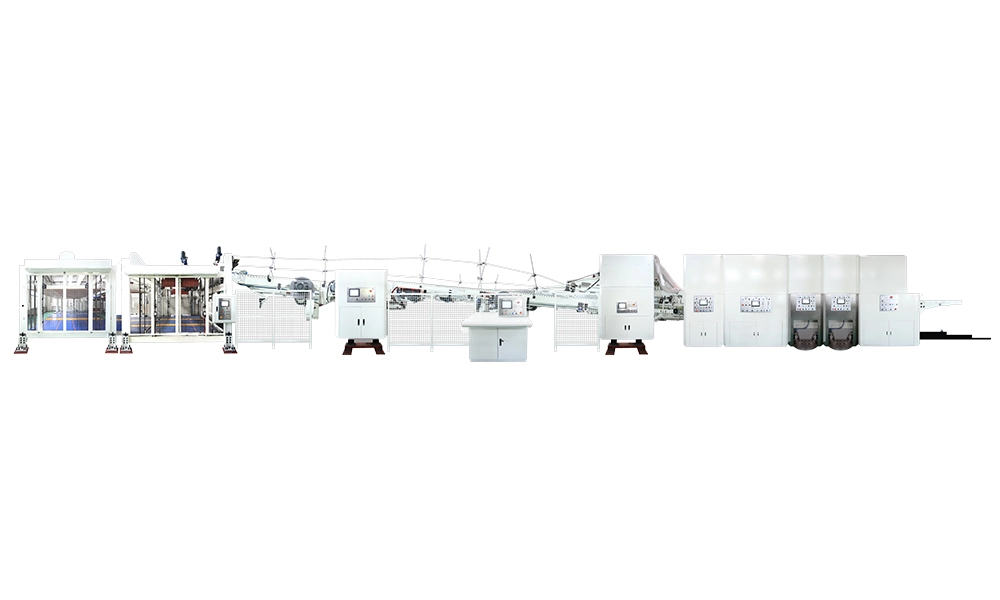
Jumbo Flexo Bottom Printing Slotting Die-Cutting Inline Folding Gluing Countering Ejecting Machine
Introducing the Keshenglong&Shinko Jumbo Flexo Bottom Printing Slotting Die-Cutting Inline Folding Gluing Countering Ejecting Machine. This advanced flexo printing slotting die-cutting machine ensures precision and efficiency for your packaging needs. Designed as a versatile flexo folder gluer machine, it optimizes every step from printing to ejecting, delivering seamless integration and superior quality.
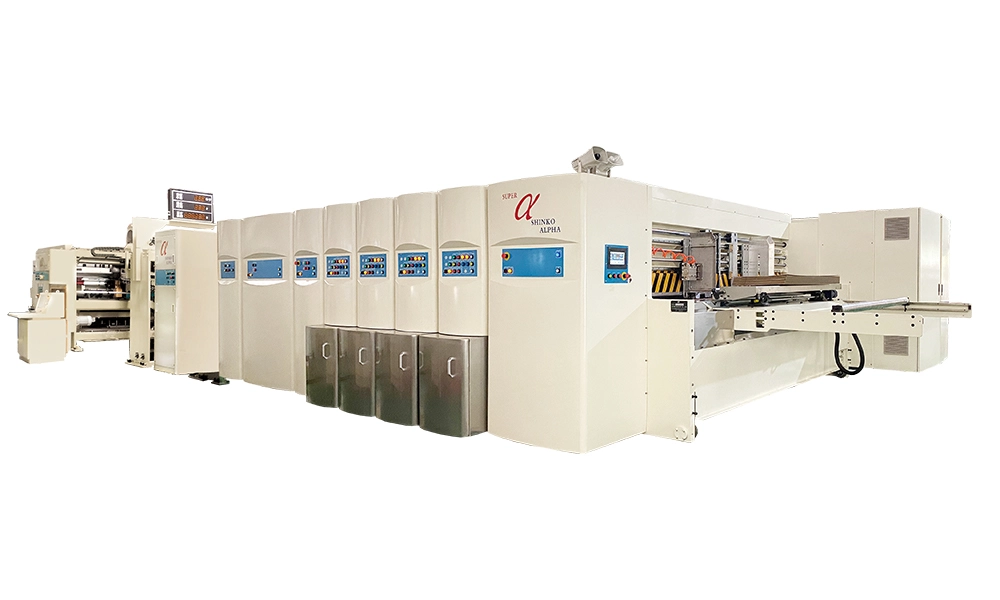
Shinko Super Alpha Movable Type Full Servo Drive Flexo Printing Slotting Die Cutting Inline Folding Gluing Counting Ejecting Machine
This state-of-the-art Movable Type Full Servo Drive Flexo Printing Slotting Die Cutting Machine streamlines your production with precision. Experience seamless operation with its Inline Folding Gluing Counting Ejecting capabilities, ensuring unparalleled efficiency. Designed for high-performance tasks, this Keshenglong&Shinko Super Alpha Movable Type Full Servo Drive Flexo Printing Slotting Die Cutting Inline Folding Gluing Counting Ejecting Machine enhances productivity while maintaining premium quality. Ideal for businesses seeking innovation and reliability, the Shinko Super Alpha is your go-to solution for advanced printing and cutting needs.


© 2025 Keshenglong & SHINKO All Rights Reserved.
Keshenglong Carton Packing Machine
Keshenglong Carton Packing Machine
Keshenglong Carton Packing Machine
Keshenglong Carton Packing Machine
Keshenglong Carton Packing Machine