
How to Choose the stitcher and folder gluer machine manufacturer and supplier in us?
- How to Choose the Stitcher and Folder Gluer Machine Manufacturer and Supplier in US
- Introduction: Why selecting the right stitcher and folder gluer machine matters
- Understand your production needs first
- Match machine capabilities to your product mix
- Define speed, uptime and automation requirements
- Technical features to evaluate on the stitcher and folder gluer machine
- Mechanical design and build quality
- Drive systems and control architecture
- Glue and stitching systems
- Changeover time and tooling flexibility
- Supplier vs. manufacturer: roles and what to expect
- Manufacturer responsibilities
- Supplier/distributor responsibilities
- Commercial criteria: price, TCO and financing
- Beyond sticker price: calculate total cost of ownership
- Financing, leasing and trade-in options
- Service, training and spare parts
- Field service coverage and response SLAs
- Training and documentation
- Quality assurance: testing, acceptance and performance guarantees
- Factory acceptance testing (FAT) and site acceptance testing (SAT)
- Warranties and performance guarantees
- Compliance, safety and standards
- Regulatory and safety compliance
- Quality management and traceability
- Comparative checklist and decision matrix
- Side-by-side comparison: Manufacturer vs Supplier vs Local Support
- Key questions to ask every manufacturer or supplier
- Vendor reputation, references and real-world validation
- Check references and factory credentials
- Evaluate R&D and component sourcing
- Negotiation tips and contract elements
- Include acceptance criteria and penalties
- Protect your investment with spare-parts kits and training
- Why choose a partner like Keshenglong for stitcher and folder gluer machines
- Capabilities and global experience
- What to confirm with Keshenglong or similar OEMs
- Conclusion: Make a structured, risk-aware choice
- Summarize steps for selecting your stitcher and folder gluer machine supplier
- Final recommendation
- Frequently Asked Questions
How to Choose the Stitcher and Folder Gluer Machine Manufacturer and Supplier in US
Introduction: Why selecting the right stitcher and folder gluer machine matters
Choosing the right stitcher and folder gluer machine and a reliable supplier is a critical decision for carton converters and contract packagers. The stitcher and folder gluer machine affects productivity, waste, finished-box quality and total cost of ownership. Whether you need inline stitching for multi-part boxes, high-speed folder-gluing for e-commerce cartons, or a combination line integrated with a flexo printer, making a knowledgeable selection reduces downtime and boosts profitability. This guide helps buyers in the US evaluate manufacturers and suppliers for the stitcher and folder gluer machine with an emphasis on specifications, service, risk mitigation and lifecycle value.
Understand your production needs first
Match machine capabilities to your product mix
Start by documenting the boxes you produce now and expect to produce in the next 3–5 years. Include sizes, grammages, windowing, special glues, stitch types and run-length distribution. A supplier selection should be driven by the stitcher and folder gluer machine's ability to handle your dominant substrates (single-wall, double-wall, microflute), common board weights, and the range of box sizes. Prioritizing the most frequent jobs ensures the machine delivers ROI.
Define speed, uptime and automation requirements
Decide whether your priority is peak speed, sustained throughput, or a balance with fast job-changeover. Consider automation features—servo drives, digital recipe management, auto-register, remote diagnostics—that reduce labor and shorten makeready. These attributes directly influence whether a manufacturer’s equipment will meet your operational KPIs.
Technical features to evaluate on the stitcher and folder gluer machine
Mechanical design and build quality
Look for robust frame design, precision motion components and repeatable indexing. Machines built with hardened steel cams, precision bearings and modular tooling tend to maintain registration and reduce wear. Ask for shop-floor acceptance records showing run-time and test samples.
Drive systems and control architecture
Modern stitcher and folder gluer machines use servo-driven positioning and PLC/HMI controls with recipe storage. Confirm the control platform (brand, redundancy), communication protocols (Ethernet/IP, OPC-UA), and options for MES/ERP integration. These factors affect long-term maintainability and integration into your digital workflows.
Glue and stitching systems
Assess glue application accuracy, glue types supported (hot-melt, cold), and glue consumption controls. For stitching, evaluate stitching head quality, needle durability and access for maintenance. Glue system reliability and consistent stitch placement directly impact finished-box strength and rework rates.
Changeover time and tooling flexibility
Fast, semi-automatic changeovers with minimal manual fixturing increase OEE. Check how tooling is mounted, whether quick-change stations exist, and if the supplier can supply pre-set tooling packages for your top SKUs. Smaller converters benefit greatly from tooling flexibility.
Supplier vs. manufacturer: roles and what to expect
Manufacturer responsibilities
A manufacturer typically designs and builds the stitcher and folder gluer machine. Responsibilities include engineering, performance testing, warranty coverage and major spare parts. If the manufacturer has an R&D center (as Keshenglong did after merging with Japan Shinko in 2017), this often means stronger engineering support and access to improved components.
Supplier/distributor responsibilities
Suppliers or local distributors provide sales, installation, on-site training, spare-parts management and field service. In the US market, a supplier with a strong local service network shortens response times and reduces downtime costs. Ask whether the supplier stocks critical spare parts locally.
Commercial criteria: price, TCO and financing
Beyond sticker price: calculate total cost of ownership
Evaluate TCO including purchase price, installation, spare parts, consumables (glue, needles), energy consumption, maintenance labor and expected uptime. A slightly higher-capability stitcher and folder gluer machine may lower operating costs and shorten payback when it reduces scrap and increases throughput.
Financing, leasing and trade-in options
Manufacturers and suppliers often provide financing or lease options. Negotiate trade-in allowances for older equipment and consider multi-year service contracts that include preventive maintenance. Structured financing can help align machine acquisition with expected cash flows.
Service, training and spare parts
Field service coverage and response SLAs
Ask for written service-level agreements (SLAs) that define guaranteed response times, remote-diagnostic options and onsite technician availability. In the US, a supplier with regional field technicians or factory-trained partners reduces the cost of dispatch and mean time to repair for your stitcher and folder gluer machine.
Training and documentation
Comprehensive operator and maintenance training is crucial. Confirm that manuals, electrical schematics, spare-parts BOMs and software backups are provided. On-site training, video modules and spare-parts kits shorten learning curves and reduce operator errors.
Quality assurance: testing, acceptance and performance guarantees
Factory acceptance testing (FAT) and site acceptance testing (SAT)
Require a FAT where the stitcher and folder gluer machine is run with your or representative board and converted samples are inspected. Document acceptance criteria—speed, glue accuracy, stitch quality, waste levels—and include them in the contract. Follow with SAT after installation to confirm machine performance on your floor.
Warranties and performance guarantees
Negotiate clear warranty terms for parts and labor, and consider performance guarantees (e.g., minimum uptime or throughput levels) where feasible. Ensure that warranty service is available in the US and that warranty parts inventory is identified up front.
Compliance, safety and standards
Regulatory and safety compliance
Confirm the machine meets local safety standards (e.g., applicable OSHA requirements), electrical codes and CE/UL markings if relevant. Safety interlocks, guarding, emergency stops and lockout-tagout procedures should be built-in. Compliance reduces liability and facilitates operator training.
Quality management and traceability
Ask manufacturers whether they operate under ISO 9001 or equivalent quality systems and if they provide traceability for critical parts. Quality certifications and documented manufacturing processes are proxies for consistent production quality.
Comparative checklist and decision matrix
Side-by-side comparison: Manufacturer vs Supplier vs Local Support
| Criteria | Manufacturer (OEM) | Supplier / US Distributor | Local Service Partner |
|---|---|---|---|
| Engineering control | High (design authority) | Medium (customization possible) | Low (support only) |
| Warranty & spare parts | Direct warranty, parts from factory | Often stocks critical parts locally | Fast dispatch but may need to order OEM parts |
| Installation & training | Factory engineers for complex installs | Local installers, faster scheduling | Day-to-day maintenance & emergency repairs |
| Service response time in US | Longer (if factory overseas) | Shorter (regional presence) | Shortest (local) |
Key questions to ask every manufacturer or supplier
| Question | Desired answer |
|---|---|
| Can you run our SKU board samples at FAT? | Yes — with representative run sheets and sample approval |
| What are typical changeover times and tool change steps? | Measured times with video demonstration, options to reduce |
| Do you stock critical spare parts in the US? | Yes — list parts and lead times in writing |
| Who provides service after warranty? | Factory-trained local service or authorized partner |
| Do you provide remote diagnostics/IoT monitoring? | Yes — with secure access and subscription details |
Vendor reputation, references and real-world validation
Check references and factory credentials
Request references from US customers running the same or similar stitcher and folder gluer machine. Ask for contactable references with similar product mix and shop conditions. Visit local installations when possible to judge reliability, operator ergonomics, and spare-parts handling.
Evaluate R&D and component sourcing
A manufacturer with a strong R&D center (for example, Keshenglong's integration of Japan Shinko technology in 2017 and its production base in Guangzhou) often provides improved machine components and tested designs. Confirm main parts' origins and whether critical subassemblies are procured from reputable brands to ensure long-term availability.
Negotiation tips and contract elements
Include acceptance criteria and penalties
Spell out FAT/SAT acceptance criteria, performance tests, run-off hours, and remedies for failing targets. Consider liquidated damages for missed installation dates and service response SLA breaches. Clear contract language reduces disputes.
Protect your investment with spare-parts kits and training
Negotiate an initial spare-parts kit, on-site commissioning support and an extended training package. These reduce risk during the initial production ramp-up for your stitcher and folder gluer machine.
Why choose a partner like Keshenglong for stitcher and folder gluer machines
Capabilities and global experience
Keshenglong, founded in 1995 and specialized in corrugated carton printing and packaging machinery, offers a wide portfolio from flexo printers to high-speed computerized slotting and die-cutting machines. After merging with Japan Shinko in 2017—keeping Shinko as an R&D center and production base—Keshenglong combines Japanese engineering standards with broader manufacturing scale. The company exports to more than 70 countries and emphasizes imported main parts, factory tests, and on-site installation—key assurances for US customers evaluating a stitcher and folder gluer machine.
What to confirm with Keshenglong or similar OEMs
When evaluating Keshenglong (or comparable manufacturers), request documented FAT results, spare-parts lead times in the US, named US service partners (if any), and references from existing US-based customers running similar equipment. Confirm whether R&D features from Japan Shinko are included in the specific stitcher and folder gluer machine you are buying.
Conclusion: Make a structured, risk-aware choice
Summarize steps for selecting your stitcher and folder gluer machine supplier
To choose the right stitcher and folder gluer machine and supplier in the US, follow a structured process: define production needs; prioritize technical features (drive, glue, changeover); evaluate manufacturer engineering and local supplier service; demand FAT/SAT with your material; negotiate clear warranty and SLA terms; and confirm spare-parts support and operator training. A supplier with proven R&D, documented field references and a local service network delivers the best balance of performance and low operational risk.
Final recommendation
Prioritize partners that combine strong engineering pedigree (proven by documented testing and R&D centers), transparent commercial terms, and reliable US-based service. For many buyers, manufacturers like Keshenglong—who combine Japanese-guided engineering with international manufacturing and export experience—can be a strategic choice provided they offer local service and spare-parts assurance in the US.
Frequently Asked Questions
Which is more important: buying from the manufacturer or using a local supplier?Buying direct from the manufacturer often gives better customization and direct warranty coverage; using a local supplier gives faster service response and local spare parts. The ideal arrangement combines OEM engineering with a trusted US-based service partner.
What acceptance tests should I insist on at FAT/SAT?Run your typical board mixes at operational speeds, validate glue accuracy, stitch placement, registration, and measure changeover times. Include a minimum run-off quantity and accept/reject criteria in writing.
How should I evaluate total cost of ownership (TCO)?Include purchase price, installation, spare parts, consumables, energy, expected uptime, maintenance labor, and scrap reduction. Model ROI using realistic run-lengths and labor rates.
How important is IoT/remote diagnostics for a stitcher and folder gluer machine?Very important—remote diagnostics can reduce downtime by enabling quicker fault diagnosis and remote software fixes. Verify secure connectivity and data ownership policies.
What warranty and spare-parts coverage should I expect?Standard OEM warranties vary; seek at least 12 months for parts and labor, with clear exclusions. Request a list of critical spares stocked regionally and lead times for non-stock parts.
Can I retrofit an older folder gluer with modern controls?Often yes—controls, servo drives and recipe systems can be retrofitted, but mechanical wear or design limits may reduce expected benefits. Evaluate retrofit ROI vs. new machine purchase.
How long should I expect a stitcher and folder gluer machine to last?With planned maintenance and part replacement, 10–15 years is common for core mechanical components. Electronic controls may need upgrades sooner. Lifecycle depends on usage intensity and maintenance discipline.
Sources:
- Grand View Research, Corrugated Box Market Size, Share & Trends Analysis (accessed 2025-12-06): https://www.grandviewresearch.com/industry-analysis/corrugated-box-market
- Smithers, The Future of Corrugated Packaging (industry overview) (accessed 2025-12-06): https://www.smithers.com/markets/paper-board-and-packaging
- Packaging World, technical articles and buying guides for folder-gluers and finishing equipment (accessed 2025-12-06): https://www.packworld.com/
- ISO, ISO 9001 — Quality management systems (accessed 2025-12-06): https://www.iso.org/iso-9001-quality-management.
- Keshenglong company information provided by the client (company background and product lines) (accessed 2025-12-06): internal supplied data
How to Choose Right odm corrugated box printing machine manufacturer and supplier ?
Prepress workflow for high-quality flexo printing
How to Choose Right auto lead edge feeder corrugated carton flexo printing machine manufacturer and supplier ?
What is flexo printing machine for corrugated carton
Shipping
How are your machines packaged for safe transportation?
Our machines are securely packaged using high-quality materials to prevent damage during transit.
Do you offer international shipping for your machines?
Yes, we offer international shipping and can handle all necessary customs documentation.
Product
How do I troubleshoot common issues with the folding mechanism?
Common issues can often be resolved by checking the alignment of the folding plates and ensuring there is no debris obstructing the mechanism.
Industry Solutions
Do you offer customized solutions for unique production needs?
Yes, we work closely with clients to develop customized solutions that meet their specific production requirements.
What industries typically use your folding carton machines?
Our machines are used in various industries including food and beverage, pharmaceuticals, cosmetics, and electronics.
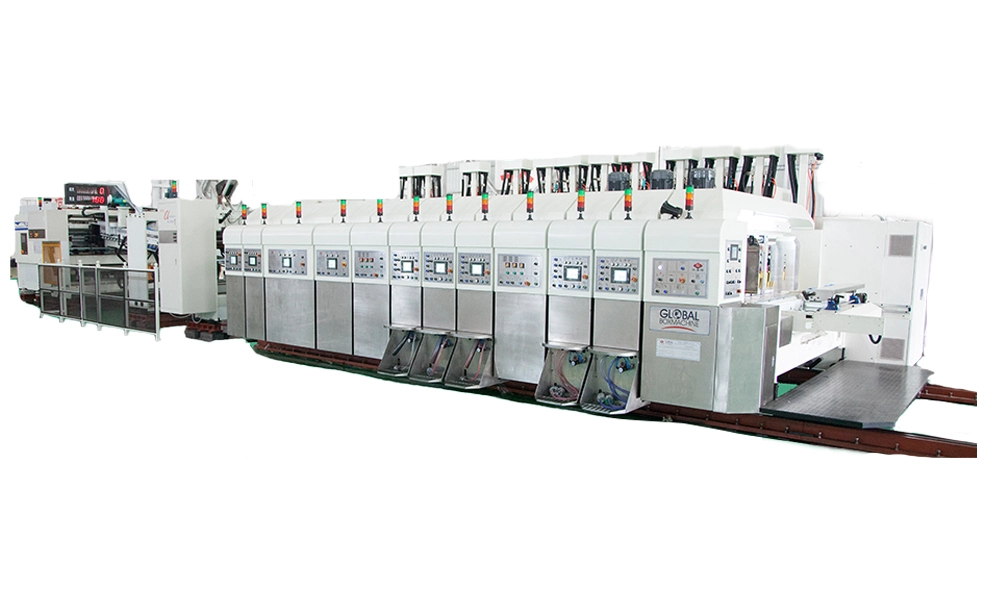
Computerized Flexo Printing Slotting Die-Cutting Inline Folding Gluing Countering Ejecting Machine
Introducing the Keshenglong&Shinko Computerized Flexo Printing Slotting Die-Cutting Inline Folding Gluing Countering Ejecting Machine. Engineered for precision, this advanced machine streamlines your packaging production with integrated Flexo Printing Slotting Die-Cutting functionalities. Seamlessly perform inline folding, gluing, countering, and ejecting—all in one efficient system. Designed for optimal performance, it enhances productivity while reducing downtime.
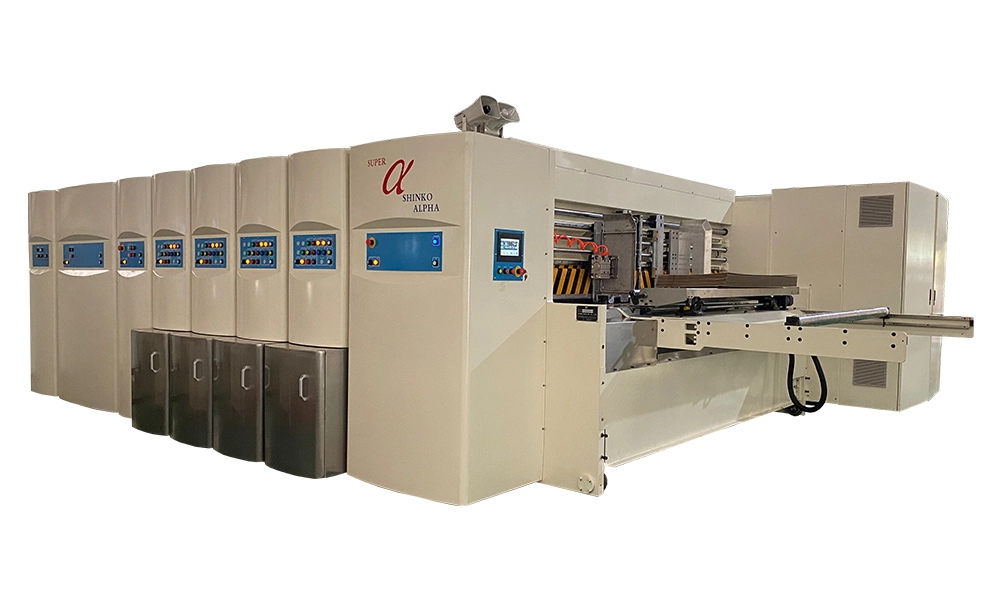
Shinko Super Alpha Movable Type Full Servo Drive Flexo Printing Slotting Die Cutting Machine
Introducing the Shinko Super Alpha Movable Type Full Servo Drive Flexo Printing Slotting Die Cutting Machine by Keshenglong. Engineered for precision and efficiency, this state-of-the-art machine enhances your production line with its advanced servo drive technology. Designed for seamless Flexo printing, slotting, and die-cutting, it ensures superior quality with every output.
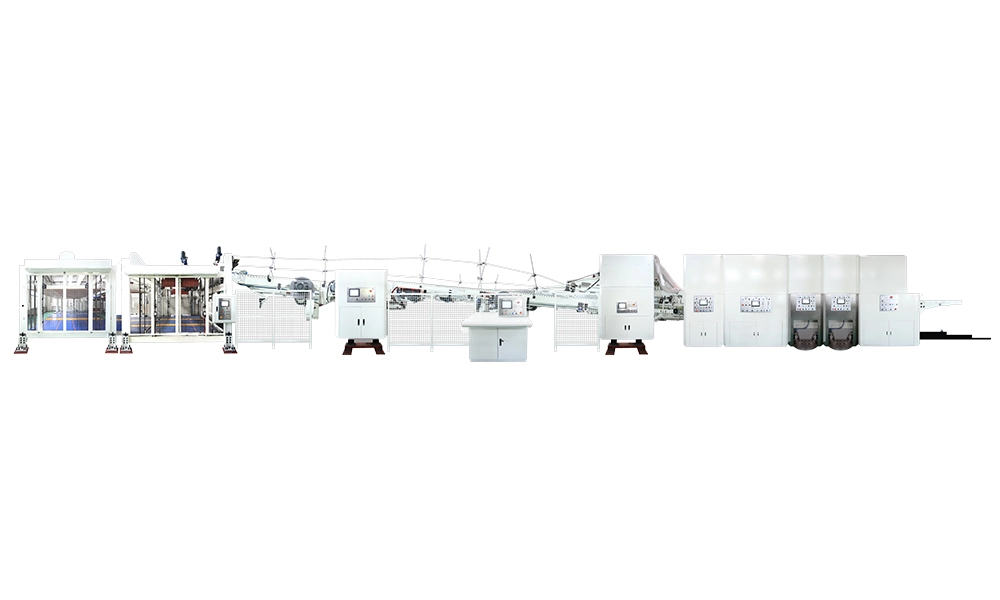
Jumbo Flexo Bottom Printing Slotting Die-Cutting Inline Folding Gluing Countering Ejecting Machine
Introducing the Keshenglong&Shinko Jumbo Flexo Bottom Printing Slotting Die-Cutting Inline Folding Gluing Countering Ejecting Machine. This advanced flexo printing slotting die-cutting machine ensures precision and efficiency for your packaging needs. Designed as a versatile flexo folder gluer machine, it optimizes every step from printing to ejecting, delivering seamless integration and superior quality.
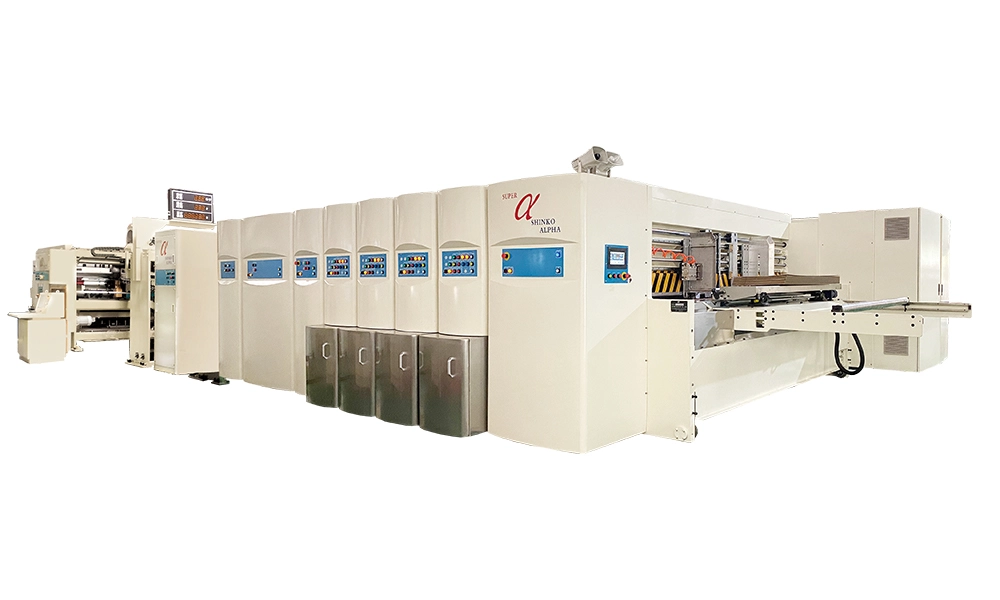
Shinko Super Alpha Movable Type Full Servo Drive Flexo Printing Slotting Die Cutting Inline Folding Gluing Counting Ejecting Machine
This state-of-the-art Movable Type Full Servo Drive Flexo Printing Slotting Die Cutting Machine streamlines your production with precision. Experience seamless operation with its Inline Folding Gluing Counting Ejecting capabilities, ensuring unparalleled efficiency. Designed for high-performance tasks, this Keshenglong&Shinko Super Alpha Movable Type Full Servo Drive Flexo Printing Slotting Die Cutting Inline Folding Gluing Counting Ejecting Machine enhances productivity while maintaining premium quality. Ideal for businesses seeking innovation and reliability, the Shinko Super Alpha is your go-to solution for advanced printing and cutting needs.


© 2025 Keshenglong & SHINKO All Rights Reserved.
Keshenglong Carton Packing Machine
Keshenglong Carton Packing Machine
Keshenglong Carton Packing Machine
Keshenglong Carton Packing Machine
Keshenglong Carton Packing Machine