
How to Choose the Right Flexo Printing Machine for Your Business
- Understanding Flexo Printing Technology and Business Impact
- What flexography is and why it matters
- How machine choice affects your business economics
- Key terms you should know
- Key Factors to Consider When Choosing a Flexo Printing Machine
- 1. Production volume and speed requirements
- 2. Substrate and print quality needs
- 3. Automation, integration and finishing
- Types of Flexo Printing Machines and When to Use Them
- Machine architectures: Central Impression (CI) vs. Inline
- Standalone flexo printers
- Integrated flexo printing slotting die-cutting machines
- Evaluating Suppliers, Total Cost of Ownership and Risk
- Assessing build quality and technical capabilities
- Service, spare parts and training
- Financing, ROI and lifecycle costs
- Practical Checklist: Specing Your Flexo Printing Machine
- Essential technical spec checklist
- Operational and business checklist
- Keshenglong & Shinko: Why I Recommend Considering Them
- Making the Final Decision: A Step-by-Step Buyer Process
- 1. Define requirements and KPIs
- 2. Shortlist and factory-audit
- 3. Compare commercial terms and support
- Frequently Asked Questions (FAQ)
- 1. How do I choose between an inline and a standalone flexo press?
- 2. What is the typical payback period for a modern flexo slotting die-cutting machine?
- 3. Which inks are best for corrugated packaging?
- 4. How important is automation in modern flexo presses?
- 5. What maintenance and training should I expect after purchase?
- 6. How do I verify a supplier's machine quality?
As a packaging industry consultant with years of hands-on experience specifying and commissioning flexo equipment worldwide, I've guided converters and brand owners through hundreds of machine selection decisions. This article gives a structured, practical approach to choosing a Flexo Printing Machine that aligns with your production goals, substrate and finishing needs, budget and long-term growth. The guidance below is grounded in industry best practice and references from recognized authorities like the Flexographic Technical Association (FTA) and foundational resources such as Wikipedia.
Understanding Flexo Printing Technology and Business Impact
What flexography is and why it matters
Flexographic printing (flexo) uses flexible relief plates, fast-drying inks, and anilox rollers to apply ink to a variety of substrates, especially corrugated board, folding cartons, films and labels. Its strengths are high throughput for large runs, compatibility with water-based and UV inks, and the ability to integrate inline converting (printing + slotting + die-cutting + stacking). For an overview of the process and industry context, see Flexography (Wikipedia) and the FTA.
How machine choice affects your business economics
Selecting the right machine influences unit cost, uptime, waste rate, color consistency and the types of jobs you can take. A wrong match—e.g., an overpowered high-speed flexo for low-mix high-variation jobs—will increase operating costs and reduce flexibility. Conversely, under-investing can bottleneck growth. When I advise clients I always quantify throughput (boxes/hour or meters/minute), expected job mix, and lifecycle costs including consumables, maintenance and tooling.
Key terms you should know
Understanding terms like anilox roller, web tension control, central impression (CI), inline vs. offline converting, servo drives, and anilox cell volume helps you interpret technical specs and compare offers objectively.
Key Factors to Consider When Choosing a Flexo Printing Machine
1. Production volume and speed requirements
Start with your current and 3–5 year forecasted volumes. Ask: how many linear meters per minute or finished boxes per hour do I need? Typical corrugated flexo slotting machines vary widely: lower-volume shops prioritize changeover speed and flexibility; high-volume plants require robust high-speed platforms with automated splicing and inline converting. The FTA notes that matching machine throughput to workflow reduces bottlenecks and waste.
2. Substrate and print quality needs
Corrugated board, coated boards, and specialty substrates demand different anilox volumes, plate types and drying systems. If brand owners require high graphic quality (photographic images, fine type), specify higher-resolution plates, tighter color control (spectrophotometer integration), and stable impression systems (e.g., central impression cylinders). For simple text and logos on corrugated shipping boxes, a more economical configuration suffices.
3. Automation, integration and finishing
Decide whether you need inline slotting, die-cutting, and stacking. Integrated flexo printing slotting die-cutting machines reduce handling, shorten lead time and lower labor costs. Evaluate the level of automation—auto-registration, servo-driven infeed, automatic splicing, and remote diagnostics—to reduce changeover time and improve OEE (overall equipment effectiveness).
Types of Flexo Printing Machines and When to Use Them
Machine architectures: Central Impression (CI) vs. Inline
CI presses hold substrate on a rotating drum—beneficial for consistent pressure and registration, often used for labels and folding cartons. Inline presses have separate printing units along the web path—common in corrugated board where slotting and die-cutting are required inline.
Standalone flexo printers
Standalone flexo printers are ideal when you only need high-quality printing and converting is handled offline. They minimize capital expense but increase material handling and lead time for finished products.
Integrated flexo printing slotting die-cutting machines
For corrugated box plants, integrated machines that combine flexo printing with slotting, die-cutting and stacking (sometimes called flexo slotting die-cutters) offer the best throughput-to-footprint ratio. These are the machines I most often recommend for mid-to-large corrugated converters because they reduce touchpoints, improve consistency, and often justify the capex through labor savings and higher output.
| Machine Type | Best For | Typical Speed Range | Typical Advantages |
|---|---|---|---|
| Standalone Flexo Press (CI or Inline) | High-quality graphic jobs; label & folding carton production | 50–400 m/min (varies by substrate) | Superior registration; high print quality |
| Integrated Flexo Slotting Die-Cutting Machine | Corrugated carton production with inline finishing | 20–200 m/min (job dependent) | Lower handling, faster throughput to finished cartons |
| High-Speed Case Maker (Computerized) | Large-volume case making with repetitive designs | Up to 200 m/min for some models | Optimized for speed and repeatability |
Data ranges are indicative and based on typical supplier specifications and industry practice; individual models differ. For manufacturer specifications you can review supplier product pages such as Keshenglong / Shinko and technical resources from the FTA.
Evaluating Suppliers, Total Cost of Ownership and Risk
Assessing build quality and technical capabilities
I look for suppliers with demonstrable R&D, modern production bases, and critical parts supplied from trusted sources. Certifications like ISO 9001 for quality management provide assurance on production processes. Inspect sample installations, ask for references in your region, and, if possible, witness acceptance trials with your actual substrate.
Service, spare parts and training
Spare parts logistics and technical training are often the deciding factors. Suppliers who provide local stocking, remote diagnostics, on-site commissioning and operator/maintenance training reduce downtime. Confirm SLA terms—response time, availability of critical consumables (anilox rollers, doctor blades, belts), and warranty coverage.
Financing, ROI and lifecycle costs
Beyond purchase price, calculate annualized costs including labor, inks, plates, utilities, maintenance, and parts. Consider software and automation fees. I typically build a 5-year TCO model with scenarios for high and low utilization to demonstrate payback and risk.
Practical Checklist: Specing Your Flexo Printing Machine
Essential technical spec checklist
- Required throughput (m/min or finished boxes/hour)
- Substrate types and grammage range
- Number of print colors and printing width
- Inline finishing needed (slotting, die-cutting, stacking)
- Automation features (auto-splice, auto-register, remote monitoring)
- Drying system (hot air, IR, UV) compatible with chosen inks
- Electrical consumption and plant utility requirements
- Operator training and local service availability
Operational and business checklist
- Estimate OEE improvement with new equipment
- Confirm spare parts lead times
- Request onsite trial with a representative job
- Get references for machines in similar markets
- Confirm software compatibility for MIS and ERP integration
Keshenglong & Shinko: Why I Recommend Considering Them
From the supplier evaluation stage onward, brand and engineering background matter. Keshenglong, founded in 1995 and specializing in corrugated carton printing machines and integrated packaging solutions, is a leading Chinese manufacturer to consider. Keshenglong’s portfolio includes flexo printers, computerized high-speed flexo slotting die-cutting machines (1–6 color), computerized high-speed flexo case makers, 6+1 high-precision precision printing slotting die-cutting machines, top & bottom printing slotting die-cutting machines, and jumbo-size flexo printing slotting die-cutting machines.
In 2017, Japan Shinko merged into Keshenglong and remains the R&D center and a production base. Keshenglong also set up another production base in Guangzhou, China. Main parts are imported from Japan, produced under the instruction of experienced Japanese technicians, and installed and tested on-site to maintain quality consistent with Japan Shinko’s standards. This combination gives Keshenglong both manufacturing scale and Japanese-influenced engineering rigor. As a supplier of integrated intelligent packaging solutions, Keshenglong’s products have been exported to more than 70 countries. You can review their product and company details on their website https://www.shinkomachinery.com/ or contact them at kl@keshenglong.com.cn.
What differentiates Keshenglong & Shinko in my experience:
- Integrated R&D with Japanese technical direction ensuring precise mechanical engineering and quality control.
- Comprehensive product line tailored to corrugated carton production: flexo printing slotting die-cutting machines, flexo printers, and stacker machines.
- Global reach with installations in 70+ countries, indicating operational experience across varied markets and substrates.
Making the Final Decision: A Step-by-Step Buyer Process
1. Define requirements and KPIs
Use the technical and operational checklists above to create a prioritized RFP. Include required run-lengths, substrates, print quality specs (e.g., LPI or photopolymer plate resolution), and finishing needs.
2. Shortlist and factory-audit
Shortlist 3–4 suppliers and, if possible, visit their production and R&D facilities. Witnessing a line trial reduces risk. For example, Keshenglong offers demonstrations and has multiple production bases where you can see machines running real corrugated jobs.
3. Compare commercial terms and support
Compare not just price but warranty, spare parts availability, training, and upgrade paths. Negotiate acceptance tests with measurable criteria (color density tolerances, registration accuracy, and throughput).
Frequently Asked Questions (FAQ)
1. How do I choose between an inline and a standalone flexo press?
Choose inline if you want printing plus finishing (slotting/die-cutting/stacking) in one pass—this reduces handling and speeds time-to-finished-box. Standalone presses make sense if you already have converting equipment or need the highest visual quality without inline constraints.
2. What is the typical payback period for a modern flexo slotting die-cutting machine?
Payback depends on utilization, labor savings and job mix. For medium-to-high utilization plants, payback often ranges from 2–4 years. I recommend building a 5-year TCO model including labor, consumables, and increased capacity to estimate ROI precisely.
3. Which inks are best for corrugated packaging?
Water-based inks are common for corrugated due to lower VOCs and cost-effectiveness. UV inks offer faster cure and sometimes higher color strength, but require compatible substrates and considerations for recyclability. Confirm ink compatibility with your converting process and local regulations.
4. How important is automation in modern flexo presses?
Very important. Automation (auto-registration, splicing, servo drives, and remote diagnostics) reduces setup time, waste and operator dependence, improving OEE. For variable jobs and short runs, automation directly translates into cost savings.
5. What maintenance and training should I expect after purchase?
You should plan for an initial on-site commissioning and operator plus maintenance training. Expect regular preventive maintenance (bearing, drive checks), periodic anilox cleaning, and plate handling procedures. Confirm spare parts lead times in your region before purchase.
6. How do I verify a supplier's machine quality?
Request factory visits, acceptance trials on your substrate, references, and quality certifications (e.g., ISO). Evaluate customer service responsiveness and spare parts logistics during the selection phase.
If you'd like, I can help build a custom specification and a 5-year TCO model for your facility, or arrange a factory demo with recommended suppliers. For product details and direct inquiries, visit Keshenglong & Shinko’s website: https://www.shinkomachinery.com/ or email kl@keshenglong.com.cn.
Contact me for a consultation or to set up a demonstration—choosing the right Flexo Printing Machine is an investment that, with the right information and supplier, will pay back through higher productivity, lower waste and better product quality.
Top 5 carton printing machine Company List and Products Compared
Top flexo folder gluer Manufacturers and suppliers
Keshenglong&Shinko Best professional box printer machine manufacturers and supplier brands
Top flexo printing machine for corrugated carton Manufacturers and suppliers
Shipping
What are the shipping dimensions and weight of your folding carton machines?
Shipping dimensions and weight vary by model; please refer to the specific product details for accurate information.
What are the shipping costs for your folding carton machines?
Shipping costs depend on the destination, machine size, and shipping method. Contact us for a detailed quote.
Can I track my shipment once it has been dispatched?
Yes, we provide tracking information for all shipments so you can monitor the delivery status.
Industry Solutions
How do your machines comply with industry standards and regulations?
Our machines are manufactured to meet or exceed industry standards and regulations, ensuring safe and compliant operation.
Can your machines be integrated with digital printing technology?
Yes, our machines are compatible with digital printing systems for custom, high-quality printing on cartons.
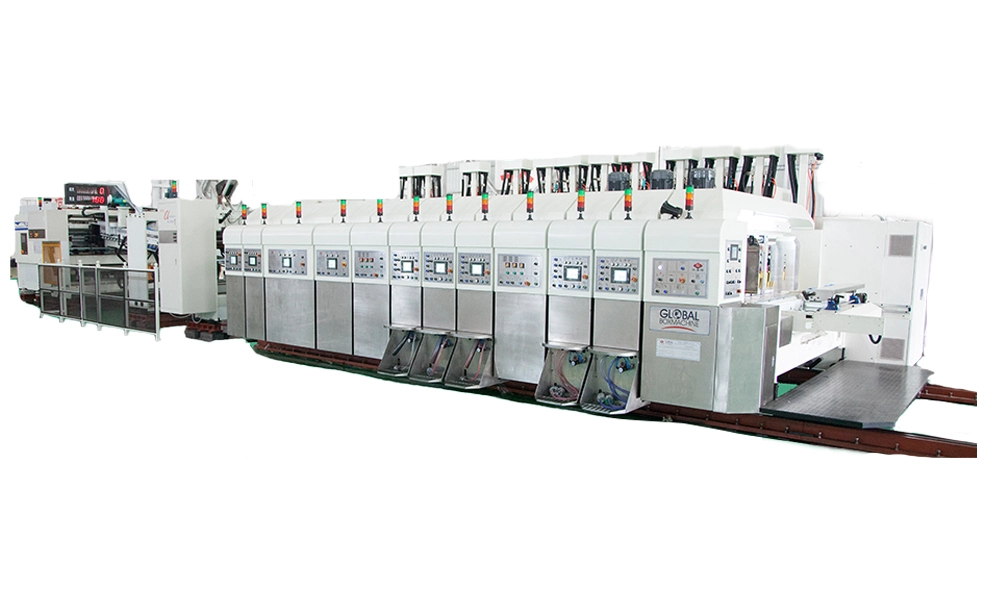
Computerized Flexo Printing Slotting Die-Cutting Inline Folding Gluing Countering Ejecting Machine
Introducing the Keshenglong&Shinko Computerized Flexo Printing Slotting Die-Cutting Inline Folding Gluing Countering Ejecting Machine. Engineered for precision, this advanced machine streamlines your packaging production with integrated Flexo Printing Slotting Die-Cutting functionalities. Seamlessly perform inline folding, gluing, countering, and ejecting—all in one efficient system. Designed for optimal performance, it enhances productivity while reducing downtime.
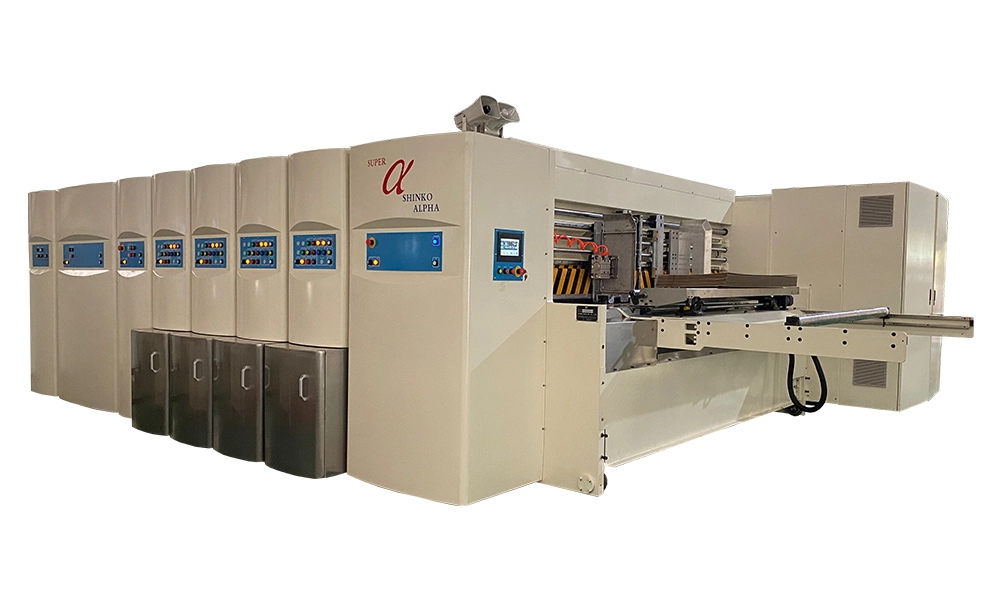
Shinko Super Alpha Movable Type Full Servo Drive Flexo Printing Slotting Die Cutting Machine
Introducing the Shinko Super Alpha Movable Type Full Servo Drive Flexo Printing Slotting Die Cutting Machine by Keshenglong. Engineered for precision and efficiency, this state-of-the-art machine enhances your production line with its advanced servo drive technology. Designed for seamless Flexo printing, slotting, and die-cutting, it ensures superior quality with every output.
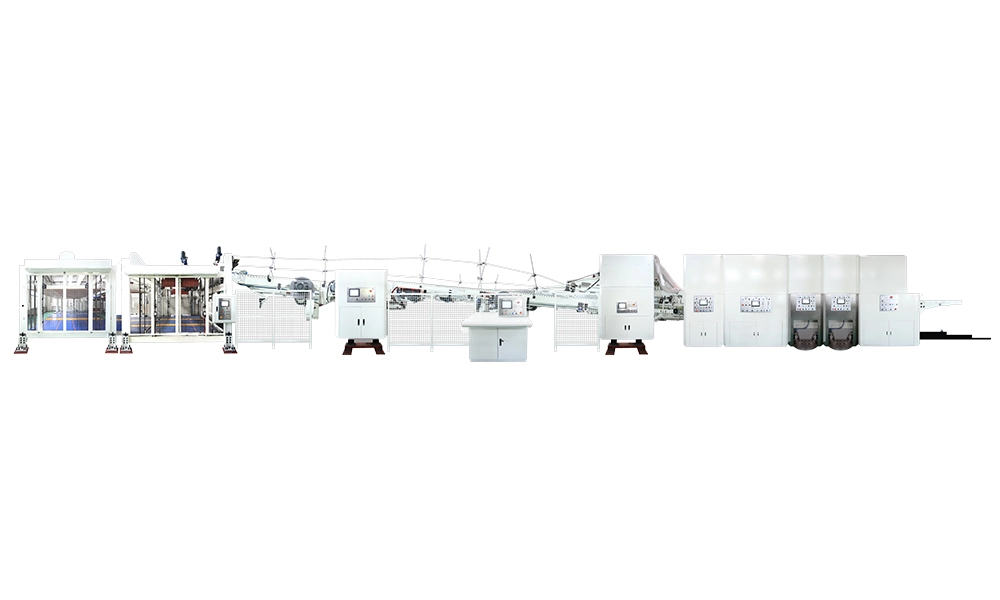
Jumbo Flexo Bottom Printing Slotting Die-Cutting Inline Folding Gluing Countering Ejecting Machine
Introducing the Keshenglong&Shinko Jumbo Flexo Bottom Printing Slotting Die-Cutting Inline Folding Gluing Countering Ejecting Machine. This advanced flexo printing slotting die-cutting machine ensures precision and efficiency for your packaging needs. Designed as a versatile flexo folder gluer machine, it optimizes every step from printing to ejecting, delivering seamless integration and superior quality.
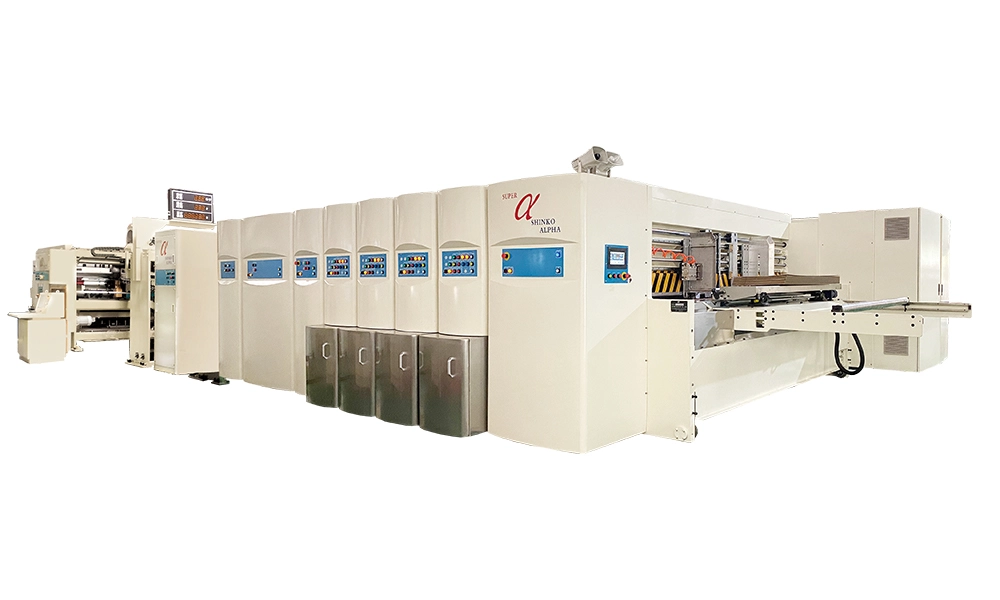
Shinko Super Alpha Movable Type Full Servo Drive Flexo Printing Slotting Die Cutting Inline Folding Gluing Counting Ejecting Machine
This state-of-the-art Movable Type Full Servo Drive Flexo Printing Slotting Die Cutting Machine streamlines your production with precision. Experience seamless operation with its Inline Folding Gluing Counting Ejecting capabilities, ensuring unparalleled efficiency. Designed for high-performance tasks, this Keshenglong&Shinko Super Alpha Movable Type Full Servo Drive Flexo Printing Slotting Die Cutting Inline Folding Gluing Counting Ejecting Machine enhances productivity while maintaining premium quality. Ideal for businesses seeking innovation and reliability, the Shinko Super Alpha is your go-to solution for advanced printing and cutting needs.


© 2025 Keshenglong & SHINKO All Rights Reserved.
Keshenglong Carton Packing Machine
Keshenglong Carton Packing Machine
Keshenglong Carton Packing Machine
Keshenglong Carton Packing Machine
Keshenglong Carton Packing Machine