
How to Choose the flexo corrugated box printing slotting die cutting machine manufacturer and supplier in us?
- Introduction: Why Choosing the Right Manufacturer Matters
- Context and buyer intent
- Understand the Machine: Core Functions and Key Specs
- What a flexo corrugated slotting die-cutting machine does
- Technical specs to evaluate
- Manufacturer Credentials: What to Verify
- Track record and product family
- R&D, parts sourcing and quality control
- Service and After-Sales Support: A Buying Prime Criterion
- Local service capability vs. remote support
- Training, documentation and warranty
- Quality Assurance and Compliance
- Safety standards and regulatory compliance
- Factory acceptance testing (FAT) and site acceptance testing (SAT)
- Total Cost of Ownership (TCO) and Return on Investment (ROI)
- How to evaluate TCO
- Simple ROI model
- Logistics, Lead Time and Financing
- Delivery time and import logistics
- Financing and lifecycle planning
- Customization, Automation and Future-Proofing
- Modularity and automation interfaces
- Material compatibility and job flexibility
- Comparing Suppliers: A Practical Table
- Pros/cons comparison to guide selection
- Checklist: Questions to Ask Potential Manufacturers/Suppliers
- Procurement checklist you can use immediately
- Case Example: How Keshenglong Aligns to Buyer Needs
- Company snapshot and relevance
- Why this matters for US buyers
- Negotiation Tips and Contract Terms
- Key contractual elements to include
- Conclusion: Make a Data-Driven Choice
- Final recommendation
Introduction: Why Choosing the Right Manufacturer Matters
Context and buyer intent
When US packaging buyers search for a flexo corrugated box printing slotting die cutting machine, they typically want a machine that combines high-quality flexographic printing, precision slotting, and die-cutting at competitive speeds and total cost of ownership (TCO). The right manufacturer/supplier determines uptime, print quality, service response, and the long-term profitability of corrugated carton production.
Understand the Machine: Core Functions and Key Specs
What a flexo corrugated slotting die-cutting machine does
A flexo corrugated box printing slotting die cutting machine integrates flexographic printing (1–6+ colors), slotting, die-cutting, and often bottom/top printing. Buyers require clear understanding of speed (sheets/min or meters/min), color capability, print repeat length, precision tolerance, and inline vs offline capabilities when comparing suppliers.
Technical specs to evaluate
When comparing suppliers, compare these technical items directly: printing colors and print repeat, maximum sheet/jumbo roll size, production speed, servo-driven controls, automatic waste removal, tooling changeover time, die-cut tolerance, and compatibility with corrugated flute types (B/C/BC/EB). These specs dictate the range of jobs you can accept and the ROI timeline.
Manufacturer Credentials: What to Verify
Track record and product family
Verify manufacturer history, main product lines, markets served, and notable integrations. A company that has manufactured flexo printers, computerized high-speed flexo slotting die-cutters, and specialized jumbo-size machines is more likely to meet complex US production demands.
R&D, parts sourcing and quality control
Look for evidence of R&D centers or partnerships with technology providers, and transparency about where critical parts are sourced. Manufacturers that use precision components from established suppliers (e.g., Japanese servo drives, high-precision bearings, reputable PLCs) and perform onsite testing typically deliver higher reliability and easier spare parts service.
Service and After-Sales Support: A Buying Prime Criterion
Local service capability vs. remote support
In the US market, fast on-site support reduces downtime. Ask whether the manufacturer has local service partners, stocked spare parts in North America, remote diagnostics, or certified technicians for installation and training.
Training, documentation and warranty
Full operator and maintenance training, clear spare-parts lists, diagnostic guides, and a fair warranty are essential. Confirm response time SLAs, warranty coverage (parts, labor), and availability of consumables (anilox rollers, doctor blades, tooling).
Quality Assurance and Compliance
Safety standards and regulatory compliance
Ensure machines meet US electrical and safety standards (e.g., UL or CE for exported machinery commonly accepted by OEMs), and environmental regulations for solvent emissions or VOCs if inks are solvent-based. Compliance protects your employees and avoids import delays.
Factory acceptance testing (FAT) and site acceptance testing (SAT)
Insist on FAT before shipment with your job samples; review test reports and videos. A clear SAT plan for on-site commissioning ensures equipment performance matches contractual specs on arrival.
Total Cost of Ownership (TCO) and Return on Investment (ROI)
How to evaluate TCO
Request a TCO breakdown covering capital cost, installation, tooling, consumables, expected spare part consumption, energy use, operator labor, maintenance labor, and expected depreciation. A low purchase price can conceal high operating costs.
Simple ROI model
Estimate incremental revenue from new capabilities (higher speed, more colors, larger sheet size) and subtract incremental operating cost. Calculate payback period in months. Ask the supplier for real-world productivity data from reference customers that match your job mix.
Logistics, Lead Time and Financing
Delivery time and import logistics
Confirm factory lead time, shipping method, customs clearance support, and typical transit times to your facility. Machines with modules shipped separately often need coordinated on-site assembly. Ask the supplier for a timeline and clear responsibility matrix.
Financing and lifecycle planning
Explore leasing, equipment financing, or trade-in programs. Plan for a lifecycle of parts availability — confirm spare parts support for at least 5–10 years and retrofit/upgrades availability for future automation or additional colors.
Customization, Automation and Future-Proofing
Modularity and automation interfaces
Look for modular machines that support upgrades (e.g., additional print units, automatic registration, inline gluing). Verify compatibility with MIS/ERP, barcode or QR registration, and Industry 4.0 readiness (remote monitoring, OEE dashboards).
Material compatibility and job flexibility
Confirm the machine can handle your typical corrugated board types (single-wall, double-wall, various flute profiles), special coatings, and finishing tasks. Machines designed for flexible job changeover lower labor cost and increase throughput.
Comparing Suppliers: A Practical Table
Pros/cons comparison to guide selection
Use the table below to compare typical supplier models. Replace qualitative answers with concrete supplier data during procurement.
| Selection Factor | Local US Distributor | Direct Import Manufacturer (China/Japan) | European Manufacturer |
|---|---|---|---|
| Lead Time | Short (stocked units possible) | Medium–Long (factory build + shipping) | Medium (build + shipping) |
| Service Response | Fast local support | Slower unless local partner | Good, but may require service contracts |
| Price | Higher | Competitive / lower | High Quality |
| Parts Availability | High (local stock) | Depends on importer stocking | Good, but costlier |
| Customization | Limited to distributor offerings | High (factory customization) | High |
Checklist: Questions to Ask Potential Manufacturers/Suppliers
Procurement checklist you can use immediately
Ask suppliers these direct questions: What is guaranteed speed and tolerance for my typical carton size? Can you provide FAT/SAT reports and customer references in the US? Which parts are imported vs locally sourced? What spare parts are stocked in the US? What is the warranty and SLA for on-site response? Can you provide an itemized TCO estimate and sample ROI for our case volumes?
Case Example: How Keshenglong Aligns to Buyer Needs
Company snapshot and relevance
Keshenglong, founded in 1995 and specialized in corrugated carton printing and packaging machinery, offers product lines that match buyer needs: flexo printers, computerized high-speed flexo slotting die-cutting machines (1–6 color), high-precision 6+1 machines, top & bottom printing slotting die-cutting machines, and jumbo-size equipment. Merged with Japan Shinko in 2017, Keshenglong retains a Japan-based R&D and production base; many main parts are imported from Japan and machines are assembled and tested to Japanese standards. This combination addresses buyers seeking precision, Japanese technology, and competitive pricing from a Chinese manufacturing base.
Why this matters for US buyers
Suppliers with a cross-border R&D setup and documented testing procedures can provide advanced design and reliable parts sourcing. For US buyers, Keshenglong’s model—Japanese-guided design and mainland China manufacturing—can balance cost, performance, and quality assurance. Verify local spare parts stocking and US service partnerships before contracting.
Negotiation Tips and Contract Terms
Key contractual elements to include
Include acceptance criteria (FAT/SAT), penalties for missed lead times, spare parts list and minimum inventory, SLA for service response time, training package, technology transfer for replacement parts, payment terms tied to milestones, and warranty specifics. Include provisions for software updates and retrofits where relevant.
Conclusion: Make a Data-Driven Choice
Final recommendation
Choosing the right flexo corrugated box printing slotting die cutting machine manufacturer requires careful evaluation of machine specs, supplier reliability, spare parts and service network, TCO, and compliance. Use FAT/SAT, visit references, and require detailed TCO and ROI modeling. Suppliers that combine robust R&D, proven quality control, transparent parts sourcing, and US-centric service options will reduce risk and accelerate your payback.
Frequently Asked Questions
Q: What is the minimum information I should send suppliers to get accurate quotations?A: Provide your typical carton sizes, corrugated board types (flute profile), average and peak production volumes, required colors, desired uptime, and any target price per carton. Also share current bottlenecks and expectations for automation.
Q: How important is FAT before shipment?A: FAT is critical. It verifies machine performance against contract specs using your sample jobs. Insist on recorded FAT tests and a written FAT report. A clear SAT process after installation seals acceptance.
Q: How long should I expect spare parts support?A: Aim for guaranteed spare parts support for at least 5 years, ideally 7–10 years. Confirm lead times for critical spares and whether the supplier or local partner keeps stocked inventory in the US.
Q: Should I prefer local distributors or import directly from China/Japan?A: If immediate local support and quick spare parts are crucial, a local distributor can be better despite higher cost. Direct import can be cost-effective if the manufacturer offers reliable service partners and stocked spares in North America.
Q: What are typical maintenance needs for these machines?A: Regular maintenance includes anilox roller cleaning, registration adjustments, lubrication, belt and bearing checks, and inspection/replacement of doctor blades and tooling. Ensure training and maintenance schedules are included in the offer.
Q: How can I validate supplier claims about speed and quality?A: Ask for FAT videos, reference site visits in the US, sample prints on your substrates, and customer testimonials. Request an on-site demonstration or third-party inspection if needed.
Sources:
- Flexography, Wikipedia. Link: https://en.wikipedia.org/wiki/Flexography (accessed 2025-12-05)
- Grand View Research, Corrugated Box Market Size, Share & Trends Analysis Report, industry overview. Link: https://www.grandviewresearch.com/industry-analysis/corrugated-box-market (accessed 2025-12-05)
- PMMI - The Association for Packaging and Processing Technologies, industry resources and market data. Link: https://www.pmmi.org/ (accessed 2025-12-05)
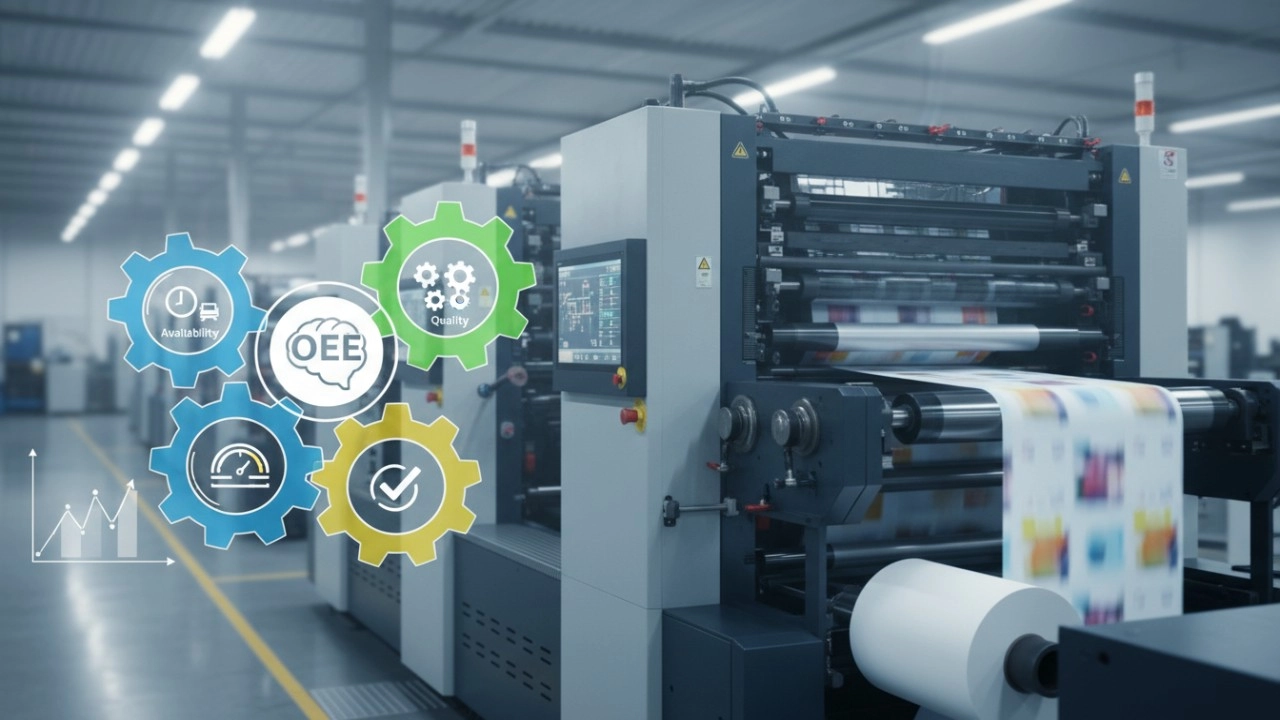
Top 10 Corrugated Box Making Machines 2026: Buyer's Guide & Reviews
Flexo press maintenance checklist for consistent quality
The 10 Key Factors in automatic flexo printer slotter That Affect Cost
How to Choose the folder gluer and stitcher manufacturer and supplier in us?
Shipping
What are the shipping costs for your folding carton machines?
Shipping costs depend on the destination, machine size, and shipping method. Contact us for a detailed quote.
Can you ship to remote or difficult-to-access locations?
Yes, we can arrange shipping to remote locations, though additional charges and time may apply.
Product
What should I do if the machine jams during operation?
In case of a jam, immediately stop the machine, remove any obstructions, and check for any damage before restarting.
What is the maximum speed of your folding carton machines?
Our machines can operate at speeds of up to 150 cartons per minute, depending on the model and carton complexity.
Are there safety features integrated into your machines?
Yes, our machines come equipped with multiple safety features including emergency stop buttons and safety guards.
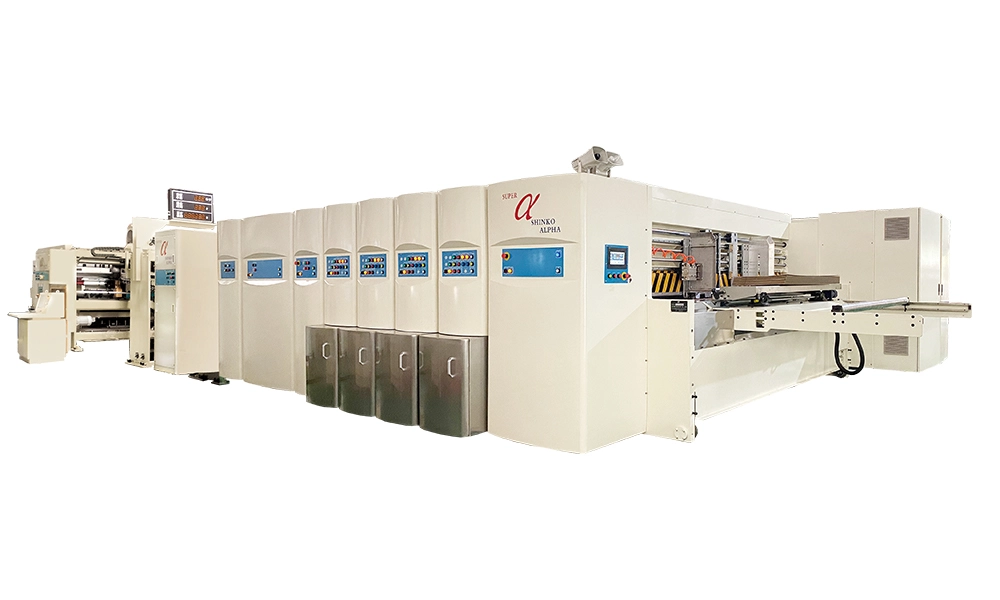
Shinko Super Alpha Movable Type Full Servo Drive Flexo Printing Slotting Die Cutting Inline Folding Gluing Counting Ejecting Machine
This state-of-the-art Movable Type Full Servo Drive Flexo Printing Slotting Die Cutting Machine streamlines your production with precision. Experience seamless operation with its Inline Folding Gluing Counting Ejecting capabilities, ensuring unparalleled efficiency. Designed for high-performance tasks, this Keshenglong&Shinko Super Alpha Movable Type Full Servo Drive Flexo Printing Slotting Die Cutting Inline Folding Gluing Counting Ejecting Machine enhances productivity while maintaining premium quality. Ideal for businesses seeking innovation and reliability, the Shinko Super Alpha is your go-to solution for advanced printing and cutting needs.
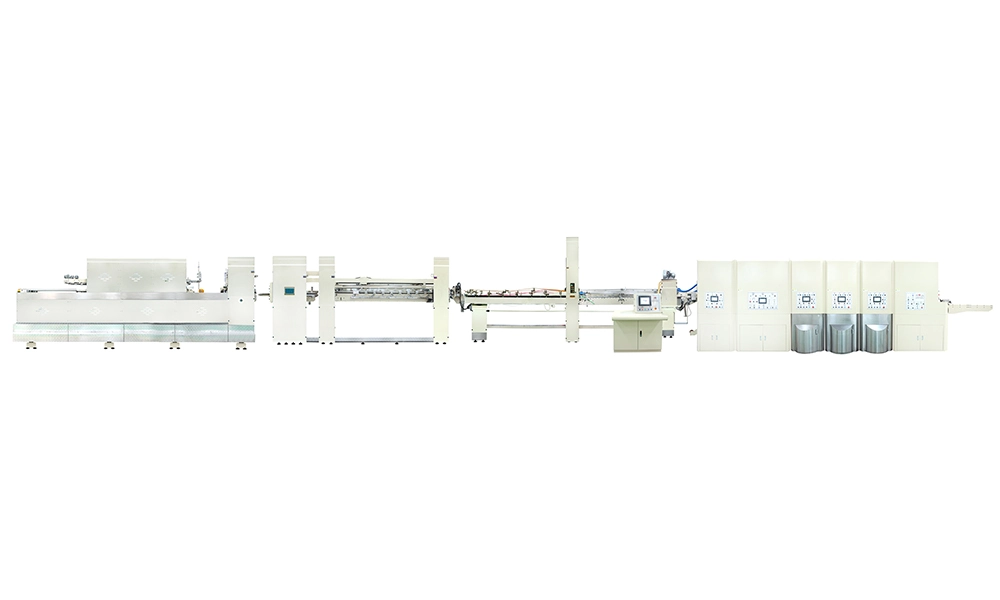
Computerized Flexo Printing Slotting Die-Cutting Inline Folding Gluing and Stitching Machine
Introducing the Keshenglong&Shinko Computerized Flexo Printing Slotting Die-Cutting Inline Folding Gluing and Stitching Machine, a pinnacle of precision and efficiency. This state-of-the-art machine revolutionizes packaging production with seamless integration of printing, slotting, die-cutting, folding, gluing, and stitching. Designed to optimize your workflow, the Computerized Flexo Printing Slotting Die-Cutting Machine enhances accuracy and productivity.
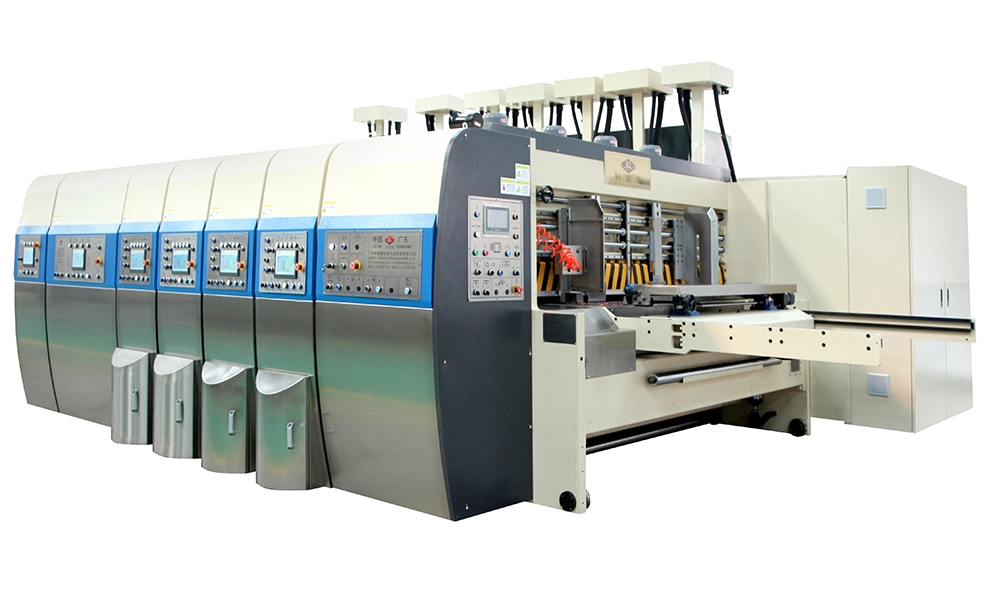
Computerized Flexo Top Bottom Printing Slotting Die-Cutting Machine
Introducing the Keshenglong&Shinko Computerized Flexo Top Bottom Printing Slotting Die-Cutting Machine, designed to enhance your packaging efficiency. Engineered for precision, this high-performance machine offers seamless integration of flexo printing and die-cutting processes. Perfect for a variety for packaging needs, it ensures superior quality and productivity. With user-friendly controls and robust construction, it guarantees reliable operation and minimal downtime. Optimize your production line with Keshenglong’s trusted technology. Explore advanced capabilities with our Flexo Top Bottom Printing Slotting Die-Cutting Machine today.
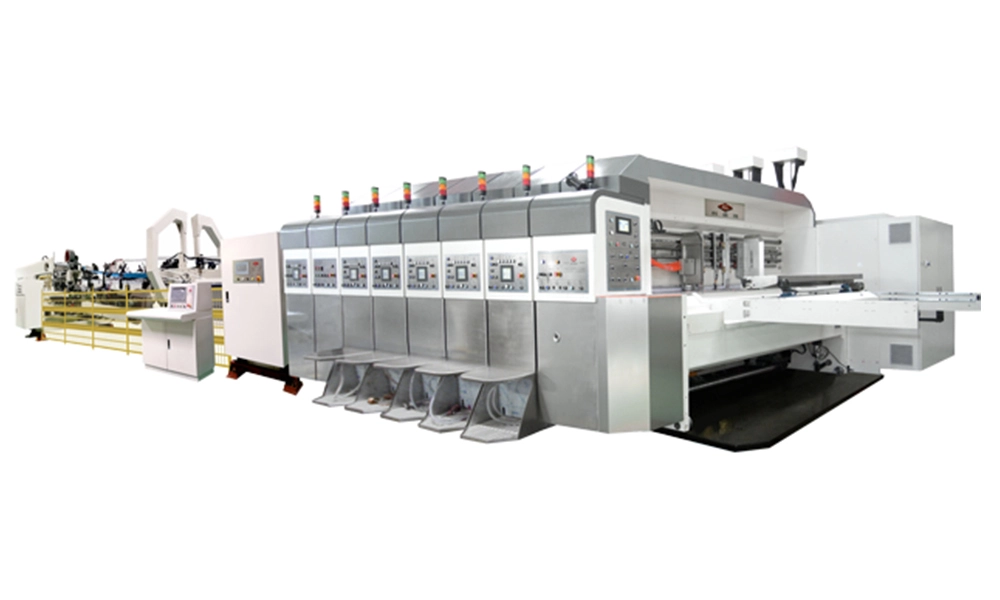
Computerized Flexo Printing Slotting Die-Cutting Inline Folding Gluing Countering Ejecting Machine Repeatable
Introducing the Keshenglong Computerized Flexo Printing Slotting Die-Cutting Inline Folding Gluing Countering Ejecting Machine. This advanced equipment delivers precision and efficiency for all your packaging needs. Perfectly designed for high-speed operations, it ensures seamless integration with your production line. Enhance productivity with our innovative technology that guarantees accurate printing, slotting, and die-cutting.


© 2025 Keshenglong & SHINKO All Rights Reserved.
Keshenglong Carton Packing Machine
Keshenglong Carton Packing Machine
Keshenglong Carton Packing Machine
Keshenglong Carton Packing Machine
Keshenglong Carton Packing Machine