
Sustainability Practices for Flexographic Printing Operations
- Operational Challenges in Modern Corrugated Printing
- Common sustainability pain points
- Regulatory and market drivers
- Process and Technology Upgrades to Reduce Environmental Impact
- Optimize drying and curing systems
- Drive and motor efficiency
- Process automation and MIS integration
- Materials, Ink, and Waste Management Strategies
- Move toward low-VOC and water-based inks
- Solvent recovery and closed-loop systems
- Reduce substrate waste and improve recyclability
- Measurement, Continuous Improvement, and Circularity
- Key performance indicators and auditing
- Employee training and culture
- Design for circularity and supplier collaboration
- Sustainability Measures: Comparative Overview
- Implementing a Roadmap: Practical Steps for Plants
- Assessment and quick wins
- Capital investments and ROI
- Stakeholder communication and certification
- How Keshenglong & Shinko Support Sustainable Flexo Operations
- Case Example: Typical Sustainability Gains from Upgrading a Flexo Line
- Frequently Asked Questions (FAQ)
- 1. What are the easiest first steps to make a flexo printer machine more sustainable?
- 2. Can existing flexo presses be retrofitted for LED-UV curing?
- 3. How do water-based inks compare to UV-curable inks for corrugated carton printing?
- 4. What metrics should I track to measure sustainability improvements?
- 5. Are there certifications that help sell more sustainable corrugated packaging?
- 6. How can suppliers like Keshenglong help with sustainability goals?
Flexographic printing for corrugated cartons and packaging plays a central role in global supply chains. Implementing sustainability practices across flexo printer machine operations not only reduces environmental impact but also cuts operating costs, improves regulatory compliance, and strengthens brand reputation. This article summarizes proven strategies—energy optimization, ink and solvent management, waste minimization, material sourcing, and process digitalization—backed by industry standards and real-world examples to guide plant managers, sustainability officers, and production engineers.
Operational Challenges in Modern Corrugated Printing
Common sustainability pain points
Flexo printing operations face several recurring challenges: high energy use (drying and curing), volatile organic compound (VOC) emissions from solvent-based inks, substrate waste from make-ready and misprints, and the need to meet stricter packaging regulations. These affect both small converters and large integrated plants. Addressing these requires a blend of technology upgrades, process controls, and supplier collaboration.
Regulatory and market drivers
Regulations such as the EU Packaging and Packaging Waste Directive and national environmental laws push for reduced packaging waste and higher recyclability (European Commission). Buyers increasingly demand sustainable packaging, and certifications or evidence of continuous improvement can win business. Industry associations like the Flexographic Technical Association provide best-practice guidance for modern flexo presses and sustainability (FTA).
Process and Technology Upgrades to Reduce Environmental Impact
Optimize drying and curing systems
Drying/curing accounts for a significant portion of a flexo printer machine’s energy consumption. Upgrading to energy-efficient systems such as LED-UV curing or optimized IR/air systems shortens make-ready and reduces power draw. LED-UV also minimizes heat load on corrugated substrates, expanding the range of materials and reducing rejects. Refer to industry resources for LED-UV benefits (Flexography overview).
Drive and motor efficiency
High-efficiency motors, variable-frequency drives (VFDs), and precise servo controls lower energy draw during acceleration and idle times. Modern flexo press designs with centralized control and energy recovery for braking cycles can further reduce consumption. Monitoring energy use per job provides data to prioritize upgrades.
Process automation and MIS integration
Integrating a management information system (MIS) and automated job prepress reduces make-ready times and waste. Automated register control, inline inspection, and automatic tension control minimize offcuts and rework, directly reducing material and energy waste.
Materials, Ink, and Waste Management Strategies
Move toward low-VOC and water-based inks
Switching to water-based and UV-curable inks reduces VOC emissions and often improves press stability. Water-based systems may require optimized drying strategies, while UV-curable inks (including LED-UV) offer instant curing and lower solvent emissions. Evaluate ink life-cycle impacts and recyclability when choosing inks; supplier datasheets and third-party LCA studies are useful references.
Solvent recovery and closed-loop systems
When solvent-based inks remain necessary, install solvent recovery units and closed-loop ventilation to capture and reuse solvents. Solvent recovery both reduces regulatory risk and lowers procurement costs. For hazardous waste handling and best practices, consult guidance from authorities such as the U.S. Environmental Protection Agency (EPA).
Reduce substrate waste and improve recyclability
Design for minimal die-lines, optimize nesting to maximize sheet utilization, and reduce overuse of coatings or adhesives that hinder recycling. Work with substrate suppliers to source recycled-content corrugated and ensure inks/coatings are compatible with recycling streams. Packaging recyclability is an evolving field; certifying recyclability claims with recognized programs reduces market risk.
Measurement, Continuous Improvement, and Circularity
Key performance indicators and auditing
Track KPIs such as energy consumption per 1,000 m2 printed, VOC emissions per job, substrate yield percentage, water use per shift, and percentage of recycled content in finished cartons. ISO 14001 provides a framework for environmental management systems and continuous improvement (ISO 14001).
Employee training and culture
Operational improvements depend on trained operators who understand make-ready reduction, correct ink loading, and press shutdown procedures. Implement regular training, visual SOPs at presslines, and incentive programs linked to waste reduction targets.
Design for circularity and supplier collaboration
Work upstream with designers and brand owners to reduce ink coverage, avoid problematic coatings, and standardize substrates. Collaborative initiatives to create closed-loop recycling for corrugated packaging can materially increase recovery rates and reduce raw material requirements.
Sustainability Measures: Comparative Overview
The table below compares common interventions for flexo printing operations by impact area, typical benefits, and primary considerations. Data and best practices are compiled from industry guidance and environmental standards.
| Intervention | Primary Impact | Typical Benefits | Considerations / References |
|---|---|---|---|
| LED-UV curing | Energy reduction; instant cure; lower VOCs | Reduced energy, faster line speeds, lower rejects | Flexography overview |
| Water-based / low-VOC inks | VOC reduction; improved workplace air | Improved compliance; often lower post-consumer contamination | Ink supplier datasheets; EPA guidance (EPA) |
| Solvent recovery systems | Solvent reuse; lower hazardous waste | Cost savings from solvent reuse; lower disposal fees | CAPEX required; operational protocols needed |
| MIS & automation | Make-ready and waste reduction | Faster job changeover; higher yield | Integration effort; operator training |
| Energy-efficient motors & VFDs | Lower electricity use | Reduced operating cost; improved uptime | Retrofit feasibility study recommended |
Implementing a Roadmap: Practical Steps for Plants
Assessment and quick wins
Start with an energy and materials audit. Identify high-return quick wins: optimize press idle settings, recover and reuse solvents, adjust ink density controls, and implement tighter press tolerance to reduce rework. Use data logging for at least 30 production days to establish baseline KPIs.
Capital investments and ROI
Prioritize upgrades with measurable ROI: LED-UV retrofits on high-volume lines, servo-drive replacements on older presses, and solvent recovery for heavy solvent users. Seek government or regional incentives for energy-efficient equipment and reference manufacturer case studies to estimate payback periods.
Stakeholder communication and certification
Communicate improvements to customers and auditors with verifiable metrics. Consider third-party certification (e.g., ISO 14001) or participation in recognized packaging sustainability programs to demonstrate continuous improvement.
How Keshenglong & Shinko Support Sustainable Flexo Operations
Keshenglong, founded in 1995 and merged with Japan Shinko in 2017, specializes in corrugated carton printing and packaging machinery, offering solutions that align with sustainability goals. With R&D and production guidance from Japan Shinko and main parts imported from Japan, Keshenglong ensures high-quality standards and technical reliability. Their portfolio includes flexo printer machine lines, computerized high-speed Flexo Slotting Die-Cutting machines (1-6 color), high-speed Flexo case makers, 6+1 high-precision Precision Printing Slotting Die-Cutting machines, Top & Bottom Printing Slotting Die-Cutting machines, and jumbo-size Flexo Printing Slotting Die-Cutting machines.
Key sustainability advantages of Keshenglong & Shinko solutions:
- Energy-efficient machine architecture and compatibility with LED-UV curing modules to reduce drying energy.
- High-precision registration and automation to minimize make-ready waste and improve substrate yield.
- Robust construction and use of quality imported parts to extend machine life, reducing lifecycle environmental footprint.
- Modular designs accommodating solvent recovery integration and low-VOC ink systems.
As a supplier of integrated intelligent packaging solutions, Keshenglong’s products have been exported to more than 70 countries. The sustained collaboration with experienced Japanese technicians during installation and testing ensures machines are commissioned to high standards, supporting consistent low-waste production. For product details and enquiries, visit https://www.shinkomachinery.com/ or contact their team at kl@keshenglong.com.cn.
Case Example: Typical Sustainability Gains from Upgrading a Flexo Line
While results vary by site and process, common outcomes observed across converters after targeted upgrades include:
- 20–50% reduction in press energy use after LED-UV and motor upgrades (site-dependent).
- Reduction in make-ready waste by 30% after MIS integration and improved prepress color management.
- VOC emissions significantly reduced when switching to UV or water-based inks, improving operator exposure levels.
For benchmarks and further reading, consult the Flexographic Technical Association (FTA) and relevant environmental standards bodies such as the ISO organization and national EPA guidance (EPA).
Frequently Asked Questions (FAQ)
1. What are the easiest first steps to make a flexo printer machine more sustainable?
Begin with data: monitor energy, substrate yield, and solvent usage. Implement quick operational changes such as optimized idle settings, better ink kitchen practices, and improved press startup/shutdown procedures. Small changes to operator behavior often yield immediate benefits.
2. Can existing flexo presses be retrofitted for LED-UV curing?
Many presses can be retrofitted with LED-UV modules, but feasibility depends on press configuration, line speed, and substrate heat sensitivity. Consult machine manufacturers and LED suppliers to assess compatibility and ROI. Keshenglong machines are designed with modularity to accommodate such upgrades.
3. How do water-based inks compare to UV-curable inks for corrugated carton printing?
Water-based inks reduce VOC emissions and can be cost-effective, but may require more drying energy and careful press settings. UV-curable inks (especially LED-UV) cure instantly, reduce VOCs, and can permit higher line speeds. Choose based on substrate, desired finish, and downstream recycling requirements.
4. What metrics should I track to measure sustainability improvements?
Track energy use per 1,000 m2 printed, substrate yield percentage, VOC emissions (if applicable), solvent consumption, water usage, and percentage of recycled content. Use these to calculate cost savings and improvements over time.
5. Are there certifications that help sell more sustainable corrugated packaging?
Yes. ISO 14001 for environmental management, chain-of-custody certifications (e.g., FSC for fiber sourcing), and participation in recognized recycling or eco-label programs can support marketing claims. Always ensure claims are verifiable and supported by documentation.
6. How can suppliers like Keshenglong help with sustainability goals?
Suppliers provide equipment that reduces energy use, improves yield, and supports modern ink systems. Keshenglong’s machines, developed with Japan Shinko’s R&D expertise and tested components, offer precision, modularity, and support for energy-efficient technologies to help converters meet sustainability targets.
If you’d like a site assessment, ROI estimate for specific upgrades (LED-UV retrofit, solvent recovery, MIS integration), or to view Keshenglong & Shinko product specifications, contact their team at kl@keshenglong.com.cn or visit https://www.shinkomachinery.com/. Explore corrugated carton flexo printing machines, flexo printing slotting die-cutting machines, and integrated flexo printing slotting die-cutting and stacker solutions designed for high yield and lower environmental impact.
Top 10 jumbo flexo folder gluer Manufacturers and Supplier Brands
OEM/ODM corrugated carton box flexo printer Manufacturers and supplier
Why choose Keshenglong&Shinko flexo printer slotter die cutter carton machine manufacturer
Keshenglong&Shinko Best professional flexo printing machine for corrugated carton manufacturers and supplier brands
Industry Solutions
How can your machines improve my production workflow?
By automating carton production, our machines streamline your workflow, increase output, and reduce downtime.
Do you offer customized solutions for unique production needs?
Yes, we work closely with clients to develop customized solutions that meet their specific production requirements.
What is the lifespan of your folding carton machines?
With proper maintenance, our machines are built to last for many years, providing long-term value for your investment.
Can your machines be integrated with digital printing technology?
Yes, our machines are compatible with digital printing systems for custom, high-quality printing on cartons.
Shipping
Can you ship to remote or difficult-to-access locations?
Yes, we can arrange shipping to remote locations, though additional charges and time may apply.
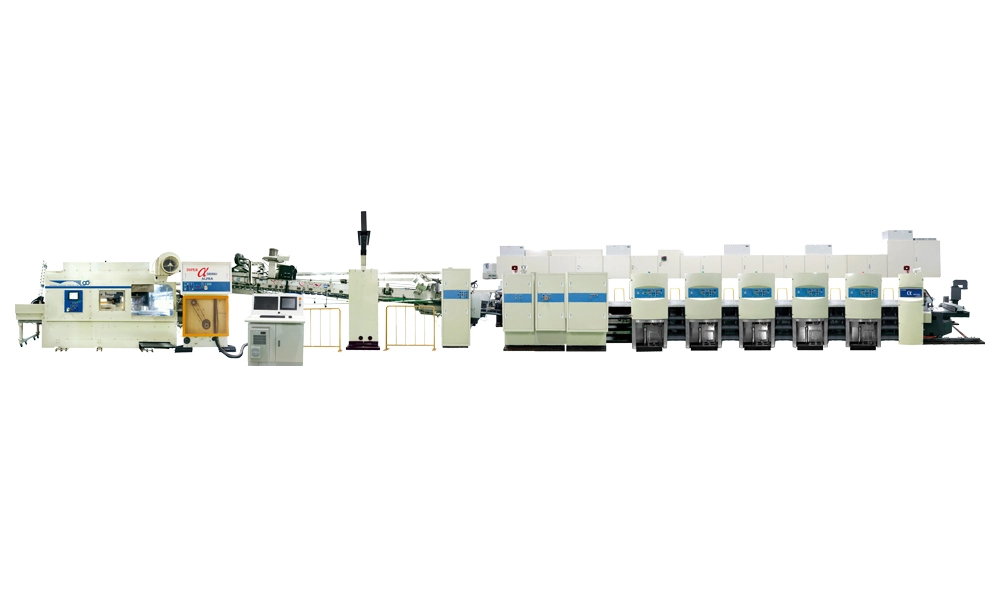
High-grade Full Automatic Flexo Printing Slotting Die Cutting Inline Folding Gluing and Countering Ejectoring Machine
Discover the Keshenglong&Shinko High-grade Full Automatic Flexo Printing Slotting Die Cutting Inline Folding Gluing and Countering Ejectoring Machine, the epitome of precision and efficiency. Ideal for modern packaging needs, this advanced machine streamlines operations by seamlessly integrating printing, slotting, die-cutting, folding, gluing, and ejecting processes. Elevate your production line with Keshenglong's innovative solution, designed to enhance productivity and deliver exceptional results.
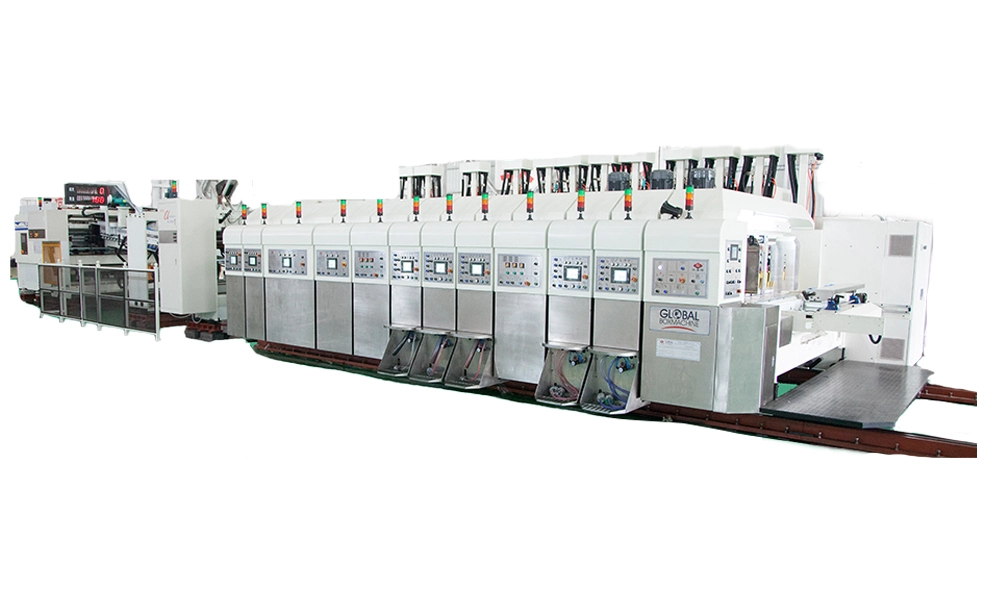
Computerized Flexo Printing Slotting Die-Cutting Inline Folding Gluing Countering Ejecting Machine
Introducing the Keshenglong&Shinko Computerized Flexo Printing Slotting Die-Cutting Inline Folding Gluing Countering Ejecting Machine. Engineered for precision, this advanced machine streamlines your packaging production with integrated Flexo Printing Slotting Die-Cutting functionalities. Seamlessly perform inline folding, gluing, countering, and ejecting—all in one efficient system. Designed for optimal performance, it enhances productivity while reducing downtime.
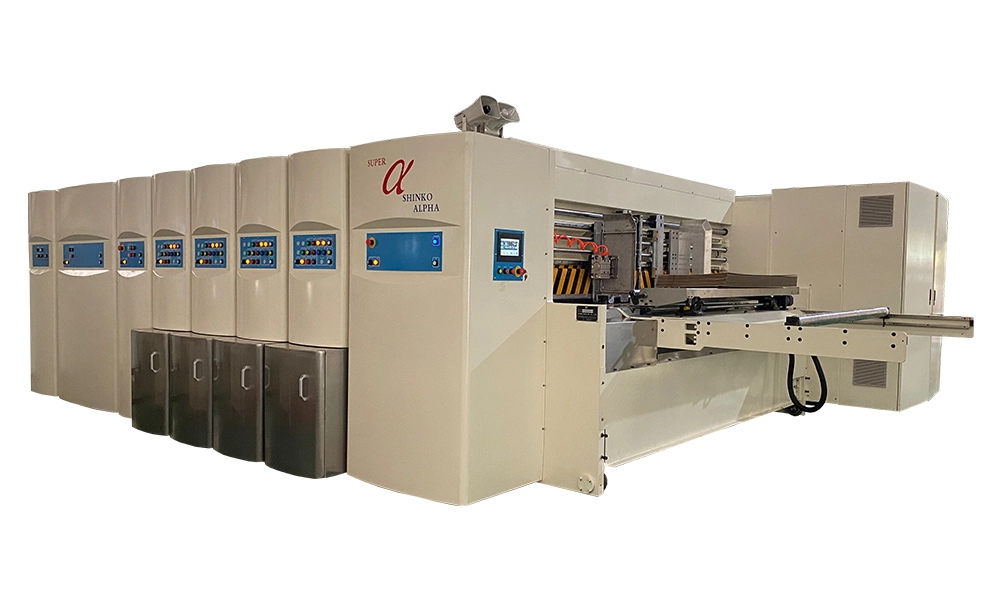
Shinko Super Alpha Movable Type Full Servo Drive Flexo Printing Slotting Die Cutting Machine
Introducing the Shinko Super Alpha Movable Type Full Servo Drive Flexo Printing Slotting Die Cutting Machine by Keshenglong. Engineered for precision and efficiency, this state-of-the-art machine enhances your production line with its advanced servo drive technology. Designed for seamless Flexo printing, slotting, and die-cutting, it ensures superior quality with every output.
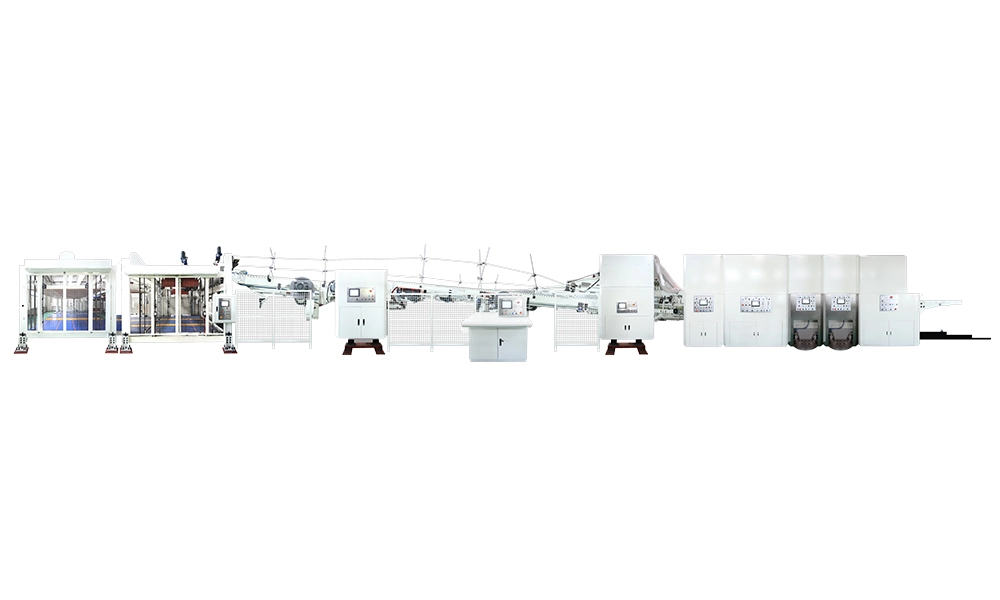
Jumbo Flexo Bottom Printing Slotting Die-Cutting Inline Folding Gluing Countering Ejecting Machine
Introducing the Keshenglong&Shinko Jumbo Flexo Bottom Printing Slotting Die-Cutting Inline Folding Gluing Countering Ejecting Machine. This advanced flexo printing slotting die-cutting machine ensures precision and efficiency for your packaging needs. Designed as a versatile flexo folder gluer machine, it optimizes every step from printing to ejecting, delivering seamless integration and superior quality.


© 2025 Keshenglong & SHINKO All Rights Reserved.
Keshenglong Carton Packing Machine
Keshenglong Carton Packing Machine
Keshenglong Carton Packing Machine
Keshenglong Carton Packing Machine
Keshenglong Carton Packing Machine