
Safety and Compliance Standards for Flexo Printer Machines
- Regulatory frameworks and applicable standards
- International standards that apply to flexo press equipment
- Regional directives and occupational safety (EU, US)
- Industry-specific guidance and flexographic practice
- Machine design and engineering controls
- Risk assessment and safety function design
- Guarding, interlocks and emergency stop systems
- Electrical safety and control architecture
- Operational safety: procedures, training and maintenance
- Lockout-Tagout, hazardous energy and safe isolation
- Operator training, competency and human factors
- Preventive maintenance, monitoring and spare parts
- Compliance testing, documentation and audit readiness
- CE marking, technical file and conformity assessment
- Factory acceptance testing (FAT), site acceptance and validation
- Inspections, incident reporting and continuous improvement
- Practical controls specific to flexo printer machines
- Solvent handling, ventilation and fire prevention
- UV-curing safety and shielding
- Web handling, nip-point mitigation and bite protection
- Keshenglong & Shinko: manufacturer profile, compliance and capabilities
- How Keshenglong supports safety and compliance
- Frequently Asked Questions (FAQ)
- 1. What are the most important safety features to check when buying a flexo printer machine?
- 2. Does a flexo printer need CE marking to be sold in the EU?
- 3. How do I manage hazardous solvents used in flexo printing?
- 4. What documentation should I request from a supplier for compliance audits?
- 5. How often should safety devices (interlocks, E-stops) be tested?
- 6. Can UV-curing units be retrofitted with improved safety controls?
- Next steps and contact / product inquiry
This article provides a practical, location-aware summary of safety and compliance requirements for flexo printer machines used in corrugated carton printing and packaging production worldwide. It is written for plant managers, OEM engineers, maintenance leads and procurement teams who need clear guidance on applicable standards, machine-level safeguards, operational controls and the documentation required for CE marking, OSHA compliance and international export. The guidance reflects international norms (ISO, IEC), regional directives (EU Machinery Directive, US OSHA), and industry practice used by leading suppliers, including manufacturers based in China and Japan.
Regulatory frameworks and applicable standards
International standards that apply to flexo press equipment
Flexo printer machine manufacturers and end-users should begin with risk assessment and fundamental safety principles as described in ISO 12100 (Safety of machinery — General principles for design — Risk assessment and risk reduction). ISO 12100 sets the methodology for identifying hazards, estimating and evaluating risks, and implementing protective measures. For functional safety of control systems, ISO 13849-1 (Safety-related parts of control systems) is the commonly applied standard. For electrical equipment on machines, IEC 60204-1 (Safety of machinery — Electrical equipment of machines) is the benchmark for wiring, protection, and control circuits.
These international standards are widely used as the technical basis when certifying machines for export to multiple markets. They are referenced by regional regulations such as the EU Machinery Directive and are often part of OEM design specifications for modern high-speed flexo presses and integrated slotting/die-cutting machines.
Regional directives and occupational safety (EU, US)
In the European Union, the Machinery Directive (2006/42/EC) requires machines to meet essential health and safety requirements and to be accompanied by a technical file and CE marking. For workplaces in the United States, the Occupational Safety and Health Administration provides enforceable requirements and guidance, including machine guarding and lockout/tagout procedures (see OSHA’s machine guarding and LOTO resources: Machine Guarding, LOTO).
Industry-specific guidance and flexographic practice
Flexography and corrugated carton printing bring specific hazards: high-speed nip points, solvent and ink flammability (especially with solvent-based inks), UV-curing systems, and large moving substrates. Industry references such as the general technical overview on flexography (Flexography - Wikipedia) and guidance from packaging associations help translate general standards into practical controls like guarding of print stations, solvent ventilation, and safe anilox/doctor blade handling.
Machine design and engineering controls
Risk assessment and safety function design
Start with a documented risk assessment per ISO 12100: list tasks (setup, run, maintain), identify hazards (mechanical, electrical, thermal, chemical), estimate risk severity and frequency, then apply risk reduction in the order: eliminate, guard, apply safe design, add protective devices, provide information/training. For control-system-related safety functions (e.g., emergency stop, safety interlocks), design using ISO 13849 principles to determine Performance Level (PL) or IEC 61508 SIL-level equivalents where applicable.
Guarding, interlocks and emergency stop systems
Physical guarding should prevent access to nip points, rotating shafts and cutting edges during operation. Interlocked access doors, two-hand controls for hazardous adjustments, and categorized safety zones with presence-sensing devices are best practice. Emergency stop devices must be accessible around the machine perimeter and should comply with the stop categories in relevant standards (e.g., ISO 13850). Use forced-guided contacts in safety relays to ensure predictable behavior after an E-stop.
Electrical safety and control architecture
Follow IEC 60204-1 for electrical cabinet design, grounding, protection, labeling and safe maintenance access. Separate power and control sections, implement appropriate short-circuit protection and document control schematics. Where servo-driven registration and high-speed drives are used, protect engineers with embedded safety PLCs or safety-rated drives to avoid unintended motion during maintenance.
Operational safety: procedures, training and maintenance
Lockout-Tagout, hazardous energy and safe isolation
Implement written LOTO procedures covering electrical, pneumatic, hydraulic and stored-energy sources. Ensure isolation points are clearly labeled, that isolation devices are capable of full de-energization, and that LOTO devices are standardized and auditable. OSHA’s control of hazardous energy guidance is a widely adopted reference for LOTO program structure.
Operator training, competency and human factors
High-quality training reduces misuse that causes incidents. Training should cover machine start/stop sequences, safe web threading, cleaning procedures (including solvent handling), PPE, emergency procedures, and recognition of warning signs from drives or registration systems. Incorporate human factors by designing controls with clear ergonomics: reachable E-stops, intuitive HMI layouts, and adequate lighting to reduce operator error.
Preventive maintenance, monitoring and spare parts
Establish preventive maintenance schedules for bearings, tension control, anilox rollers, doctor blades, and safety devices (interlocks, E-stops). Use predictive monitoring (vibration, temperature, acoustic) where feasible to detect bearing failures or misalignment before they create hazards. Maintain a documented spare parts list for safety-critical components and replace consumables (e.g., worn guards, frayed belts) promptly.
Compliance testing, documentation and audit readiness
CE marking, technical file and conformity assessment
For machines sold in the EU, prepare a technical file demonstrating conformity with the Machinery Directive and applicable harmonized standards (e.g., EN standards derived from ISO/IEC). The technical file should include risk assessments, design drawings, component certificates, control schematics, test reports and the EU Declaration of Conformity. Where required, involve a notified body for conformity assessment.
Factory acceptance testing (FAT), site acceptance and validation
FAT should validate safety interlocks, E-stops, guarded access, LOTO points, and safety-related PLC logic before machine shipment. On-site testing (SAT) should confirm integration with plant safety systems (e.g., light curtains, conveyor gates) and safe start-up procedures. Document all test results and corrective actions in an acceptance report.
Inspections, incident reporting and continuous improvement
Keep inspection logs, incident reports and maintenance records to support root-cause analyses and corrective actions. A documented near-miss program often prevents major incidents: analyze trends (e.g., repeated nip access during set-up) and adapt engineering controls or procedures accordingly.
| Standard / Directive | Scope | Applicability to flexo printers | Key requirements | Reference |
|---|---|---|---|---|
| ISO 12100 | General principles for risk assessment | Fundamental for machine design & risk reduction | Risk assessment methodology and hierarchy of risk reduction | ISO |
| ISO 13849-1 / IEC 61508 | Safety-related parts of control systems | Safety PLCs, E-stops, interlock validation | Performance levels (PL) / SIL requirements for safety functions | ISO |
| IEC 60204-1 | Electrical equipment of machines | Electrical cabinet design, grounding, labeling | Wiring, protective devices, control circuits, maintenance access | IEC |
| Machinery Directive 2006/42/EC | EU legal requirements for placing machinery on market | CE marking, technical file and conformity | Essential health & safety requirements; conformity assessment | European Commission |
| OSHA 29 CFR (US guidance) | Workplace safety regulations in the US | Machine guarding, LOTO, PPE, hazard communication | Enforceable standards and industry guidance | OSHA |
Practical controls specific to flexo printer machines
Solvent handling, ventilation and fire prevention
If solvent-based inks or cleaning agents are used, ensure proper ventilation, explosion-proof electrical components in solvent zones, bonded containers to avoid static electricity, and Class-rated fire suppression where required. Consider switching to water-based or UV-curable inks where process and quality permit to reduce flammability hazards.
UV-curing safety and shielding
UV-curing units require shielding to prevent operator exposure to UV radiation; interlocks should disable lamps if guards are opened. Provide eyewear and signage explaining UV risks, and document lamp maintenance to avoid degraded reflectors or damaged shields that increase operator exposure.
Web handling, nip-point mitigation and bite protection
Nip points between any rotating rollers are a primary mechanical hazard. Install fixed guards or guarded zones and use web-break detection with automatic stop. For set-up tasks requiring manual threading, provide controlled single-revolution modes or use auxiliary rollers to avoid operator hands entering hazardous zones.
Keshenglong & Shinko: manufacturer profile, compliance and capabilities
Keshenglong, founded in 1995, is specialized in manufacturing corrugated carton printing machines and integrated packaging solutions. Merged with Japan Shinko in 2017, the combined entity leverages Shinko’s R&D and Japanese production expertise along with Keshenglong’s manufacturing capacity and supply chain in Guangzhou, China. Main product lines include corrugated carton flexo printing machines, computerized high-speed flexo slotting die-cutting machines (1-6 color), high-precision 6+1 printing slotting die-cutting machines, top & bottom printing slotting die-cutting machines, and jumbo-size flexo printing slotting die-cutting machines.
Keshenglong & Shinko emphasize imported main parts from Japan, on-site installation by experienced Japanese technicians, and factory testing to Japanese-equivalent quality standards. As a supplier of integrated intelligent packaging solutions, the company exports to more than 70 countries, providing compliance documentation and FAT/SAT support for machine commissioning. For more information, visit https://www.shinkomachinery.com/ or contact kl@keshenglong.com.cn for machine specifications and compliance documents.
How Keshenglong supports safety and compliance
Keshenglong & Shinko provide pre-shipment safety testing (including interlock and E-stop validation), full technical files for export markets, and optional on-site commissioning with safety training. Their global export experience and adherence to Japanese-instructed quality processes reduce integration risk for buyers who need CE marking, OSHA-compliant operation documentation or other export-related certifications.
Frequently Asked Questions (FAQ)
1. What are the most important safety features to check when buying a flexo printer machine?
Check for robust physical guarding of nip points, clearly accessible emergency stops, safety interlocks on access doors, documented LOTO points, compliance with IEC 60204-1 for electrical safety, and evidence of FAT test reports showing safety function validation.
2. Does a flexo printer need CE marking to be sold in the EU?
Yes. Machines sold in the EU must meet the Machinery Directive (2006/42/EC) requirements and be accompanied by a technical file and EU Declaration of Conformity before affixing the CE mark.
3. How do I manage hazardous solvents used in flexo printing?
Use proper ventilation, explosion-proof electrical components, grounding and bonding for flammable liquids, solvent storage compliant with local fire codes, and consider substituting low-flash or water-based inks where possible. Maintain solvent MSDS and train staff on spill response.
4. What documentation should I request from a supplier for compliance audits?
Request the technical file or equivalent: risk assessment, drawings, electrical schematics, component certificates, FAT reports, safety validation tests, operator and maintenance manuals, and the Declaration of Conformity for the destination market.
5. How often should safety devices (interlocks, E-stops) be tested?
Safety devices should be functionally tested at intervals defined in your maintenance program—commonly weekly for visual inspections and monthly or quarterly for functional tests, with annual full validation. Document all tests and corrective actions.
6. Can UV-curing units be retrofitted with improved safety controls?
Yes. Retrofits can include interlocked shielding, UV-blocking panels, shrouds, and upgraded controls that shut UV lamps off when access doors open. Any retrofit should be validated and included in the machine’s technical documentation.
Next steps and contact / product inquiry
Ensuring safety and regulatory compliance for your flexo printer machine requires combining correct machine design, documented procedures, operator training, and manufacturer's support. For specification sheets, FAT documentation, CE technical files or to discuss integrated corrugated carton flexo printing lines and computerized high-speed flexo slotting die-cutting machines, contact Keshenglong & Shinko:
Website: https://www.shinkomachinery.com/
Email: kl@keshenglong.com.cn
If you need an audit checklist, template risk assessment, or FAT test plan tailored to a specific flexo printer model, contact the manufacturer above or your safety consultant to request downloadable templates and on-site support.
How to Choose Right auto feeding corrugated carton flexo printing machine manufacturer and supplier ?
OEM/ODM flexo printer slotter machine Manufacturers and supplier
How to Choose the corrugated box flexo printing machine manufacturer and supplier in us?
Choosing the Right Flexo Folder Gluer for Your Plant
Shipping
Do you offer international shipping for your machines?
Yes, we offer international shipping and can handle all necessary customs documentation.
Do you provide installation services upon delivery?
Yes, we offer on-site installation and training services to ensure your machine is set up correctly.
Product
Are there safety features integrated into your machines?
Yes, our machines come equipped with multiple safety features including emergency stop buttons and safety guards.
What materials are compatible with your folding carton machines?
Our machines are compatible with a wide range of materials including cardboard, corrugated board, and paperboard.
Industry Solutions
Can your machines handle high-volume production demands?
Yes, our machines are designed for high-volume production, ensuring reliable and efficient operation.
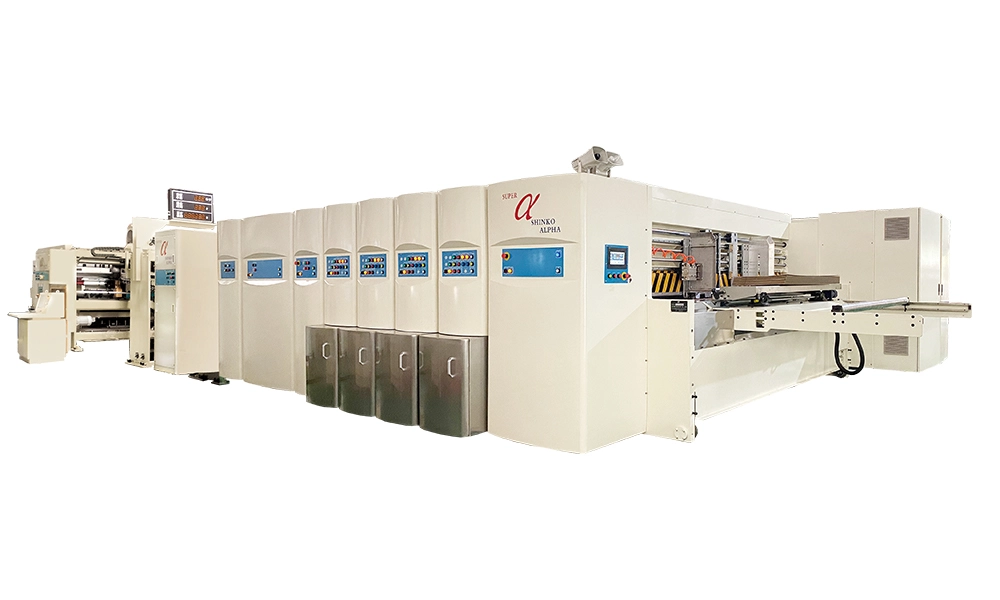
Shinko Super Alpha Movable Type Full Servo Drive Flexo Printing Slotting Die Cutting Inline Folding Gluing Counting Ejecting Machine
This state-of-the-art Movable Type Full Servo Drive Flexo Printing Slotting Die Cutting Machine streamlines your production with precision. Experience seamless operation with its Inline Folding Gluing Counting Ejecting capabilities, ensuring unparalleled efficiency. Designed for high-performance tasks, this Keshenglong&Shinko Super Alpha Movable Type Full Servo Drive Flexo Printing Slotting Die Cutting Inline Folding Gluing Counting Ejecting Machine enhances productivity while maintaining premium quality. Ideal for businesses seeking innovation and reliability, the Shinko Super Alpha is your go-to solution for advanced printing and cutting needs.
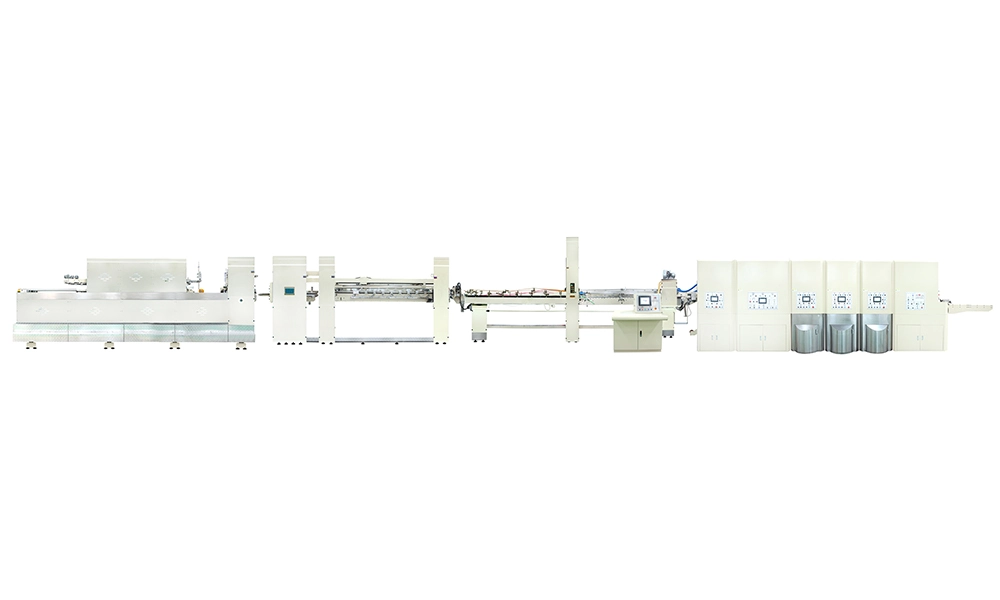
Computerized Flexo Printing Slotting Die-Cutting Inline Folding Gluing and Stitching Machine
Introducing the Keshenglong&Shinko Computerized Flexo Printing Slotting Die-Cutting Inline Folding Gluing and Stitching Machine, a pinnacle of precision and efficiency. This state-of-the-art machine revolutionizes packaging production with seamless integration of printing, slotting, die-cutting, folding, gluing, and stitching. Designed to optimize your workflow, the Computerized Flexo Printing Slotting Die-Cutting Machine enhances accuracy and productivity.
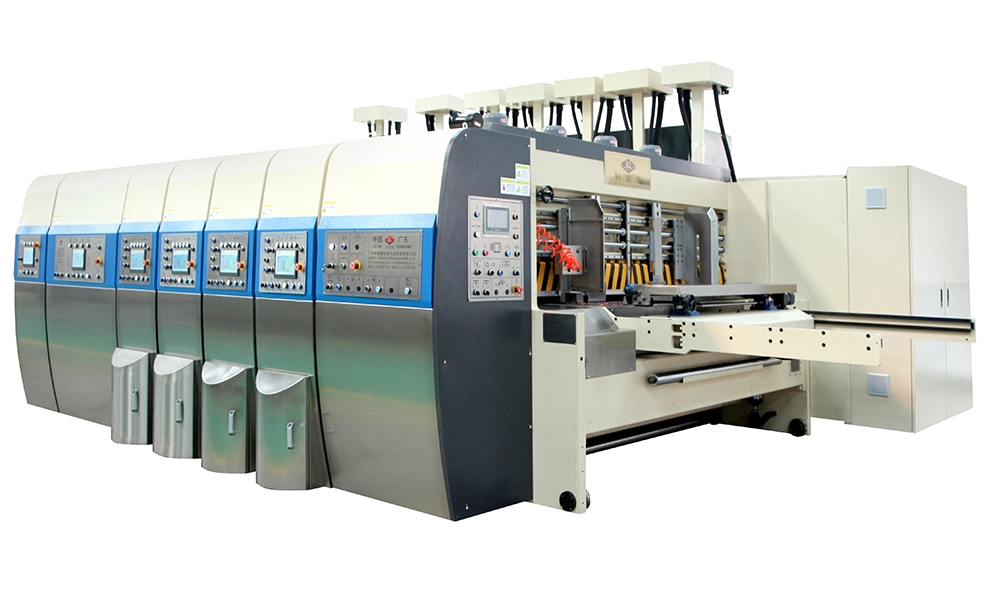
Computerized Flexo Top Bottom Printing Slotting Die-Cutting Machine
Introducing the Keshenglong&Shinko Computerized Flexo Top Bottom Printing Slotting Die-Cutting Machine, designed to enhance your packaging efficiency. Engineered for precision, this high-performance machine offers seamless integration of flexo printing and die-cutting processes. Perfect for a variety for packaging needs, it ensures superior quality and productivity. With user-friendly controls and robust construction, it guarantees reliable operation and minimal downtime. Optimize your production line with Keshenglong’s trusted technology. Explore advanced capabilities with our Flexo Top Bottom Printing Slotting Die-Cutting Machine today.
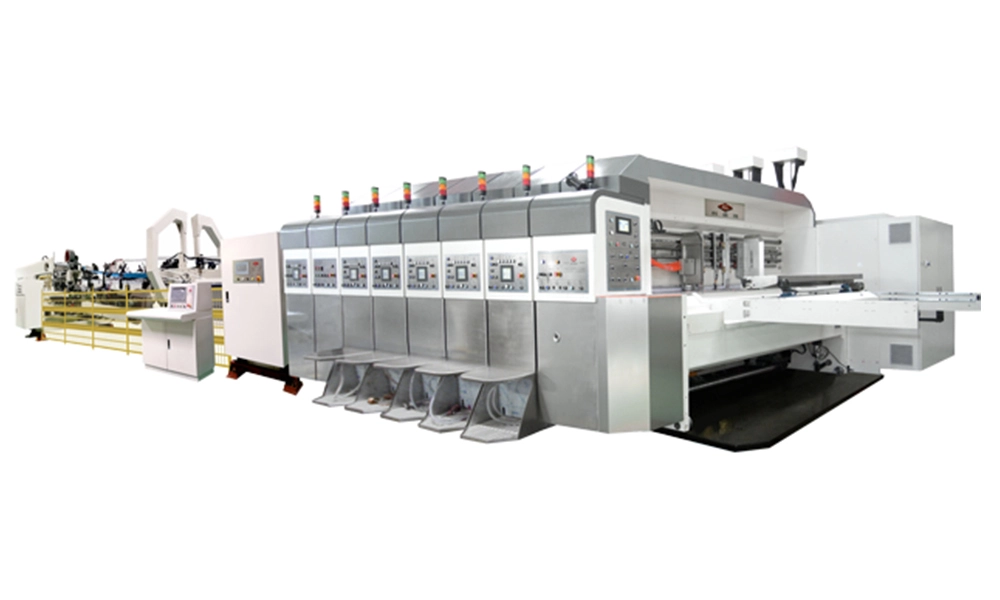
Computerized Flexo Printing Slotting Die-Cutting Inline Folding Gluing Countering Ejecting Machine Repeatable
Introducing the Keshenglong Computerized Flexo Printing Slotting Die-Cutting Inline Folding Gluing Countering Ejecting Machine. This advanced equipment delivers precision and efficiency for all your packaging needs. Perfectly designed for high-speed operations, it ensures seamless integration with your production line. Enhance productivity with our innovative technology that guarantees accurate printing, slotting, and die-cutting.


© 2025 Keshenglong & SHINKO All Rights Reserved.
Keshenglong Carton Packing Machine
Keshenglong Carton Packing Machine
Keshenglong Carton Packing Machine
Keshenglong Carton Packing Machine
Keshenglong Carton Packing Machine