
Applications of printing machine flexo in tags, tapes, and industrial products
- Understanding print technologies for packaging and industrial marking
- What is flexography and where it fits
- Why flexo is often the best option for tags, tapes, and industrial substrates
- Key terminologies that matter on the shop floor
- Applications and process details: tags, tapes, and industrial products
- Tags — requirements and best practices
- Tapes — adhesive backing, film substrates, and inline coating
- Industrial products — nameplates, gaskets, technical labels
- Selecting a printing machine flexo: hardware and process considerations
- Press configuration: central impression, stack, or inline?
- Anilox and plate selection
- Automation, inspection, and color management
- Comparisons, ROI, and common operational challenges
- How flexo compares to offset and digital for these applications
- Typical ROI drivers
- Common technical pitfalls and their remedies
- Case examples and practical setup checklist
- Example: high-speed printing for reinforced filament tape
- Example: serialized industrial tags with varnish protection
- Practical pre-launch checklist
- Keshenglong & Shinko: integrated solutions for corrugated and industrial flexo printing
- Who we are and what we make
- Why choose Keshenglong & Shinko for a printing machine flexo solution
- Product fit for tags, tapes, and industrial parts
- Frequently Asked Questions (FAQ)
- 1. Can a printing machine flexo print on both paper tags and plastic tapes?
- 2. How does UV curing benefit tape printing?
- 3. What is the expected life of flexo plates for high-volume tape production?
- 4. How do I decide between buying an integrated flexo line and outsourcing printing?
- 5. What quality control measures are essential for industrial label and tape production?
- 6. Do you provide installation and training for Keshenglong & Shinko machines?
I have worked with corrugated converters, label houses, and industrial packagers for decades, and I regularly advise on selection and optimization of the printing machine flexo for demanding tag, tape, and industrial-product applications. In this article I summarize practical material choices, press architectures, production workflows, quality control approaches, and business considerations that help you select, run, and scale flexo operations reliably. I include industry references and a machine-comparison table to support decision-making and to aid indexing for location-based search queries.
Understanding print technologies for packaging and industrial marking
What is flexography and where it fits
Flexography, commonly delivered via a printing machine flexo, is a relief printing process using flexible photopolymer plates wrapped around rotating cylinders. It excels on porous and non-porous substrates (paper, film, cloth, corrugated board) and is widely used for tags, tapes, adhesive-backed media, and functional industrial products. For a concise technical overview see the Flexography entry on Wikipedia and the Flexographic Technical Association at flexography.org.
Why flexo is often the best option for tags, tapes, and industrial substrates
In my experience flexo strikes a balance between speed, substrate versatility, and ink economy. It supports solvent-based, water-based, UV-curable, and electron-beam inks; it can run at high speeds for long production runs; and it offers good adhesion performance on films and coated papers used in tapes and industrial tags. Compared with offset and most digital methods, a printing machine flexo typically has lower per-unit cost at scale and better ink-substrate compatibility for functional coatings and adhesives.
Key terminologies that matter on the shop floor
Operators and managers should be fluent in terms such as anilox (metering roller), plate durometer, repeat length, color stations, register control, and inline converting (slotting, die-cutting, lamination). Correct settings of the anilox cell volume and plate relief are among the most frequent levers I use to improve solids, edge definition, and ink transfer on tapes and technical labels.
Applications and process details: tags, tapes, and industrial products
Tags — requirements and best practices
Tags require clean type, accurate spot colors, sometimes varnish or lamination, and mechanical durability for handling. For woven tags, garment tags, and cardboard retail tags, I recommend:
- Selecting plate relief and anilox volume to control dot gain — lower volumes for fine type, higher for solid coverage.
- Using water-based or UV inks depending on post-processing (UV if varnish or rapid finishing is needed).
- Integrating inline die-cutting or finishing for just-in-time production runs to reduce inventory.
Tapes — adhesive backing, film substrates, and inline coating
Tapes (packaging tape, filament tape, cloth tape, double-sided tape) present special challenges: low-surface-energy films, tight adhesion properties, and sometimes printed functional markings. When I advise tape producers I focus on:
- Surface treatment (corona or plasma) before printing to improve ink wetting on PE or PP films.
- Using specially formulated adhesives-compatible inks (often solvent or UV) and robust drying systems.
- Implementing inline inspection for head mark registration and adhesion test sampling.
Industrial products — nameplates, gaskets, technical labels
For industrial components that require chemical or abrasion resistance (e.g., instrument panels, barcoded tags, pipe markers), flexo delivers reliable adhesion when you pair the right ink chemistry with pre-treatment and overprint varnishes. I often specify UV-cured inks or protective topcoats for parts that will see outdoor exposure, solvents, or mechanical abrasion.
Selecting a printing machine flexo: hardware and process considerations
Press configuration: central impression, stack, or inline?
Choice depends on substrate and finishing needs. Central-impression presses provide excellent register for flexible films and labels. Stack or inline presses are common for corrugated and tags where additional converting stations (slotting, die-cutting) must be integrated. When high-speed finishing is needed I favor integrated systems that reduce web handling and registration errors.
Anilox and plate selection
Correct anilox cell volume and plate durometer are critical for print quality. I measure effective solids and line screening during trials and adjust anilox accordingly. For fine text and barcodes, lower cell volumes with higher line screens work best; for solids and varnishes, higher cell volumes are appropriate. Regular anilox cleaning and plate inspection prevent press downtime and print defects.
Automation, inspection, and color management
Modern printing machine flexo systems include closed-loop color control, automatic register correction, and inline inspection cameras. For high-value runs (security tags, serialized tapes), I integrate OCR/vision systems to ensure per-piece verification. Color management using ICC profiles and spectrophotometry is essential to minimize make-readies and waste.
Comparisons, ROI, and common operational challenges
How flexo compares to offset and digital for these applications
Below I summarize typical strengths and trade-offs. This comparison reflects industry norms and my practical experience running trials and advising converters.
| Characteristic | Flexo (printing machine flexo) | Offset | Digital |
|---|---|---|---|
| Substrate versatility | High — films, paper, corrugated | High for paper/card; limited for films | Good for short runs; substrate limitations vary |
| Unit cost at scale | Low for medium/long runs | Low for long high-quality runs | High for long runs; low for short, variable data |
| Speed | Very high (suitable for tapes & tags) | High for sheetfed operations | Moderate |
| Inline converting | Strong (slotting, die-cut, lamination) | Limited | Possible but less common |
Sources: Flexography overview at Wikipedia and industry guidance from the Flexographic Technical Association.
Typical ROI drivers
ROI depends on run length, ink cost, substrate cost, and how much inline converting you can fold into a single pass. I often model ROI by comparing per-piece cost across scenarios (in-house flexo with inline finishing vs. outsourced digital short runs). For medium-to-high volumes, investing in a robust flexo line with good automation frequently yields payback in 12–36 months.
Common technical pitfalls and their remedies
Typical issues I troubleshoot include inconsistent ink transfer (anilox contamination), poor adhesion on low-energy films (insufficient corona treatment), and register drift (mechanical wear or web tension issues). Remedies are often straightforward: implement scheduled anilox cleaning, verify surface energy prior to printing, and maintain tension control systems and mechanical alignment checks.
Case examples and practical setup checklist
Example: high-speed printing for reinforced filament tape
For a reinforced filament tape run, we used a central-impression flexo press with UV-cure inks, pre-treatment via corona, and anilox cells sized to deliver dense, legible logos without bleed. Inline slitters and rewinders minimized handling damage. Production achieved design throughput with stable color and no adhesive transfer on rolls.
Example: serialized industrial tags with varnish protection
When producing serialized metalized tags, we printed using a flexo press with UV-curable inks, followed by UV varnish and a laminating station. The varnish protected barcodes from abrasion and solvents. Inline vision inspection sorted rejects automatically, which reduced downstream assembly issues.
Practical pre-launch checklist
- Confirm substrate specifications and required surface treatment.
- Run anilox/plate trials to set cell volumes and relief.
- Choose ink system compatible with adhesion and curing needs.
- Plan for inline finishing to reduce touchpoints and inventory.
- Define QC metrics: L*a*b color targets, adhesion test method, abrasion rating.
Keshenglong & Shinko: integrated solutions for corrugated and industrial flexo printing
Who we are and what we make
Keshenglong, founded in 1995 and merged with Japan Shinko in 2017, is a leading Chinese manufacturer specializing in corrugated carton printing machines and packaging solutions. Our main products include flexo printer lines, Computerized high-speed Flexo Slotting Die-Cutting machines (1-6 color), Computerized high-speed Flexo case makers, 6+1 high-precision Precision Printing Slotting Die-Cutting machines, Top & Bottom Printing Slotting Die-Cutting machines, and jumbo-size Flexo Printing Slotting Die-Cutting machines. Japan Shinko remains our R&D center and a production base; critical parts are imported from Japan and assembly follows Japanese technical guidance to ensure consistent quality.
Why choose Keshenglong & Shinko for a printing machine flexo solution
Based on my experience working with their systems, Keshenglong & Shinko stand out for several reasons:
- Integrated lines that minimize web handling by combining printing and converting on one pass.
- Japanese-led R&D and critical imported components increase reliability and precision.
- International service footprint: equipment exported to over 70 countries, backed by global spare-part logistics and application support.
Product fit for tags, tapes, and industrial parts
Their corrugated carton flexo printing machines and flexo printing slotting die-cutting machines are particularly effective where inline converting and high-precision registration are required. For tape and label manufacturers, the flexo printer configurations with UV curing and high-precision anilox control provide the adhesion and print clarity necessary for industrial-grade products.
For more information visit our website at https://www.shinkomachinery.com/ or contact our sales team at kl@keshenglong.com.cn.
Frequently Asked Questions (FAQ)
1. Can a printing machine flexo print on both paper tags and plastic tapes?
Yes. With appropriate surface pre-treatment (corona or plasma), selection of compatible inks (solvent, water-based, or UV), and optimized anilox/plate parameters, a single flexo line can be configured to handle both paper-based tags and plastic tape runs. Be mindful of curing needs and rewind tension differences.
2. How does UV curing benefit tape printing?
UV curing provides rapid ink polymerization, excellent adhesion on many films when combined with pre-treatment, and immediate stackability or rewind. It also enables durable topcoats that resist abrasion and solvents — important for industrial tapes.
3. What is the expected life of flexo plates for high-volume tape production?
Plate life varies with plate material, plate relief, ink chemistry, and abrasive substrates. Photopolymer plates used on high-volume runs commonly last from several thousand to tens of thousands of impressions when properly maintained. Regular inspection and replacement schedules reduce print defects.
4. How do I decide between buying an integrated flexo line and outsourcing printing?
Evaluate annual run volumes, SKU variability, lead time requirements, and cost per piece. If you have predictable, medium-to-high volumes with recurring SKUs and need fast turnaround or inline finishing, purchasing an integrated flexo line often yields lower long-term cost. For low-volume, highly variable runs, outsourcing or digital hybrid solutions may be more economical.
5. What quality control measures are essential for industrial label and tape production?
Essential measures include surface-energy testing, spectrophotometric color checks (L*a*b targets), adhesion tests (peel tests), abrasion and chemical resistance tests, and inline optical inspection for registration, print defects, and serialization accuracy.
6. Do you provide installation and training for Keshenglong & Shinko machines?
Yes. Keshenglong provides on-site installation, commissioning, and operator training. After the 2017 merger Japan Shinko continues to provide R&D support and technical instruction to ensure machines meet their design performance.
If you would like to discuss a specific project, request a quote, or schedule a site assessment, please contact us at kl@keshenglong.com.cn or visit https://www.shinkomachinery.com/. I am available to review your substrates and production goals and recommend the most cost-effective flexo configuration for your tags, tapes, or industrial products.
Why choose Keshenglong&Shinko flexo printer manufacturer in china manufacturer
What are the different types of Automatic Box Making Machines?
How Much is a Flex Printing Machine in Nigeria? | Keshenglong
Keshenglong&Shinko best professional automatic flexo folder gluer Manufacturers and supplier brand in China
Product
Do your machines support automated quality control checks?
Yes, our machines can be equipped with automated quality control systems to ensure consistent production quality.
How do I troubleshoot common issues with the folding mechanism?
Common issues can often be resolved by checking the alignment of the folding plates and ensuring there is no debris obstructing the mechanism.
Industry Solutions
What is the lifespan of your folding carton machines?
With proper maintenance, our machines are built to last for many years, providing long-term value for your investment.
Do you offer customized solutions for unique production needs?
Yes, we work closely with clients to develop customized solutions that meet their specific production requirements.
Shipping
What is the estimated delivery time for your machines?
Delivery times vary based on location and order size, but we typically estimate 4-6 weeks for delivery.
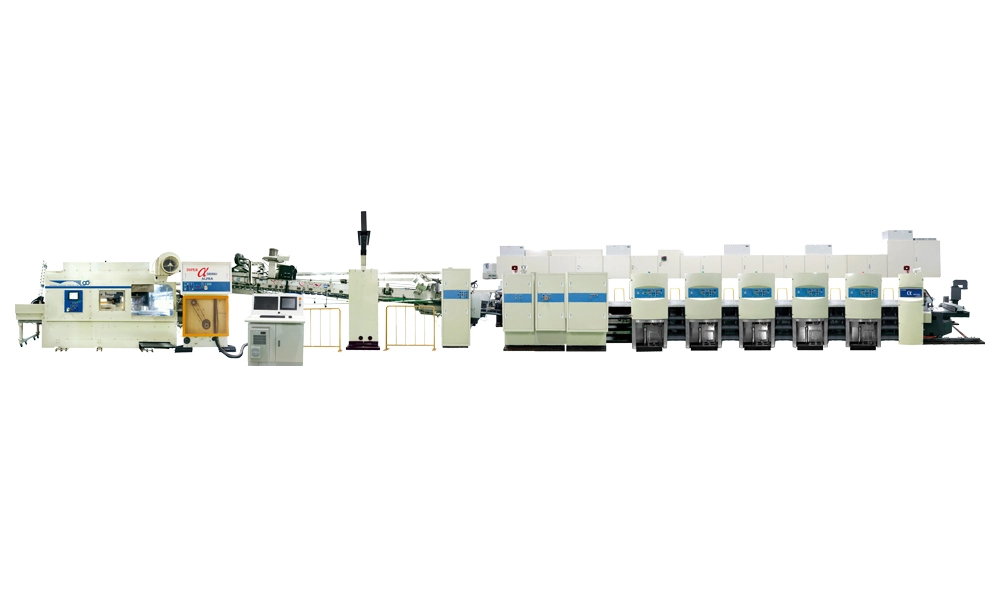
High-grade Full Automatic Flexo Printing Slotting Die Cutting Inline Folding Gluing and Countering Ejectoring Machine
Discover the Keshenglong&Shinko High-grade Full Automatic Flexo Printing Slotting Die Cutting Inline Folding Gluing and Countering Ejectoring Machine, the epitome of precision and efficiency. Ideal for modern packaging needs, this advanced machine streamlines operations by seamlessly integrating printing, slotting, die-cutting, folding, gluing, and ejecting processes. Elevate your production line with Keshenglong's innovative solution, designed to enhance productivity and deliver exceptional results.
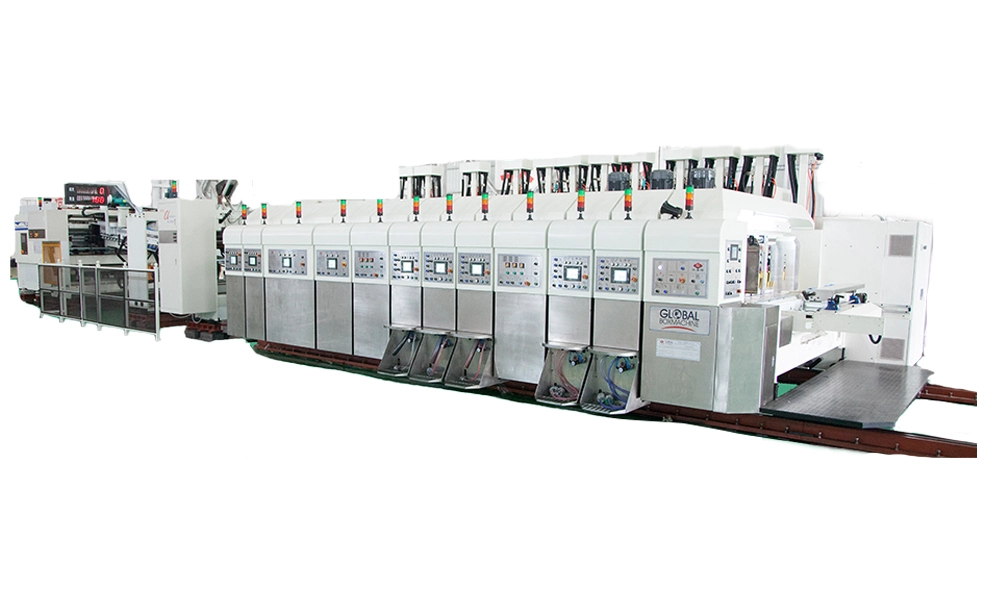
Computerized Flexo Printing Slotting Die-Cutting Inline Folding Gluing Countering Ejecting Machine
Introducing the Keshenglong&Shinko Computerized Flexo Printing Slotting Die-Cutting Inline Folding Gluing Countering Ejecting Machine. Engineered for precision, this advanced machine streamlines your packaging production with integrated Flexo Printing Slotting Die-Cutting functionalities. Seamlessly perform inline folding, gluing, countering, and ejecting—all in one efficient system. Designed for optimal performance, it enhances productivity while reducing downtime.
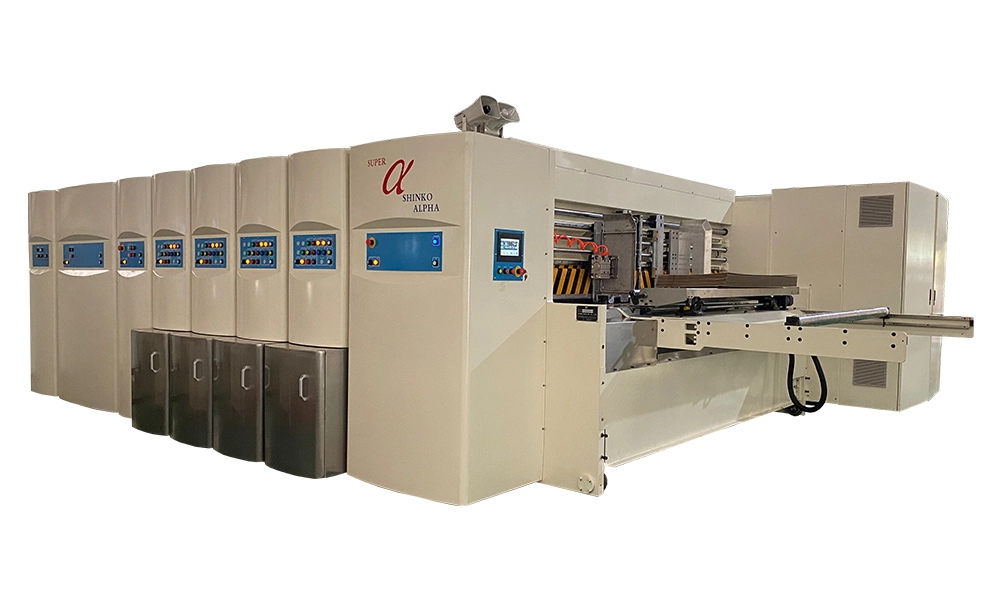
Shinko Super Alpha Movable Type Full Servo Drive Flexo Printing Slotting Die Cutting Machine
Introducing the Shinko Super Alpha Movable Type Full Servo Drive Flexo Printing Slotting Die Cutting Machine by Keshenglong. Engineered for precision and efficiency, this state-of-the-art machine enhances your production line with its advanced servo drive technology. Designed for seamless Flexo printing, slotting, and die-cutting, it ensures superior quality with every output.
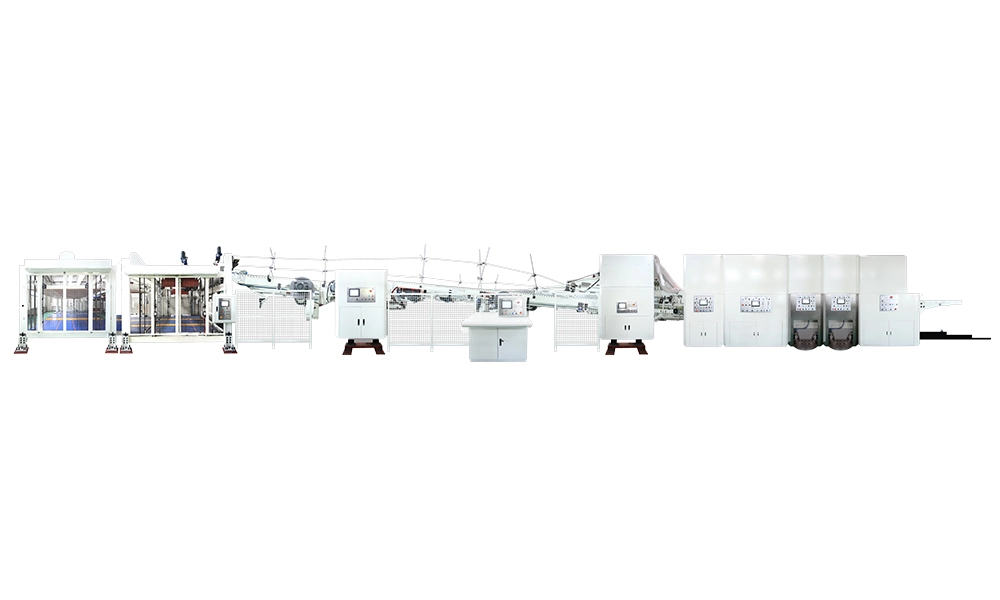
Jumbo Flexo Bottom Printing Slotting Die-Cutting Inline Folding Gluing Countering Ejecting Machine
Introducing the Keshenglong&Shinko Jumbo Flexo Bottom Printing Slotting Die-Cutting Inline Folding Gluing Countering Ejecting Machine. This advanced flexo printing slotting die-cutting machine ensures precision and efficiency for your packaging needs. Designed as a versatile flexo folder gluer machine, it optimizes every step from printing to ejecting, delivering seamless integration and superior quality.


© 2025 Keshenglong & SHINKO All Rights Reserved.
Keshenglong Carton Packing Machine
Keshenglong Carton Packing Machine
Keshenglong Carton Packing Machine
Keshenglong Carton Packing Machine
Keshenglong Carton Packing Machine