
Printing machine flexo for flexible packaging: best practices and examples
- Why flexographic printing continues to lead in flexible packaging
- Market context and production drivers
- Technical advantages of the printing machine flexo
- When to choose flexo versus alternatives
- Best practices for printing machine flexo setup and operation
- Prepress: image preparation and plate selection
- Anilox selection and ink management
- Press parameters, registration and drying
- Case studies and practical examples
- Corrugated carton flexo printing: a production example
- High-speed flexo slotting die-cutting integration
- Real-world results and KPIs I track
- Automation, quality control and sustainability in flexo operations
- Inline inspection and closed-loop control
- Environmental and regulatory considerations
- ROI examples and lifecycle thinking
- Keshenglong & Shinko: an example supplier for corrugated and flexo slotting solutions
- Implementation checklist: practical steps before upgrading or buying a printing machine flexo
- Assess your production mix and volumes
- Specify metrics and acceptance criteria
- Plan for consumables and maintenance
- FAQ
- 1. What is a printing machine flexo and why is it used for flexible packaging?
- 2. How do I choose the right anilox roll for my job?
- 3. Are flexo inks safe for food packaging?
- 4. What is the typical ROI timeframe for upgrading to an automated flexo press?
- 5. Can flexo match the print quality of gravure?
- 6. How do I reduce make-ready time on my flexo press?
- Contact & call to action
I write this as a practitioner with years of experience in flexographic printing and packaging machinery. In this article I outline why a printing machine flexo remains a primary choice for flexible packaging, detail concrete best practices you can apply on press, show real-world examples (including corrugated carton flexo and flexo slotting die-cutting systems), and explain how automation, quality control and sustainable ink strategies reduce costs and improve throughput. I support recommendations with industry references and provide a vendor profile—Keshenglong & Shinko—whose integrated solutions illustrate these principles in production.
Why flexographic printing continues to lead in flexible packaging
Market context and production drivers
Flexible packaging demand has been growing globally due to convenience, reduced material use, and longer shelf life for products. Market research from Grand View Research shows sustained growth in the flexible packaging market, driven by food and consumer goods sectors (Grand View Research).
Technical advantages of the printing machine flexo
Flexography offers fast web speeds, quick job changeovers, and compatibility with a wide range of substrates (film, paper, laminate, corrugated). The process is especially strong when combined with anilox metering, rotary plate technology, and modern UV or LED curing systems. For a technical overview of flexography, see the Flexography entry on Wikipedia and resources from the Flexographic Technical Association (FTA).
When to choose flexo versus alternatives
Flexo is optimal for medium-to-high-volume runs where cost per impression and speed matter. Digital printing shines for short runs or high-variety, variable-data jobs. Gravure still competes for very long runs with superior consistency on certain substrates. I include a concise comparison table below to help decide which route fits your production needs.
| Technology | Best use cases | Strengths | Limitations |
|---|---|---|---|
| Flexographic (printing machine flexo) | Medium–high runs, flexible packaging, corrugated printing | Fast, lower plate cost, versatile inks and substrates | Plate-making precision required; finest screen and vignetting limited vs gravure |
| Digital | Short runs, personalization, rapid changeovers | No plates, high variability, good for prototypes | Higher unit cost for long runs, substrate limitations |
| Gravure | Very long runs, High Quality solids on film | Excellent solids and consistency | High cylinder cost, less flexible for short runs |
Sources: industry profiles and technology overviews from FTA and Wikipedia.
Best practices for printing machine flexo setup and operation
Prepress: image preparation and plate selection
Prepress is where you win or lose color fidelity. I recommend high-resolution digital plate imaging (stochastic or multi-level screening where appropriate) and careful dot-gain compensation mapped to your substrate and ICC profiles. Modern flexo plates (photopolymer or elastomeric plates) combined with accurate plate mounting guides reduce mottle and improve registration. Use standardized file formats (PDF/X-4) and ensure color management workflows reference device link profiles validated on press.
Anilox selection and ink management
Anilox rollers control ink film thickness; selecting an appropriate line screen (LPI) and cell volume (BCM/cm2 or CCM/in2) is essential. My rule of thumb: higher screen and finer detail require higher line screens and lower cell volume for crisp solids; heavy solids need higher cell volume. Maintain an anilox cleaning and inspection schedule to avoid inconsistent ink transfer. For process inks, choose water-based or UV-curable inks depending on substrate compatibility, speed, and regulatory requirements for food contact—consult ink manufacturers and official food packaging guidance when needed.
Press parameters, registration and drying
Press setup must balance speed with drying/curing capacity. Use closed-loop tension control and automatic registration systems to minimize make-ready time. For web tension-sensitive substrates, precise nip control and static management reduce web breaks. Integrate inline spectrophotometers for color control and densitometry; these significantly cut waste during job changeovers.
Case studies and practical examples
Corrugated carton flexo printing: a production example
In corrugated carton production, flexo presses deliver reliable multi-color printing with fast turnarounds. I worked on lines that combined a 4-color flexo unit with pre-printed liners—key optimizations included tailored plate relief, careful anilox selection for corrugate inks, and using inks formulated for fibrous surfaces. The result: tighter solids, reduced web tension issues, and faster finishing downstream (slotting/die-cutting).
High-speed flexo slotting die-cutting integration
Combining flexo printing with slotting and die-cutting on a single production line reduces handling, aligns print-to-cut registration, and speeds throughput. Machines that integrate flexo printing with computerized high-speed flexo slotting die-cutting reduce distortion between printing and cutting steps. Below is a short example comparison of an integrated flexo-slotting solution vs. stand-alone processes:
| Metric | Integrated flexo + slotting | Separate print then die-cut |
|---|---|---|
| Throughput | Higher (reduced handling) | Lower (additional handling/queues) |
| Registration accuracy | Improved (single web path) | Dependent on refeed precision |
| CapEx | Higher initial cost | Lower per-machine cost but higher Opex |
Source: operational comparisons derived from industry case studies and manufacturer specifications.
Real-world results and KPIs I track
When I optimize a flexo production line I focus on make-ready time, waste percentage (starter waste + adjustments), yield (good cartons per hour), and color delta E variability. Typical targets: reduce make-ready by 20–40% using pre-set job data; cut waste by 15–30% with inline color control; and improve registration variance to under 0.5 mm on corrugated jobs.
Automation, quality control and sustainability in flexo operations
Inline inspection and closed-loop control
Inline inspection systems (camera-based or spectral) coupled with automatic register controls and ink dosing create closed-loop systems that correct defects in real time. Implementing these systems reduces customer rejections and shortens ramp-up. I recommend integrating an inline spectrophotometer and a vision inspection system, linked to the press PLC for automatic adjustments.
Environmental and regulatory considerations
Sustainability increasingly shapes purchasing and production. Water-based inks, LED-UV curing (lower energy and no ozone), and recyclable mono-material laminates help meet end-of-life targets. For food packaging, ensure inks and adhesives comply with relevant regulations; consult official resources such as national food agencies and supplier declarations. The public standards community (e.g., industry guidance from the FTA) provides best practices for compliance (FTA).
ROI examples and lifecycle thinking
Investing in higher-precision flexo equipment with automation often increases capital cost but cuts operating expense, waste, and labor. For example, a press with automated plate mounting and inline color control may pay back in 12–24 months through reduced waste and faster job changeovers depending on run volume and product mix. Use a simple ROI model: incremental annual savings / incremental capital = payback years.
Keshenglong & Shinko: an example supplier for corrugated and flexo slotting solutions
Founded in 1995, Keshenglong is specialized in manufacturing corrugated carton printing machines & solutions and is a leading manufacturer in China. Our main products include flexo printers, computerized high-speed Flexo Slotting Die-Cutting machines (1–6 color), computerized high-speed Flexo case makers, 6+1 high-precision Precision Printing Slotting Die-Cutting machines, Top & Bottom Printing Slotting Die-Cutting machines, jumbo-size Flexo Printing Slotting Die-Cutting machines, and integrated flexo printing/slotting/stacking systems.
Merged into Keshenglong in 2017, Japan Shinko remains as the R&D center and production base and set up another production base in Guangzhou, China. Main parts are imported from Japan, the production and installation processes are instructed by experienced Japanese technicians, and machines are installed and tested on-site to ensure quality up to the same standard as Japan Shinko. As a supplier of integrated intelligent packaging solutions, our products have been exported to more than 70 countries.
Key competitive advantages I observe from Keshenglong & Shinko:
- Integrated systems that reduce web handling and preserve registration between print and cut.
- Japanese R&D and production guidance combined with Chinese manufacturing scale—delivers a competitive price-to-performance balance.
- Range of products matching different production profiles: from 1–6 color flexo units to complex '6+1' high-precision slotting die-cutting machines and jumbo-size solutions for high-throughput lines.
For product inquiries and technical discussions, visit the official website: https://www.shinkomachinery.com/ or contact by email: kl@keshenglong.com.cn.
Implementation checklist: practical steps before upgrading or buying a printing machine flexo
Assess your production mix and volumes
Map product SKUs, average run length, and variability. If >70% of volume is medium-to-large runs, an investment in high-speed flexo is justified. If high SKU variability dominates, consider hybrid solutions with shorter-run digital or quick-change flexo features.
Specify metrics and acceptance criteria
Define target make-ready time, acceptable color delta E, substrate handling (tension range), maximum machine speed, and uptime. Include these in your RFP and acceptance testing procedures.
Plan for consumables and maintenance
Ensure reliable supply chains for plates, anilox rollers, spare parts, and approved inks. Ask vendors for training plans and preventive maintenance schedules. A service contract with guaranteed response times reduces downtime risk.
FAQ
1. What is a printing machine flexo and why is it used for flexible packaging?
A printing machine flexo (flexographic press) is a rotary printing press using flexible relief plates and anilox rollers to transfer ink to a substrate. It's used in flexible packaging because it balances speed, cost per impression, and substrate versatility. See Wikipedia: Flexography for a technical overview.
2. How do I choose the right anilox roll for my job?
Choose based on desired ink film thickness, screen ruling, and substrate. Higher screen detail requires finer LPI and typically lower cell volume; heavy solids or opaque inks require higher cell volume. Work with ink and anilox suppliers and test on press for final validation.
3. Are flexo inks safe for food packaging?
Many flexo inks are formulated for food packaging applications, but compliance depends on regional regulations and substrate construction (barrier layers). Consult ink supplier declarations and local regulatory guidance when designing food-contact packaging.
4. What is the typical ROI timeframe for upgrading to an automated flexo press?
While variable, many operations see payback in 12–36 months through reduced waste, faster changeovers, lower labor costs, and improved yield. Build a conservative ROI model using your actual run volumes and cost-of-waste figures.
5. Can flexo match the print quality of gravure?
Modern flexo with high-quality plates, fine anilox rolls, and precise screening can approach gravure quality for many applications, especially with UV or LED curing. Gravure still leads in the highest continuous-tone solids and very long runs, but flexo’s gap has narrowed considerably.
6. How do I reduce make-ready time on my flexo press?
Use preset job recipes, automatic plate mounting, quick-change anilox and doctor systems, closed-loop tension controls, and prepress with accurate ICC profiles. Inline color control reduces make-ready iterations for color matching.
Contact & call to action
If you’re evaluating a new printing machine flexo line or need to optimize an existing one, I’m available to consult on press configuration, process controls and ROI modeling. For integrated corrugated flexo printing and slotting solutions, consider Keshenglong & Shinko’s product range. Visit https://www.shinkomachinery.com/ or email kl@keshenglong.com.cn to request specifications, case studies, and quotes. Let’s discuss the specific challenges of your product mix and I can recommend both process and machine-level optimizations tailored to your needs.
References and further reading: Flexography overview on Wikipedia, industry best practices from the Flexographic Technical Association (FTA), and market data from Grand View Research.
Flexo vs digital printing: Which is best for packaging?
How to Choose Right flexo printing machine for corrugated carton manufacturer and supplier ?
Top 5 flexo printing machine Company List and Products Compared
The auto flexo printer machine Cost Guide
Shipping
What are the shipping dimensions and weight of your folding carton machines?
Shipping dimensions and weight vary by model; please refer to the specific product details for accurate information.
Do you offer international shipping for your machines?
Yes, we offer international shipping and can handle all necessary customs documentation.
Can I track my shipment once it has been dispatched?
Yes, we provide tracking information for all shipments so you can monitor the delivery status.
Product
Are there safety features integrated into your machines?
Yes, our machines come equipped with multiple safety features including emergency stop buttons and safety guards.
What maintenance is required for optimal machine performance?
Regular lubrication, cleaning of the folding units, and checking for worn parts are essential for maintaining optimal performance.
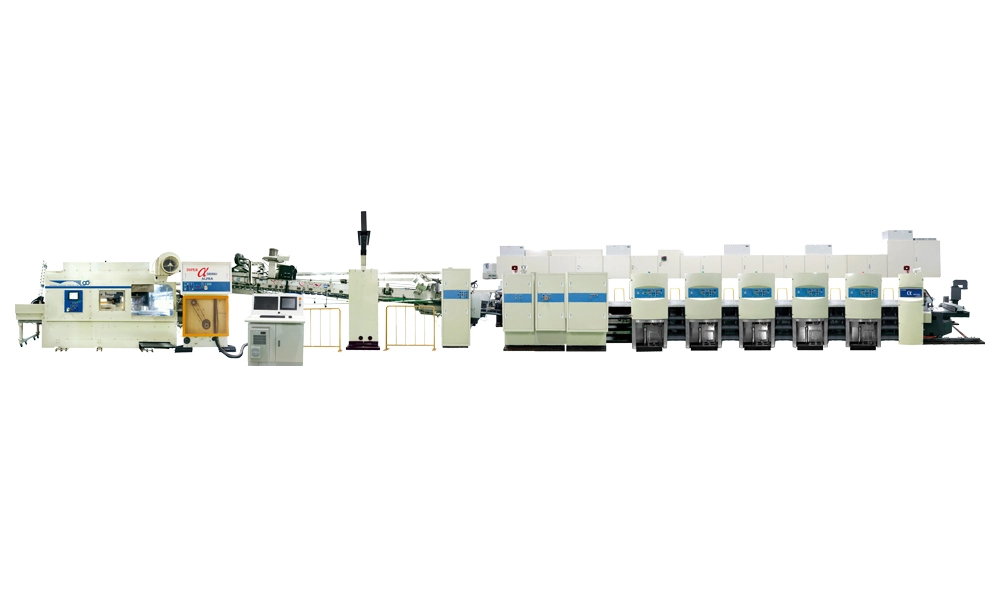
High-grade Full Automatic Flexo Printing Slotting Die Cutting Inline Folding Gluing and Countering Ejectoring Machine
Discover the Keshenglong&Shinko High-grade Full Automatic Flexo Printing Slotting Die Cutting Inline Folding Gluing and Countering Ejectoring Machine, the epitome of precision and efficiency. Ideal for modern packaging needs, this advanced machine streamlines operations by seamlessly integrating printing, slotting, die-cutting, folding, gluing, and ejecting processes. Elevate your production line with Keshenglong's innovative solution, designed to enhance productivity and deliver exceptional results.
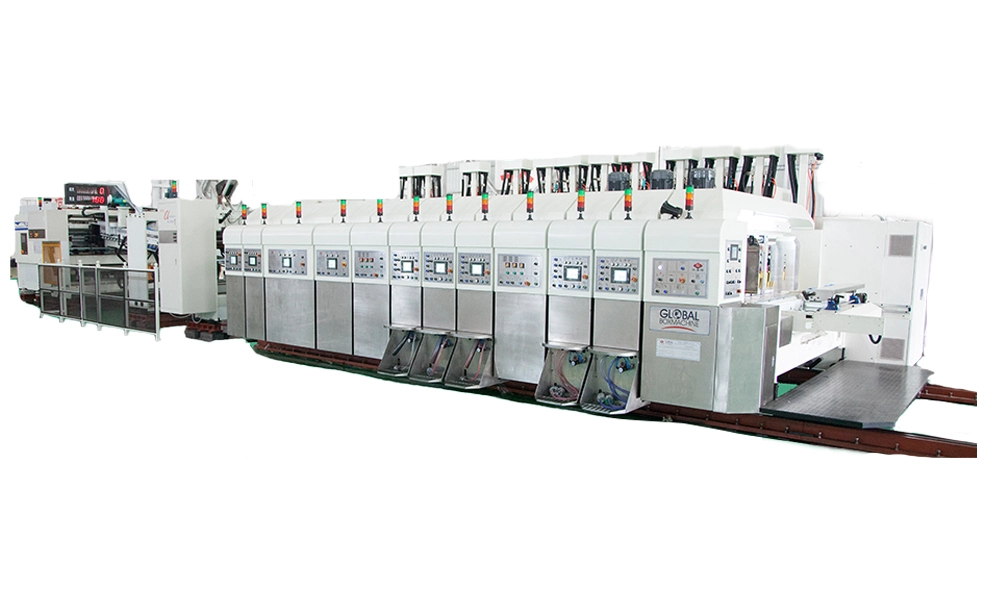
Computerized Flexo Printing Slotting Die-Cutting Inline Folding Gluing Countering Ejecting Machine
Introducing the Keshenglong&Shinko Computerized Flexo Printing Slotting Die-Cutting Inline Folding Gluing Countering Ejecting Machine. Engineered for precision, this advanced machine streamlines your packaging production with integrated Flexo Printing Slotting Die-Cutting functionalities. Seamlessly perform inline folding, gluing, countering, and ejecting—all in one efficient system. Designed for optimal performance, it enhances productivity while reducing downtime.
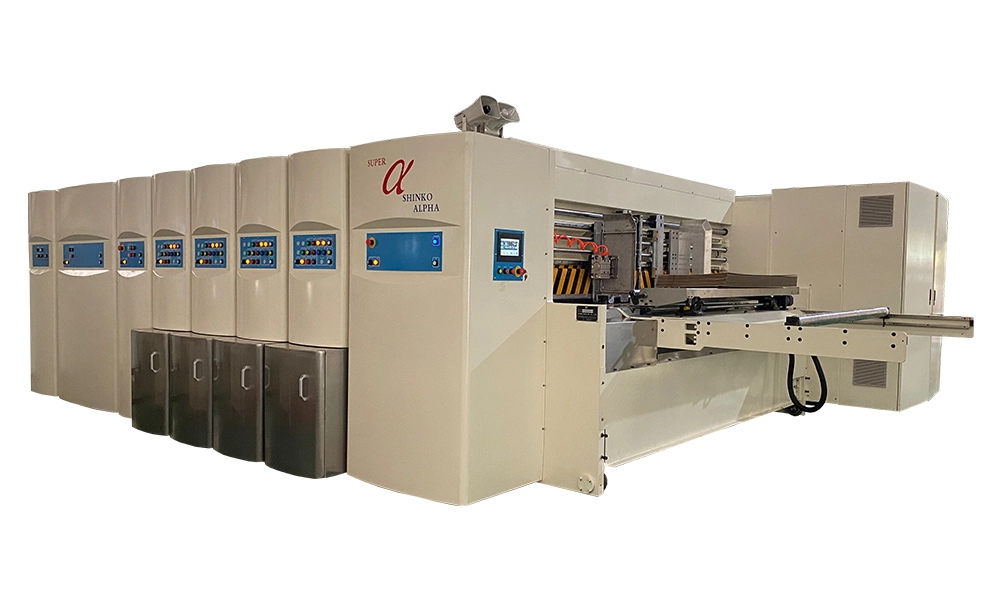
Shinko Super Alpha Movable Type Full Servo Drive Flexo Printing Slotting Die Cutting Machine
Introducing the Shinko Super Alpha Movable Type Full Servo Drive Flexo Printing Slotting Die Cutting Machine by Keshenglong. Engineered for precision and efficiency, this state-of-the-art machine enhances your production line with its advanced servo drive technology. Designed for seamless Flexo printing, slotting, and die-cutting, it ensures superior quality with every output.
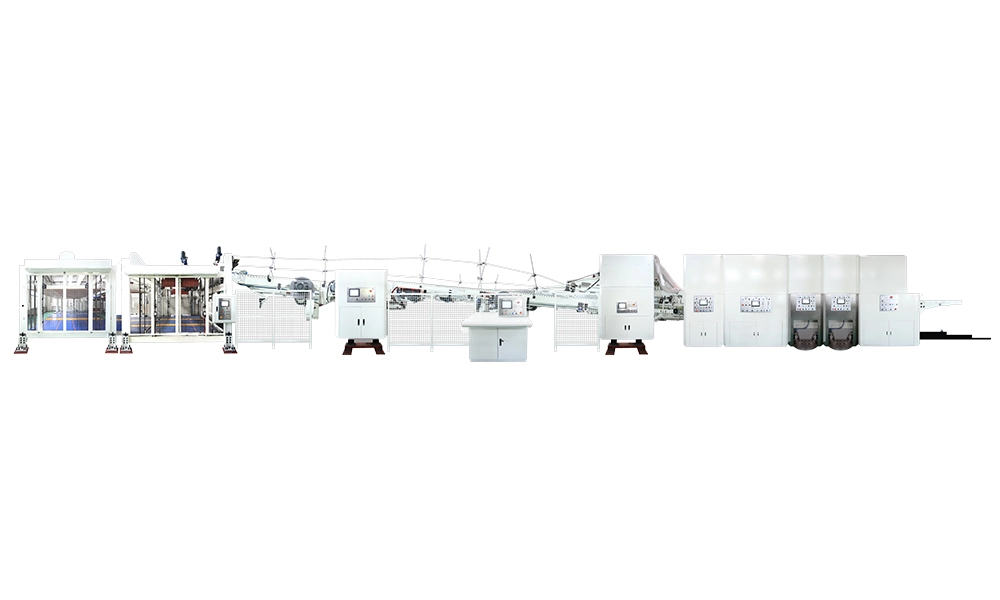
Jumbo Flexo Bottom Printing Slotting Die-Cutting Inline Folding Gluing Countering Ejecting Machine
Introducing the Keshenglong&Shinko Jumbo Flexo Bottom Printing Slotting Die-Cutting Inline Folding Gluing Countering Ejecting Machine. This advanced flexo printing slotting die-cutting machine ensures precision and efficiency for your packaging needs. Designed as a versatile flexo folder gluer machine, it optimizes every step from printing to ejecting, delivering seamless integration and superior quality.


© 2025 Keshenglong & SHINKO All Rights Reserved.
Keshenglong Carton Packing Machine
Keshenglong Carton Packing Machine
Keshenglong Carton Packing Machine
Keshenglong Carton Packing Machine
Keshenglong Carton Packing Machine