
Prepress Workflow Tips for Faster Flexo Production
- Understanding Prepress Bottlenecks in Flexo Production
- Common sources of delay
- How prepress affects press uptime
- Mapping your current workflow
- Prepress Workflow Optimization Strategies
- Standardize file and job specifications
- File preparation best practices
- Optimizing RIP and screening
- Quality Control and Proofing Practices
- Digital and hard-copy proofing
- Plate-making: process controls
- Mounting and registration checks
- Implementing Automation and Integration
- MIS, JDF/JMF and job automation
- Equipment upgrades: plate benders, automatic mounting and inline inspection
- Data-driven continuous improvement
- Practical Checklist and Comparative Overview
- Case Example: Applying Each Step to a Corrugated Box Job
- Step 1: Intake and specification
- Step 2: Preflight, proofing and plate-making
- Step 3: Mounting, press startup and QC
- Keshenglong & Shinko: Integrated Solutions for Faster Flexo Production
- FAQ — Frequently Asked Questions
- 1. What is the single most effective prepress change to reduce makeready time?
- 2. How important is plate material choice for faster flexo production?
- 3. Can automation of mounting and registration replace skilled operators?
- 4. Do digital proofs reliably predict corrugated print results?
- 5. How quickly can a converter expect ROI from prepress improvements?
- 6. What role does anilox selection play in prepress planning?
- Contact & Next Steps
Local and global converters, brand owners and packaging suppliers increasingly demand faster turnaround and higher quality from flexo production lines. This article summarizes actionable prepress workflow improvements that reduce makeready time, improve registration and color consistency, and lower waste for corrugated carton flexo printing. Tips cover digital file preparation, color management, plate making, proofing, quality control and automation—each tied to practical steps you can apply on a flexo printer machine or an integrated flexo printing-slotting die-cutting line.
Understanding Prepress Bottlenecks in Flexo Production
Common sources of delay
Prepress delays commonly stem from inconsistent file preparation, unclear print specifications, manual plate checks, and slow proofing cycles. These bottlenecks extend makeready time on press and increase material waste. Recognizing the specific weak points in your workflow—file handoffs, RIP processing, plate-making or mounting—lets you target improvements with measurable impact. For background on flexography as a process, see the industry overview on Wikipedia: Flexography.
How prepress affects press uptime
Prepress quality directly influences registration stability, ink laydown and print consistency. Errors caught later (or on-press) require extended downtime and rework. A structured prepress flow reduces variability and enables predictable makeready. The Flexographic Technical Association provides guidelines and resources for process control and quality improvement; consult Flexography.org for best practices and training.
Mapping your current workflow
Create a process map from order intake through delivered plates: file reception, dieline/bleed checks, color specs, RIP queues, plate fabrication, inspection and job packet handover. Use this map to quantify handoff times and identify repetitive manual steps that could be standardized or automated.
Prepress Workflow Optimization Strategies
Standardize file and job specifications
Define and enforce a master job ticket template including dielines, bleed, trap settings, exact color formulations (PMS or CMYK values), ink types, substrate, intended lamination or varnish, and target line screen or anilox selection. Having a single source of truth eliminates guesswork between designers, prepress and press operators. Store templates in a shared digital asset management (DAM) or print MIS system accessible to sales, design and prepress teams.
File preparation best practices
Use layered, print-ready PDFs and supply linked images at native resolution. Embed or outline fonts and flatten transparency at a controlled level. Set correct dielines and include a 3–5 mm bleed on corrugated carton jobs where die-cut tolerance requires room for variation. Specify trapping and knockout rules in your preflight profile. Automate preflight checks with tools in Adobe Acrobat, Enfocus PitStop or integrated RIP preflight modules to catch missing links, incorrect color spaces or low-resolution assets before plate-making.
Optimizing RIP and screening
Choose screening strategies that match your combination of substrate, anilox and ink type. Hybrid or FM screening can improve tonal range on corrugated substrates, but requires precise plate-making and consistent anilox specifications. Maintain RIP presets for common substrates and press configurations so operators avoid ad-hoc adjustments. Regularly update RIP profiles as inks or substrates change.
Quality Control and Proofing Practices
Digital and hard-copy proofing
Soft proofs are fast but not always predictive for corrugated printing. Implement a two-stage approach: fast soft proofing for structural and layout checks, followed by contract-grade hard proofs (or validated inkjet proofs) for color-critical jobs. Use spectrophotometer-based proof validation to compare proof to target color values before plate fabrication. Reliable proofing reduces press-side iterations and makeready time.
Plate-making: process controls
Plate quality is foundational. Control plate exposure, washout and post-bake parameters and log these settings per job. Maintain a plate QA checklist that includes dot geometry inspection, dimensional accuracy, and surface cleanliness. Where possible, move to controlled plate-making environments (temperature and humidity) as plate materials can be sensitive to conditions. Consider switching to higher-stability photopolymer plates or sleeves that offer better registration and dot fidelity for faster startup.
Mounting and registration checks
Use digital pre-mounting templates and automated mounting systems where available. For sleeve and plate mounting, apply mechanical or camera-based registration verification to minimize cumulative register error. A short, documented mounting check routine before press start can eliminate time-consuming adjustments during makeready.
Implementing Automation and Integration
MIS, JDF/JMF and job automation
Integrate your MIS with prepress and press through JDF/JMF workflows to automate job ticket transfer, imposition and RIP presets. This reduces manual data entry and ensures consistent application of settings across orders. Automating repeat jobs with saved templates can reduce prepress time dramatically for high-volume packaging runs.
Equipment upgrades: plate benders, automatic mounting and inline inspection
Invest in plate benders, automated mount/demount stations and inline registration cameras. These hardware upgrades shorten makeready and improve repeatability. Inline inspection systems capture print defects in real time, allowing immediate correction and waste reduction. When evaluating capital upgrades for your flexo printer machine, prioritize modules that solve your highest-frequency bottlenecks identified in the workflow map.
Data-driven continuous improvement
Track KPIs such as makeready time, waste per job, first-pass yield and color variation. Regularly review these metrics to identify trends and prioritize process changes. Small, consistent gains (1–3% per month) compound into significant throughput improvements over a year.
Practical Checklist and Comparative Overview
Below is a concise comparison between a traditional prepress approach and an optimized workflow. Use it to benchmark current practices and identify priority actions.
| Metric | Traditional Workflow | Optimized Workflow |
|---|---|---|
| File handoff | Ad-hoc file formats, manual checks | Standardized job tickets, automated preflight |
| Proofing | Soft proof only; press-based color checks | Soft + contract-grade proofs with spectrophotometric validation |
| Plate QA | Visual inspection, inconsistent parameters | Controlled exposure/washout logs; dot geometry testing |
| Mounting | Manual mounting and alignment | Template-assisted or automated mounting with camera checks |
| Data flow | Manual entry between systems | Integrated MIS/RIP with JDF/JMF automation |
For authoritative guidance on process control and training, consult the Flexographic Technical Association and related technical publications.
Case Example: Applying Each Step to a Corrugated Box Job
Step 1: Intake and specification
Receive dieline with structural file from box designer. Confirm substrate, flute type, and adhesive/lamination. Assign a job ticket and load predefined RIP profile matching anilox and ink.
Step 2: Preflight, proofing and plate-making
Run automated preflight; fix any image resolution or color-space issues. Produce an inkjet proof and validate with spectrophotometer against target values. Make plates with logged exposure settings and inspect dot geometry.
Step 3: Mounting, press startup and QC
Use mounting template and camera-assisted registration. Start press with preloaded press curve settings and inline camera inspection. Monitor first 20 sheets, then ramp to full speed once registration and color targets are met.
Keshenglong & Shinko: Integrated Solutions for Faster Flexo Production
Keshenglong, founded in 1995 and specializing in corrugated carton printing machinery, offers a comprehensive portfolio of flexo printing and finishing equipment tailored to reduce total production time. As part of the Keshenglong group, Japan Shinko—merged in 2017—serves as the R&D and production center with additional manufacturing in Guangzhou, China. Main products include flexo printer, computerized high-speed flexo slotting die-cutting machines (1–6 color), computerized high-speed flexo case makers, 6+1 high-precision precision printing slotting die-cutting machines, top & bottom printing slotting die-cutting machines, and jumbo-size flexo printing slotting die-cutting machines.
Key competitive advantages:
- Long industry track record since 1995 with global exports to 70+ countries.
- R&D and manufacturing guided by experienced Japanese technicians; main parts imported from Japan to meet high quality standards.
- Integrated systems combining flexo printing and slotting/die-cutting to minimize handling, reduce makeready and increase throughput for corrugated carton production.
For complete product information and technical specifications, visit Keshenglong & Shinko's website at https://www.shinkomachinery.com/. For direct inquiries, contact kl@keshenglong.com.cn.
FAQ — Frequently Asked Questions
1. What is the single most effective prepress change to reduce makeready time?
Standardizing job tickets and implementing automated preflight checks will immediately reduce preventable errors that cause press delays. This low-investment change prevents many downstream issues.
2. How important is plate material choice for faster flexo production?
Very important. Higher-stability photopolymer plates or sleeve systems can provide better registration and dot fidelity, reducing the need for repeated plate remounting and press adjustments.
3. Can automation of mounting and registration replace skilled operators?
Automation reduces variability and speeds mounting, but experienced operators remain essential for troubleshooting, fine-tuning press settings and ensuring quality for complex jobs.
4. Do digital proofs reliably predict corrugated print results?
Soft proofs are useful for layout and structural checks but may not accurately predict color on corrugated substrates. Contract-grade hard proofs validated with spectrophotometric measurements are recommended for color-critical jobs.
5. How quickly can a converter expect ROI from prepress improvements?
ROI depends on job mix and current inefficiencies. Commonly, measurable gains in throughput and waste reduction appear within months after implementing standardized job tickets, automated preflight and targeted equipment upgrades. Track KPIs to quantify ROI.
6. What role does anilox selection play in prepress planning?
Anilox selection determines available ink transfer and affects screening and dot gain. Include anilox details in job specifications and RIP presets to ensure predictable ink laydown and color reproduction.
Contact & Next Steps
To discuss how these prepress workflow improvements apply to your operations or to evaluate equipment upgrades for your flexo printer machine, contact Keshenglong & Shinko. Visit https://www.shinkomachinery.com/ or email kl@keshenglong.com.cn to request a consultation, technical datasheet or on-site assessment. Our integrated corrugated carton flexo printing and finishing solutions are designed to reduce makeready, improve first-pass yield and increase overall throughput.
References and further reading: Flexography overview on Wikipedia, industry standards and training by the Flexographic Technical Association.
Tips for Wholesale flexo printer slotter die cutter carton box
The latest trends for servo-driven flexo printers
Top automatic corrugated box 4 colour flexo printing machine Manufacturers and suppliers in China
How to Choose Right auto feeding corrugated carton flexo printing machine manufacturer and supplier ?
Shipping
What are the shipping costs for your folding carton machines?
Shipping costs depend on the destination, machine size, and shipping method. Contact us for a detailed quote.
Do you provide installation services upon delivery?
Yes, we offer on-site installation and training services to ensure your machine is set up correctly.
Industry Solutions
Can your machines handle high-volume production demands?
Yes, our machines are designed for high-volume production, ensuring reliable and efficient operation.
Product
Do your machines support automated quality control checks?
Yes, our machines can be equipped with automated quality control systems to ensure consistent production quality.
How do I troubleshoot common issues with the folding mechanism?
Common issues can often be resolved by checking the alignment of the folding plates and ensuring there is no debris obstructing the mechanism.
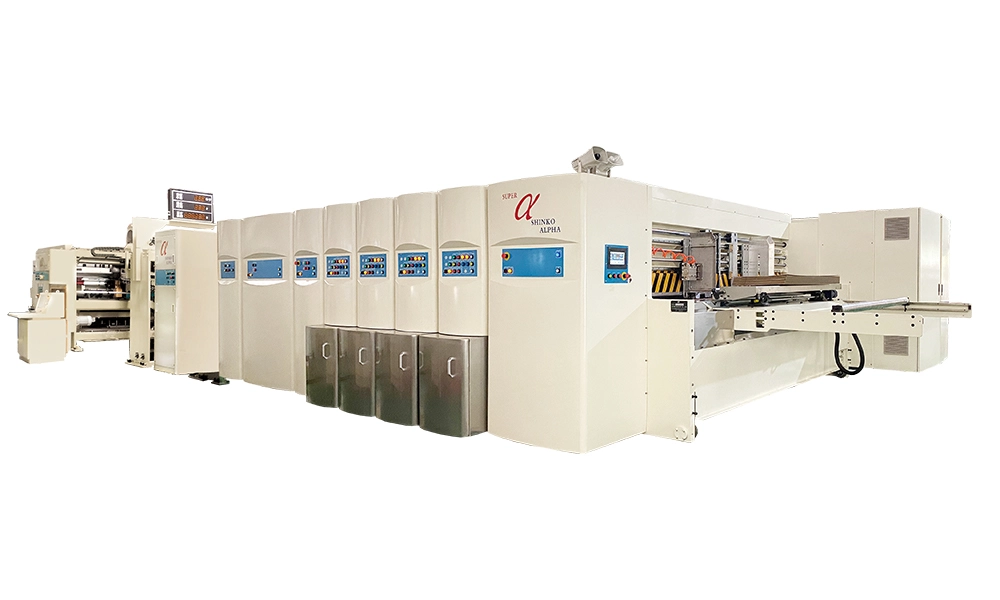
Shinko Super Alpha Movable Type Full Servo Drive Flexo Printing Slotting Die Cutting Inline Folding Gluing Counting Ejecting Machine
This state-of-the-art Movable Type Full Servo Drive Flexo Printing Slotting Die Cutting Machine streamlines your production with precision. Experience seamless operation with its Inline Folding Gluing Counting Ejecting capabilities, ensuring unparalleled efficiency. Designed for high-performance tasks, this Keshenglong&Shinko Super Alpha Movable Type Full Servo Drive Flexo Printing Slotting Die Cutting Inline Folding Gluing Counting Ejecting Machine enhances productivity while maintaining premium quality. Ideal for businesses seeking innovation and reliability, the Shinko Super Alpha is your go-to solution for advanced printing and cutting needs.
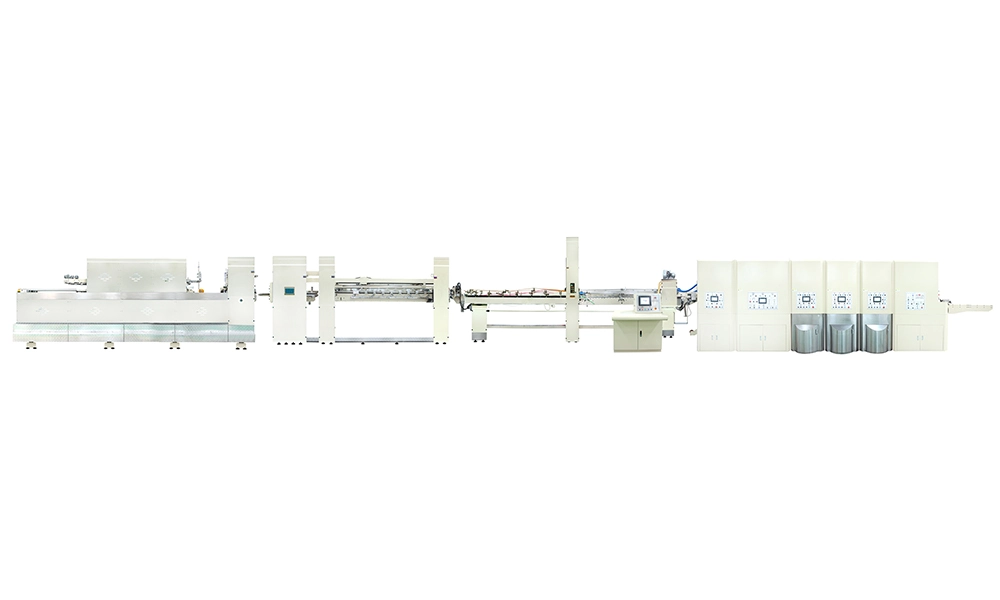
Computerized Flexo Printing Slotting Die-Cutting Inline Folding Gluing and Stitching Machine
Introducing the Keshenglong&Shinko Computerized Flexo Printing Slotting Die-Cutting Inline Folding Gluing and Stitching Machine, a pinnacle of precision and efficiency. This state-of-the-art machine revolutionizes packaging production with seamless integration of printing, slotting, die-cutting, folding, gluing, and stitching. Designed to optimize your workflow, the Computerized Flexo Printing Slotting Die-Cutting Machine enhances accuracy and productivity.
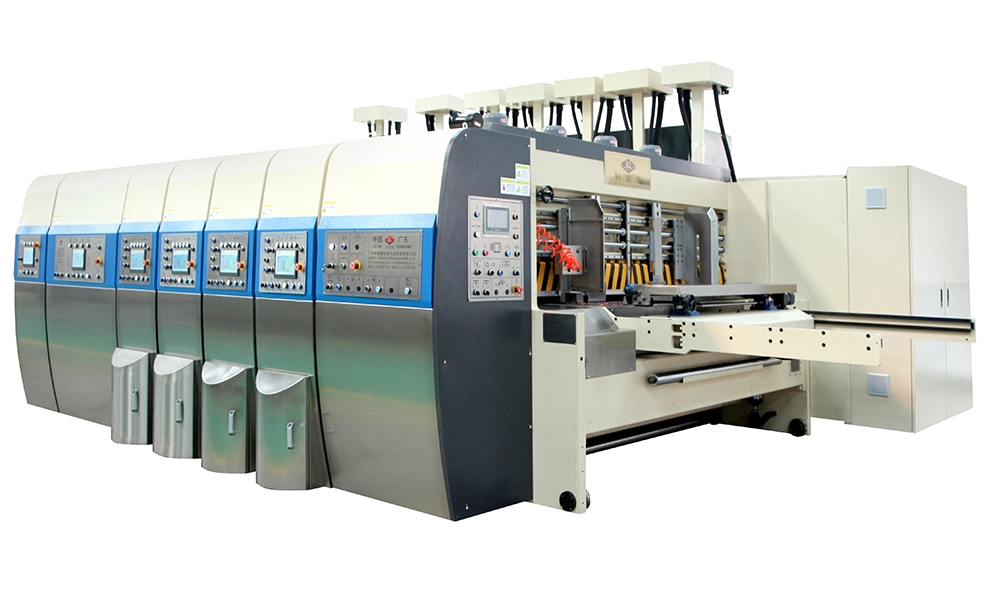
Computerized Flexo Top Bottom Printing Slotting Die-Cutting Machine
Introducing the Keshenglong&Shinko Computerized Flexo Top Bottom Printing Slotting Die-Cutting Machine, designed to enhance your packaging efficiency. Engineered for precision, this high-performance machine offers seamless integration of flexo printing and die-cutting processes. Perfect for a variety for packaging needs, it ensures superior quality and productivity. With user-friendly controls and robust construction, it guarantees reliable operation and minimal downtime. Optimize your production line with Keshenglong’s trusted technology. Explore advanced capabilities with our Flexo Top Bottom Printing Slotting Die-Cutting Machine today.
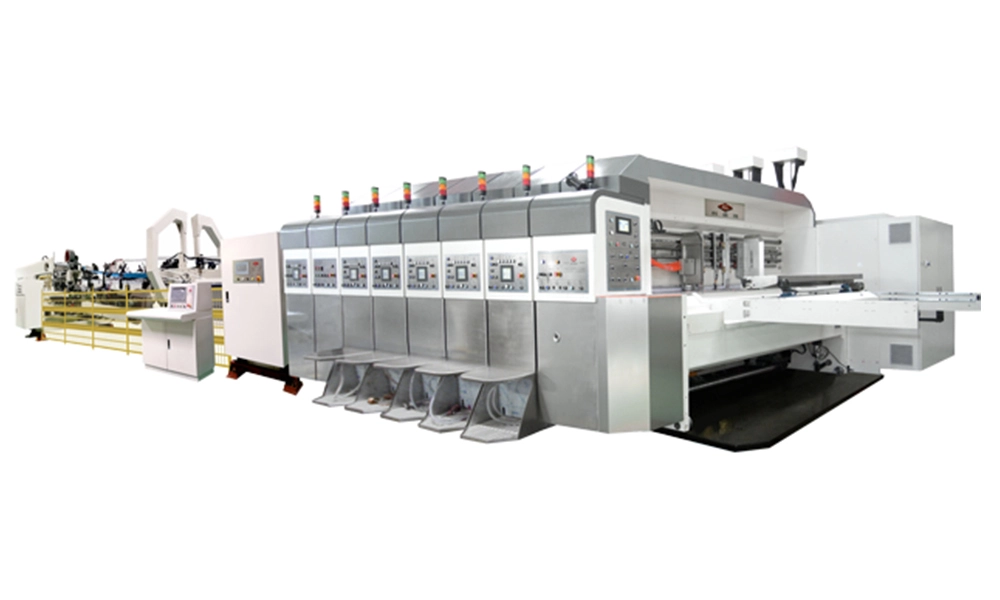
Computerized Flexo Printing Slotting Die-Cutting Inline Folding Gluing Countering Ejecting Machine Repeatable
Introducing the Keshenglong Computerized Flexo Printing Slotting Die-Cutting Inline Folding Gluing Countering Ejecting Machine. This advanced equipment delivers precision and efficiency for all your packaging needs. Perfectly designed for high-speed operations, it ensures seamless integration with your production line. Enhance productivity with our innovative technology that guarantees accurate printing, slotting, and die-cutting.


© 2025 Keshenglong & SHINKO All Rights Reserved.
Keshenglong Carton Packing Machine
Keshenglong Carton Packing Machine
Keshenglong Carton Packing Machine
Keshenglong Carton Packing Machine
Keshenglong Carton Packing Machine