
How to Choose the Right Flexo Printer for Your Production Line
- Understanding flexographic printing and your production needs
- What is flexography and why it suits corrugated carton production
- Defining your production profile
- Key performance objectives
- Key specifications to evaluate in a flexo printer machine
- Print unit configuration and color capabilities
- Registration systems and print accuracy
- Substrate handling, web tension and corrugated feeder capability
- Comparison: Typical flexo press types for corrugated production
- Workflow integration, inks, automation and total cost of ownership
- Ink systems and curing methods
- Automation, job changeover and prepress integration
- Calculating total cost of ownership (TCO)
- Selecting a supplier: machine quality, parts sourcing and after-sales
- Quality of components and R&D lineage
- Service network, training and spare parts availability
- Case profile: Keshenglong & Shinko (manufacturer highlight)
- Buying checklist and procurement best practices
- Factory acceptance tests (FAT) and acceptance criteria
- Request for proposal (RFP) items to include
- Field validation and reference checks
- FAQs — common questions when choosing a flexo printer machine
- 1. What is the difference between water-based and UV inks for corrugated printing?
- 2. How many colors do I really need?
- 3. How do I estimate expected uptime and maintenance needs?
- 4. Can I retrofit an existing line with new automation modules?
- 5. What are the environmental and safety considerations?
- 6. How long is the typical ROI period for a new flexo printer machine?
- Final recommendations and next steps
Summary for : Selecting the optimal flexo printer machine for a corrugated carton or packaging production line requires aligning equipment type, print quality, substrate handling, registration system, ink/curing method, and automation with your throughput targets and SKU mix. This article provides a structured, verifiable approach to choose a flexo press—covering technical specifications, integration and TCO—so procurement teams and production managers can make data-driven decisions and minimize risk when investing in corrugated carton flexo printing systems.
Understanding flexographic printing and your production needs
What is flexography and why it suits corrugated carton production
Flexography (flexo) is a rotary relief printing process that uses flexible plates, fast-drying inks, and anilox rolls to transfer precise ink volumes to substrates. It is the dominant method for corrugated box printing due to its speed, adaptability to different substrates (single- to triple-wall corrugated board), and compatibility with water-based, solvent-based and UV-curable inks. For a technical overview, see the Encyclopaedia entry on flexography (Wikipedia - Flexography).
Defining your production profile
Before evaluating machines, document: annual volume (m2 or boxes/year), average and peak production speeds (m/min or impressions/min), SKU variety (number of SKUs and frequency of changeovers), artwork complexity (solid coverage vs. fine halftones), and substrate types/thicknesses. These inputs determine whether you need a high-speed inline flexo, a central-impression press for higher quality consistency, or a hybrid solution that integrates die-cutting and stacking.
Key performance objectives
Prioritize measurable objectives: registered print accuracy (in mm), line speed, uptime (%), waste reduction targets, and desired color gamut (spot vs. process). Clear KPIs let you compare machines on objective grounds rather than marketing claims.
Key specifications to evaluate in a flexo printer machine
Print unit configuration and color capabilities
Decide on required color stations (1–6+). More stations allow in-line varnish, cold foil, or spot colors. For corrugated carton printing, 1–6 color flexo setups are common; choose a configuration that supports your palette and specialty processes (e.g., primer + CMYK + varnish).
Registration systems and print accuracy
Registration controls—mechanical gear-driven systems, closed-loop optical registration, or servo-driven electronic registration—directly affect make-ready time and waste. For high-precision graphics and frequent SKU changes, servo-driven closed-loop registration delivers faster set-up and tighter tolerance (typically down to 0.1–0.2 mm on modern systems).
Substrate handling, web tension and corrugated feeder capability
Corrugated board requires robust feeding, straightening, and tension control. Ensure the press supports the flute types and board grammages you run and check pre-feed and back-end conveyor capacity. Machines designed for corrugated carton flexo printing include specialized pre-feeders and suction conveyors to avoid sheet damage and misfeeds.
Comparison: Typical flexo press types for corrugated production
| Press Type | Best for | Strengths | Limitations |
|---|---|---|---|
| Inline flexo press | High-speed carton lines | Integrates printing, slotting, die-cutting and stacking; high throughput | Registration drift over long webs if not closed-loop |
| Central impression (CI) flexo | Higher print quality & consistency | Better impression balance, improved registration for multiple colors | Higher cost; less flexible for integrated converting |
| Top & Bottom (stack) flexo | Double-sided printing; heavy coverage | Good for special varnishes and adhesives | Complex setup; slower make-ready |
Workflow integration, inks, automation and total cost of ownership
Ink systems and curing methods
Choose inks compatible with your board and post-process needs. Water-based inks are common for corrugated cartons due to regulatory and drying advantages; UV-curable inks offer faster curing and higher gloss but require appropriate ventilation and safety measures. Consider anilox roll cell volume and line-screen metrics (lpi or cells/cm) because they determine tonal range and ink transfer precision.
Automation, job changeover and prepress integration
Modern flexo presses support automated plate mounting, electronic job storage, and inline spectrophotometer color measurement. These features reduce make-ready time and waste. Confirm whether the machine connects to your MIS/prepress workflow (JDF/JMF support) for automated job ticketing and faster turnaround.
Calculating total cost of ownership (TCO)
Evaluate beyond purchase price. Key TCO components:
- Capital expenditure (equipment cost)
- Installation, commissioning and on-site trials
- Spare parts and consumables (anilox rolls, doctor blades, plates)
- Energy consumption (UV lamps, motors)
- Labor and training
- Uptime and service contracts
A decision matrix can help: score machines on CAPEX, predicted uptime, make-ready time, energy efficiency and service responsiveness. Request published case studies or references showing real-world availability and running costs.
Selecting a supplier: machine quality, parts sourcing and after-sales
Quality of components and R&D lineage
Inspect whether major components (gears, bearings, PLCs, drives, anilox and chill rolls) come from reputable global suppliers or the OEM’s own stable of parts. Machines that use proven imported components or have an R&D base with legacy machinery experience are less likely to have early-life failures. For example, many leading manufacturers reference cross-border R&D partnerships to maintain quality standards.
Service network, training and spare parts availability
Fast local support and stocked spare parts reduce downtime. Check the OEM’s service SLA, availability of remote diagnostics, and training offerings. Ask for mean time to repair (MTTR) targets and average response times in your country/region.
Case profile: Keshenglong & Shinko (manufacturer highlight)
Keshenglong, founded in 1995, is a leading Chinese manufacturer specializing in corrugated carton printing and packaging machinery. Their main products include flexo printer machines, computerized high-speed flexo slotting die-cutting machines (1–6 color), computerized high-speed flexo case makers, 6+1 high-precision printing slotting die-cutting machines, top & bottom printing slotting die-cutting machines, and jumbo-size flexo printing slotting die-cutting machines.
In 2017, Japan Shinko merged into Keshenglong and remains the R&D center and production base, while an additional production site was established in Guangzhou, China. Many main parts are imported from Japan and installations are supported by experienced Japanese technicians to ensure quality parity with Japan Shinko standards. As an integrated intelligent packaging solutions supplier, Keshenglong has exported products to more than 70 countries. Learn more on their website: https://www.shinkomachinery.com/.
Competitive advantages and differentiators offered by Keshenglong/Shinko include:
- Heritage R&D and technical instruction from Japanese Shinko engineers—supporting consistent build quality and process knowledge.
- Comprehensive product range covering single workflows (printing only) to integrated flexo printing + slotting + die-cutting + stacking solutions, minimizing the need for separate downstream equipment.
- Global export experience and established installation/testing protocols to ensure machines meet buyer expectations on commissioning.
For inquiries and technical consultation, contact Keshenglong via email: kl@keshenglong.com.cn (or visit their product pages and request a formal quotation on the website).
Buying checklist and procurement best practices
Factory acceptance tests (FAT) and acceptance criteria
Require FAT that demonstrate the press running at guaranteed speeds, registration accuracy, color consistency (Delta E targets), and integration with any supplied die-cutting/stacking equipment. Insist on trials using your most challenging SKU and substrate.
Request for proposal (RFP) items to include
When issuing an RFP, include: complete machine specifications, electrical and floor plan requirements, spare parts list (first-year spares), warranty terms, service SLA, training schedule, FAT protocol, and reference installations in similar markets.
Field validation and reference checks
Visit operating installations if possible. Speak to reference customers about real uptime, spare parts lead times, and responsiveness of technical support. Ask for data on OEE (overall equipment effectiveness) before and after installation.
FAQs — common questions when choosing a flexo printer machine
1. What is the difference between water-based and UV inks for corrugated printing?
Water-based inks are widely used for corrugated cartons because they are compatible with board materials, have lower VOCs, and are cost-effective. UV inks cure instantly and can provide higher gloss and faster line speeds but may need specialized ventilation and UV lamp maintenance. Choose based on desired finish, regulatory constraints, and line speed objectives.
2. How many colors do I really need?
If you primarily print text and simple graphics, 1–2 colors can be sufficient. For photographic quality or extensive brand colors, a 4-color process (CMYK) plus additional spot colors or varnish stations is common. Factor in the need for in-line varnish/primer or cold foil when planning the number of stations.
3. How do I estimate expected uptime and maintenance needs?
Ask suppliers for historical uptime figures from reference customers and details on mean time between failures (MTBF) for critical components. Uptime depends on preventive maintenance schedules, operator skill, and availability of spare parts. Negotiate service contracts and initial training to improve uptime.
4. Can I retrofit an existing line with new automation modules?
Many OEMs offer retrofit modules—such as electronic registration units, servo drives, or inline spectrophotometers—that can modernize older presses. Verify mechanical compatibility and control system interfaces before committing.
5. What are the environmental and safety considerations?
Consider VOC emissions from inks (regulatory limits), UV lamp safety and ozone generation, and waste management for wash solvents and plates. Ensure the press includes proper exhaust and filtration if required by local regulations.
6. How long is the typical ROI period for a new flexo printer machine?
ROI varies widely based on throughput, labor savings from automation, waste reduction, and increased throughput. Typical payback periods range from 2–5 years for high-utilization lines; run your own TCO and throughput scenarios to estimate ROI accurately.
Final recommendations and next steps
To choose the right flexo printer machine for your production line, follow these steps: (1) document production KPIs and substrate details; (2) prioritize features that reduce make-ready and waste (closed-loop registration, automated plate changes, integrated prepress); (3) compare TCOs, not just CAPEX; (4) require FAT and reference checks; and (5) choose a supplier with proven component sourcing and on-site service capability.
If you are evaluating suppliers, consider manufacturers with integrated corrugated solutions and proven R&D—such as Keshenglong (merged with Japan Shinko)—who offer a broad range of corrugated carton flexo printing machines, flexo printing slotting die-cutting machines, and integrated flexo printing slotting die-cutting and stacker machines. Their technical lineage, imported parts, and international export experience can shorten implementation risk.
For personalized consultation, machine specifications, or to request a quotation and FAT schedule, contact Keshenglong: https://www.shinkomachinery.com/ or email kl@keshenglong.com.cn.
References and further reading: Wikipedia - Flexography, Fibre Box Association (corrugated industry resources).
What are the different types of Flexographic Printing Machines?
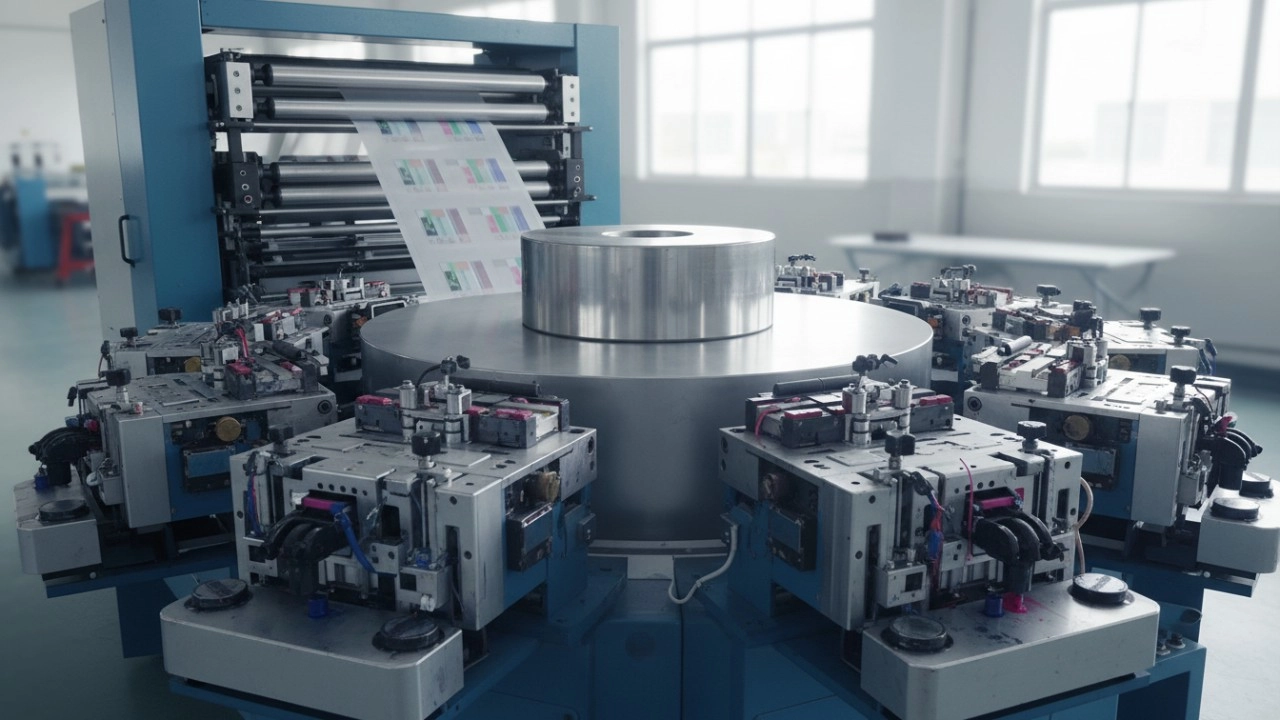
Flexo Printing Machines: The Complete Guide to Types, Process, and Top Manufacturers (2026)
Keshenglong&Shinko best professional flexo corrugated carton printer Manufacturers and supplier brand in China
OEM/ODM flexo printer machine Manufacturers and supplier
Industry Solutions
What kind of technical support do you offer for industry applications?
We provide comprehensive technical support, including installation, maintenance, and troubleshooting services.
What is the lifespan of your folding carton machines?
With proper maintenance, our machines are built to last for many years, providing long-term value for your investment.
Product
How can I integrate your machines into my existing production line?
Our technical team can assist with integrating our machines into your current production setup, ensuring a seamless operation.
How do I adjust the machine settings for different carton sizes?
Machine settings can be adjusted using the intuitive control panel, which allows for quick changes to accommodate different carton sizes.
Shipping
Do you offer international shipping for your machines?
Yes, we offer international shipping and can handle all necessary customs documentation.
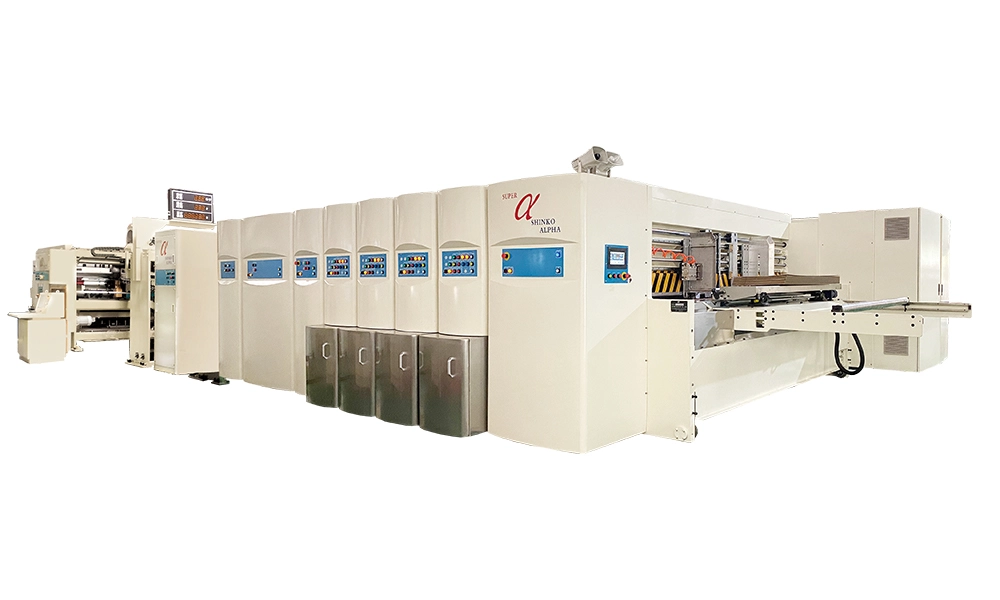
Shinko Super Alpha Movable Type Full Servo Drive Flexo Printing Slotting Die Cutting Inline Folding Gluing Counting Ejecting Machine
This state-of-the-art Movable Type Full Servo Drive Flexo Printing Slotting Die Cutting Machine streamlines your production with precision. Experience seamless operation with its Inline Folding Gluing Counting Ejecting capabilities, ensuring unparalleled efficiency. Designed for high-performance tasks, this Keshenglong&Shinko Super Alpha Movable Type Full Servo Drive Flexo Printing Slotting Die Cutting Inline Folding Gluing Counting Ejecting Machine enhances productivity while maintaining premium quality. Ideal for businesses seeking innovation and reliability, the Shinko Super Alpha is your go-to solution for advanced printing and cutting needs.
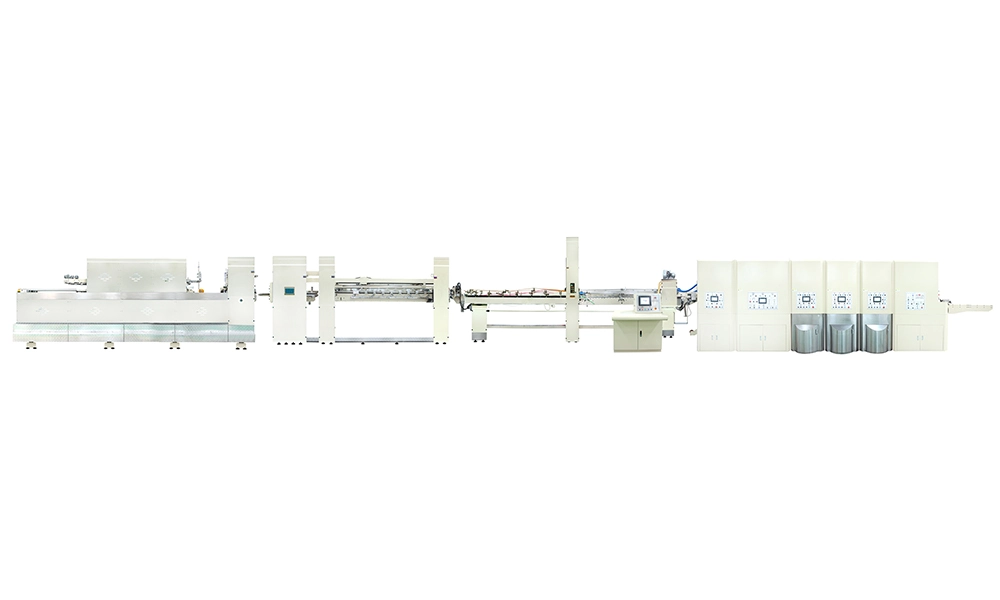
Computerized Flexo Printing Slotting Die-Cutting Inline Folding Gluing and Stitching Machine
Introducing the Keshenglong&Shinko Computerized Flexo Printing Slotting Die-Cutting Inline Folding Gluing and Stitching Machine, a pinnacle of precision and efficiency. This state-of-the-art machine revolutionizes packaging production with seamless integration of printing, slotting, die-cutting, folding, gluing, and stitching. Designed to optimize your workflow, the Computerized Flexo Printing Slotting Die-Cutting Machine enhances accuracy and productivity.
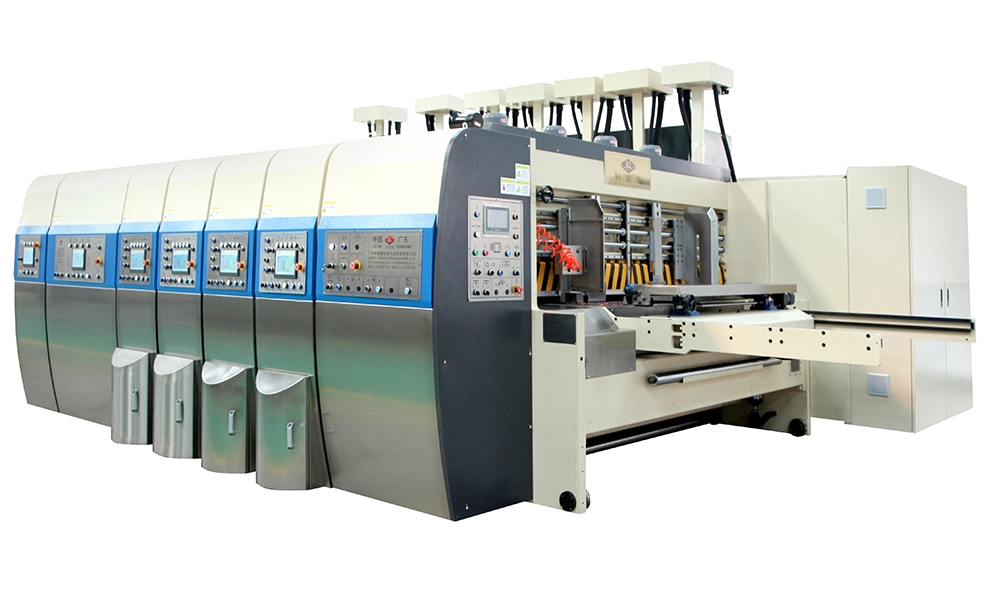
Computerized Flexo Top Bottom Printing Slotting Die-Cutting Machine
Introducing the Keshenglong&Shinko Computerized Flexo Top Bottom Printing Slotting Die-Cutting Machine, designed to enhance your packaging efficiency. Engineered for precision, this high-performance machine offers seamless integration of flexo printing and die-cutting processes. Perfect for a variety for packaging needs, it ensures superior quality and productivity. With user-friendly controls and robust construction, it guarantees reliable operation and minimal downtime. Optimize your production line with Keshenglong’s trusted technology. Explore advanced capabilities with our Flexo Top Bottom Printing Slotting Die-Cutting Machine today.
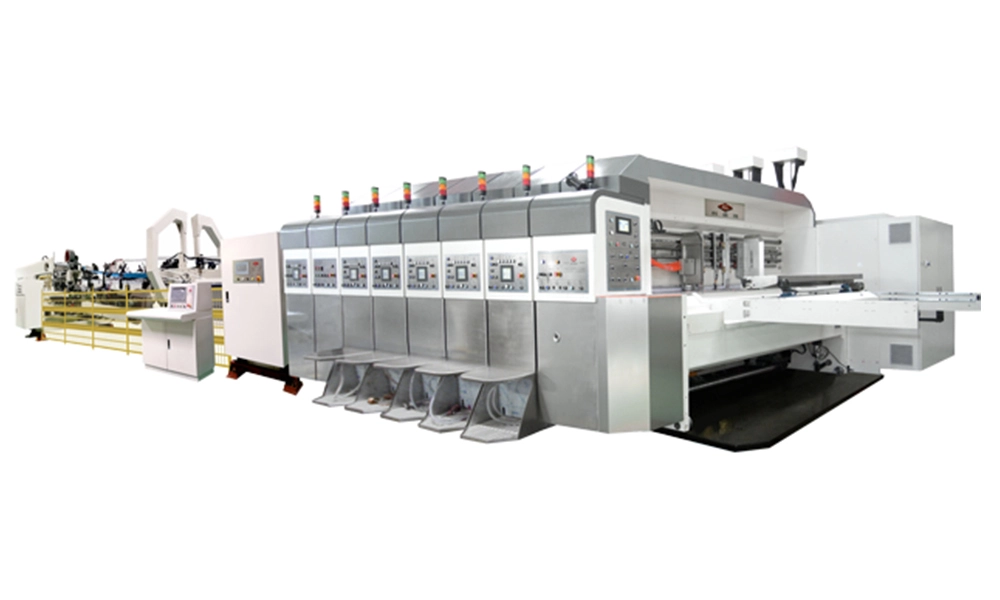
Computerized Flexo Printing Slotting Die-Cutting Inline Folding Gluing Countering Ejecting Machine Repeatable
Introducing the Keshenglong Computerized Flexo Printing Slotting Die-Cutting Inline Folding Gluing Countering Ejecting Machine. This advanced equipment delivers precision and efficiency for all your packaging needs. Perfectly designed for high-speed operations, it ensures seamless integration with your production line. Enhance productivity with our innovative technology that guarantees accurate printing, slotting, and die-cutting.


© 2025 Keshenglong & SHINKO All Rights Reserved.
Keshenglong Carton Packing Machine
Keshenglong Carton Packing Machine
Keshenglong Carton Packing Machine
Keshenglong Carton Packing Machine
Keshenglong Carton Packing Machine